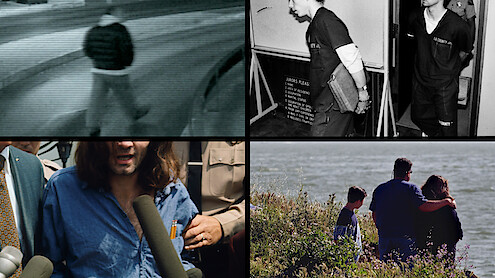
It was the case that captivated the world.
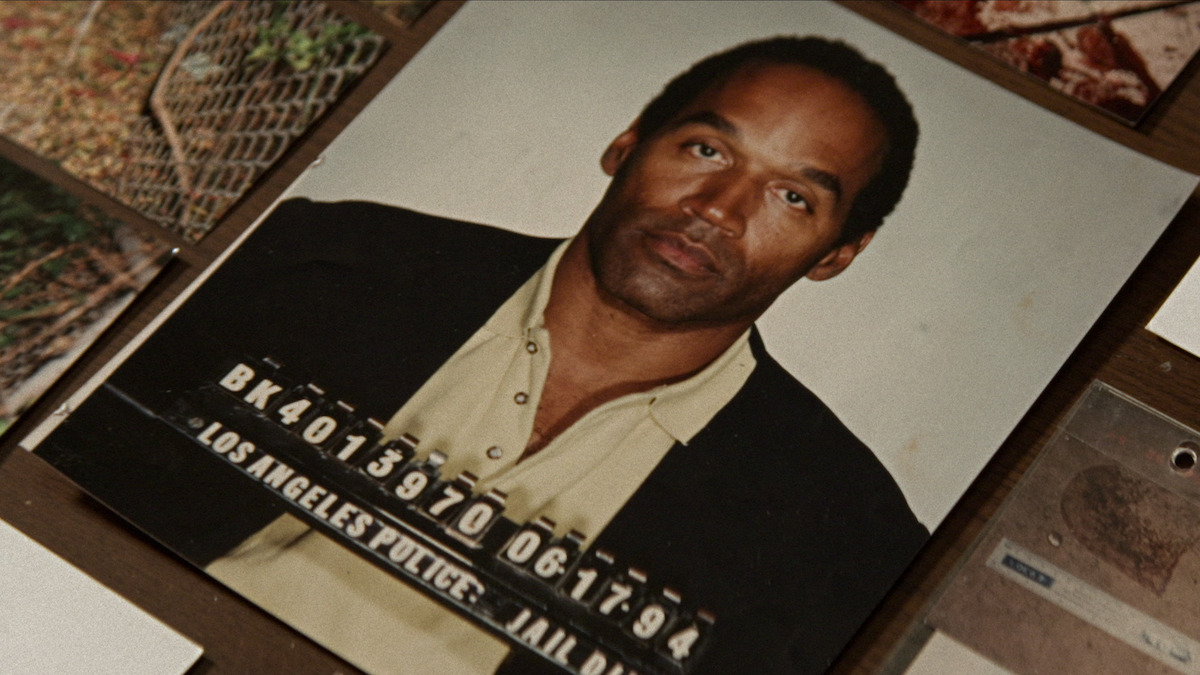
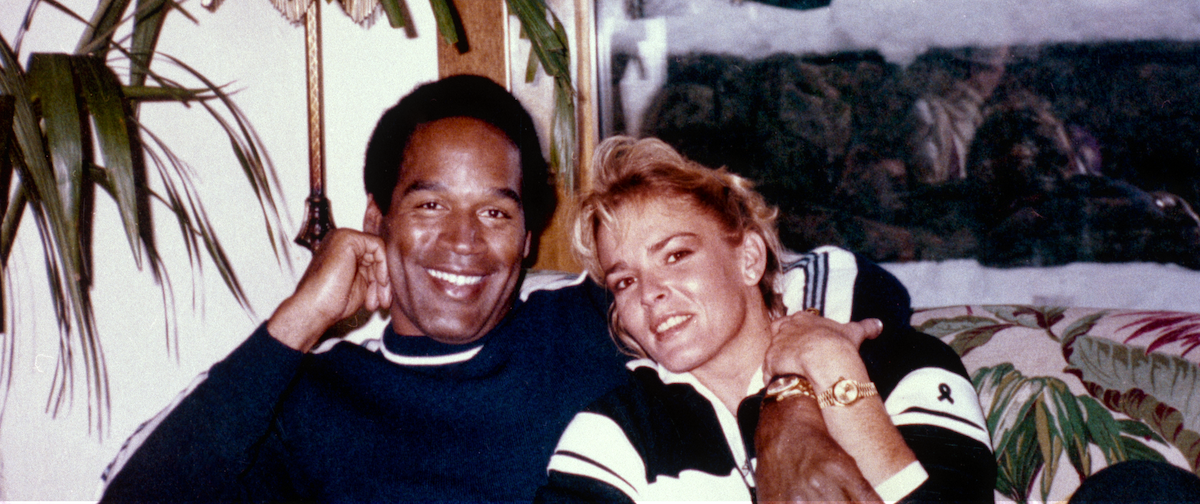
In 1995, former NFL player, commentator, and actor O.J. Simpson went on trial for the murder of his ex-wife Nicole Brown Simpson, and her friend Ronald Goldman. The eight-month televised courtroom proceedings and swift acquittal sent shockwaves through the nation.
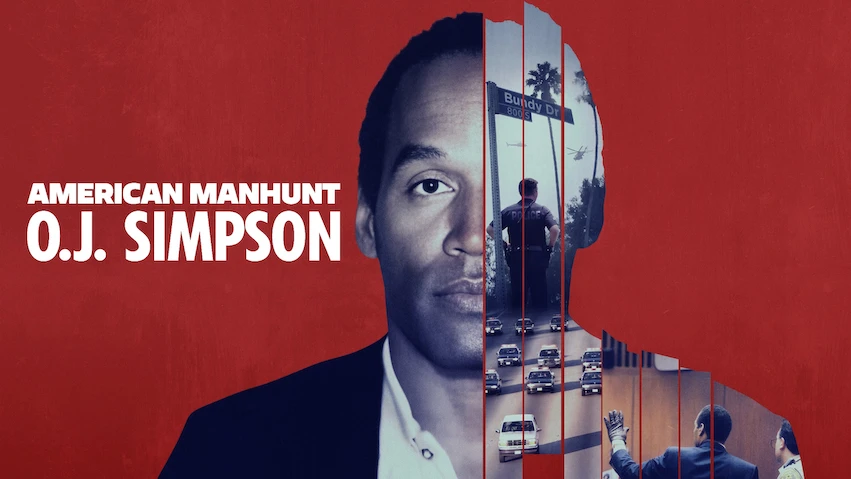
Thirty years later, director Floyd Russ (American Manhunt: The Boston Marathon Bombing, Untold: Malice at the Palace) reexamines one of the most-discussed true-crime stories in history in the four-part docuseries American Manhunt: O.J. Simpson. “This is a story that has so many faces and so many elements that when you contextualize it historically it takes on a new form every few years,” Russ says.
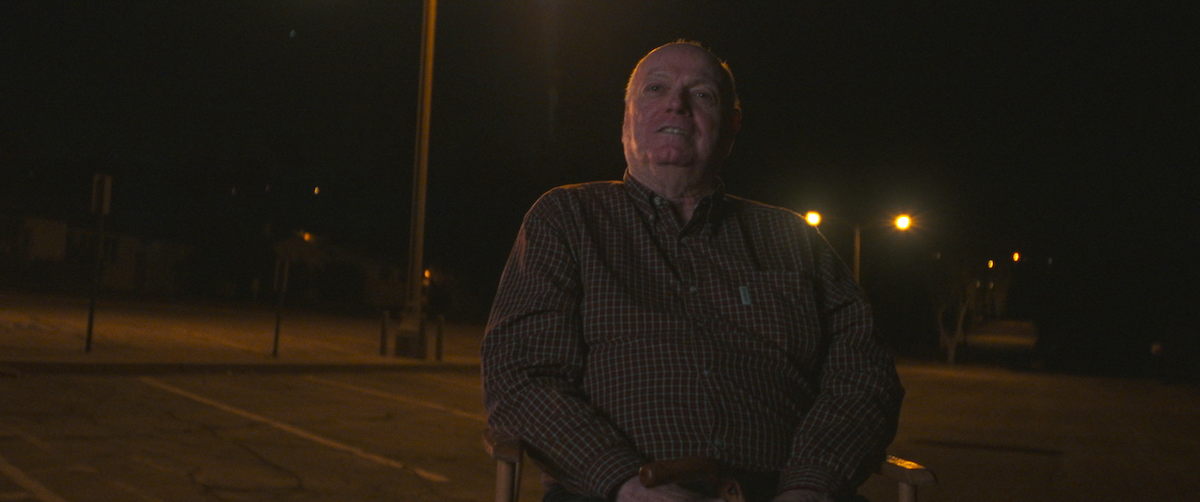
The series features new interviews with many of the key figures from the investigation and trial, such as former LAPD detective Mark Fuhrman, multiple witnesses including Kato Kaelin, attorneys for the defense and prosecution, in Carl Douglas and Christopher Darden respectively, and Goldman’s sister Kim. “Our interview subjects have a power to reflect in a new way with the passage of 30 years,” says Russ of his conversations. “Their emotions have evolved, and the way they’re able to talk about it is different than they ever have before. That sense of reflection from the people involved was apparent from the get-go, which made us feel that this story was one that needed to be told in a new and different way.”
What is the American Manhunt: O.J. Simpson premiere date?
The four-part series was released on Jan. 29. Watch it here.
Who is interviewed in American Manhunt: O.J. Simpson?
Russ conducted interviews with dozens of people, including law enforcement officers, lawyers, witnesses, and family members.
“The key was to make sure that both sides were balanced,” he says, “to make clear that this isn’t just a true crime cop documentary. It’s much deeper. So, you need people to contextualize the history, the trial.”
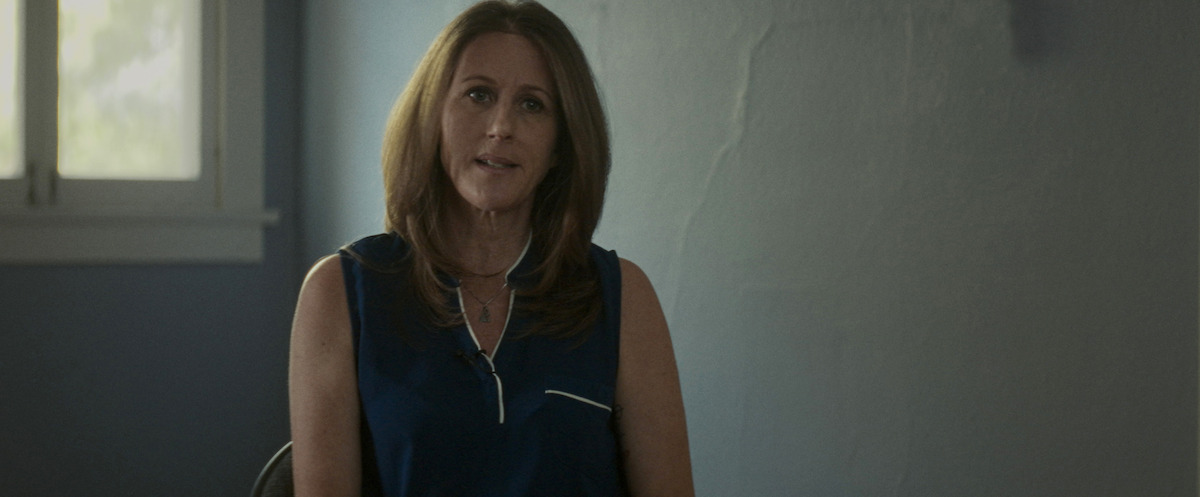
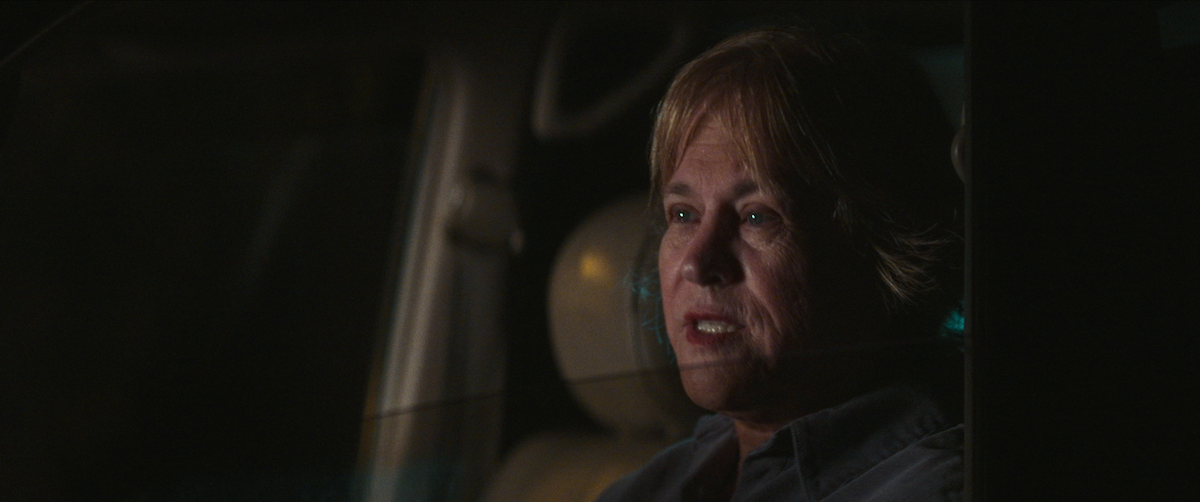
Also appearing in the series are two witnesses who were never heard from in court: Jill Shively and Skip Junis.
In grand jury testimony, Jill Shively stated that she had seen Simpson run a red light near the crime scene on the night of the murders, but because she also sold her story to a tabloid TV show, she was never called at trial. Skip Junis said that he witnessed Simpson discarding items in a trash can at LAX that night, but likewise did not testify.
Several people in American Manhunt: O.J. Simpson express regret about these developments, along with other issues surrounding the case. “That’s part of what we mean when we talk about the power to reflect 30 years later,” says Russ. “The lawyers, the police, in hindsight, all say ‘Massive mistakes were made. These people should have been called.’ But if you’re living in the moment, it’s different to make those decisions.”
Who is not interviewed in American Manhunt: O.J. Simpson?
Key figures who have passed away, including Simpson’s defense attorney Johnnie Cochran and friend Robert Kardashian, are represented by archival footage. Prosecutor Marcia Clark and the Brown family also chose not to participate, which Russ understood. They are also seen in archival footage.
“There are some documentaries where people want to talk, and they come knocking at your door,” the director says. “This is a story filled with a lot of grief and almost no happy endings. Marcia Clark and members of the Brown family did not want to open up that box again and we respect that.”
Hear from Russ about his approach to the documentary in his interview with the You Can’t Make This Up podcast here.
What happened to O.J. Simpson?
Learn more about the civil suit that followed the criminal trial, as well as the aftermath of the trial and Simpson’s eventual death here.
Where can I watch the American Manhunt: O.J. Simpson trailer?
Take a look at the gripping trailer for the docuseries at the top of the page.