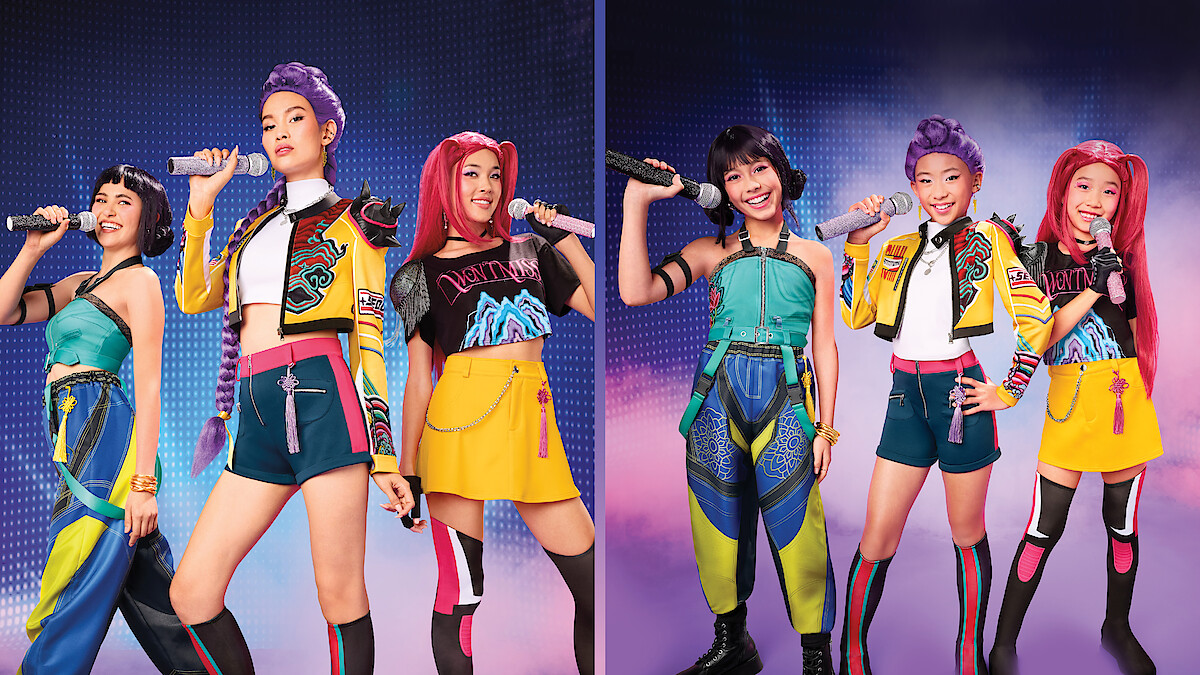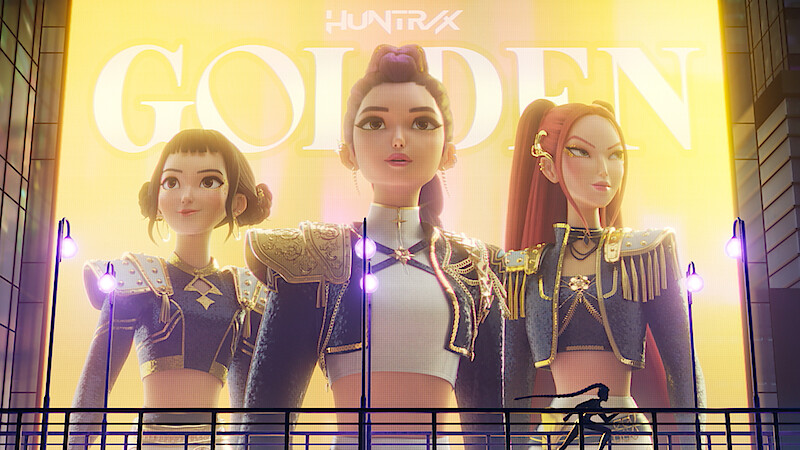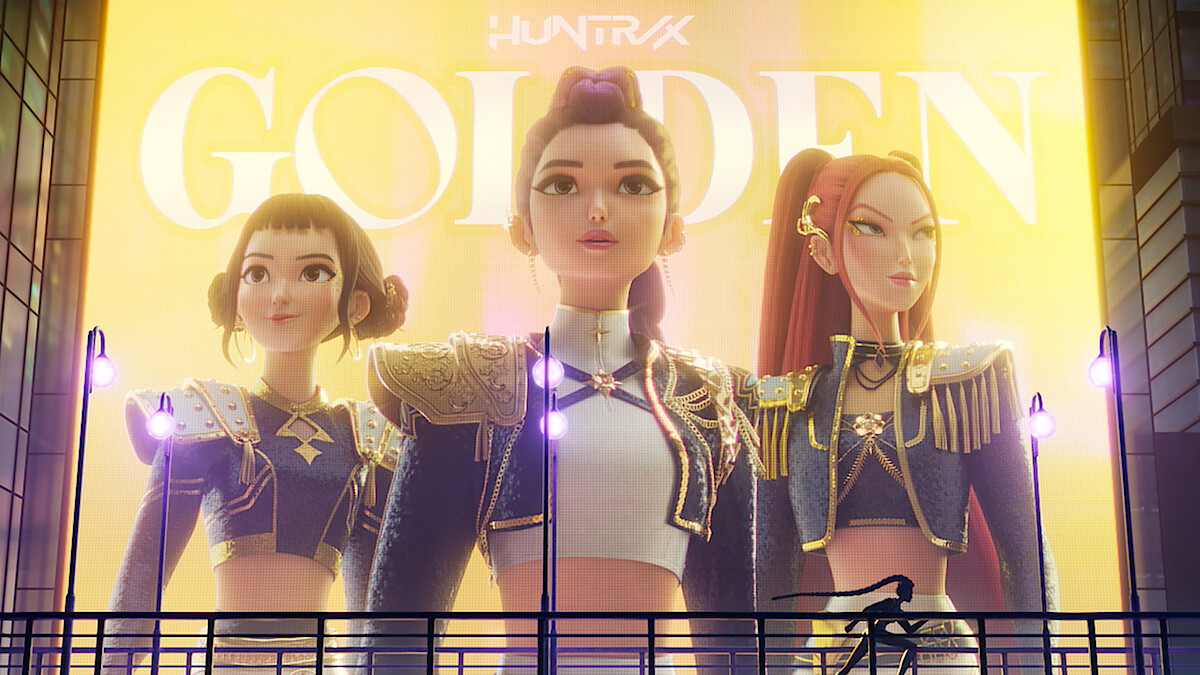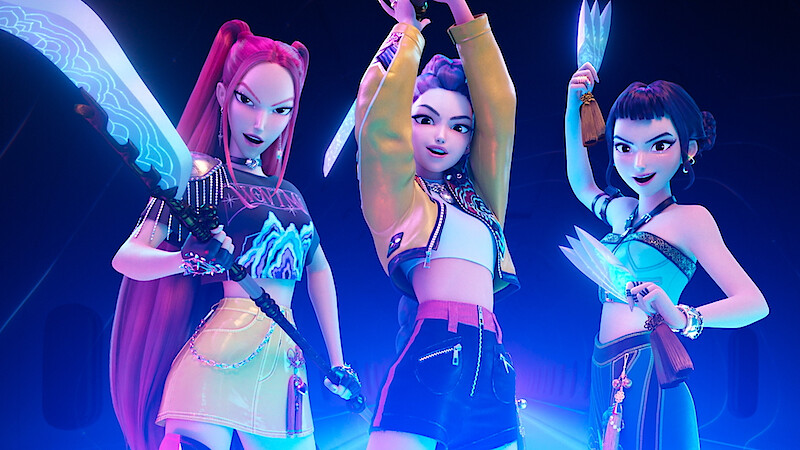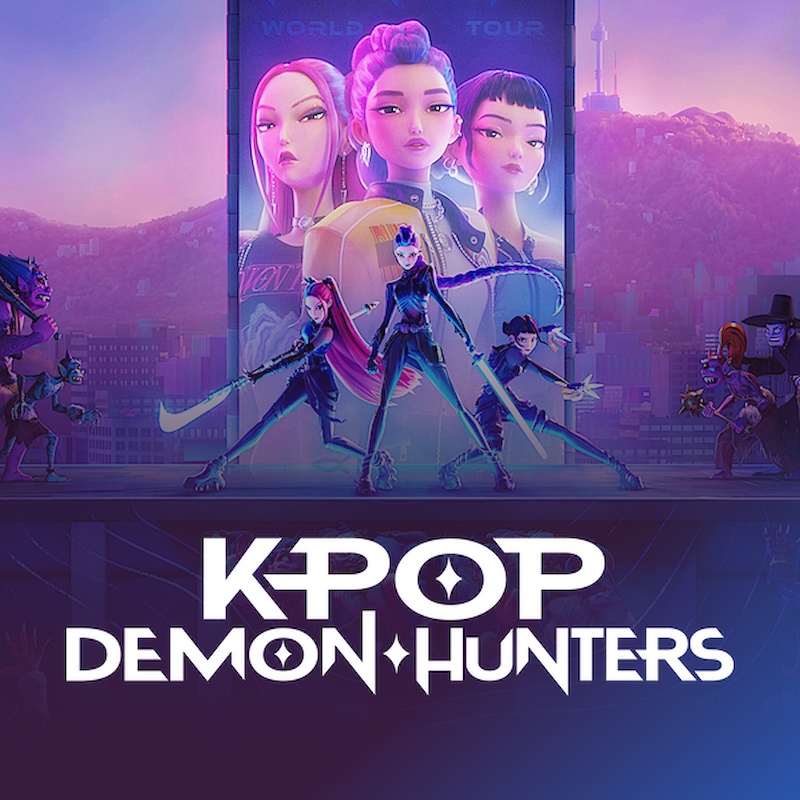
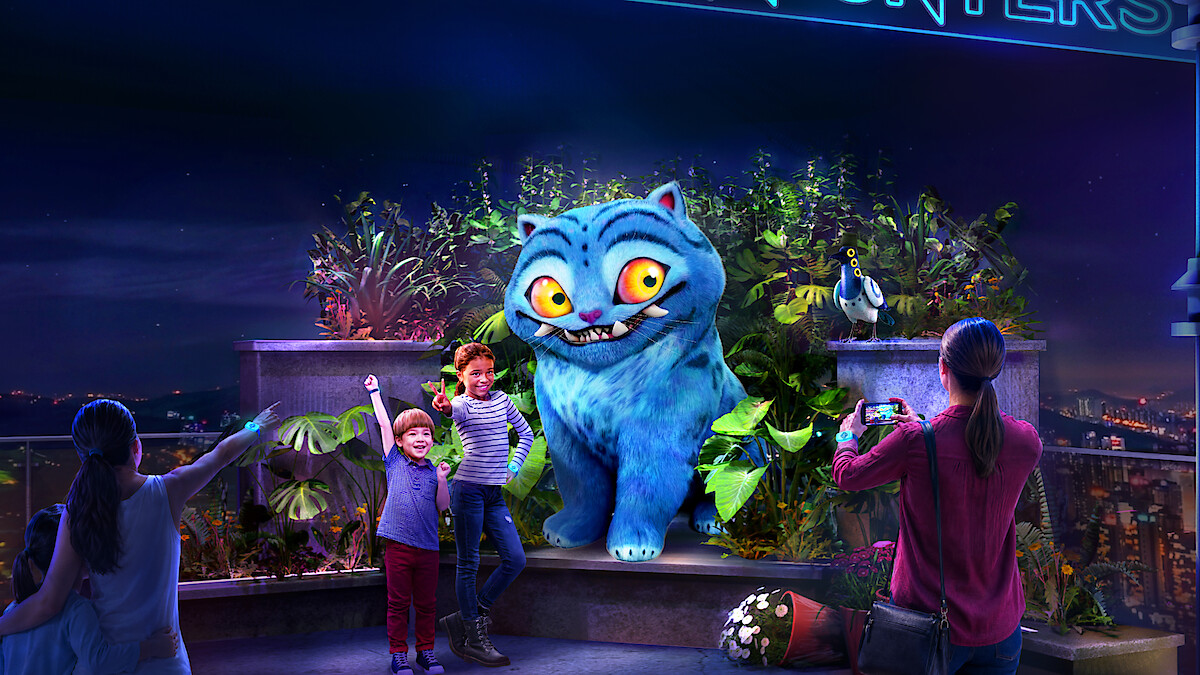
Sing with HUNTR/X, battle demons, and meet Derpy Tiger at Netflix House.

Here are the key terms a HUNTR/X fan should know, from “maknae” to “visual.”
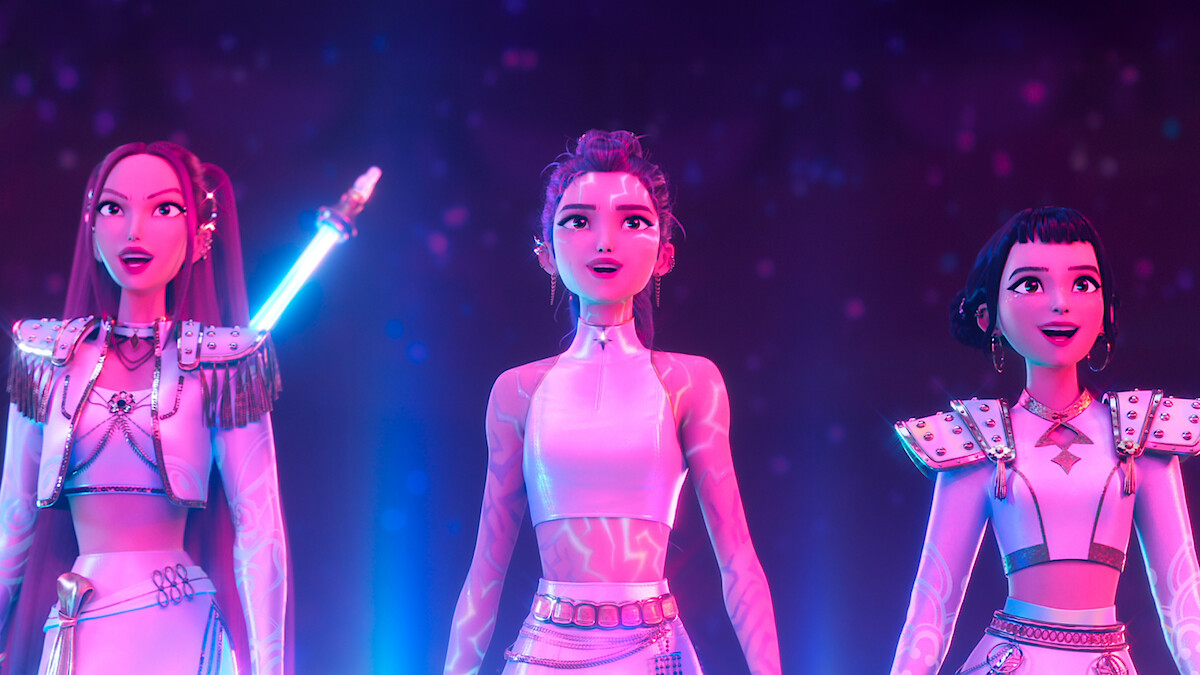
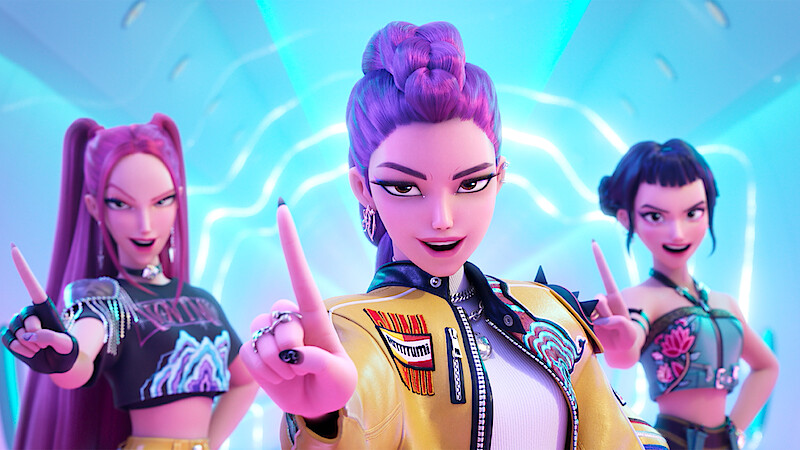
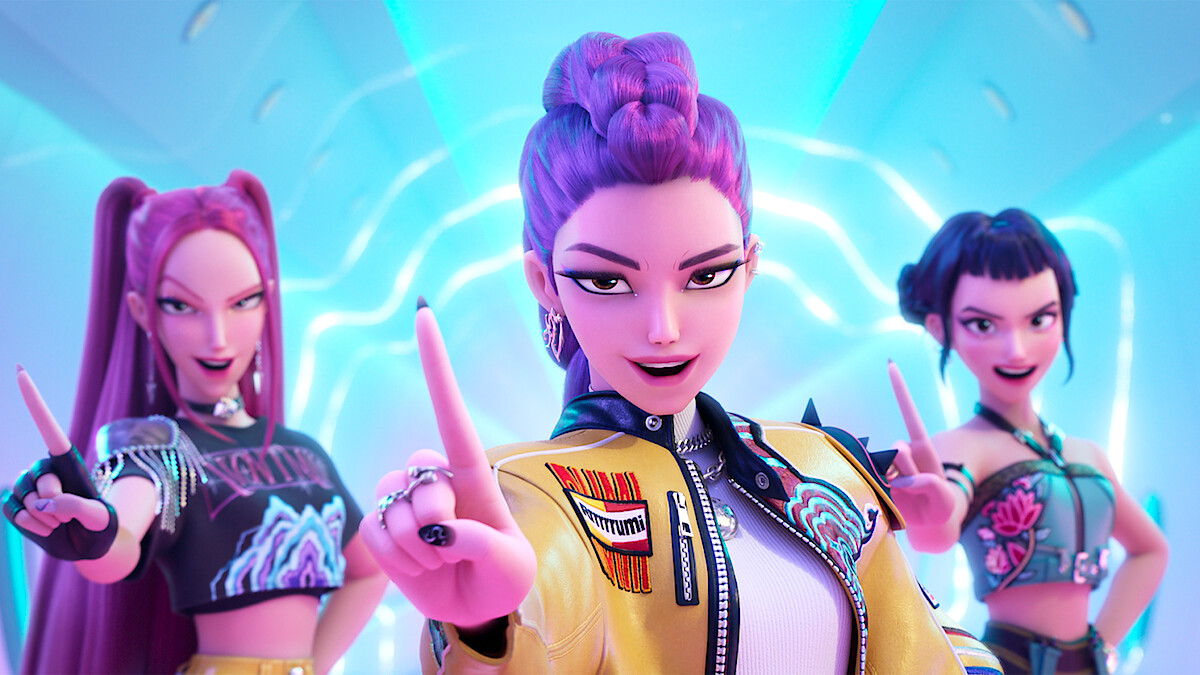
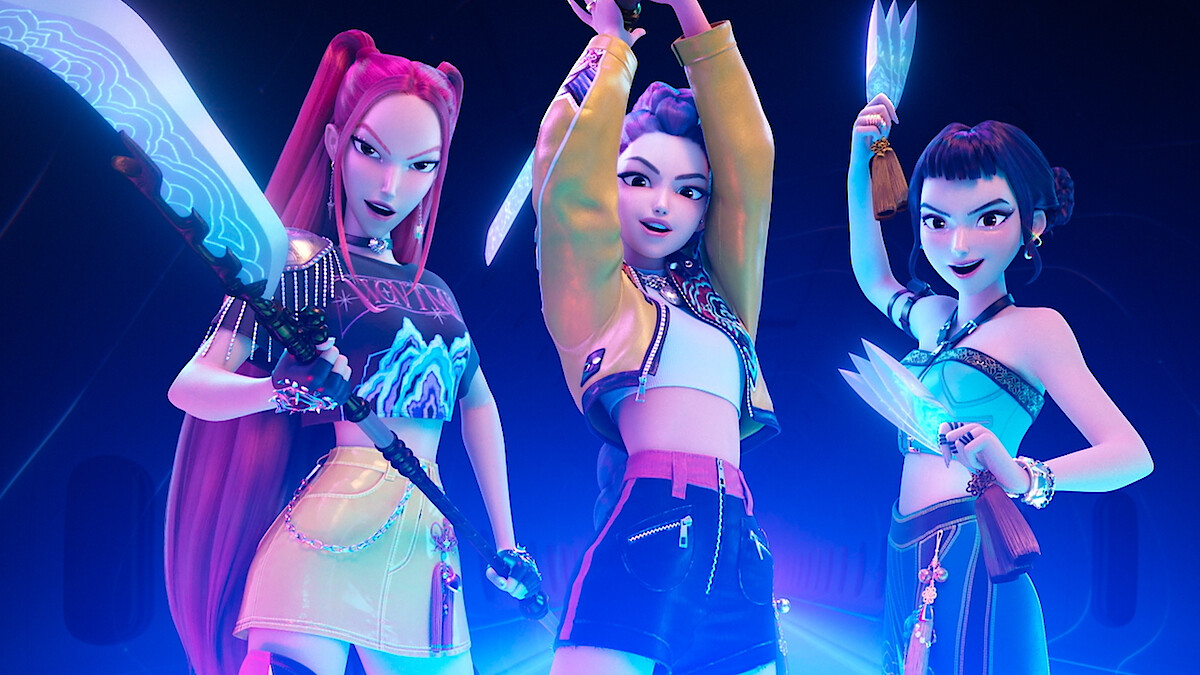
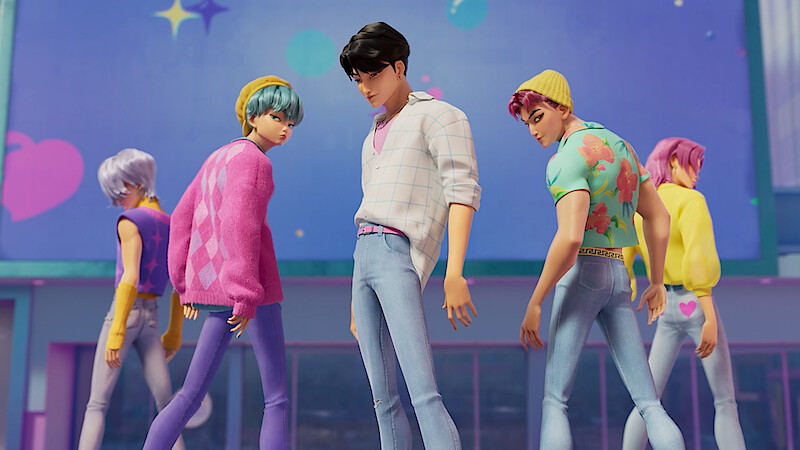
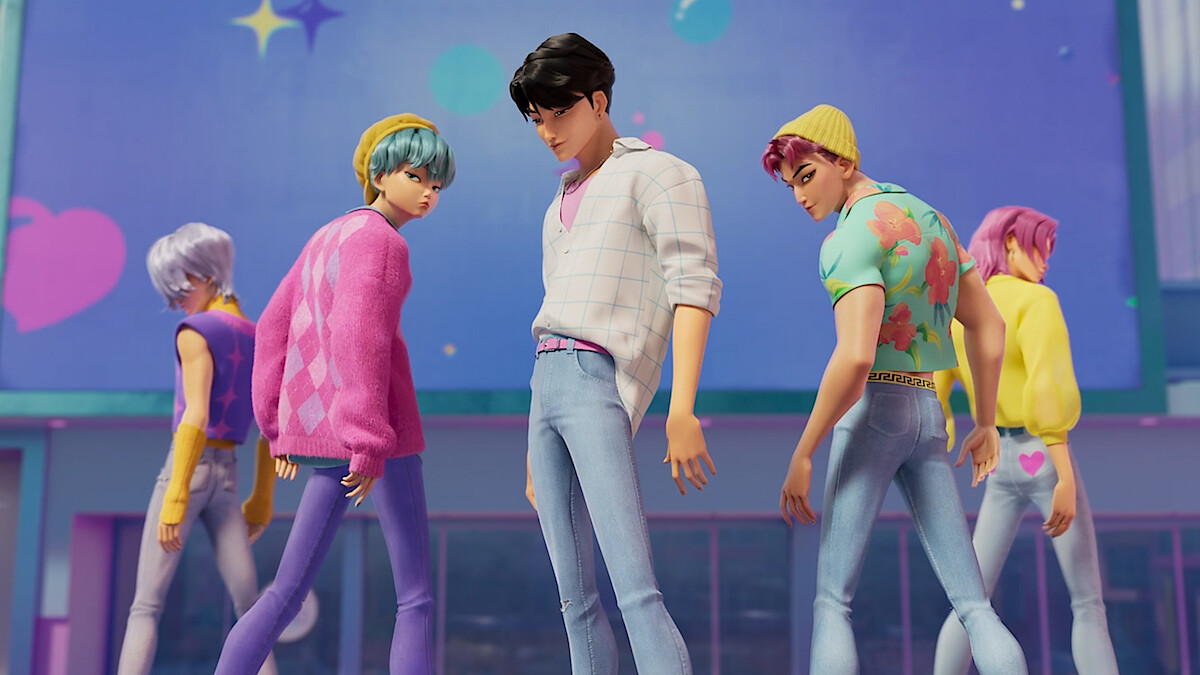
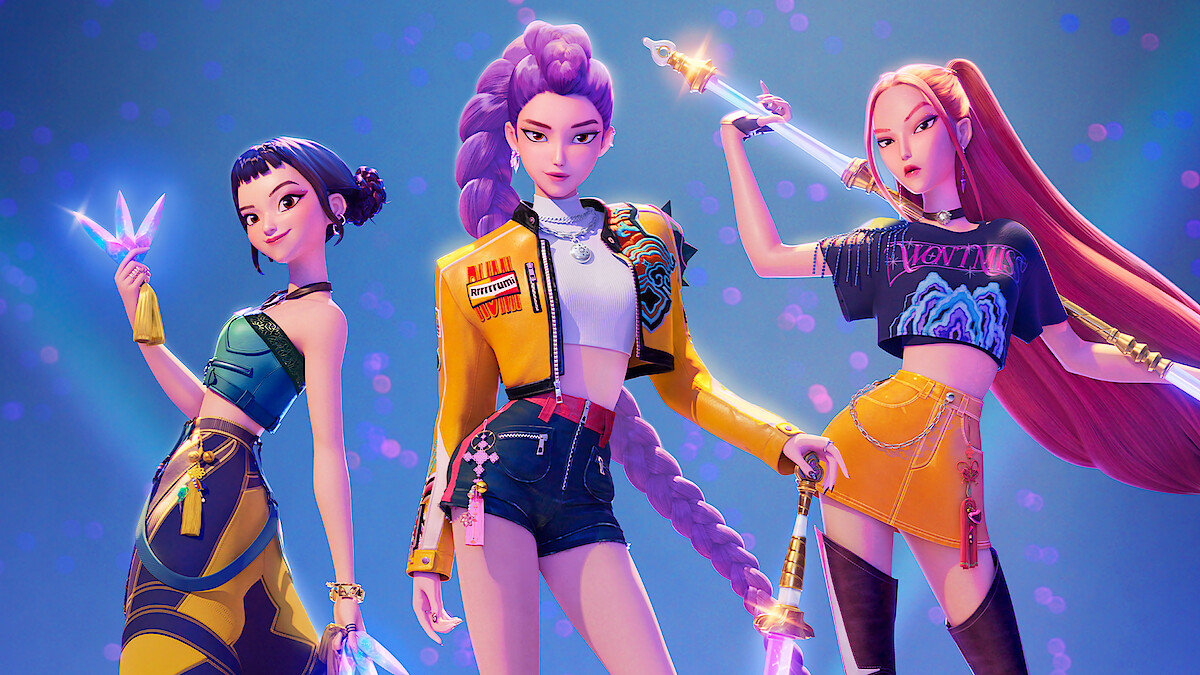
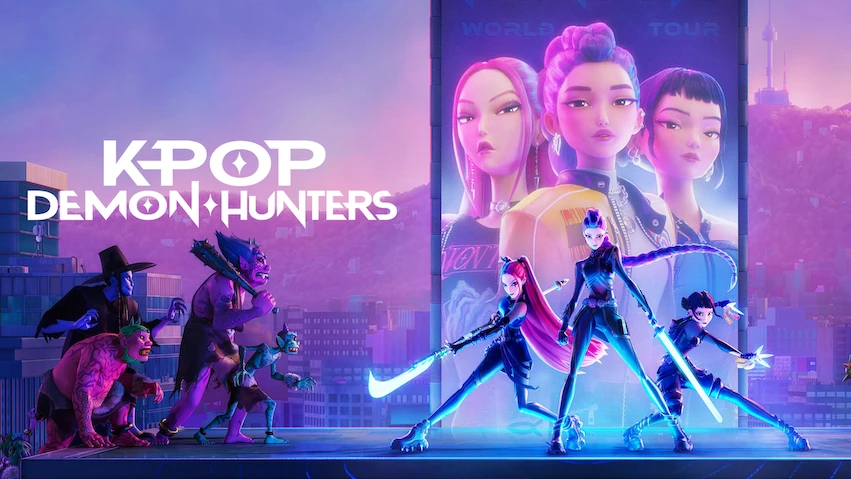
KPop Demon Hunters is many things at once — a high-octane action comedy, a magical-girl adventure, and a heartfelt story about friendship and courage. But it’s also a full-on love letter to the glittering, hyperspecific world of K-pop. Longtime fans will instantly spot the insider references sprinkled throughout the film, from the way HUNTR/X bond with their fans to the way the Saja Boys bring their rival rookie energy (with some true evil thrown in that’s thankfully pure fantasy). Even casual viewers may notice that the movie weaves in an entire vocabulary drawn straight from K-pop culture: the slang, hierarchy, affectionate teasing, and sacred rituals (yes, light sticks are sacred).
Whether you’re a longtime K-pop fan or you met your first maknae while watching the movie, this glossary breaks down the essential terms that will give you a deeper understanding of KPop Demon Hunters. Think of it as your backstage pass to the language of idols and their fans — no training montage required.

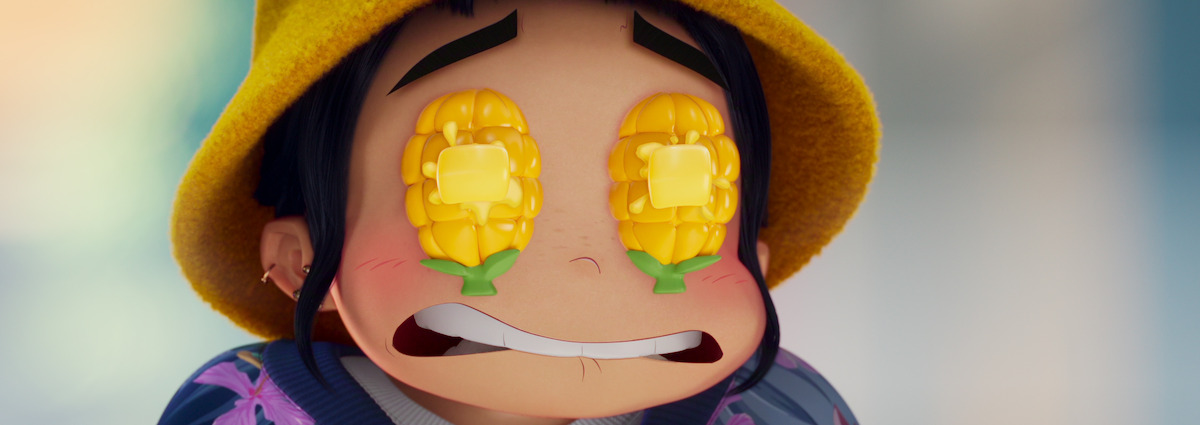
Cute, charming behavior often used by idols to delight their fans. In the film, this gets the animated treatment — think heart-eyes, glowing cheeks, and expressions turned up to 11.
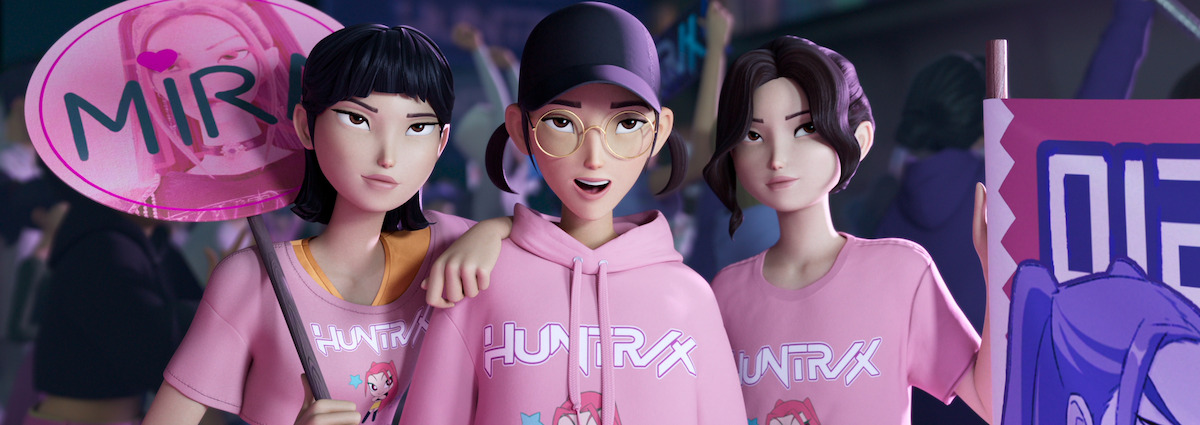
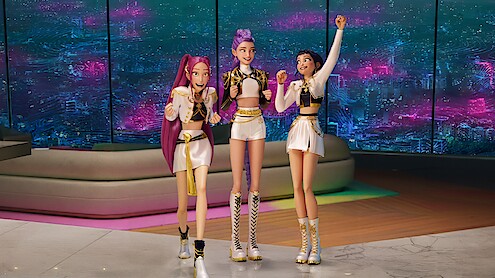
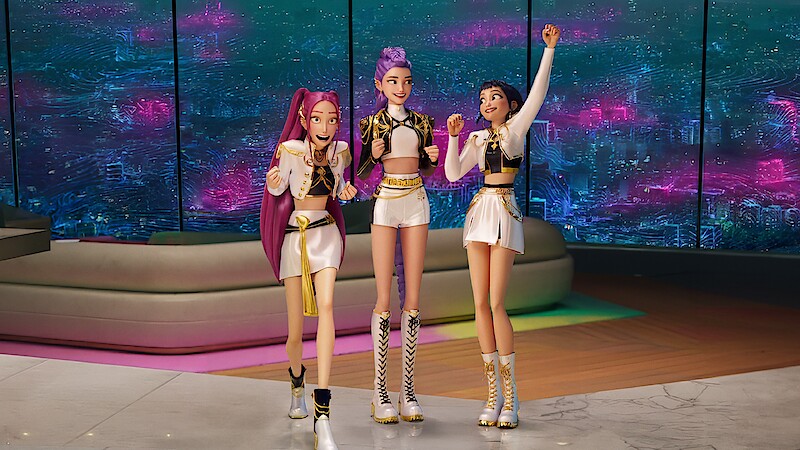
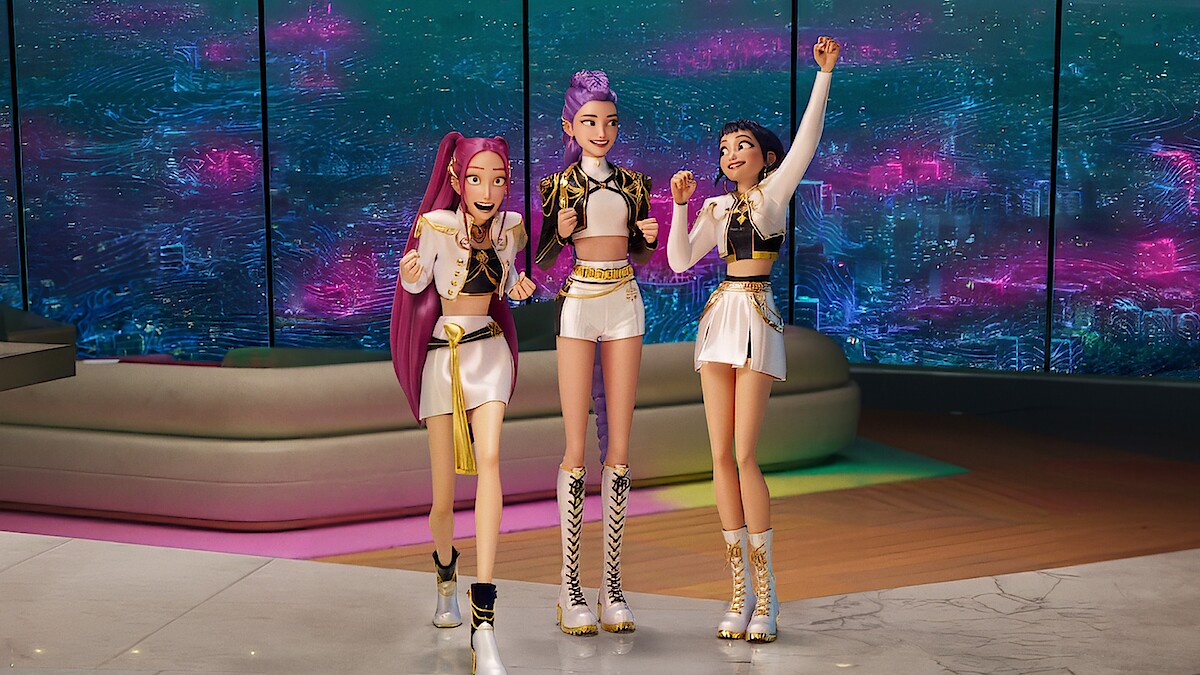
Your personal favorite member in a group. The word isn’t spoken in the movie, but HUNTR/X fans online have already chosen their biases — loudly and proudly. Used in a sentence: “I can’t choose my HUNTR/X bias because I’m obsessed with all three!”
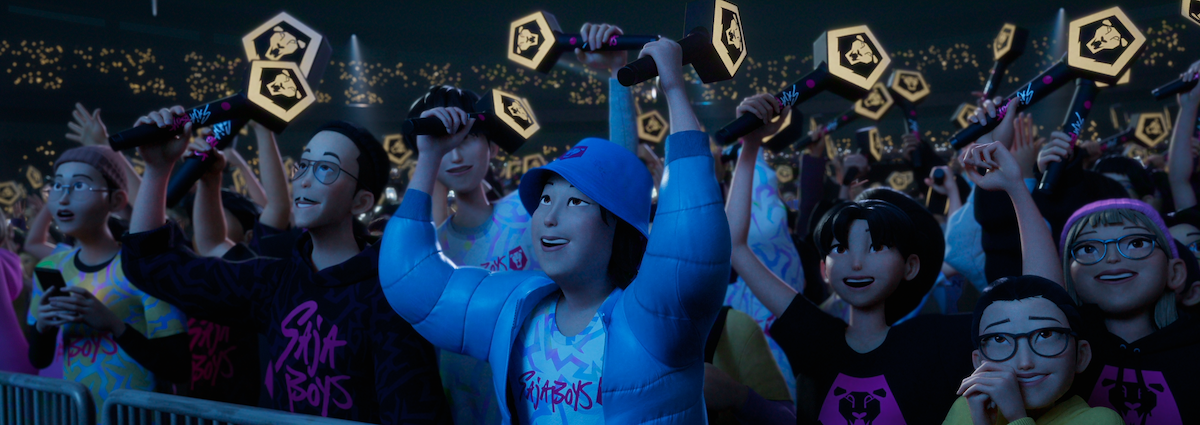
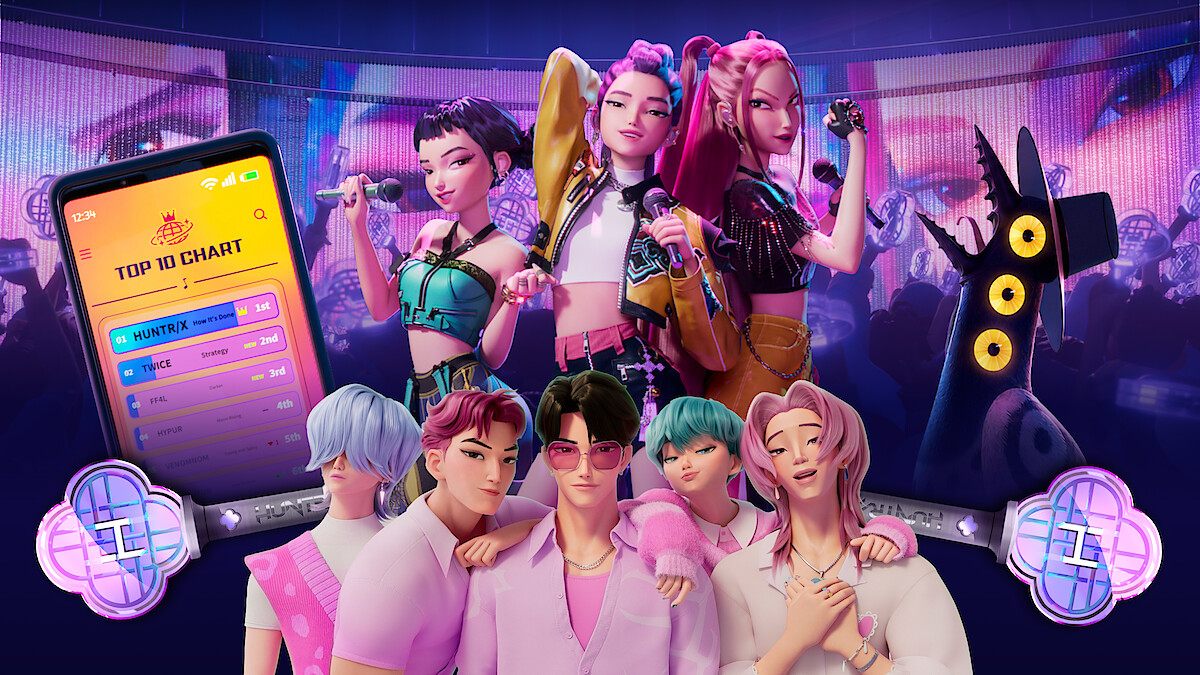
HUNTR/X and Saja Boys each have their own passionate fandoms in-world, called Hunters and Pride, respectively. Each fandom has a fully formed culture complete with chants, signing events, and light stick designs (see below) — just like real idol groups.
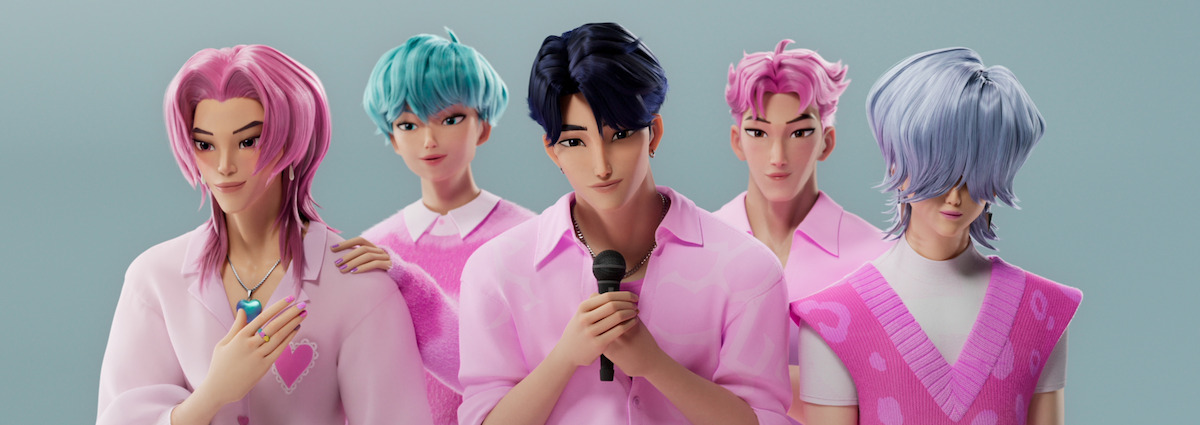
A junior or lower-ranked group in the idol hierarchy. In the film, the Saja Boys are HUNTR/X’s hoobaes — which technically means they owe their seniors (sunbaes) respect. Unfortunately, demon boy bands aren’t known for manners.
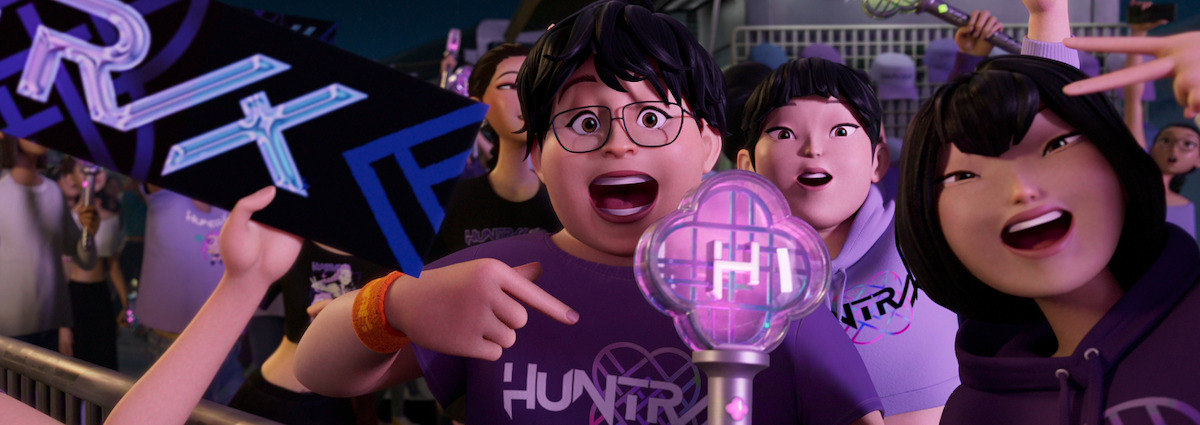
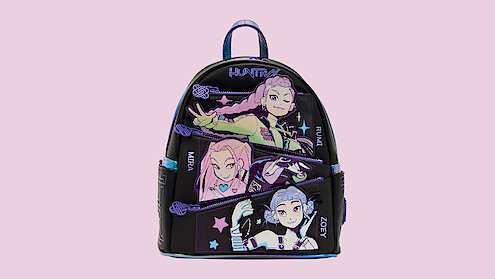
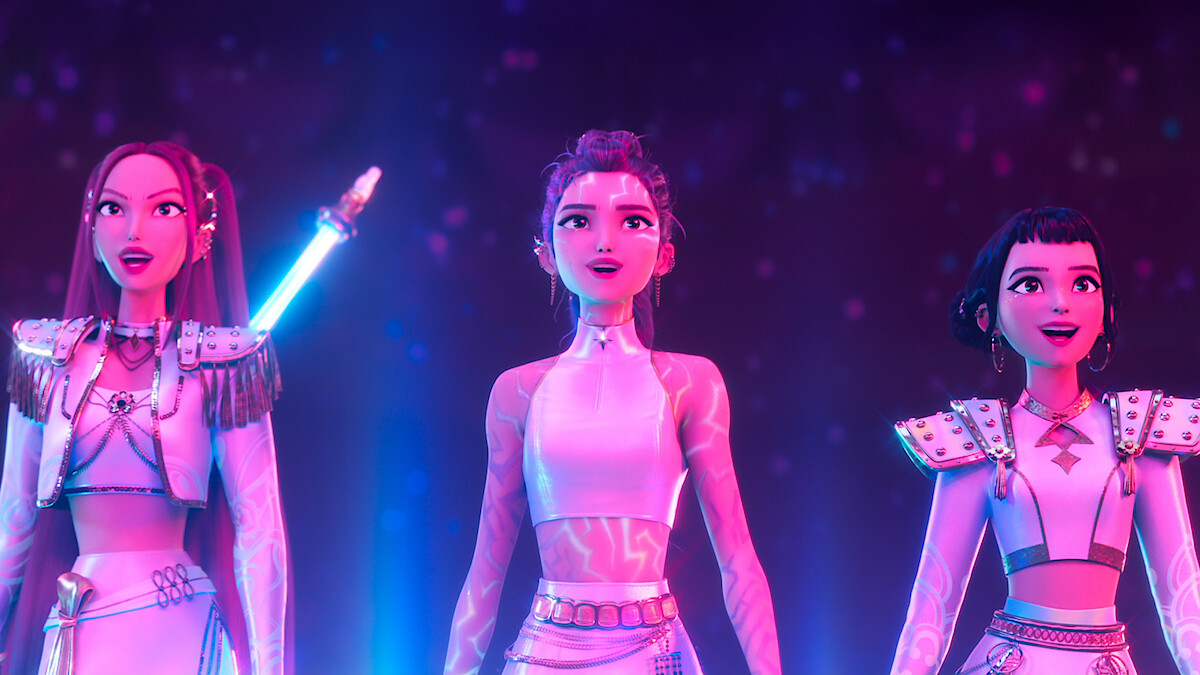
The sacred artifact of any fandom. Each group has its own custom design and color, used to turn arenas into glowing galaxies. HUNTR/X and the Saja Boys have theirs too — and luckily, you can buy one IRL, right here.

The youngest member of a group — often treated as the fandom’s adorable kid sibling. In HUNTR/X, that’s Zoey, whose maknae energy is unstoppable.
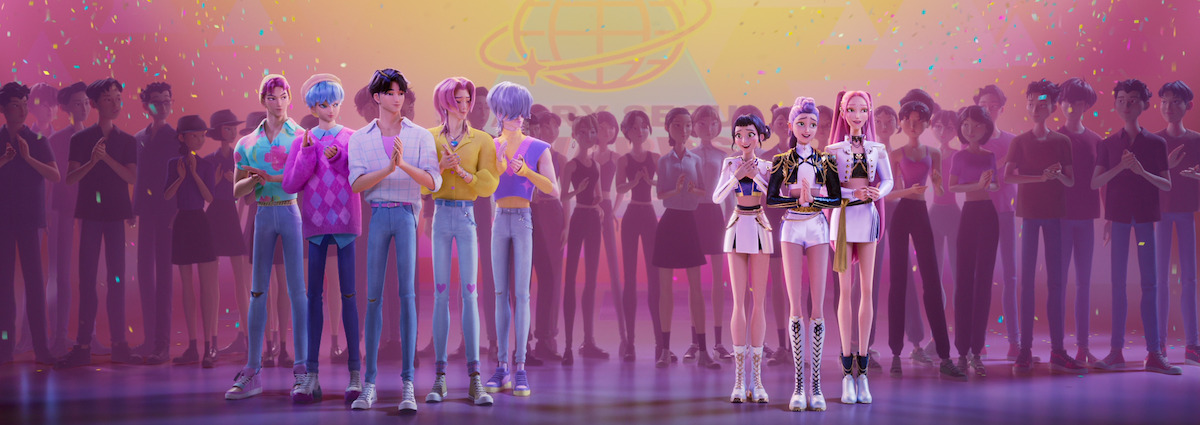
A high-stakes television program in which idols perform and compete for weekly wins. In K-pop culture, it’s practically a rite of passage — a pyrotechnic thunder dome of live stages (see below). In the film, HUNTR/X experiences an infuriating defeat on a top music show when the Saja Boys, the new viral sensations, beat them in a fan vote.
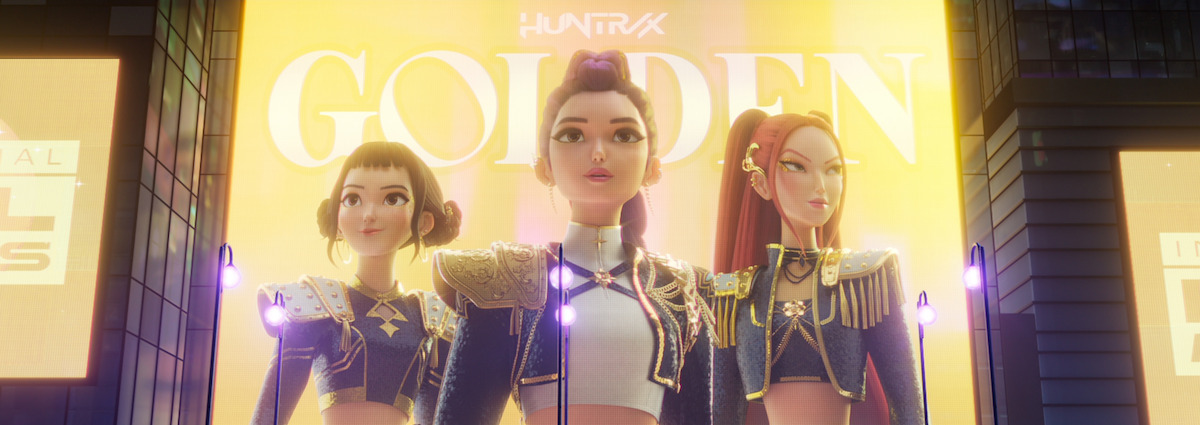
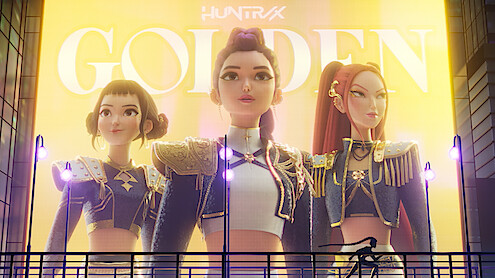
Not spoken in the movie, but a perfect descriptor of “Golden.” It means a mega-hit that’s so universally beloved that it tops every major chart simultaneously.
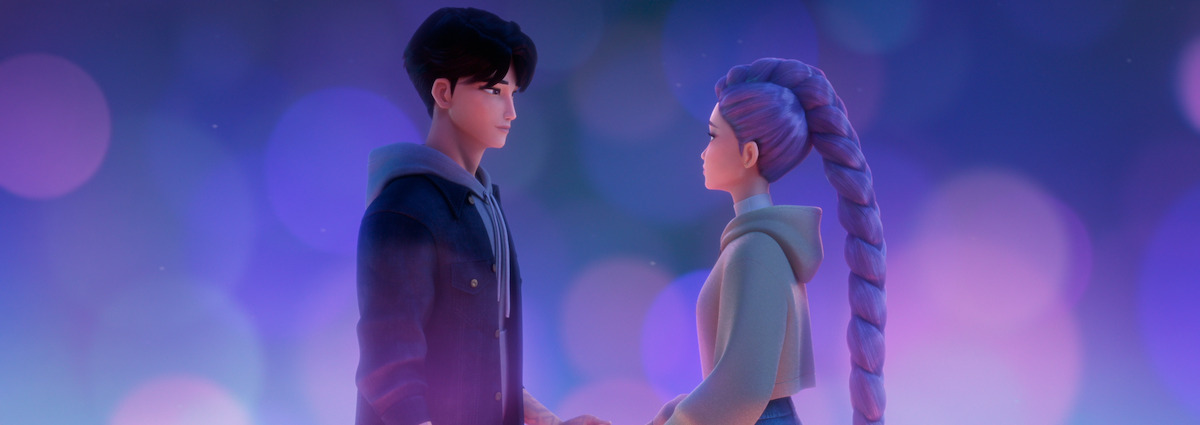
Fan-invented pairing names that imagine deeper bonds between characters or group members. In the KPop Demon Hunters universe: Ruminu, Zoestery, Mirabby. Use responsibly.
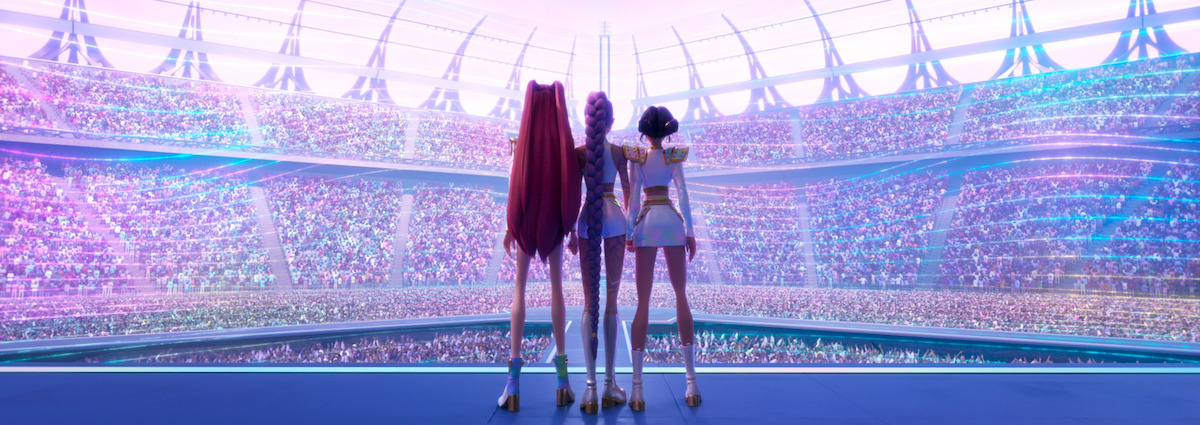
In K-pop, a stage refers to a full performance — visual concept, choreography, styling, and attitude all included. The stakes are always sky-high. In the movie, the right stage might literally save the world with the Golden Honmoon.
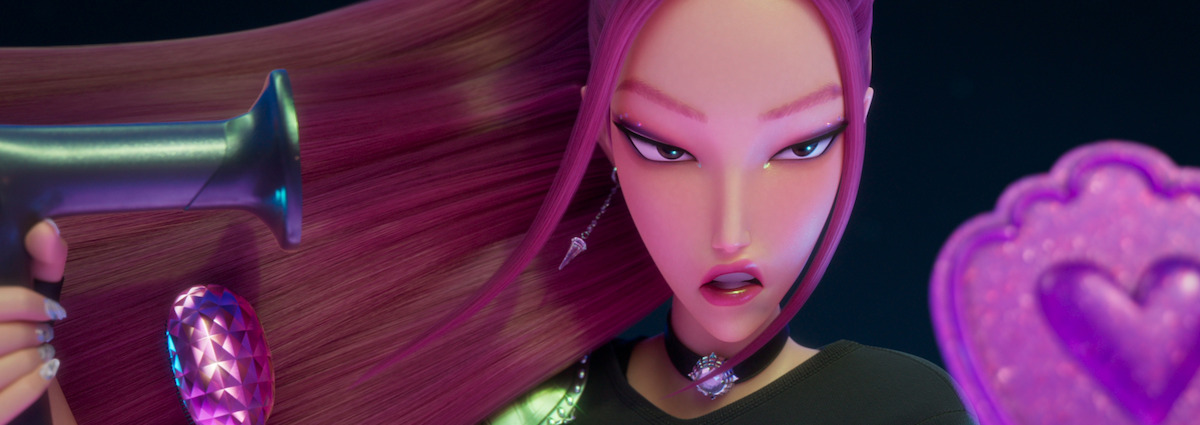
The member celebrated for standout aesthetics and style. It’s an official role in many idol groups. In HUNTR/X, Mira fills the visual position.
Now that you’re armed with the lingo, you can rewatch KPop Demon Hunters with a new understanding … although let’s be honest, you were probably going to rewatch anyway.