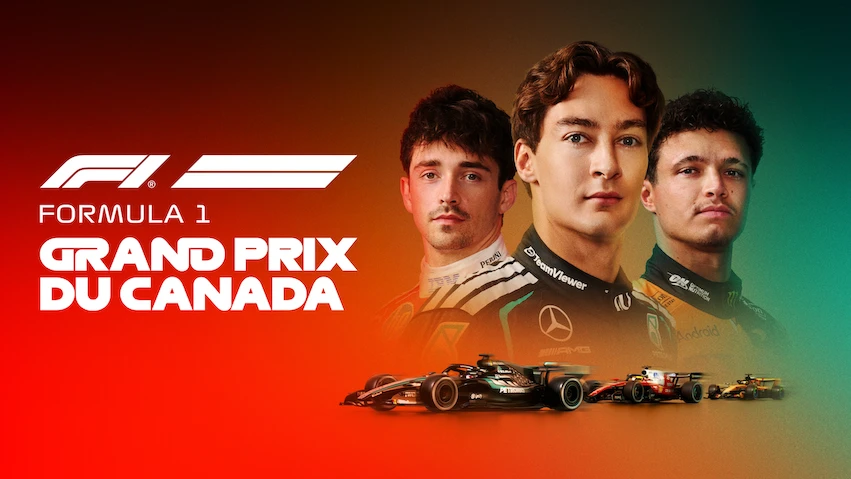
Since the 2026 Formula 1 season kicked off in March, there have been two championship leaders, new technical regulations shaking up the field, familiar faces returning to the sport, an unexpected break, and a dominant start for Mercedes. With Apple TV’s FORMULA 1 LENOVO GRAND PRIX DU CANADA 2026 race weekend streaming live on Netflix, this guide will fill in the gaps from the end of Drive to Survive Season 8 to the start of the Canadian race weekend. Read on for all you need to know before lights out in Montreal.
What happened at the end of the 2025 season?
Before we rev up the engines on the 2026 season recap, it’s worth looking back at the end of 2025. After a season-long battle between McLaren drivers Lando Norris and Oscar Piastri, and a comeback fight from four-time World Champion Max Verstappen, British driver Norris was the one to take home the Drivers’ Championship title. McLaren also won the Constructors’ Championship (for the team with the most points at the end of the season), with Mercedes, Red Bull Racing, Ferrari, and Williams rounding out the top five. We got a preview of what was to come in 2026: “A new dawn for Formula 1,” said broadcaster Will Buxton in the closing moments of Drive to Survive Season 8. “A new set of technical regulations. New engines. New car designs. A new team.”
Who are the drivers and teams of the 2026 race season?
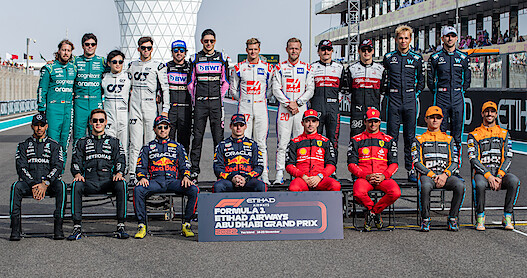
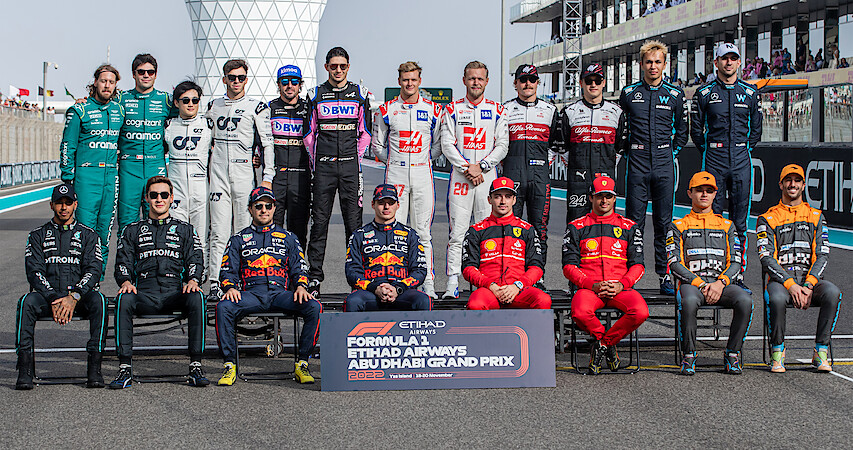
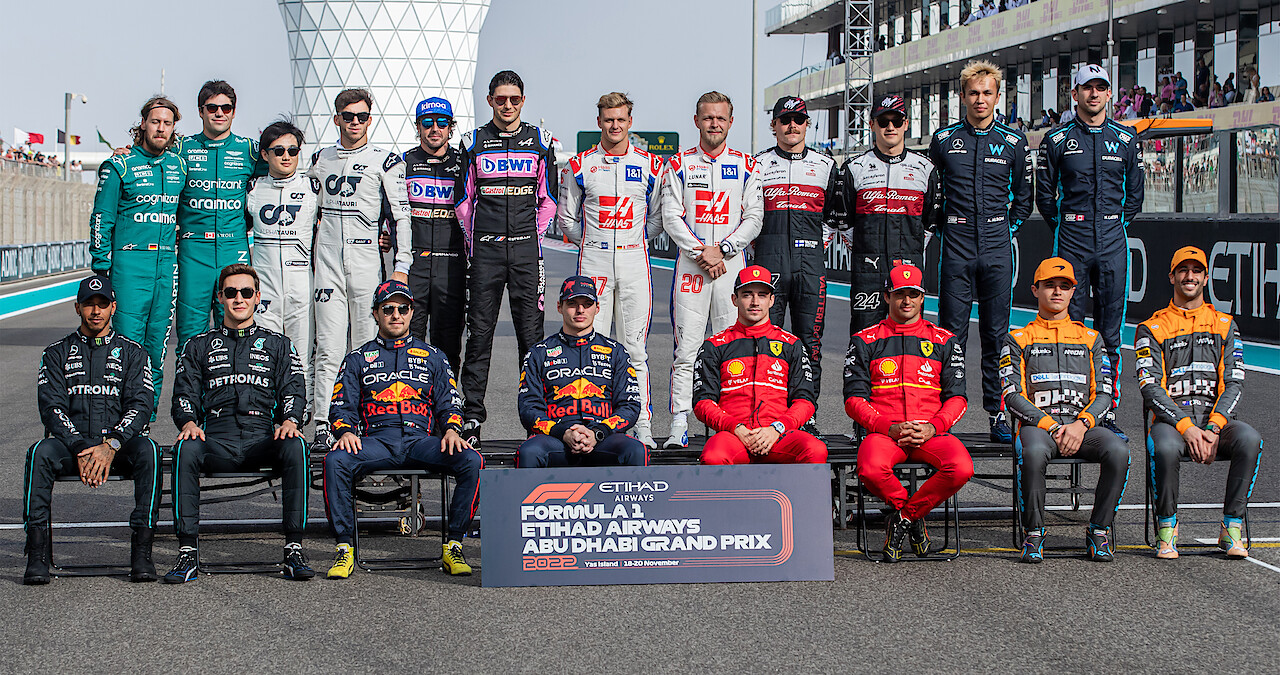
The 2026 season saw the introduction of an 11th team, Cadillac, meaning 22 drivers line up on the grid each week. Here’s the latest driver lineup by team:
Alpine: Pierre Gasly and Franco Colapinto
Aston Martin: Fernando Alonso and Lance Stroll
Audi: Nico Hülkenberg and Gabriel Bortoleto
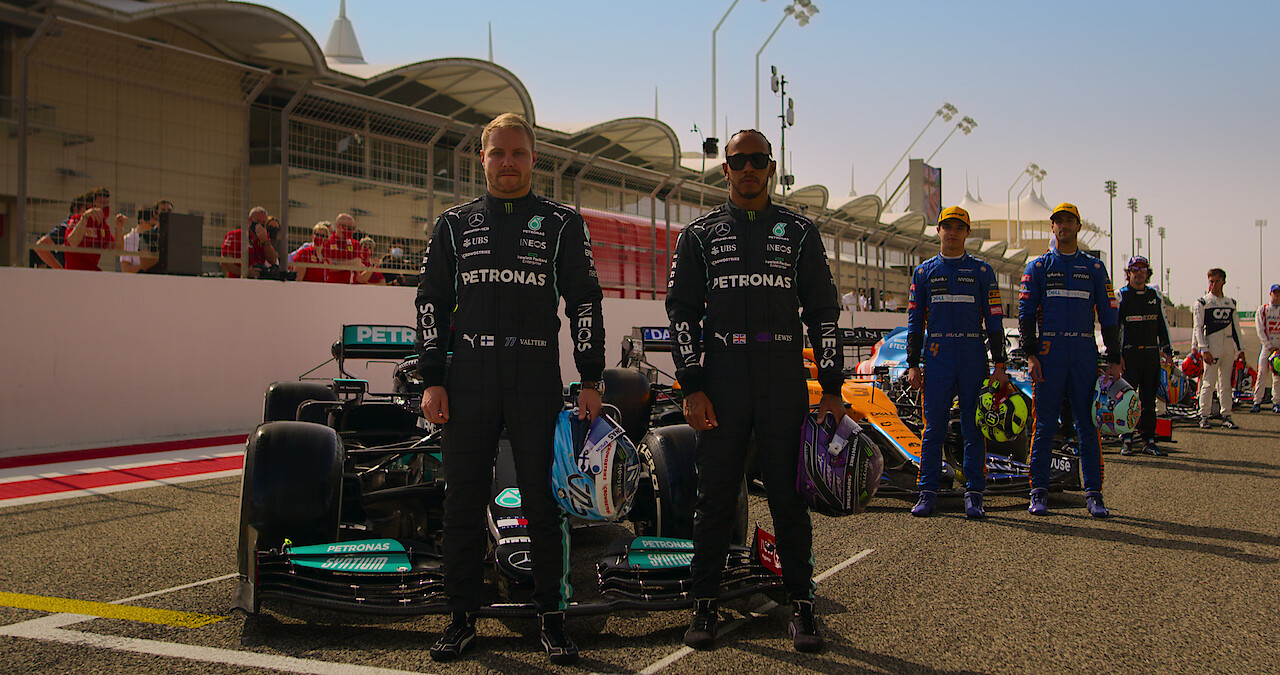
Cadillac: Sergio Pérez and Valtteri Bottas
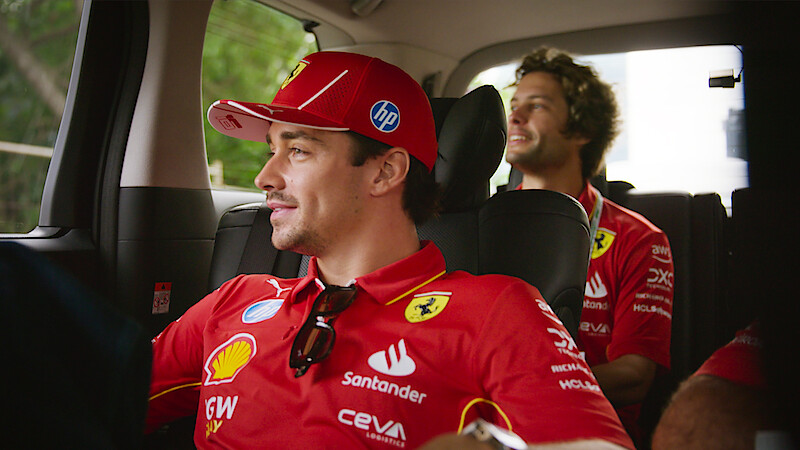
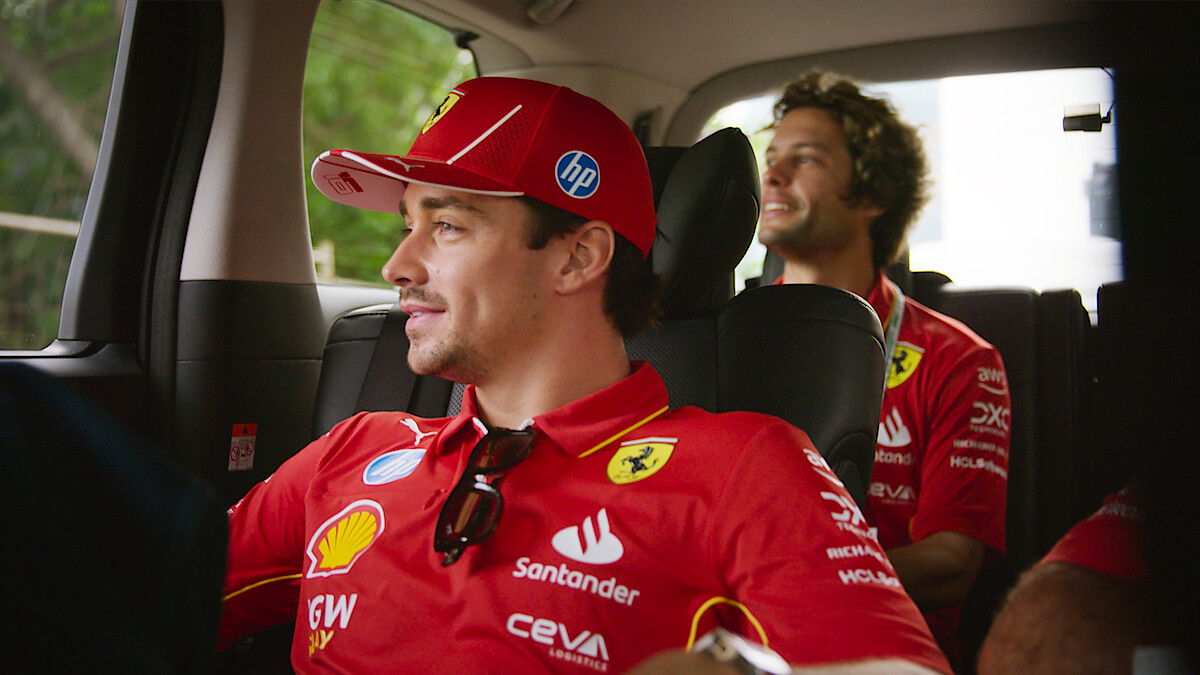
Ferrari: Charles Leclerc and Lewis Hamilton
Haas: Esteban Ocon and Oliver Bearman
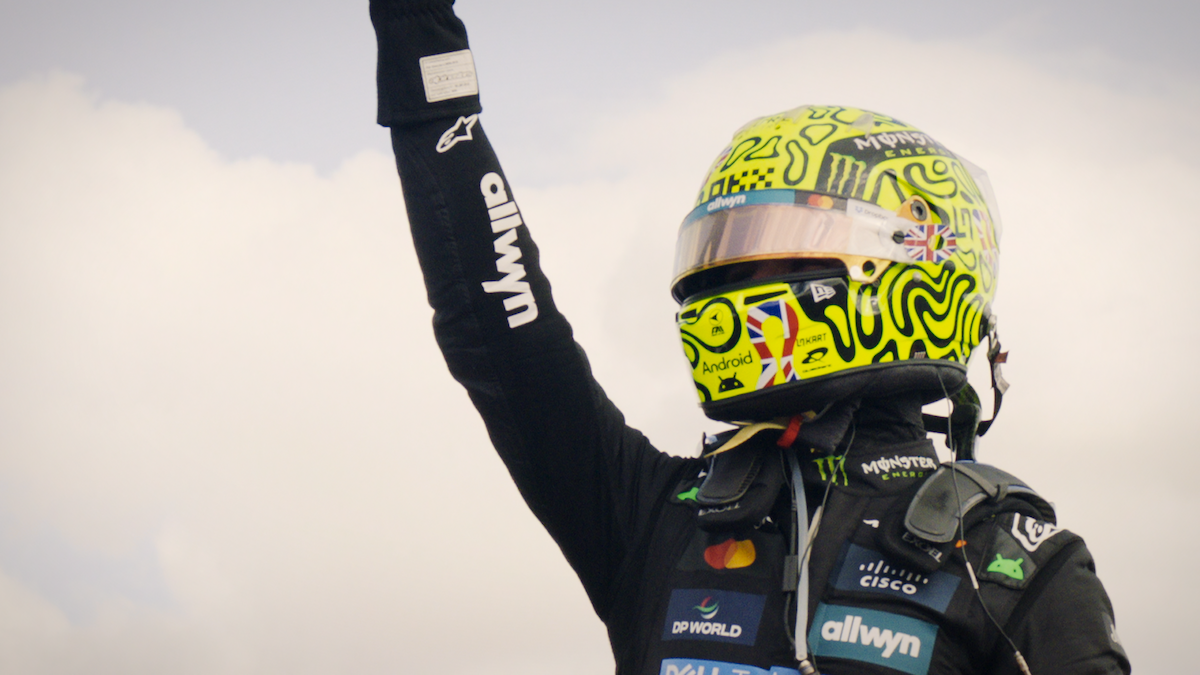
McLaren: Lando Norris and Oscar Piastri
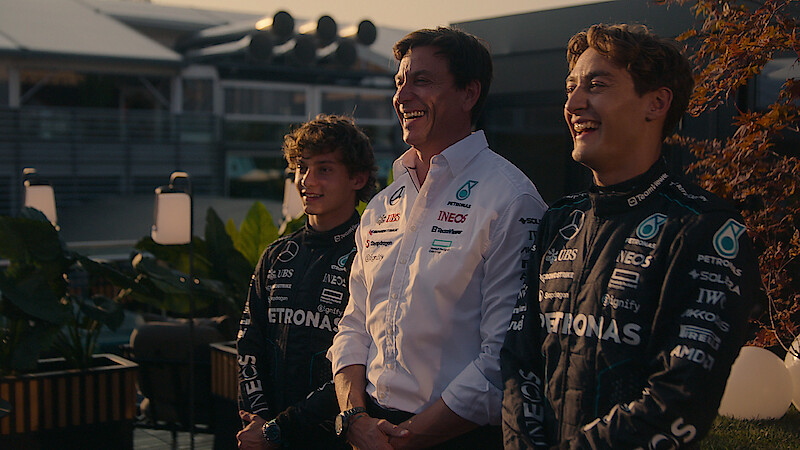
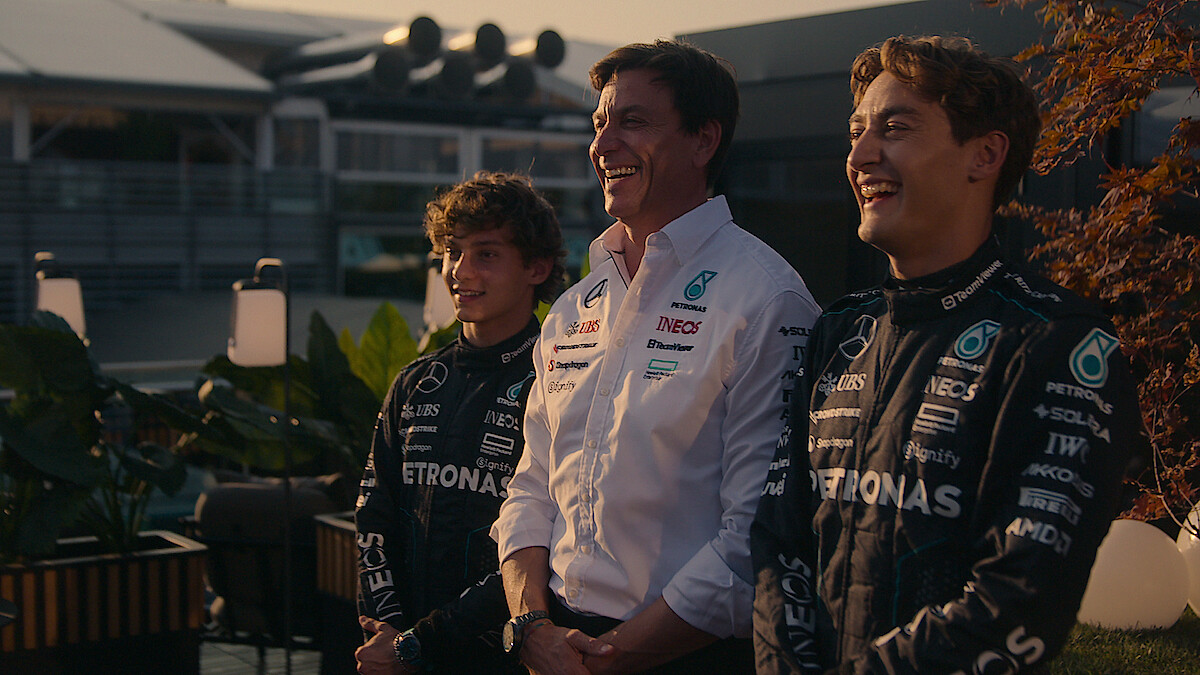
Mercedes: George Russell and Kimi Antonelli
Racing Bulls: Liam Lawson and Arvid Lindblad
Red Bull: Max Verstappen and Isack Hadjar
Williams: Carlos Sainz and Alexander Albon
What’s happened so far in the 2026 Formula 1 race season?
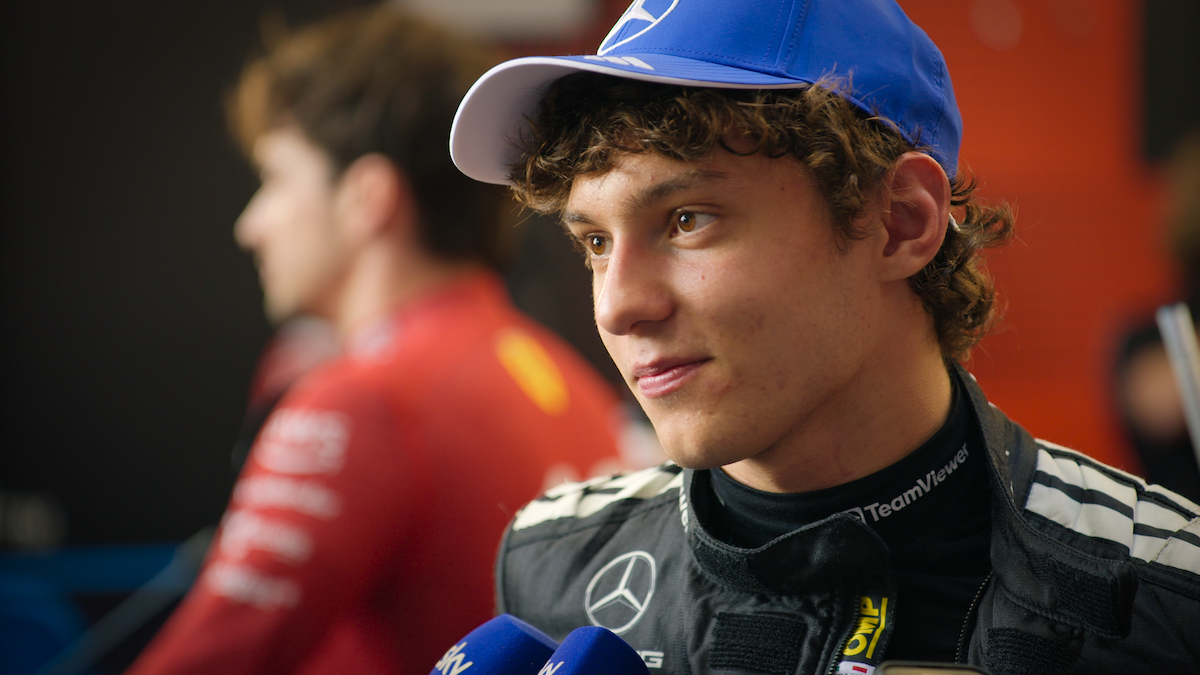
The new dawn of Formula 1 has begun. The significant changes to the technical regulations have the teams and drivers dealing with very different cars than the ones they drove across the final finish line in 2025. McLaren, which won by 364 points last year, finds itself in third after four races. Mercedes has adapted best to the new cars so far, earning pole position (the front starting position on the grid) and winning all four Grand Prix. The exception was that Lando Norris claimed a win for McLaren in the Sprint in Miami. While Mercedes’s George Russell won the opening race at the Australian Grand Prix, teammate and 2025 rookie Kimi Antonelli won the following three. The 19-year-old Italian has been breaking numerous F1 records — he’s the youngest driver to claim pole position, to lead the World Championship, and to convert his first three poles into three wins.
Ferrari is proving more competitive this year, with Charles Leclerc and Lewis Hamilton both making their way to podium finishes, while Red Bull has had a bumpier start. Williams took a step forward in 2025, with Carlos Sainz getting the team back on the podium for the first time since 2021. The duo of Sainz and Alexander Albon earned the team their highest point finish in nine years. But 2026 has been less of a success for Williams, with only five total points thus far split between the two drivers. Meanwhile, Alpine has surged ahead to the “best of the rest” spot at fifth in the Constructors’ Championship as it stands. At least one of Alpine’s drivers (Pierre Gasly and Franco Colapinto) has gotten into the points at every race.
Haas and Racing Bulls are each in the teens in the points standings, followed by Williams and then Audi, which took over the Sauber team in 2026. Next in the standings is Cadillac, which brought back drivers Valtteri Bottas (previously Lewis Hamilton’s teammate at Mercedes) and Sergio Pérez (who drove alongside Max Verstappen at Red Bull). Cadillac and Aston Martin, which have had the most difficult adjustment to the new regulations, are yet to score any points this season.
Heading into the fifth race weekend (after the Bahrain and Saudi Arabian Grands Prix were called off due to conflict in the region), Antonelli sits at the top of the points. While he finished seventh in his debut season, his sophomore year is off to a blazing start. The Canadian Grand Prix weekend will be a busy one, with the Sprint on Saturday meaning two qualifying sessions and two races. After a three-week break, the drivers will no doubt be raring to go. Read on for a breakdown of the Canadian Grand Prix weekend sessions.
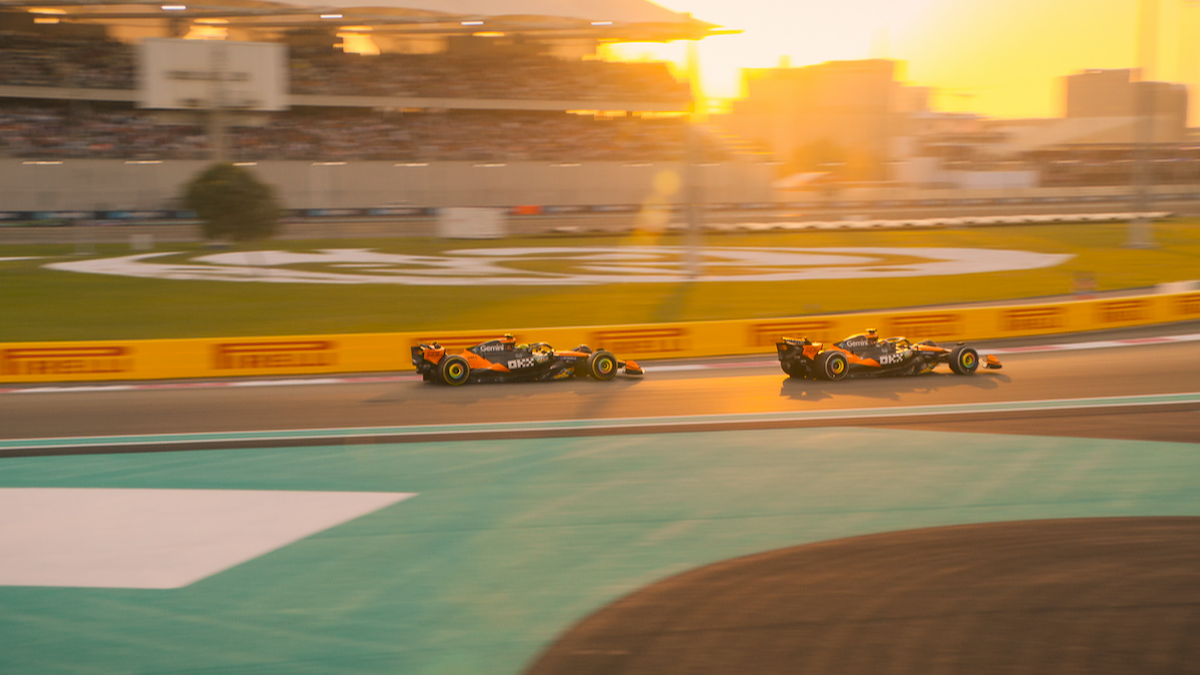
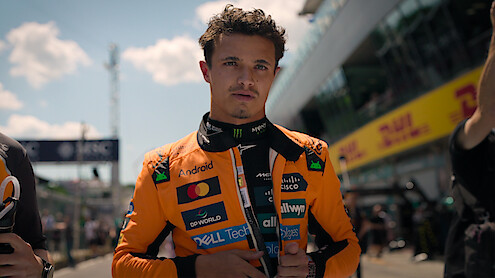
The McLarens of Lando Norris and Oscar Piastri
What is Free Practice in Formula 1?
Since the Canadian Grand Prix is one of the six Sprint weekends, there will only be one Free Practice session. Practice is a 60-minute window for the cars to get out on the track ahead of the competitive sessions. “Free practices are all about trying to understand the track, to achieve the best car setup and strategy that will come out on top,” explained Charles Leclerc in Season 6 of Drive to Survive.
The 2026 Canadian Grand Prix Free Practice session coverage will air at 9:10 a.m. PST/12:10 p.m. EST on Friday, May 22 on Netflix in the US.
How does Sprint Qualifying work?
Friday will also be the day for the Sprint Qualifying (SQ) session. This will set the grid order for Saturday’s Sprint. Sprint Qualifying is split into three parts. The first is SQ1, where all 22 drivers head out to put down their fastest laps in a 12-minute window, after which the slowest six drivers are knocked out. In SQ2, the 16 remaining drivers go back out, this time in a 10-minute window, with another six drivers eliminated. Finally, in SQ3, the 10 fastest drivers have eight minutes to try and capture pole position. A note on Sprint Qualifying: Teams are only allowed to run one set of specific compound tires in each part: new medium compound tires in SQ1 and SQ2 and new or old soft compound tires in SQ3.
The 2026 Canadian Grand Prix Sprint Qualifying session coverage will air at 1:10 p.m. PST/4:10 p.m. EST on Friday, May 22 on Netflix in the US.
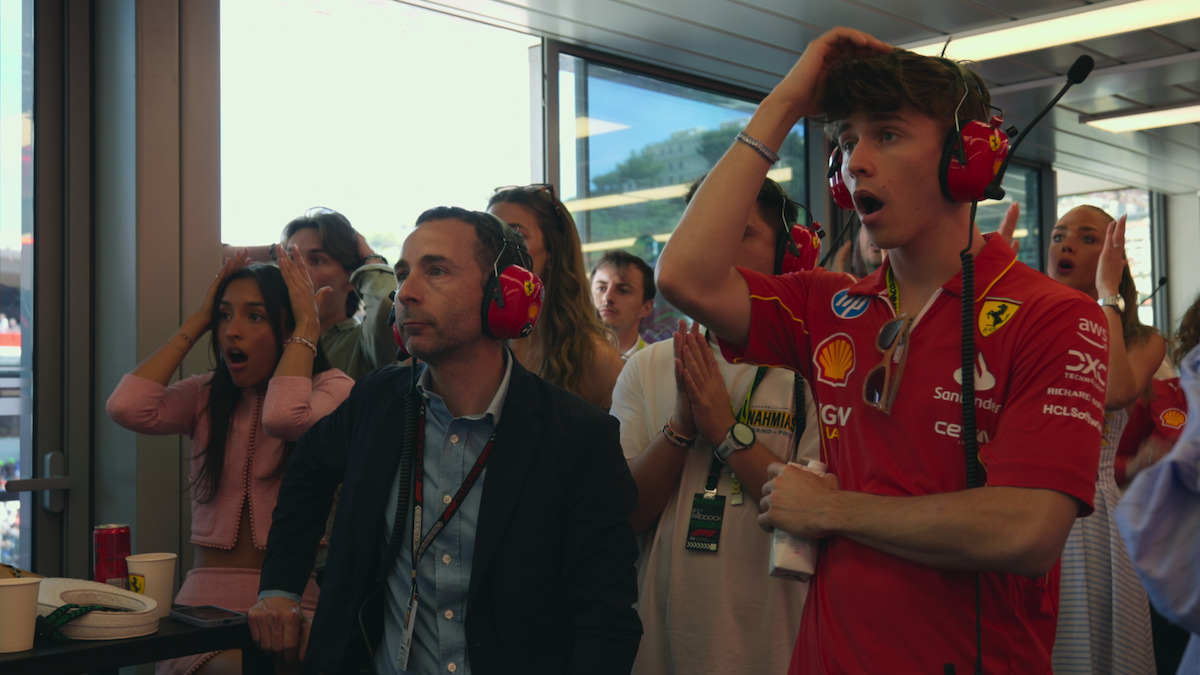
Charles Leclerc’s garage watches on, including wife Alexandra Leclerc, manager Nicolas Todt, and brother Arthur Leclerc
What is the Sprint?
The Sprint will be the first opportunity for the drivers and teams to score points over the weekend. Instead of the top 10 finishers picking up points, in the Sprint, only the top eight drivers will. The winner receives 8 points, second receives 7, and so on down to the eighth place finisher, which adds 1 point to its season tally. Sprints are one-third as long as a Grand Prix, meaning there are no mandatory pit stops and no requirement to run multiple tire compounds. This means it’s often a straight-out race to the finish once the lights are out. “It’s wheel-to-wheel racing, with drivers pushing to the absolute limit,” Buxton said in Season 4 of Drive to Survive, when the format was introduced to the sport.
2026 Canadian Grand Prix Sprint coverage will air at 8:15am PST / 11:15am EST on Saturday, May 23 on Netflix in the US.
How does qualifying work?
Qualifying sets the order on the grid for the Grand Prix. It’s usually when the fastest laps are seen, as drivers push their cars to the limit with no concern for saving their tires — they only need one perfect lap. In 2026, with the addition of an 11th team, qualifying windows have shifted slightly to account for the extra drivers on track. The first segment, Q1, remains at 18 minutes, after which the six slowest drivers are eliminated and the rest move into Q2. Q2 lasts for 15 minutes for the 16 drivers out on track, until the 10 fastest move into Q3. The final segment is extended to 13 minutes and sets the final spots on the grid for race day, including coveted pole position. As Norris said in Drive to Survive Season 7, qualifying “is the day that sets up the rest of the weekend. Qualifying is the one where I want to start to feel a bit more of the nerves.”
The 2026 Canadian Grand Prix Qualifying session coverage will air at 12:25 p.m. PST/3:25 p.m. EST on Saturday, May 23 on Netflix in the US.
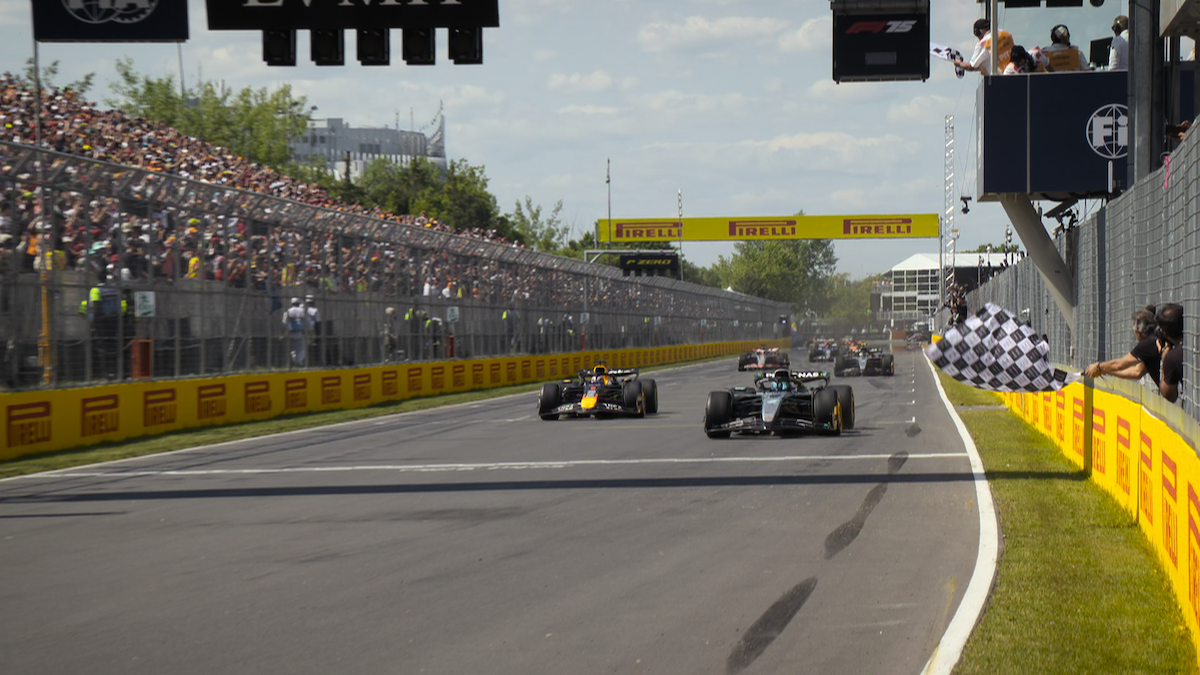
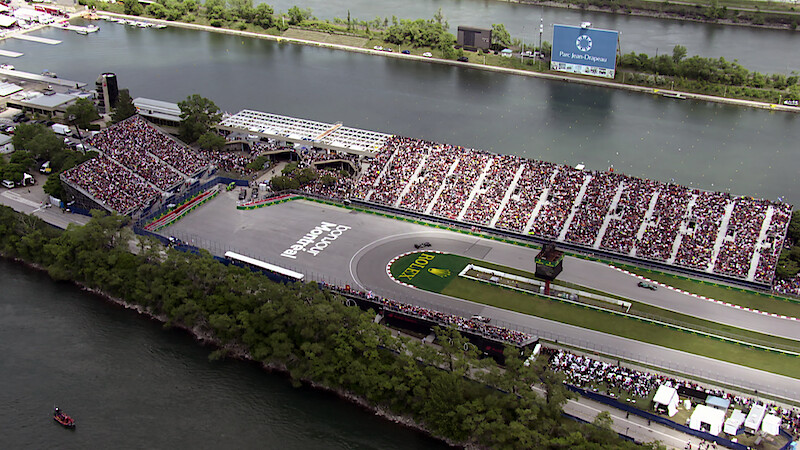
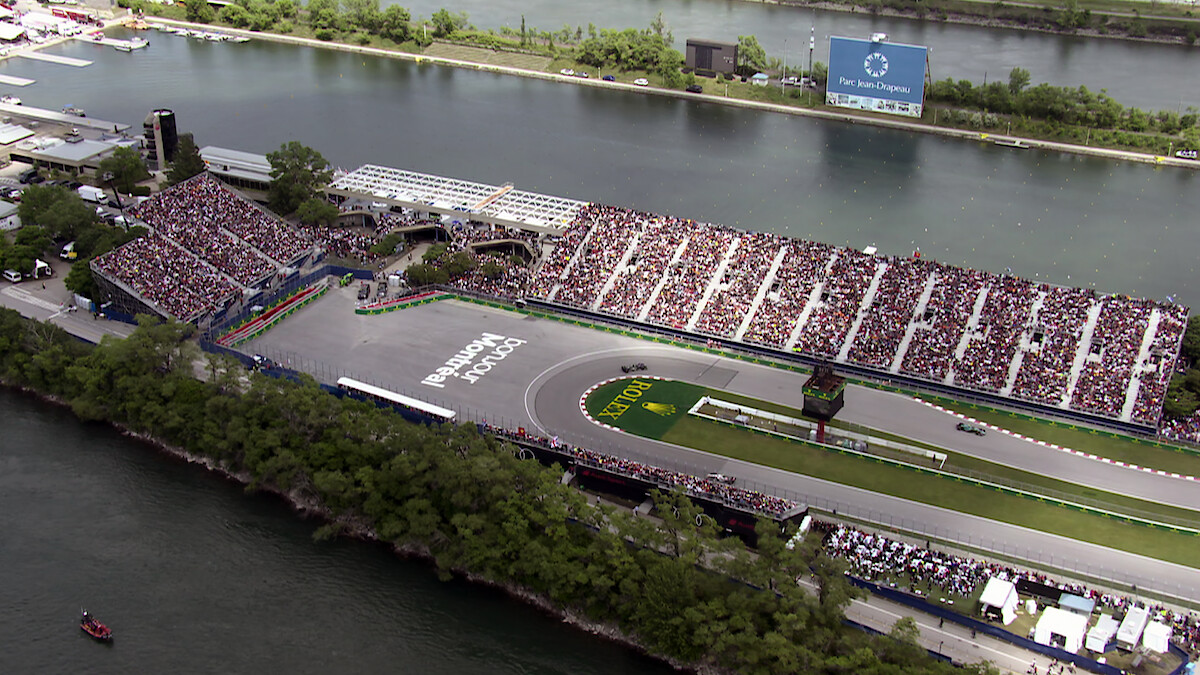
The Circuit Gilles Villeneuve
What happens on race day?
The whole weekend builds up to the final day — the Grand Prix. The cars line up in position on the grid and wait for the red lights to go out before launching toward the first corner. Each car must use at least two different tire types (unless weather conditions dictate otherwise), so everyone will stop in the pits one or more times for a fresh set. Stalled cars or debris on the track can lead to a virtual safety car or regular safety car, which would mean all cars would have to slow down. This causes strategists to have to make tough calls on when to come into the pits.
The Canadian Grand Prix takes place at Circuit Gilles Villeneuve in Montreal. It’s a quick track made up of 14 corners, a famous hairpin, and the infamous Wall of Champions, where many drivers have ended their race with a crash. Last year, Mercedes’s George Russell came out on top in Montreal, and Kimi Antonelli made his first F1 podium appearance, the third youngest to ever do so. “I feel amazing after getting the first podium. It’s like a drug. You just want more,” Antonelli said about the race in Drive to Survive Season 8. Tune in to find out if Russell will return to the top step of the podium, if Antonelli can continue his 2026 winning streak, or if another driver manages to claim a first Grand Prix victory for a team other than Mercedes.
The FORMULA 1 LENOVO GRAND PRIX DU CANADA will air at 11:50 a.m. PST/2:50 p.m. EST on Sunday, May 24 on Netflix in the US.