Friends and collaborators gathered to celebrate the visionary’s career.

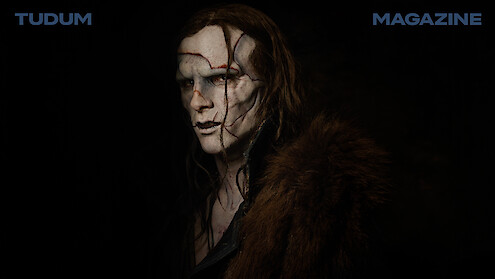
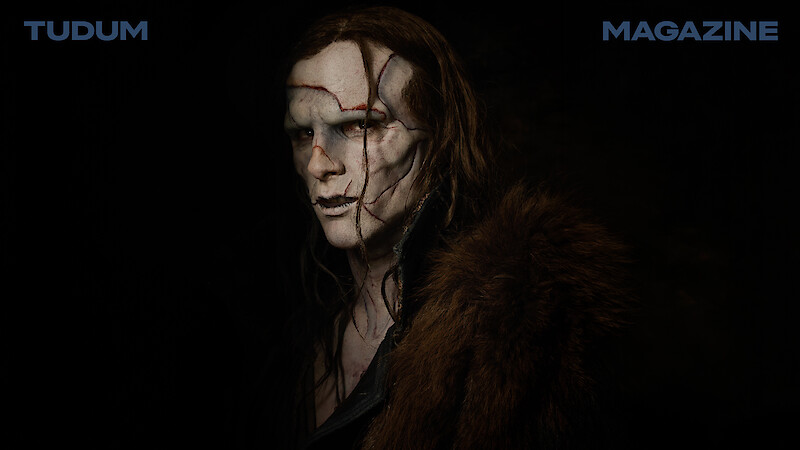
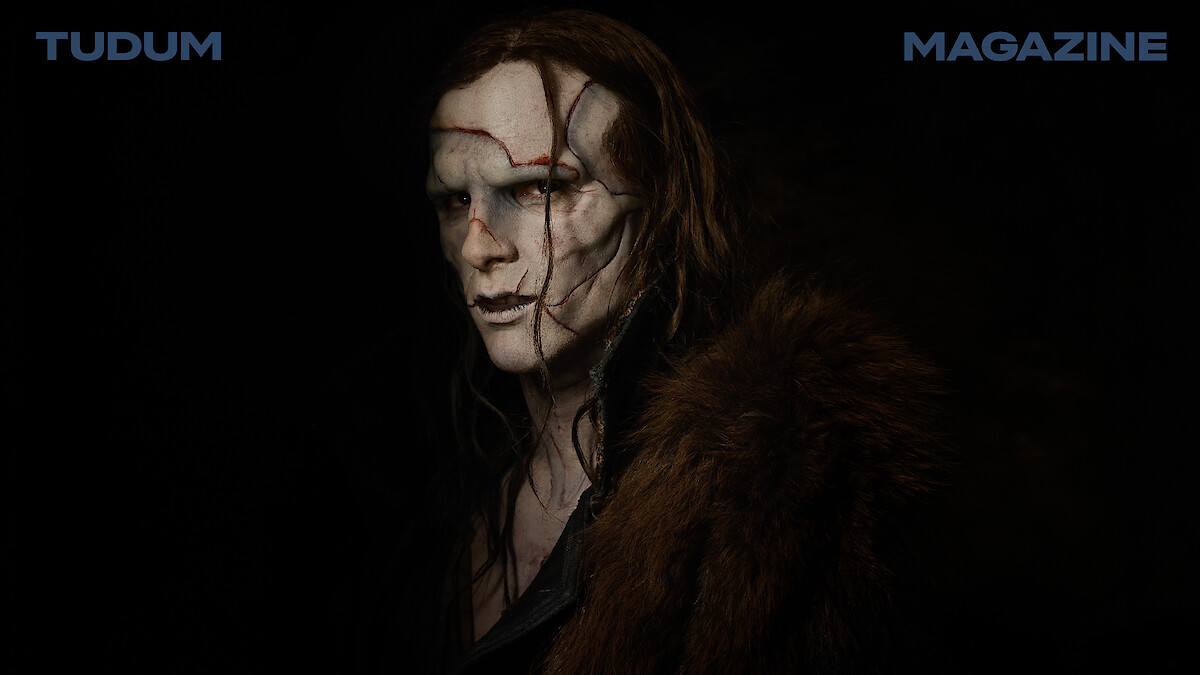
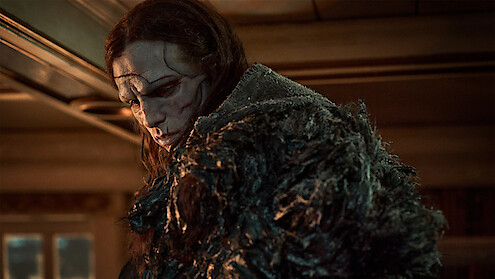
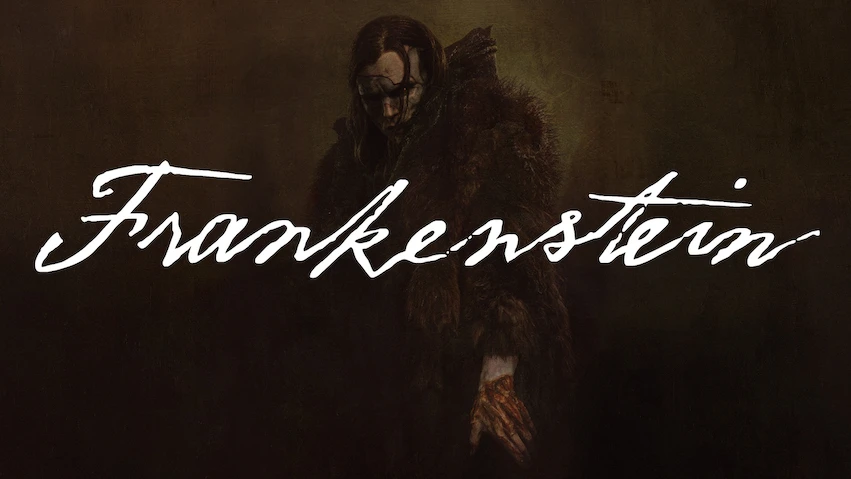
When Guillermo del Toro began designing his version of Frankenstein’s monster, he knew one thing. “Many Frankenstein monsters in the history of cinema, they look like they are in the intensive care unit, they have all these stitches and things,” says the director and screenwriter. “I want it to look like something newly minted, beautifully firstborn.”
It’s a tempting metaphor for del Toro’s film itself. Rather than a patchwork quilt of previous adaptations of Mary Shelley’s totemic novel, this Frankenstein is a ravishing Gothic romance that feels wholly birthed from the mind of the Academy Award–winning filmmaker of The Shape of Water and Pan’s Labyrinth. The story of scientist Victor Frankenstein (Oscar Isaac) and his quest to create life may be familiar, but del Toro’s take is as newborn as its creature.
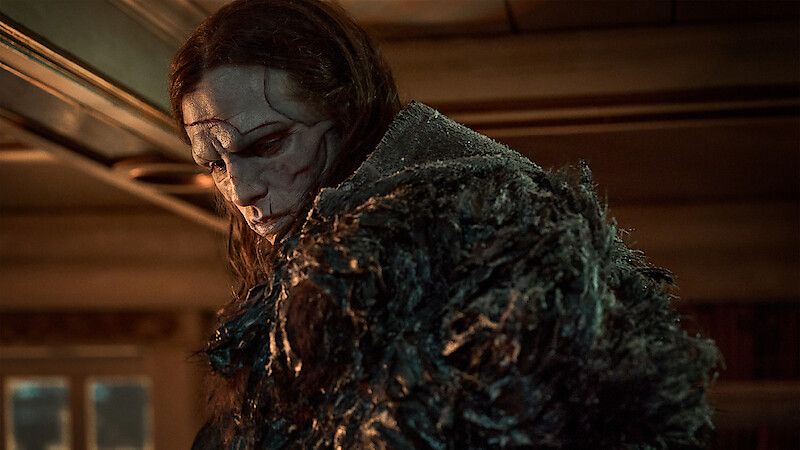
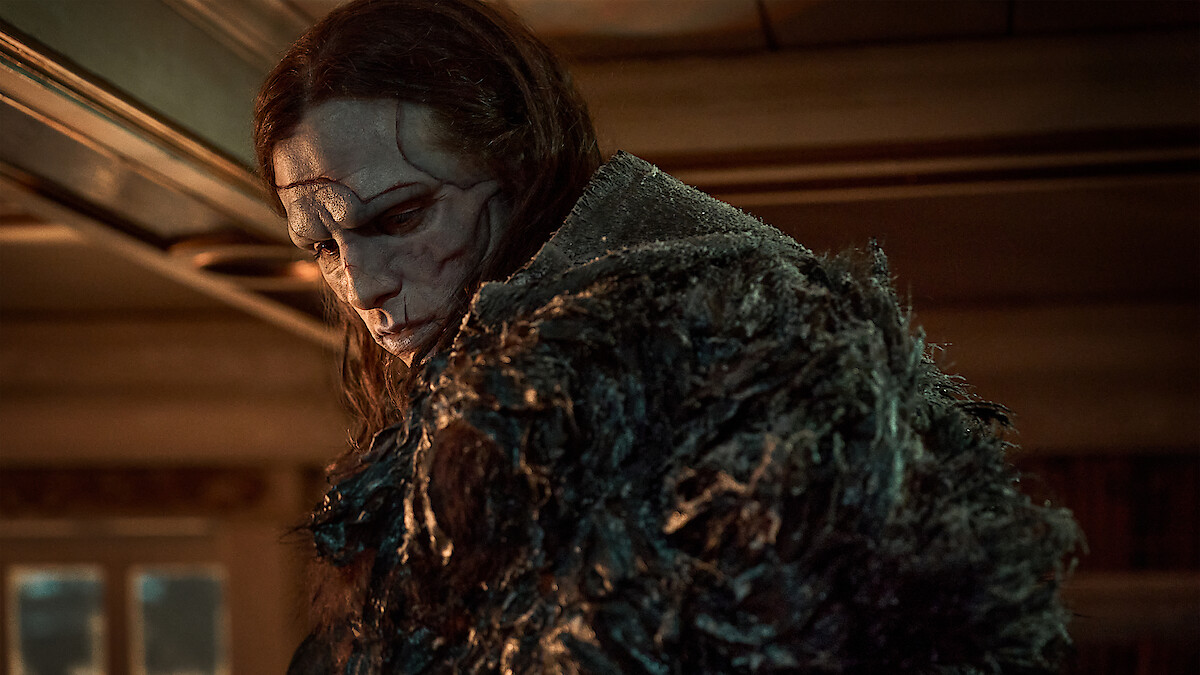
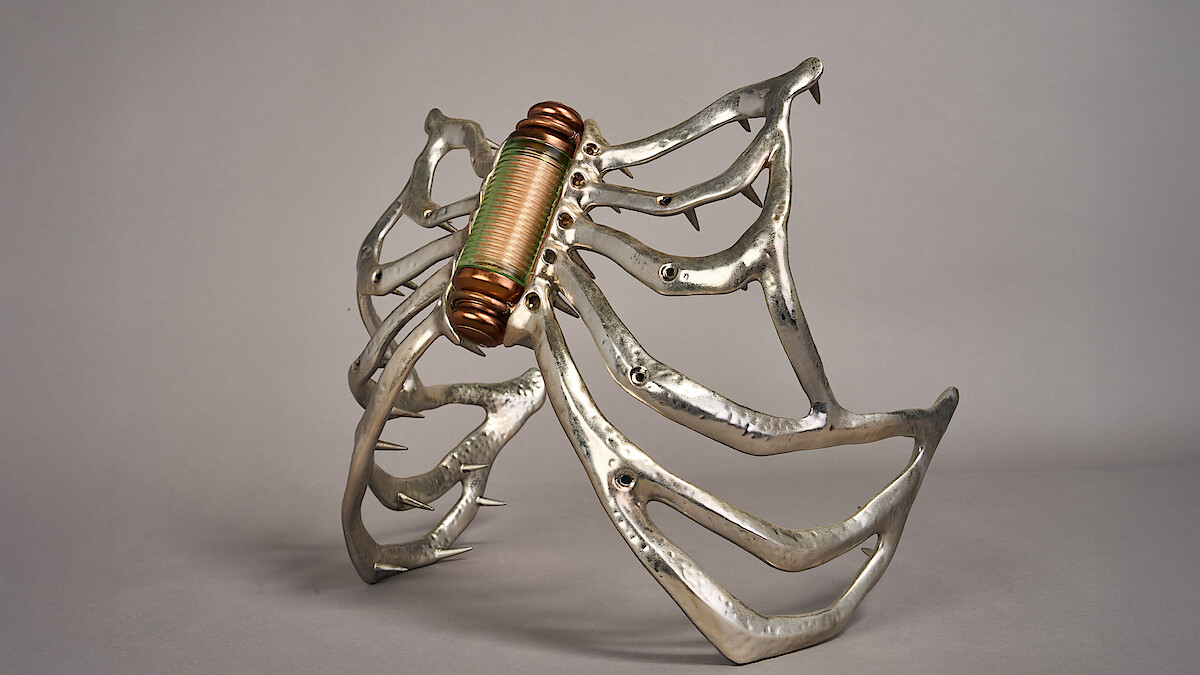
The monster here is played by Jacob Elordi, who brings a dancer’s grace to Victor’s unformed creation. Del Toro’s love for misbegotten creatures radiates across his filmography; his iteration of Frankenstein’s monster is as beautiful as it is monstrous. “I do think the monsters I design have an aesthetic signature that makes them all feel that they came from the same hand and the same mind,” del Toro says. “I would say there’s a beauty and ornamental quality to the creatures that makes them almost like moving sculptures.”
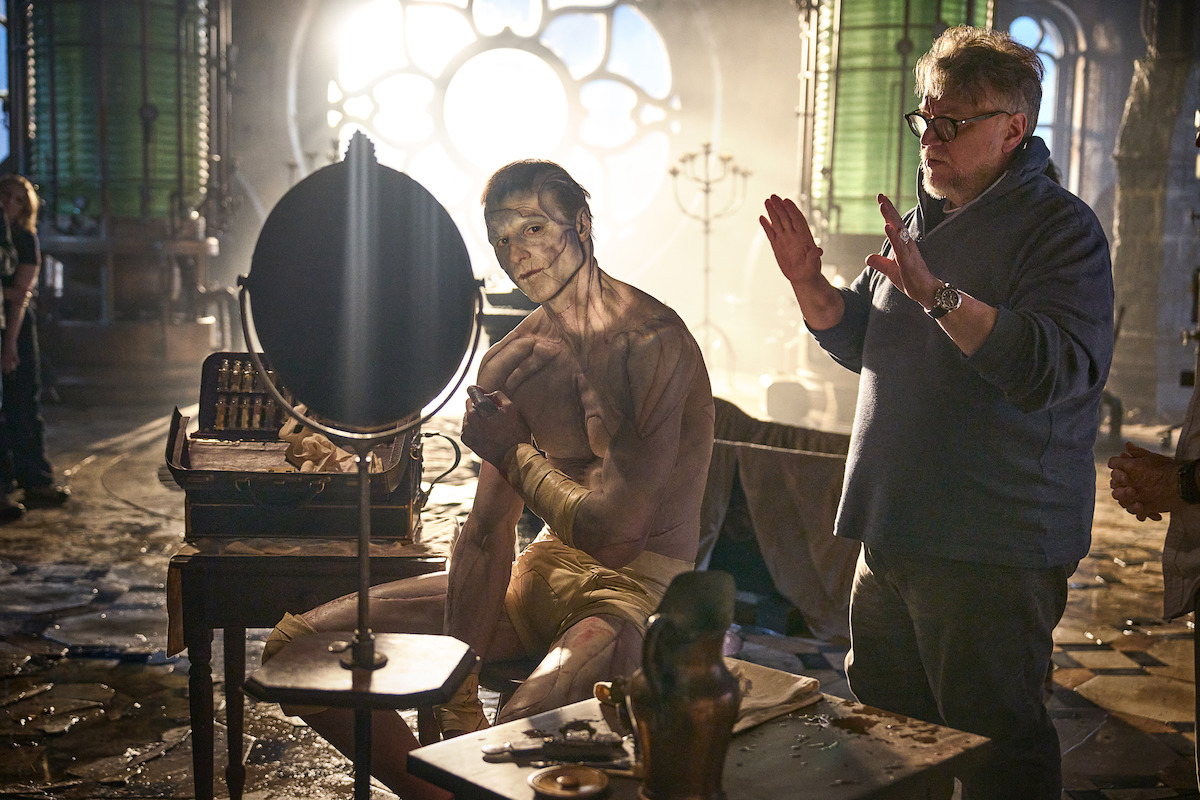
Jacob Elordi and Guillermo del Toro on the set of Frankenstein
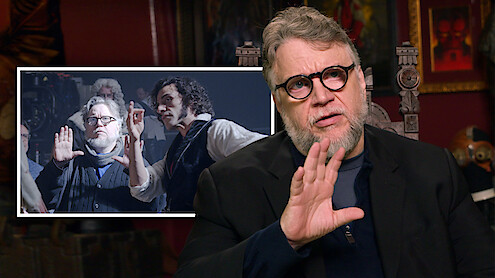
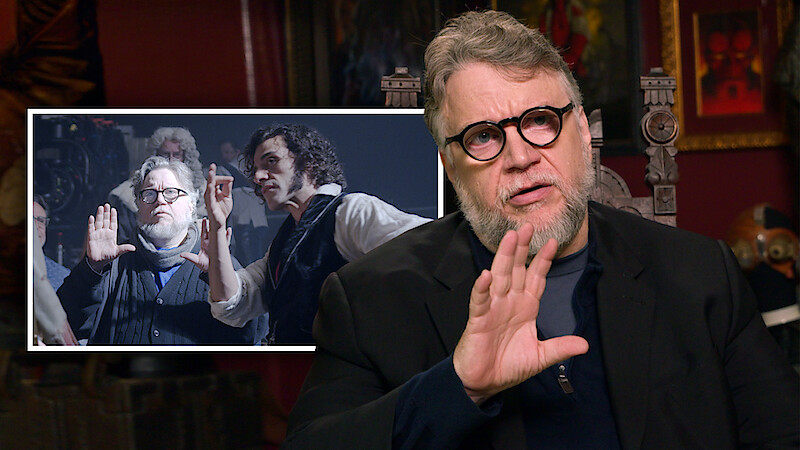
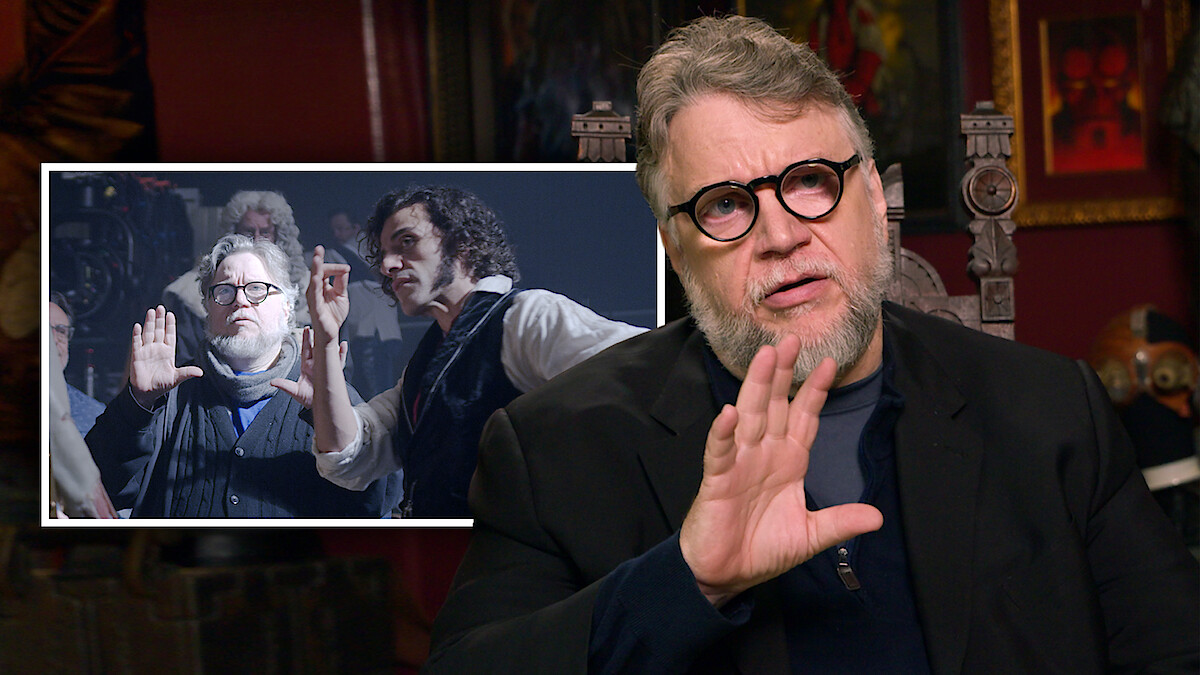
Like del Toro’s other films, Frankenstein is defiantly handmade, with the Creature as a makeup-fueled centerpiece. Del Toro is no stranger to digital effects — his genre-spanning career contains high-concept marvels like Hellboy and Pacific Rim — but he has a very simple doctrine for their use. “I think VFX should only exist where set construction, prop building, wardrobe creation cannot go,” he says. “I believe that people can tell when a set is real, when a prop has been made by human hands.”
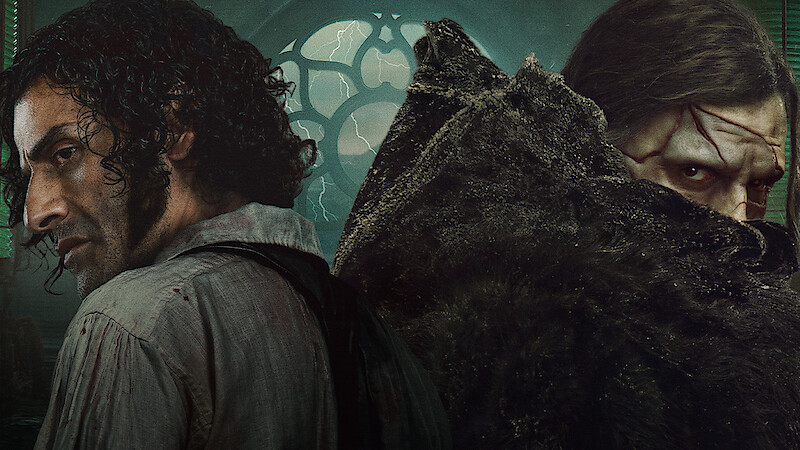
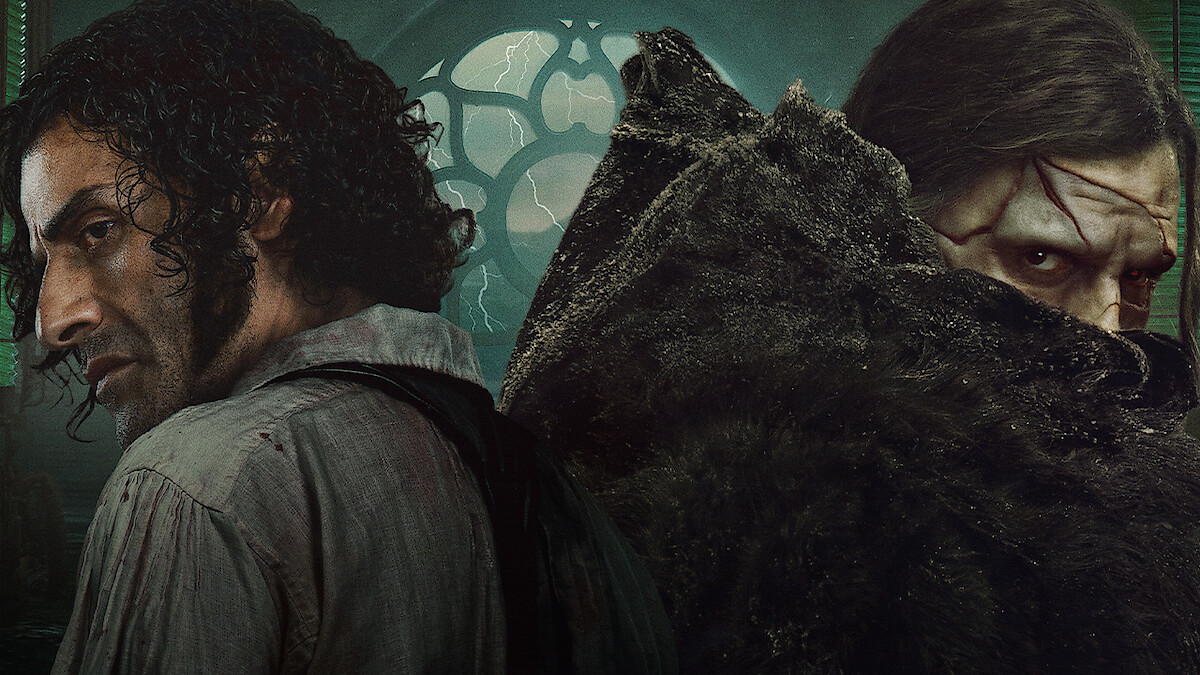
From the design of the Creature, the film spread outward. “Every monster has a counterpart,” del Toro says. “You design the monster and his counterpart to have a dialogue visually. In this instance, I think that Victor and the monster are two sides of a mirror.”
Victor has undergone his own transformation under del Toro’s pen. Like his creation, the most famous mad scientist in fiction is younger and angrier than in previous interpretations. He’s introduced to us for the first time in the deep reaches of the Arctic, a shivering bundle on the run from his own mistakes. Isaac’s performance runs the gamut, as flashbacks show that this helpless refugee was once a confident rebel raging against the machine.
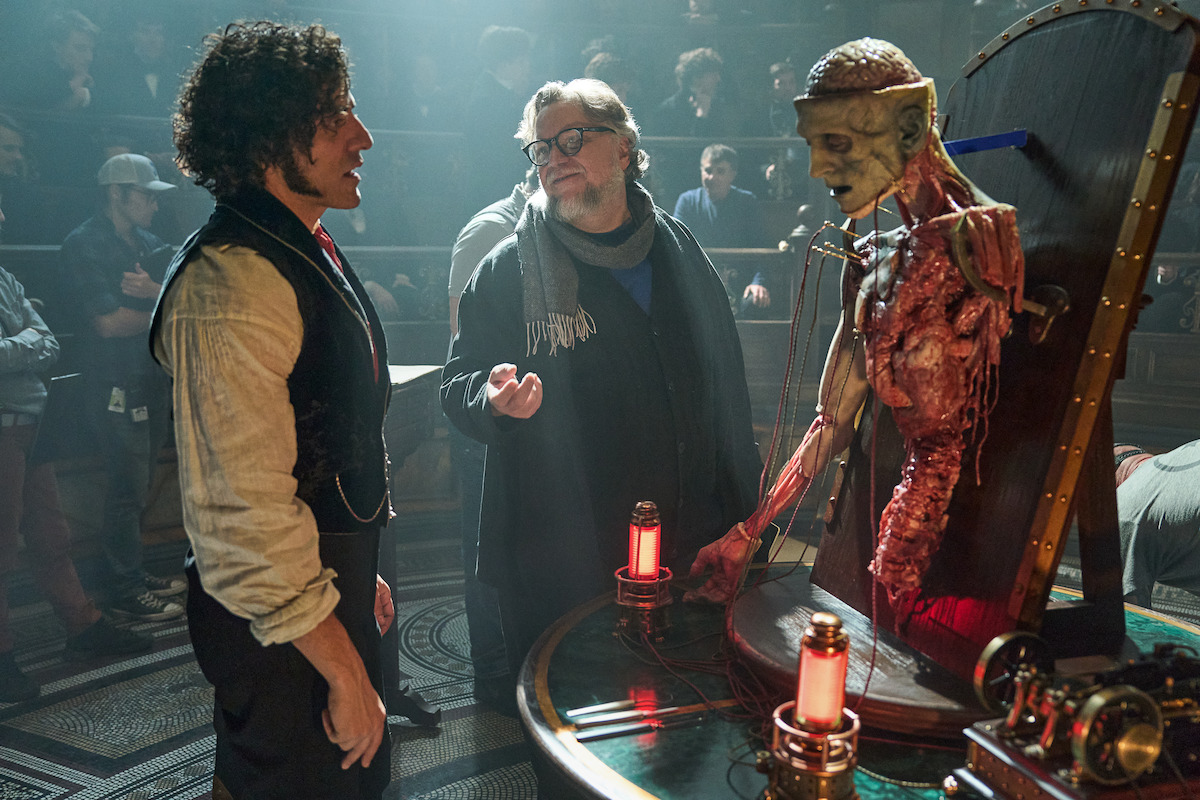
Oscar Isaac and Guillermo del Toro
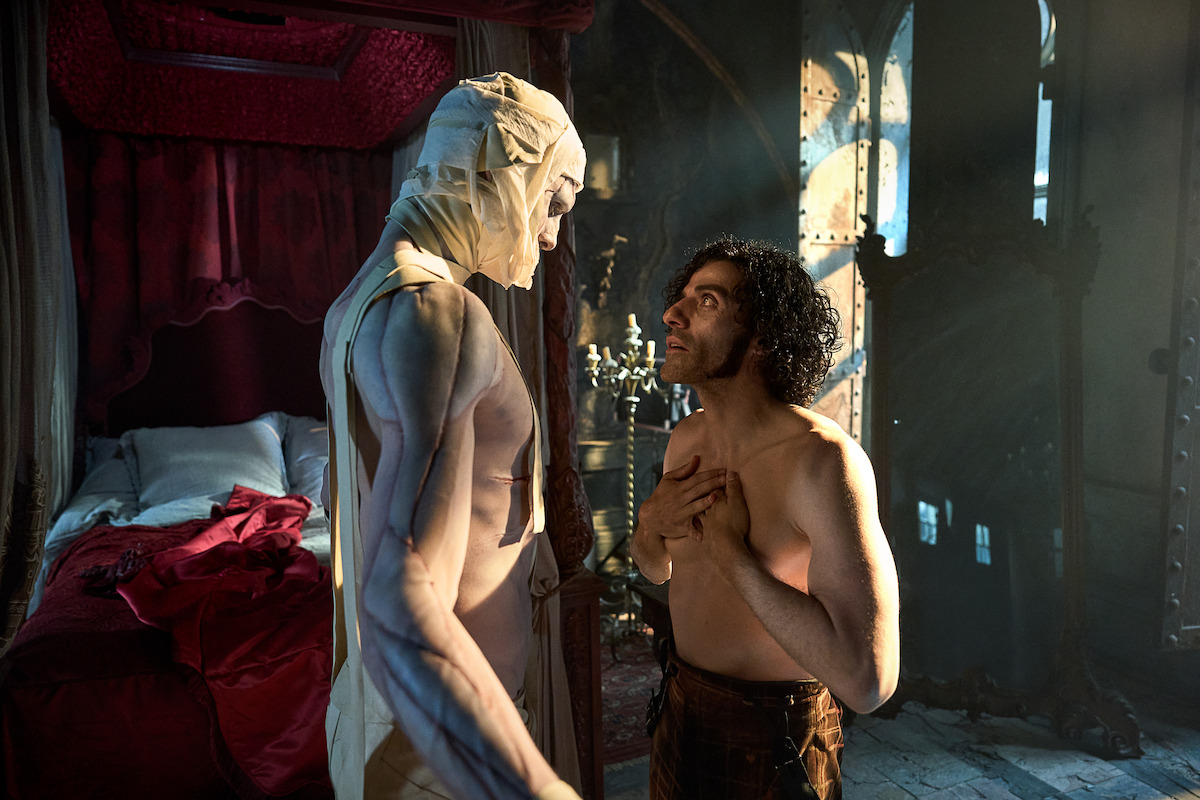
Jacob Elordi and Oscar Isaac
Del Toro saw his version of Victor as a sort of proto-rock star, and directed Isaac accordingly. “I filmed two concerts in the movie,” del Toro says. “One concert is him like a rock star in the middle of the medical class, moving around like Keith [Richards] or Mick [Jagger], you know? He’s really doing a concert for the younger medics.”
The second “concert” is the most essential element of any Frankenstein retelling: the reanimation of the Creature. “The creation of the monster is like a concert,” del Toro says. “I said to him, ‘You’re going to be like [keyboardist] Rick Wakeman with five synthesizers on the sides playing something. Or you’re going to be like Elmer Bernstein or Leonard Bernstein conducting an orchestra.”
Victor spends the first half of the film searching for the correct hands and torsos for his macabre experiments, but del Toro had another body part in mind while building his cast. “Films are people looking or being looked at by eyes. That's most of film: somebody looking at something or something looking at someone,” he says. “You need Oscar’s eyes in order to know that he’s tortured and he thinks he’s doing good and he’s driven. In order for the Creature to have innocence, you need Jacob’s eyes.”
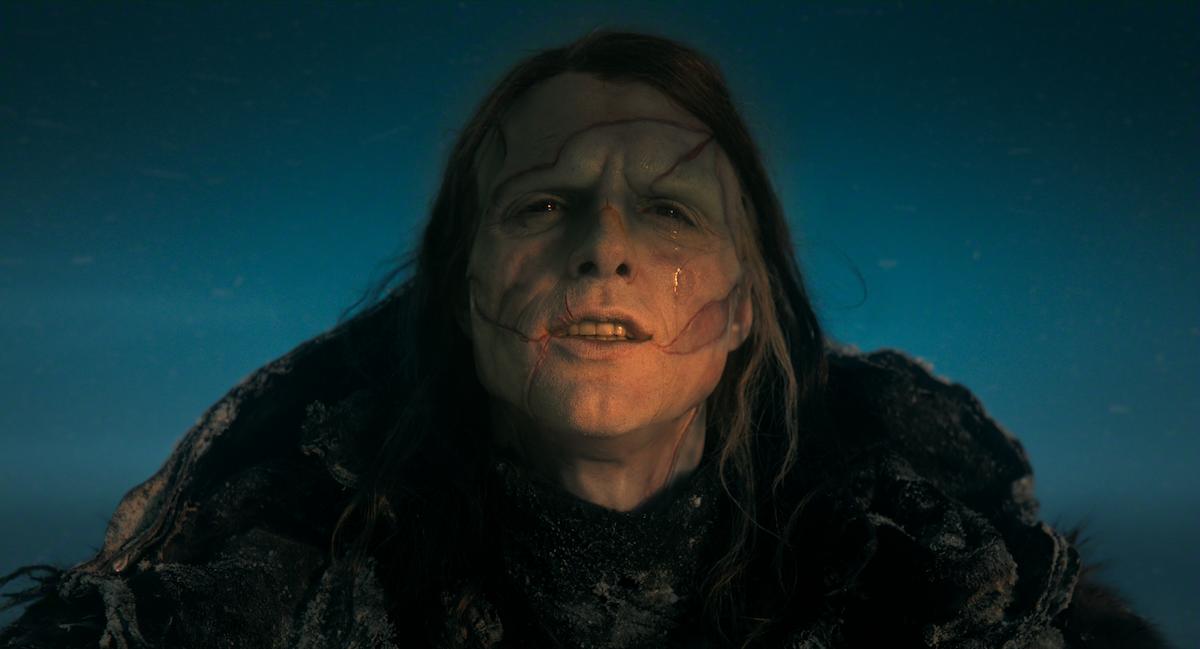
Jacob Elordi
Elordi’s Creature has a pure temperament that darkens as he experiences more of what it means to be human. Del Toro recommended Elordi look at butoh, a form of Japanese dance theater that the filmmaker felt captured the Creature’s emotional volatility. “Butoh is about being able to transition from one element to the next,” del Toro says. “You can transition from fire to water in a second.”
The relationship between the Creature and his creator has been subject to plenty of speculation and interpretation over the decades of Frankenstein’s existence. Are they lovers? Brothers? Father and son? Del Toro’s film settles on the last. This is a story of parenthood — an archetype that runs throughout the filmmaker’s career, from John Hurt’s loving adoptive father in Hellboy to Ariadna Gil’s ailing mother in Pan’s Labyrinth.
In this sense, Frankenstein forms a duology with del Toro’s last film, his Academy Award–winning 2022 stop-motion adaptation of Carlo Collodi’s Pinocchio. The films share a personal significance for del Toro: He dreamt of adapting both books for most of his career, only to finally direct them during a tragic period. “I ended up making them basically back to back,” del Toro says. “And it’s a time where I lose my father and I lose my mother. And I really have to wonder about ‘Who am I?’ Because then you become nobody’s child.”
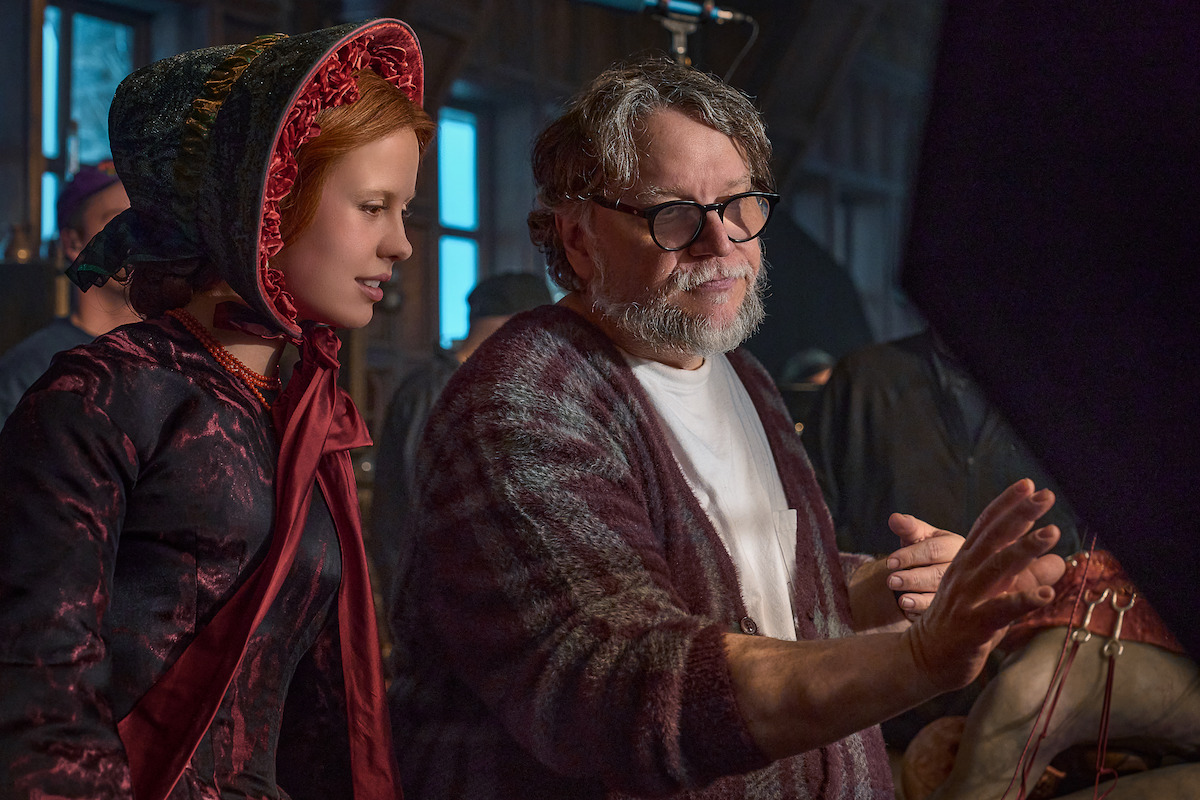
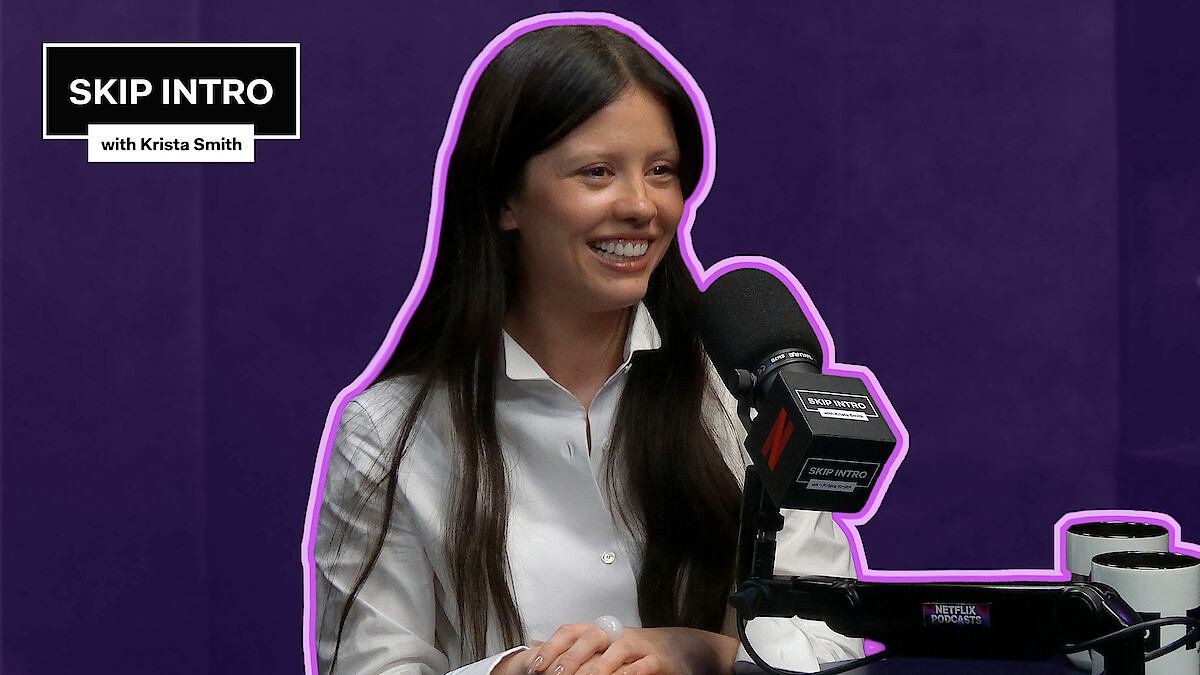
Mia Goth and Guillermo del Toro.
Del Toro connects his own experience to that of Frankenstein’s real-life creator. “[Shelley] was constantly fusing life and death,” he says. “She’s born out of the death of her mother.” Shelley’s time period, too, swam with the twin paths of love and loss. “The romantic spirit that fuses love and death with cemetery poetry, the revival of the Gothic romance, Piranesi engravings, all these things are in the air,” del Toro says. “I wanted to infuse that spirit into the adaptation.”
Shelley and del Toro’s path between love and loss is the same one Elordi’s Creature walks, and del Toro paints his journey with the monstrous compassion he’s come to be known for. “He needs to feel like a baby, and then he needs to feel like a philosopher, like a man,” del Toro says. “This is one of the salient things that Mary Shelley did in the book, and that this movie does: We track the growth of the Creature into a man.”