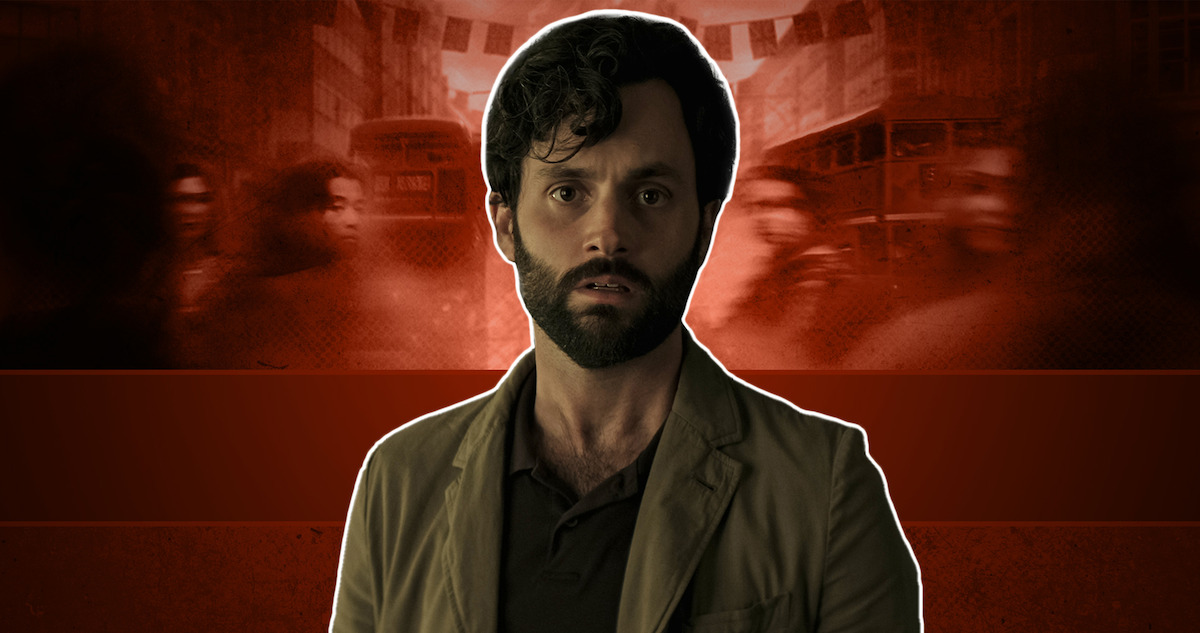
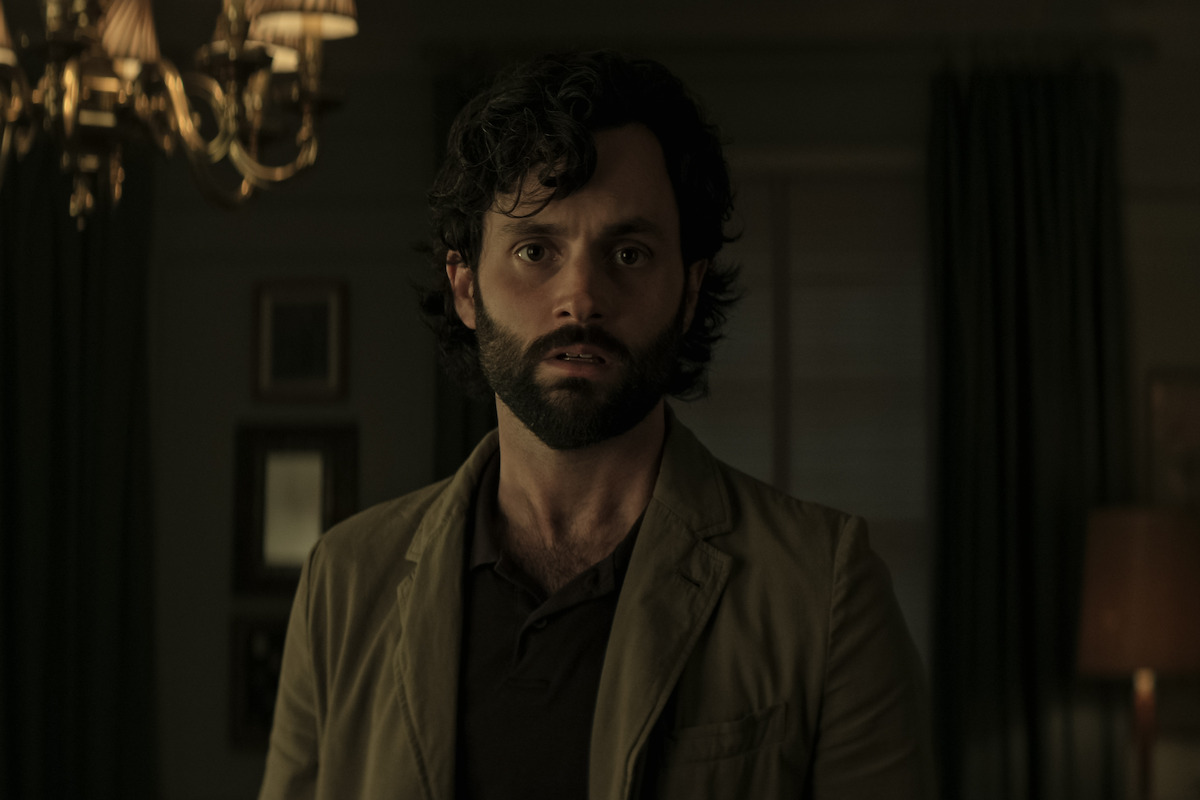
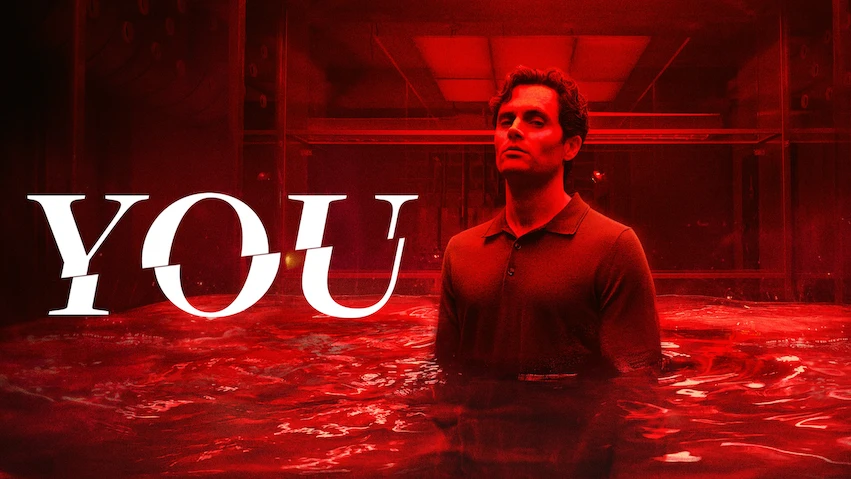
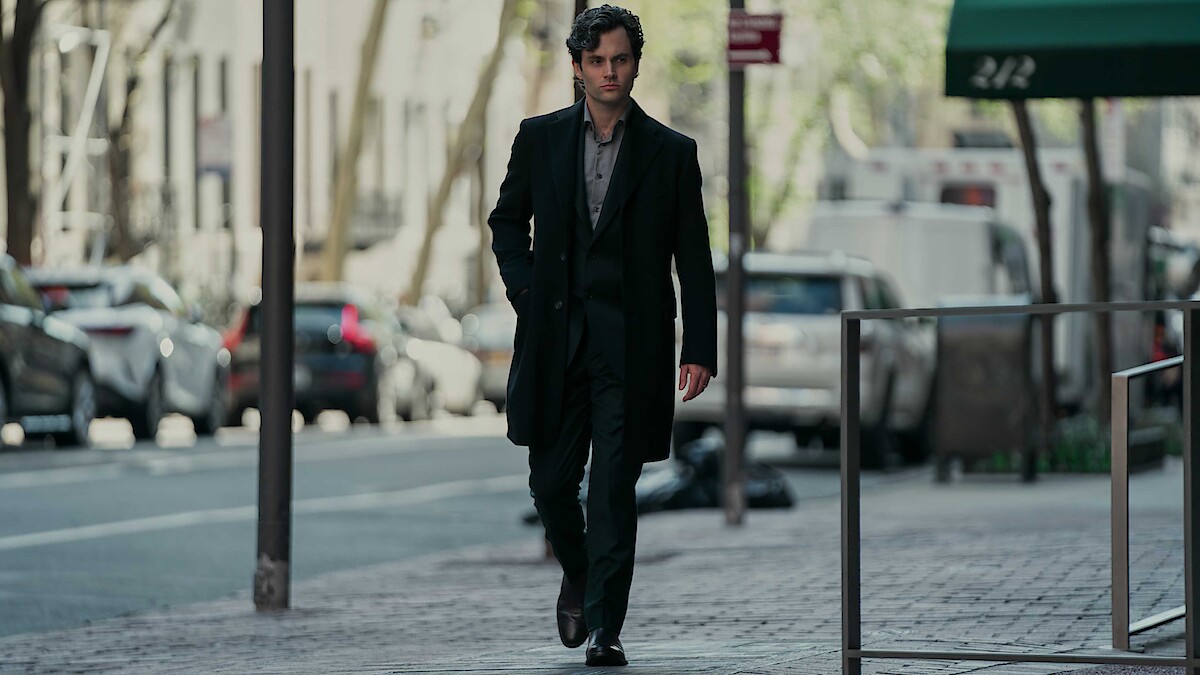
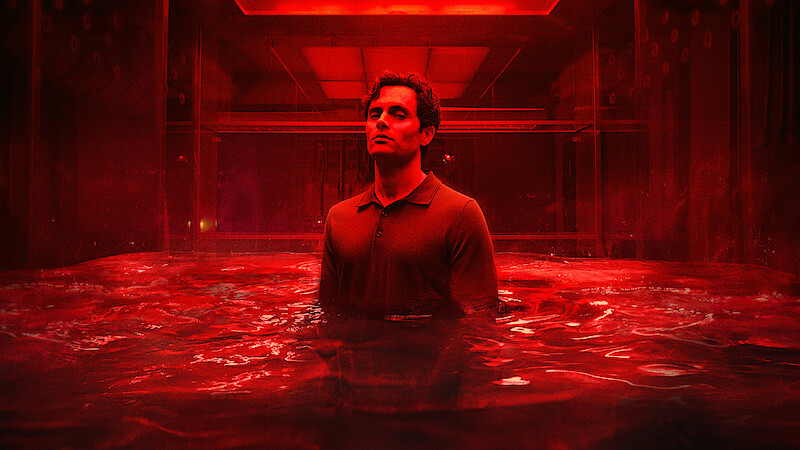
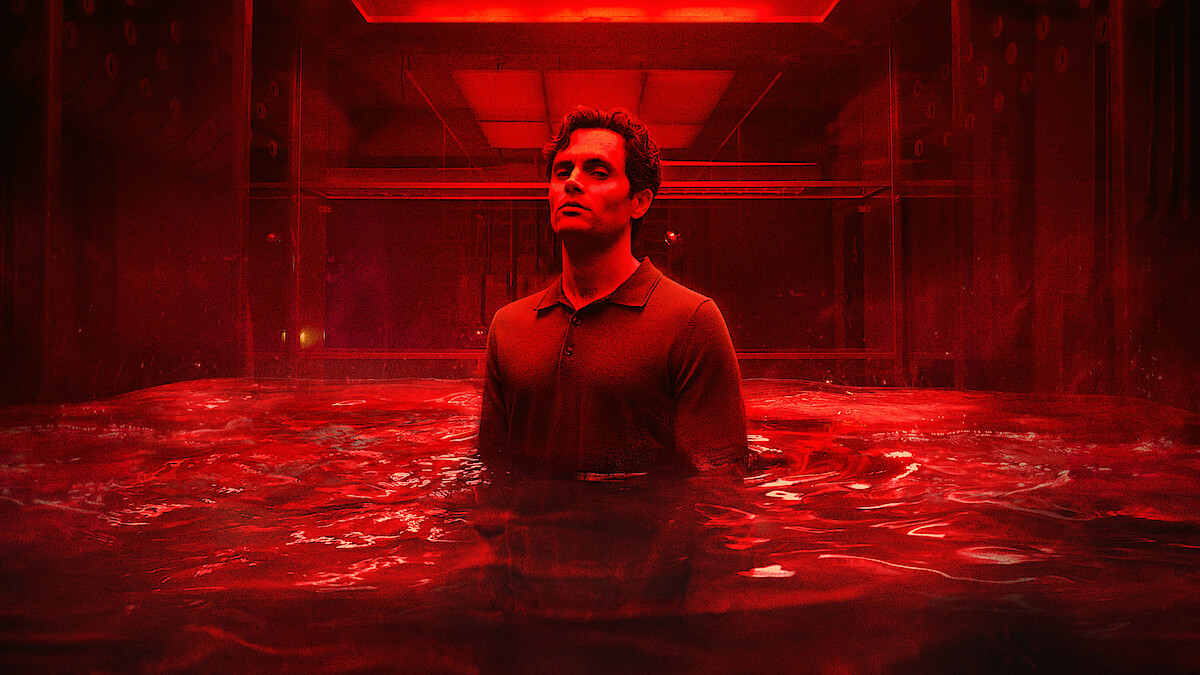
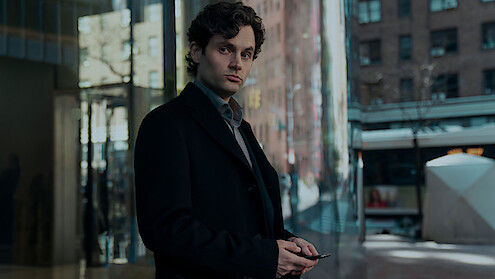
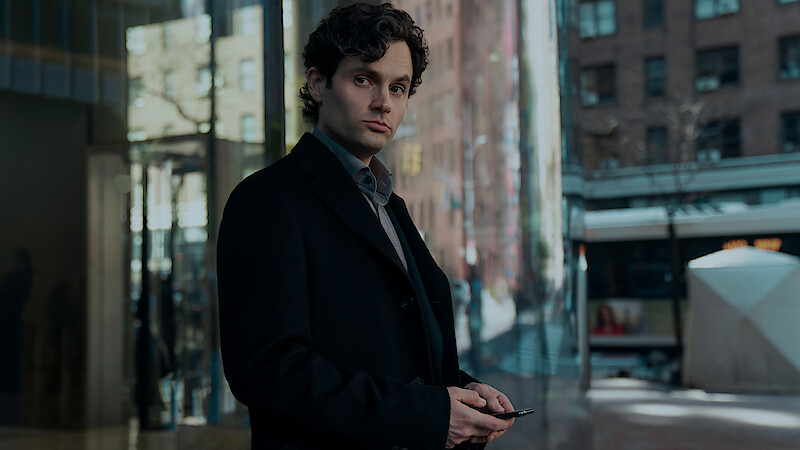
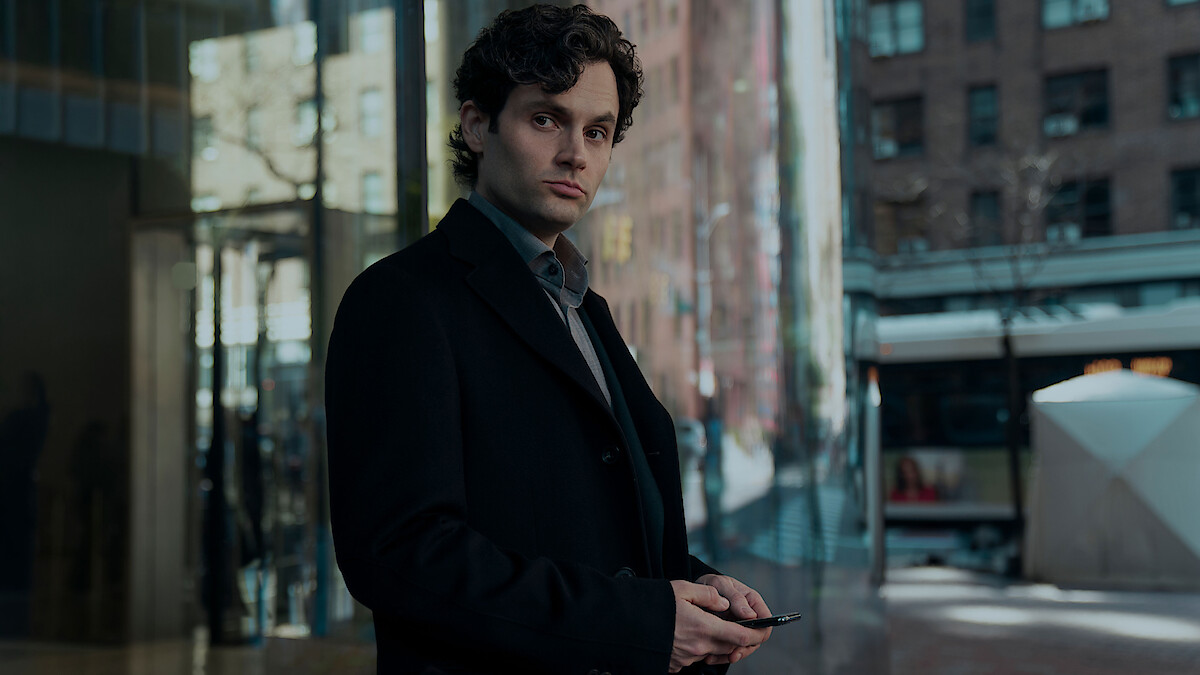
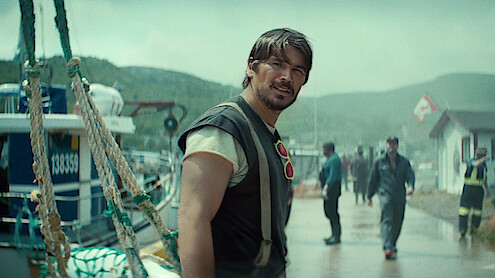
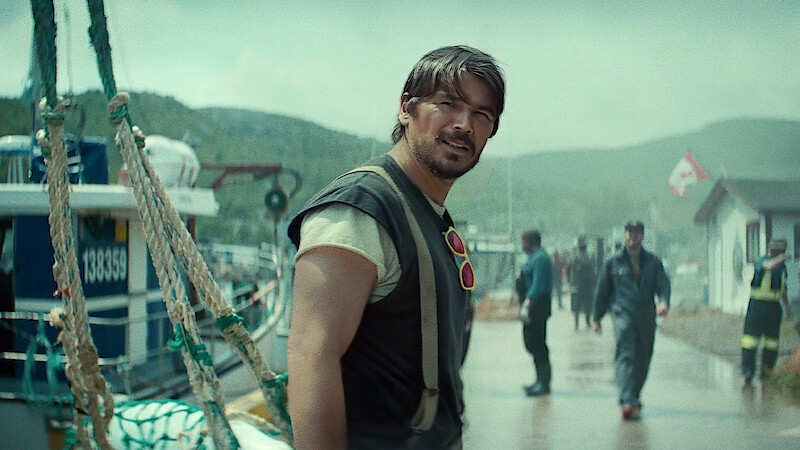
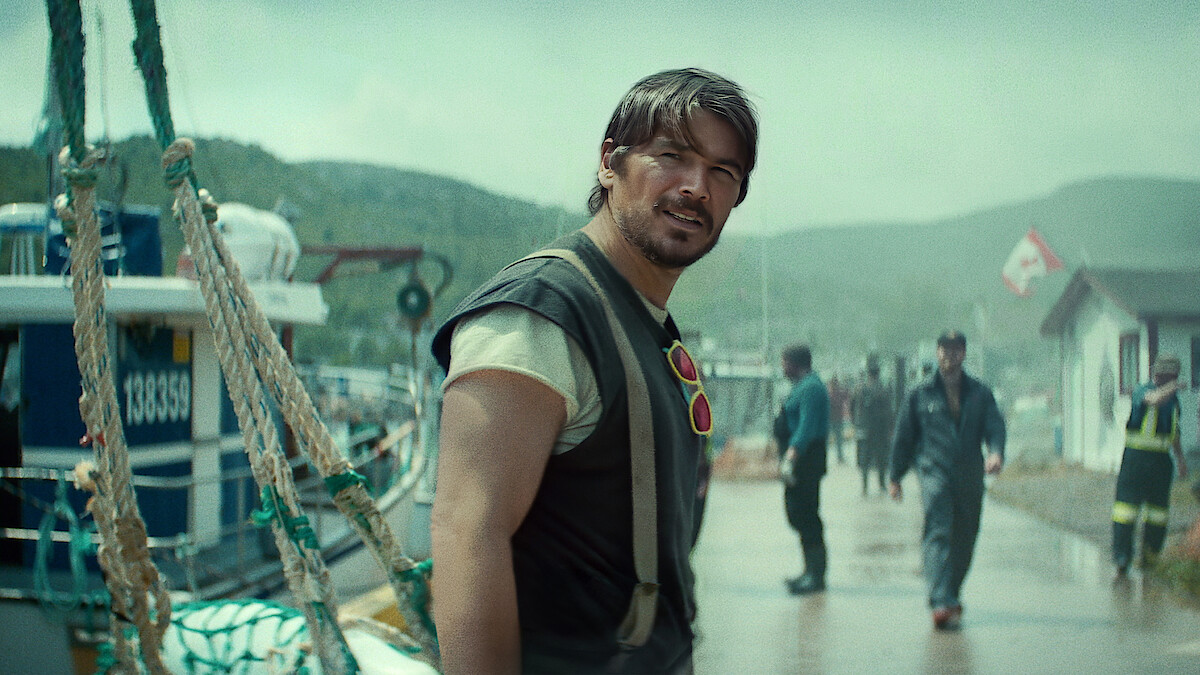
If there’s one thing Penn Badgley’s romantic antihero Joe Goldberg understands by the end of You Season 4, it’s that he’s definitely not a good man in a cruel world. And it’s about time.
The murderous bookstore manager turned college professor has racked up a terrifying body count over the course of the thriller’s run, killing everyone from strangers to neighbors to girlfriends to his wife. Through it all, Joe has maintained that he’s a good person, finding increasingly absurd ways to justify the horrible things he’s done. But Season 4’s London-set whodunit — which pits Joe against the infamous Eat the Rich Killer — forces Joe to turn his hyper-observant eye toward himself. Based on the sinister look on his face in the final shot of Season 4, this self-actualization arc can’t mean anything good for Joe — or the world.
Below, You stars Badgley and Ed Speleers and showrunner Sera Gamble break down Season 4, Part 2’s brain-twisting turns and that shocking ending.
Hi, Joe Goldberg is the problem (and the killer).
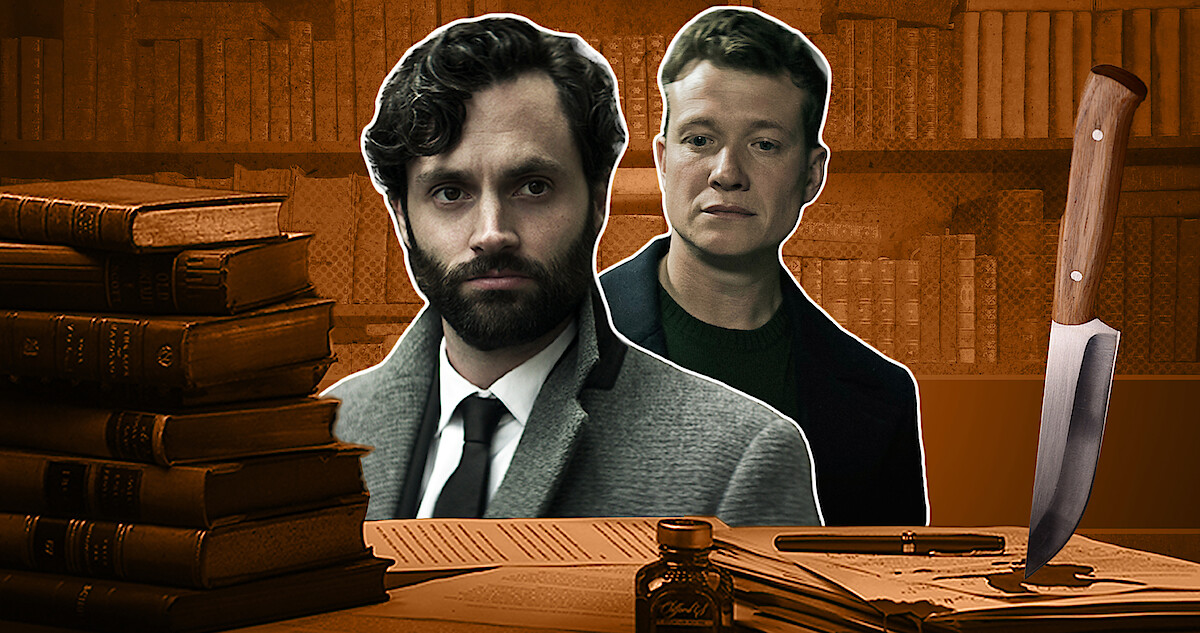
Surprise! Joe has been playing a cat-and-mouse game with himself the entire season because the Eat-the-Rich Killer is actually him, not Rhys Montrose (Speleers).
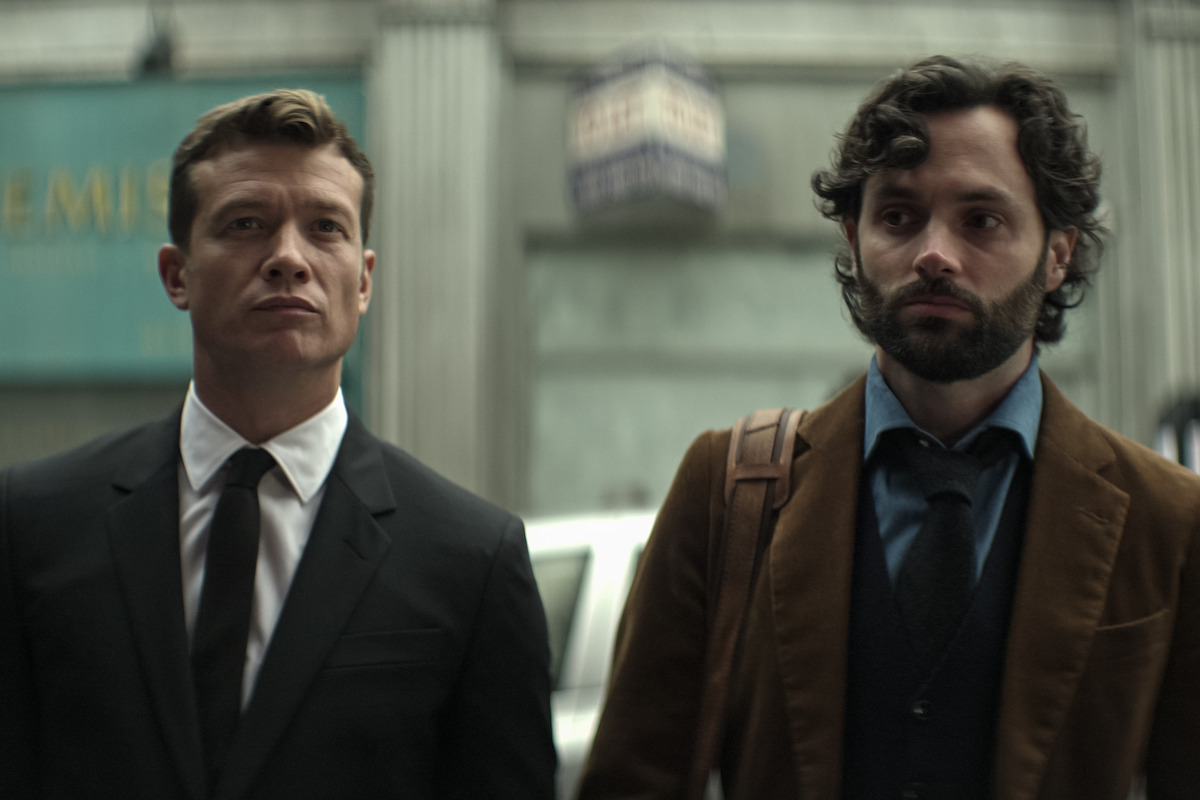
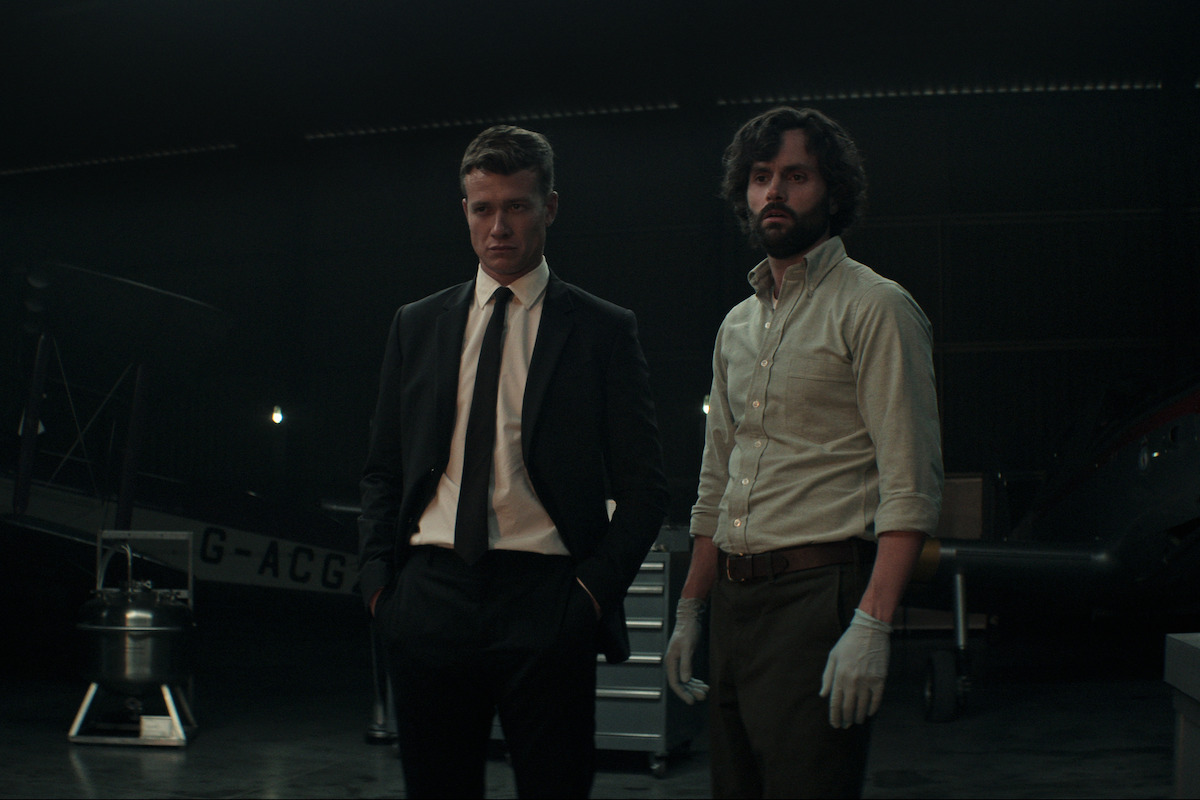
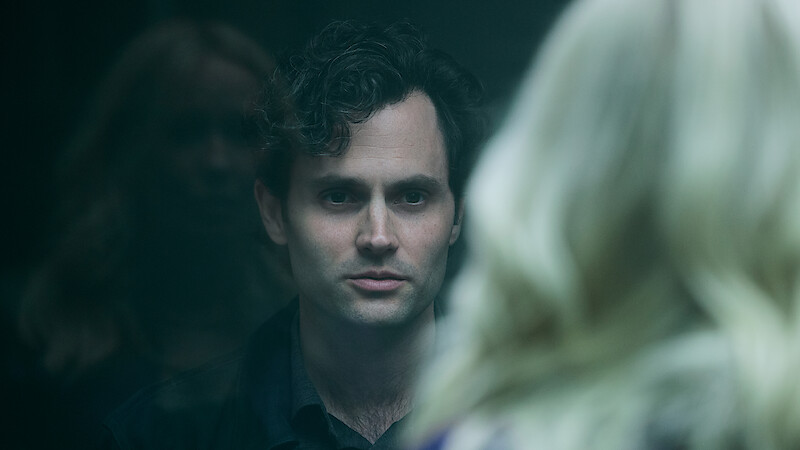
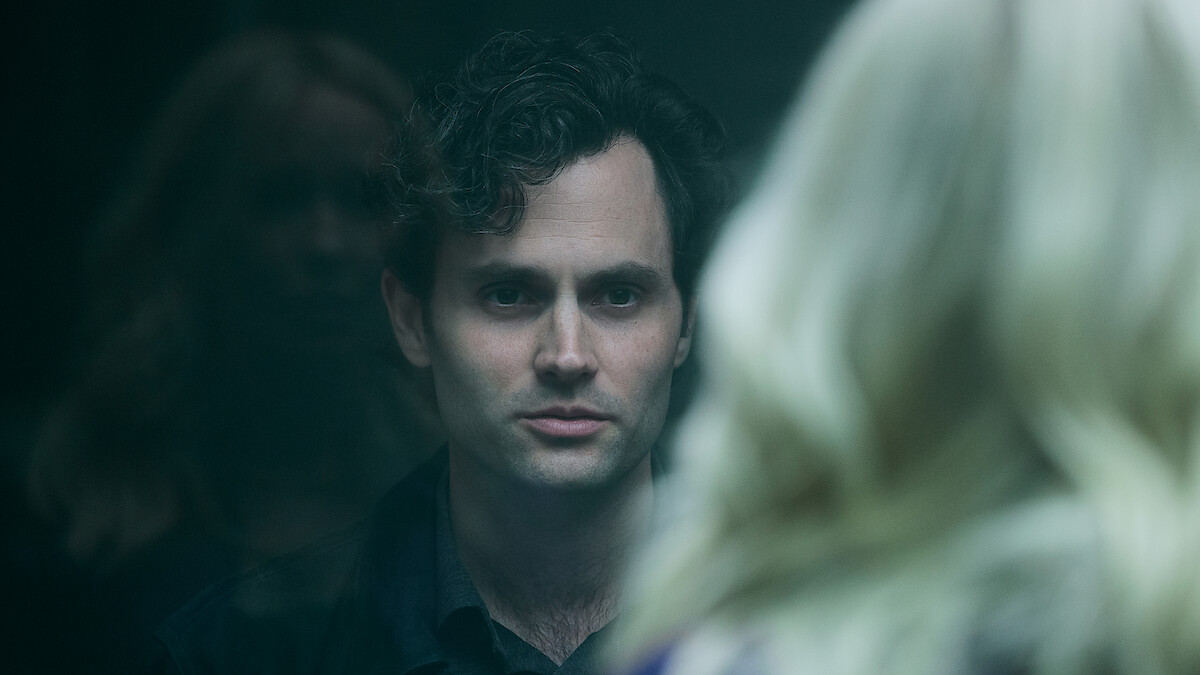
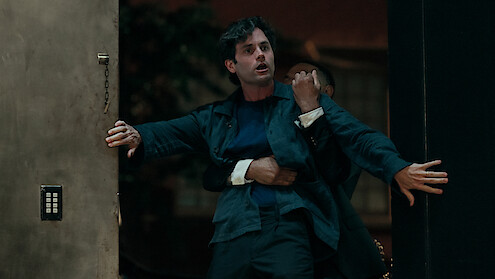
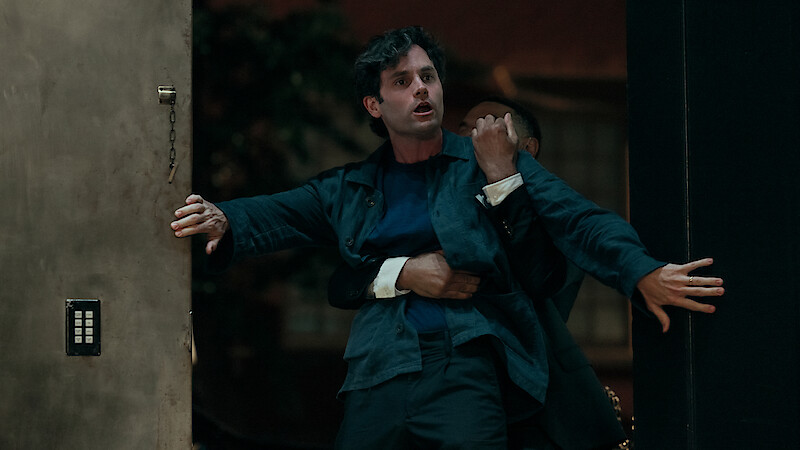
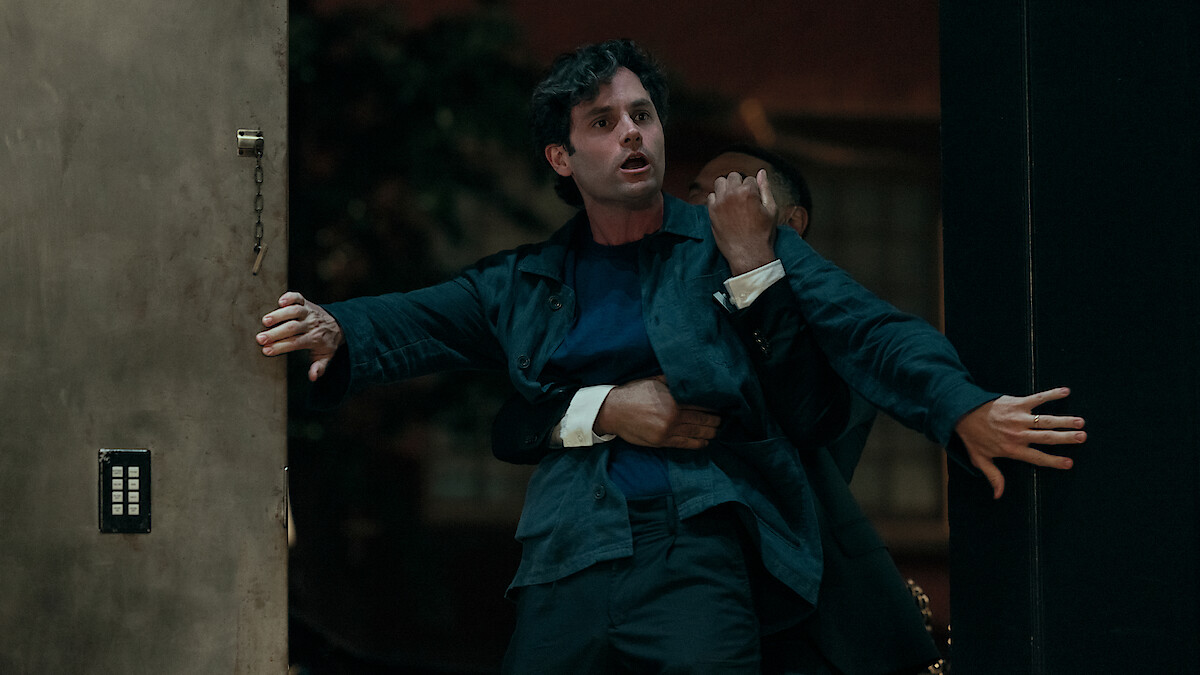
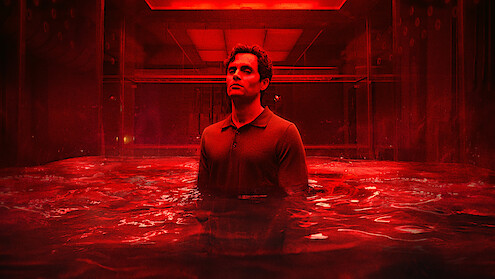
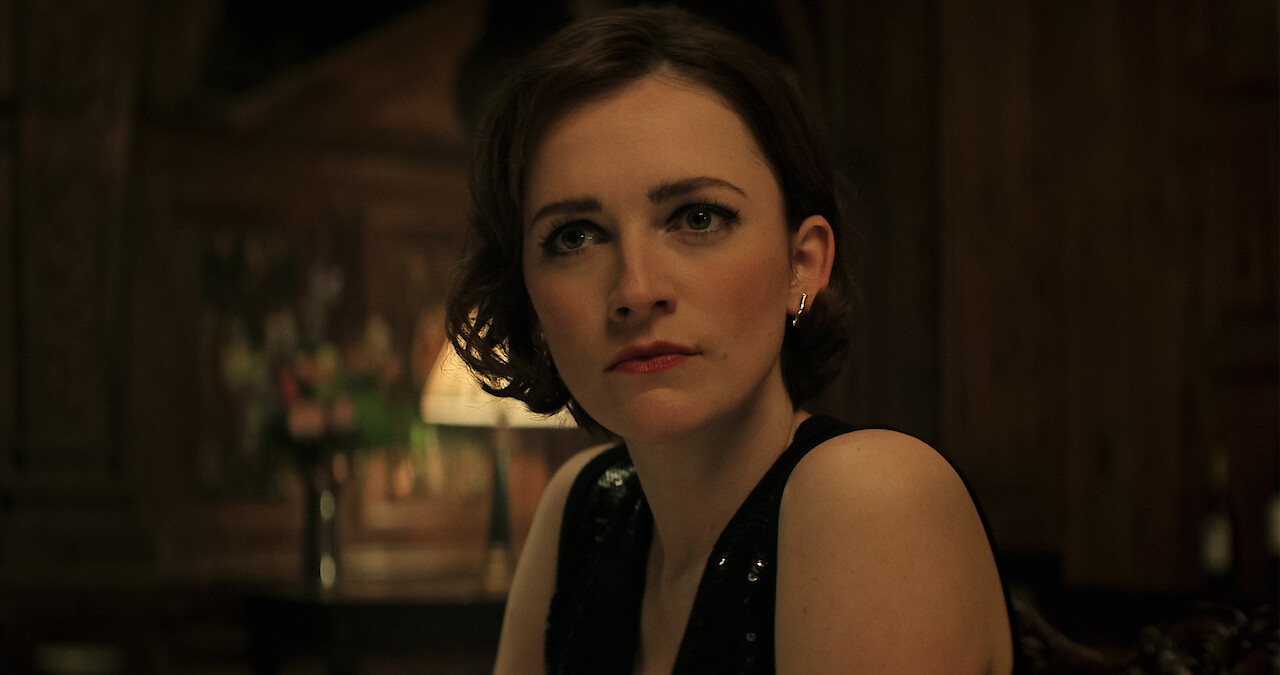
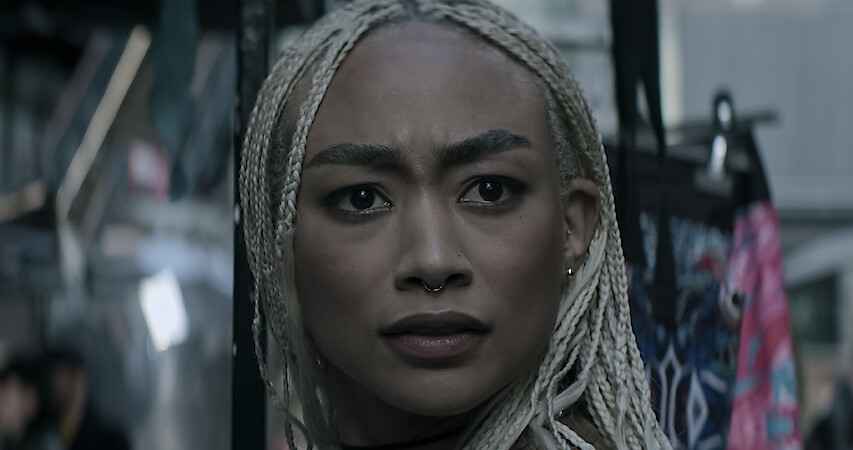
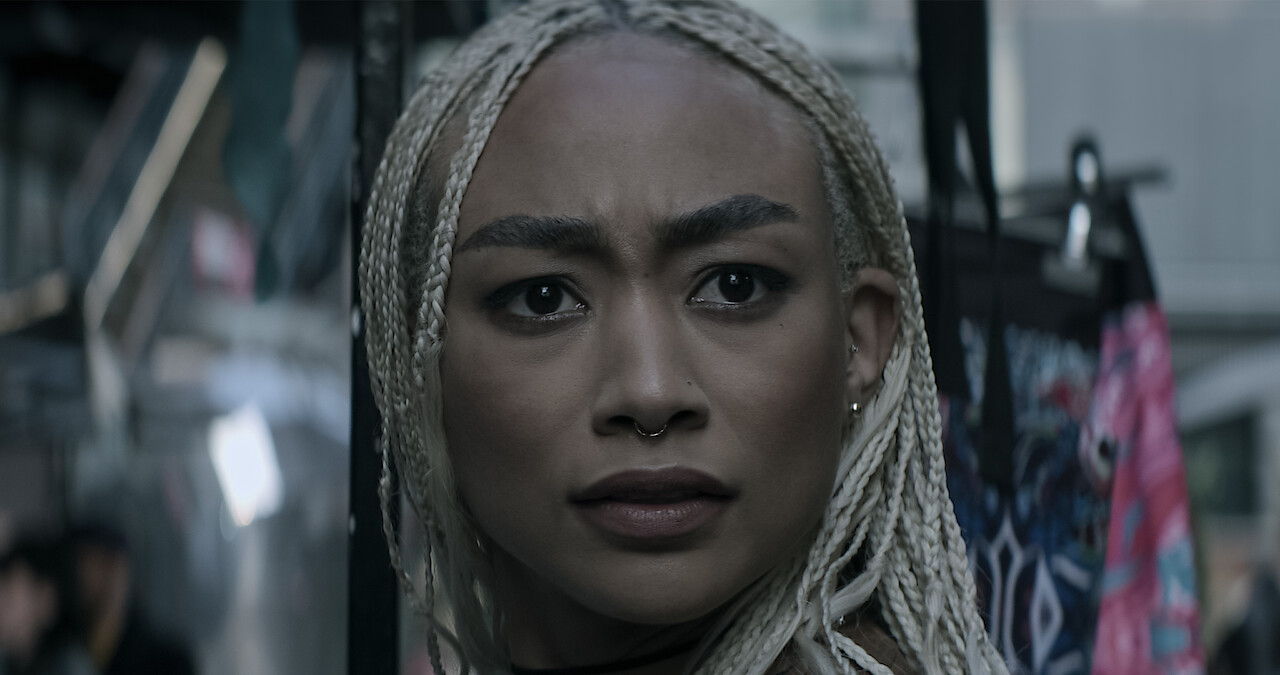
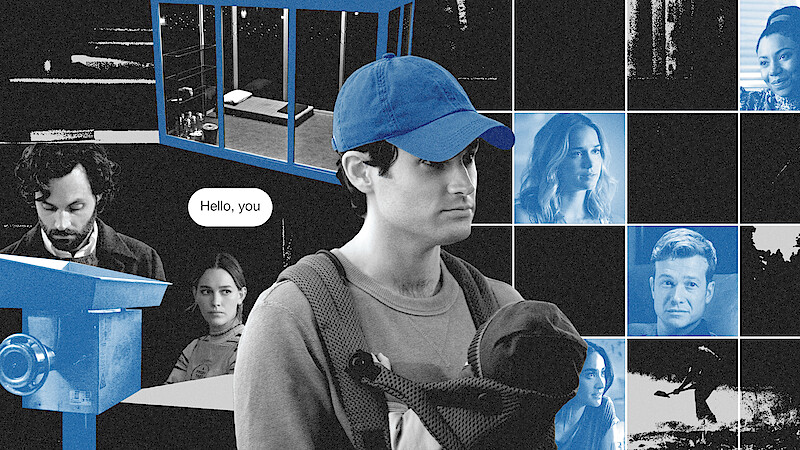
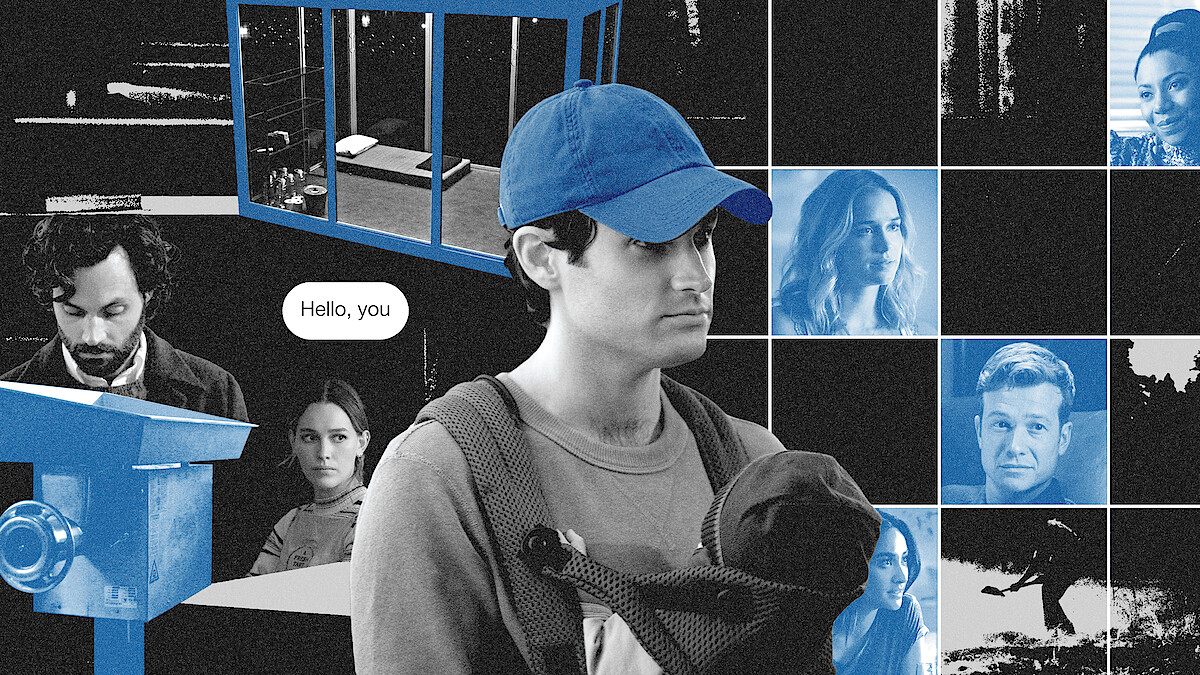
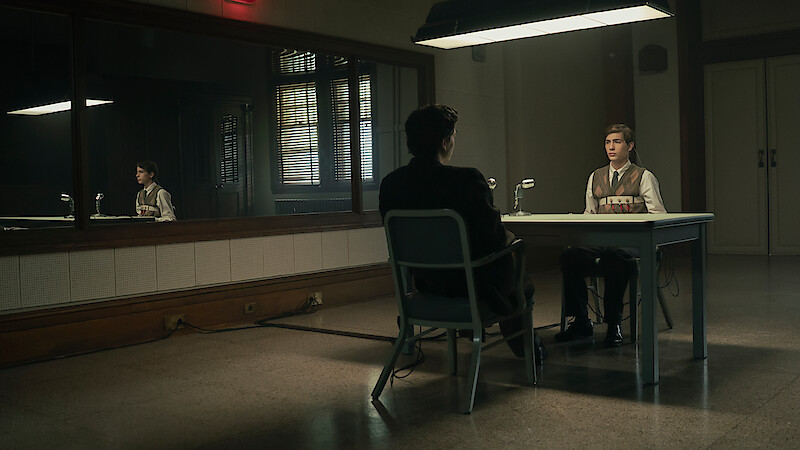
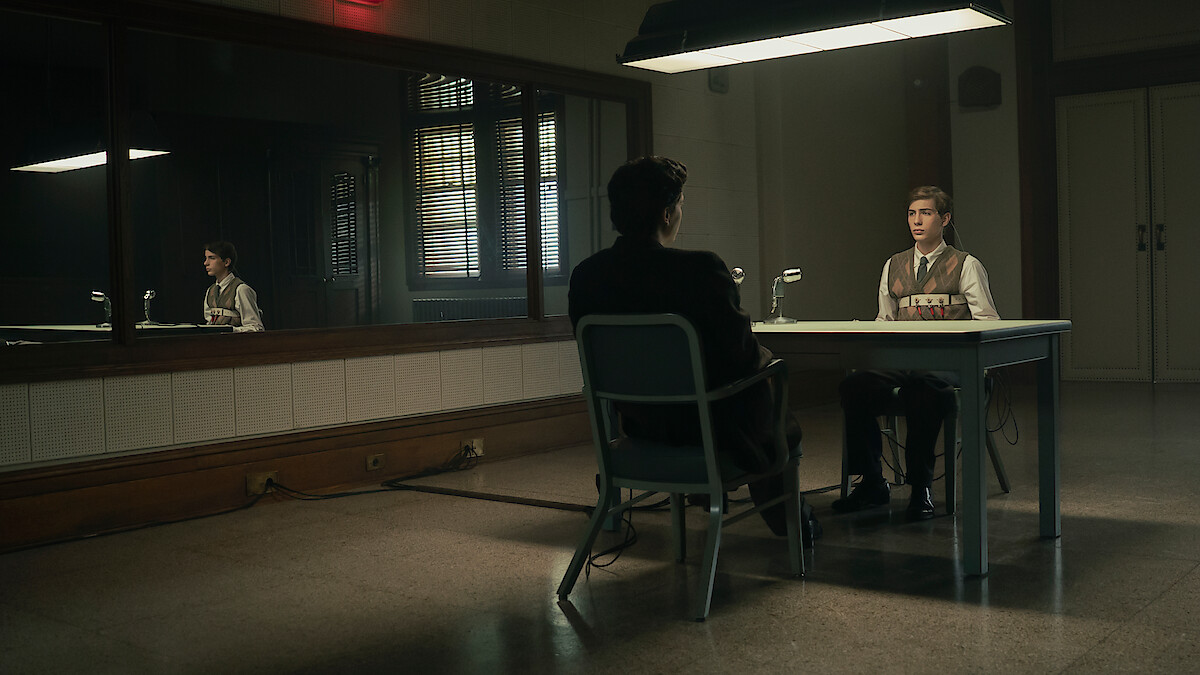
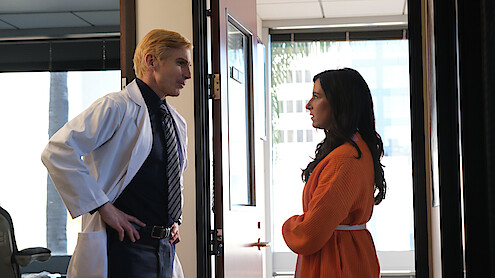
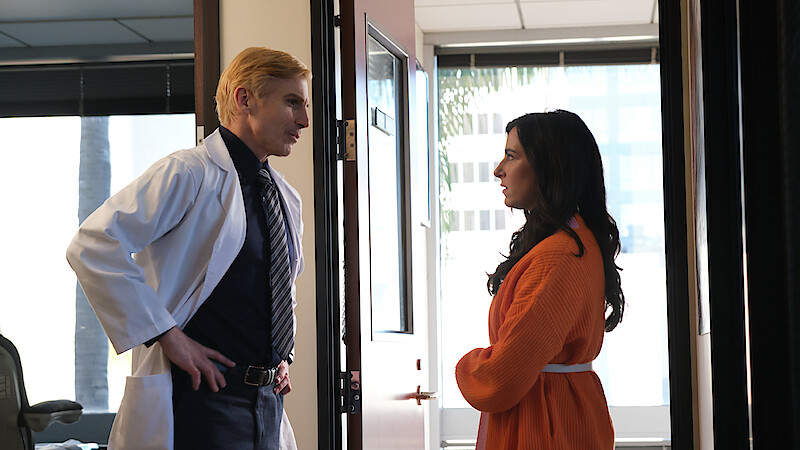
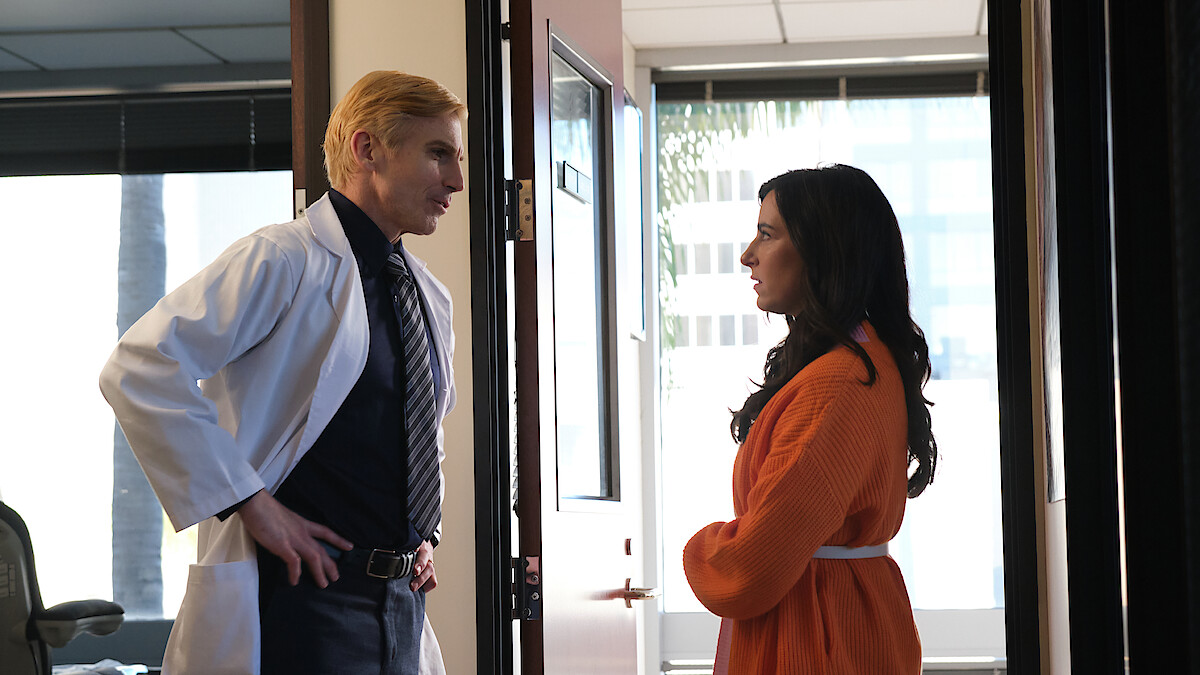
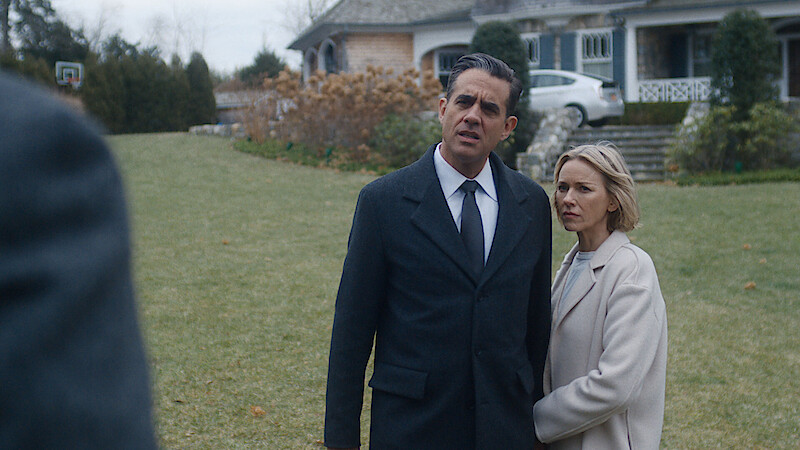
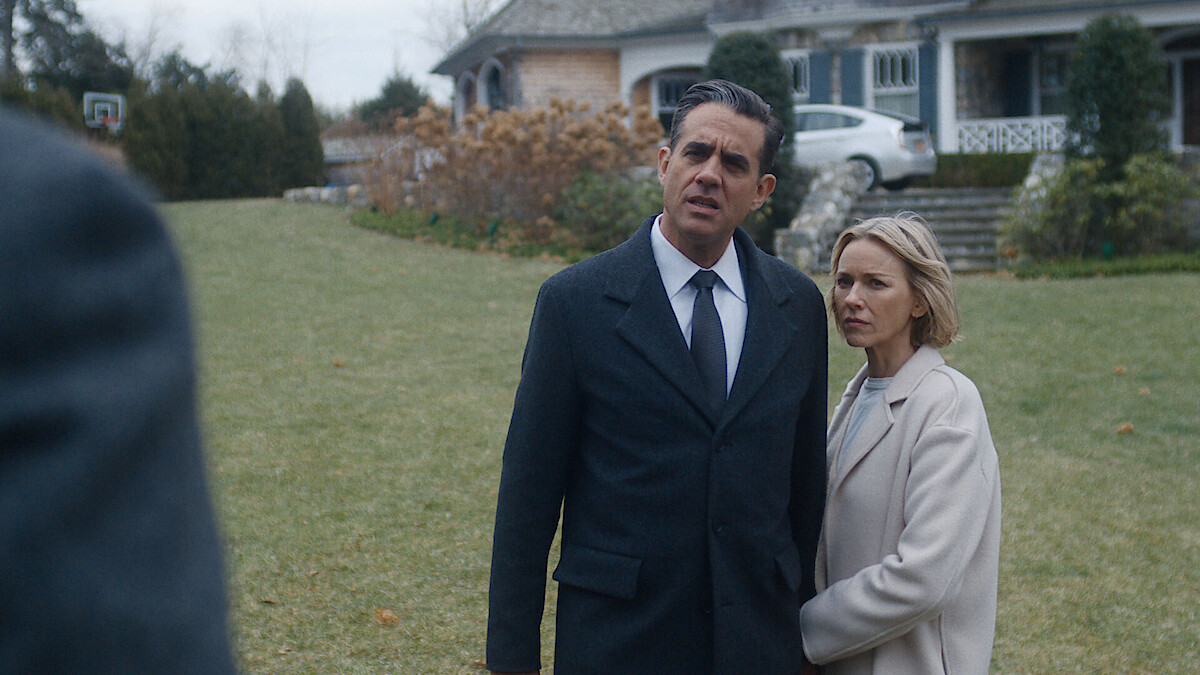
In Episode 7, Joe tortures and murders Rhys in his country home, in part because Kate’s (Charlotte Ritchie) father, Tom Lockwood (Greg Kinnear), blackmails him into doing so, Also, crucially, Joe believes Rhys is the person who’s been offing his friends and trying to pin it all on Joe. But, as Joe stares at Rhys’ bound and bloodied corpse, another Rhys appears right beside him. How could that be? Well, this Rhys, the murderous Rhys, was all in Joe’s head. It turns out Joe is responsible for all of the murders, but he can’t remember committing them. He can’t even remember that he’s imprisoned Marienne (Tati Gabrielle) in a glass cage instead of letting her go, because he’s been dissociating all season long. Moreover, Joe doesn’t actually know the real Rhys Montrose at all. The Rhys that Joe’s been talking to is the personification of his dark side, the Mr. Hyde to Joe’s Dr. Jekyll, and a manifestation of his fractured psyche. Holy Tyler Durden, Batman!
“Pulling a Fight Club, which is what we call it, is one of those super iconic story reveals that are really pleasurable and also really easy to fuck up,” Gamble tells Tudum about the twist. “All of the writers, [executive producer] Greg Berlanti and I kind of come alive in the morning when we’re approaching something that scares us a little bit.”
Shooting Rhys’ big reveal in Episode 7 was thrilling for Speleers but also challenging because the torture sequence was shot first. Add to that the fact that the real Rhys doesn’t have a lot of dialogue, and Speleers had to dig deep to differentiate the real Rhys from the fake one.
“[I just had to] go on a journey with Penn in the room and what he was presenting to me,” says Speleers. “Then we flip into this reveal with the suit, and it’s almost like a second moment for the shackles to come off because now the cat’s out of the bag and the energy just changed and changed. It was an intense day to shoot because it was incredibly hot. I’m standing in this immaculate suit. I’m trying my best not to sweat. But the [devilish] glint in the eye took over.”
You has been building to this moment for quite some time — for a lot longer than Joe’s been in London, anyway. Over the years, our antihero has suffered a tremendous amount of brain trauma, from his car crash in Season 1 to the massive amount of drugs he took in Season 2 to his delirious bout with measles in Season 3. Making Season 4 a murder mystery finally allowed the writers to explore the profoundly damaged mind of a killer.
“In the writers room, we used to joke that one of these days the ‘hello, you’ will be Joe saying hello to the real Joe. And one of these days he’ll have to face himself literally,” says Gamble. “We wanted to go there with Joe, and we’ve spent the last couple seasons making sure he becomes increasingly unhinged. We introduced the idea that his brain does fracture more and more. When he has the fever in the previous season, he sees his inner monologue separate from himself, taunting him on the kitchen counter. In our back pocket, we were always like, ‘Eventually this is going to be a fully formed personality that’s acting independently of Joe.’ ”
Season 4’s powerful Marienne-centric episode includes flashbacks that reveal what it looks like to other characters when Rhys takes over Joe’s body. Badgley’s affect completely changes, and a maniacally gleeful yet dead-eyed look crosses his face as he terrorizes the imprisoned Marienne. (Don't worry, she makes it out of the season alive.) This stark character change might be hard for viewers to process, but it came rather naturally to Badgley.
“I wasn’t really thinking about portraying him differently,” says Badgley. “I was just responding to what was there on the page, which is different than he’s ever been. We’re seeing him dissociate. So often, we’re in Joe’s mind and his view of himself. This was not that. So I honestly didn’t have to craft this wildly different performance.”
Why does Joe get so obsessed with Rhys?
Like Lady Phoebe’s (Tilly Keeper) stalker in Episode 6, Joe suffers from erotomania, which is when a person fixates on a celebrity and believes they share a deep relationship, even though they’ve likely never met. Upon arriving in London, Joe develops such an obsession with Rhys after reading his autobiography, A Good Man in a Cruel World, which Joe closely identifies with. Then the hallucinations start.
“He’s really desperate to see himself as a good person,” says Gamble. “The Rhys part, the part that just feels like he’s doing what he needs to do, isn’t going to let go either, so that’s why the rift. We see that as the origin of the rift. It’s like Joe is holding on to this identity as the romantic hero of the story at all costs.”
Speleers adds, “[Rhys] wasn’t trying to bring out the darkness in Joe. If anything, he was trying to make him commit these acts so that Joe could be the best he could possibly be.”
What happens to Joe and Rhys in the end?
Well, Joe fully embraces his dark side. After murdering Kate’s father, Joe decides to end his own life because he realizes Rhys is part of him. While Joe can justify saving someone like Paco (Luca Padovan) by killing the young boy’s abusive stepdad in Season 1, he can’t justify what he’s done to the women in his life. Worried that Kate will wind up like Love and Beck, Joe decides to end his life by pushing his shadow self off a bridge and jumping off, too.
“The thing that was important to us in the bridge scene was that this is the first time he actually truly says out loud what he is. He’s never just looked at it straight in the face before,” says Gamble. “So we figured if we were going to drive him up onto that bridge with Rhys, and he’s literally standing there having an argument with himself, that it was time to admit the truth of the completely unjustifiable stuff that he does.”
But to his surprise, Joe survives his fall and wakes up in a hospital as a changed man — but not for the better. Joe tells Kate he’s a killer, but conveniently omits that he murdered her father. Kate — who, don’t forget, holds some responsibility in shady business dealings that led to kids getting cancer — forgives Joe, and they vow to keep each other honest and good.
Not so fast, though, because Joe’s embrace of his dark side before he jumps into the river means that this dark side is now his only side, and it’s operating at full capacity. “I see him as lying to Kate’s face at that moment — he’s already the Joe that tells the woman what she wants to hear in the moment to keep the relationship going,” says Gamble.
In case there’s any doubt about who Joe really is now, shortly after being released from the hospital, he discovers that Nadia (Amy-Leigh Hickman) and her boyfriend, Edward (Brad Alexander), broke into his apartment and gathered evidence of his crimes. So he coldly kills Edward, framing him for Rhys’ murder — and frames his former protégée Nadia for Edward’s. While this is a terrible situation for Nadia since no one will believe her if she accuses Joe, her fate could’ve been much worse.
“One of the challenges is that sometimes the cleanest, easiest thing to do to solve a problem for Joe is to just have him kill the person, and we didn’t feel like that was right for either Marienne or Nadia,” says Gamble, admitting that the writers definitely identified with an aspiring writer like Nadia and fervidly debated what to do with her. “It took a lot of time and a lot of iterating to figure out how to have him really hurt Nadia [without killing her]. Frankly, it took figuring out we had to kill Edward to make this work.”
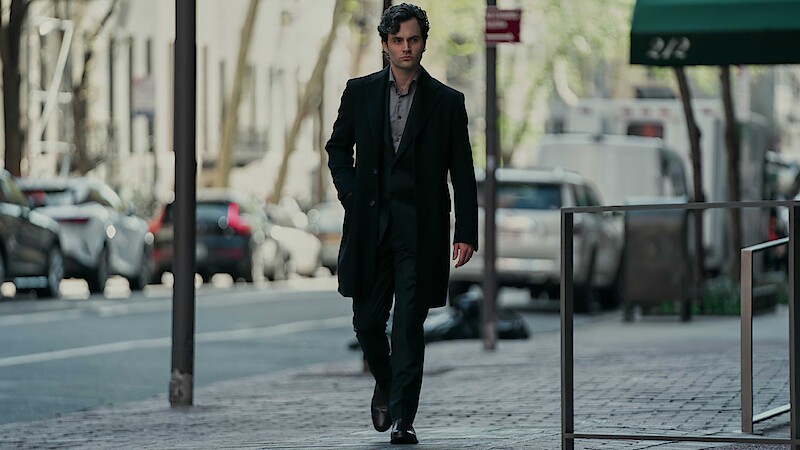
At the end of Season 4, Joe and Kate move back to New York City and Kate uses her family’s immense resources to help Joe get his old life back, including his son Henry. Of course, Joe wants to buy a bookstore. “We liked the idea that he’s been in exile and he’s gone to a lot of different places. He assumed a very different identity in Season 4, and we talked about it as the return of Joe Classic,” says Gamble. “When he returns to New York, he’s exactly the kind of person he could only ever watch from very far away the last time he was in New York. He has all of the privilege he only ever dreamed of, and also judged, before.” (Read about Season 4’s big Taylor Swift needle drop.)
As for Badgley, he’s looking forward to exploring a fully integrated Joe. “Can his inner monologue evolve now?” Badgley wonders. “What does it mean for him to accept himself?”
That question puzzled Gamble, too, as she and Berlanti discussed the season’s ending. However, she eventually realized that Joe’s core hasn’t changed even though he’s no longer wasting time doing “pretzel-y acrobatics” to explain away his bad deeds.
“The heart of Joe Goldberg is that he’s a romantic. He believes in love, and it’s the most important thing in the world to him. And if we took that away, then he wouldn’t be Joe,” says Gamble. “As long as he cares about the one and putting somebody above all others, then the other stuff is just evolution and iteration for him. The inner monologue comes from the romantic part of him, so I’d boldly predict we’d still hear that moving forward.”
Will there be a Season 5?
Yes! Shortly after Part 2 of Season 4 launched, Netflix renewed You for a fifth and final season — which is exciting because the show’s creative team “always conceived it as a five season journey,” as executive producers Greg Berlanti and Sarah Schechter revealed in a statement. And Season 4’s ending has Badgley excited for what comes next.
“I think it sets us up to actually have a really great finale season,” Badgley says.
One last question: What did Joe tell Phoebe when they first met that was so moving?
Oh, the writers definitely know. “But the point is that it was lost to history,” says Gamble. “So we’ll never tell.”
Additional reporting by Ariana Romero.