Up Close
Why Is ‘The Sandman’ Important? Neil Gaiman and the Cast Explain
The comic series has endured for more than 30 years.
Aug. 15, 2022
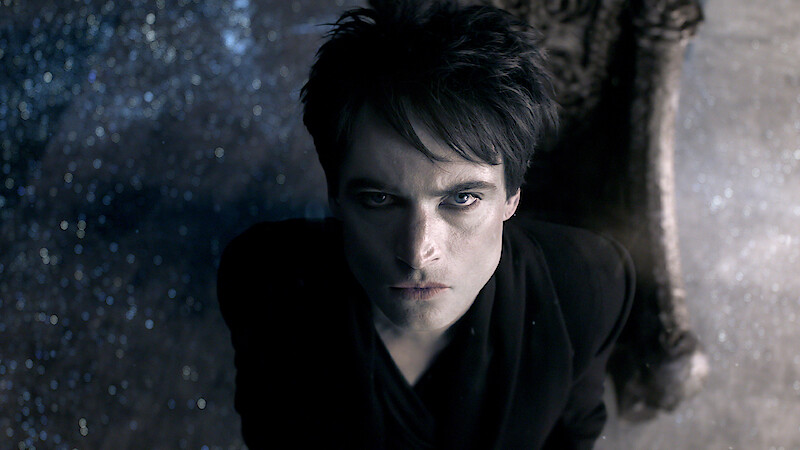
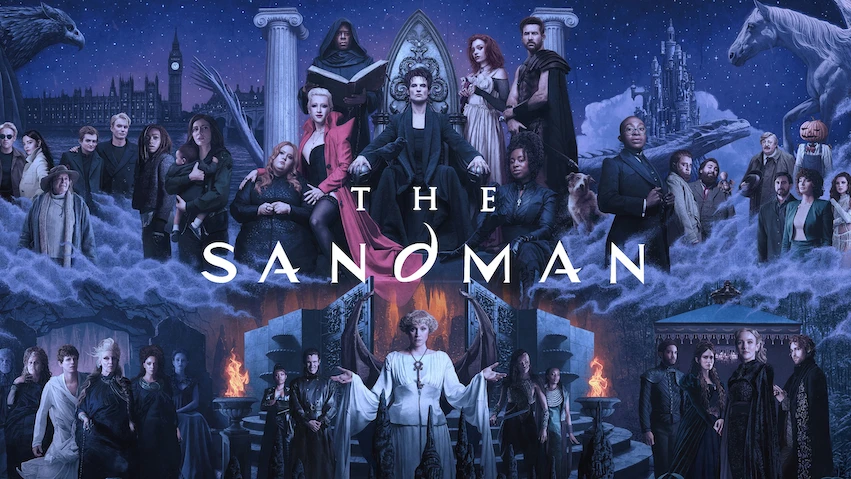
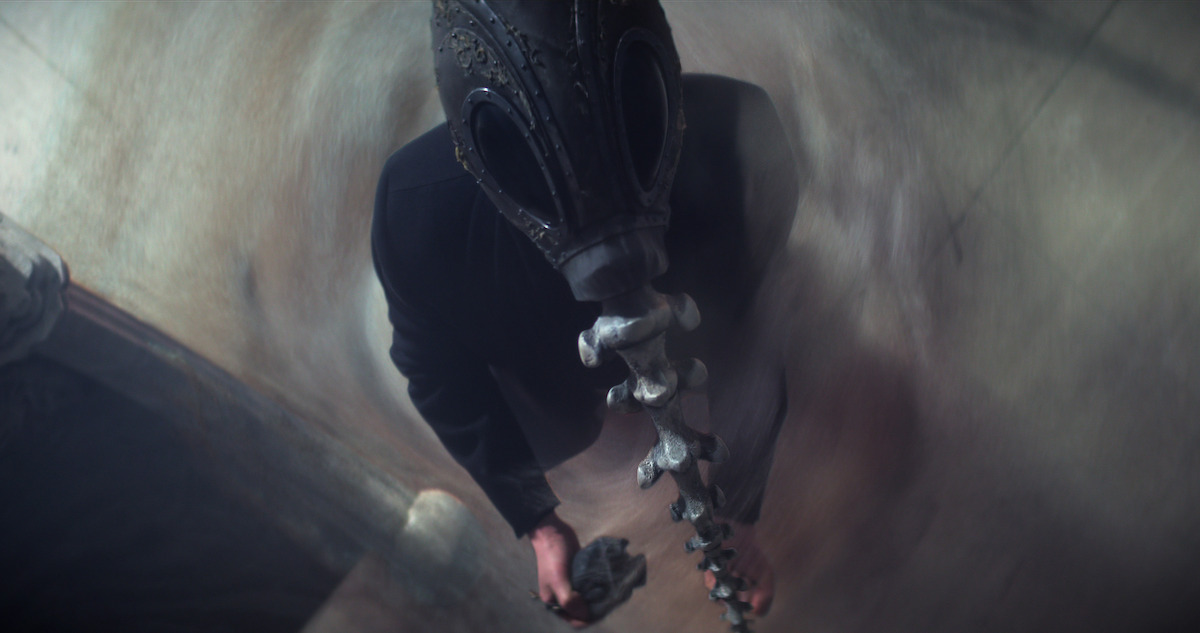
Neil Gaiman’s iconic comic book series, The Sandman, was thought to be an unfilmable series.
“For well over 30 years, my part in Sandman adaptations was just to try and stop bad ones from happening,” Gaiman told Tudum. “And fortunately, I was always successful in this.”
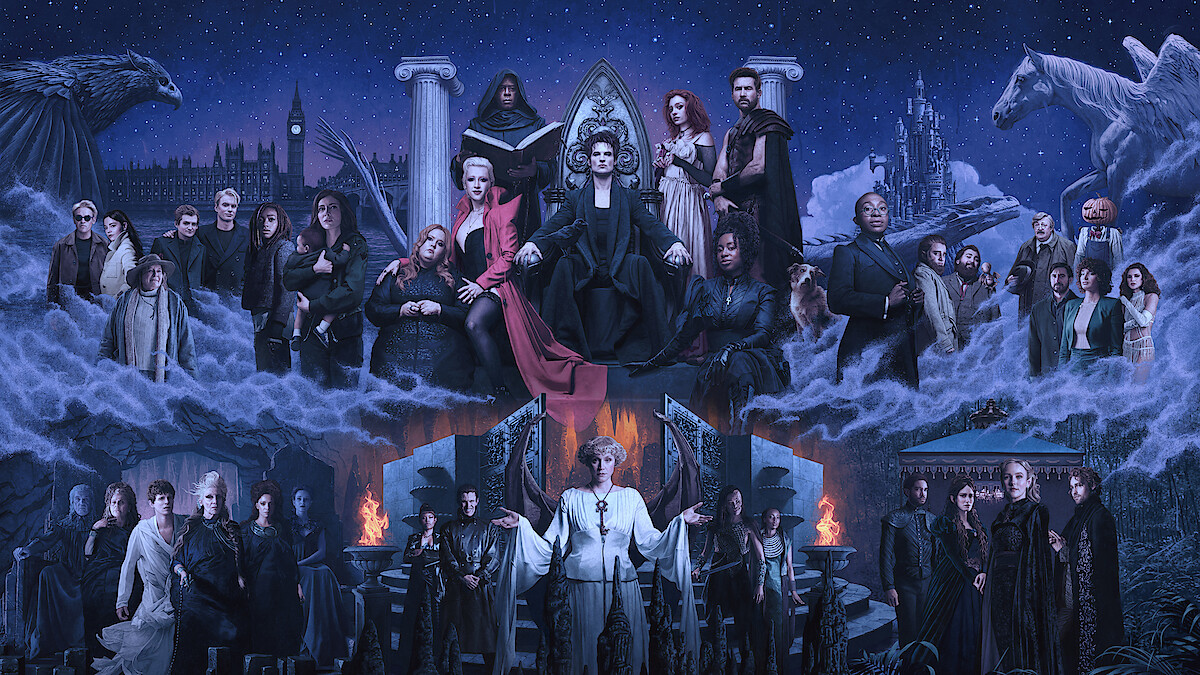
The new adaptation of the epic graphic novels, exploring the realm of the Dreaming and waking nightmares wandering the earth, was a complex production, especially during COVID. For those involved, however, it was the chance of a lifetime to bring the otherworldly story of what it means to be human into existence.
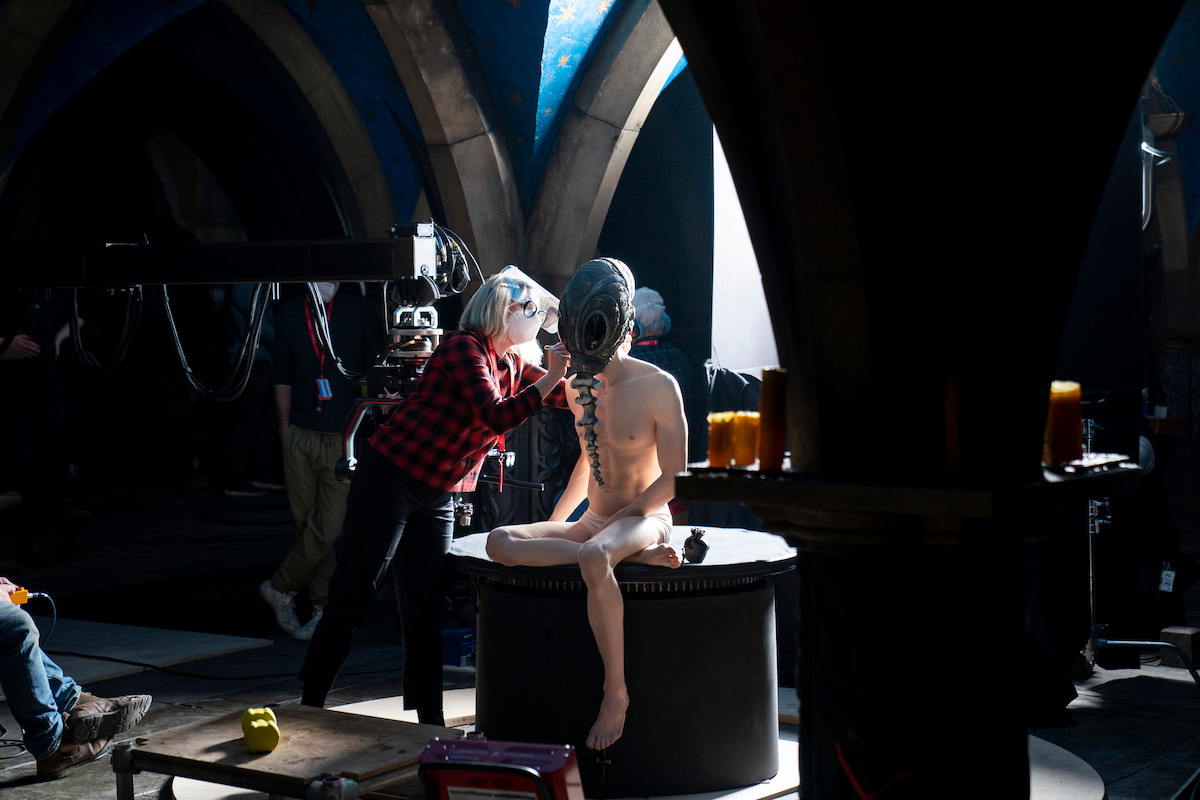
But why is The Sandman important? And what makes it endure since its creation more than 30 years ago?
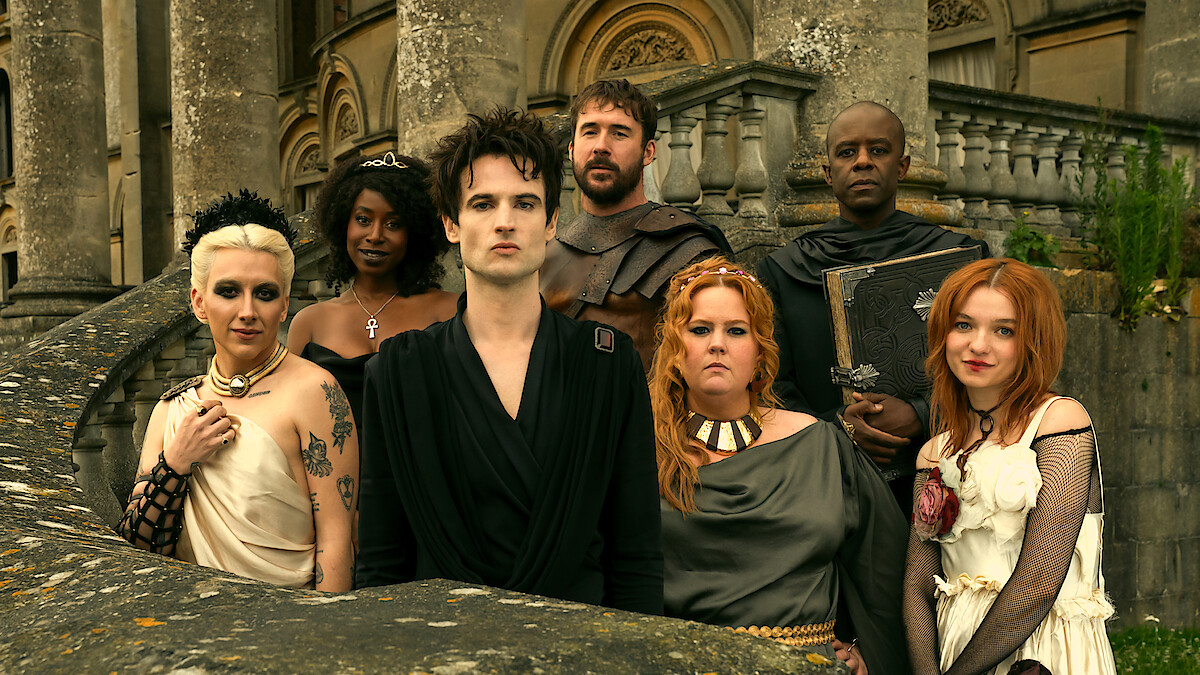
We brought together Neil Gaiman and the cast to dig deep into the meaning behind The Sandman.
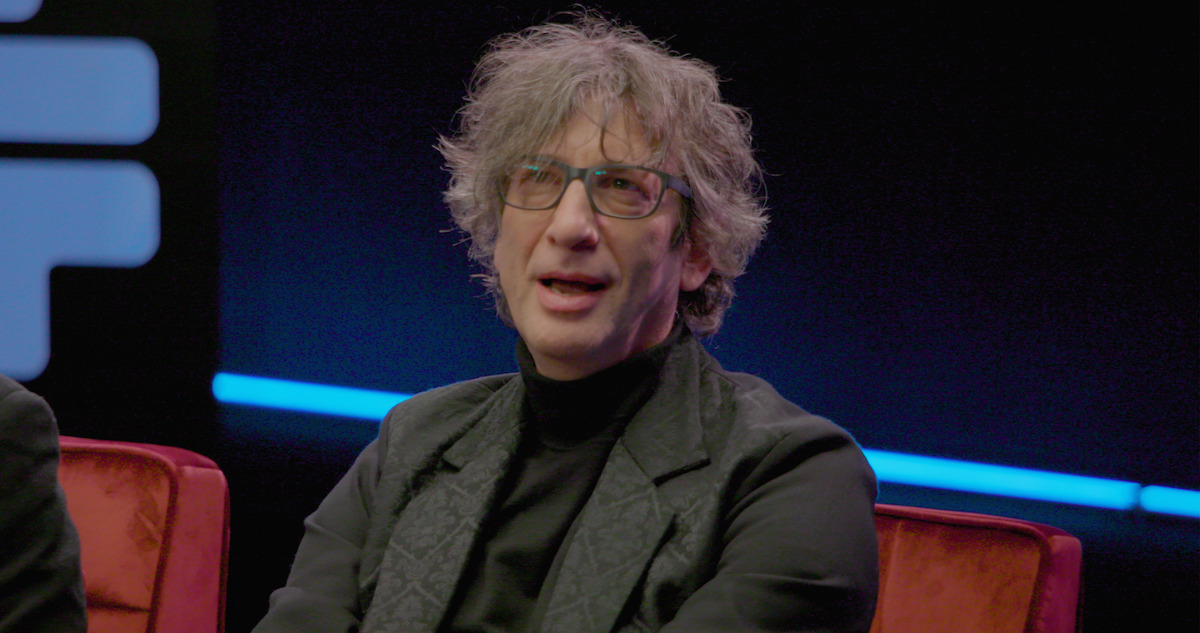
I think because, 30 years ago, it was approximately 30 years ahead of its time. And it was actually eye-opening to us how very little we had to change. And how many of the things that I put in back then were deeply relevant and important and absolutely felt like they were ripped from now.
I think what was fun about the culture war of the ’80s is that, being in comics, we were barely in it... We definitely weren’t regarded as being anything important. I used to say... when people would say that we were a gutter literature, I would say that we actually really looked up to the people in the gutter. Science fiction was in the gutter, children’s books were in the gutter. We were in the drain, way below the gutter, and we were utterly irrelevant.
But that irrelevance actually meant that I could put gay characters in without anybody grumbling. I could put trans characters in, and all that we got was a grumpy letter from the concerned mothers of America, telling us that they would be boycotting Sandman. But if I wrote to the American Family Association and apologized and promised never to do it again, they would start reading Sandman again in quantity. And I thought, “I’m good with losing you guys.” So those were the culture wars. But mostly they missed us because nobody cared, because we were doing comics. And right now, we’re making the same stories and they’re absolutely explosive, because they’re relevant now.
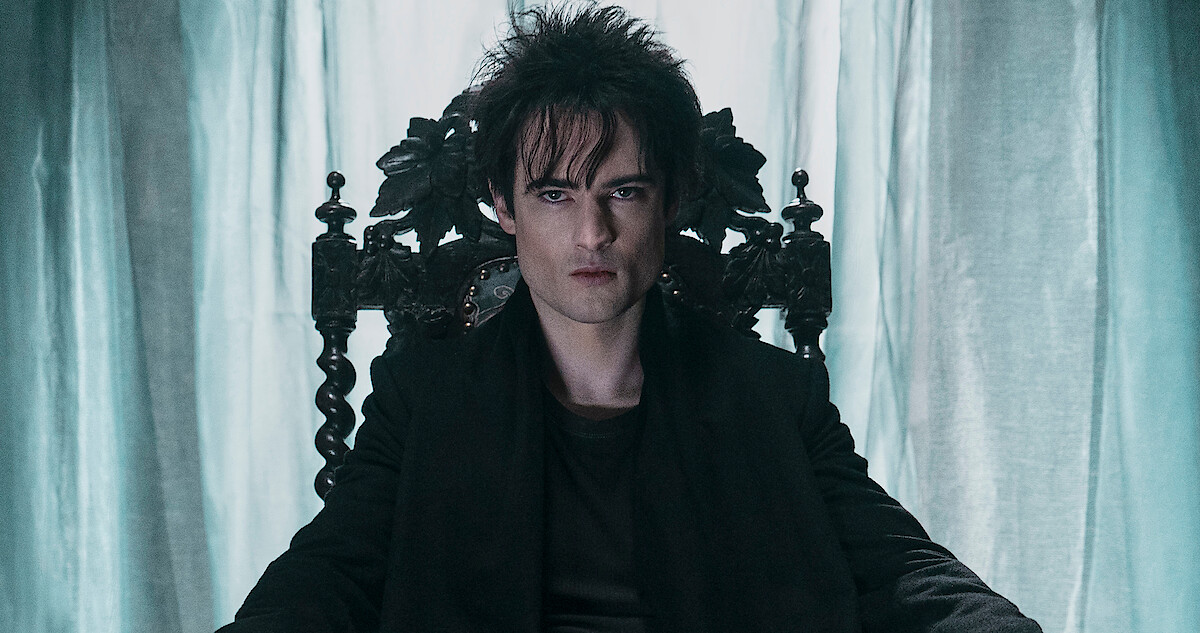
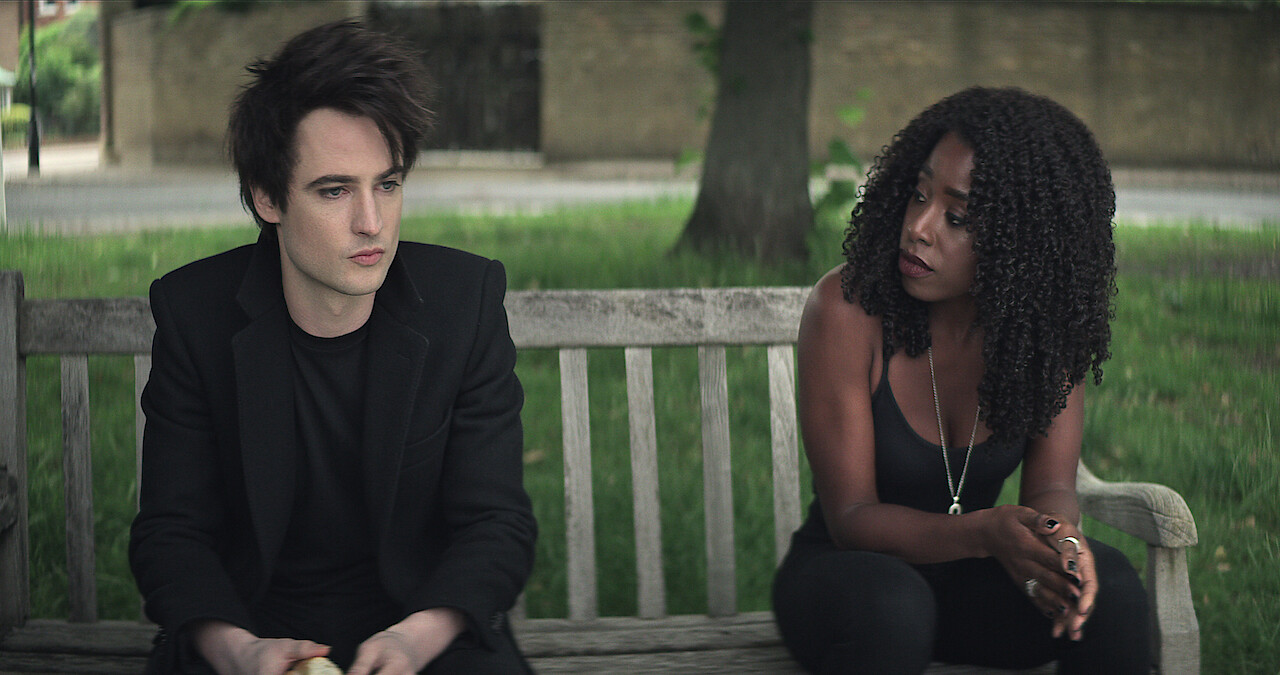
I think 30 years ago it was ahead of its time, its exploration of gender, sexuality, its representation of women, the idea of exploring such a diverse group of humans and creatures. The thing about Sandman is it’s about storytelling, and therefore, it’s about many, many different kinds of stories. And the way into it is, through those stories, is dreams. And the thing that unites all of us, whoever we are, wherever we’re from, whatever we’ve been confronted with in our lives, we all dream. And I think that will constantly make it relevant. And the other really important thing to say is that Neil, he began writing this in 1989, but he also wrote this Sandman. This is his Sandman.
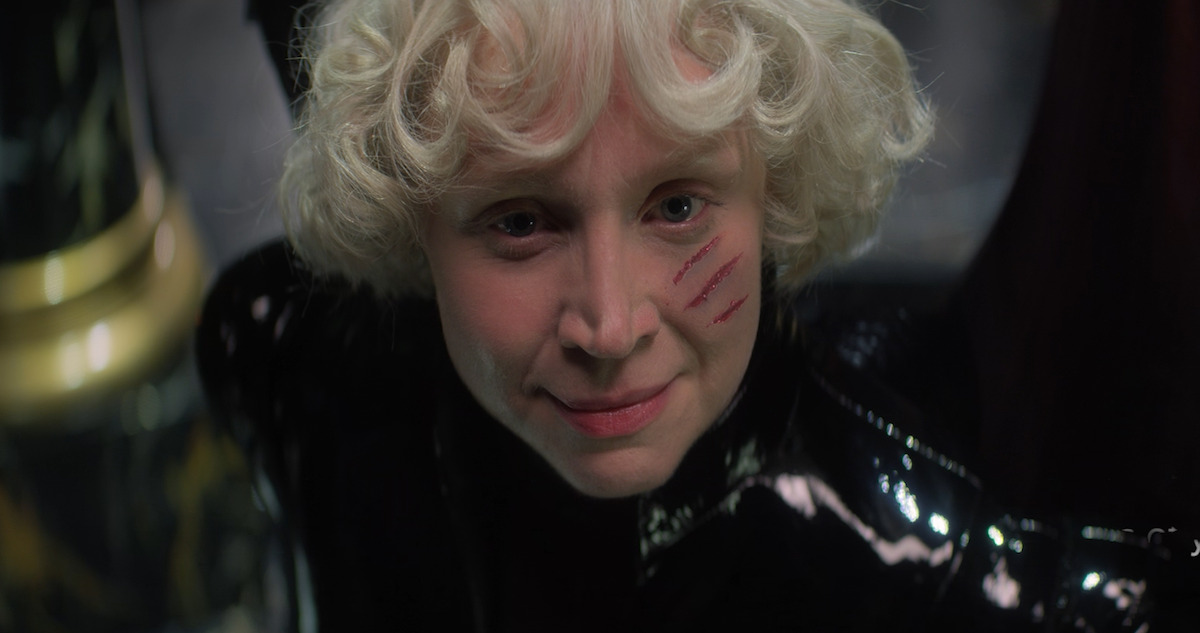
I really love the comics, and I really love the series. What I love about it is that it’s truly the human experience through the lens of a psychedelic master.

I think it’s a testament to the universality of the human condition: The text and the characters, and now the series, are so imbued with Neil’s perception of humanity and with his experience of human beings. And I think that, at its core, this show, and this comic, is all about that. It’s just completely told through his lens, which is a singular, beautiful prism to see things through. But it encompasses all of the things that we experience in our time on Earth — all of the questions, all of the fears, all of the heartbreak, all of the love, all of the excitement, adventure and the Endless represent all of those things. We are those aspects of the human condition for a reason, and it’s because of how important they are to each individual’s experience of life. So I think that why Sandman has endured has much to do with that.
And because it’s a remarkable story; it really is the ultimate story, and the ultimate storytelling device to tell a tale about someone who is searching to find themselves in the wake of immense struggle and tragedy. I think that it’s really easy to root for characters like that, to root for someone like Dream and to watch his struggle with change, and to wait for him to finally figure out where the wall is, and when he really needs to shift and grow, because growth is the lifeblood of human beings.
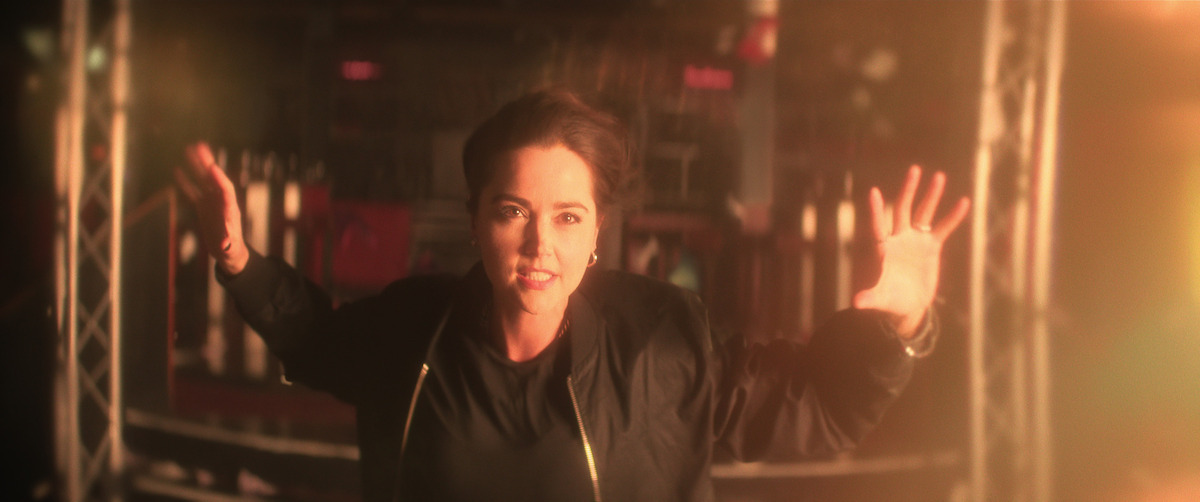
It’s so many things. I feel like every single literary kind of story is put into one kind of cohesive narrative in this vivid Gothic kind of tapestry, which is so unique to Neil Gaiman.
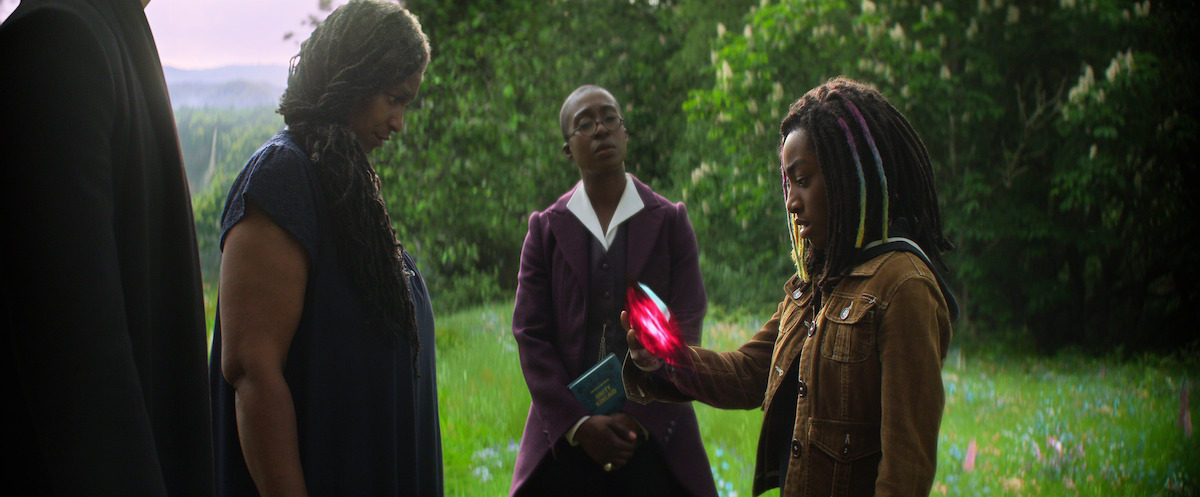
It’s a reflection of humanity, and it shows us the inner workings of how humans can be in a nonhuman way. And it’s all tied together by Morpheus, but I love the focus on people who aren’t him [in] all these other stories.
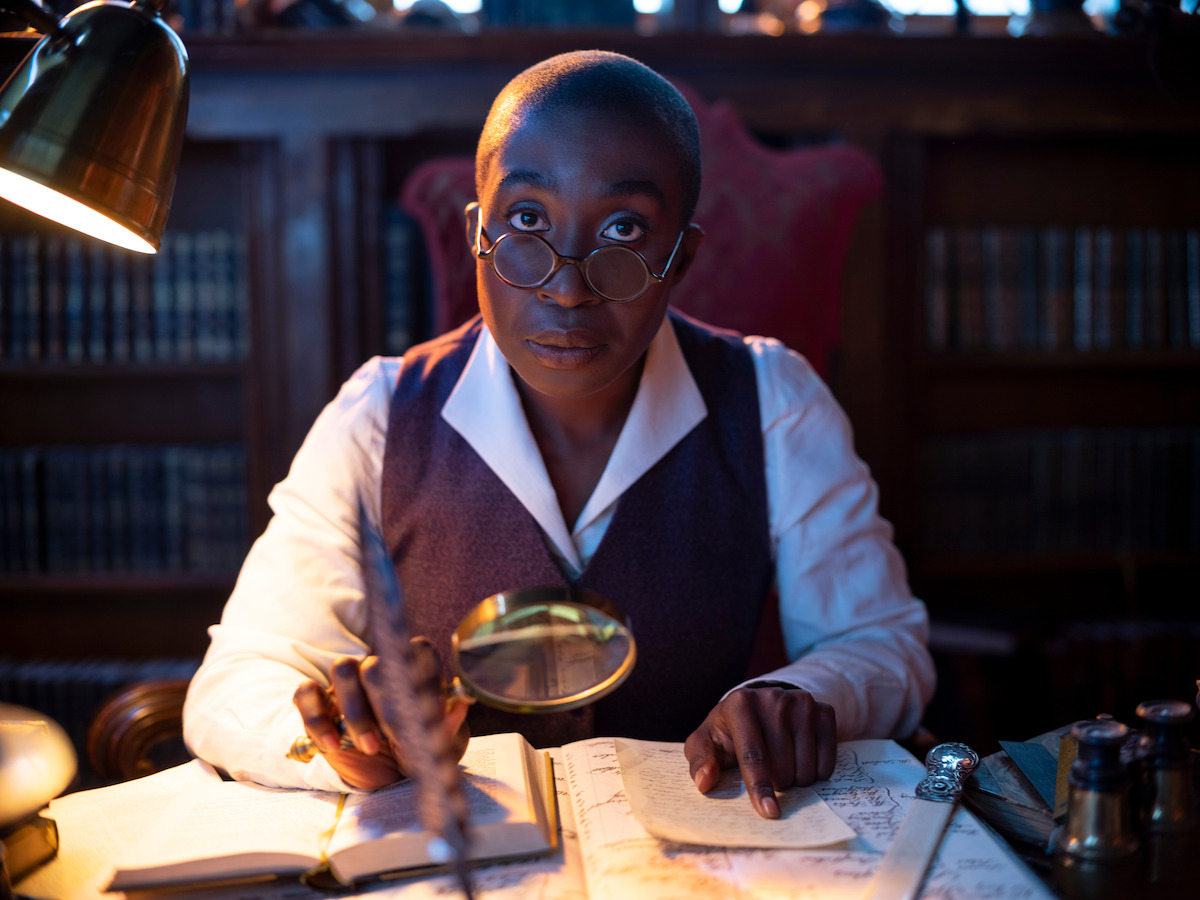
It’s about the human condition. I strongly feel that it will always be relevant. As people are always changing, adapting, moving... but who we are, essentially, and what humanity is about, and this unconsciousness that we have when we dream, I think is something that we always have.