Interview
The Endless Have Been Immortalized in This Epic The Sandman Mural
Illustrator Rory Kurtz explains how he celebrated the characters.
Aug. 7, 2025
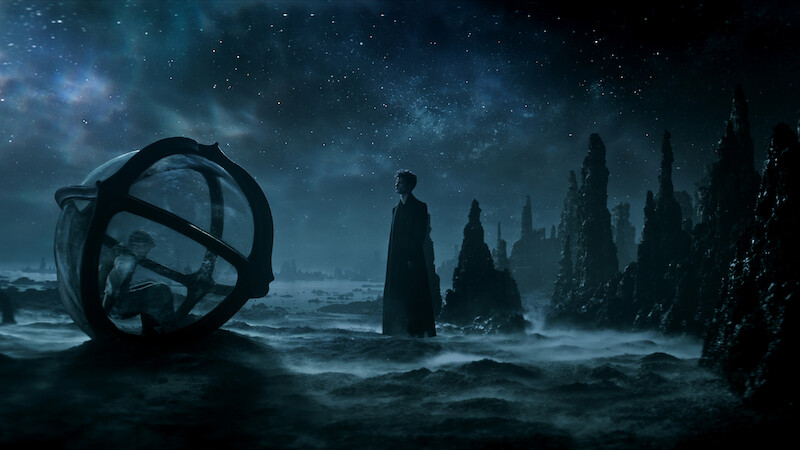
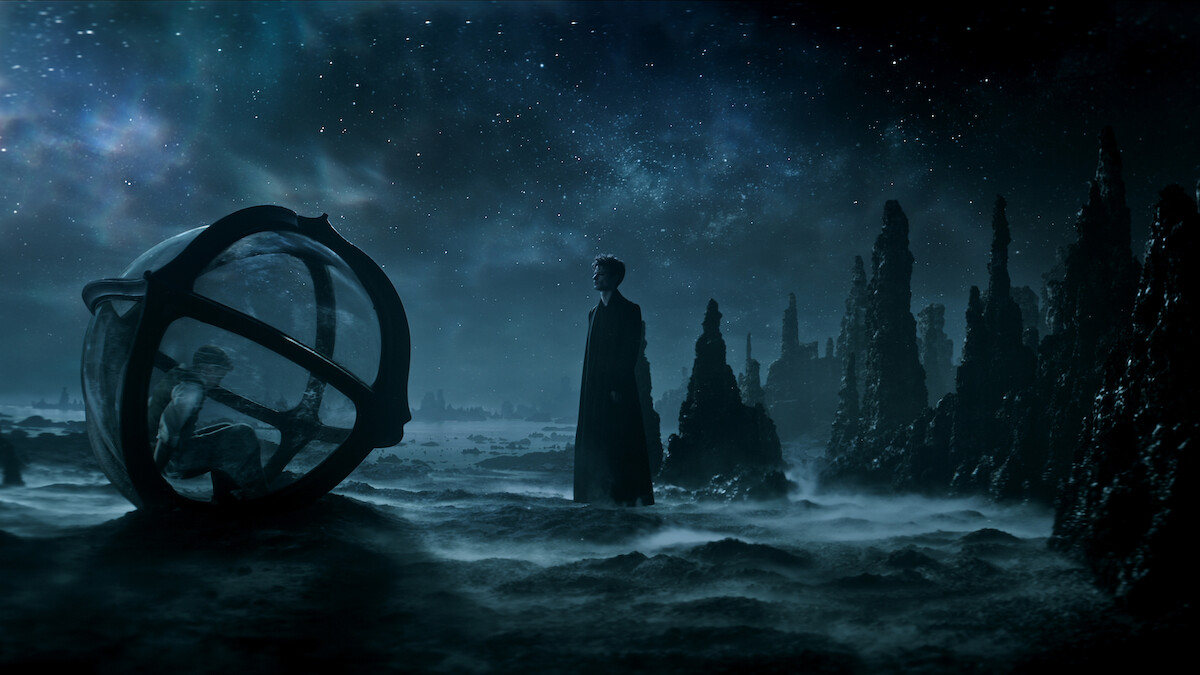
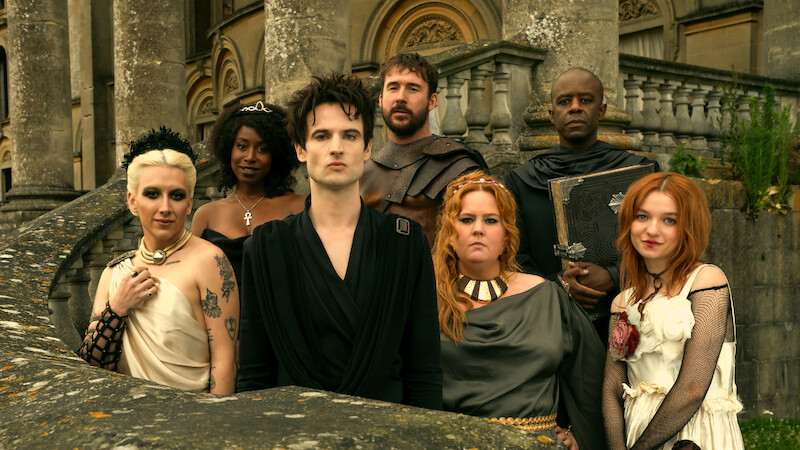
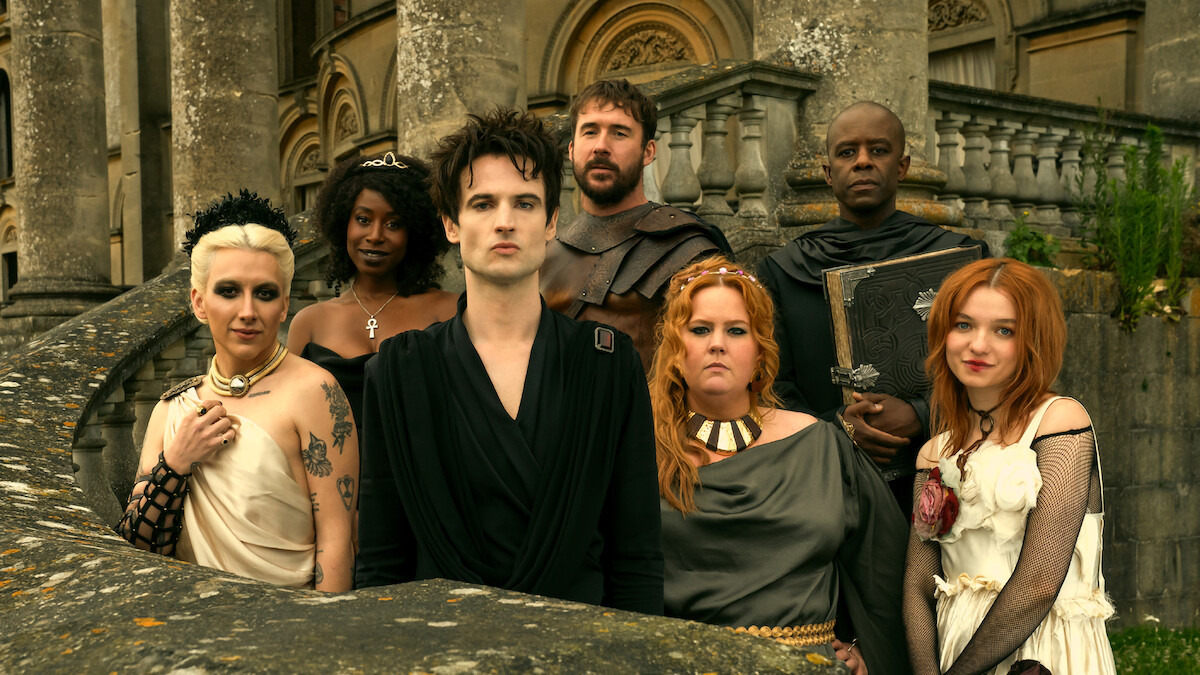
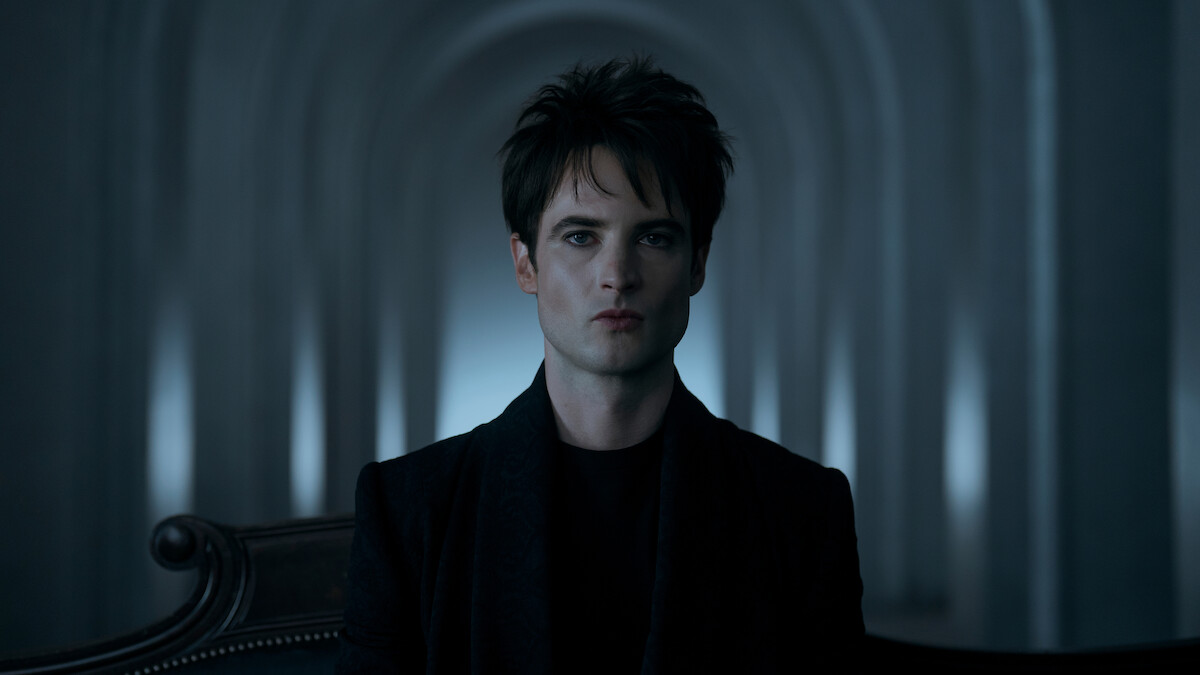
You’ve seen the Endless in all their glory over two seasons of The Sandman, and now the anthropomorphic embodiments of Destiny, Death, Dream, Destruction, Desire, Despair, and Delirium have been immortalized in stunning new fashion.
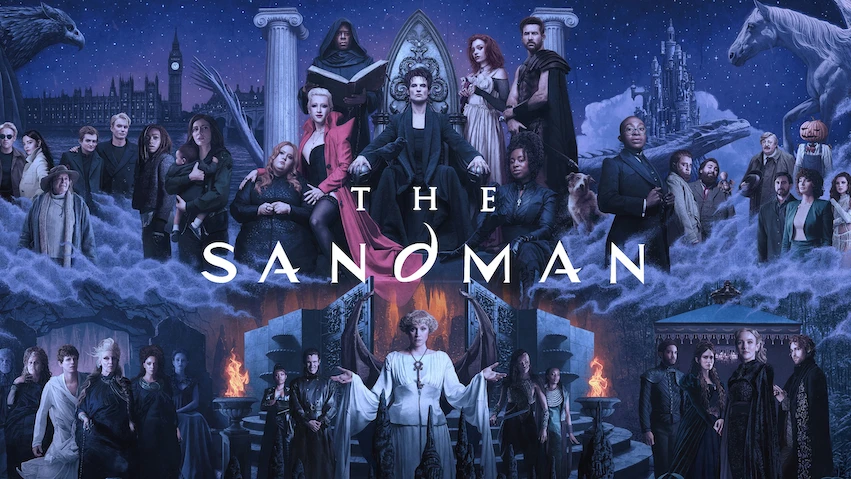
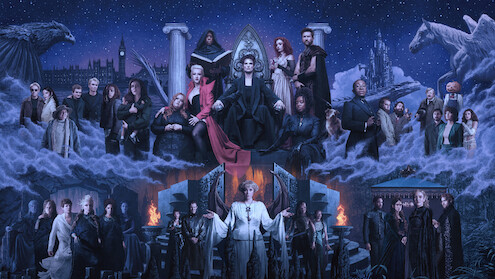
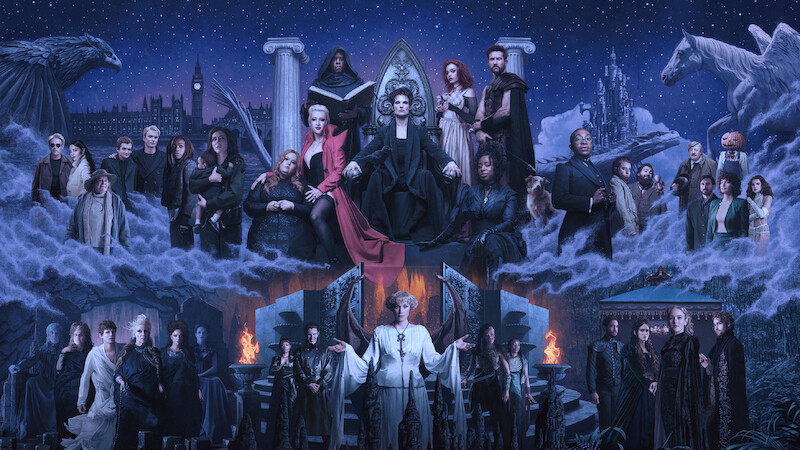
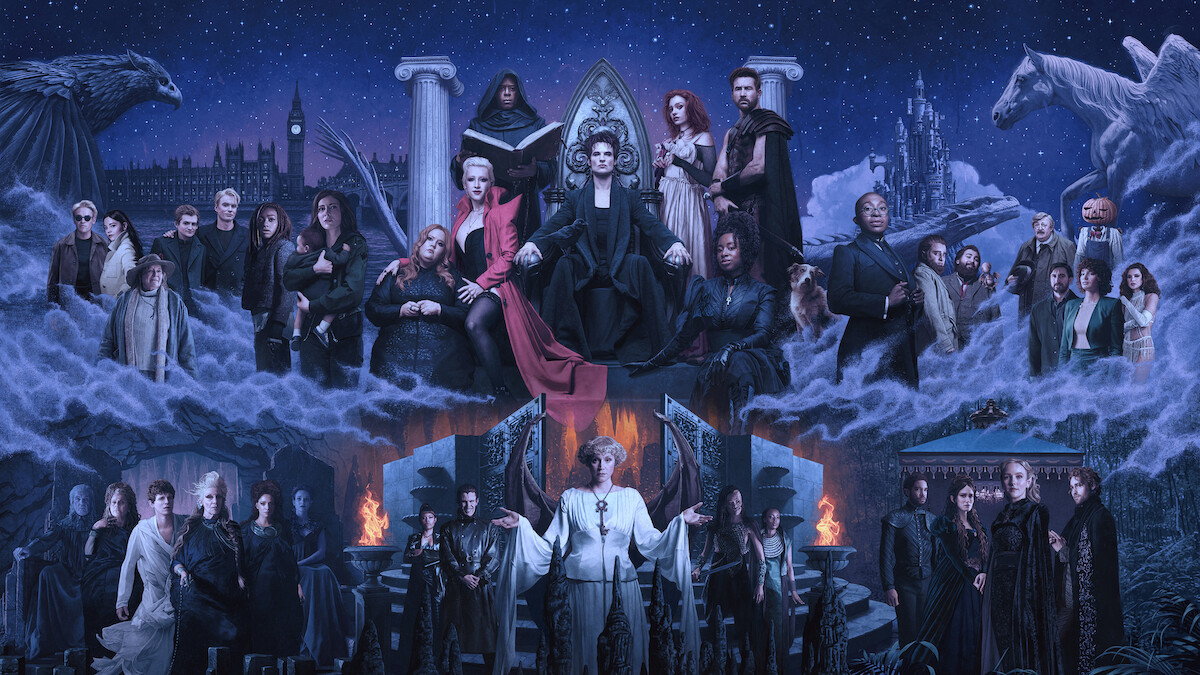
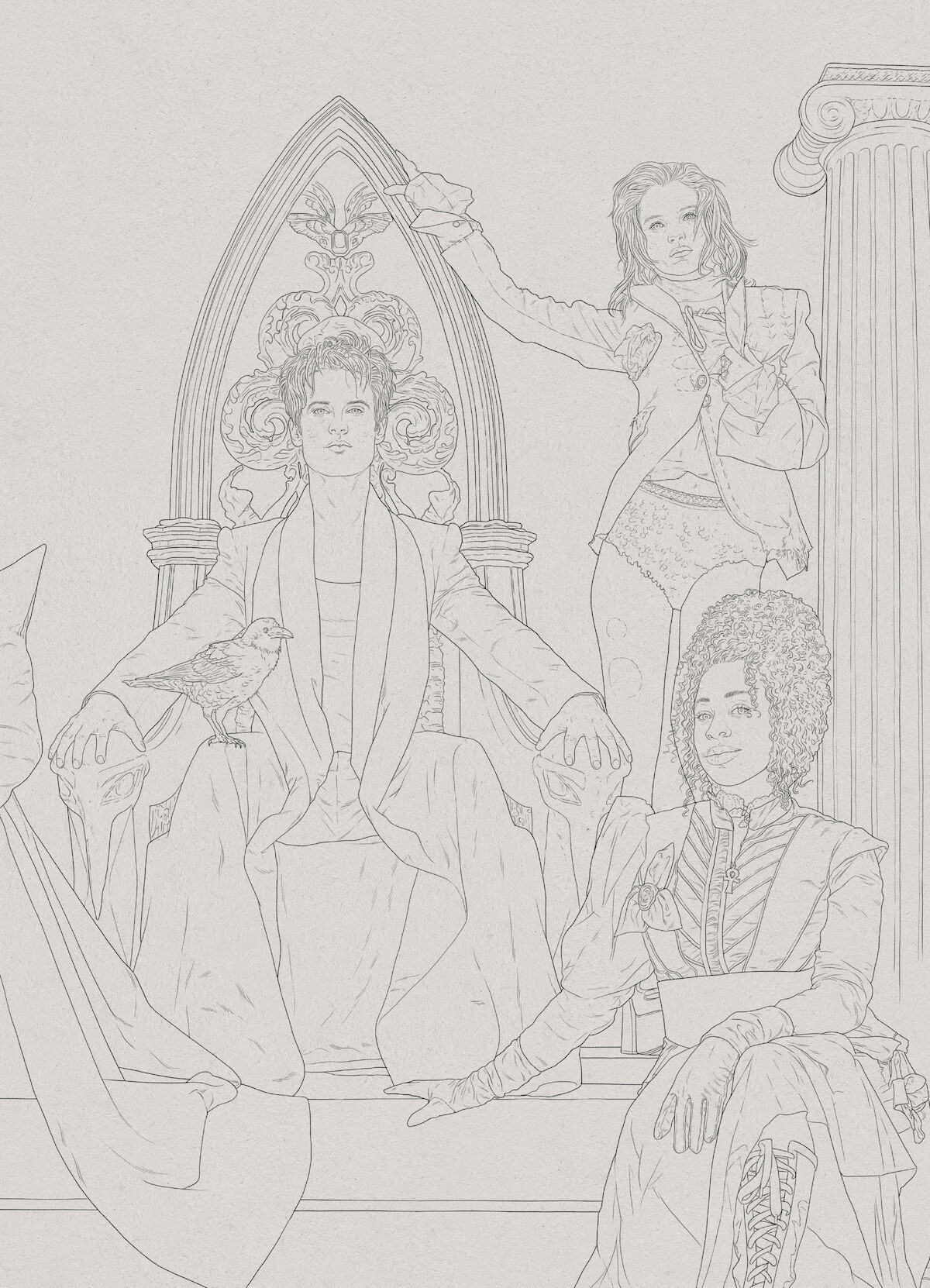
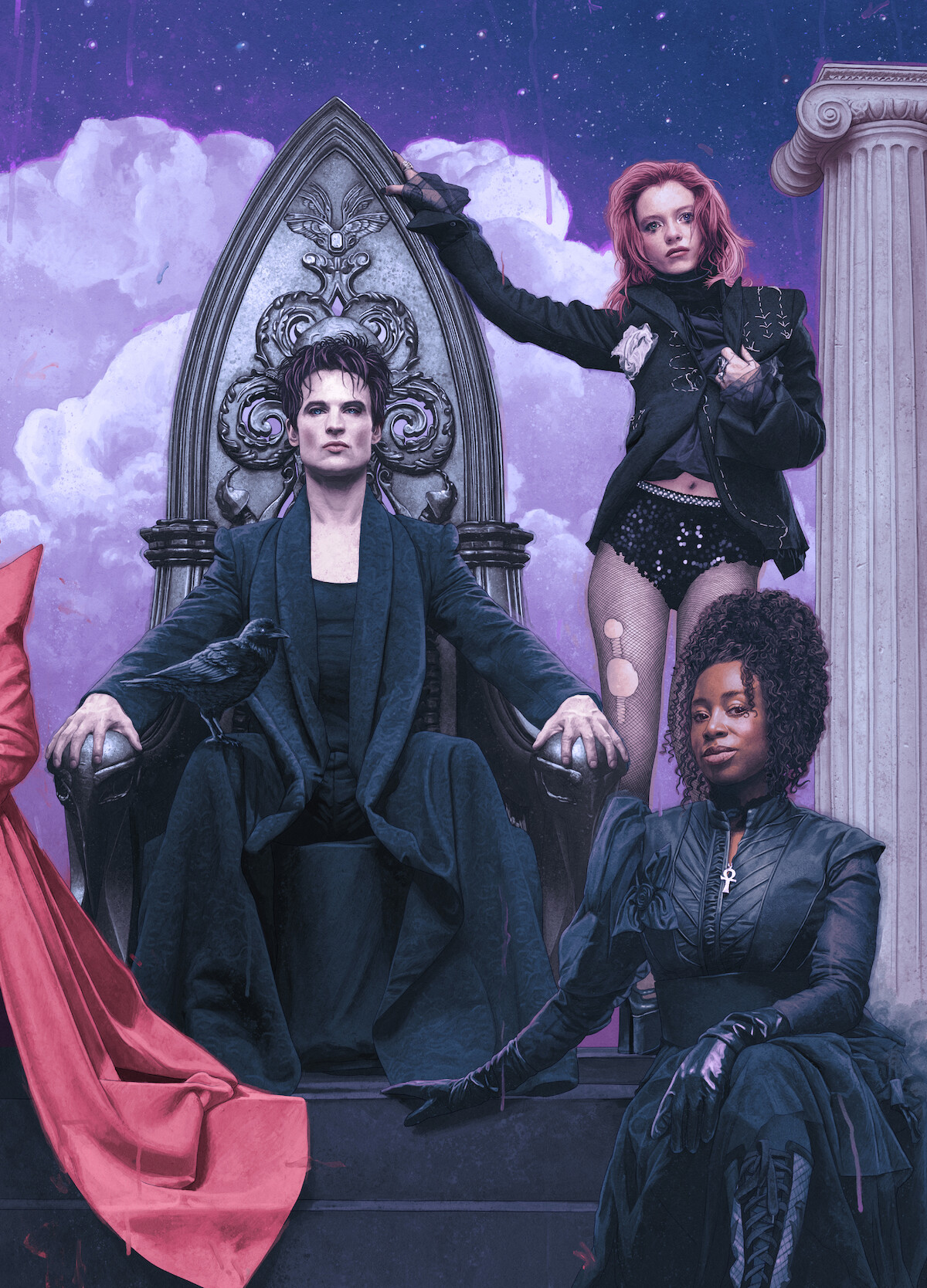
In celebration of the live-action series’ epic finale, which is now streaming on Netflix, celebrated illustrator Rory Kurtz has painted a larger-than-life mural of the show’s vibrant characters and immersive worlds on one giant, intricately detailed digital canvas.
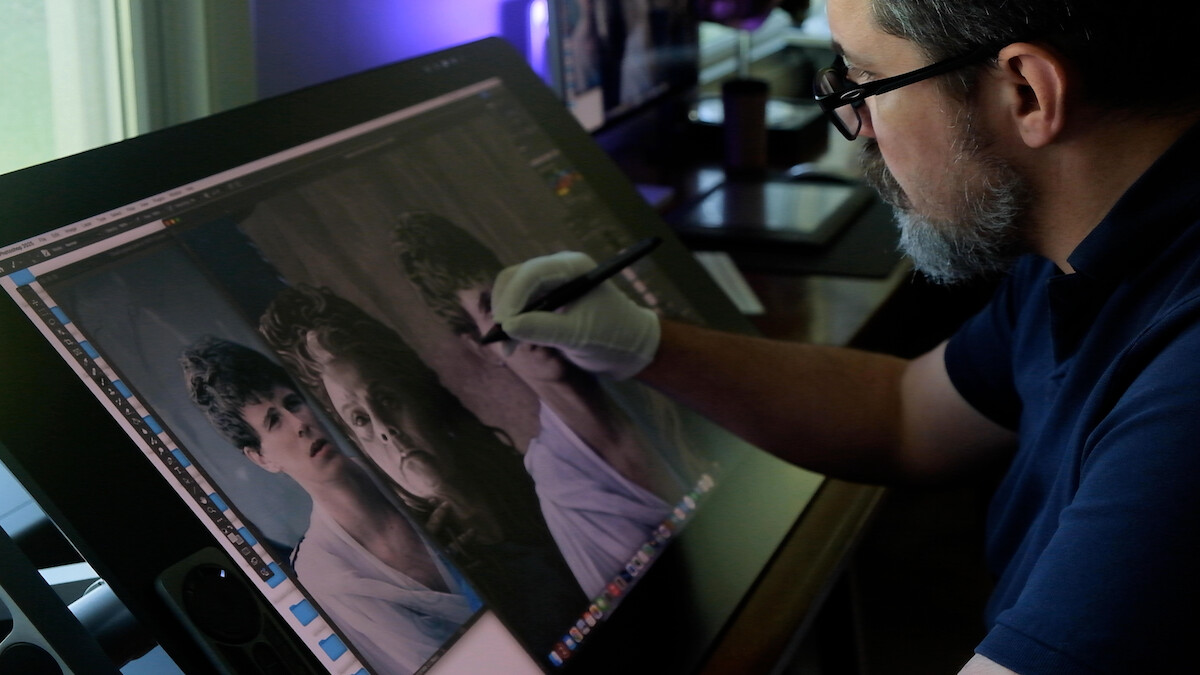
The stellar final image, which you can check out above, took about three months to paint. Kurtz, who has previously worked with the likes of A24, AMC Studios, Amazon Studios, and Sony Pictures among others, is also a lifelong Sandman fan. “I started reading [the comics] in the ’80s, so I was over the moon to get the opportunity,” Kurtz tells Tudum. And while he was originally booked on another project when he first received the call from the ad agency Rhubarb to work on the mural, fate had a way of intervening. “It was divine providence that the stars lined up and what I had thought had went away had come back.”
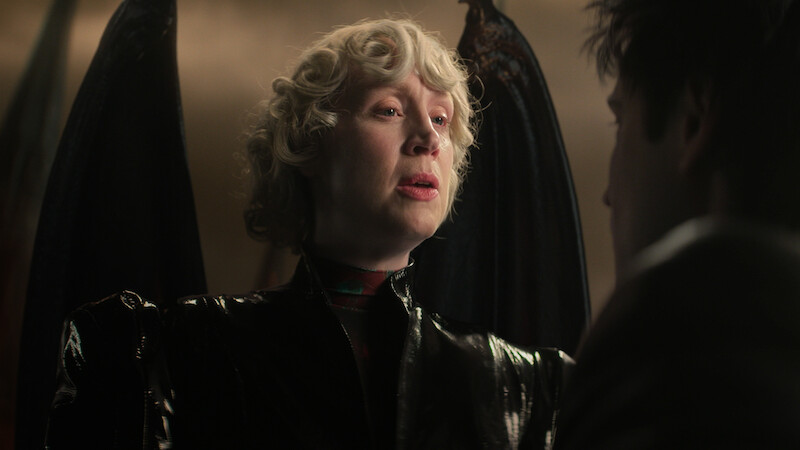
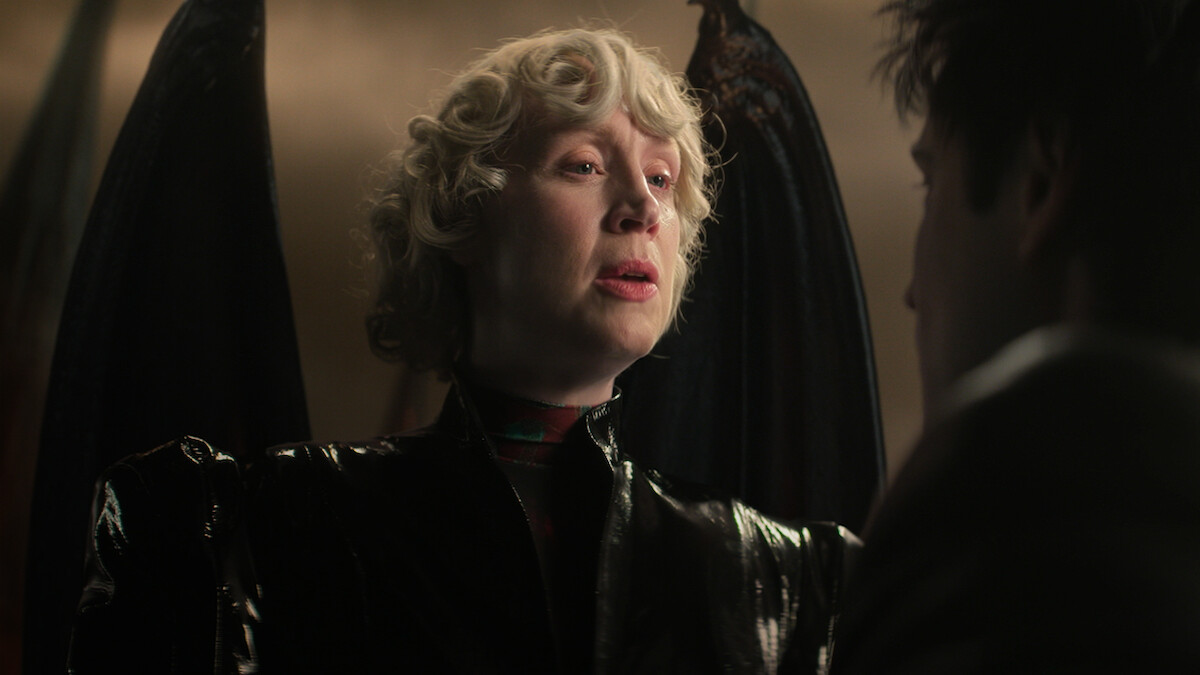
Below, Kurtz details how the painting, which also features Gwendoline Christie’s Lucifer at the gates of Hell as well as other iconic characters, came to life on the canvas.
What was the creative brief for this mural?
Rory Kurtz: The overall concept of this massive tableau with all these stories and characters unfolding within the piece was there from the beginning. That also created a lot of working time on the project because when you’ve got that many puzzle pieces, it’s no easy thing to change small elements. It seems to affect the whole piece when you do that.
What level of detail did you add to this mural?
Kurtz: [Netflix and Rhubarb’s] concept behind it wasn’t just that it would have so many cast members in it, but that they wanted it to be a visual feast so that if you were to focus on any one small area, there would be enough character and Easter eggs and texture and brushwork that any one piece of it could still be really interesting to look at.
Normally, projects come and go in a very small window, and I’m working rapidly to meet the deadline for the client. It’s not very often that we have the time to just go everything but the kitchen sink and zoom in on every little detail, and make sure that every stitch of clothing and every wisp of hair and every falling star in the backdrop is painted well enough to hold up to the scrutiny.
Talk through some of the Easter eggs in this painting.
Kurtz: When we first looked at the composition and we saw how large everything was going to look and the scale of all the elements, we had to figure out which to bring into focus in the foreground and which to knock into the background so that it moved your eye around really easily and you didn’t get lost in a sea of details.
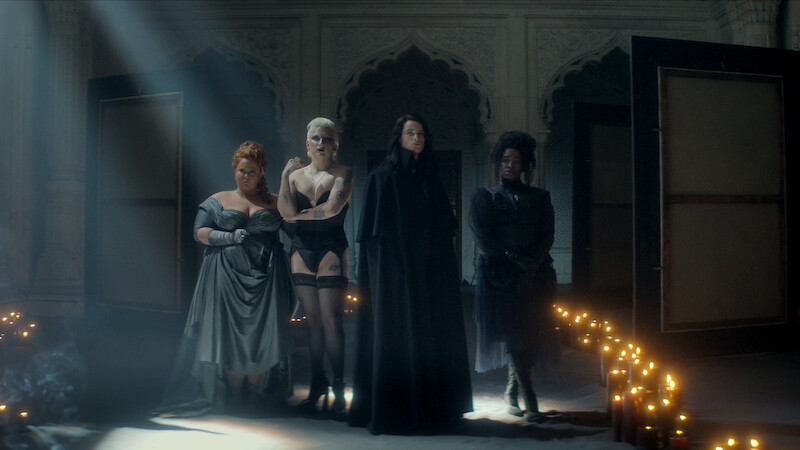
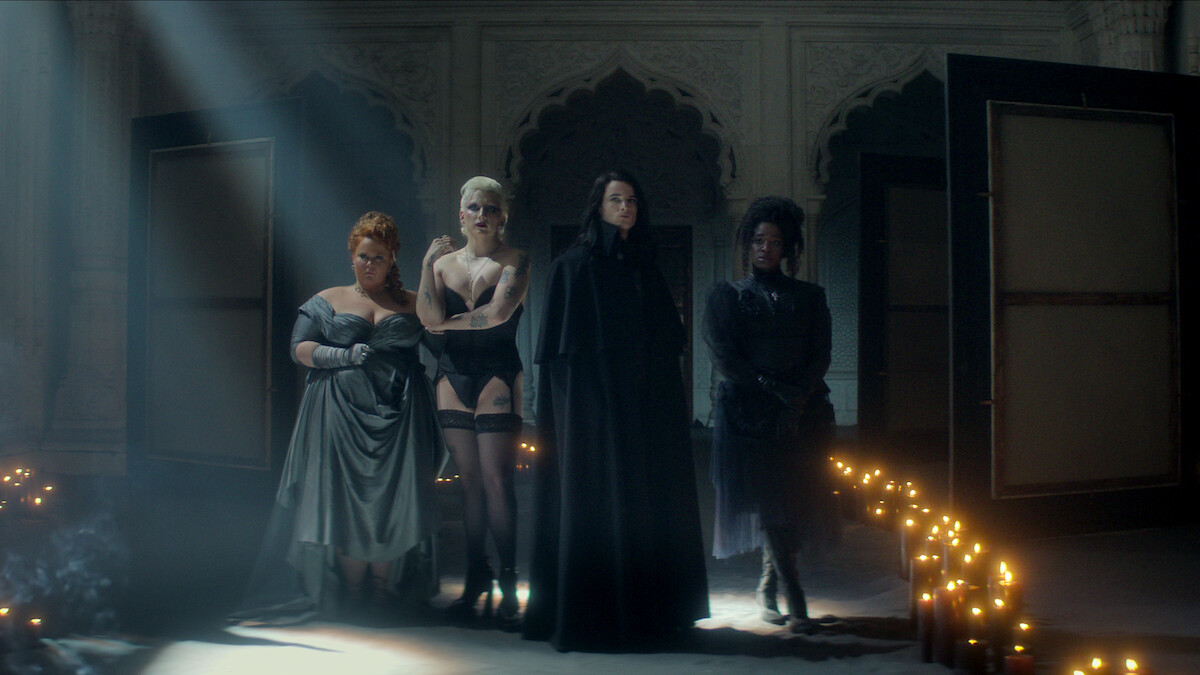
Characters like the Gatekeepers — Wyvern, Griffin, and Hippogriff — [were moved] into the sky so that they became Easter egg elements that just added mood and ambiance. Same with Hades and Persephone in the Underworld. [Netflix] had said, “Let’s move them into the back and let that feel more like ethereal, ghostly elements in the piece so that we can let the three Furies come to the front there.”
When you see Dream’s castle in the background, and when you see the hint of the London skyline, and when you see the land of Faerie, you don’t want them to pull so much focus that the Endless just disappear. So it was a question of “How can we recede them back far enough into the distance where they become sort of a hazy silhouette of an idea?” They’re the notes in the back of the song, and they’re not necessarily the vocals all the way up in the front. That, I think, is what makes it interesting and keeps it from becoming an overwhelming piece where you don’t even know where to start looking at it.
The color palette is also so very specific — a lot of blues, a lot of blacks. How did you decide on the color scheme and what elements of the show to pull in to enhance the mood of the painting?
Kurtz: The piece sort of writes itself in that regard because it takes place partly in the Dreaming, which is a giant sandbox to play in. In the show, the Dreaming is portrayed as being somewhat vague at the edges the way a dream would be, so this allows for a lot of flexibility in how we portrayed it in this painting. And elements don’t necessarily need to fit together in a way that is very practical and real, but can just be layered on top of each other the way things are in a dream where one person turns into another person seemingly in an instant for no rhyme or reason. These are the rules of the Dreaming.
When I sat down with this piece, I didn't need to come up with a way for a London skyline to turn into a cavern in Hell literally. I could do it poetically. So that led to the idea of the mood of the piece: let it be more poetic and wistful and less real-world and grounded.
Did you have a favorite character to draw?
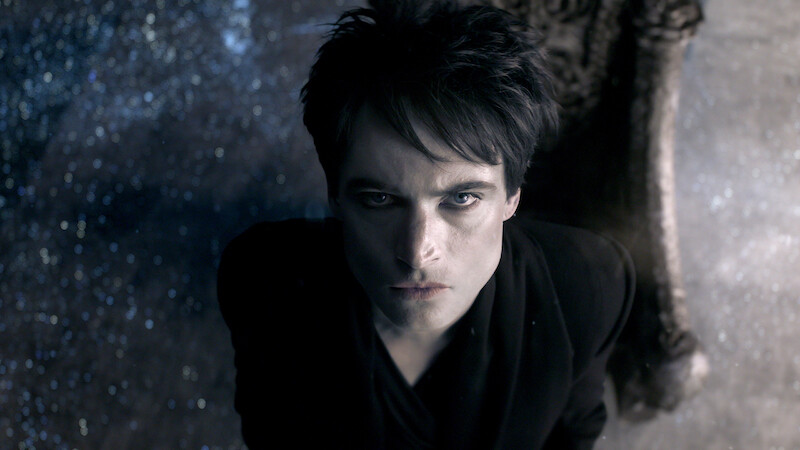
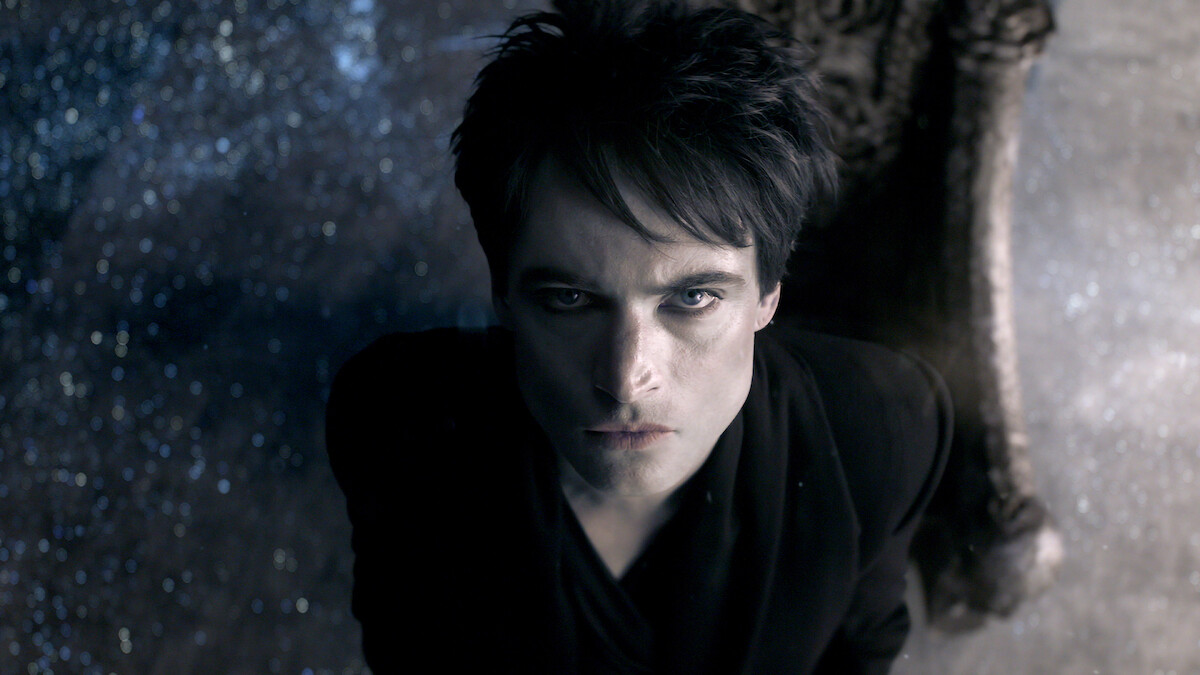
Kurtz: All of them. I mean, you always want to start with Morpheus — Dream himself. I grew up in the ’80s reading these comic books, so I must have drawn Morpheus in my sketchbook a hundred times. I was obsessed with the Endless.
I was so grateful that it was the entire family of the Endless that I got to paint. When I look at the piece itself and the casting of the characters and how they looked, there were elements of it that I really wanted to play up and thought would look great in the painting. So [with] Death’s costume, her dress, I really wanted it to be punchy and elaborate and dramatic. I really wanted to see Desire’s red cloak pop off the page and give your eye something fun to look at right away. I love Delirium’s red hair. I thought that that shock of color added a lot to the piece.
What other details were you proud to incorporate into this mural?
Kurtz: I was really happy with how Hades and Persephone fell into the background of the Underworld, and you can really see every fold of their fabric and you can read the thrones behind them. I loved the backdrop of Hell, and you can see the fiery caves through the gates. [I loved] the gates themselves and all of their figures — if you zoomed in, you would see all the writhing figures on the doors of Hell with all the arrows and spears pierced through them. The intricate design work of Dream’s throne and all the floral metal scrolling on the throne behind him. All the windows and the tiny little buildings of Big Ben in the backdrop of London, every feather in Griffin’s hair. There’s just so much.
At a certain point, it was just lunacy. And I was like, “I’m just painting for my life right now.” We were painting the tiny lit windows in Dream’s palace in the backdrop against the clouds, and I recognized nobody’s going to see these tiny details in scale the way I am right now. But the hope is that regardless of that, when you zoom out, it’s like notes in a song. You don’t need to hear every individual note to know that you’re hearing something really richly layered.
How do you think this mural celebrates The Sandman and the culmination of the series?
Kurtz: It celebrates the relationships between the characters incredibly well. The Endless, in particular, have a complicated relationship, [and] I think the portrait does a good job of presenting them in a way that feels natural to how they behave towards each other. You see the closeness of Despair and Desire, you see the isolatedness of Morpheus in the center not touching any other character. You see the close bonds between Delirium and Destruction and the very older brother–younger sister love between the two of them. There’s a lot happening very subtly in the way these characters are portrayed in this painting.
I felt a lot of personal investment in how that came out, and I recognized that, [with] the comic series long finished now and the show itself on Netflix coming to a close, this most likely would be my last chance to ever work on the Endless in an official capacity. I wanted to make sure that I was doing it right and could look back on it 20 years from now and still feel like we made the best choices possible in how that piece was laid out.
Season 2 of The Sandman is now streaming on Netflix.