Trailer
‘Painkiller’ Exposes Many of the Villains of the Opioid Crisis
“This is the origin story of the collision between medicine and money.”
July 11, 2023
“Bad guys don’t know they’re bad.”
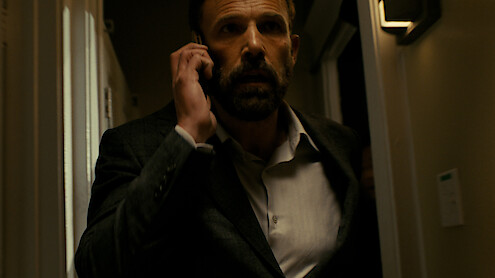
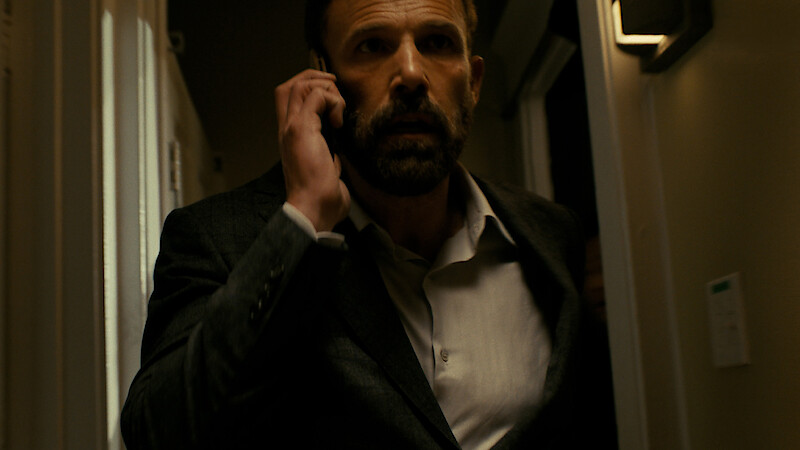
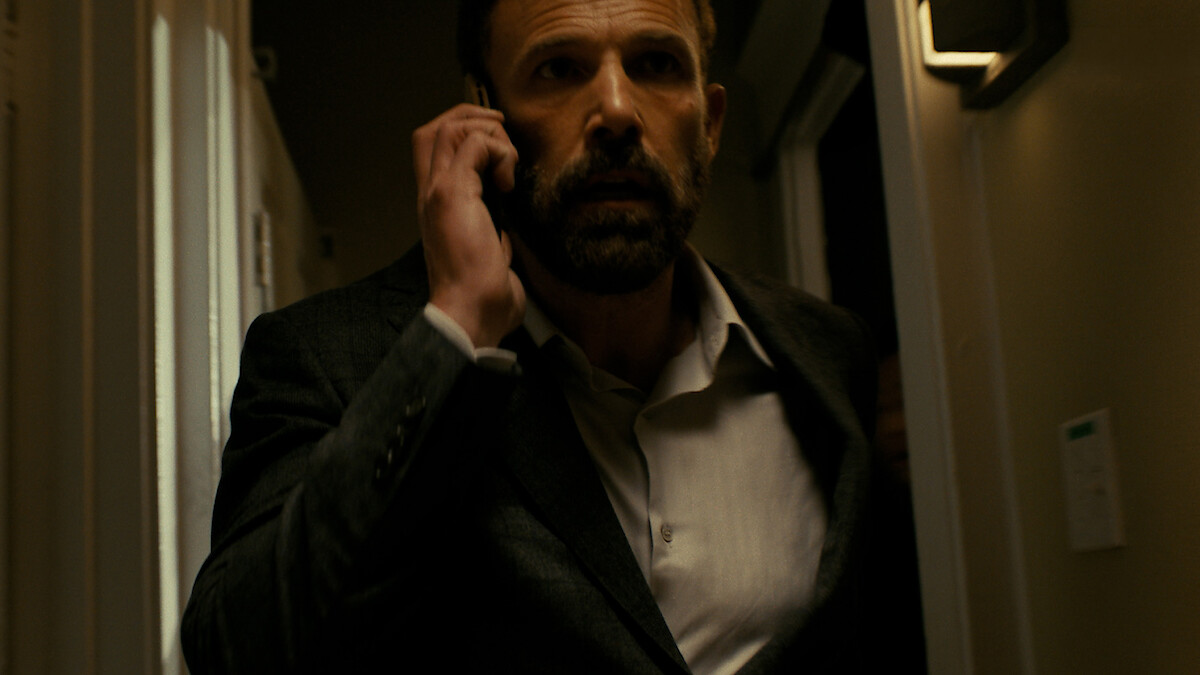
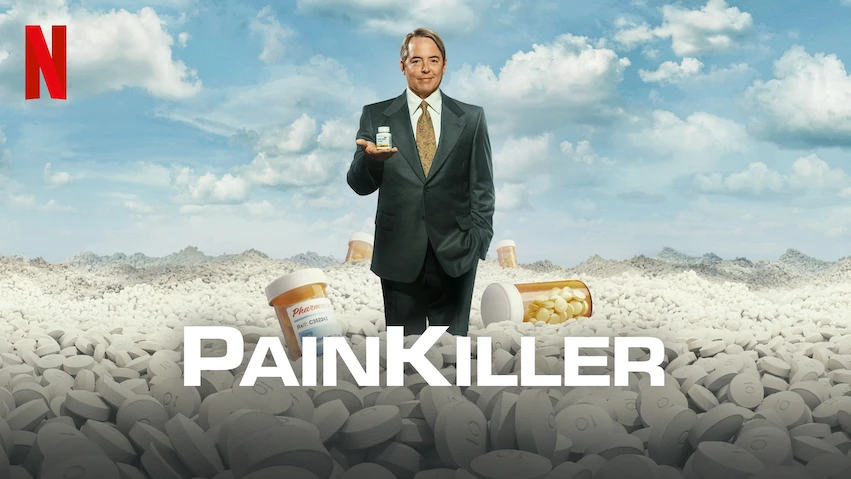
For executive producer Eric Newman, that’s the thought driving his and director Pete Berg’s new series Painkiller, a fictionalized retelling of the origins and aftermath of the opioid epidemic that’ll premiere on Netflix Aug. 10. You can see the tense new trailer above.
As the showrunner behind Narcos and Narcos: Mexico, and co-creator and executive producer on the upcoming Sofia Vergara series Griselda, Newman has spent years diving into the minds of drug lords like Pablo Escobar, Miguel Ángel Félix Gallardo and Griselda Blanco. In that sense, turning his attention to the drug crisis ravaging hundreds of thousands of American lives felt like a natural transition. Yet Newman was stunned by what he found.
“The opioid epidemic for me was this horrible contradictory idea,” he tells Tudum. “These things were killing just as many people and wrecking just as many lives, and the players were just as nefarious. But because it was legal, it was just a health care crisis. Unlike drug traffickers who are never dishonest about who they are and what they do, this group pretends to care about the welfare of human beings. They’re doctors. I think it’s actually the greatest betrayal of public trust in history.”
So, how did this happen? And who should be held responsible? That’s what Painkiller sets out to unpack over its six episodes, all directed by Friday Night Lights’ Berg, who also executive produces under his Film 44 banner. “Everyone knows that the opioid crisis is bad,” Berg says. “But this is the origin story of the collision between medicine and money that allowed it to happen. One of the many things that I thought was missing [from the conversation about OxyContin] was the introduction of the drug into mainstream medicine. How Arthur Sackler, this psychiatrist from New York who specialized in lobotomies, started to realize that the future was in pills — specifically in advertising pills. Whoever could market their drug better was going to make the most money.”
Still, pointing fingers at one man — or even two — doesn’t tell the whole story. Created and written by Micah Fitzerman-Blue and Noah Harpster, the limited series based on the groundbreaking journalism of Patrick Radden Keefe and Barry Meier (Keefe serves as executive producer alongside Newman, Berg and Alex Gibney, while Meier is a consultant on the series)) takes a hard look at the systems that have repeatedly failed hundreds of thousands of Americans. By highlighting the stories of the perpetrators, victims and truth-seekers whose lives are forever altered by the invention of OxyContin, the show aims to provide a comprehensive understanding of the crisis.
“It’s certainly not just [about] the Sacklers,” Newman says. “It’s the political machine. It’s the pharmaceutical industrial complex. You can’t understand the epidemic unless you look at all of the participants. The people who did it, the people who let it happen, the people who suffered from it — and the people who blew the whistle on it.”
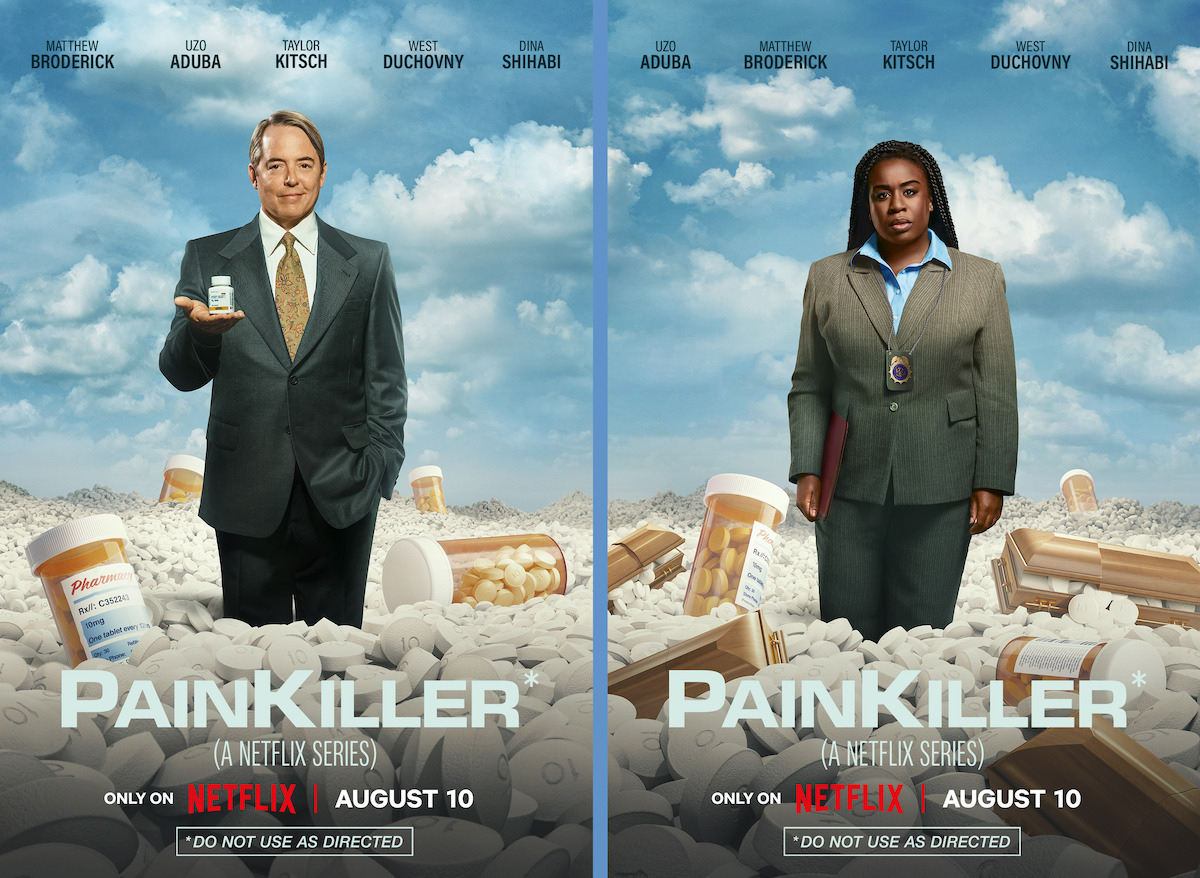
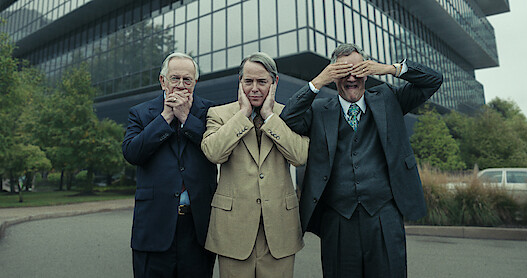
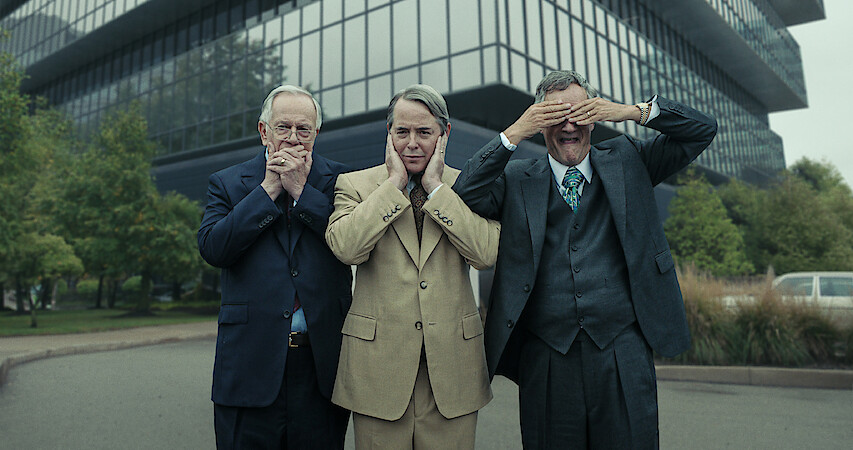
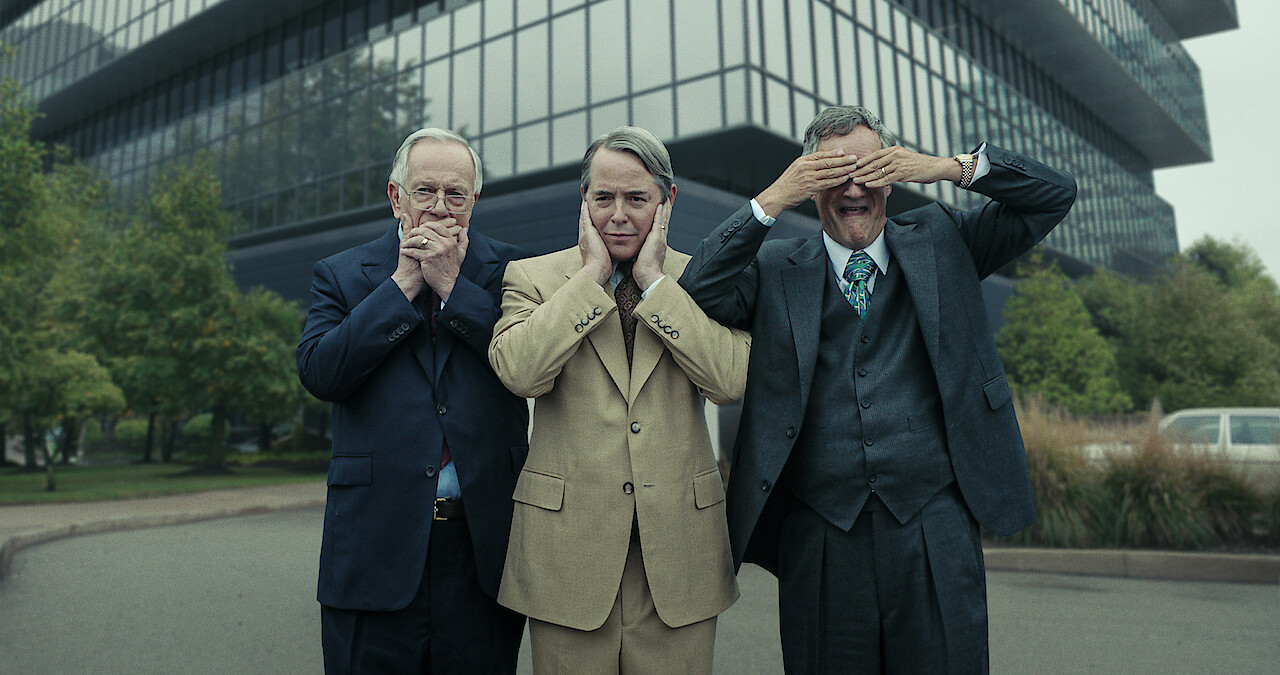
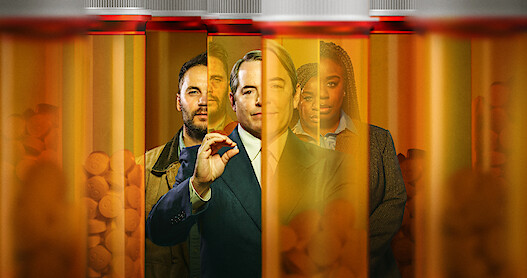
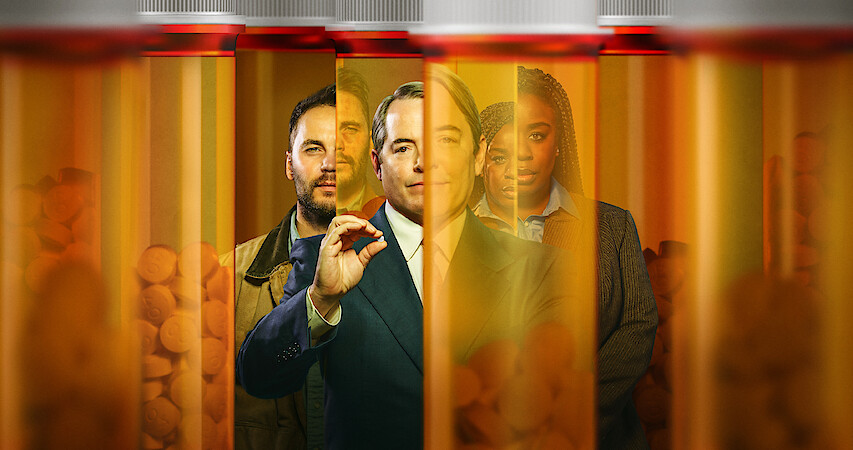
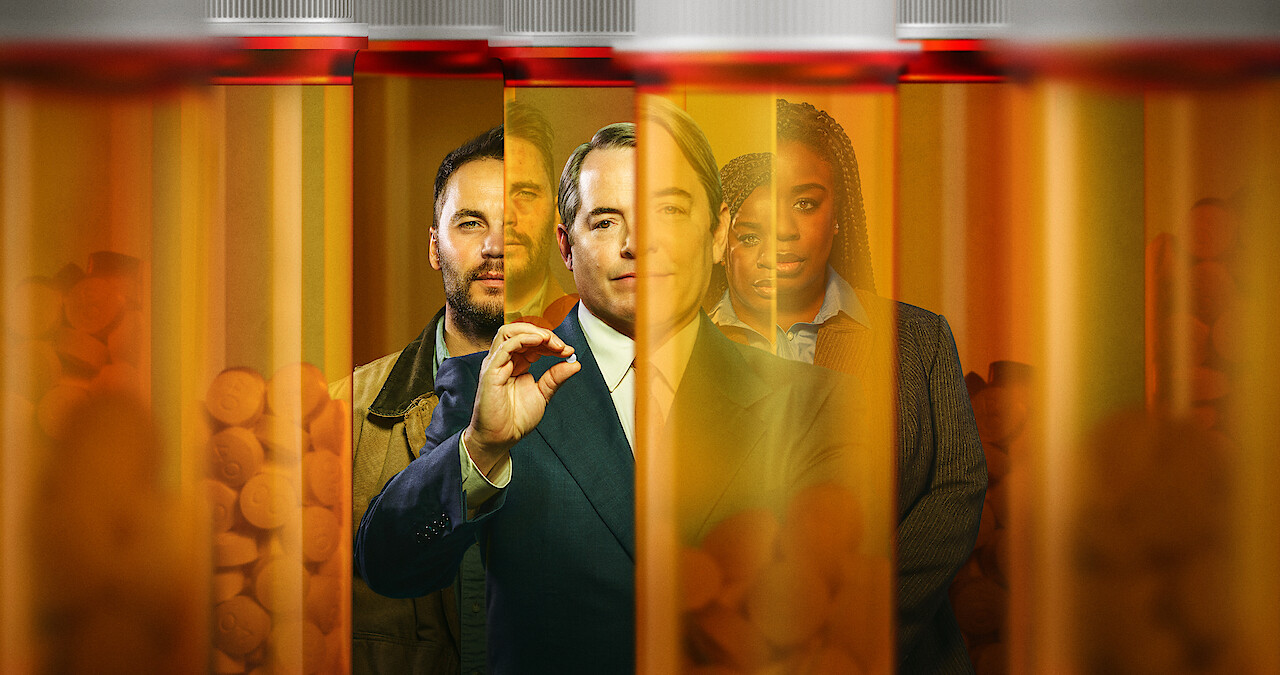
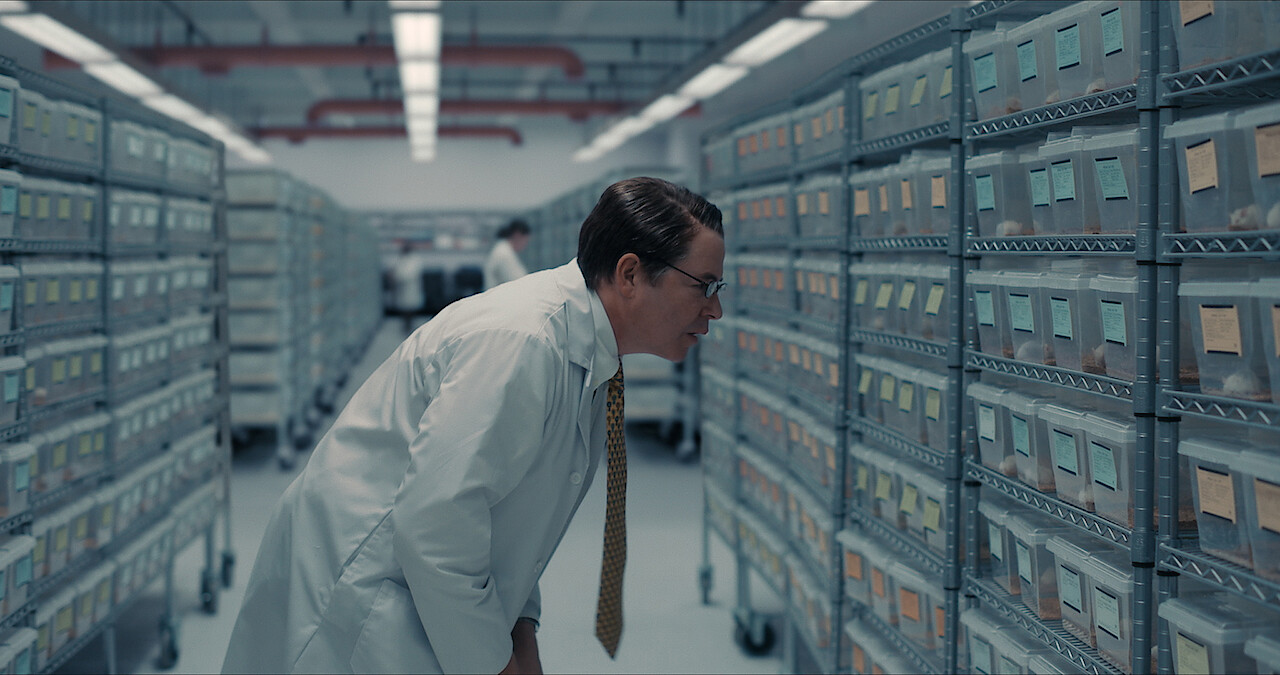
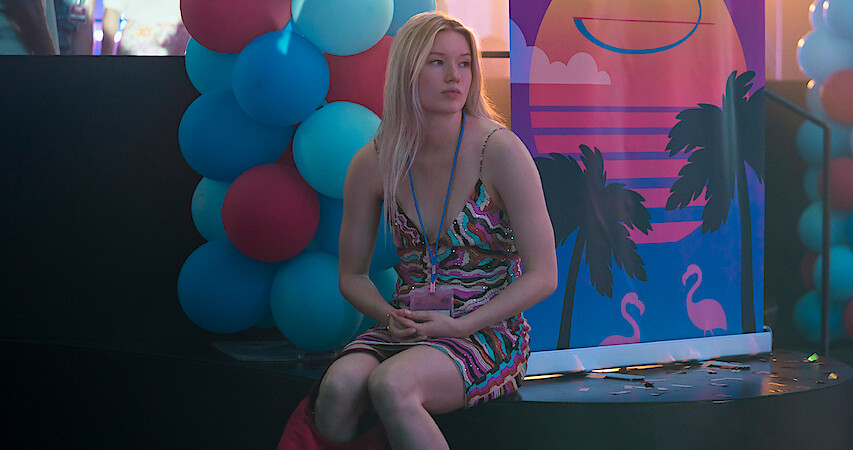
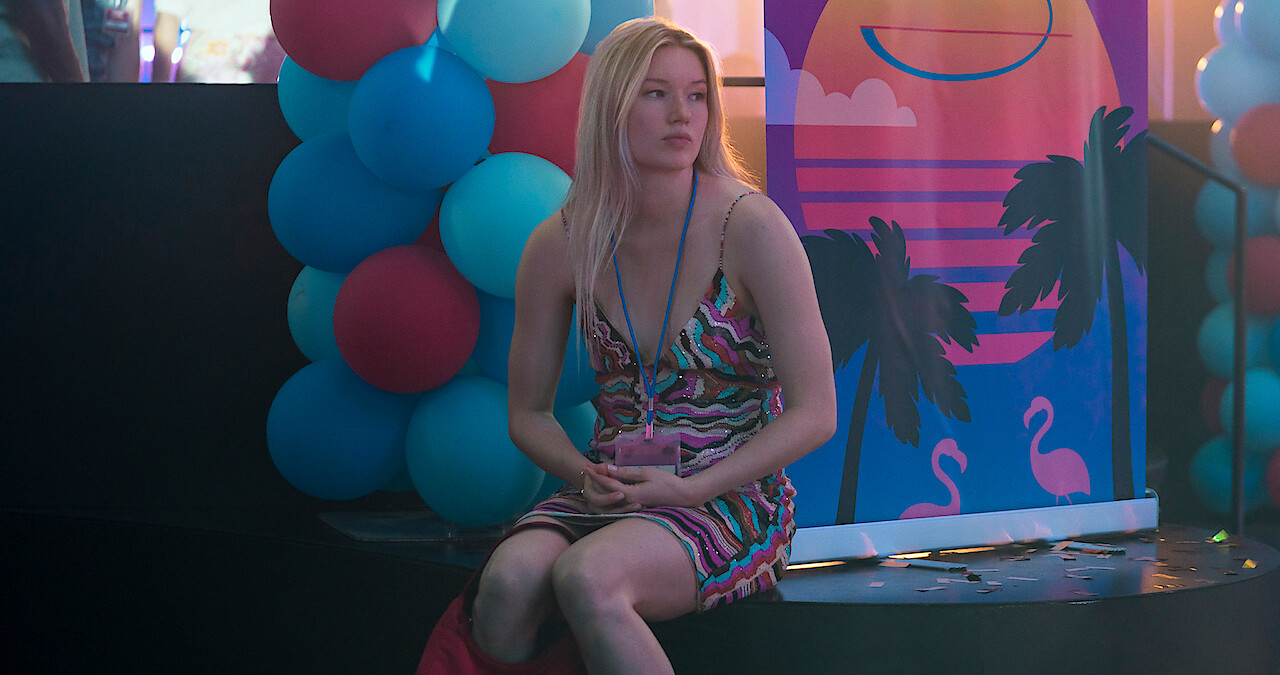
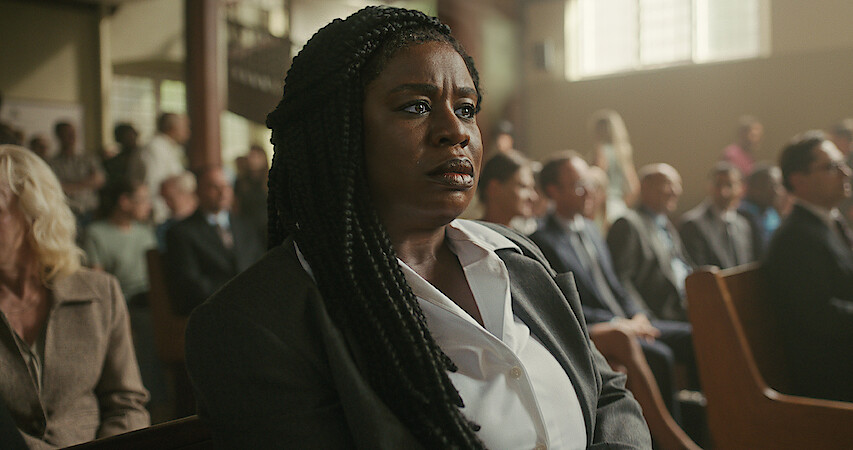
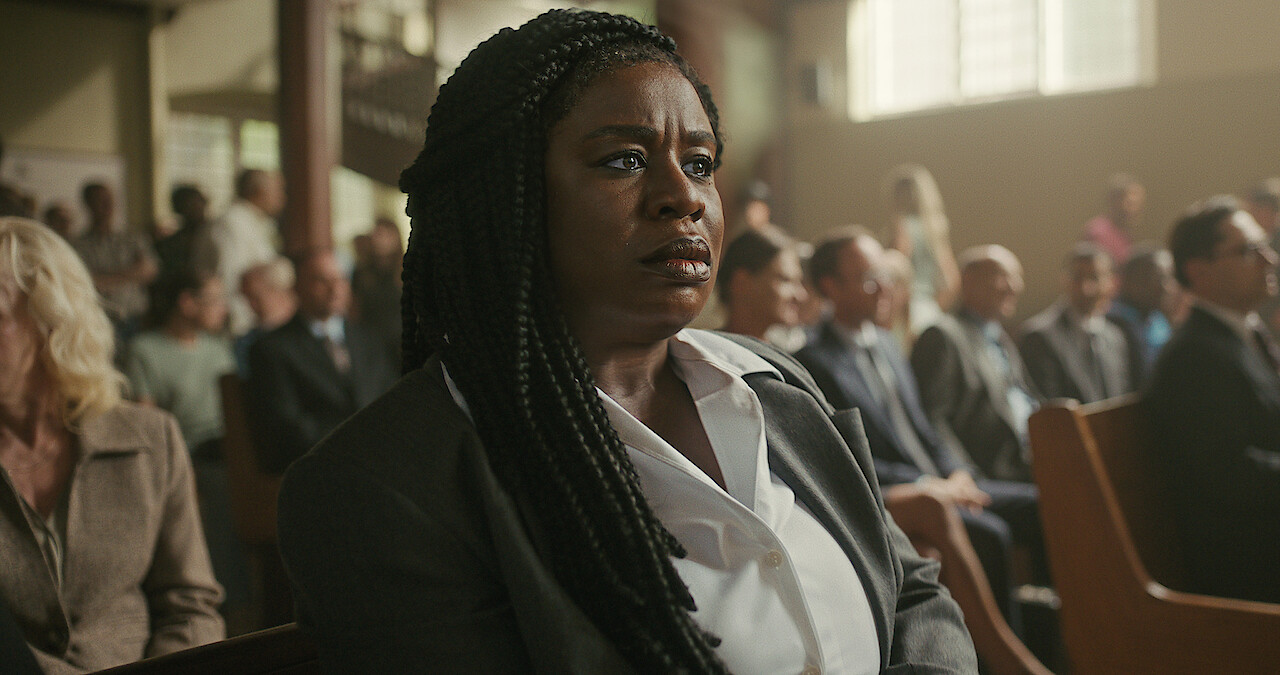
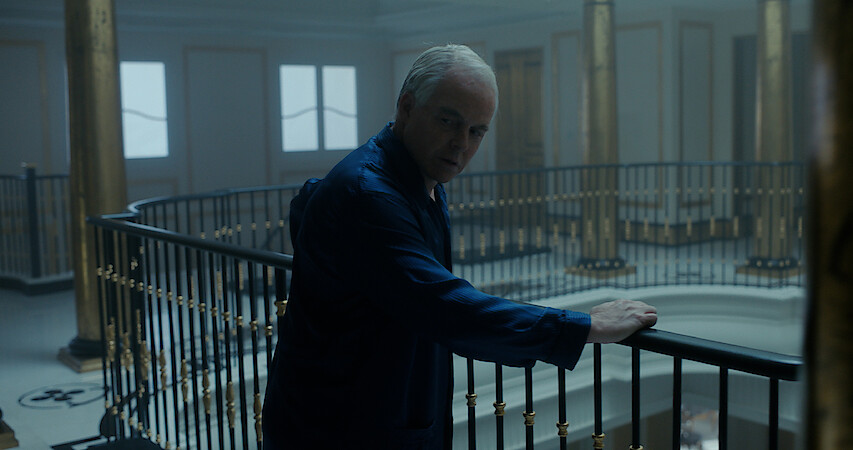
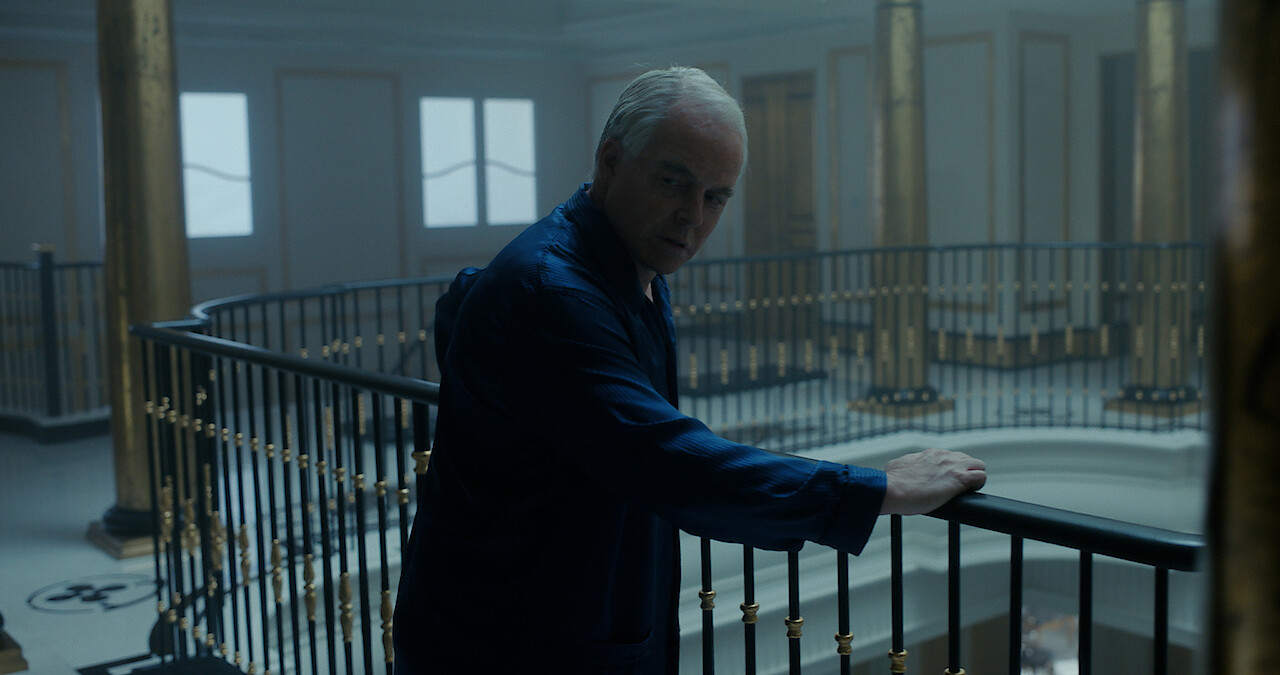
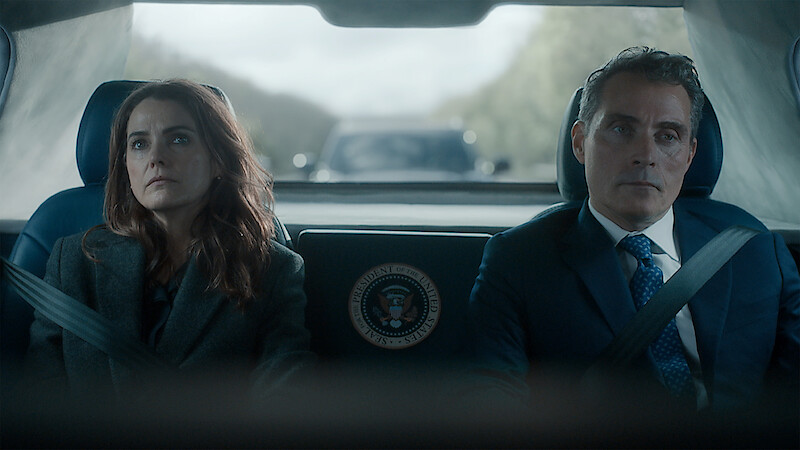
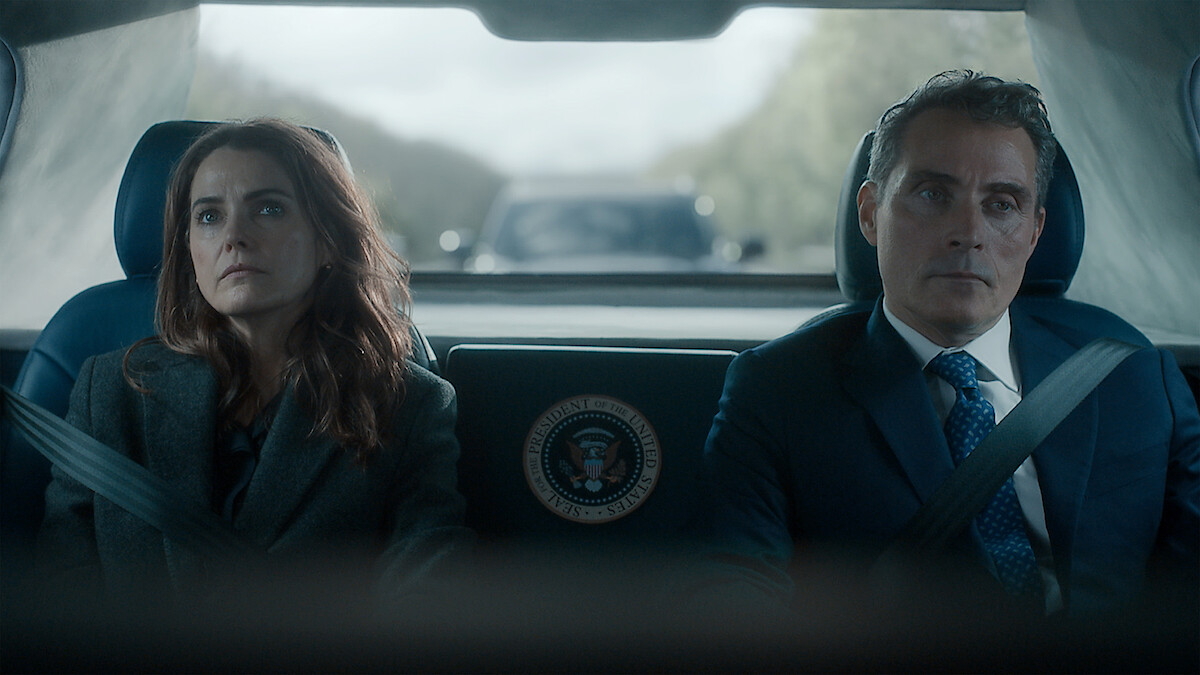
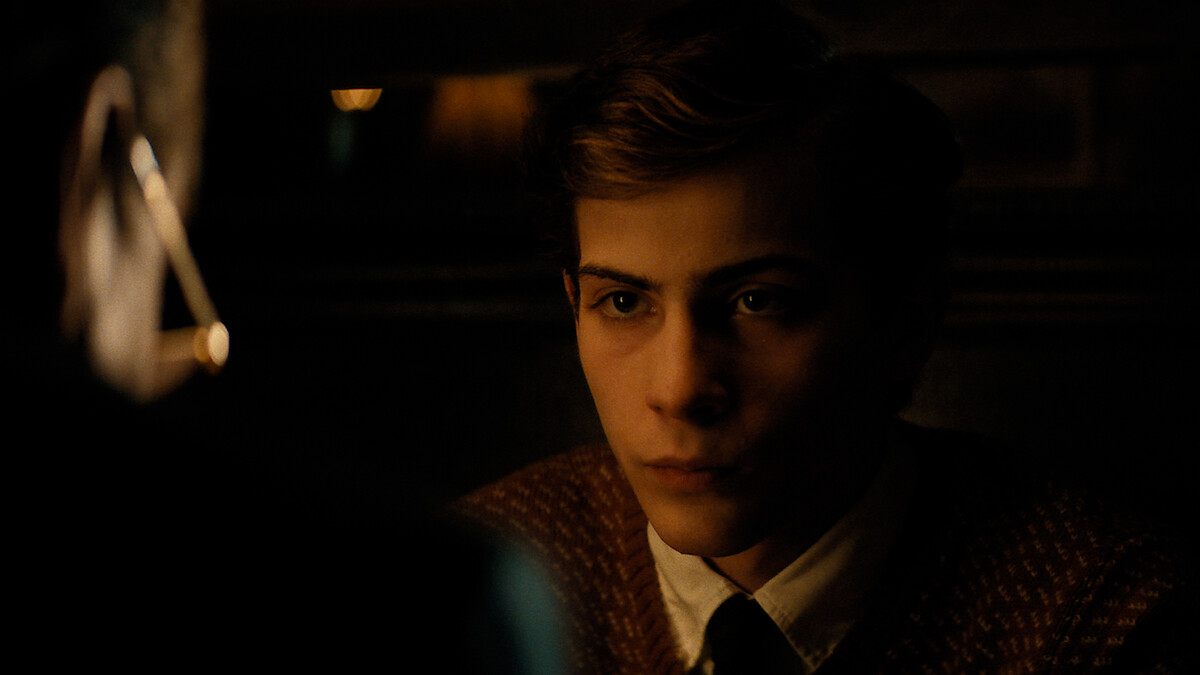
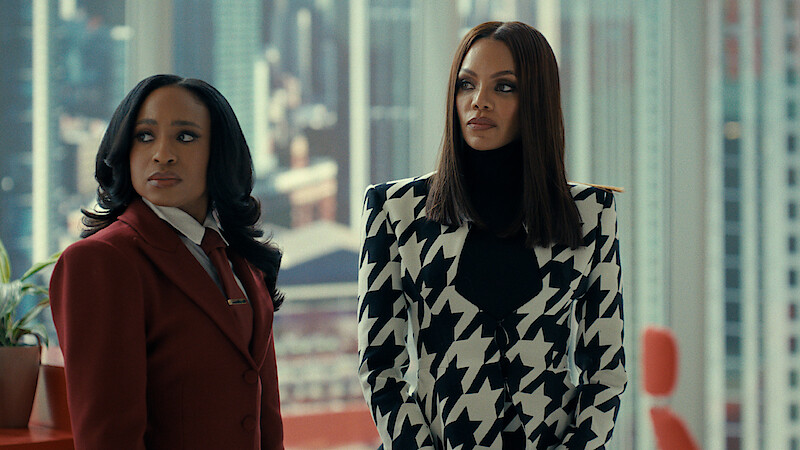
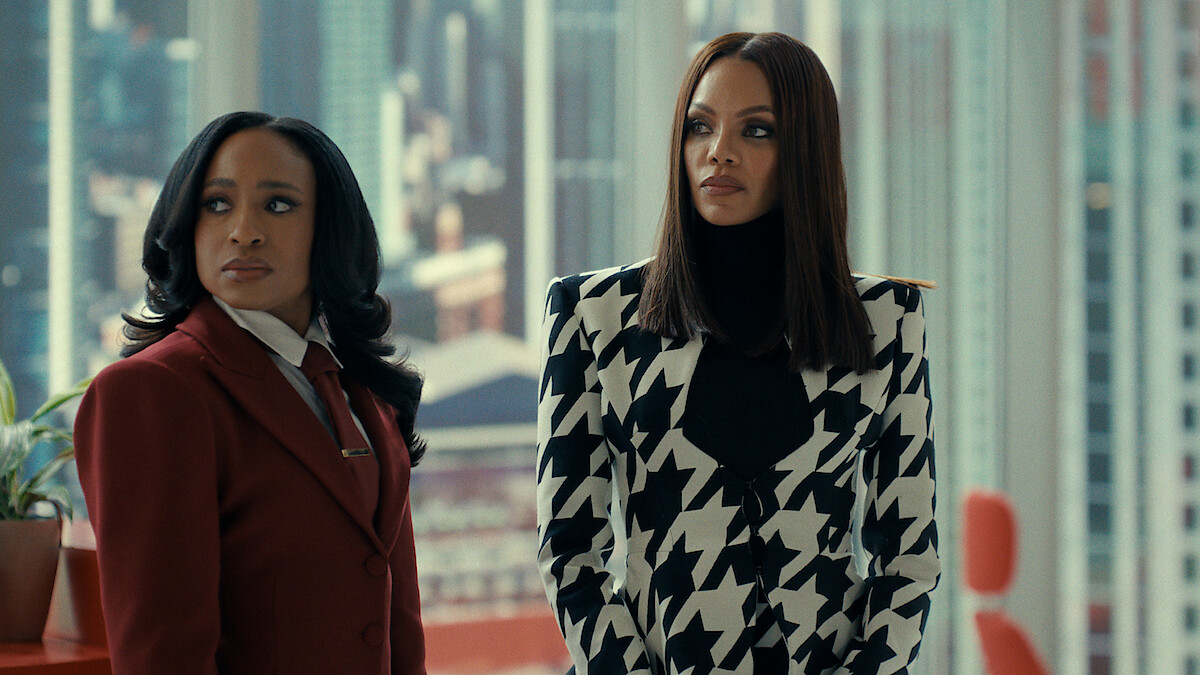
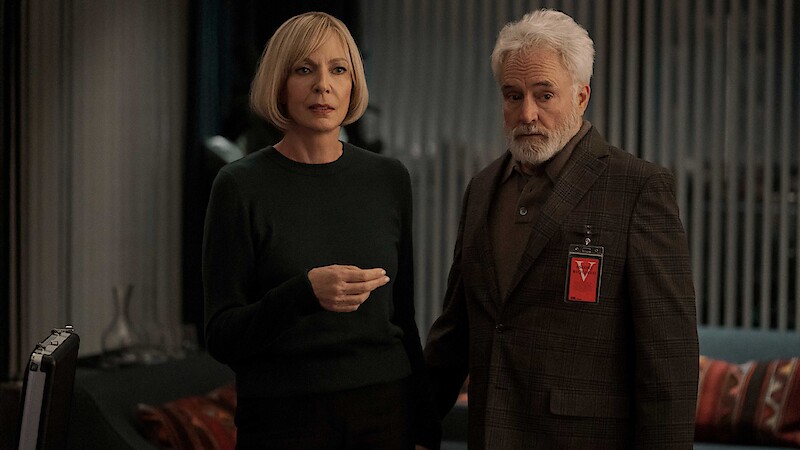
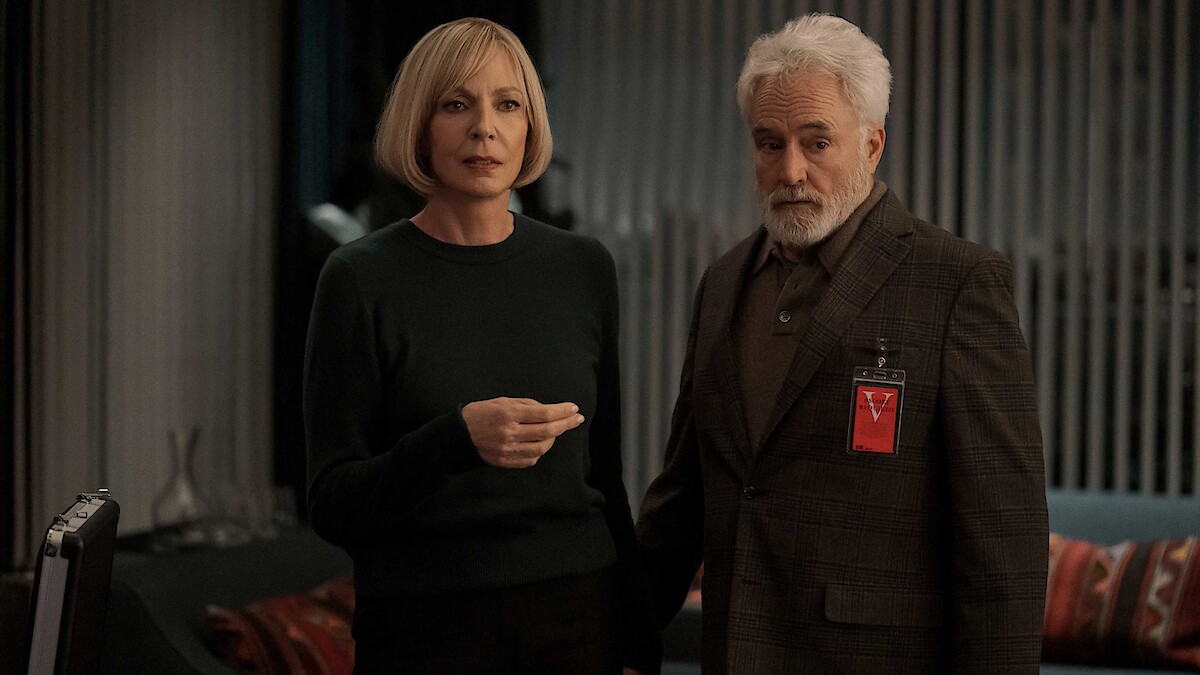
All are in full view in the new trailer for the series, which introduces the main players in this saga: Richard Sackler (Matthew Broderick), scion of the billionaire family and senior executive at Purdue Pharma; Edie Flowers (Uzo Aduba), an investigator for the US Attorney’s office who starts asking questions about a new drug, OxyContin; Shannon Schaeffer (West Duchovny), an ex–college athlete who’s recruited by veteran pharmaceutical sales rep Britt Hufford (Dina Shihabi) to join Purdue Pharma; and Glen Kryger (Taylor Kitsch), a hardworking family man and business owner whose life is upended after an injury.
One of the biggest challenges Berg and Newman faced was finding the right actor to play their version of Richard Sackler. “The belief that monsters spring forth from the womb is dangerous,” Newman says. “It makes it very difficult to spot the next batch of monsters. Monsters are made, they’re made by their environments.”
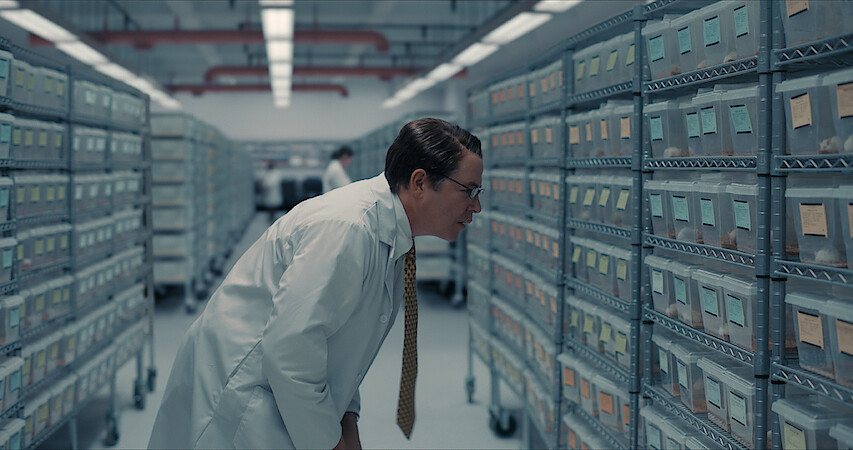
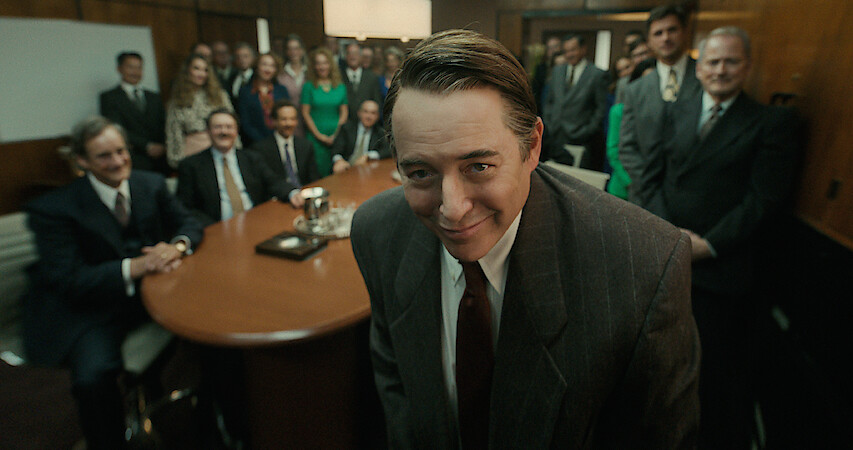
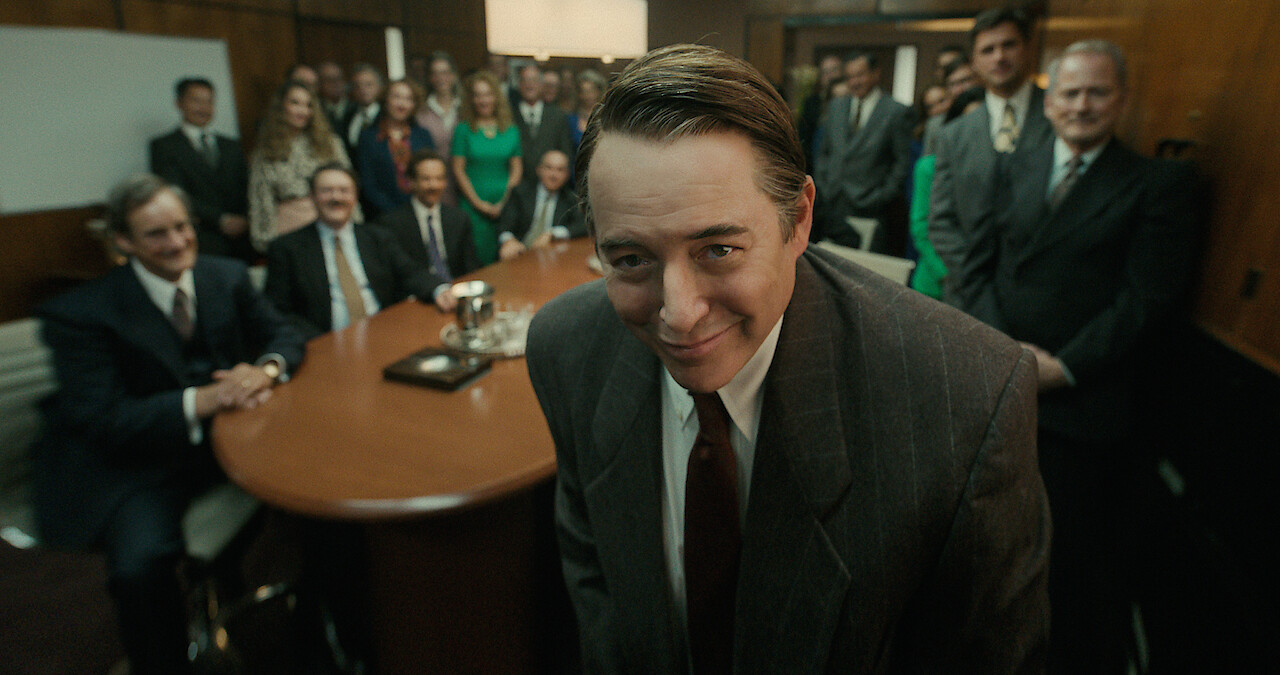
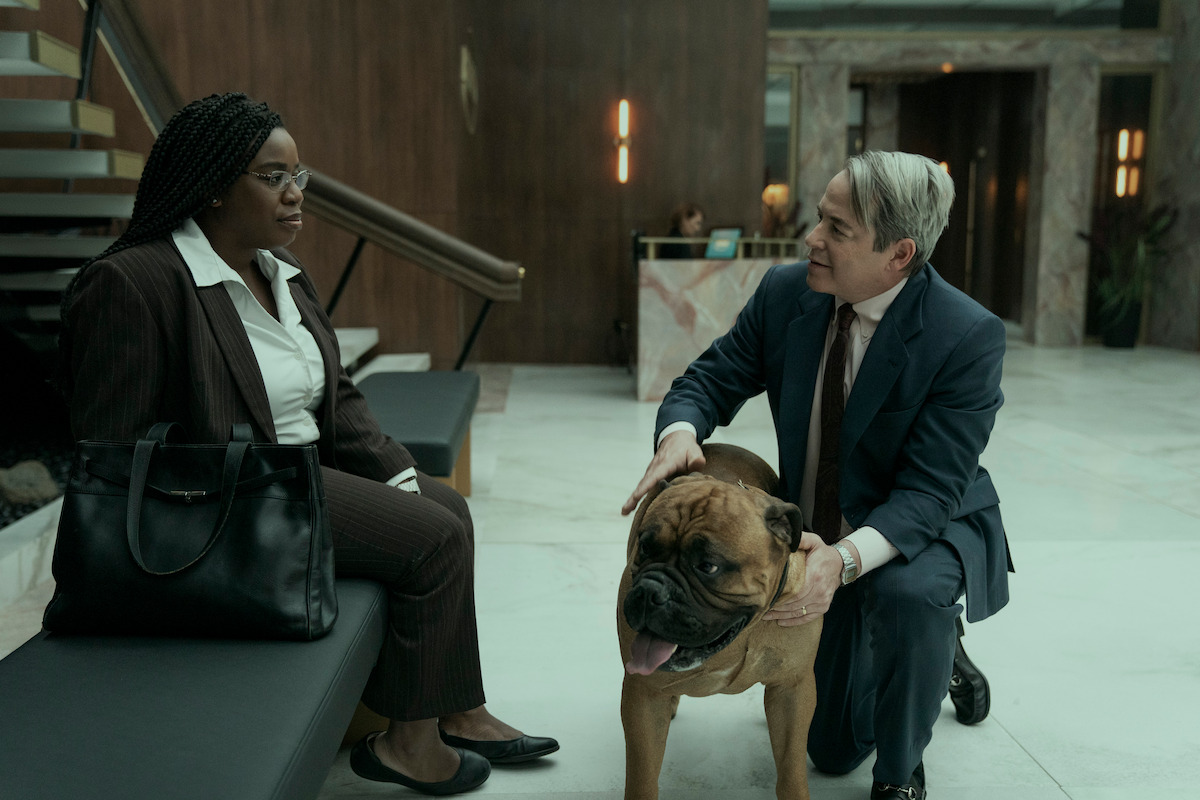
That approach informed the disarming choice to cast Broderick, one of Hollywood’s most likable figures, as the man who brings OxyContin onto the market as a new blockbuster drug. “Here’s a guy who has a plan that’s going to save his company and his family,” Newman says. “We approached it as a character that you wanted to like until you hated [him].”

Berg adds that for him, “there’s an absurdist quality to the Sacklers. The idea that Ferris Bueller is somehow connected to this kind of horror made sure that we presented Richard Sackler as a [character] who, at least in his own mind, doesn’t believe he’s doing anything wrong.”
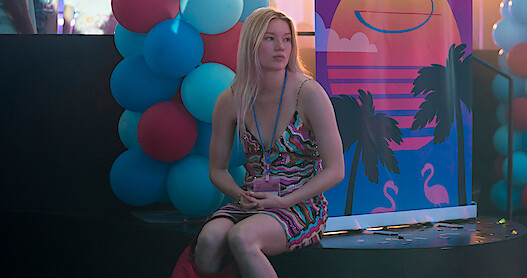
The same idea applies to the characters of Purdue Pharma sales reps Shannon Schaeffer and Britt Hufford, who charm their way into doctors offices and ply them with gifts and lunches and try to convince them to up their OxyContin prescriptions. But Newman wants the audience to empathize with these women, at least at first. Take Shannon, for example, who signs up for the gig to escape a life of poverty. Suddenly, she can afford her own apartment, designer shoes, a Porsche! But only as long as she can turn a blind eye. “The first half of Goodfellas is aspirational,” Newman says. “It’s like, ‘Wow, I’d like to be in that world.’ And then all of a sudden, you would do anything to get out of it. That’s kind of the design of our show.”
Painkiller takes viewers on an emotional roller coaster — the highs are vertiginous but followed by sudden gut-churning crashes. Newman likens the tone of the series to the very drug it portrays. “We wanted to mirror the effects of opioids: the warmth and the hope and the relief of taking a pill that’s going to deliver you from your suffering and then watching it become suffering.”
As a result, the tonal shifts are extreme, but very intentional. To Berg, a story this important needs to captivate viewers and can’t be told enough. Preach to them, and they’ll find something else — perhaps less tragic, almost certainly less consequential — to watch. “It’s tough material. It’s sad, it’s heartbreaking,” Berg says. “If we want people to engage, there has to be an entertainment component to it. You’ve got to want to watch this.”

But while there are moments of absurdity in the show — particularly in its depiction of the extravagance and excess surrounding the distribution of OxyContin — Berg sees nothing funny about people’s pain. “There’s no humor and very little lightness in this story.” Driven by Berg’s success in documentary storytelling, each episode begins with a testimonial from a family member who has lost a child to the opioid epidemic. They read a disclaimer stating that while elements of the series have been fictionalized, their story is true. “We wanted to make sure people knew upfront that there might be some farcical moments in this show, but that we don’t think there’s anything remotely funny about the Sackler family, Purdue and the opioid crisis,” says Berg. The Sacklers have never been criminally charged in connection with OxyContin or the opioid epidemic.
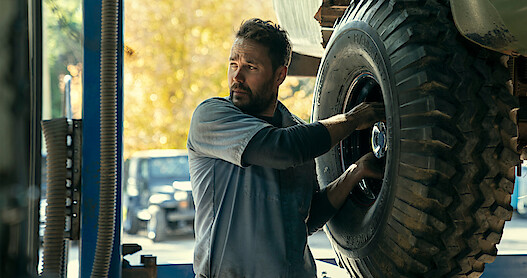
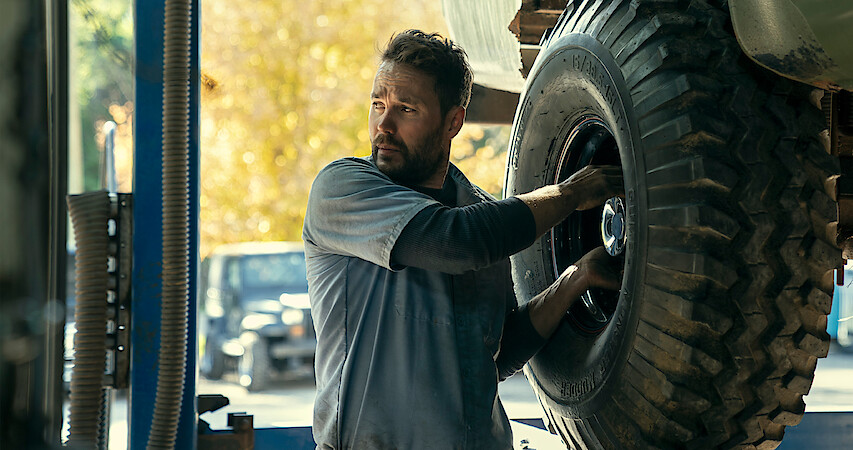
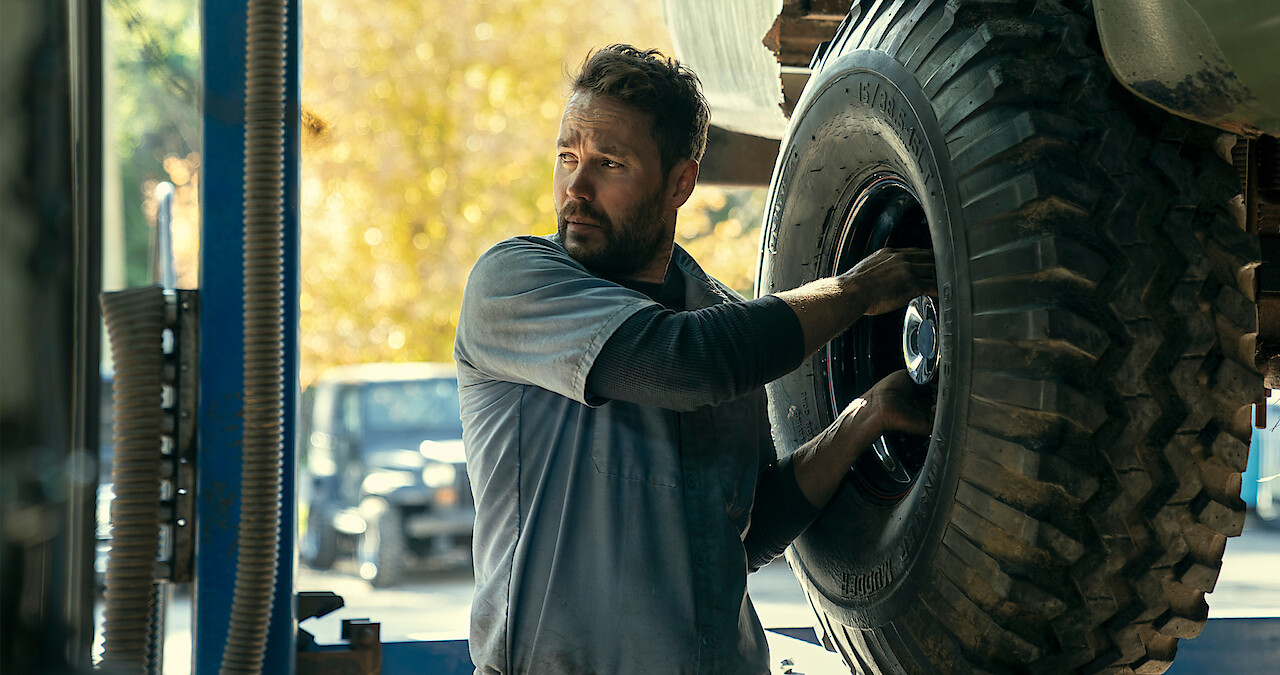
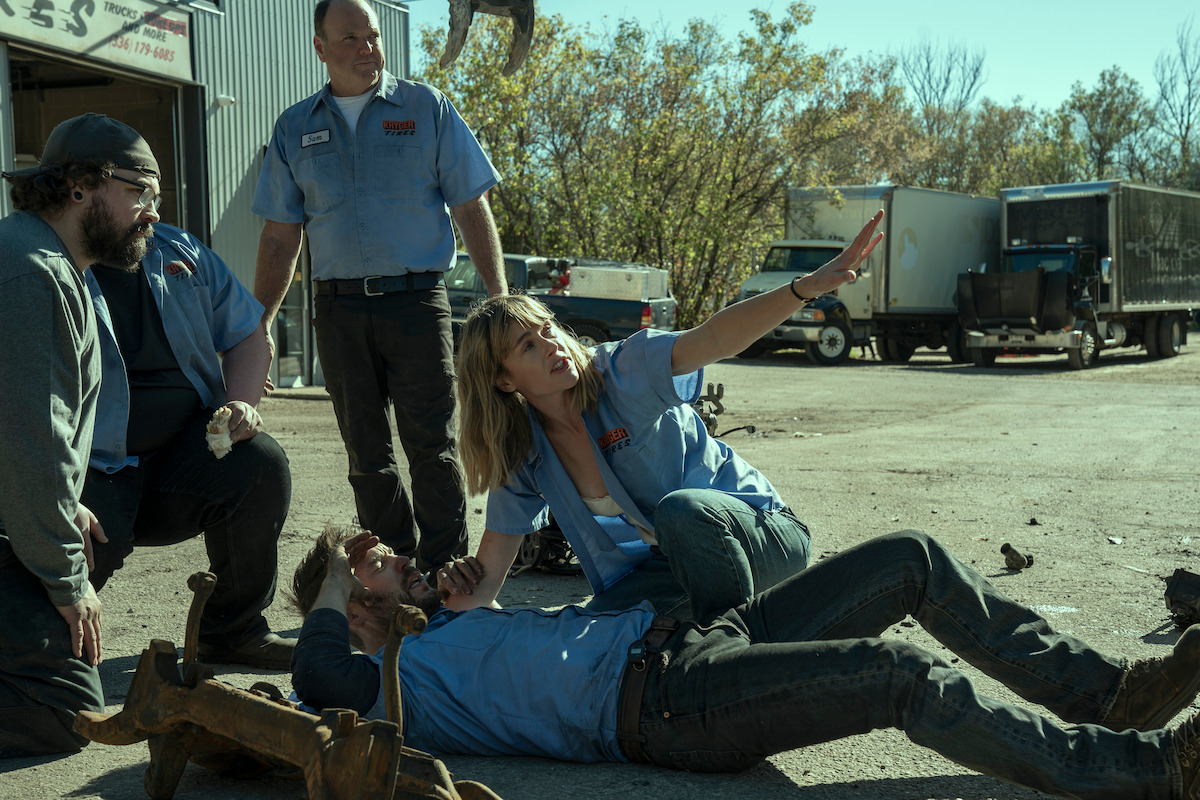
One of the fictionalized storylines surrounds Taylor Kitsch’s character. As Glen Kryger, a mechanic who’s prescribed OxyContin after a work injury, he represents the countless Americans who simply trusted their doctors and ended up with an opioid addiction. Berg, who’s known Kitsch since he played teen football star Tim Riggins on Friday Night Lights, was eager to collaborate with him again. “I’m a huge fan of Taylor’s,” he says. “When we were looking for someone to play an everyman working-class guy who gets hurt at work and steps onto the mad merry-go-round of opioids, I thought that he would be spot on for that.”
Similarly, Uzo Aduba’s character, Edie Flowers, is a composite of the many people who tried to slow the spread of the drug and hold the perpetrators accountable. “You lie, you hurt people, you go down,” she says in the trailer. But her convictions and sense of justice are soon tested by a system that routinely sides with the most powerful over the vulnerable.
“Edie represents the front line,” Berg says. “At that time when OxyContin was just starting to to be a thing and law enforcement all over the country was starting to see deaths, crimes and pill mills popping up, there was a group of law enforcement who were the first wave to see the tragedy beginning to unfold. They then had to start trying to figure out, ‘Well, what is going on here?’ ”
The fact that we’re still asking those questions is what makes Painkiller so urgently relevant. “The opioid epidemic continues to evolve,” Newman says. “The story is still going on. It’s playing out in real time, and I imagine that it will continue to play out long after us. It’s a story that’s so big and so awful that it deserves to be told as often and as loudly as it can be.”
Painkiller premieres on Netflix on Aug. 10.