Nick Wall/Netflix
Explainer
What’s the Great Experiment? All Your Questions, Answered
Queen Charlotte brought more than Christmas trees to the Bridgerton universe.
May 19, 2023
Bridgerton whisks fans into a fantasy version of Regency England they’ve never seen before. The series unveils an integrated ton, where biracial romance is embraced and the queen (Golda Rosheuvel) is a Black woman. But, we’re told, the aristocracy wasn’t always so welcoming.
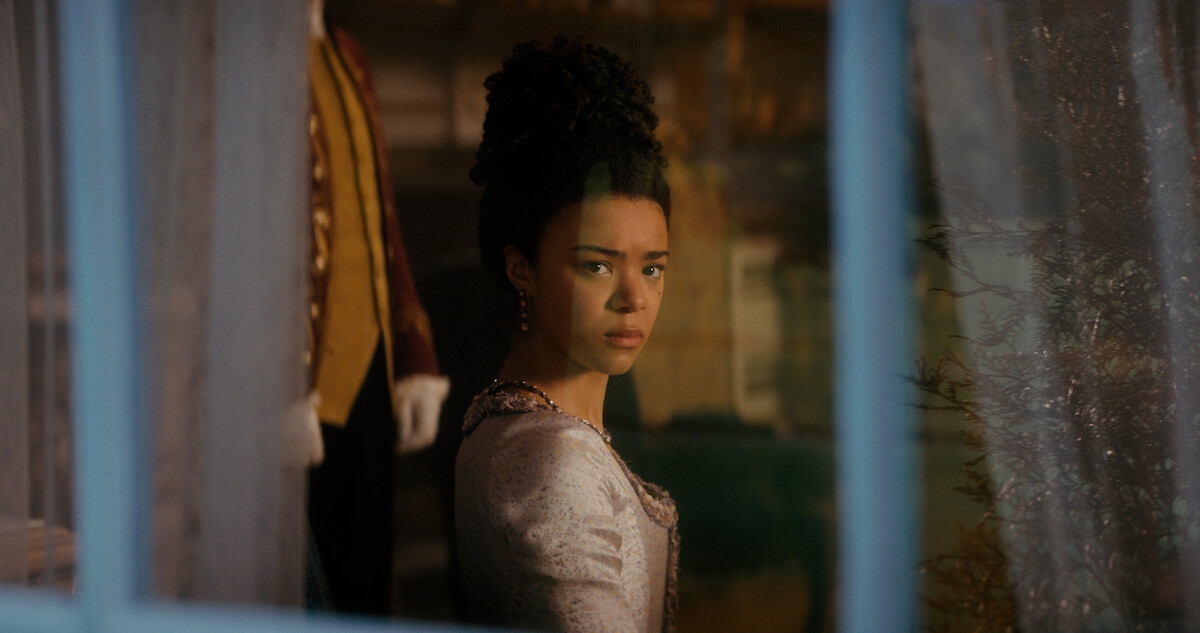
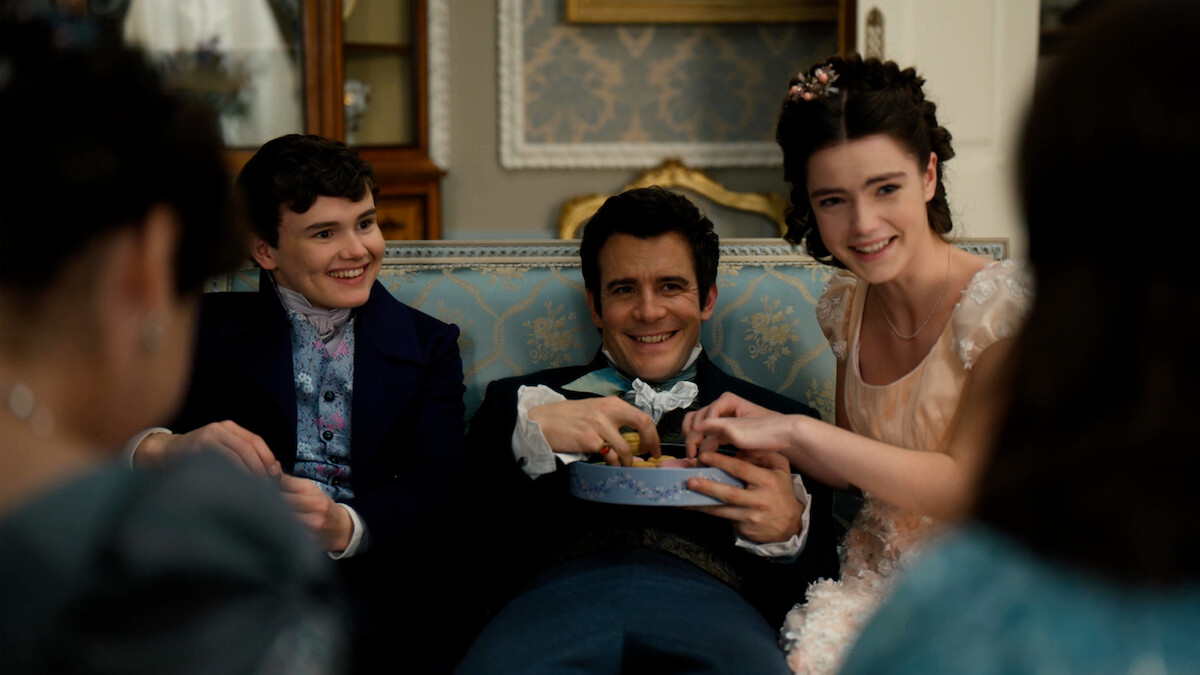
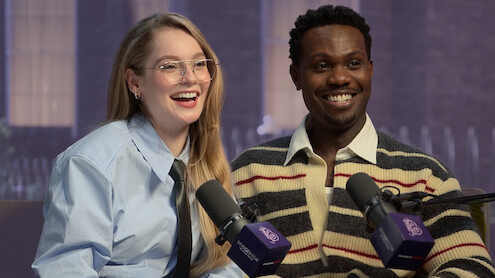
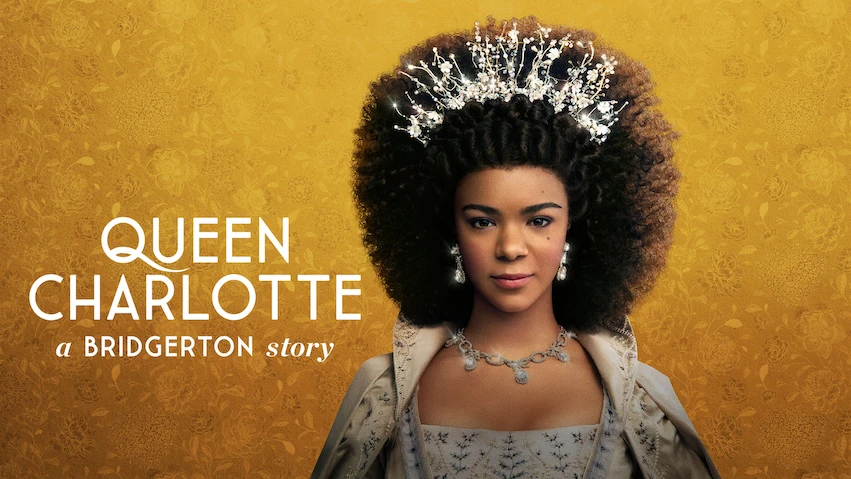
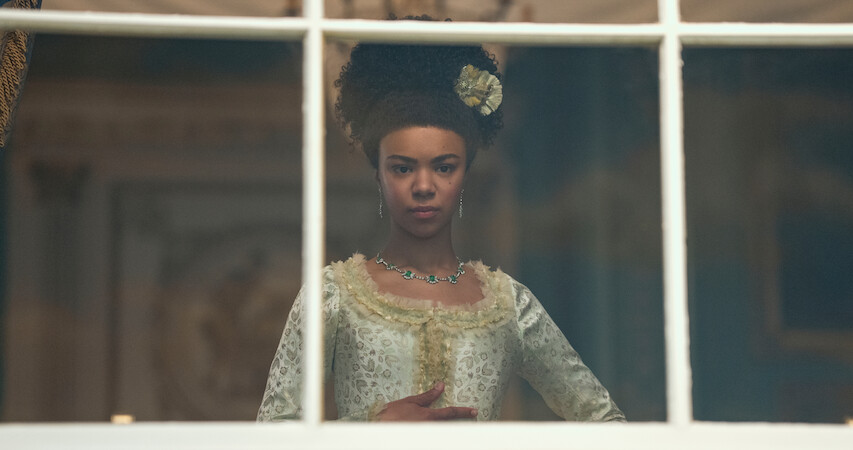
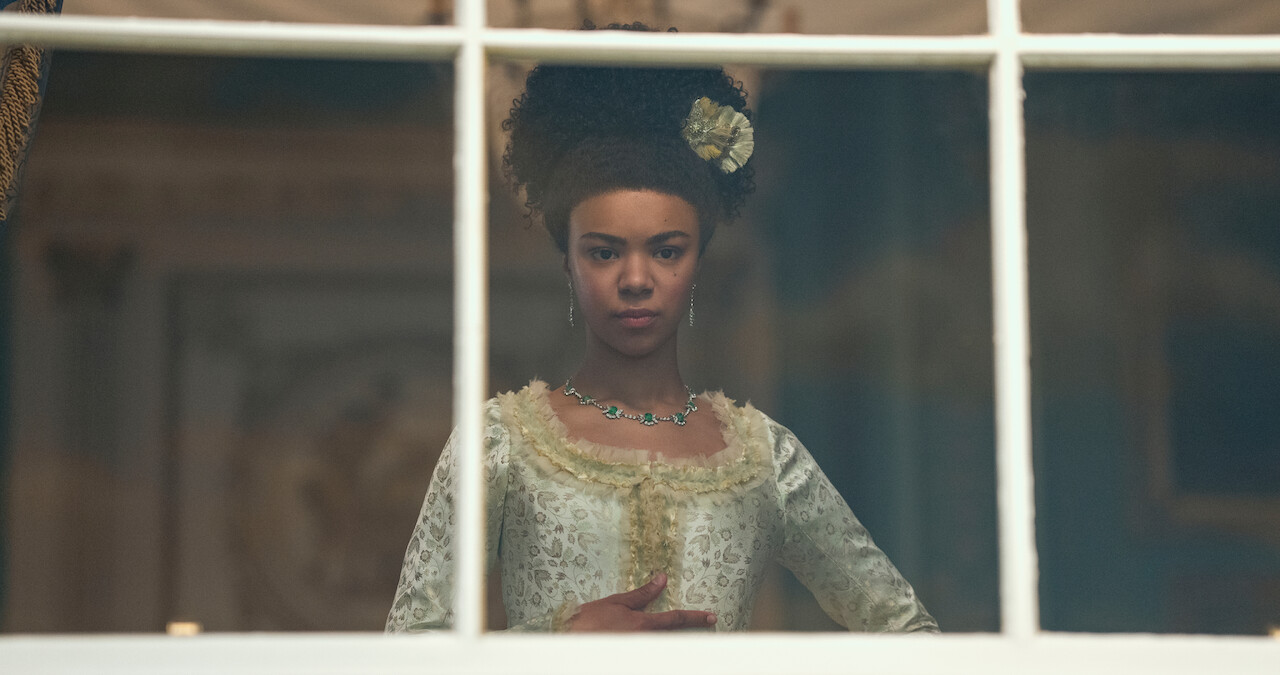
Queen Charlotte: A Bridgerton Story unfurls the origin story of the “beautiful mixture of humanity” on display in the Bridgerton universe, as executive producer Betsy Beers calls it. At the very core of this tale is the Great Experiment, which kicks off when young Queen Charlotte (India Amarteifio) arrives in England to marry young King George (Corey Mylchreest). The lives of Black socialites like young Agatha Danbury (Arsema Thomas) are revolutionized in the process.
The Queen Charlotte cast, creator and executive producer Shonda Rhimes and the other executive producers are ready to answer every question you have about the Experiment that changed the ton forever.
It is, essentially, an attempt to save face for Queen Charlotte’s British monarchy.
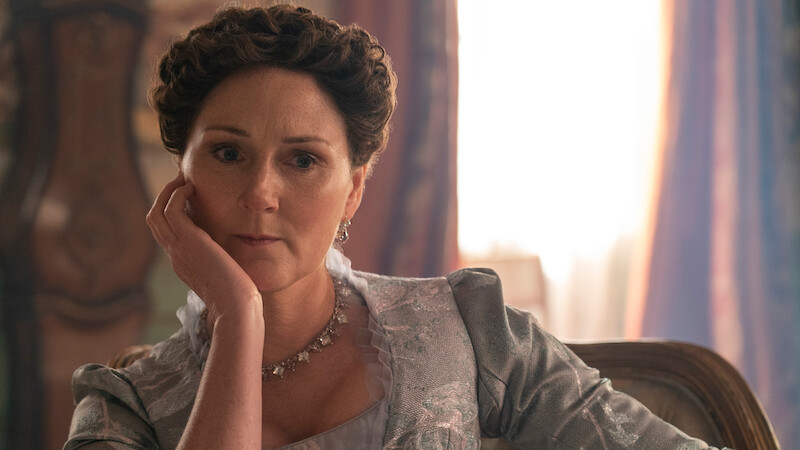
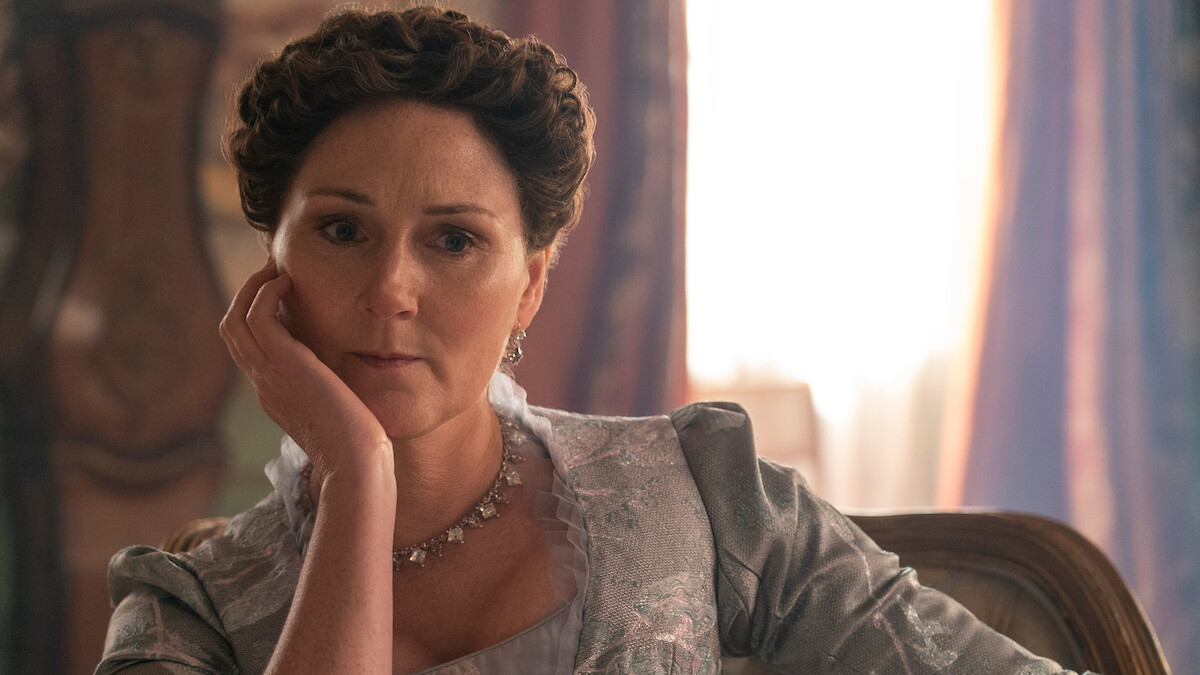
Prior to young Queen Charlotte and young King George’s wedding, the entire aristocracy was white. But, as we see in Queen Charlotte Episode 1, King George’s mother Princess Augusta (Michelle Fairley) is shocked that her son’s bride-to-be, a princess in her native Germany, is so “very brown.” So, the House of Lords “concoct” a plan, as Thomas told Netflix, to desegregate the ton and give titles to non-white members of the aristocracy like her character Agatha Danbury. This is the Great Experiment: An integrated nobility. This way, it appears the choice of Charlotte for Queen “was intentional and not a mistake,” Thomas said.
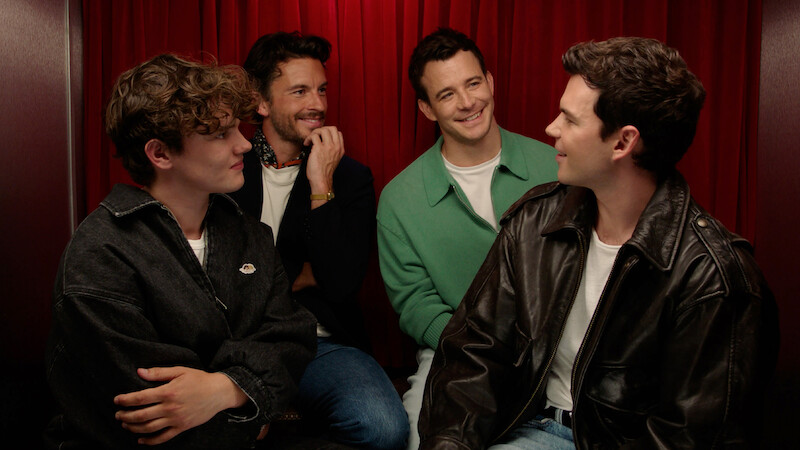
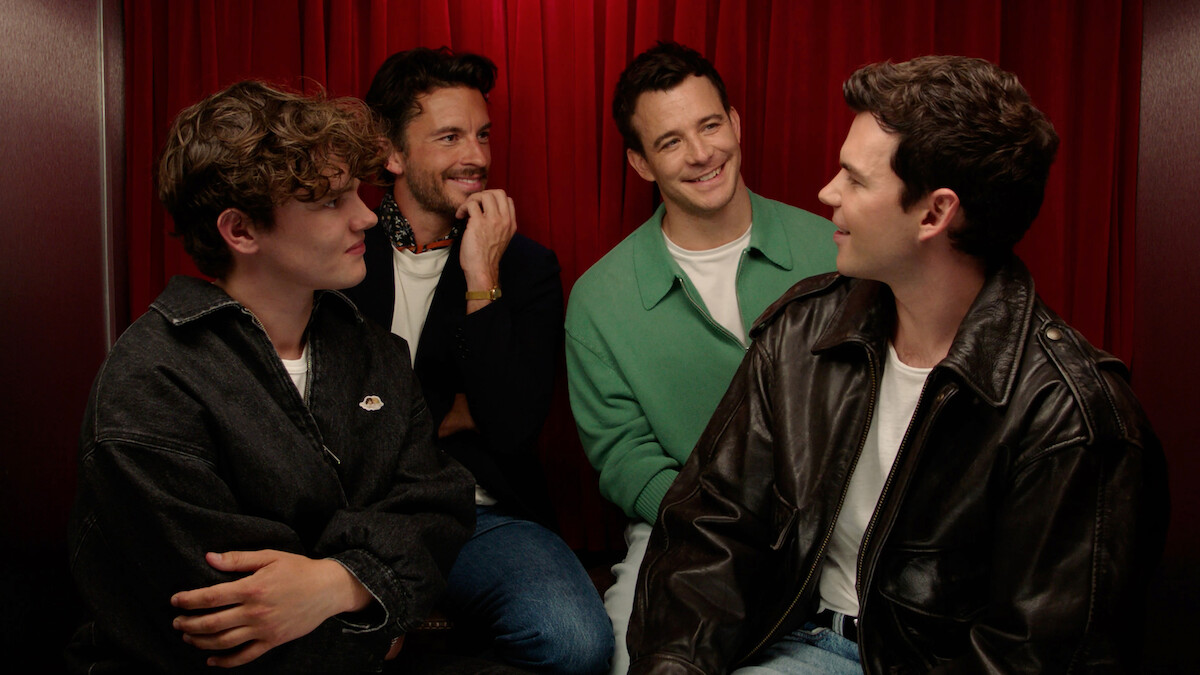
The first time we see the tension of the Great Experiment is in the series premiere, when young Queen Charlotte walks down the aisle at her wedding with young King George. “Our director [Tom Verica] said, ‘Right, the people on this side, you need to give her the evils and look her up and down,’ ” said Amarteifio at “An Evening with Queen Charlotte,” an event held on May 16 at Netflix’s 2023 FYSEE Emmy campaign event space. “And, ‘The people on this side, you need to look to her as a person who’s going to make change.’ ”
Beers delighted in exploring the questions that the Great Experiment posed for the society of the Bridgerton universe. “The politics of England in this particular period of time, and the politics of most of the world, were complicated,” she told Netflix. “And one of the things which Shonda has threaded through the story in this incredibly brilliant way is the idea that the arrival of this woman made it possible for other people of color to rise up through the ranks in English society.”
All of that responsibility falls on the shoulders of Amarteifio, as she takes us on young Queen Charlotte’s journey. “A group of people who were not seen as appropriate to mix with another group of people are being told they can now merge, which of course is going to cause conflict,” she said. “But this merging actually brings to light how similar to each other these two sides are.”
No, the Great Experiment didn’t happen in real-life England. “This is not a history lesson. This is fiction inspired by fact. It’s very important to me that people understand that,” Rhimes told Netflix. “I’m telling the story of Queen Charlotte of Bridgerton, not of Queen Charlotte of England.”
But the Great Experiment was inspired by actual events. Queen Charlotte director Tom Verica was excited to dig into historical theory throughout the series.
“Many historians believe that Queen Charlotte was of mixed cultural heritage. We wanted to take that in a different direction than what the history books have said happened — which was basically to bury that and not deal with it,” he told Netflix. Rather than ignore the truth, Queen Charlotte “shines a light” on it.
“We asked, ‘What if society embraced those differences in diversity and elevated people of color to prominent positions and ranks?’ ” Verica said. “The Great Experiment allows us to reimagine what that world could have looked like if that part of Charlotte’s identity had been embraced.”
While all of the ton is involved in the Great Experiment, young Queen Charlotte, young King George, Agatha Danbury, Princess Augusta and her advisors Lord Bute (Richard Cunningham) and Earl Harcourt (Neil Edmond) are the paramount players in this societal evolution.
However, Queen Charlotte doesn’t immediately realize she is leading a revolution. “Lady Danbury and Queen Charlotte meet officially at the end of Queen Charlotte’s wedding, and Queen Charlotte automatically goes, ‘Oh my gosh! Someone who looks like me! We’re going to be great friends!’ ” Amarteifio told Netflix. “I don’t think she really understands the boundaries of the ton, the separation.”
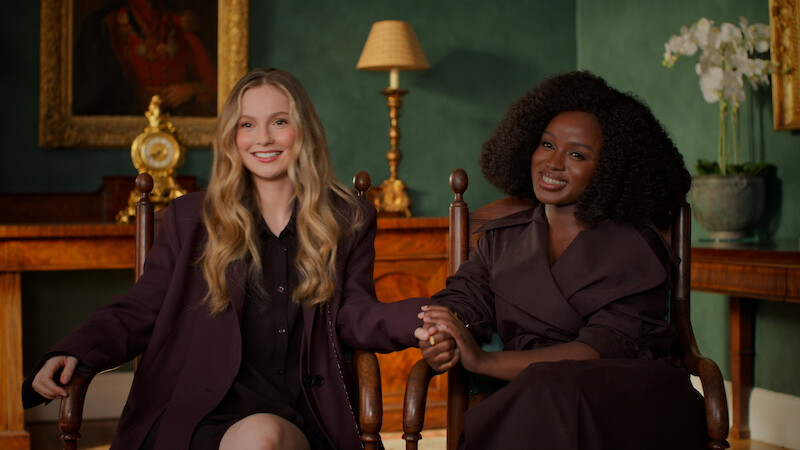
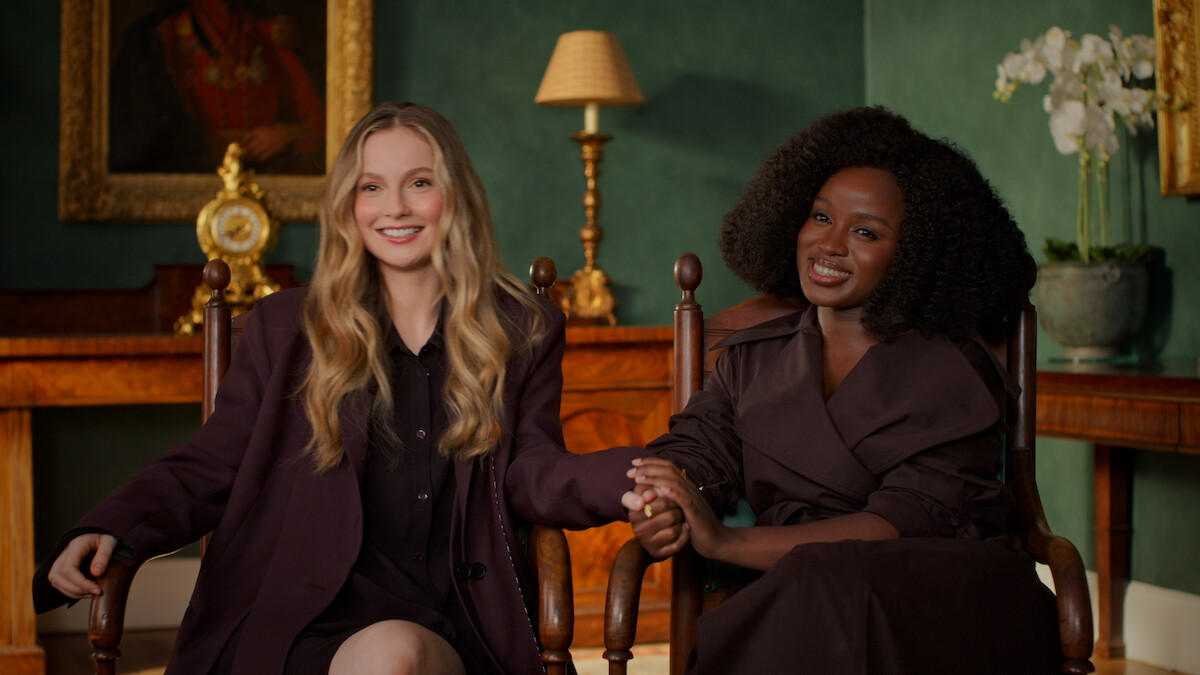
For Thomas, Queen Charlotte’s arrival inspires Agatha to rethink her future. “Queen Charlotte’s arrival stimulates a lot of change in Agatha, and leads to the understanding that there is a possibility for more,” she said. “Agatha seeing a Black woman as Queen, and what that does for the desegregation of the ton, and allowing Agatha to become Lady Danbury and assume a title, really turns Agatha’s world on its head.”
And young King George instantly empathizes with his new bride. “Young Queen Charlotte is subject to systemic oppression. And George, although completely different, is subject to domestic oppression on a much smaller scale,” said Mylchreest during the FYSEE panel in May. Although George is the King of England, his mother and her advisors wish to control him for their own power.
“As two people trying to escape those two types of oppression, and again, one albeit in a much larger scale and a much more systemic scale,” Mylchreest continued, “they see something in each other that’s unspoken and completely binds them together.”
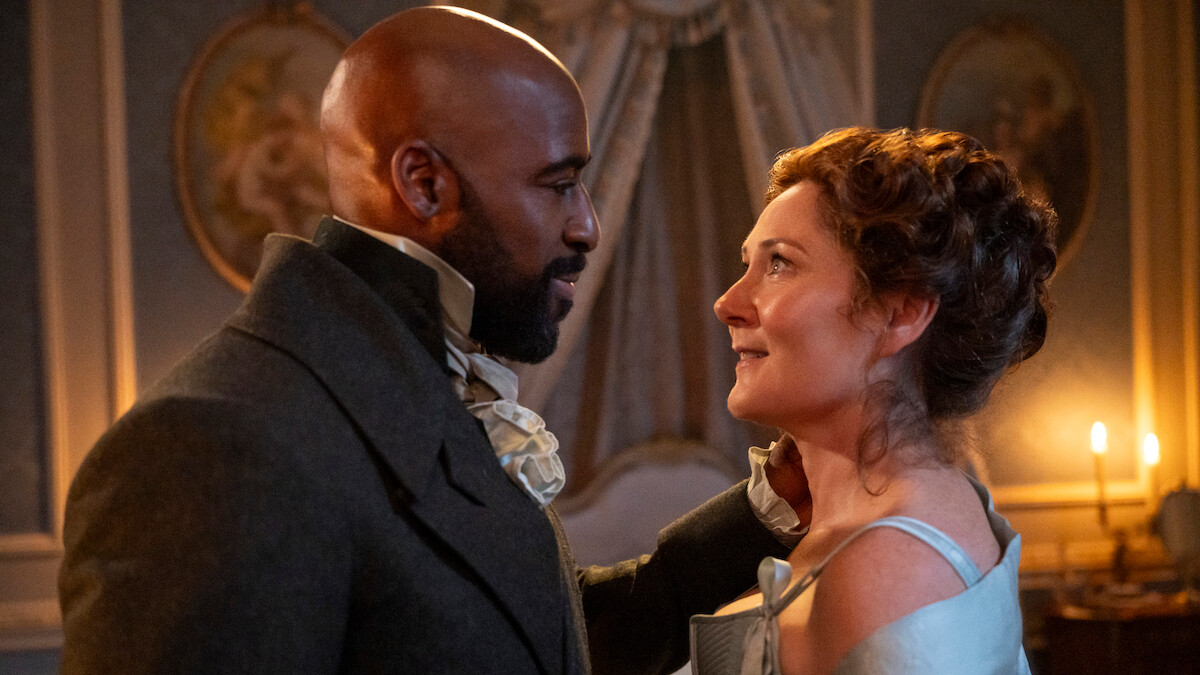
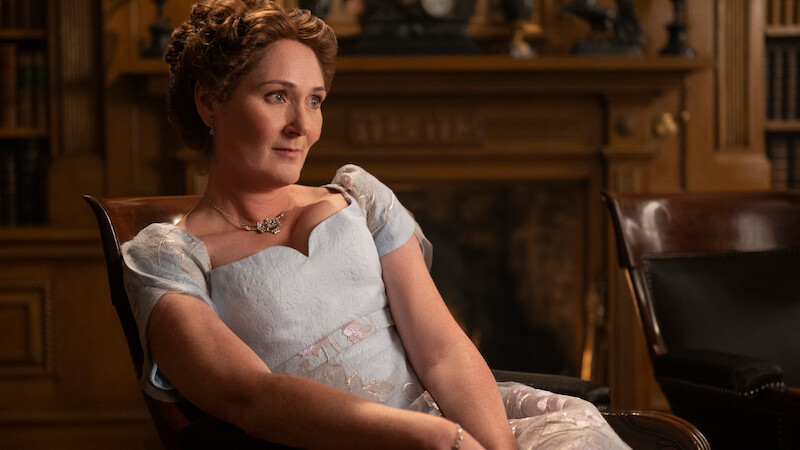
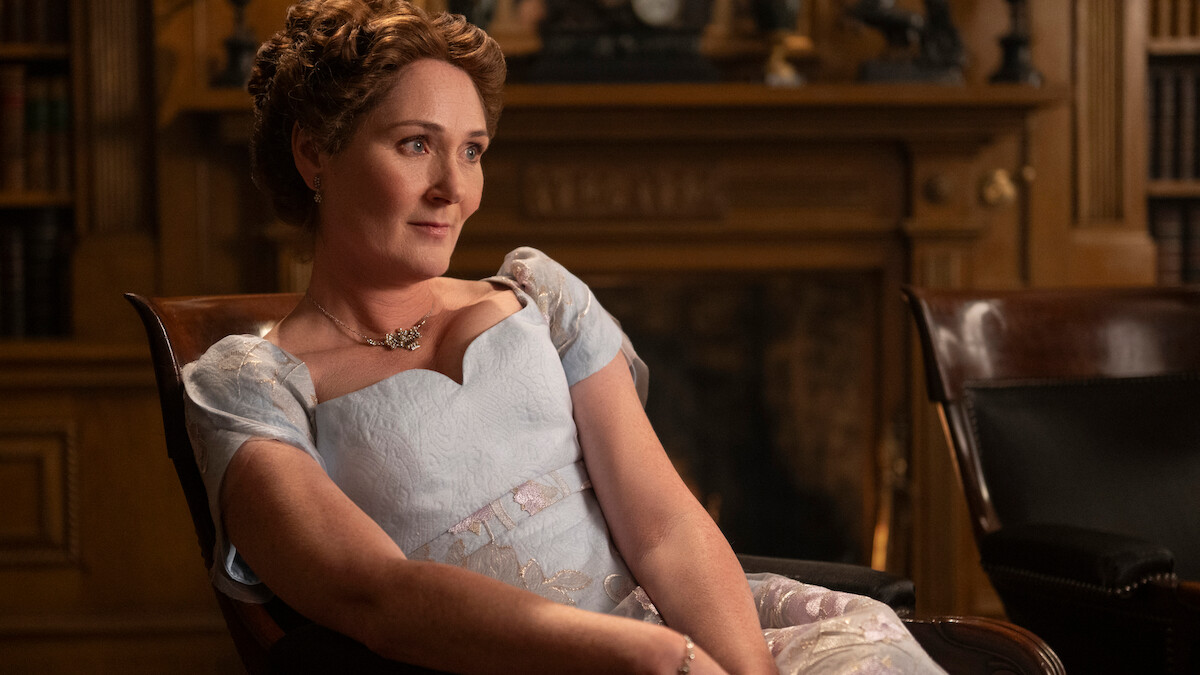
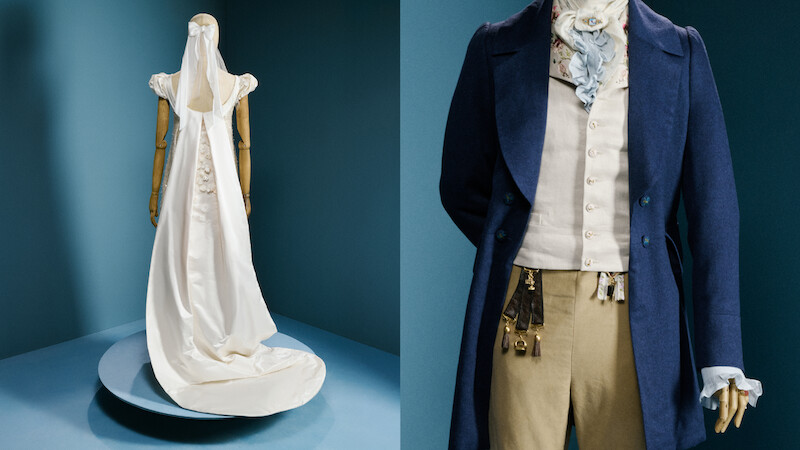
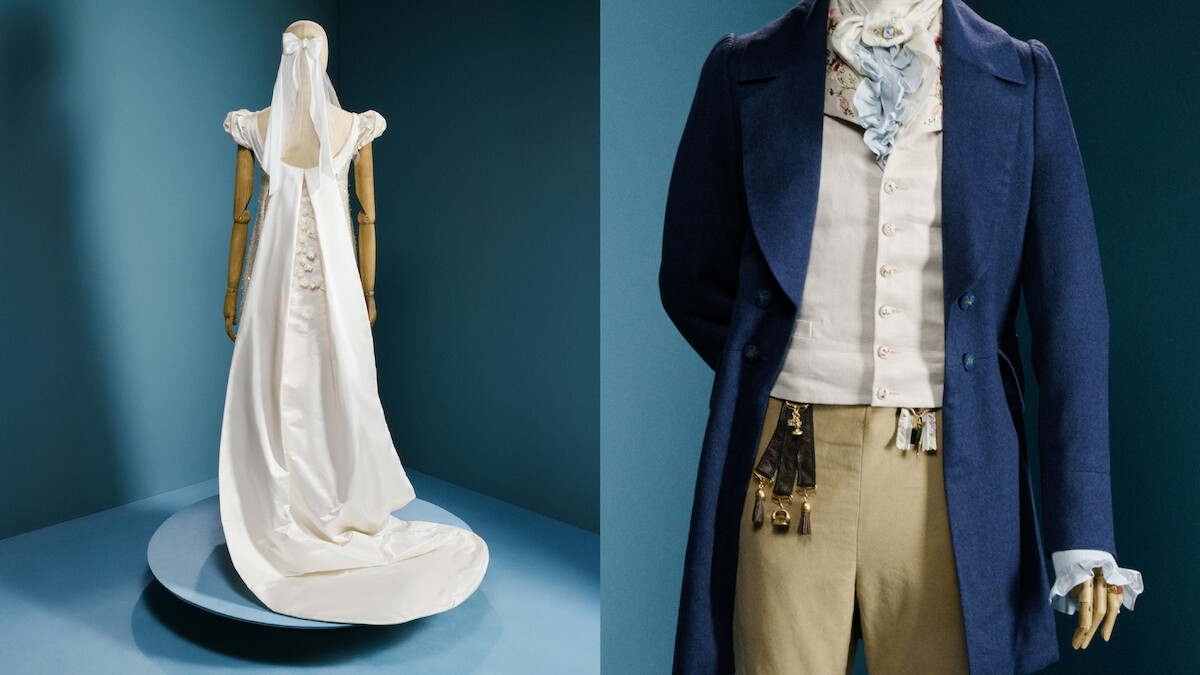
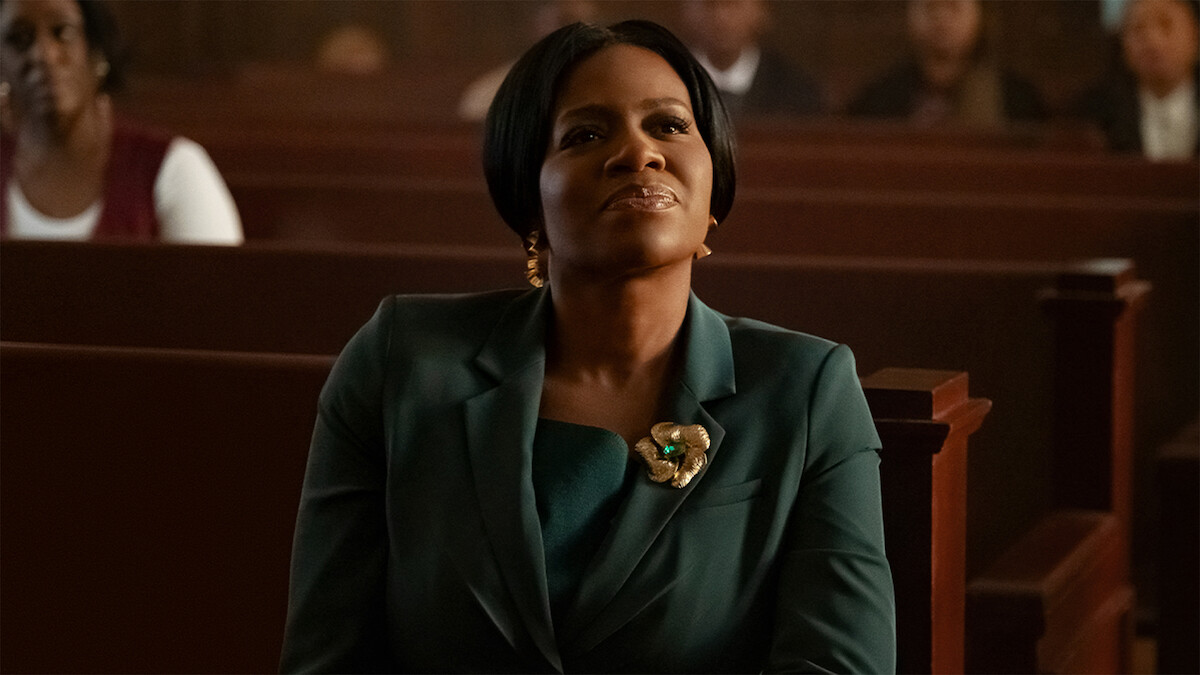
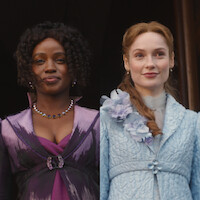
You can see the harsh cultural separations of the ton in the Queen Charlotte series premiere, which features young Queen Charlotte and young King George’s wedding day. On one side of the chapel is the established, white section of society who prefers “heavier fabrics, duller colors” and heavy appliqués; on the other is the new ton — they are “way more stylish,” according to costume designer Lyn Elizabeth Paolo.
“We elevated the new ton with brighter colors in their costumes,” Paolo told Netflix. The new ton also prefers organzas and other lighter weight fabrics, along with “cooler hair pieces.”
🤐 SPOILER ALERT 🤐
While there are severe sartorial schisms between the two halves of the ton at the start of Queen Charlotte, the landscape begins to change as young Queen Charlotte and young King George’s love brings society together. “By the end, it’s all blended. The old aristocracy is dressing more like the new ton,” Paolo said.
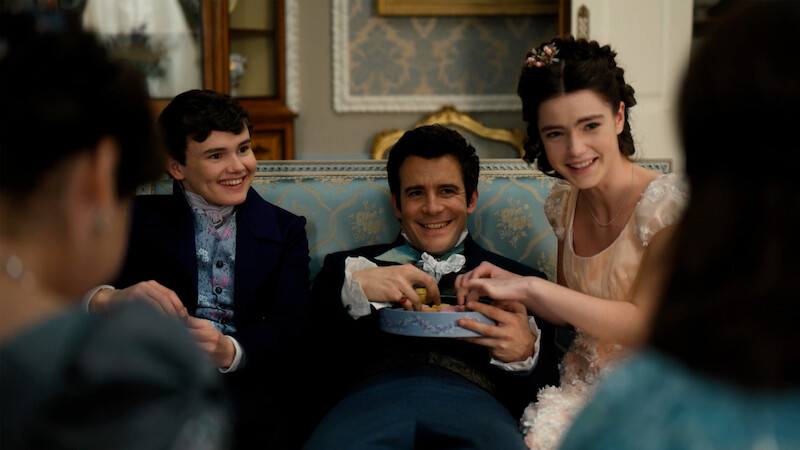
In Episode 3, young Lady Danbury’s husband Lord Danbury (Cyril Nri) dies, leading to questions about the future of the Great Experiment. Will the Danburys’ son Dominic (Isaiah Ajiboye) become the next Lord Danbury — or will the family’s title (or peerage) revert to the crown?
Yet, as Bridgerton fans know, the Great Experiment succeeds, leading to the integrated society of the Regency era. On Bridgerton, everyone wants an invitation to Lady Danbury’s (Adjoa Andoh) opening ball of the season, and a Duke like Simon Basset (Regé-Jean Page) can be the most eligible bachelor of the year.
“[Queen Charlotte] is about change being hard,” Beers said. “What [the character] Queen Charlotte deals with, and a lot of what the show deals with, is that growth and change don’t come without pain and suffering.”
You can watch the Bridgerton universe evolve before you very eyes when you watch Queen Charlotte: A Bridgerton Story, now streaming.
Additional reporting by Chris McPherson.