Culture
The Five Most Incredulous Facts from “The Puppet Master”
What a wild ride indeed.
By Diedre Johnson
Feb. 1, 2022
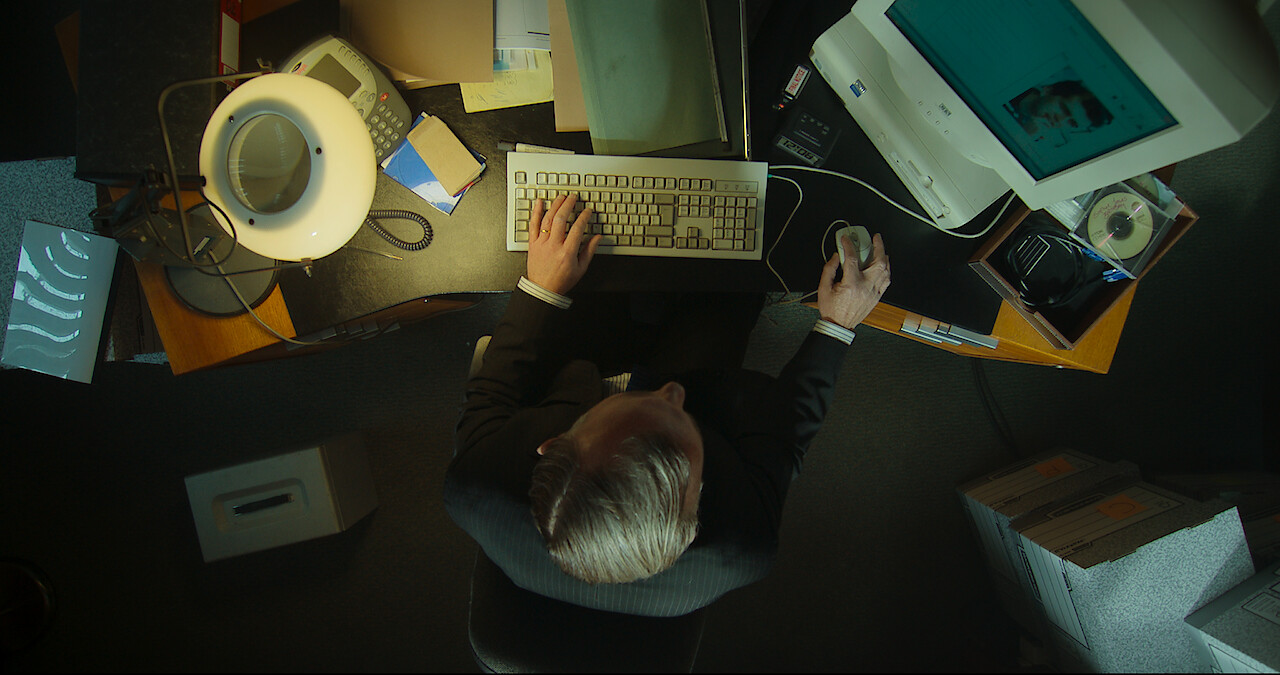
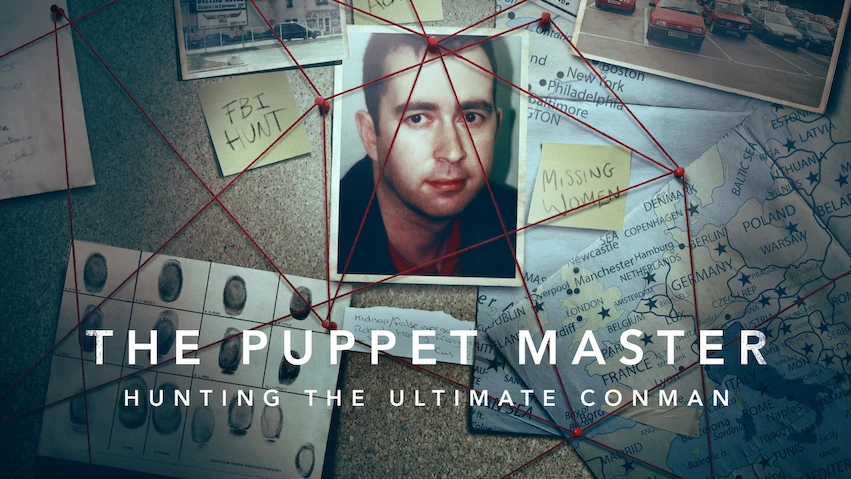
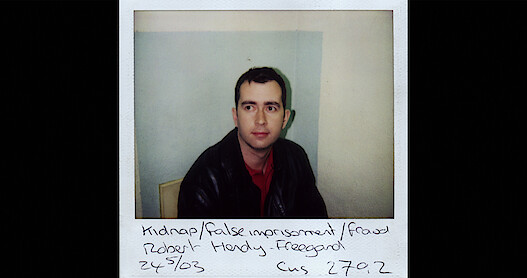
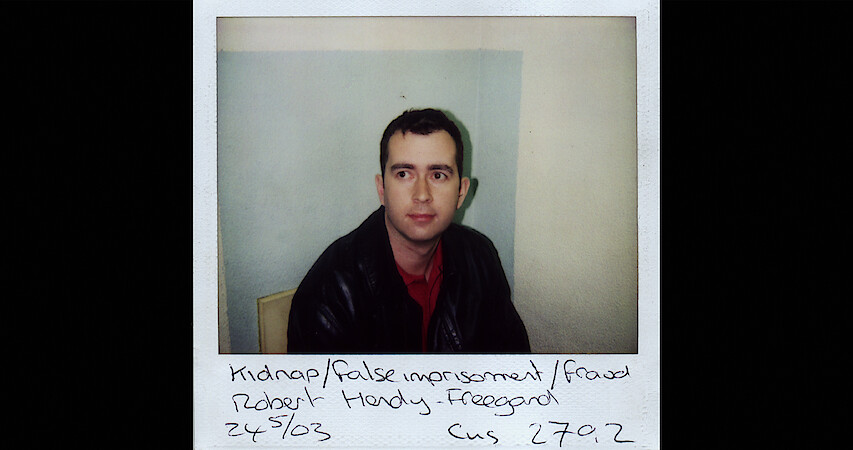
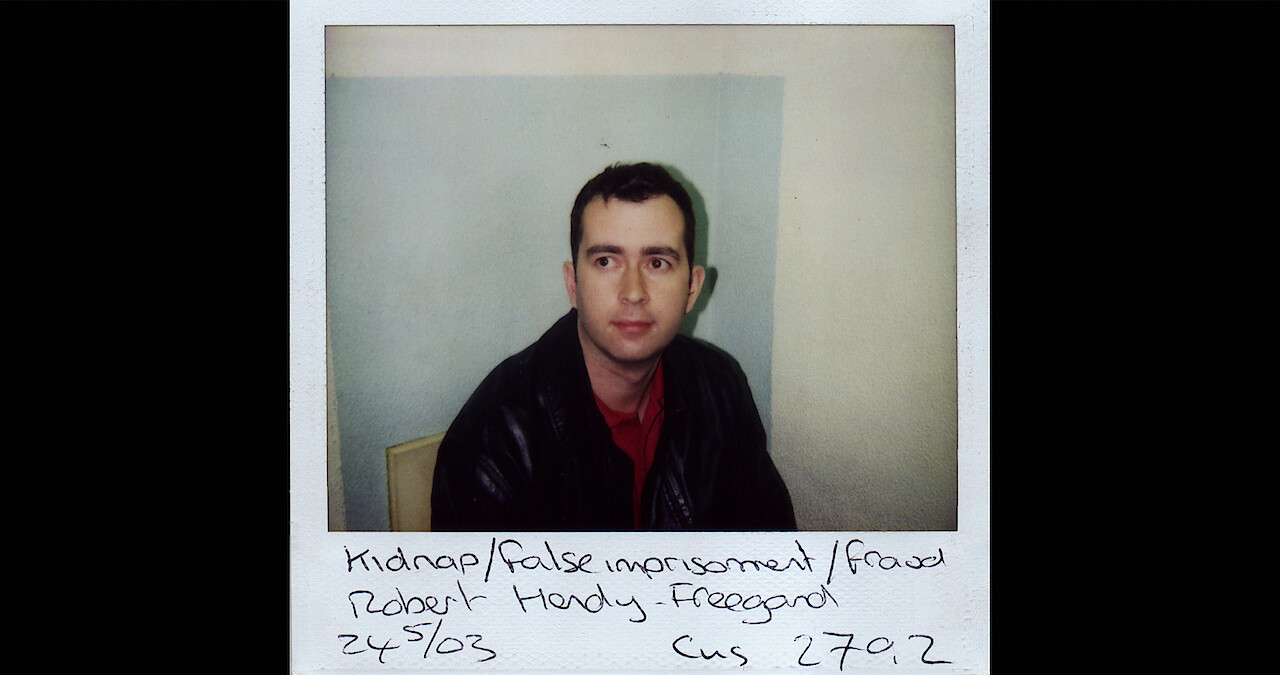
In the 1990s and the early 2000s, Robert Hendy-Freegard, aka David Hendy, was a con man who ruined numerous lives while posing as an MI5 agent in Europe. He spent 10 years emotionally manipulating his victims into giving him their money, their trust and eventually their freedom by running away with him. He was convicted of kidnapping, theft and deception and sentenced to life in prison in 2005, but after an appeal, got his kidnapping conviction overturned after serving nine years. It’s hard to say what’s worse, the fact that he was able to get away with it for so long or the fact that he was set free. But his eventual release is just one of many surprises from the new Netflix true-crime series that takes you on the chilling journey of Freegard’s psychological games.
Below are five facts from the series that are surprising, frustrating and maybe a bit hard to believe.
It took the police forever to catch him.
The most surprising fact may be that he was able to get away with it for so long! Freegard’s victims believed in him.They were emotionally involved and willing to do whatever he said based on his lies. Once in his clutches, victims would rapidly be moved from location to location, city to city, country to country, allegedly because the IRA was out to get them. Freegard would get his victims to use aliases, and eventually he’d separate them so that they didn’t have each other to rely on.
London Metropolitan Police Detective Sergeant Bob Brandon worked the case and features in The Puppet Master. In the documentary, he says Freegard actually acted like a spy, making it hard to trace him. “He’d switched out his phones, linked out of his address and he was on the run… It was like chasing a ghost,” he says.
Freegard was eventually brought to justice when Scotland Yard, along with the FBI, apprehended him at Heathrow Airport in London. He was with his latest victim at the time.
Freegard was able to psychologically manipulate… a psychologist.
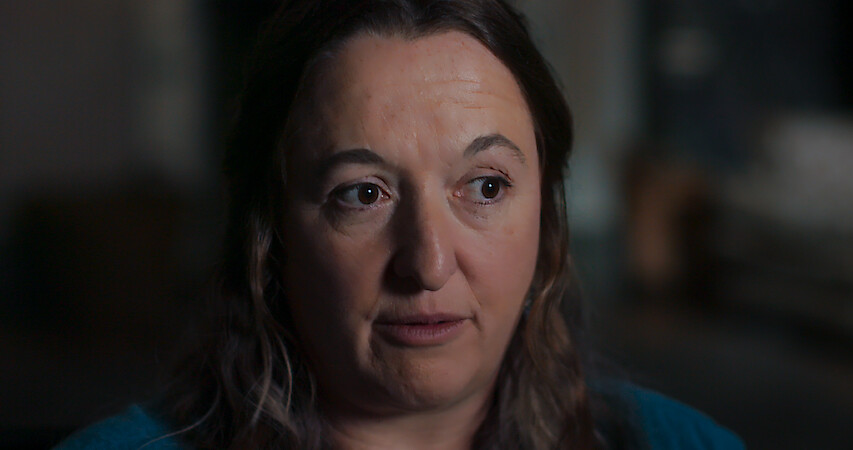
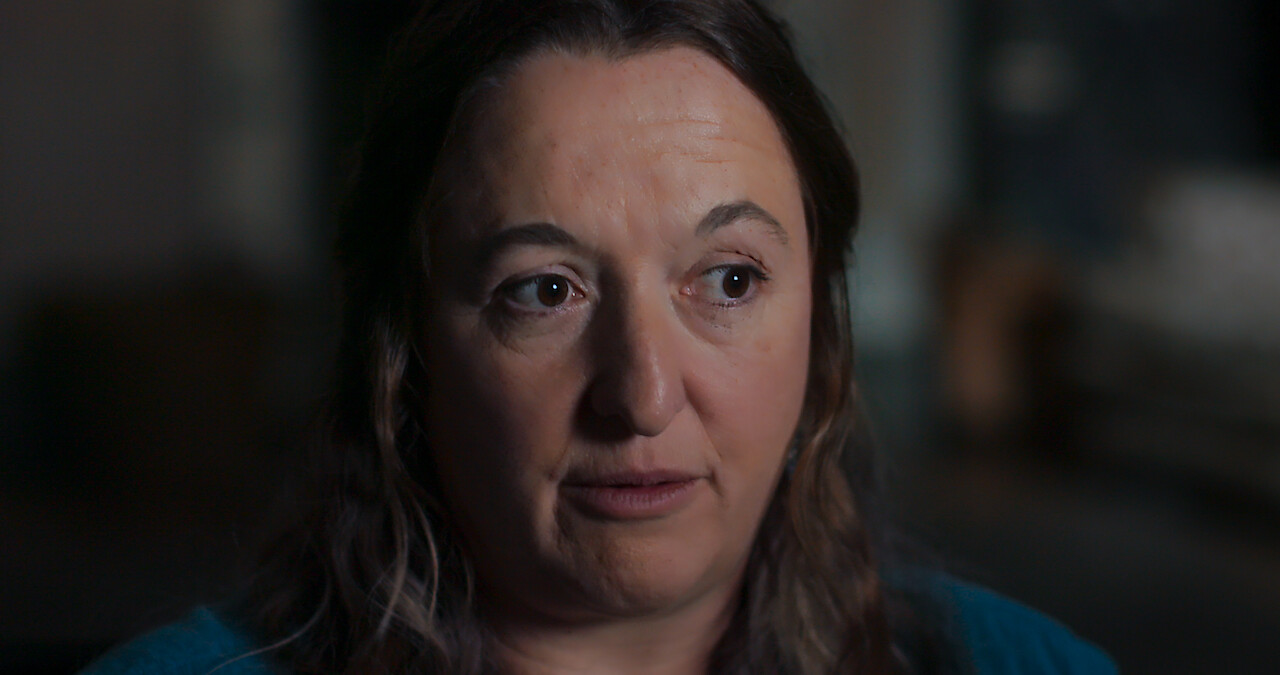
Kim Adams, Freegard’s only known American victim, was a child psychologist when she met him after she moved to London. Somehow, she failed to observe the disturbed mind of her new boyfriend. Adams fell in love with Freegard, who was then working as a car salesman, and soon they were engaged. After he proposed, Freegard convinced her to give up her career and train to become a spy. The catch was this so-called “spy school” was really expensive. So who to ask? Her parents, of course. Adams’ stepfather had won part of a group lottery and his winnings were reportedly in the millions, which must have been very attractive to the puppet master.
A victim-turned-girlfriend gave birth to two of his children while on the run.
Former college student Maria Hendy actually gave Freegard one of his alias surnames. He took her last name after making her his common-law wife, often leaving her alone for weeks at a time in a flat with no money for food. She eventually gave birth to two children, girls, while with Freegard. However, he still treated her horribly, so much so that she was once evicted while he was on one of his….er, trips for the agency.
Freegard first met Hendy while working in a pub in Newport, UK in the 1990s. Unknowingly, she became a victim of what might’ve been Freegard’s longest con: the manipulation of herself and her college friends, John Atkinson and Sarah Smith. All three were conned into believing that their lives were in danger. Freegard convinced Atkinson that a friend’s recent death was not an accident and that the three of them all had to leave the area with him and to live incognito.
Duran Duran provided the soundtrack for Freegard’s getaways.
One lie that Freegard would sometimes tell potential marks was that he was related to Duran Duran bassist, John Taylor.
Freegard was fond of the British band and, according to the documentary, he played “Ordinary World” on repeat in the car while making his getaway with Hendy, Atkinson and Smith.
Was it a clever way of brainwashing them by allowing his victims to hear the song again and again and associate it somehow with running away?
Sarah Smith despised Duran Duran songs by the end of her ordeal and says in the documentary that the music was a nightmarish reminder of that awful time. If she hears the “Ordinary World'' today, she’s right back in that frame of mind.
Freegard was sentenced to life in prison but he was eventually released.
After his conviction, the argument of Freegard's 2007 appeal was simple: His victims were not kidnapped because they willingly agreed to go and he did not physically force them to stay. In other words, they were under an emotional, psychological hold but not a physical one. The two kidnapping counts against Freegard were cleared. So although some of his prey had been told that their lives were in danger and that the only way out was to run, break ties with everyone they knew, give up and/or find money to give to the cause (i.e. Freegard), deprive themselves of their rights as citizens and possibly face starvation, it wasn’t enough of a crime for a life sentence. Wow.