Everett Collection
Guide
A Complete Timeline of the ‘Texas Chainsaw Massacre’ Films
We’re here to guide you through every version of TCM.
By Reyna Cervantes
Feb. 4, 2022
In 1974, an icon was born. No, not Leonardo DiCaprio, but a much darker type: Leatherface. In the pantheon of iconic slasher villains such as Jason, Freddy and Michael Myers, Leatherface has always stood out. While classic horror franchises often try to stay true to their original timelines, Leatherface, and his place in the Texas Chainsaw Massacre series, has always had a tendency to slam the reset button. Now a new Texas Chainsaw Massacre film is coming to Netflix, refreshing the horror classic for a new generation.
While still a direct sequel to the first film, for the first time in the series’ complicated history, this incarnation will feature the return of a character that isn’t Leatherface. For those wondering how to dive into this new installment without having a full history of every film that came before it, fear not: We have your complete TCM history right here.
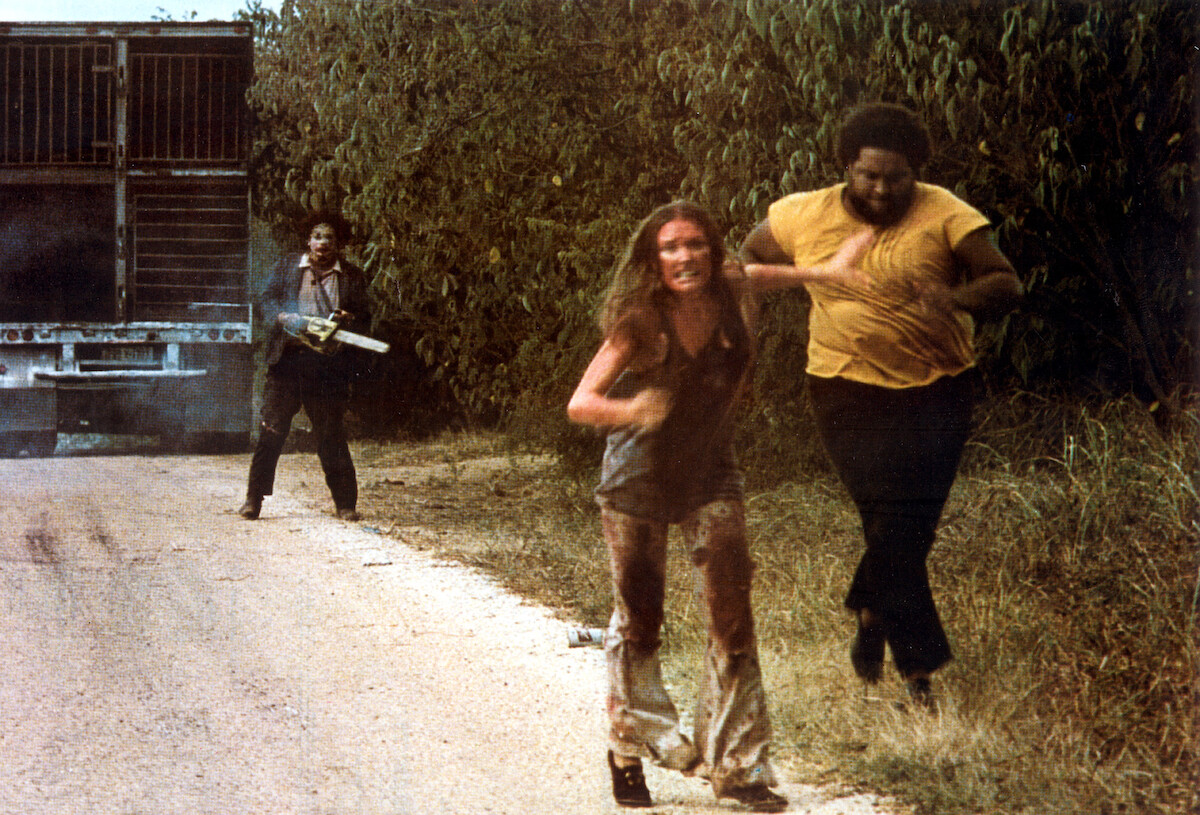
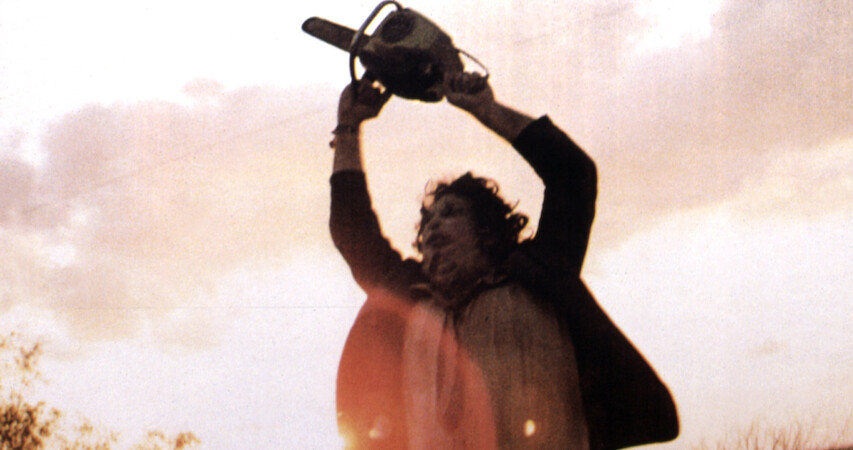
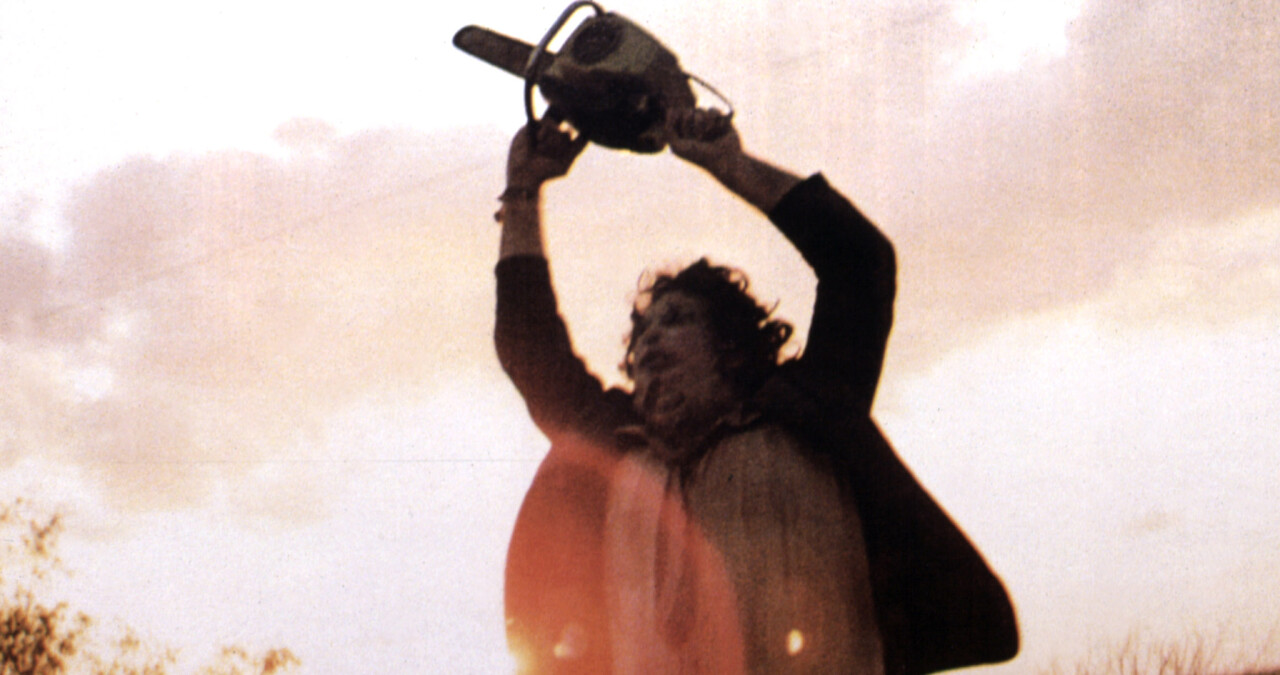
Directed by Tobe Hooper, the original Texas Chain Saw Massacre came out when the slasher genre didn’t really exist. The film follows Sally Hardesty (Marilyn Burns) and her wheelchair-bound brother Franklin (Paul A Partain) as they travel to rural Texas. Along with two other friends, they journey to check on their grandfather’s grave begins after hearing reports of grave robberies and vandalism in the area. While there, they decide to swing by the old Hardesty home place, and then they realize they're low on gas. Unfortunately, Leatherface and the rest of the deranged, cannibalistic Sawyer clan are waiting on them. Inspired by the real-life crimes of notorious killer Ed Gein, the original Texas Chain Saw Massacre offers audiences a more brutal brand of horror, and it created a subgenre in its wake.
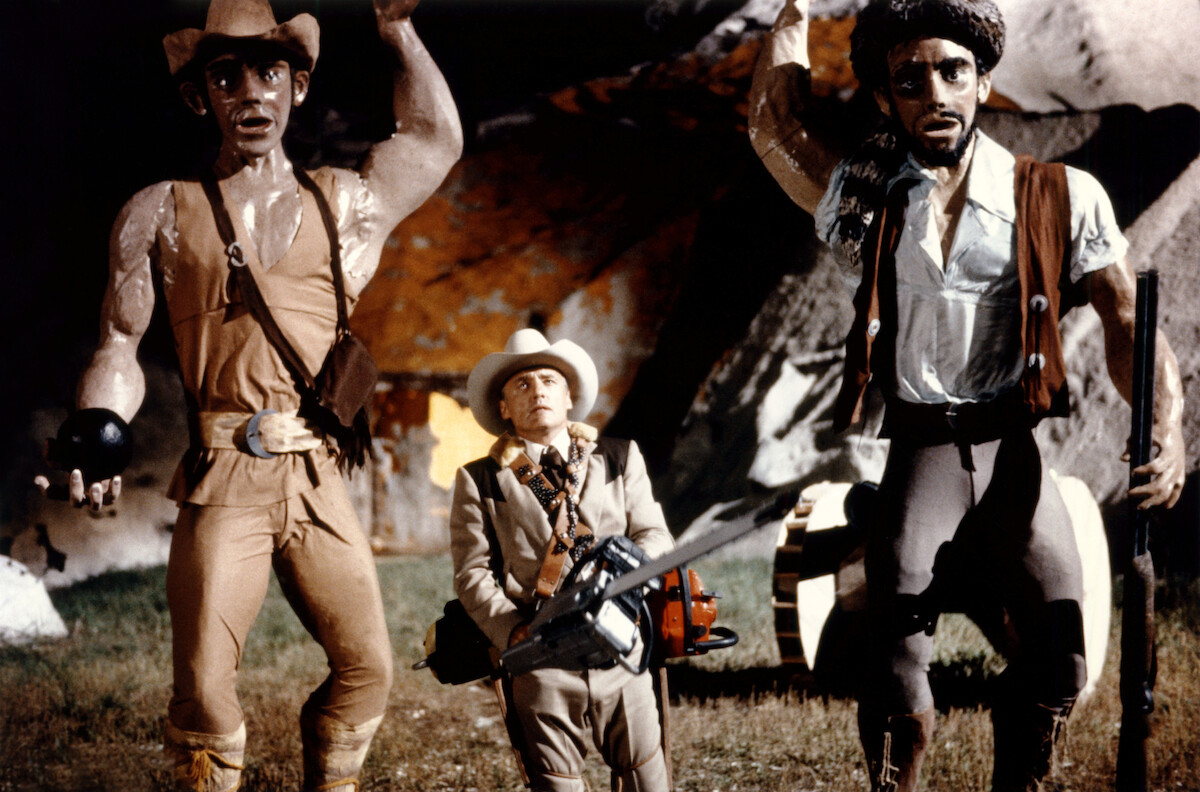
Tobe Hooper returned to the director’s chair to give audiences a sequel 12 years in the making. Critical of how audiences didn’t pick up on the dark humor of the original film, Hooper decided to double down on comedic elements. This time, the story follows a radio DJ (Caroline Williams) and a disgraced Texas Ranger (Dennis Hopper) as they hunt down the Sawyer family on a killing rampage. The Texas Chainsaw Massacre Part 2 wasn’t very well received upon release, but in recent years, the film has managed to build a dedicated cult following.
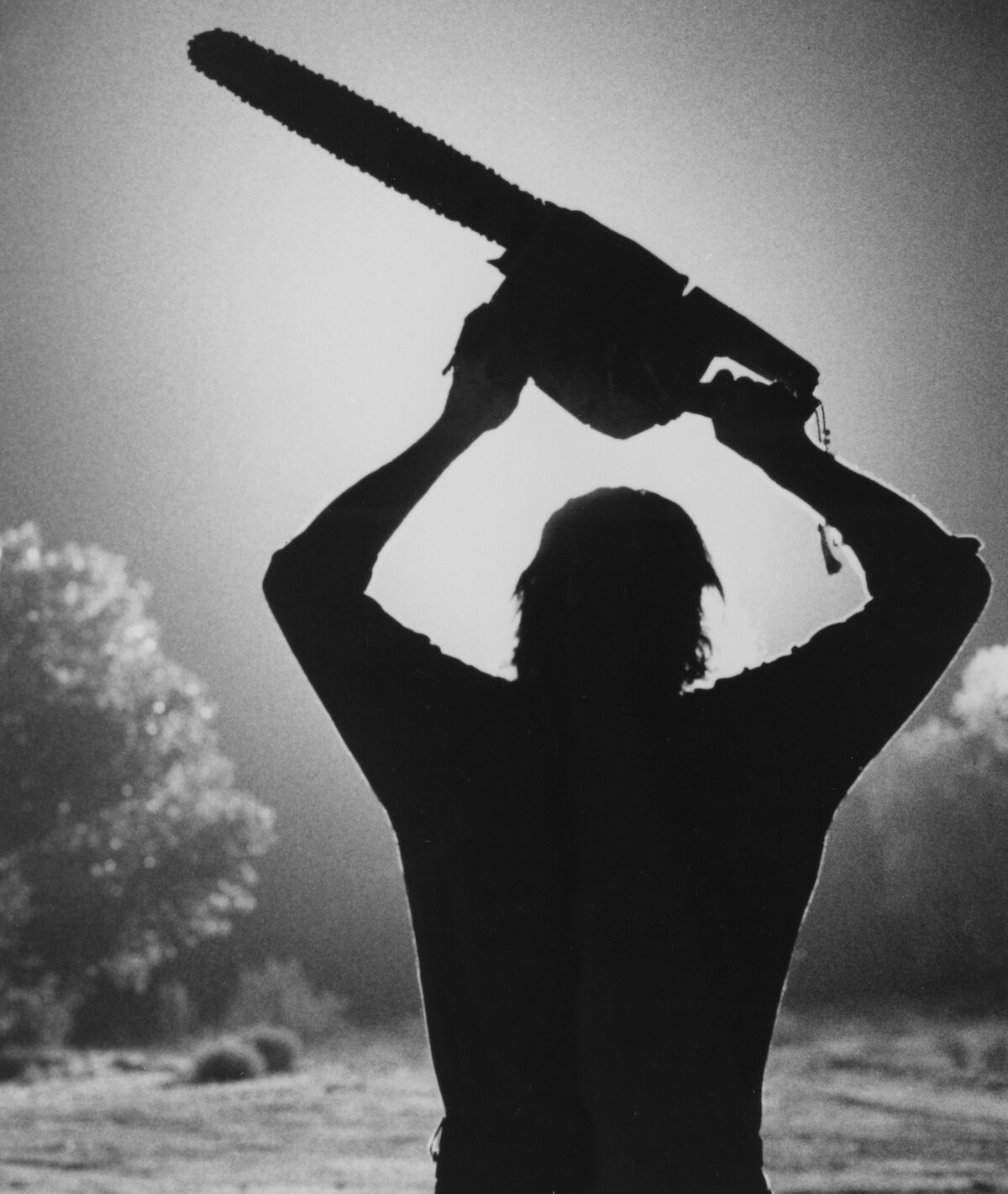
Jeff Burr was the first director of Texas Chainsaw after Tobe Hooper, and New Line Cinema took on the TCM remake to build its horror roster. Named after the famous slasher (see also: Jason Goes to Hell: The Final Friday and Freddy’s Dead: The Final Nightmare), this film takes on a wildly different tone. It follows couple Michelle and Ryan (Kate Hodge and William Butler) and survivalist Benny (Ken Foree) as they go toe-to-toe with the sadistic family of serial killers. Gone is the humor of the last installment, and instead Leatherface is given an unconfirmed daughter (?!) and a weapon upgrade in the form of a giant silver chainsaw known as “Excalibur.”
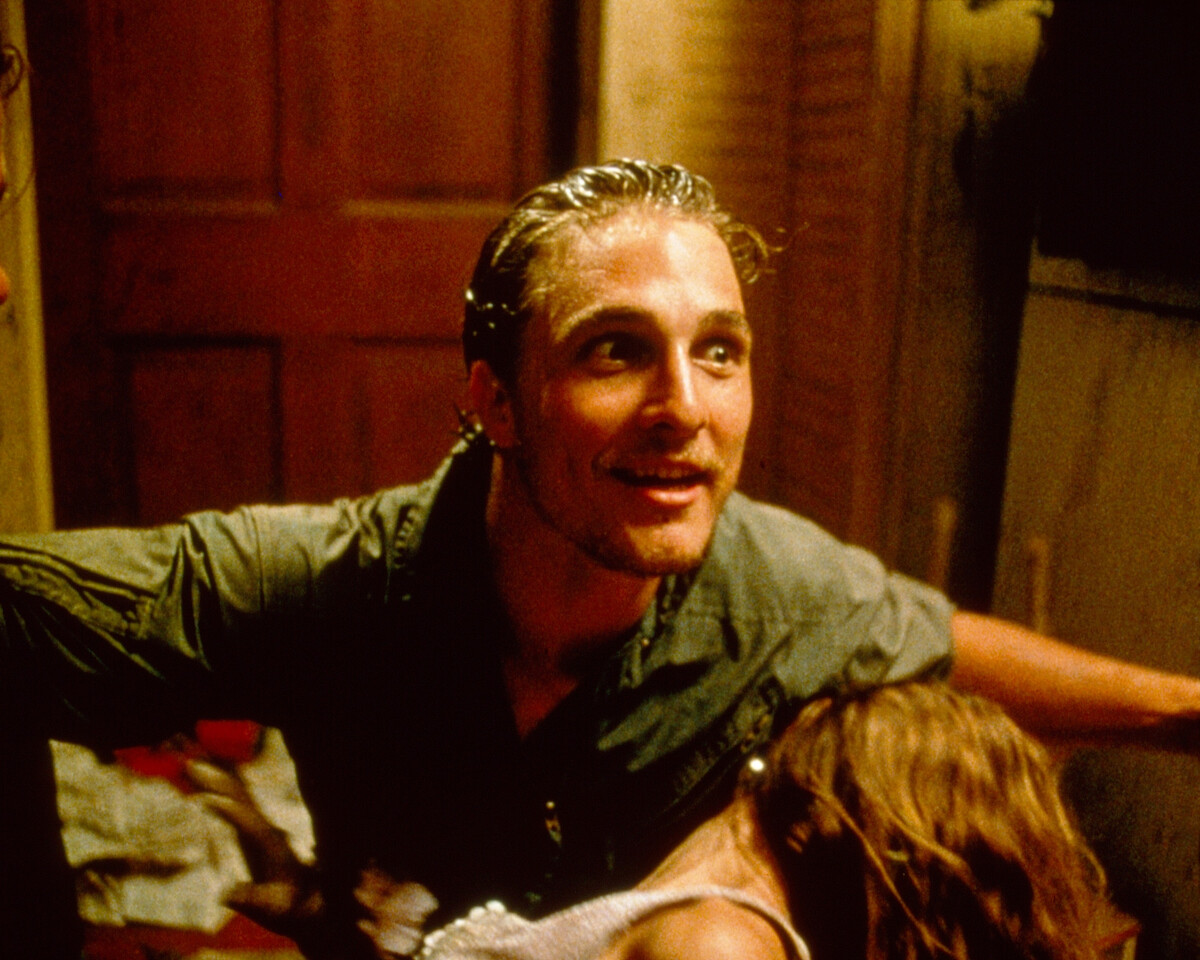
Directed by Kim Henkel, screenwriter of the original film, The Next Generation has a reputation for being one of the stranger horror films of the ’90s. Ignoring the previous two sequels entirely, this partial reboot follows Jenny (Renée Zellweger) and her friends as they leave their high school prom and get into a car accident. The group then encounters a crazed tow truck driver, Vilmer (Matthew McConaughey), who leads them to his unhinged family — including a cross-dressing Leatherface. This echoes Leatherface in the original 1974 film, in which he appears in makeup and holds a purse during the dinner sequence at the end. Featuring robotic legs, zero chainsaw deaths and a subplot about a secret society that might be controlling Vilmer and his family (?!) Texas Chainsaw Massacre: The Next Generation blurs the line between reboot and parody. (And, it has a few original cast cameos for the real fans.)
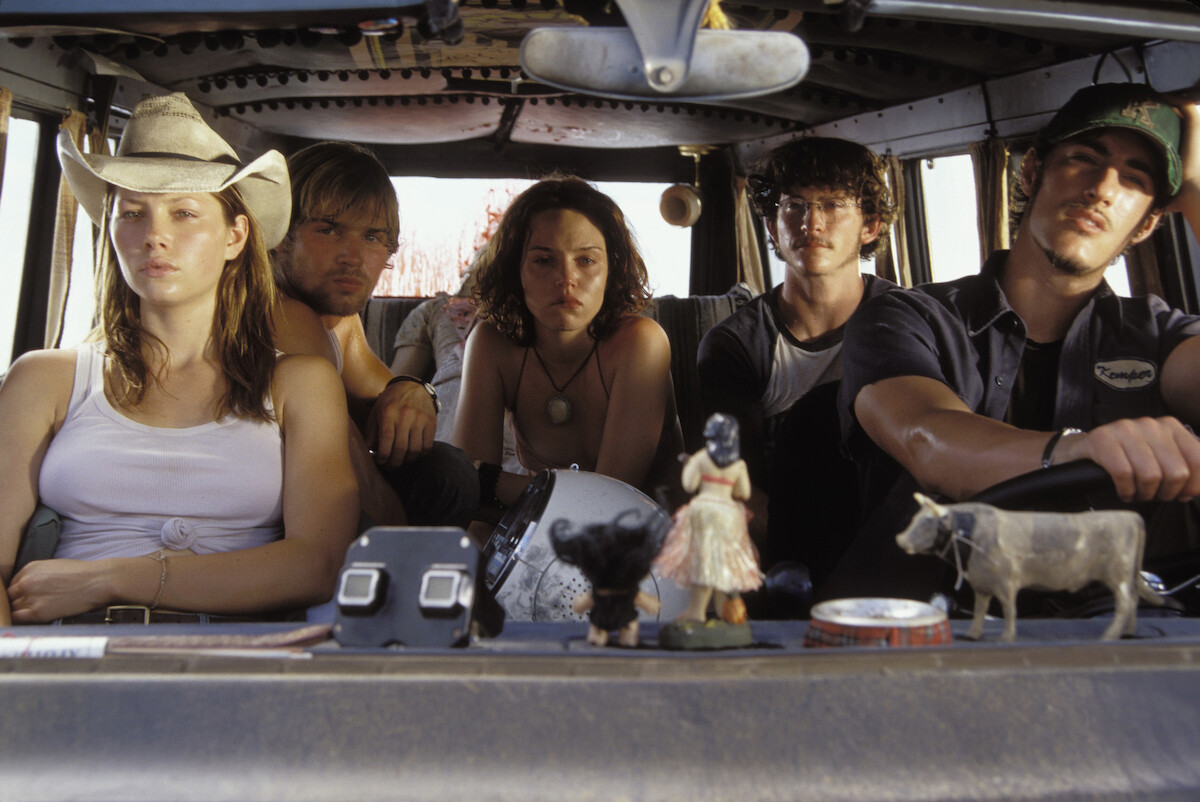
In 2003, director Marcus Nispel delivered yet another dark reboot — this time focusing on pure adrenaline-filled horror. Featuring an entirely new story, the film follows Erin (Jessica Biel) and her friends on their way to a Lynyrd Skynyrd concert. After picking up a hitchhiker, the group encounters the local sheriff (R. Lee Ermey) who, unbeknownst to them, is the patriarch of the violent (and now renamed) Hewitt family. Despite using the same cinematographer, the movie trades the artistically lit grit of the original film for an ultra sleek look. It features perhaps the series’ most vicious Leatherface of all time. The film was a huge box office success and is often credited with kick-starting the remake craze in horror films for most of the 2000s.
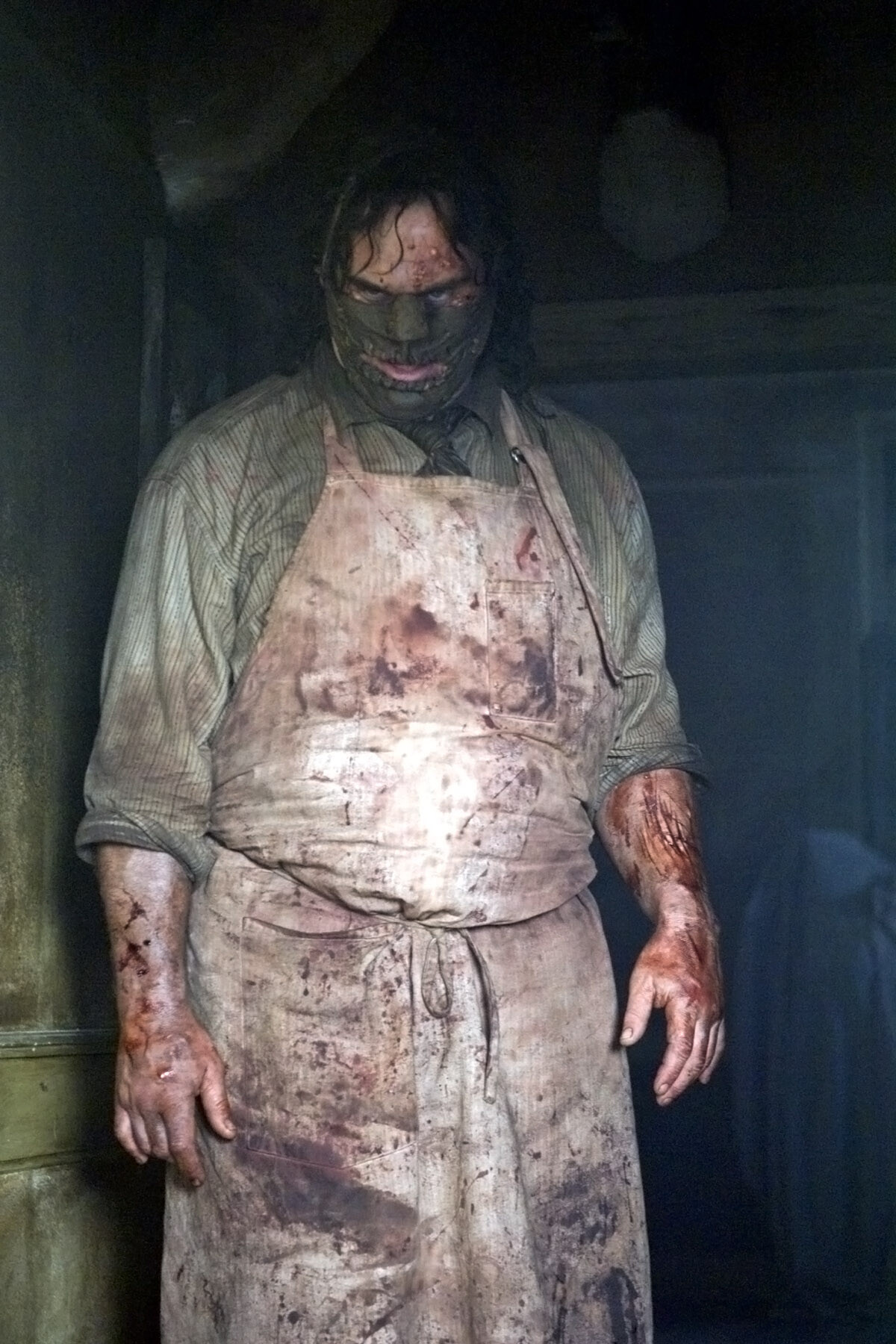
Hot off the success of the 2003 reboot, a prequel to the new Texas Chainsaw Massacre was put into production. Featuring a new set of teens traveling through Texas — all with ties to the Vietnam War — the real meat of the story is the downfall of the Hewitt family — including a Leatherface who wears wraps before eventually donning his trademark skinned face mask. In perhaps the goriest of all the films, we’re given backstories to members of the Hewitt family that include explanations of their cannibalism and their physical features. The teens come face-to-face with the not yet infamous Hewitt family and their butcher son, Leatherface.
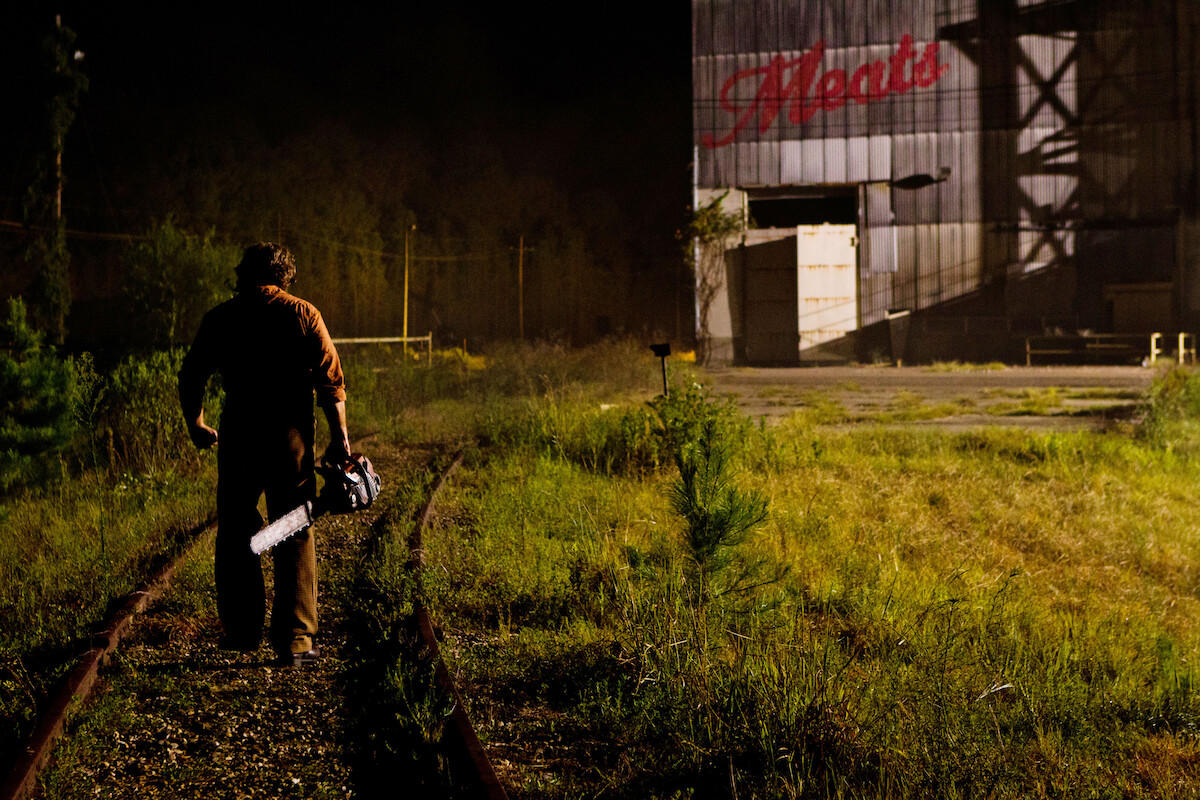
After The Beginning produced less than desirable box office revenue and fan reception, the rights to the franchise were once again handed off. This time, Lionsgate attempted to clean up the series by creating a direct sequel to the original 1974 film. Starring Alexandra Daddario and directed by John Luessenhop, 3D follows Heather (Daddario) and her friends as they travel to Texas to collect her inheritance. Eventually, they encounter — you guessed it — a chainsaw-wielding lone wolf Leatherface. Filmed and originally shown in 3D in theaters, Texas Chainsaw 3D is notable for featuring the slasher icon in more crowded spaces, such as a carnival and a slaughterhouse. The film has a prologue that picks up mere hours after the original ends.
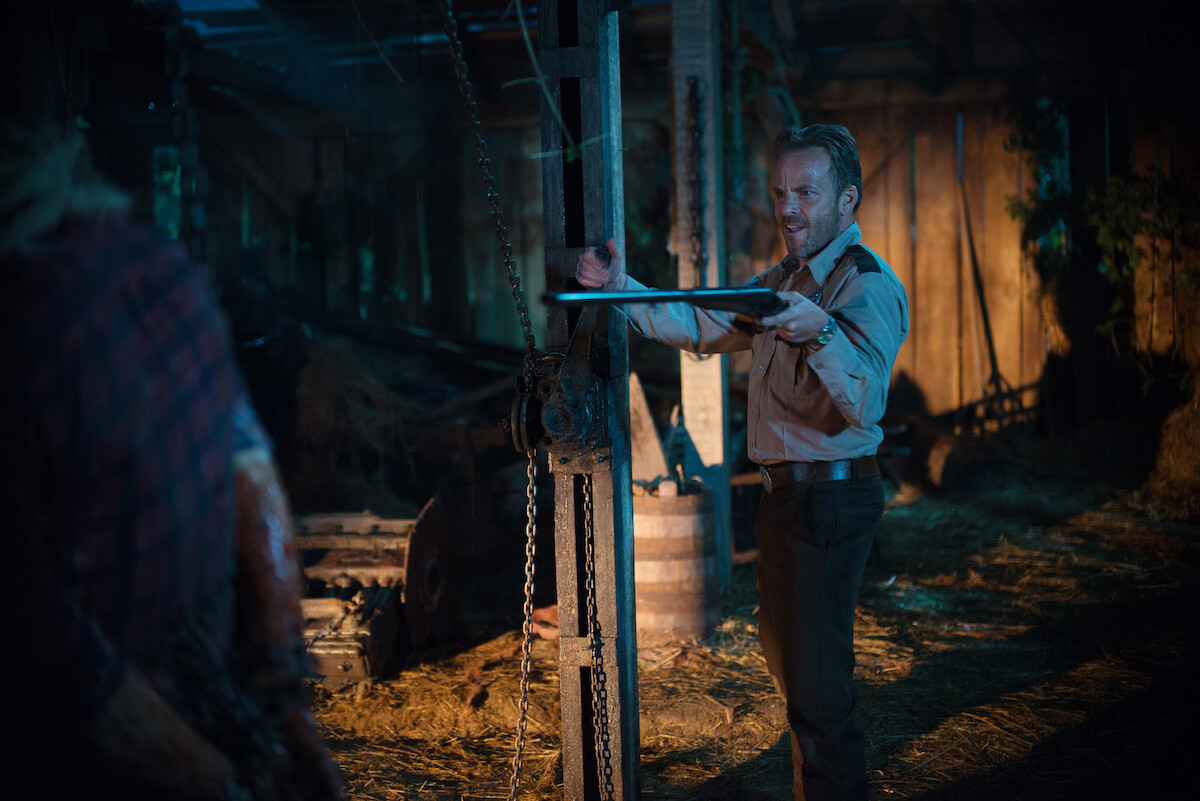
Set in the 1950s, Leatherface provides a prequel to the original 1974 film and Texas Chainsaw 3D, forming a standalone trilogy. Taking an even darker twist, the film follows a group of young men as they escape from a mental asylum and take a nurse hostage. It’s not revealed until the final act that one of these former asylum patients grows up to be Leatherface. Leatherface was a new take on an established mythos. It echoes earlier entries in the series with a focus on gore effects and tension as its main source of fear. Unfortunately, after numerous release delays and a limited release, this remains one of the least watched in the series.
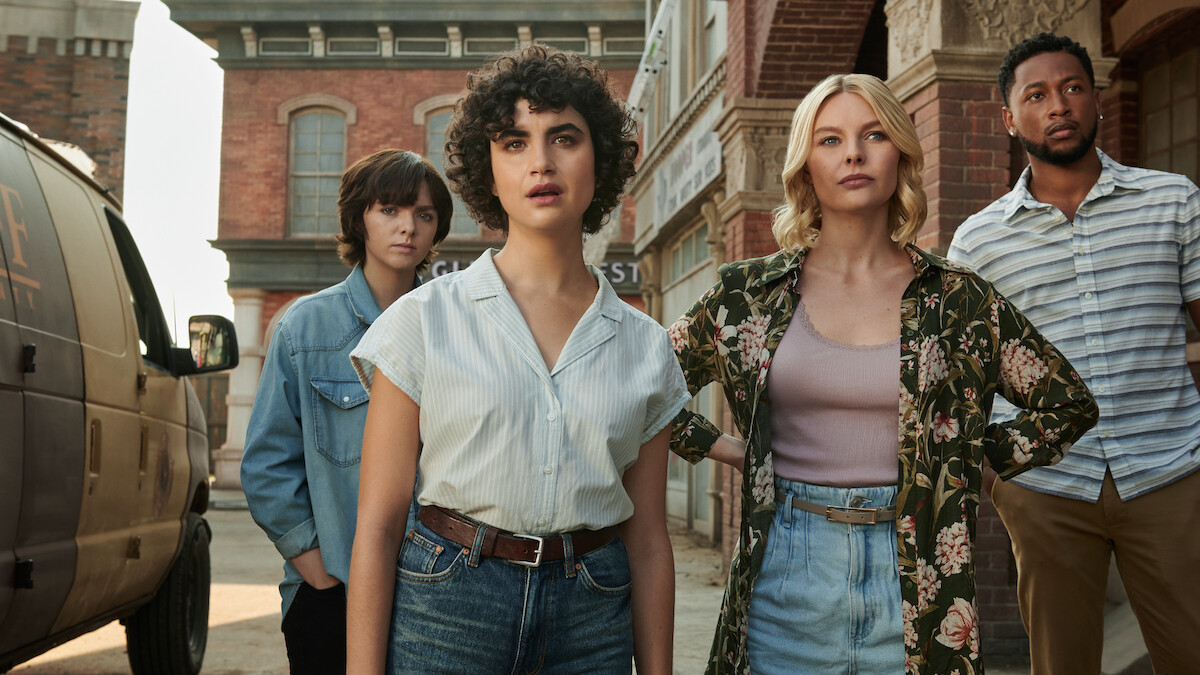
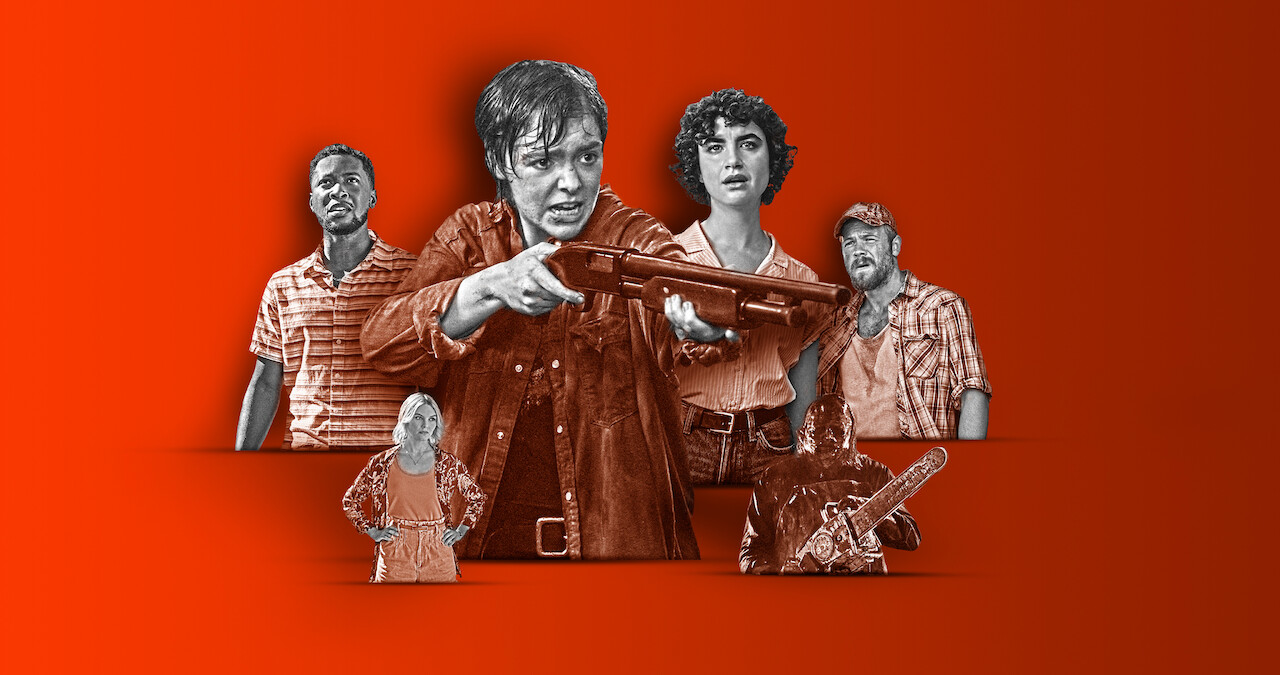
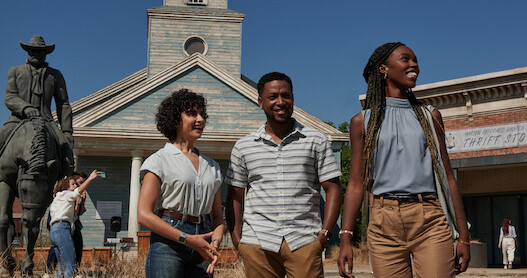
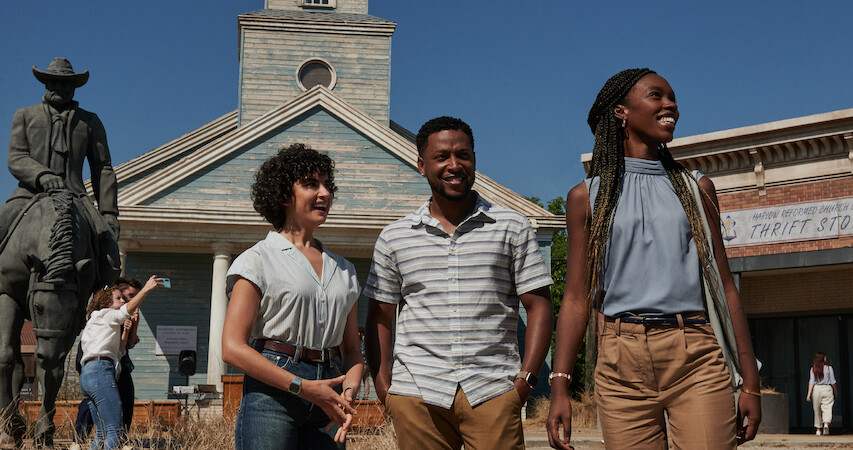
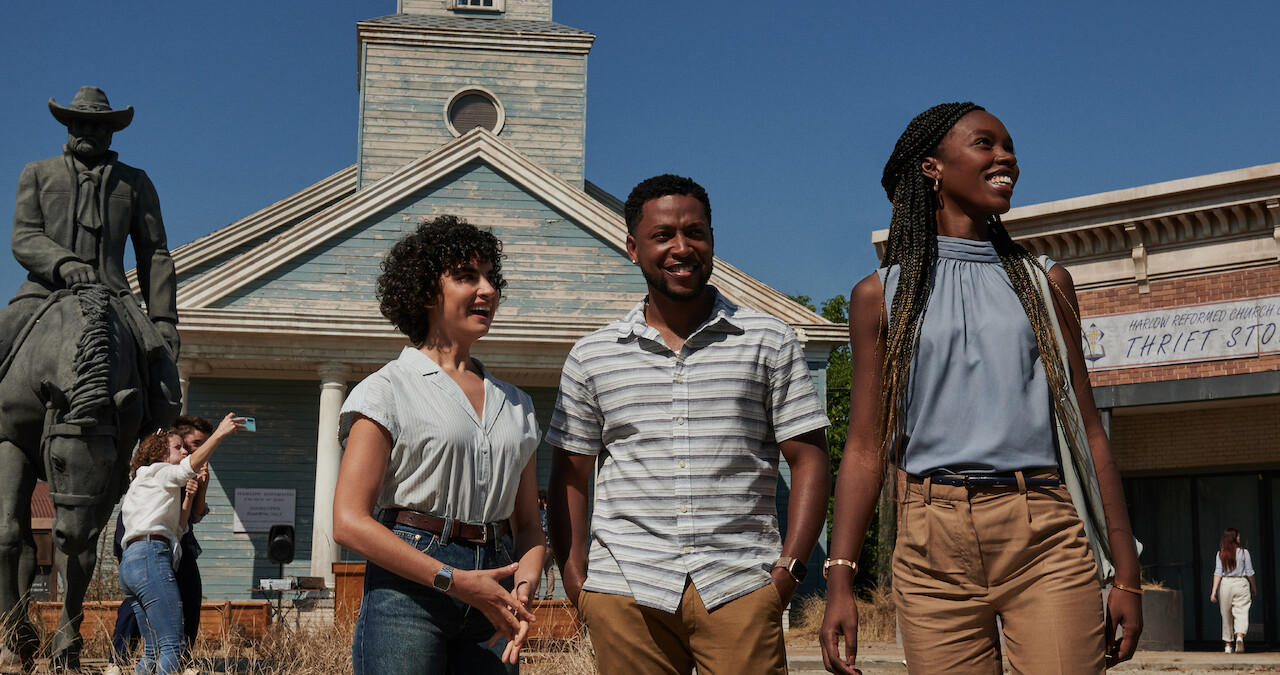
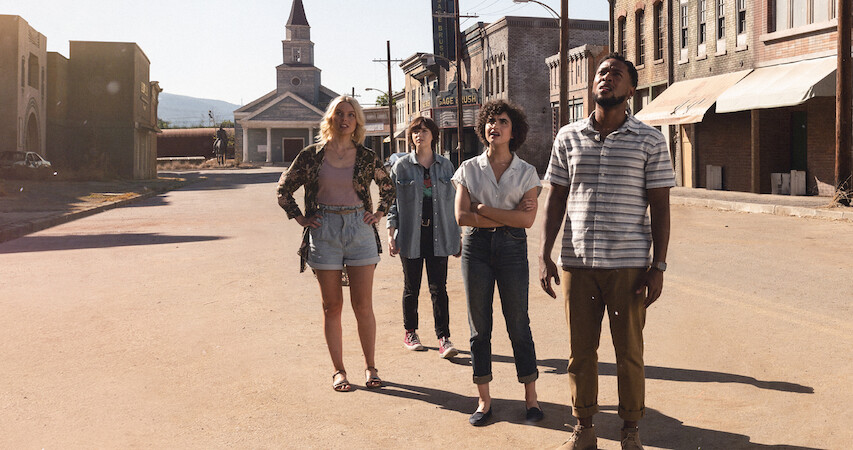
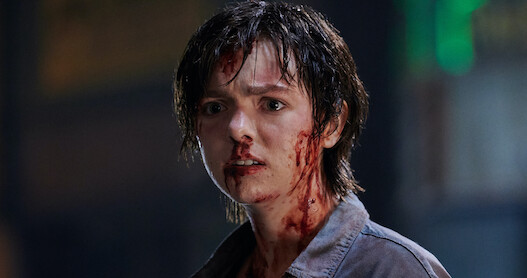
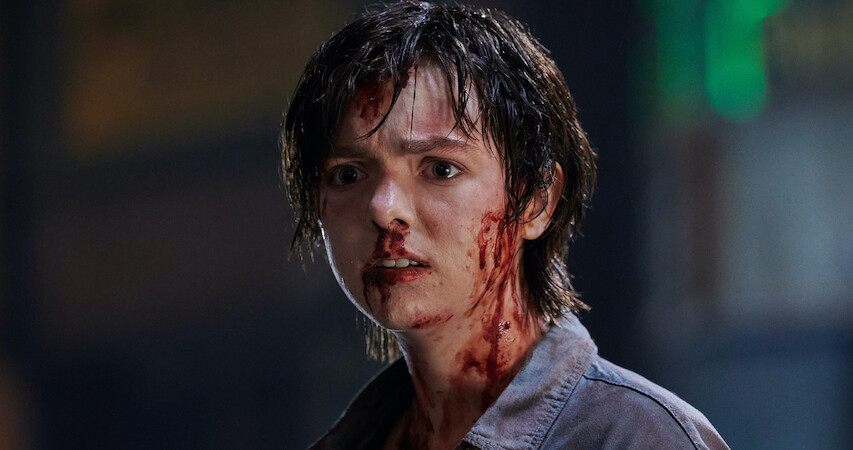
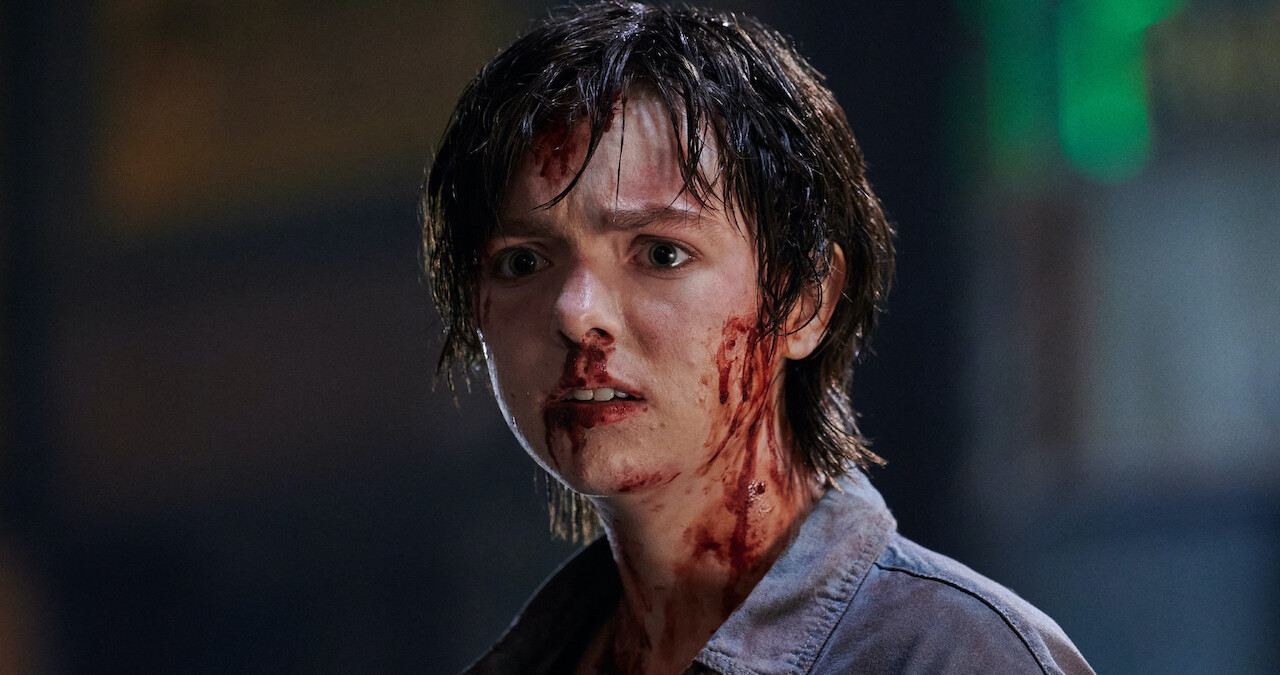
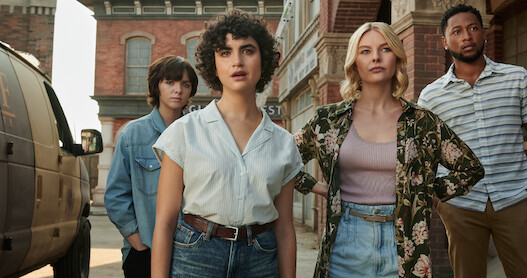
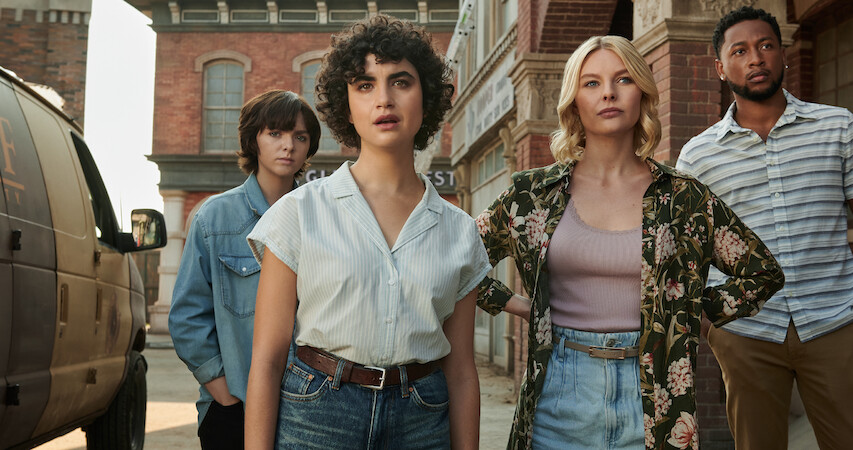
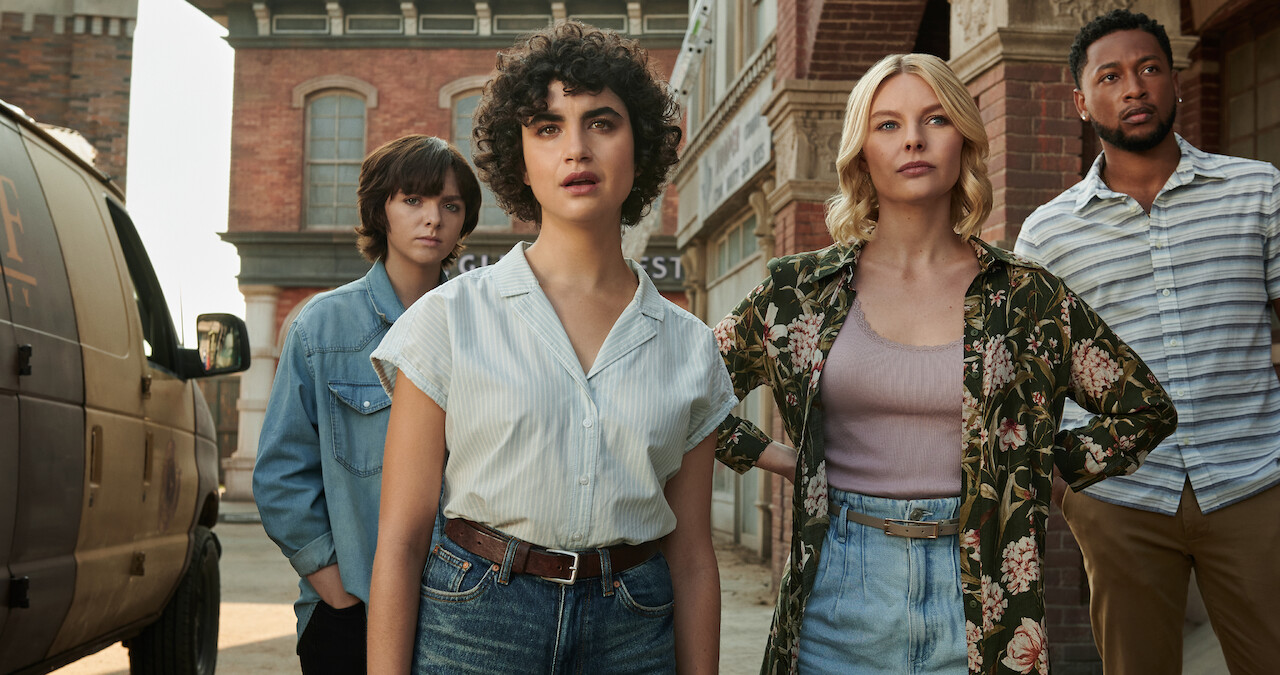
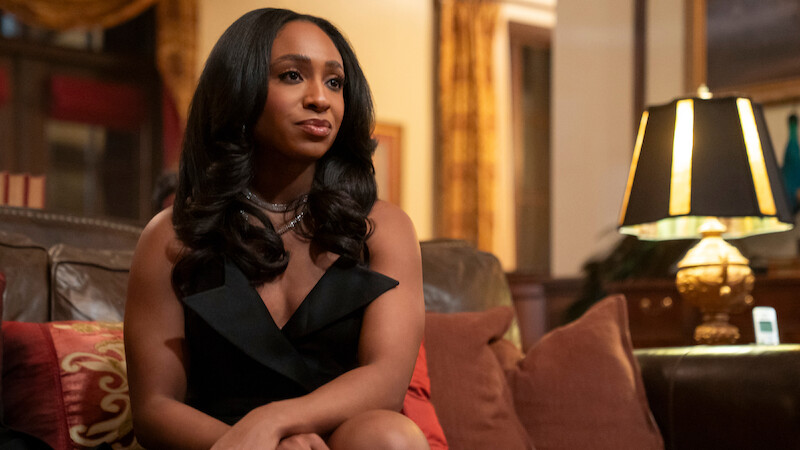
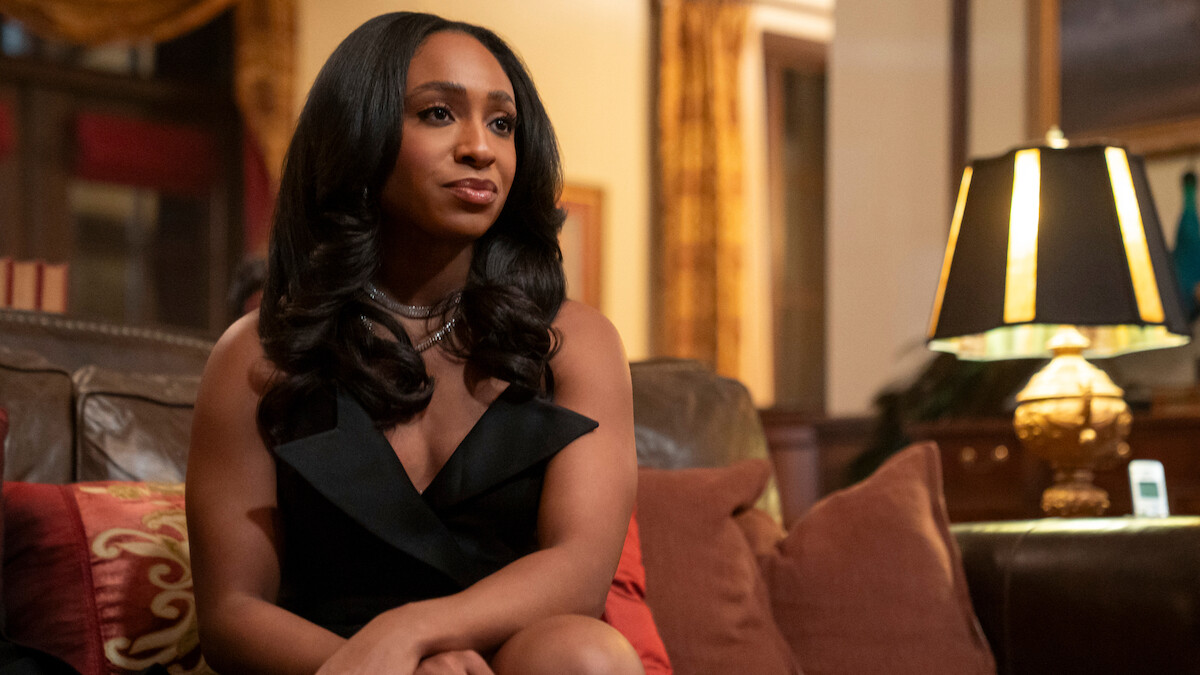
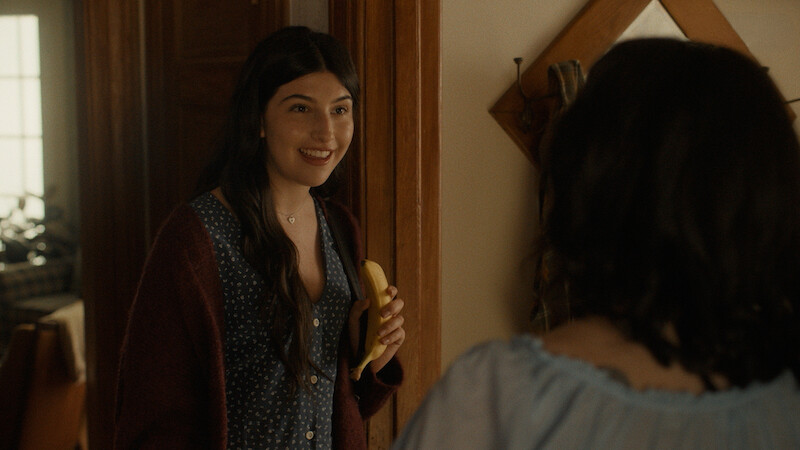
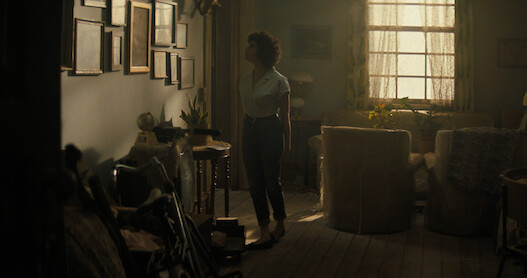
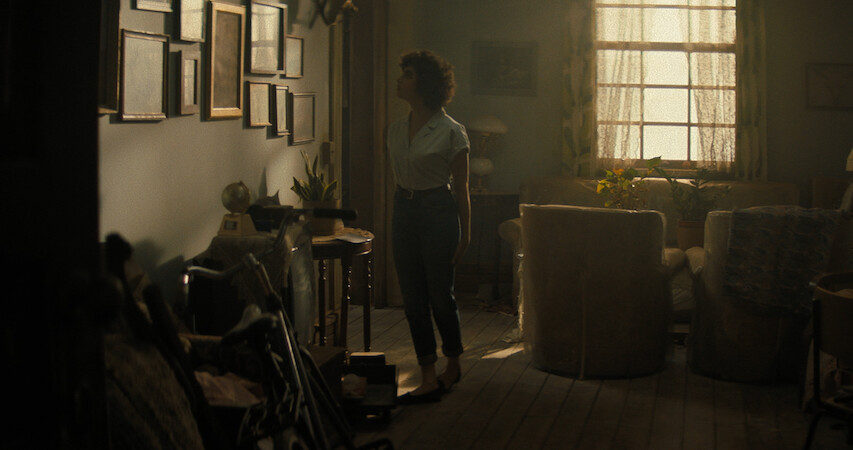
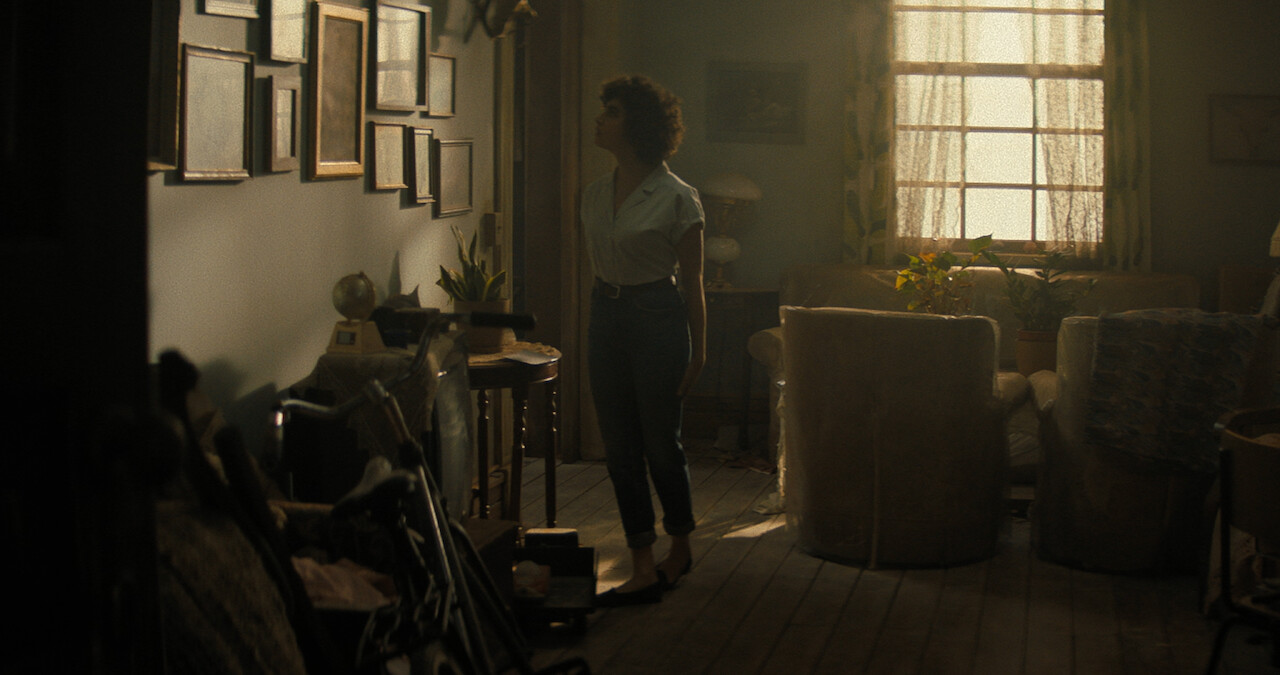
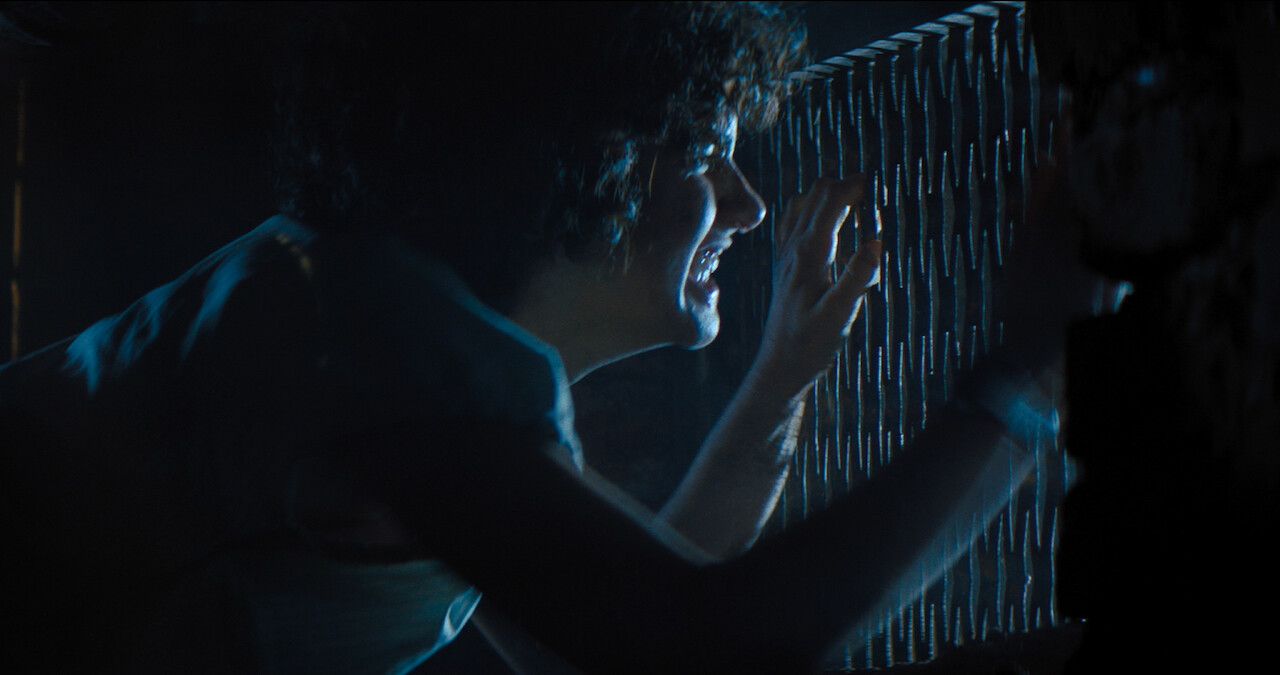
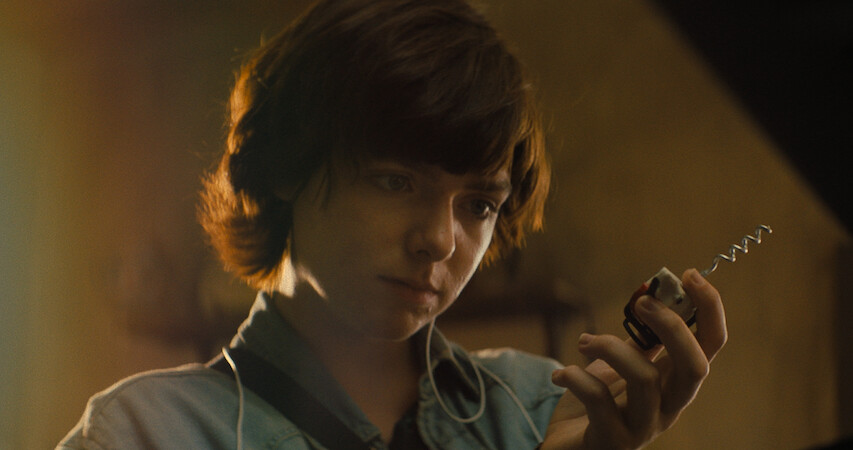
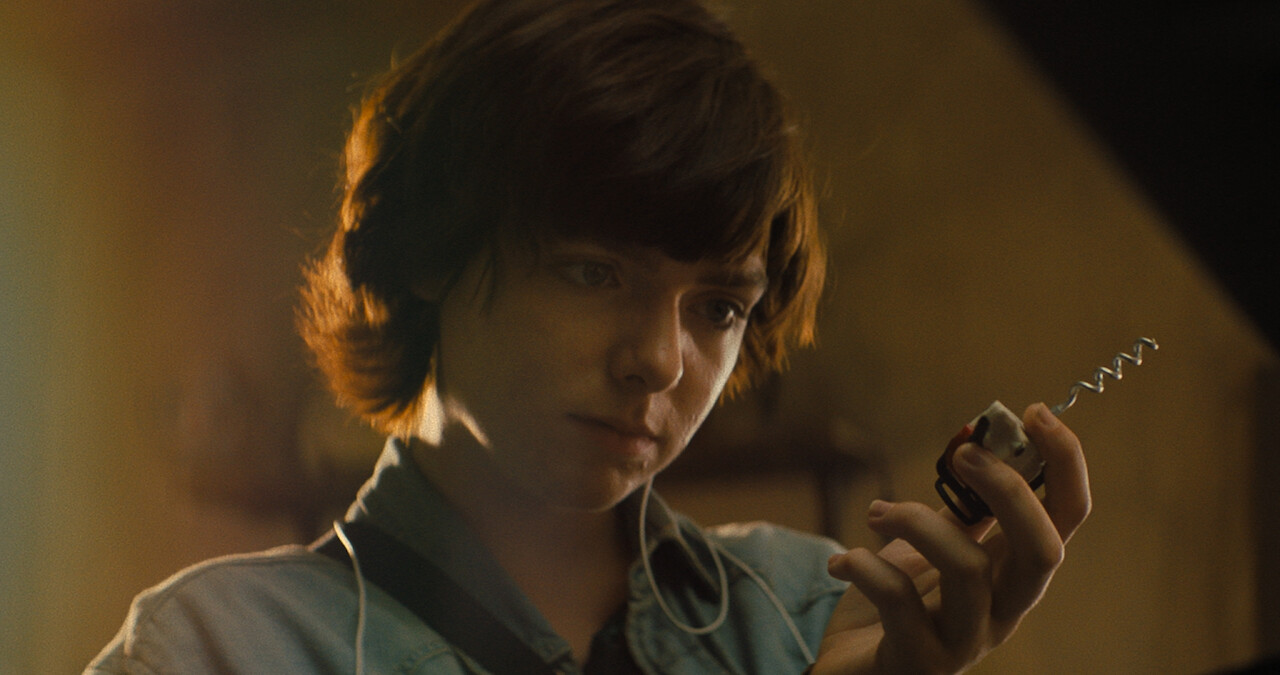
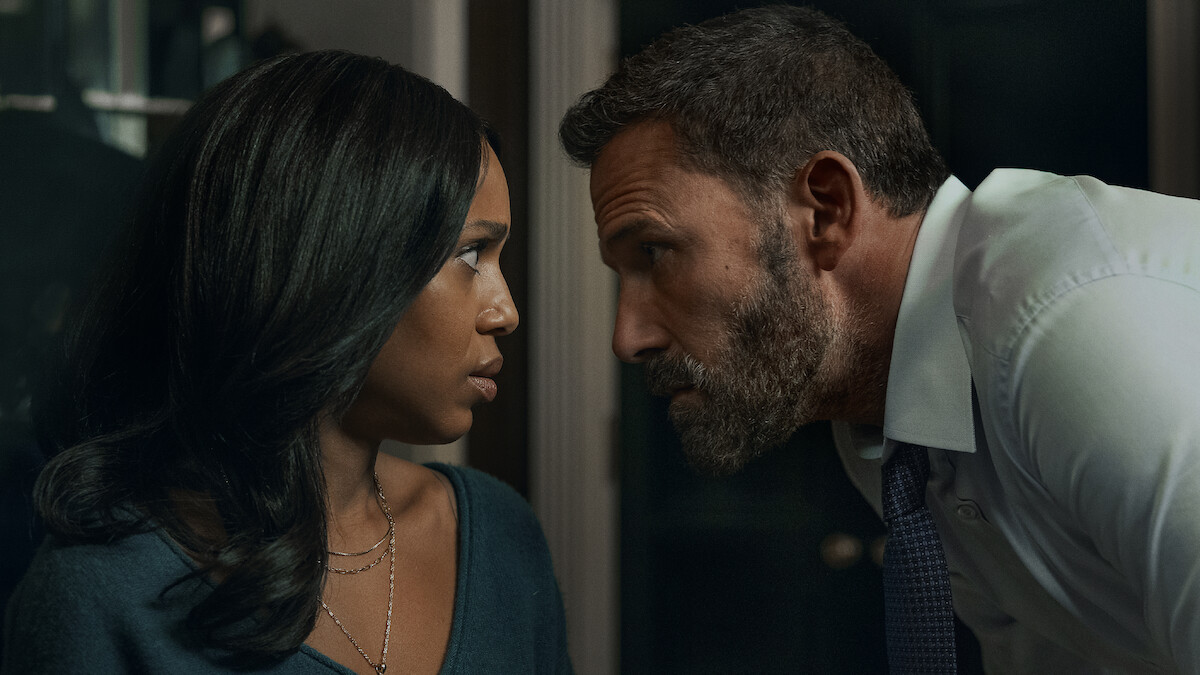
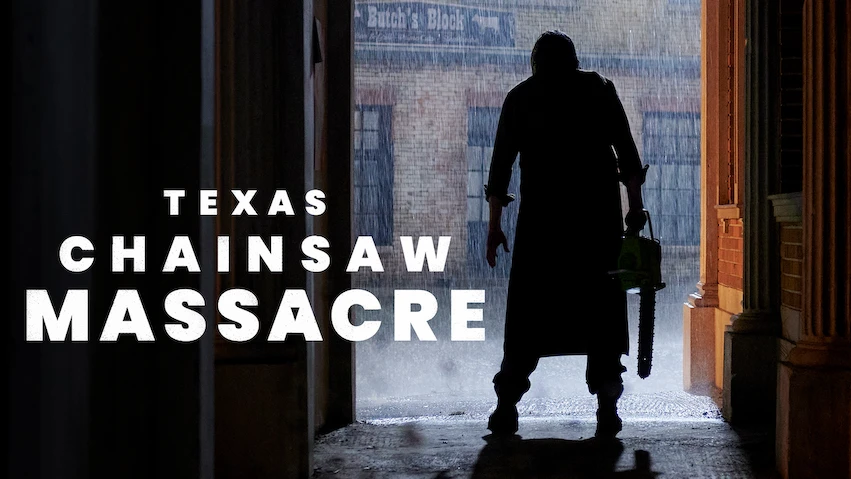
All roads in Texas lead to this. The latest installment in the long-running franchise is yet another direct sequel to the 1974 film. What makes it stand out is its dedication to updating the ’70s themes to a more modern context — as well as bringing back final girl Sally Hardesty (Olwen Fouéré). The film follows a group of teen influencers (among them Elsie Fisher and Sarah Yarkin) as they travel to the ghost town of Harlow, Texas, with hopes of turning it into a social media paradise. Things take a turn for the worse when Leatherface reemerges for the first time since 1974 and decides to take up old habits of his bloody past.