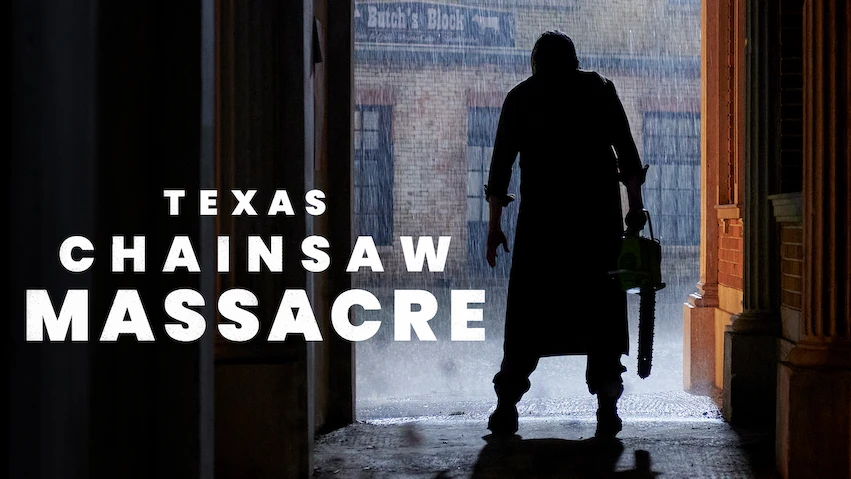
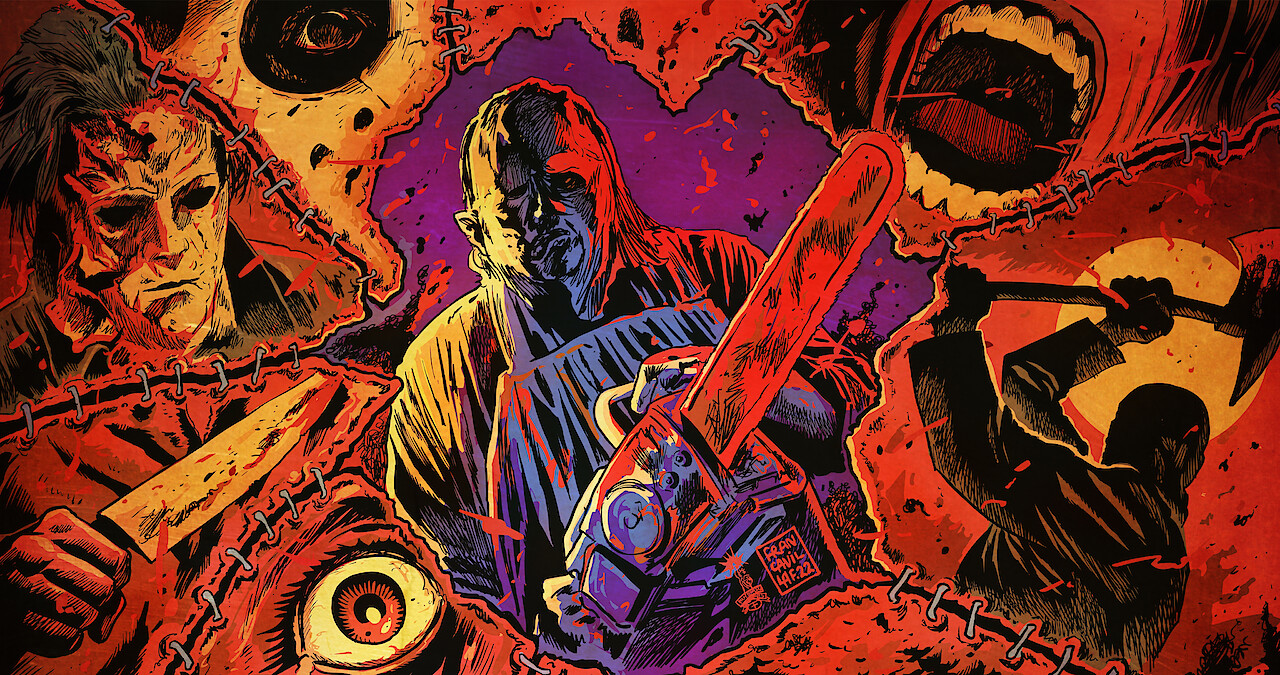
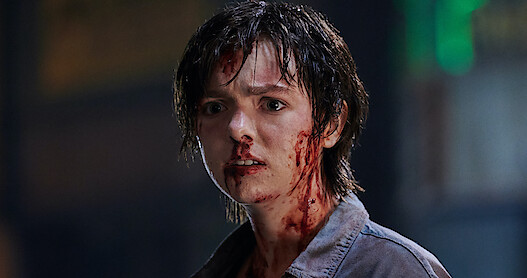
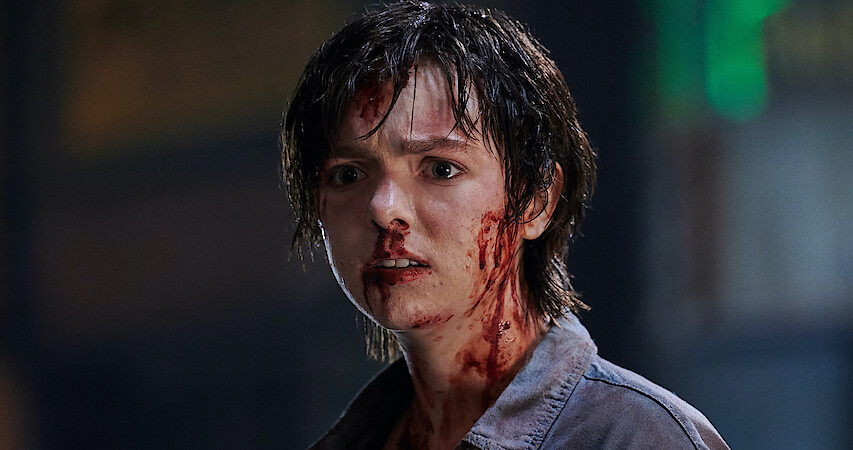
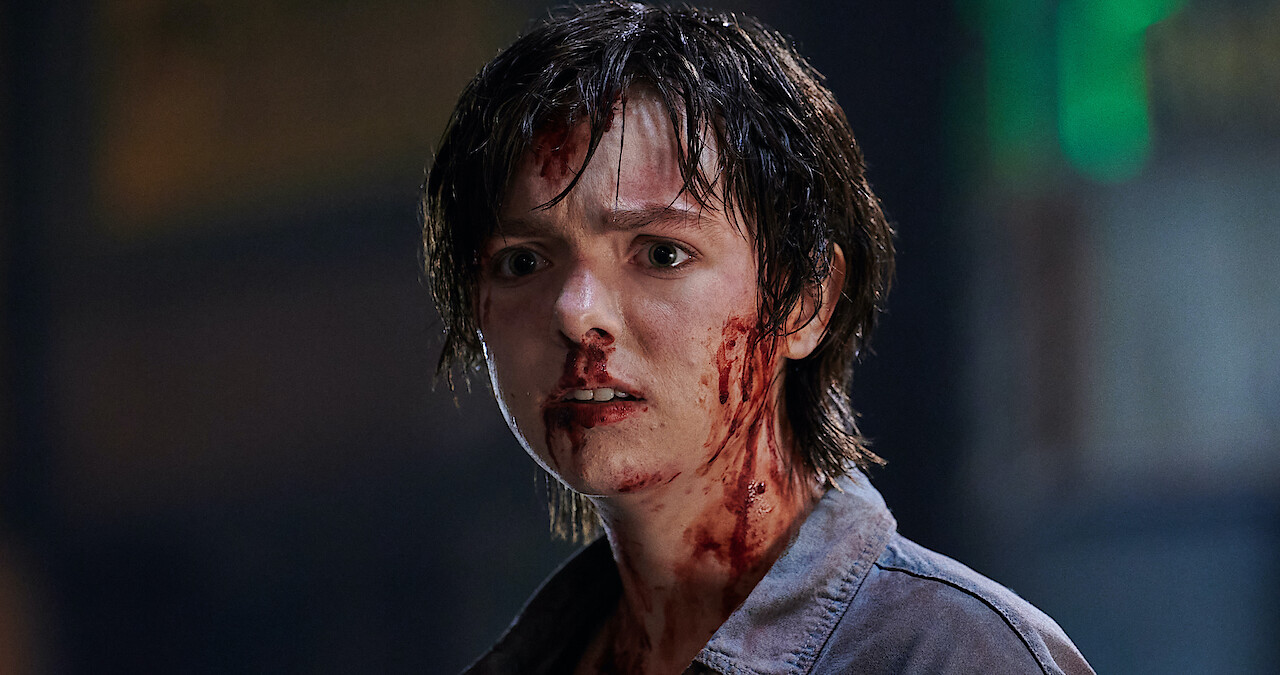
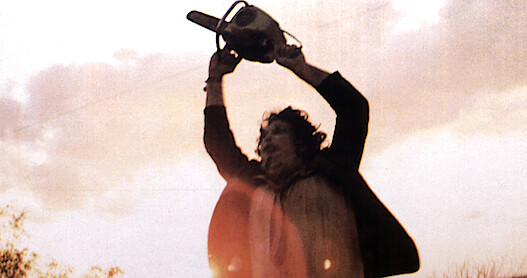
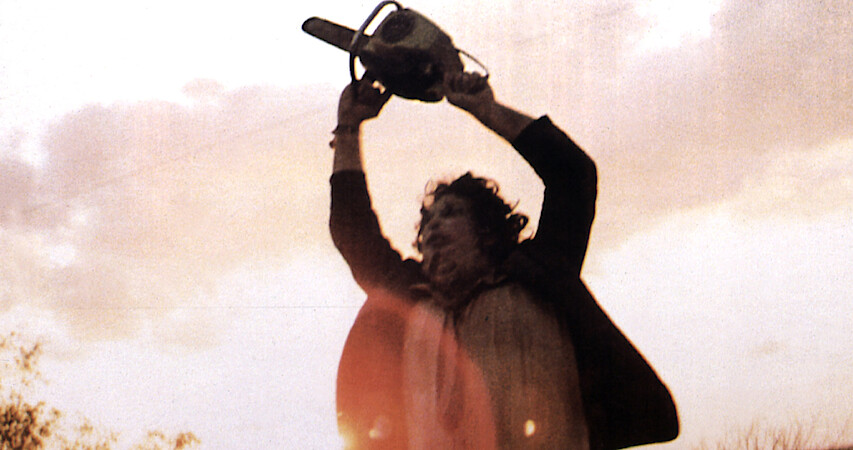
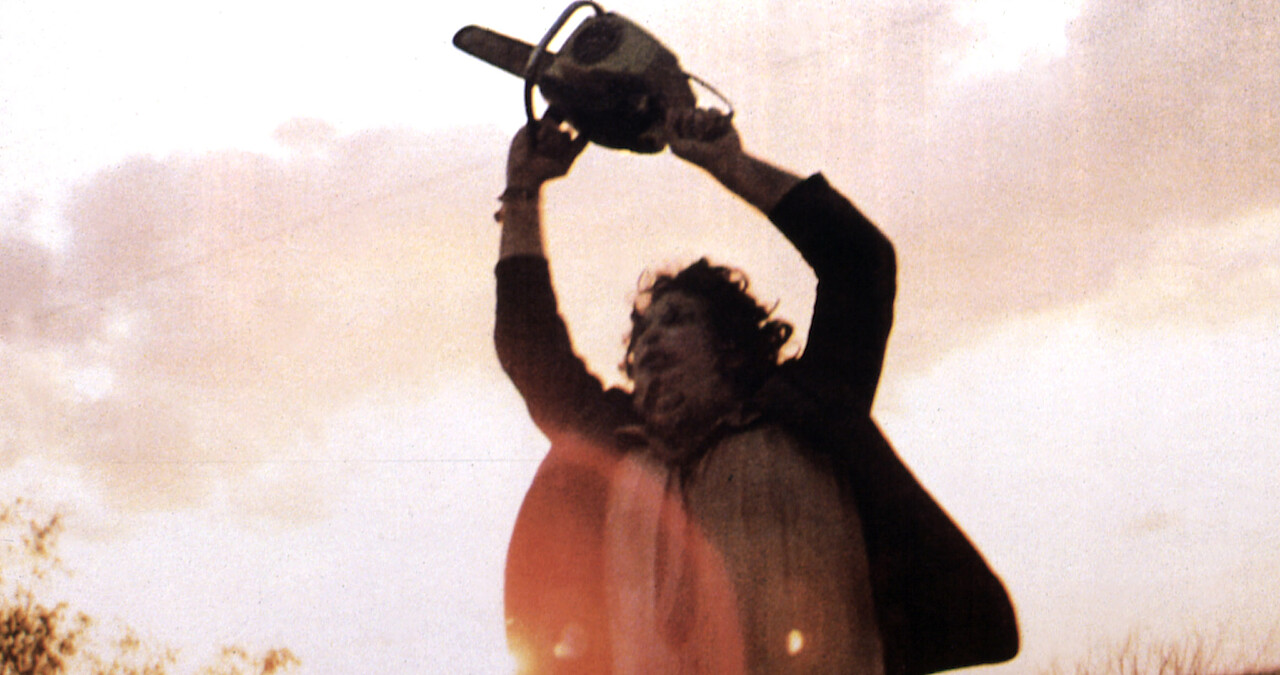
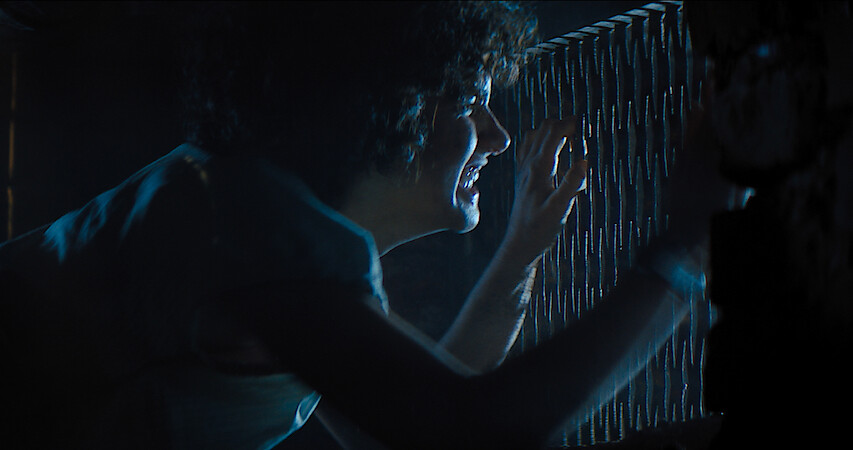
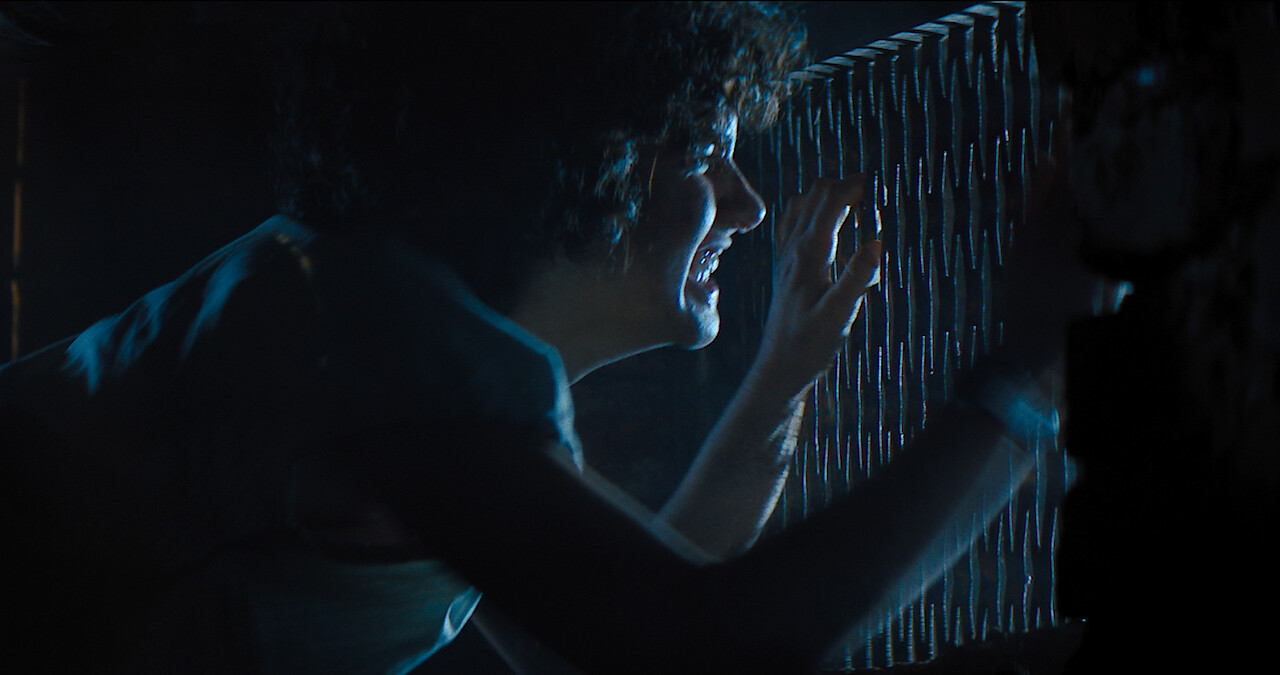
In a particularly gory scene in David Blue Garcia’s Texas Chainsaw Massacre, a linear sequel to the classic 1974 slasher film, Leatherface enters a party bus full of influencers. Drinks are flowing, strobe lights are pulsing, and no one is concerned about the masked man terrorizing their Texas town. Rather, these partygoers — many of whom arrived in the ghost town of Harlow to gentrify it — assume Leatherface is a prank or perhaps an homage to the killer himself. So, they whip out their phones to livestream the presumably costumed jokester. Despite the chainsaw in his hand, everyone is convinced that Leatherface is trolling like a YouTube comedian — and a pretty corny one at that. “Try anything and you’re canceled,” one of them yells.
It’s an unexpected moment of satire for fans of the slasher franchise — a comic relief from the gruesome deaths brought forth by a generational villain. And yet, it’s what sets this iteration of TCM apart from the others. Unlike Tobe Hooper’s original 1974 film, this one muddles the line between victim and villain. We’ve come to expect certain storytelling elements from Texas Chainsaw Massacre: The designated “final girl,” the living fear of Leatherface and sympathy for our killer’s many victims. In Garcia’s installment, Leatherface becomes a sympathetic figure, and interestingly, the influencers he targets are vilified and thus deserving of their morbid, outlandish end.
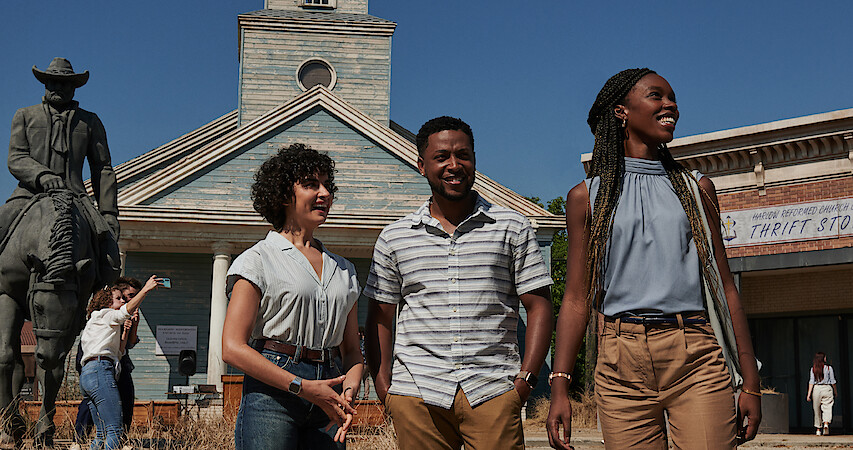
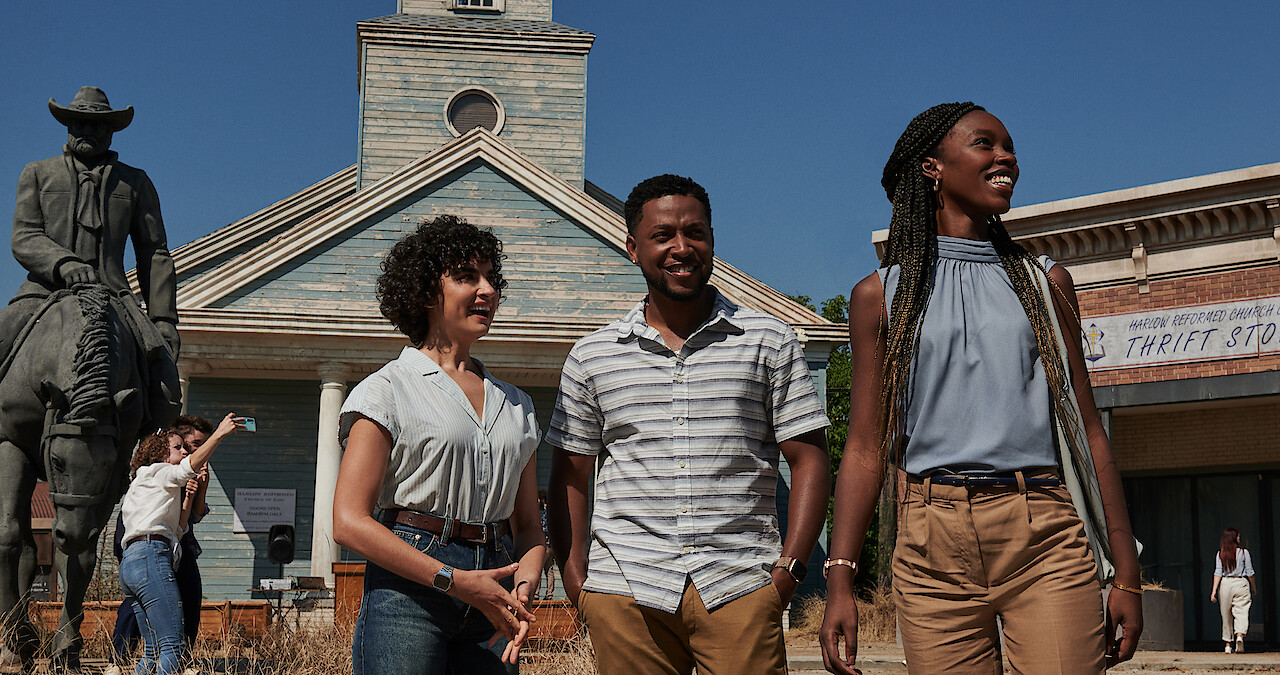
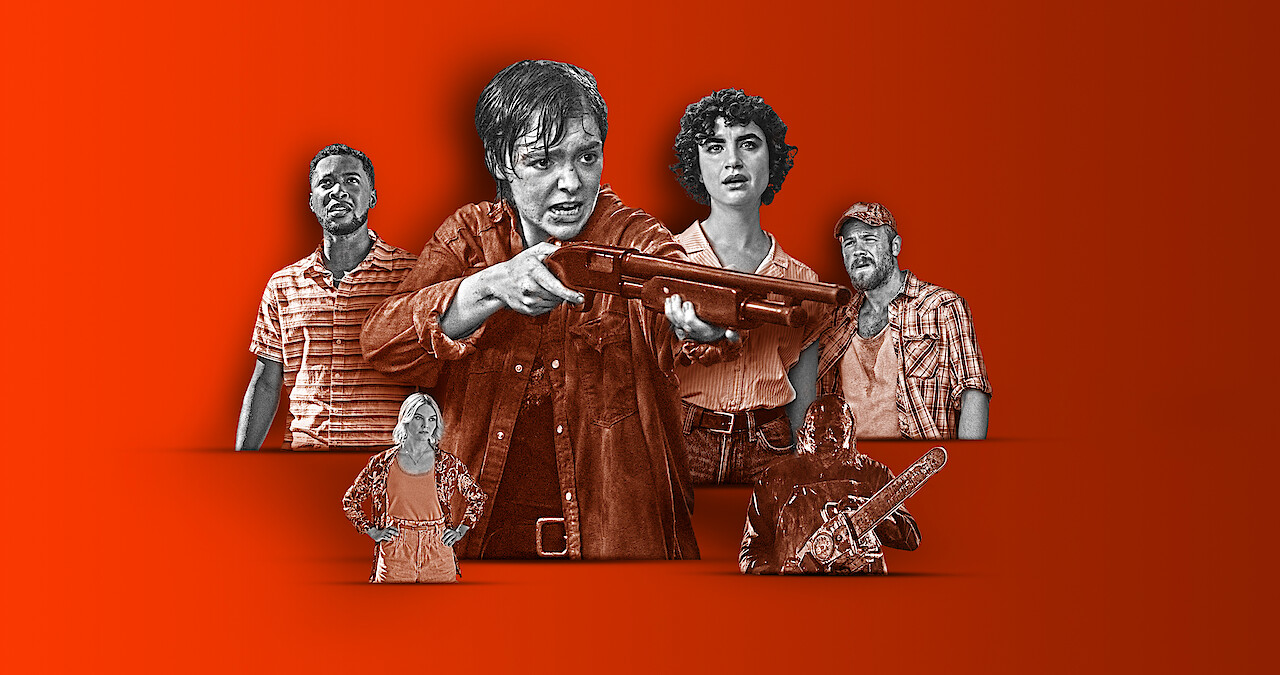
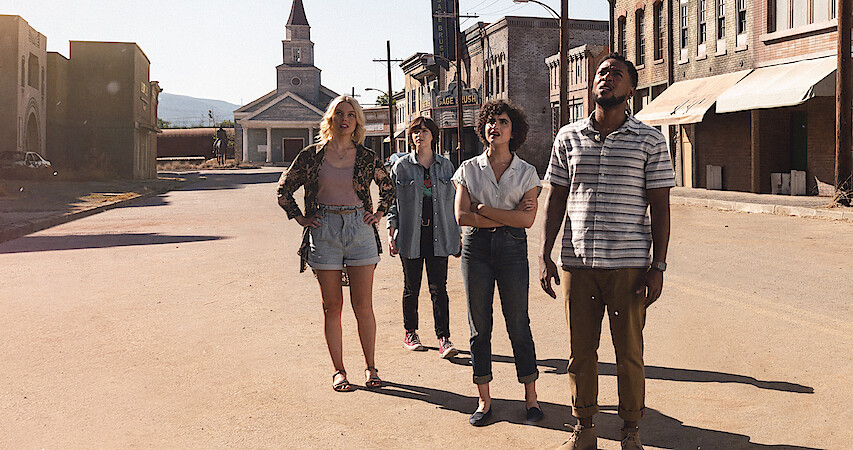
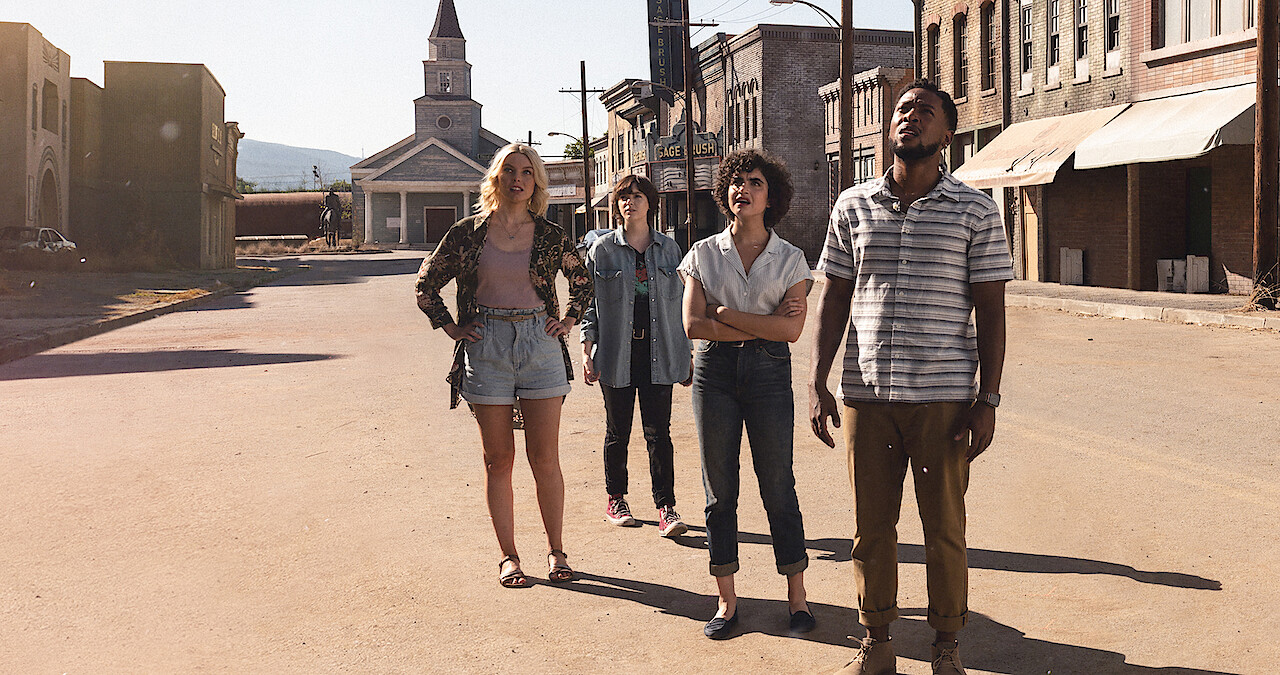
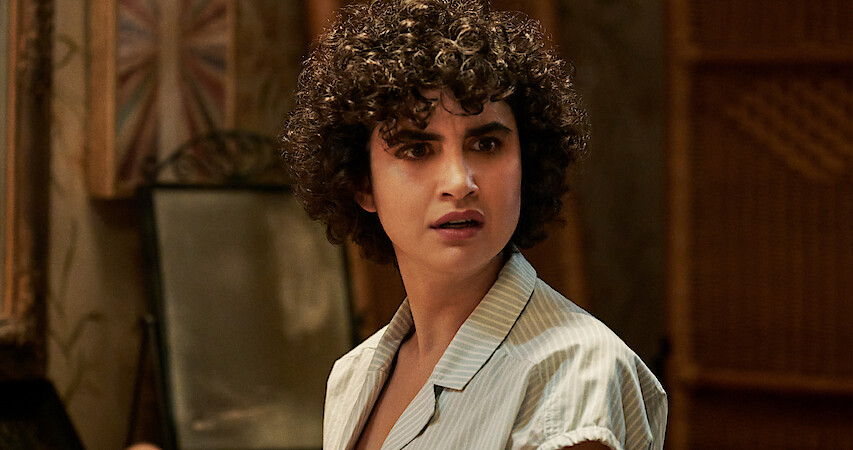
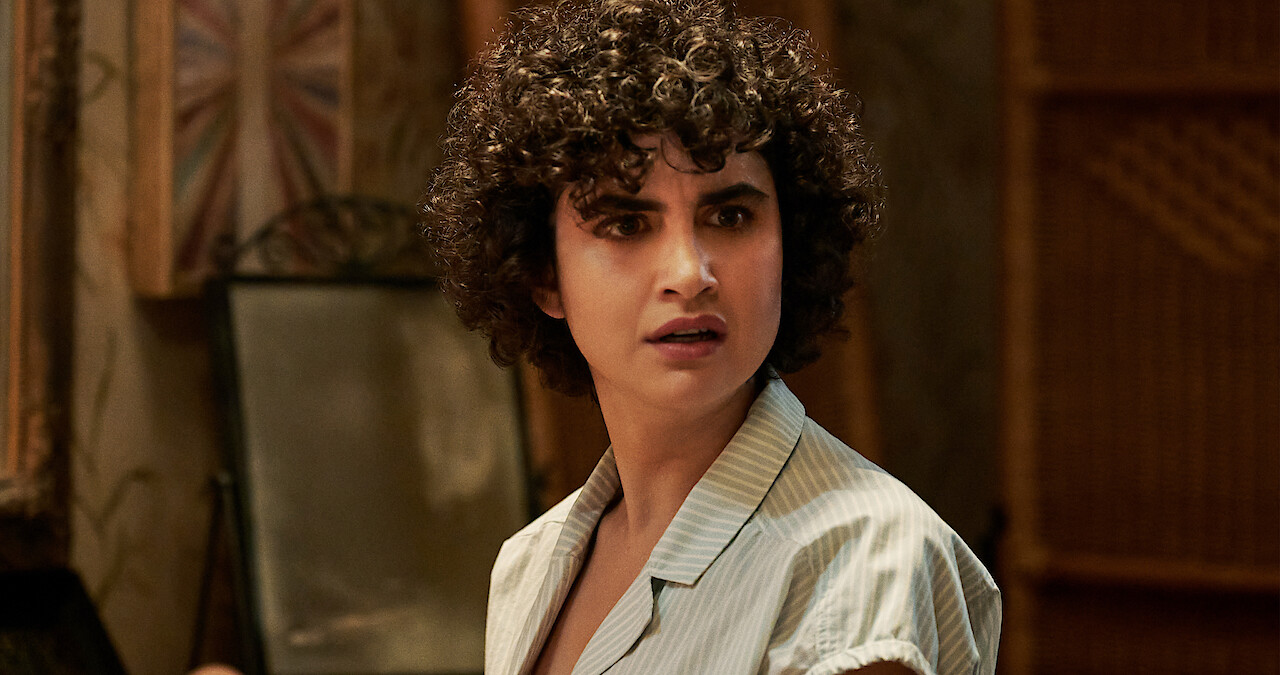
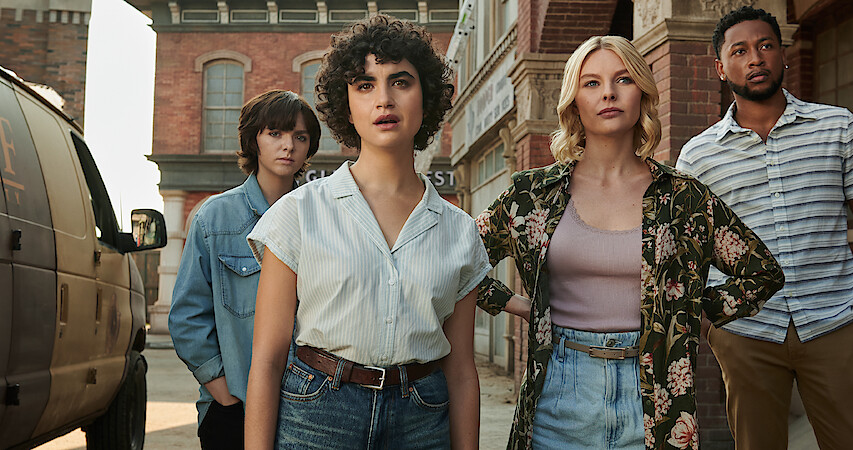
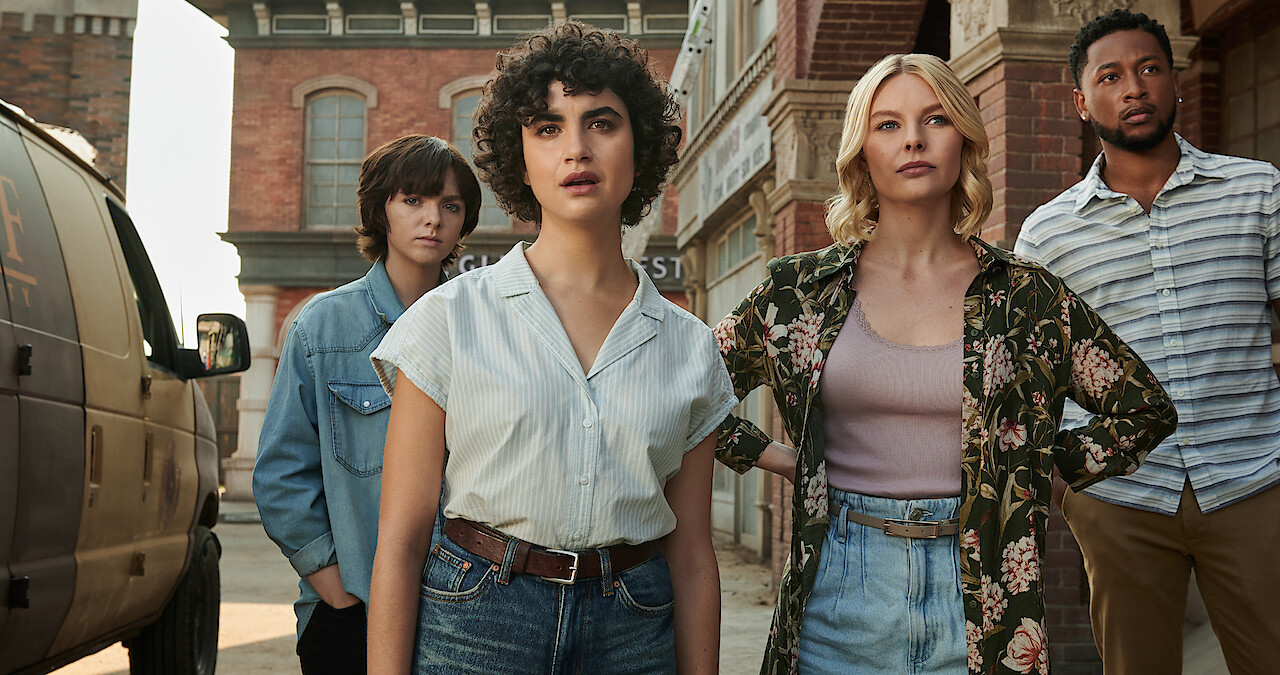
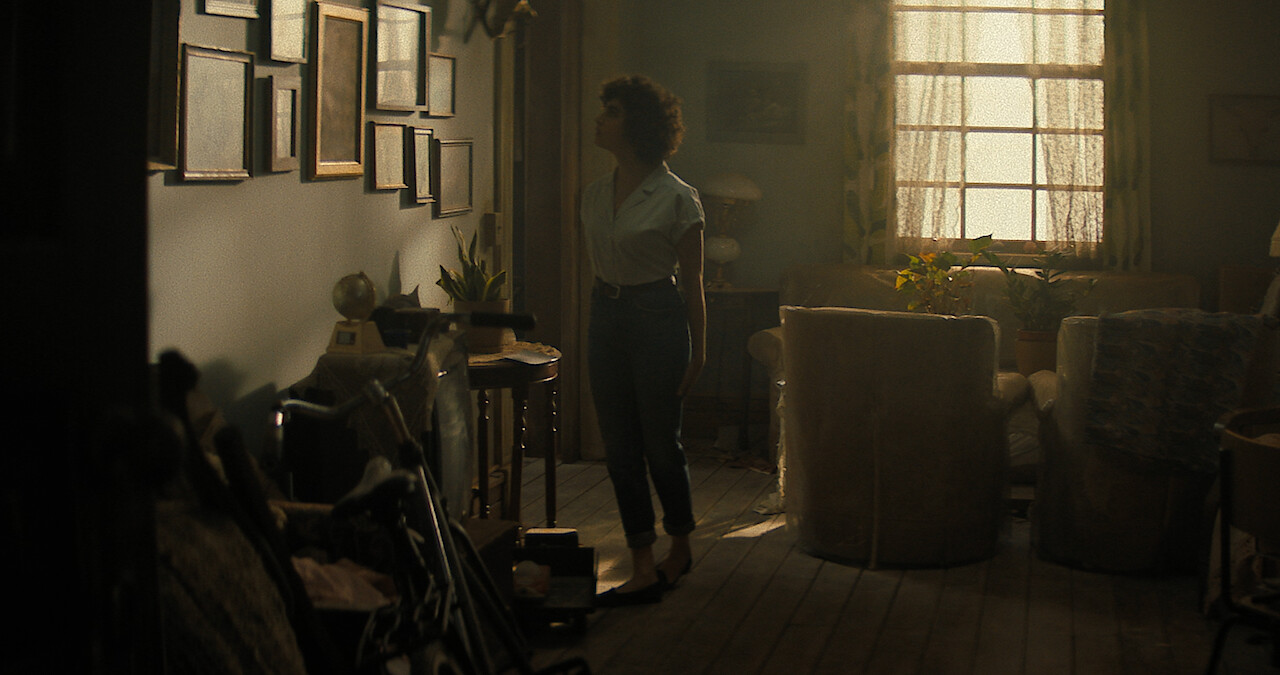
Just like in the original film, the story follows a group of young friends — Melody, Dante, Melody’s little sister Lila and Dante’s fiancée, Ruth — who visit a backwater town and encounter Leatherface. Melody and Dante, who are Austin-based foodies and social media influencers, want to repurpose Harlow into a food lover’s paradise. The friends think they’re fulfilling a higher purpose by revitalizing the neighborhood; meanwhile, the sheriff and the residents view them as outsiders. Despite their good intentions, our introduction to these characters isn’t necessarily a flattering one: They appear self-involved, obsessed with their own ambitions and uninterested in preserving life as Harlow’s few residents know it. And yet this impression also serves as the crux of their identities.
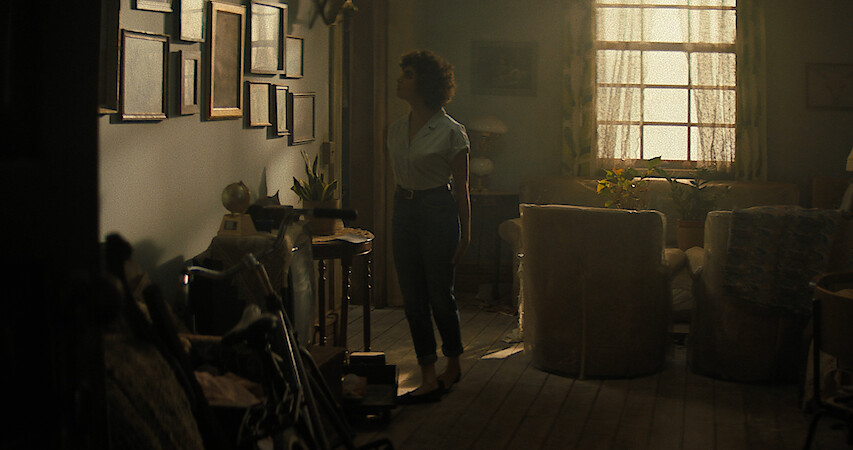
The 2022 film wastes no time in vilifying Melody and Dante, who appear shallow and selfish in their pursuit of taking over properties in the town for personal gain. When they arrive, they spot a Confederate flag hanging above a dilapidated house. Disturbed, they enter the house to take the flag down. That’s when they meet Mrs. MC — a sickly elderly woman whose initial hospitality is soon overshadowed by her racist, bigoted language. Melody and Dante believe they have the legal rights to the property, but Mrs. MC insists that she’s retained the deed. Dante calls the police to remove her from the property, and the commotion causes Mrs. MC to have a fatal heart attack, prompting the first appearance of Leatherface. Her death triggers Leatherface into a rage, and he begins his murderous spree, all while wearing his mother’s severed face as a mask. In the aftermath of this deadly scene, a question remains: Do any of these people deserve such violent deaths?
By connecting Melody and Dante to Mrs. MC’s death, the answer is arguably “Yes.” Their selfishness, greed and generally annoying influencer behavior sets them up as deserving victims, and ones no one would miss. At first glance, the decision to make Mrs. MC an outright racist creates moral ambiguity. Should the audience feel sorry that a racist curmudgeon died? Melody and Dante sure don’t seem to have much remorse as they choose to move forward with their plans to take over her house. And the film doesn’t explore Melody and Dante’s views on displacing a community of people. Instead, the film somehow redeems Leatherface at the expense of his victims.
There’s a parallel here to the recent trend of humanized villain origin stories, wherein big-budget films try to rationalize the terrorism of canonical villains, like 2019’s Joker and 2021’s Cruella. The 2022 TCM follows this same narrative direction; the purpose of the victims’ suffering is to give psychological depth to their killer. Dante, one of the few Black characters in the film, is the only friend who doesn’t experience an instantaneous death. Battered and disfigured, he narrowly escapes Leatherface but dies alone in an alleyway. Dante’s characterization, which revolves around his desire for wealth and fame, doesn’t consider how race fits into critiques of influencer culture. Later in the film, we learn that Mrs. MC retained the deed to the house, which means that Melody and Dante didn’t outright own the property. Ultimately, this deliberate storytelling choice reaffirms the film’s disdain for influencers and casts Mrs. MC and Leatherface as powerless bystanders, crushed under the weight of capitalism.
In the context of the 2022 film, influencers become a specific archetype like the Final Girl, which doesn’t allow sympathy for victims who don’t fit perfectly into these molds. Instead, the mass murderer is the only character who has the opportunity for redemption. After witnessing his mother’s death and walking back to town, Leatherface returns home, where Melody is hiding in accordance with the most common horror movie trope: under his mother’s bed. A terrified Melody watches as Leatherface sits in front of Mrs. MC’s vanity, sniffs one of her dresses, then sloppily applies some of her makeup. This is a brief but jarring moment that effectively works to humanize and contextualize a madman. Like Psycho’s Norman Bates, Leatherface’s murderous appetite is rooted in his twisted relationship with his now-dead mother. In which case... should we feel sorry for him? What does that say about his victims’ humanity?
In Hooper’s version from 1974, the storytelling was said to be modeled after “Hansel and Gretel” — “only instead of being lured to a gingerbread cottage with gumdrops, it was a little more sinister,” according to the original’s screenwriter, Kim Henkel. Although the 2022 film pays homage to Hooper’s theme of disillusionment, it tows a line between commentary on influencer culture and the outright villainization of it. While it would be wrong to say that Melody, Dante and their companions deserve to die, the film assigns them a certain level of complicity. Although they are the victims of Leatherface’s rage, their role as influencers is inseparable from the consequences of gentrification. In the end, Garcia reminds us that capitalism is a harbinger of irrevocable destruction.