NO JU-HAN/NETFLIX
Behind the Scenes
The Art of Squid Game Season 2
Production designer Chae Kyoung-sun returns for a second season of fantastic sets.
By Miranda Tsang
April 24, 2025
Labyrinthine stairways, a giant doll with glowing eyes, and bunk beds stacked ceiling-high: Season 1 of Squid Game may have captivated audiences around the world with its high stakes and relatable cast — winning six Emmys in the process — but it was the stunning production design that helped burn the series into our memories.
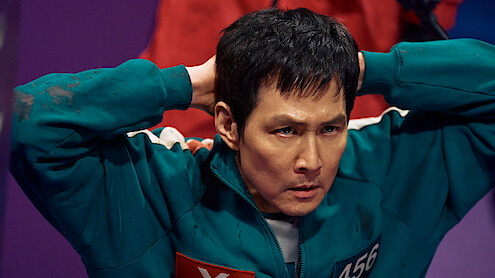
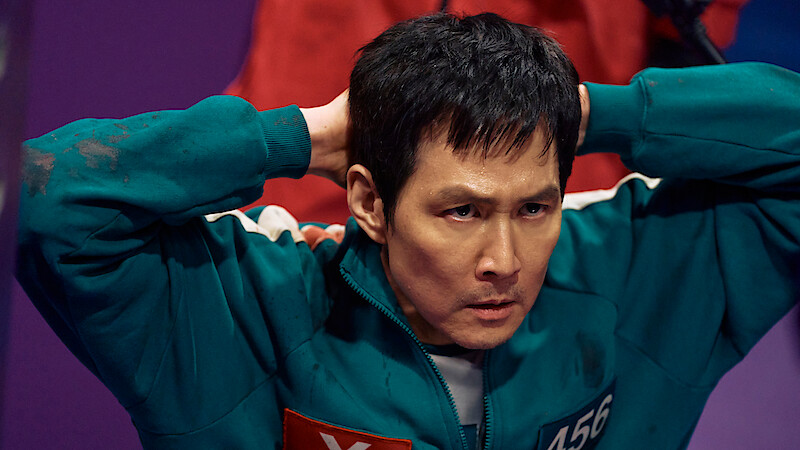
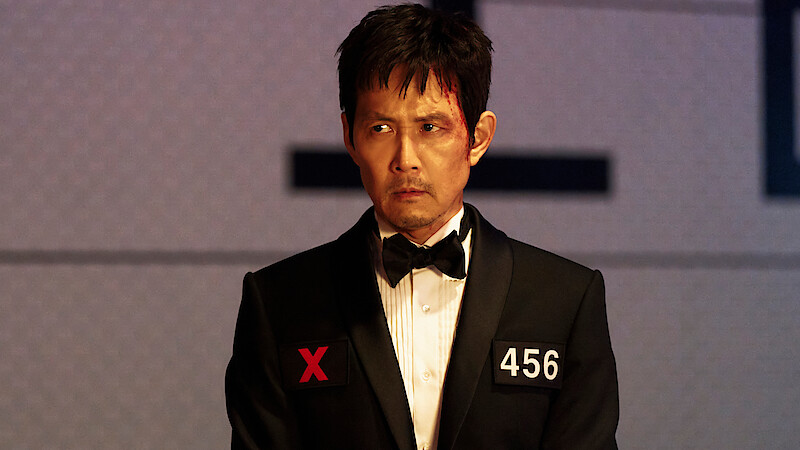
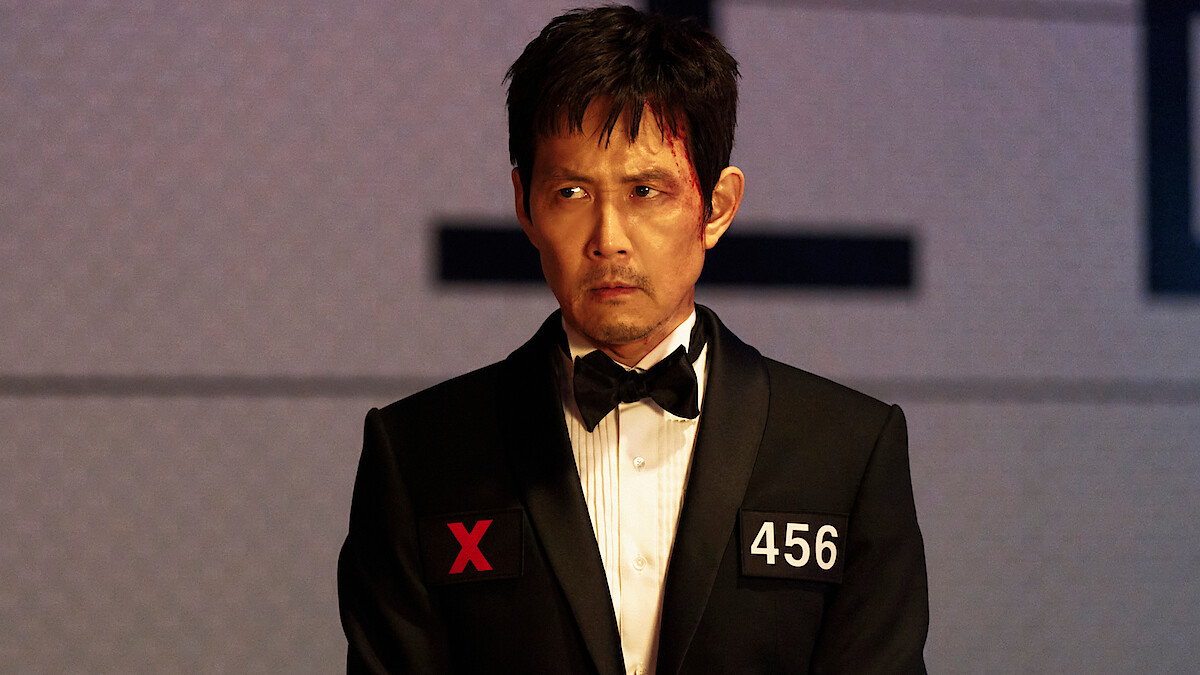
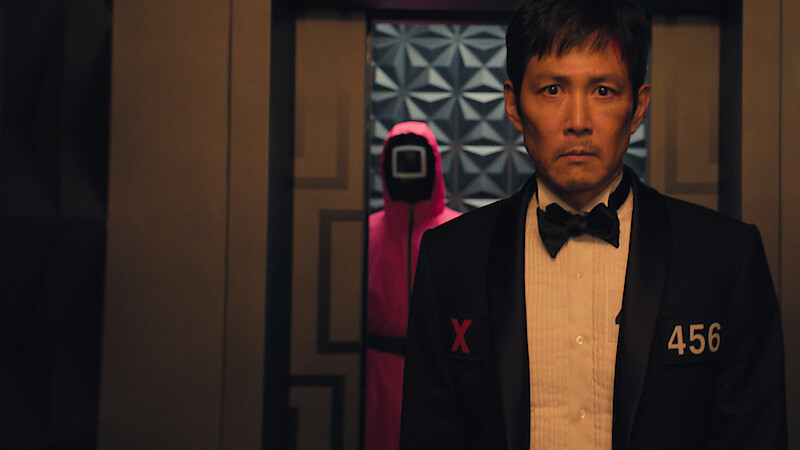
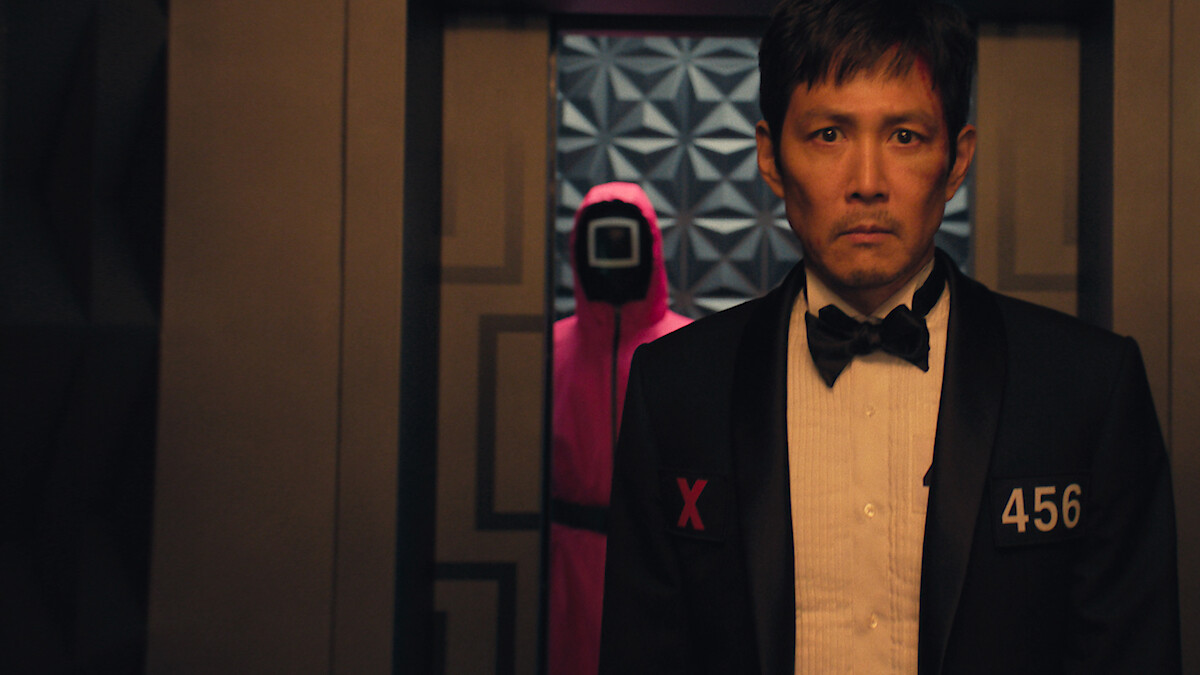
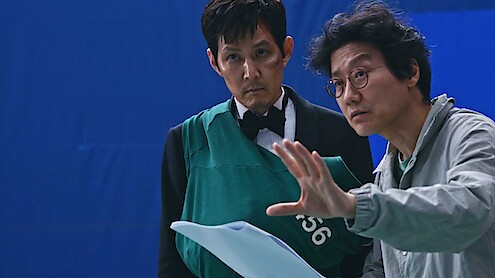
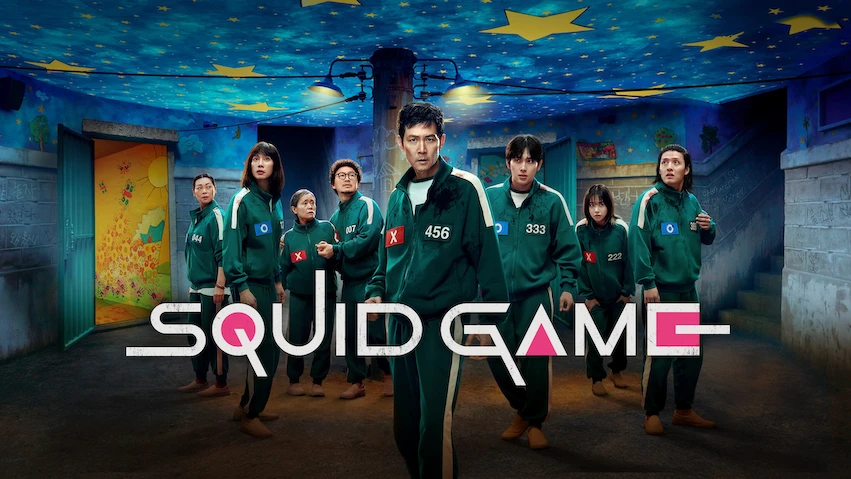
Season 2 of the global phenomenon ups the ante, with more dramatic sets in which a new chapter of the story can unfold. After competing in a deadly series of children’s games and beating 455 contestants to win the prize of 45.6 billion won at the end of last season, Seong Gi-hun (Lee Jung-jae) should be happy to be alive — and rich. Instead, he can only think of avenging the lives of his fellow players, who also joined the games to pay off their debts. He attempts to find the recruiter who first lured him into the games, his thoughts consumed with gruesome memories tinged in pink — the hue of the Squid Game soldiers’ uniforms. “Gi-hun’s head has probably been dominated for years with thoughts of [the] Squid Game and the players’ deaths — the people who designed the games, the masked soldiers,” explains Chae Kyoung-sun, who returns as production designer for the second season.
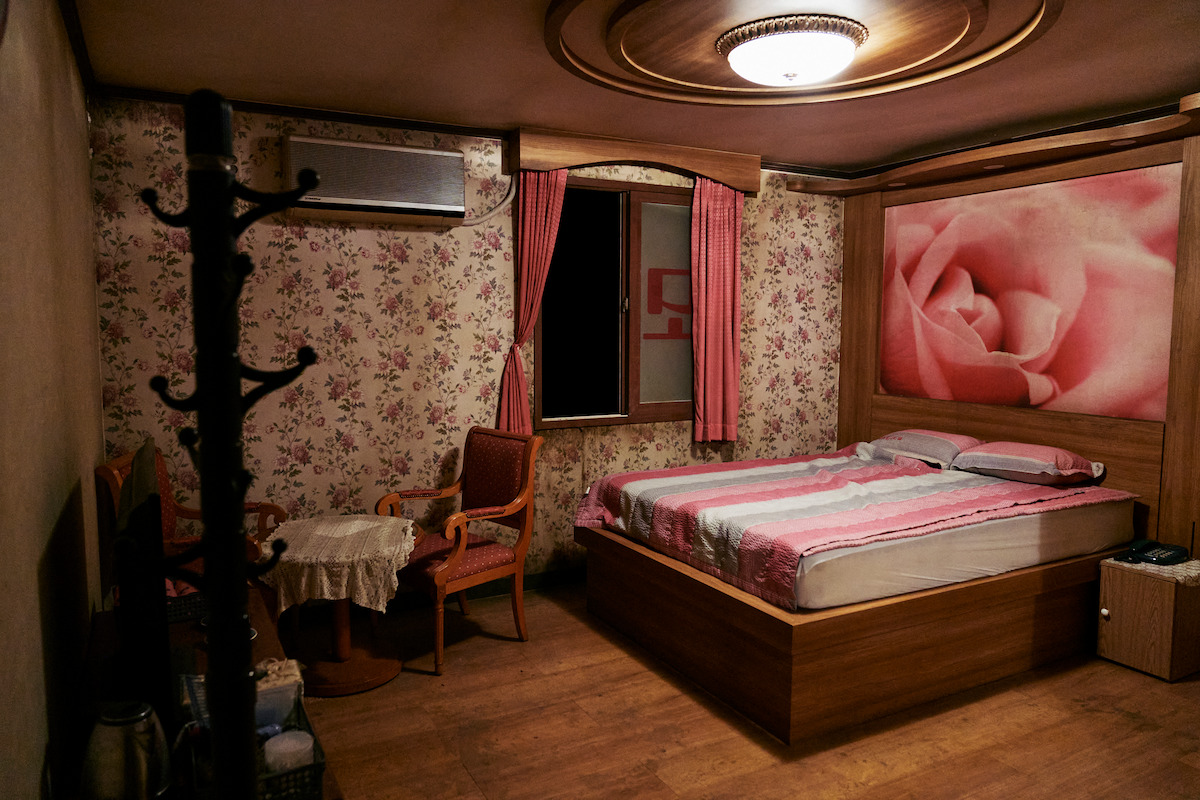
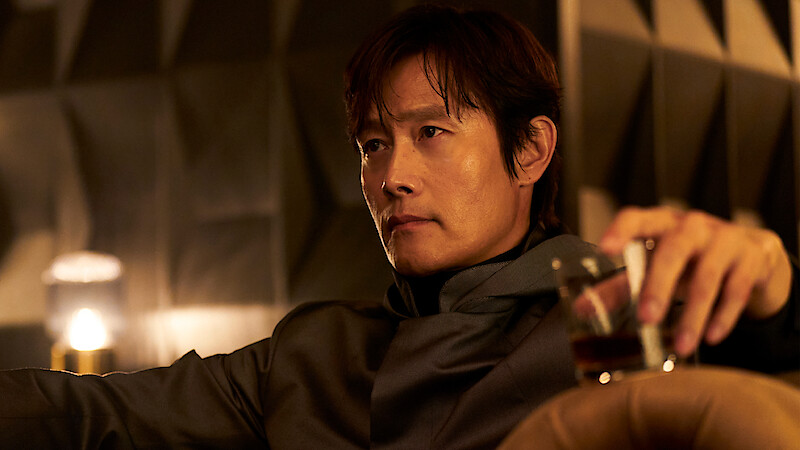
When we meet Player 456 at the start of Season 2, his living arrangements reflect his inner turmoil. “I thought the dominant color in his head would be pink, the color that would haunt him,” says Chae. “The Pink Motel is foreshadowing the conflict” brewing with the game hierarchy.
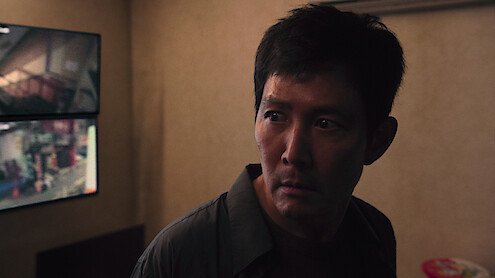
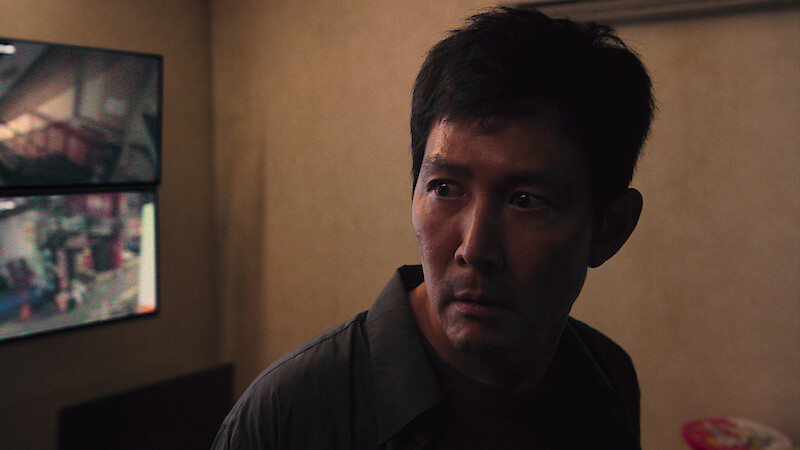
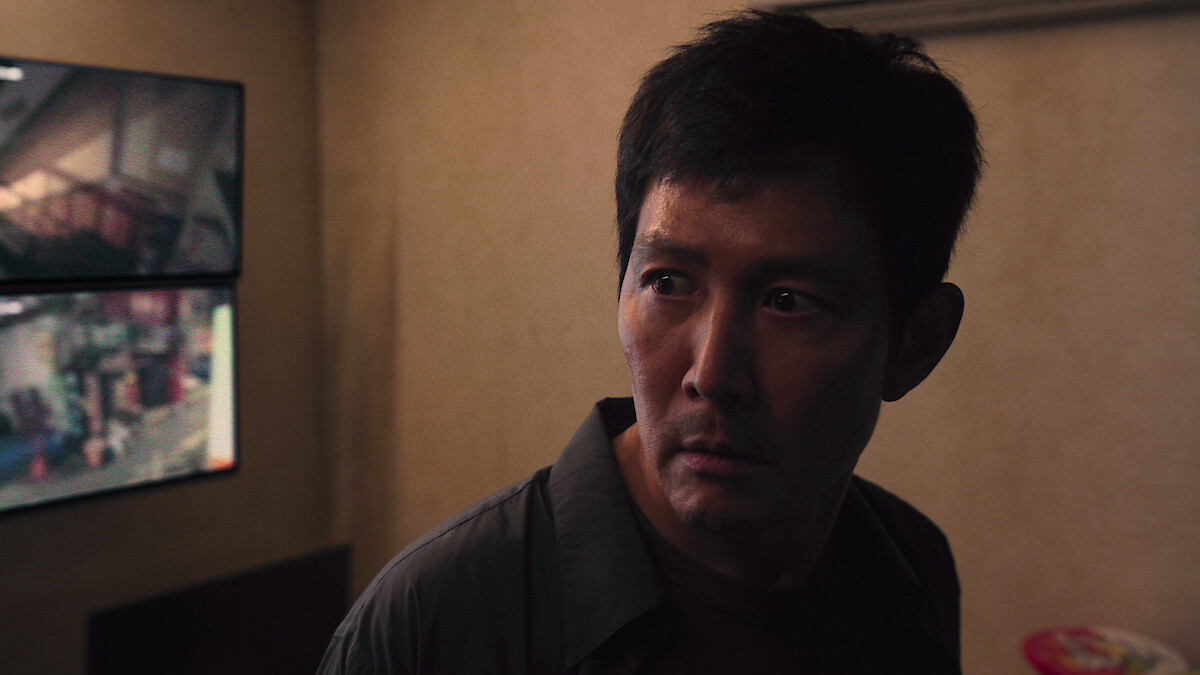
Gi-hun’s room contains other hints at his mental state: Images of Los Angeles decorate the bathroom, for instance, reminding viewers of the daughter he was boarding a plane to see in last season’s finale. Because Gi-hun does nothing but search for a way back to the Squid Game, Chae left his hotel room mostly unfurnished, save for a few calendars and monitors showing the entrances and exits of the old motel he’s commandeered as his headquarters. The production designer also included mirrors, so it feels like Gi-hun occupies a mental panopticon, where he’s not only surveilling but also being surveilled.
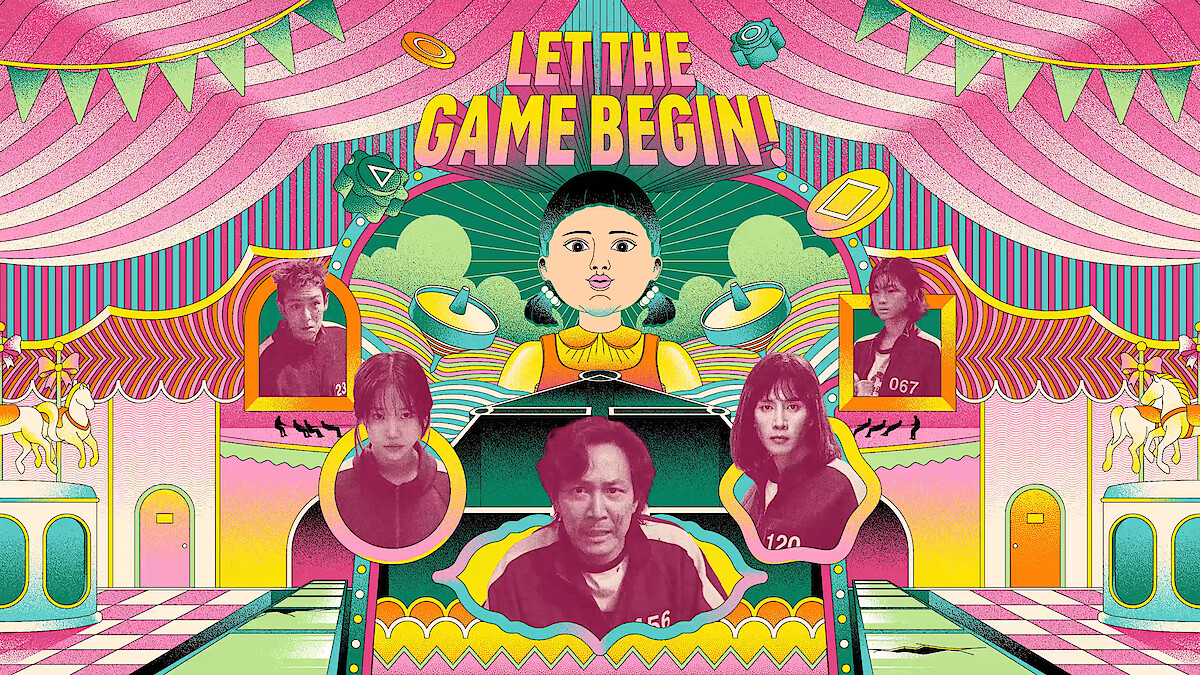
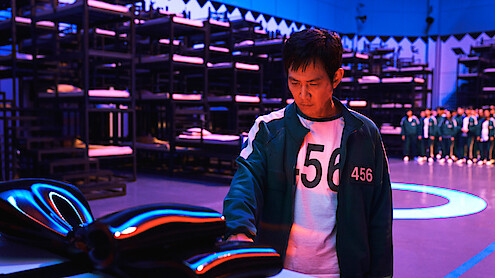
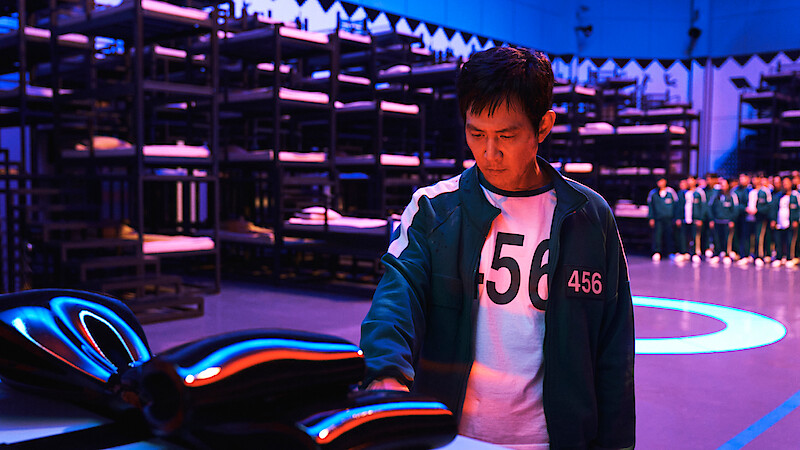
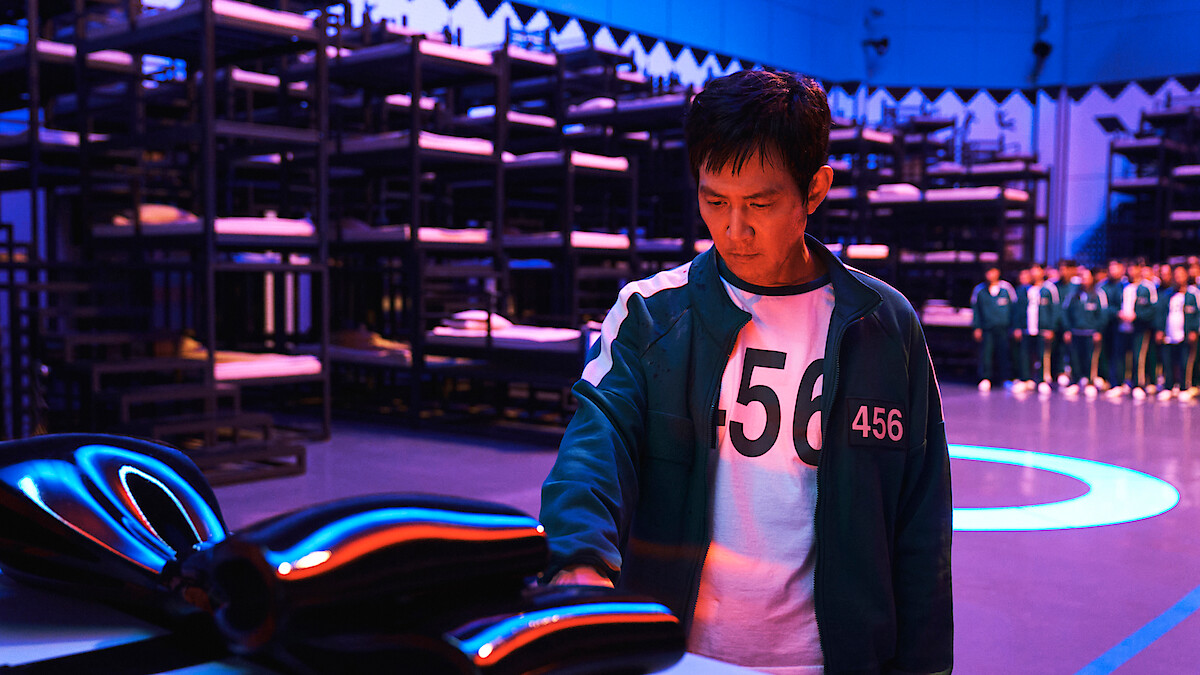
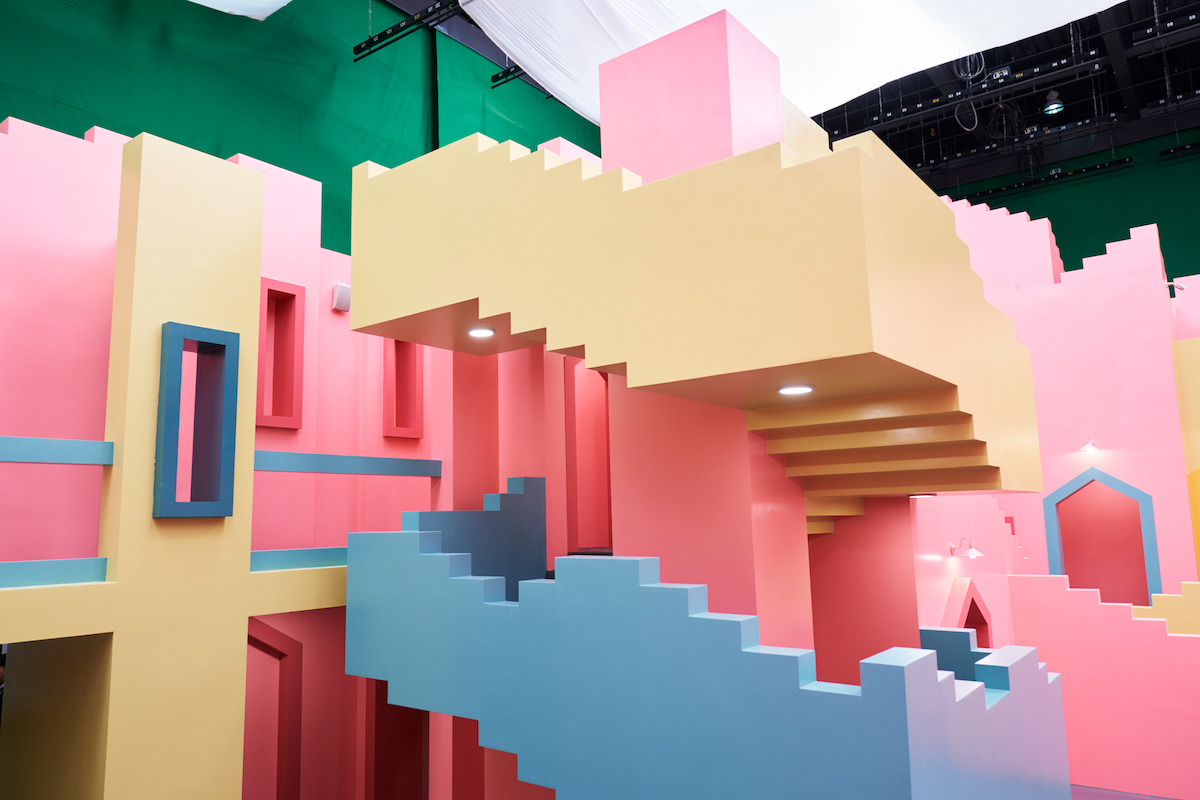
When Gi-hun enters the games a second time, he encounters the same dormitory and interconnected pink and green stairwells — reminiscent of artist M.C. Escher’s “Relativity” — that captivated viewers last season. Chae re-created the now iconic walkways with some subtle differences. In order for a player revolt to erupt mid-season, the set needed to be bigger, to accommodate filming the action-packed sequences. “The set is about one and a half times bigger than before and built like a Lego module so it can be infinitely expanded, transformed, and rebuilt again and again,” Chae says. The team also added an additional vertical layer.
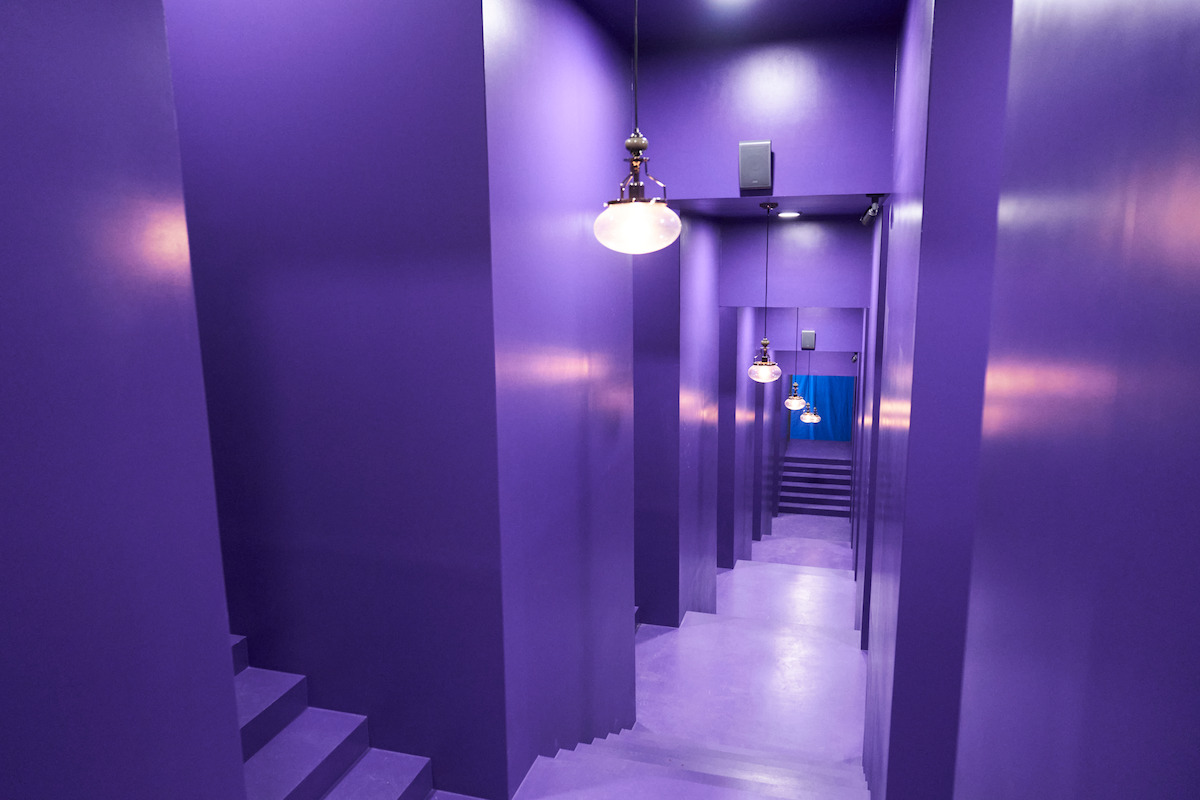
As the rebellion breaches the inner chambers of the building, getting closer to the command center, the color of the walls changes from pink to a regal purple. “Choosing the color purple was an easy decision,” Chae says. “It’s a color born out of red and blue, two complementary colors. It’s also historically been used as a color for nobles or members of the upper class.”
Season 2 also features a vote — to continue playing or to quit and split the jackpot — following each game, so the dormitory includes a new line down the center, with an X and an O on either side. “There’s so much division in life where people fail to unite or relate to one another,” Chae says, “so I maximized that aspect visually with the line on the floor.”
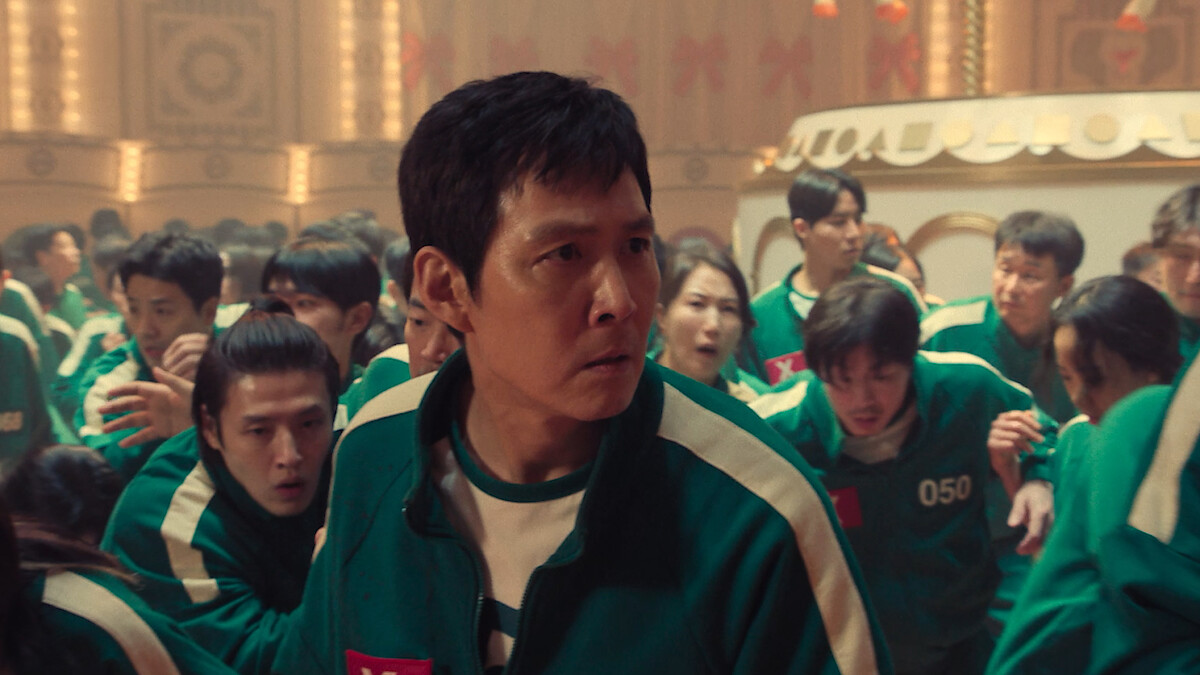
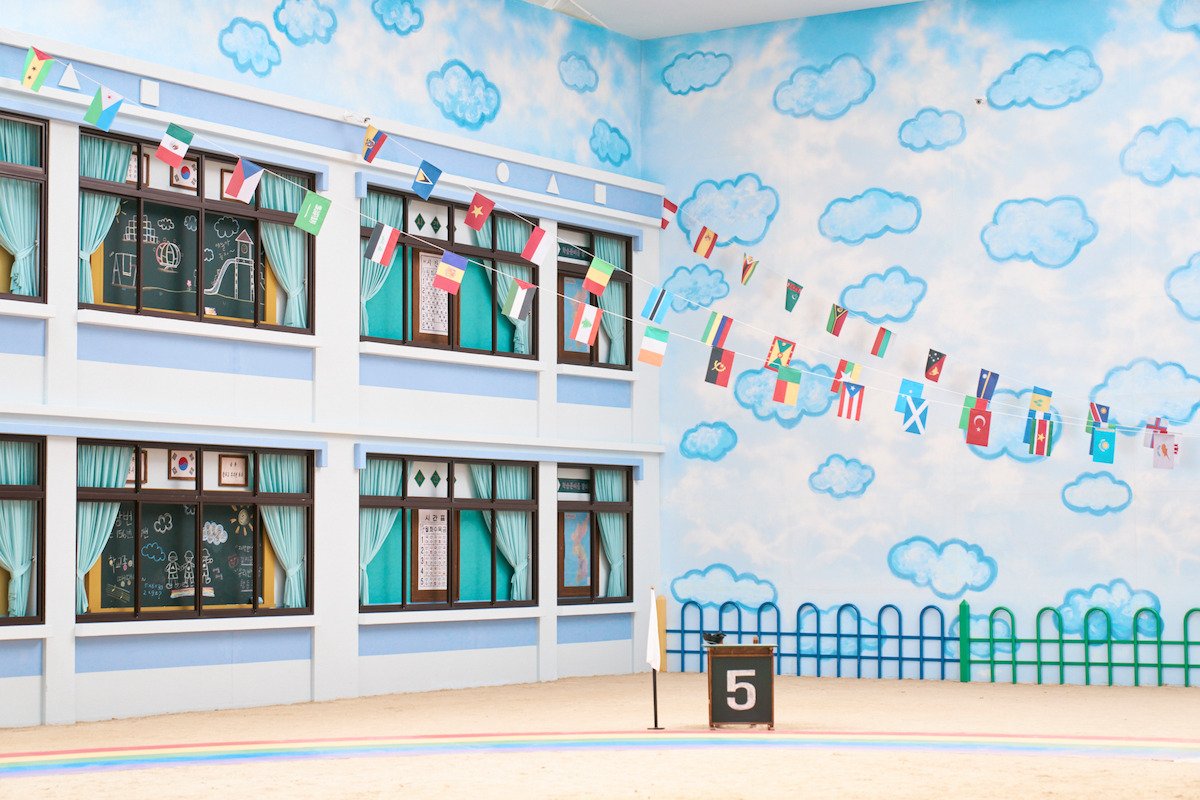
When it comes time to play the first game — Red Light, Green Light, featuring Squid Game’s now iconic giant doll — Gi-hun helps his fellow debtors make it through. But afterward, the players are confronted with a whole new set of challenges, such as the six-legged pentathlon, in which teams of five compete in a relay of five mini-games while tied together. “When I first read the script, I noticed it was the only group match for the players,” Chae says. “The first thing that came to mind was the sports day we all had as kids back in the day.” In the 1970s and ‘80s, sports day was the biggest event for Korean elementary school students. With that inspiration, Chae included a motto reminiscent of those days — “Be strong, steadfast, and brave” — in Korean on the wall above the game hall entrance, and she covered the 17,791-square-foot arena with sand.
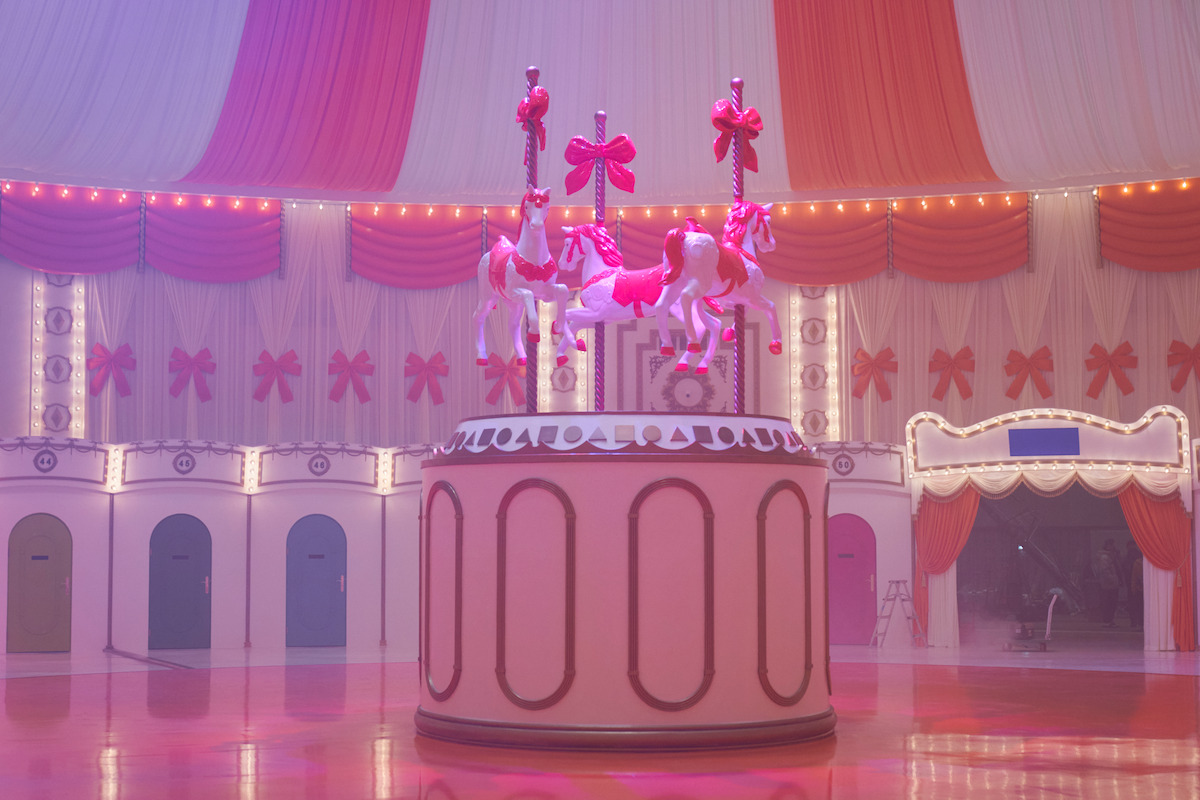
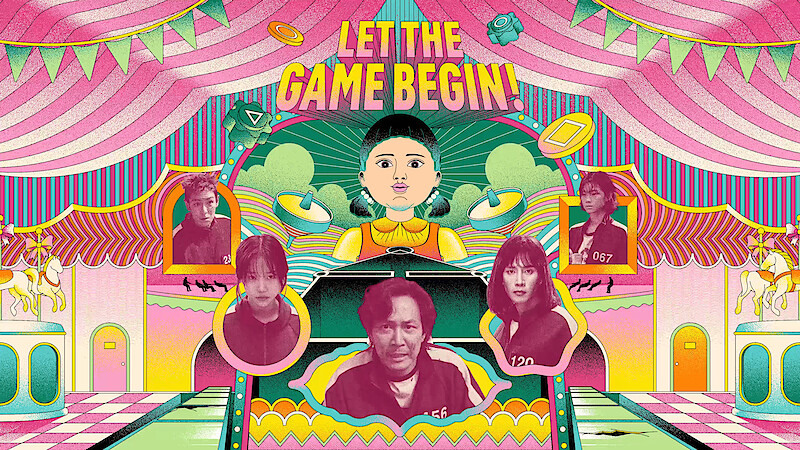
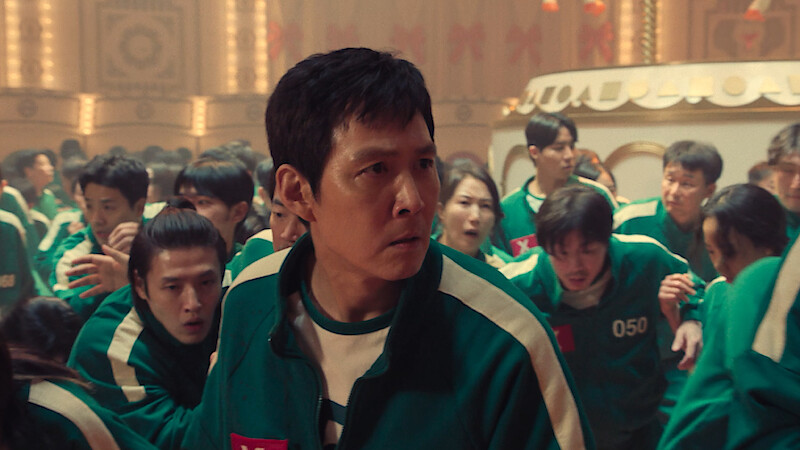
Mingle, a game where players must rush to form groups before running into a room together, was perhaps the greatest challenge for the production designer. Built practically and filmed with minimal use of CGI, the game features a large spinning orange platform with carousel horses at its center, in a white-walled room dotted with pink bows and surrounded by small doors of varying high-saturation hues, which Chae says were inspired by “colors you’d find in a child’s Cray-Pas set.” As a number is called out over the loudspeaker, the players frantically run to form groups and avoid elimination, as if they’re merry-go-round horses on the loose: “I wanted to give the sense of horses who have lost their sense of direction,” she says.
The intentionality behind each of Chae’s sets is evident in each scene, every game creating something not only visually stunning but also hinting at the players’ psyches. The production design sets the mood and tone not only for the characters, but also for the viewers. With new sets as eye-catching and impressive as those in Season 1, Chae has again reimagined beloved childhood amusements with a sinister twist.
A version of this story appears in Queue Issue 20.