The Anti-Apartheid History Behind ‘Silverton Siege’ - Netflix Tudum
Images: Neo Baepi/Netflix
Up Close
How ‘Silverton Siege’ Gives Voice to South Africa’s Freedom Fighters
Director Mandla Dube reveals how a bank raid launched the Free Mandela movement.
By Samantha Nelson
April 27, 2022
While lecturing at a university in Johannesburg, Mandla Dube says he found his students to be apathetic about their country’s history. The filmmaker grew up under apartheid, so he made it his mission to help students engage with the events that ended the decades of state-sponsored segregation. His “legends of freedom” trilogy, set in the former capital city of Pretoria, aims to highlight the efforts that moved South Africa toward becoming a multicultural democracy.
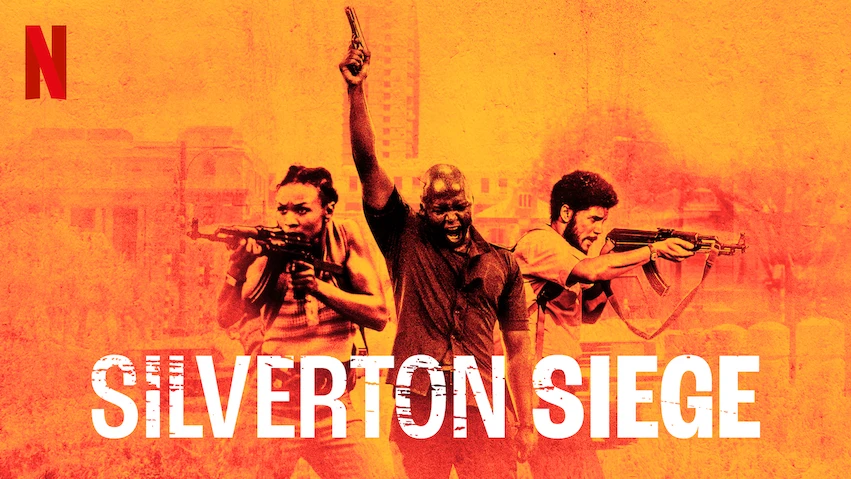
Dube’s planned trilogy started with Kalushi, a 2016 biopic about freedom fighter Solomon “Kalushi” Mahlangu. The second entry in the series, the thriller Silverton Siege, follows three freedom fighters who hold a bank hostage and demand the release of Nelson Mandela. Dube based the film on his personal experiences, witness testimony and his favorite crime dramas, with the goal of inspiring South African youth.
We spoke with Dube ahead of the release of Silverton Siege about his inspirations and how he brings a script to life.
Let’s build this continent. There’s so much that South Africa has to offer and it’s right there. We just need to be able to dig deeper into ourselves.
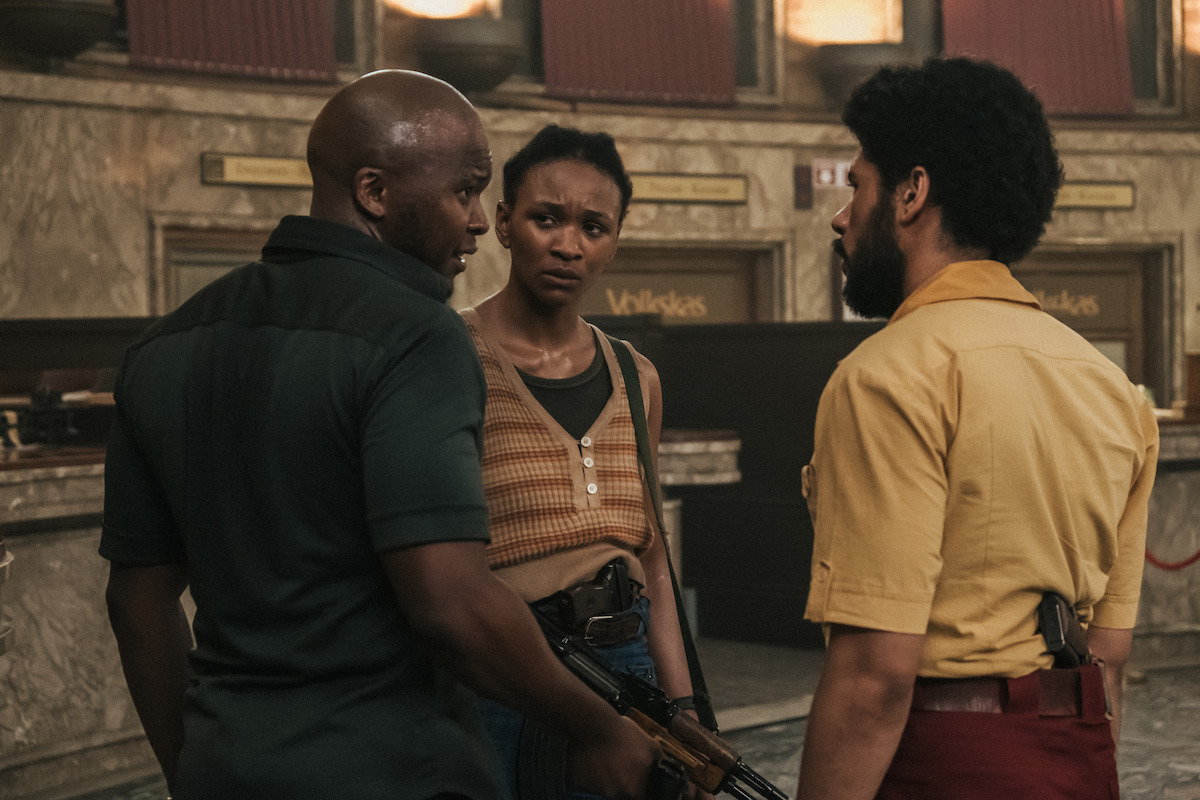
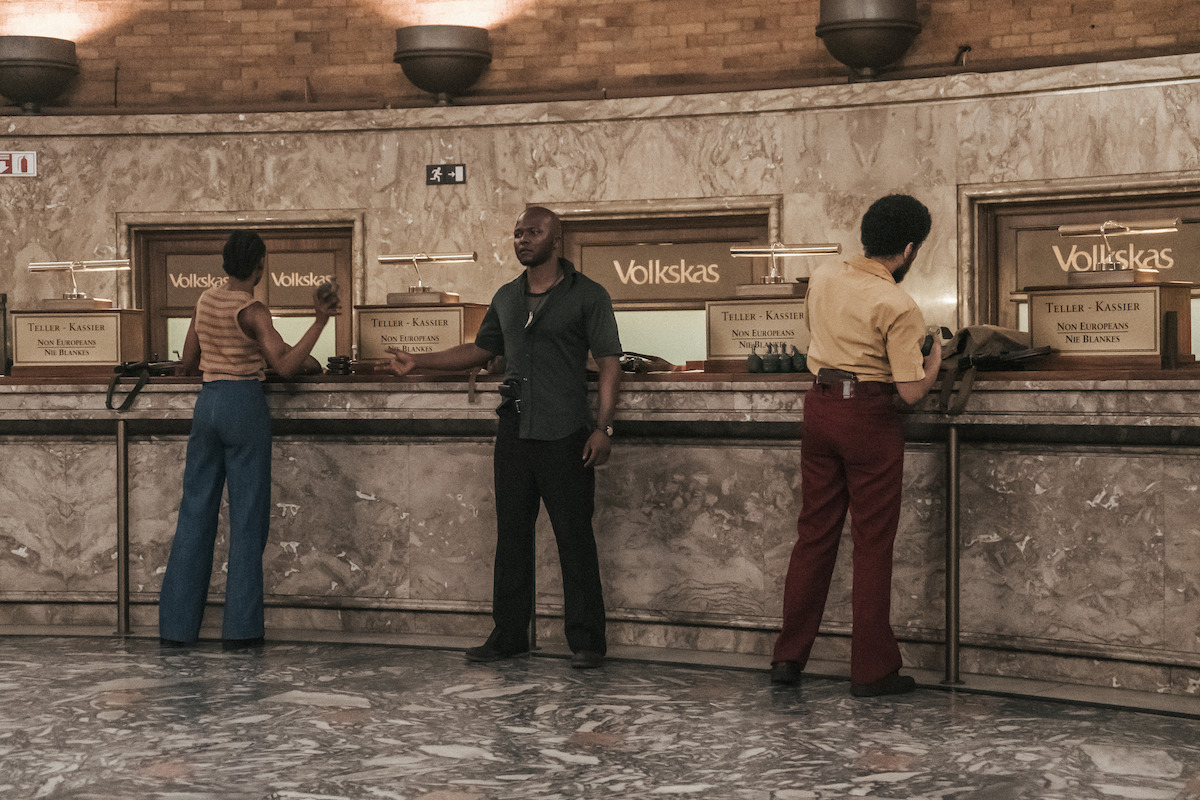
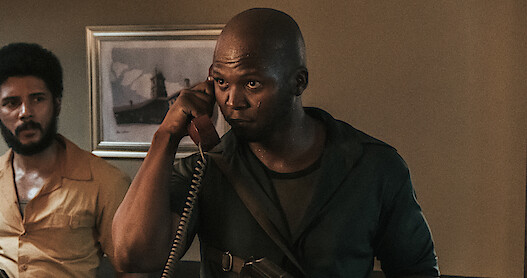
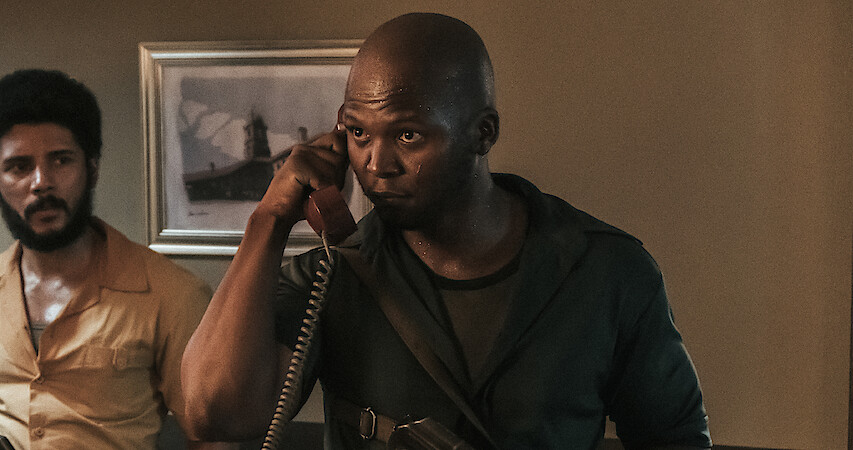
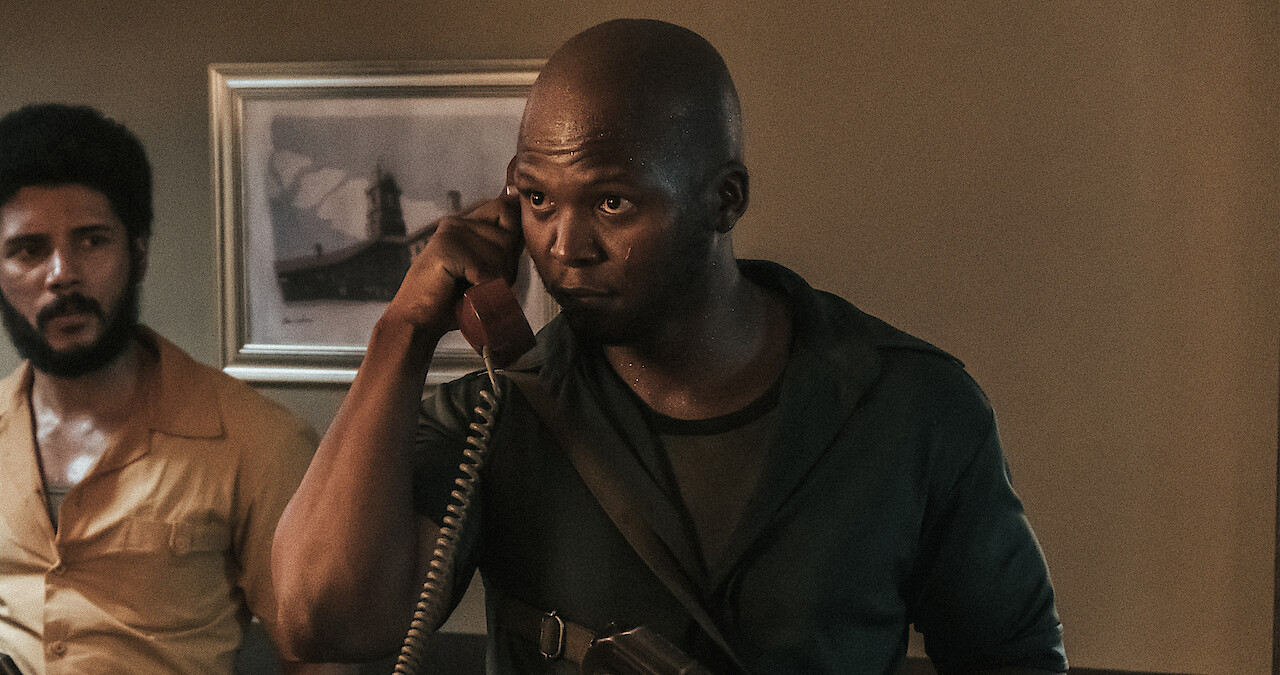
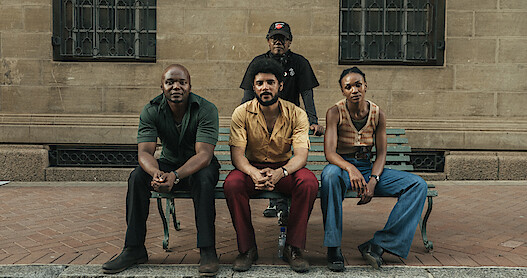
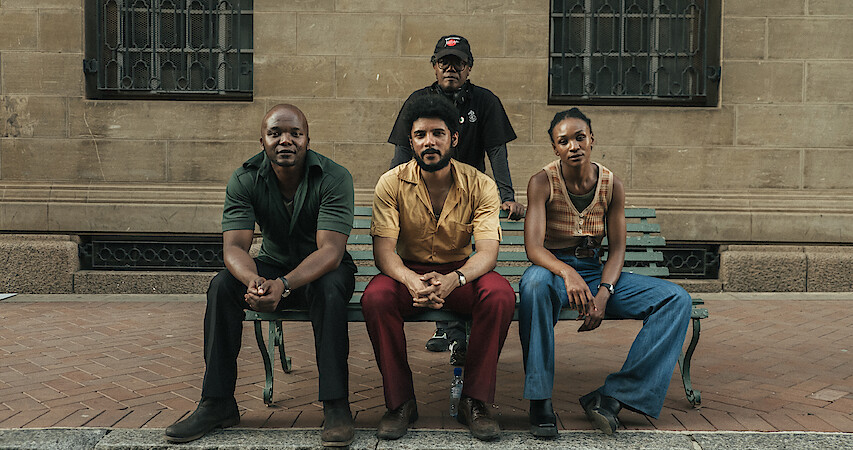
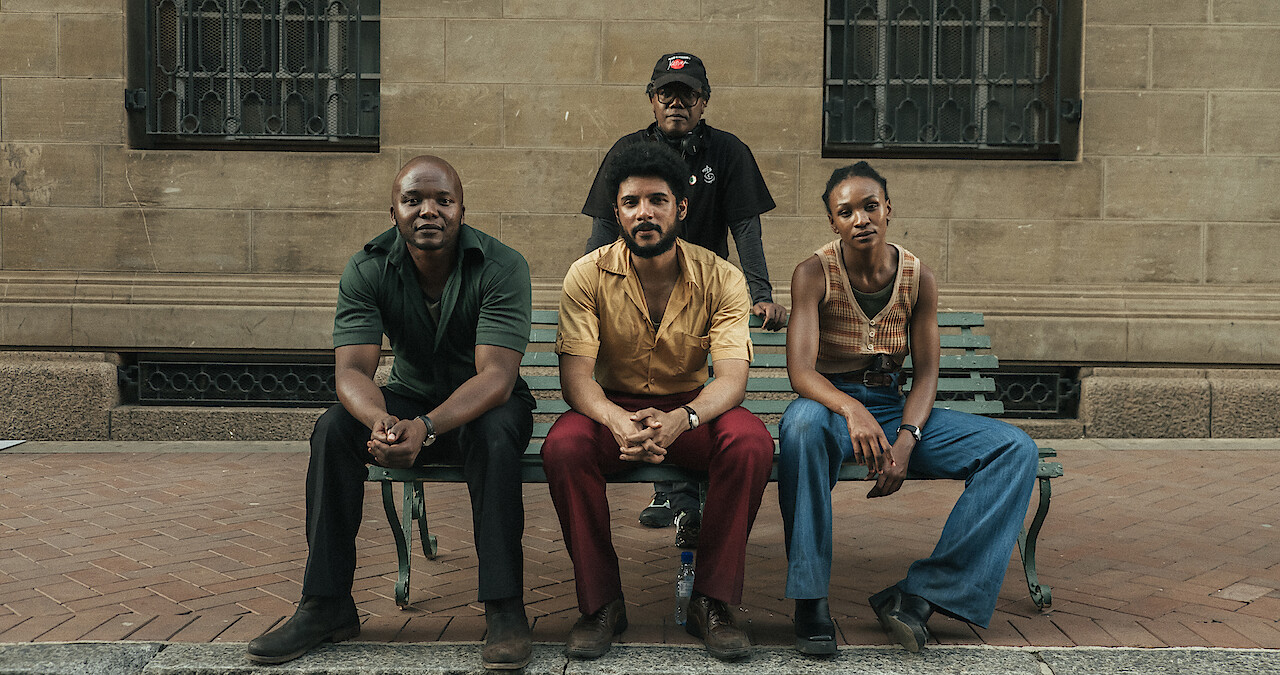
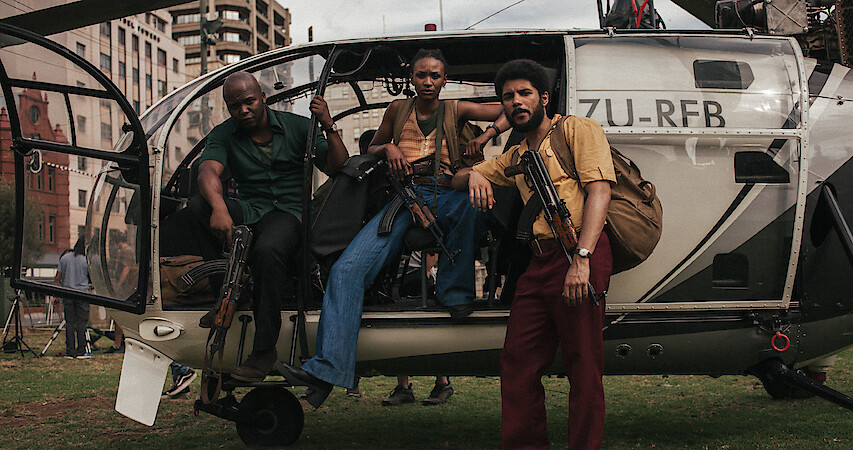
From Left: Freedom fighters Calvin Khumalo (Thabo Rametsi), Mbali Terra (Noxolo Dlamini) and Aldo Erasmus (Stefan Erasmus) take a bank hostage.
What is your goal for the film in terms of how you’d like your students and other people to receive it both in and outside South Africa?
Young people need to draw inspiration from the youths of the Silverton Siege. We’ve got the highest unemployment rate of young people in the world. Here are young people who were being chased by police, went inside a building and then were innovative enough to say, “You know what? We don’t want the money. We’re going to free Nelson Mandela.” That sparked the Free Nelson Mandela movement. Less than 10 years later, he was free. Young people need to realize where they come from and that their stories matter deeply.
We are free. Let’s now work towards economic emancipation and be proud of who we are and get involved in technology, especially in engineering, and build this country. Let’s build this continent. This is the place where everybody was expecting a bloodbath to happen before Nelson Mandela was released and, magically, we tapped into our humanity, and we were able to reconcile and find a peaceful resolution to the conflict. I think there’s so much that South Africa has to offer and it’s right there. We just need to be able to dig deeper into ourselves.
What were your inspirations for Silverton Siege?
I did my undergraduate studies at Clark Atlanta University. After the [1992] Rodney King riots in Atlanta, the police came and quarantined the entire campus. So, I drew on a lot of that. My former roommate had been in Angola. He was an MK member. He was a freedom fighter. I drew on a lot of that. When I was a student at the American Film Institute, our scriptwriting lecturer was Frank Pierson, who wrote the screenplay for Dog Day Afternoon. Dog Day Afternoon was a bible. I watched that a million and one times. I also watched Kurosawa’s [High and Low] about a kid being kidnapped. It all takes place in this guy’s house, and they are being watched.
What was your personal experience with the Silverton Siege?
I remember a local newspaper called Sunday Times showed those guys’ bodies on the floor inside the bank with bullet holes all over the area to drive the whole idea of Black terrorists and Black danger. That’s just the kind of journalism that took place back then. It horrified me. It traumatized me. I felt like there was a responsibility for me to tell the story.
Director Mandla Dube spoke with one of the hostages from the event the film was based on about how events in the bank played out.
Did you talk to anyone involved in the hostage situation?
I spoke with one of the hostages in the bank. She told me, “Those guys were singing freedom songs, and they taught us how to sing freedom songs. Once we realized, as hostages, that they didn’t come in there to rob the bank, that they were actually fighting for freedom, we were caught between a rock and a hard place because we grew up being taught that there’s this ‘Black danger.’ The Black terrorists are going to attack us and take our country away from us. And these guys... were not trying to take anything away from us. They were actually fighting for the freedom of all of us, Black or white, and we found ourselves rallying behind them.”
Unfortunately, the government at the time didn’t see things that way, and they just stormed the bank and they shot everybody on sight, including some innocent hostages. Then, obviously, they turned around and blamed it on the freedom fighters.
What made you decide to take so many liberties with Silverton Siege, changing the characters and how the event played out?
We don’t have a character who has albinism in the real story and the three guys that were in the bank were all males, and I took the liberty to just say, “I want to make one of them female,” because I had worked with Noxolo Dlamini on the Netflix series Jiva! Then, obviously, we didn’t use the real character names. Once that happened, I said to myself, “Let’s have fun. We’re not doing a documentary. We’re doing a thriller,” and all the gloves were off, and we just went to battle to find these characters and to build them and to mold them and shape them into what you see as a final product on the screen.
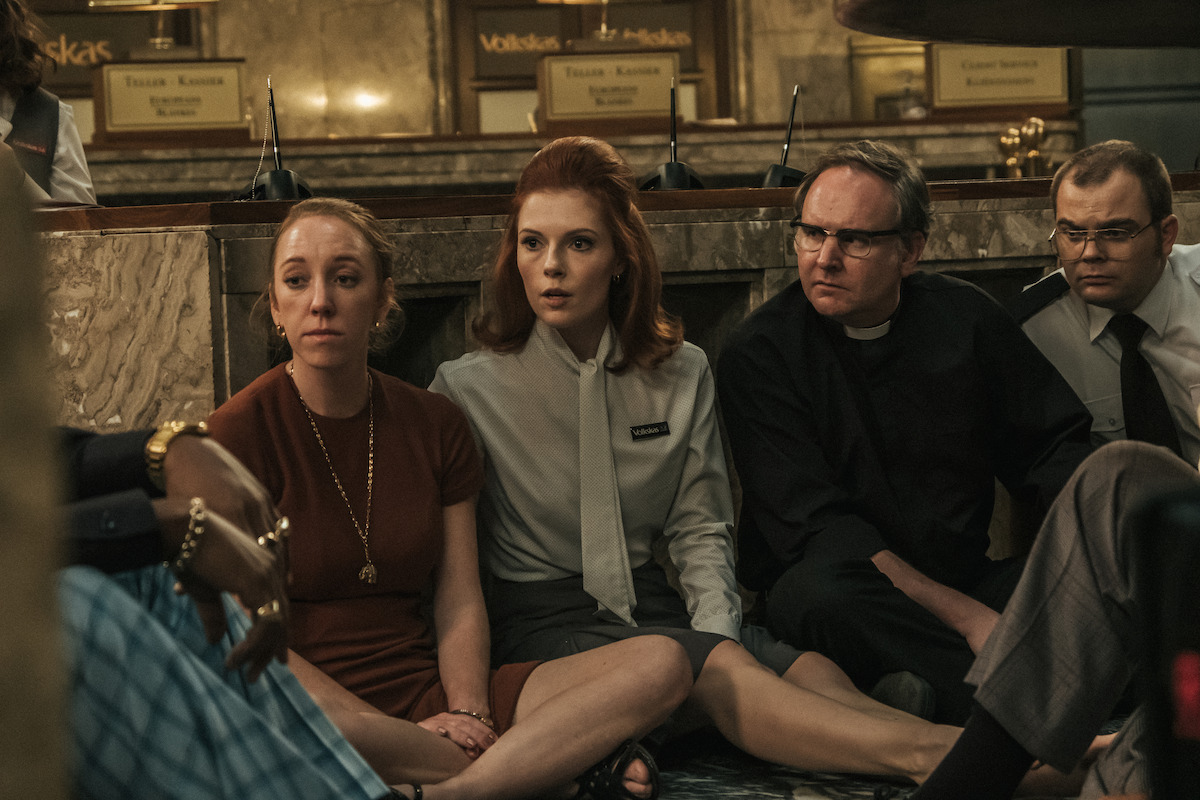
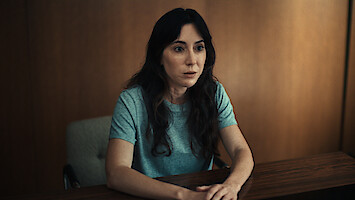
Michelle Mosalakae plays Rachel, a Black woman with albinism who is treated as white.
Where did the plot with Rachel, a hostage with albinism who is treated as a white woman, come from?
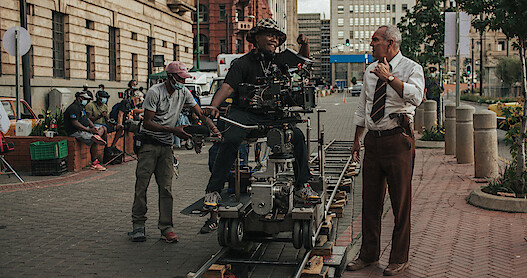
Michelle [Mosalakae], who plays the character of Rachel, grew up near me. Her mom introduced me to her and said, “My daughter’s an actress and she’s struggling to get roles because of her albinism.” I asked her to come to [the] script reading. There was no character written for her, but I said, “Maybe you could read for one of the tellers in the bank, because they are Afrikaans, and they have Caucasian skin tone.” She read it well, but I said to myself, she could play a white character but that’s cheating. So, I said, “Why don’t we write a character for you?”
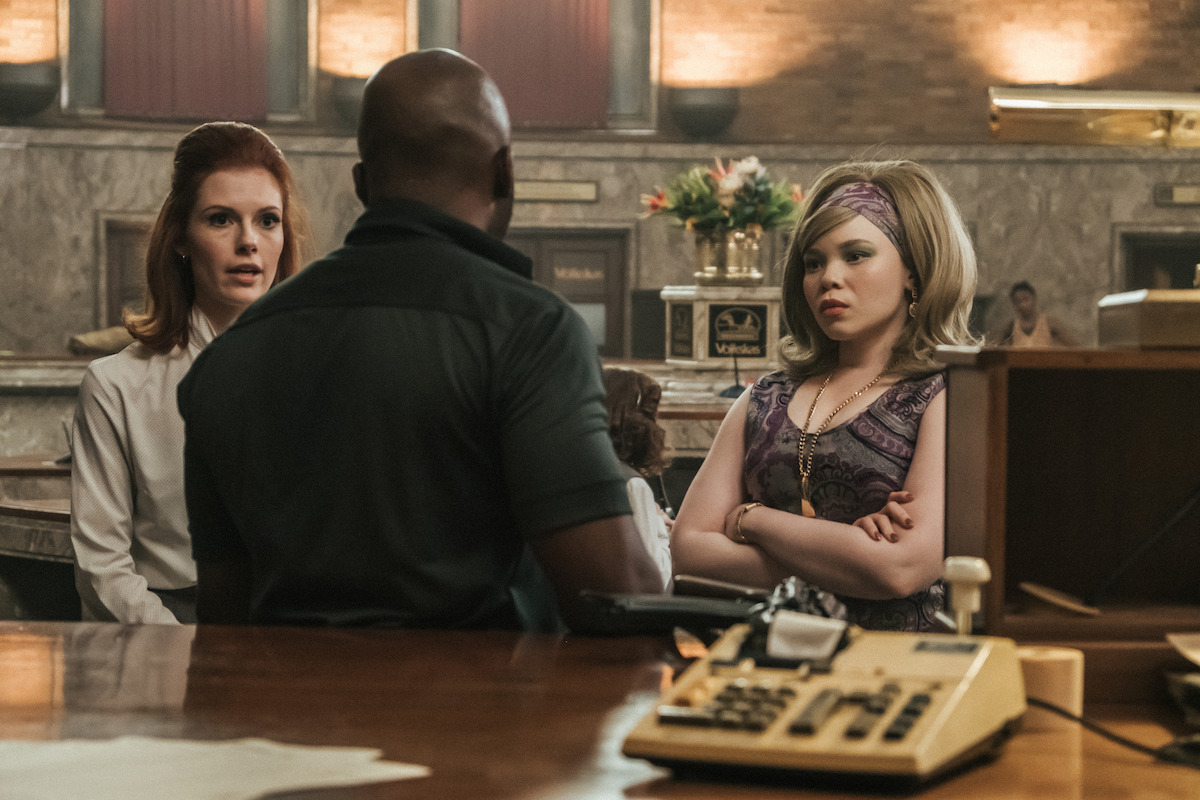
Back in the early ’80s, African Americans were treated as honorary whites in South Africa. They would go in wherever white people could go, but local Black people couldn’t go in there. So, I started playing with that whole thing of identity, race, skin tone, and that’s why you’ll see Rachel and [African American] Cornelius Washington are in the same bank line. Here are these two characters who are both Black and they’re questioning each other.
Did you need any makeup or anything like that to make the actors look sweaty, or did that just happen naturally on set?
There was a memo to the makeup department that said, “It is January 25th. It is summer in South Africa. It is hot. These guys have to sweat all the time.” That’s straight out of Dog Day Afternoon.
How was making Silverton Siege different from Kalushi?
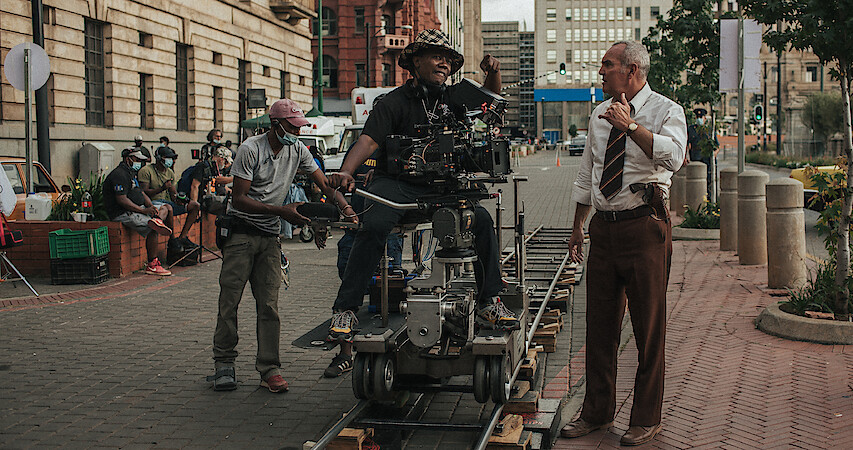
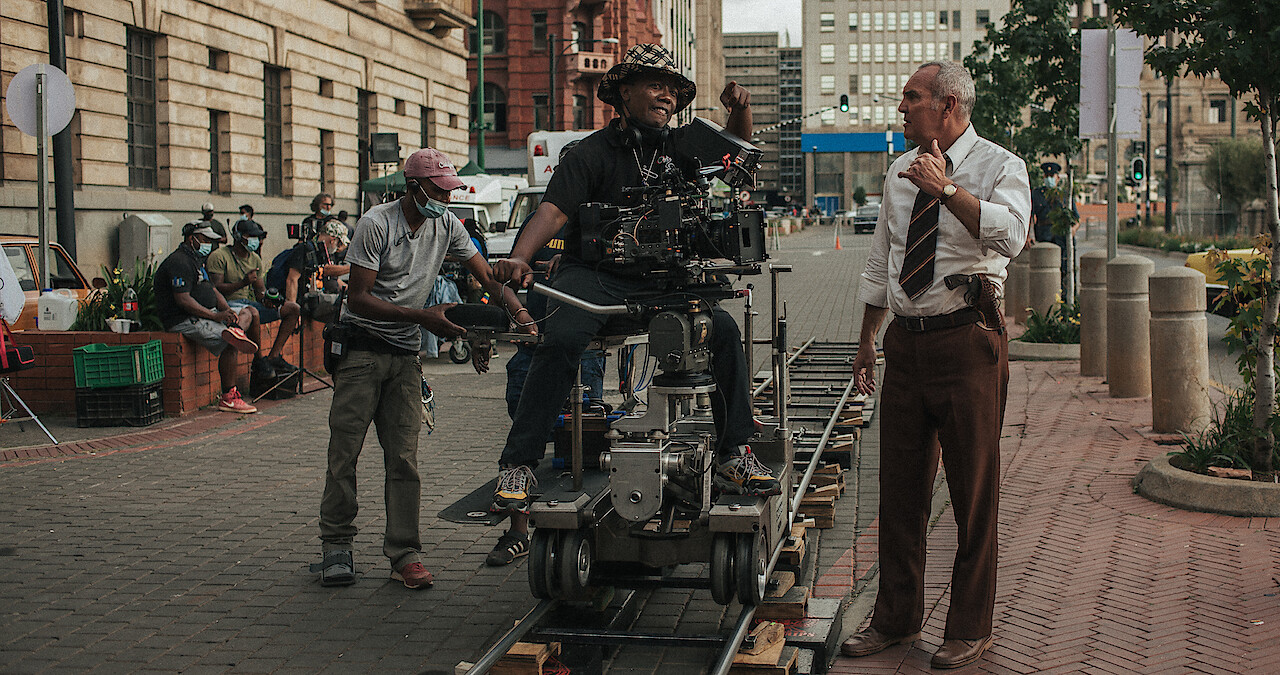
Traditionally, in South Africa, actors will get the script two days before they have to shoot because production houses don’t have the resources to pay them for the rehearsals. Feature films here, they get a week or two weeks of prep. That’s it. I fought hard and said, “I’m not going to make the mistake of getting actors on set if they are not mentally prepared.” And Netflix supported that vision. We got Arnold Vosloo to come over here, and he brought his skill set and the ethos of being able to do rehearsals, and I worked with him and the actors to achieve that.
Silverton Siege is inspired by a true hostage situation at Volkskas Bank in Silverton, Pretoria.
What’s next after Silverton Siege?
The Rivonia Trial [of Nelson Mandela] will complete the trilogy. I want to take a break after shooting Silverton Siege to do something that’s very different. I want to do a comedy next or something fantasy. I probably want to do the Rivonia Trial as a series, kind of like what they did with The Trial of the Chicago 7. That’s going to need the proper research just like we did with Silverton Siege and Kalushi. It’s a mammoth project. I did it as a stage play, and it was very successful. I also did a stage reading of Kalushi and Silverton Siege. That’s part of my methodology. I get the script, and I get it read in front of a live audience to get some feedback.
In the movie, trust is constantly shifting among the hostages, the freedom fighters and the officers outside. How did you use the concept of trust to build tension but also sympathy for the characters?
What I looked for was the humanity of these guys. They are lovers. They are young. They have relationships. In the bank, they find other complex human beings who also have their own challenges. If you start connecting the dots of their humanity, you’re going to have an emotional roller coaster of people trusting, mistrusting and trying to survive.
This interview has been edited and condensed for length and clarity.