Kevin Lingenfelser has been playing the Resident Evil video games ever since the series debuted in 1996 on the original PlayStation. So when he became VFX supervisor for Netflix’s Resident Evil TV show he had one goal: “to make sure that all the creatures from the games were going to be the best possible iteration that has been done to date.”
The show’s team produced unique versions of the series’ numerous monsters to distinguish them from both the multiple Resident Evil movie adaptations as well as other TV shows focused on a world overrun by zombies. But they still wanted to honor the video game franchise. “Resident Evil fans are pretty hardcore, to say the least,” says Lingenfelser, who has been actively monitoring social feeds to see what fans were expecting from the series.
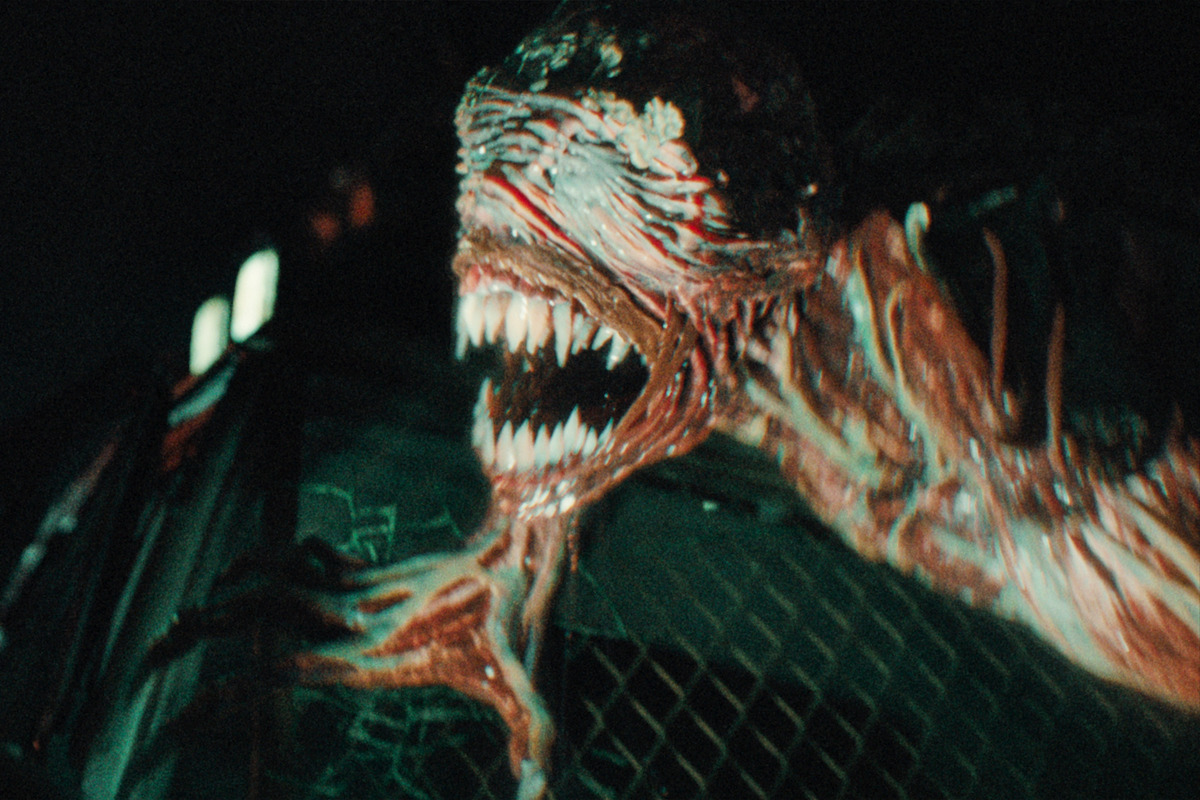
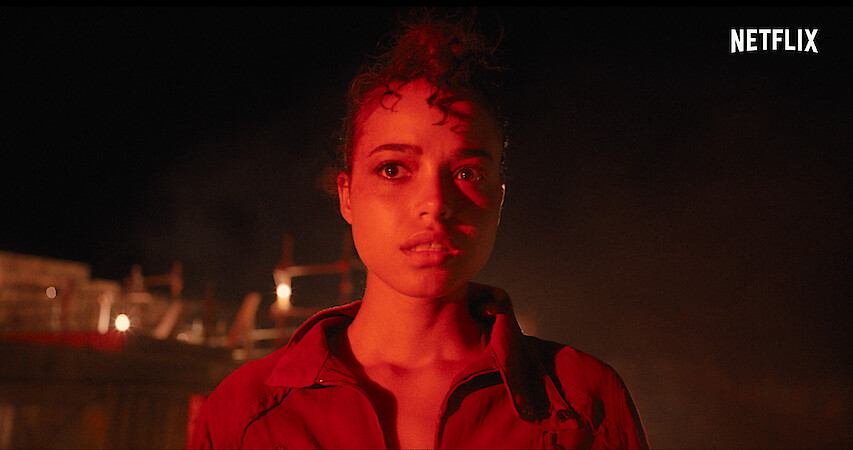
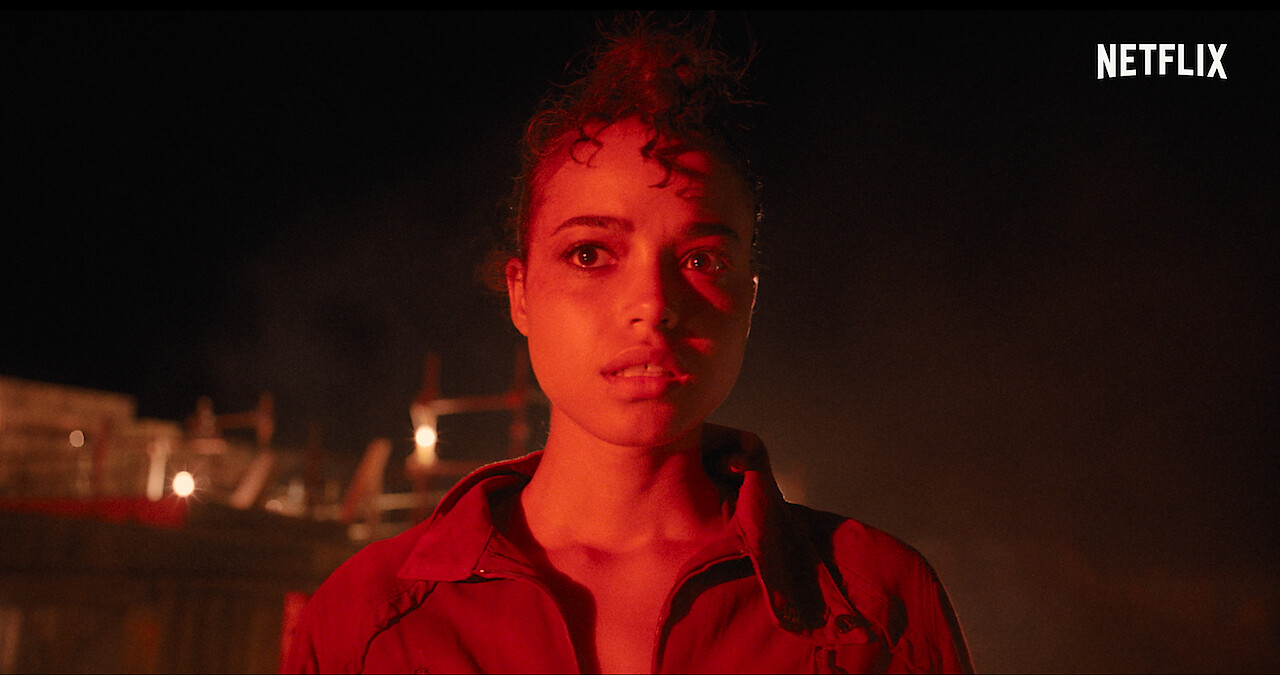
Lingenfelser, showrunner Andrew Dabb and the rest of the special effects team worked to fulfill those expectations by both recreating iconic creatures and inventing new ones that share the same aesthetic, like a giant mutated caterpillar that erupts from the ground to try to devour researcher Jade Wesker (Ella Balinska). Lingenfelser says he drew on science to make some of the creatures more realistic, whether looking to the color palette of a caterpillar or reimagining Lickers (mutated humans with incredible senses of hearing) based on woodpeckers instead of giving them the exposed brains the creatures have in the video games.
“I like referencing things from real life,” Lingenfelser says. “The woodpecker has one of the longest tongues in the animal kingdom. Their tongue is so long that it actually wraps partially around the brain. If you look real closely at our Licker, you'll actually see the tongue kind of over the top of the brain.”
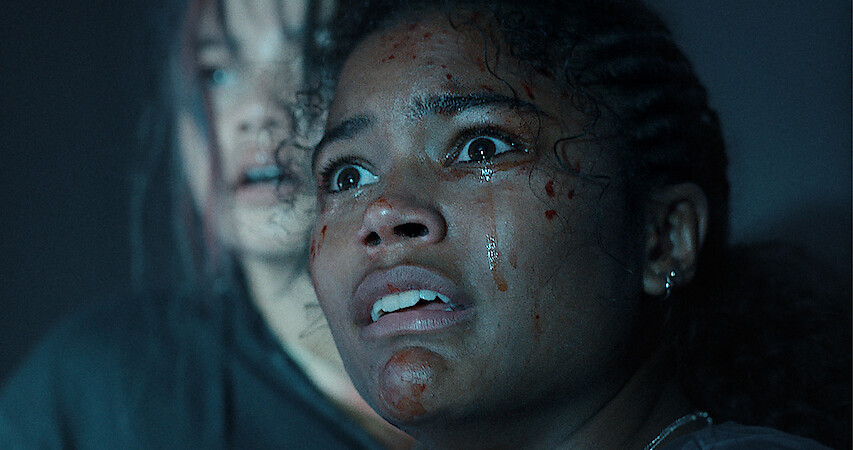
One of the show’s most grotesque creations is a version of the video game character Lisa Trevor, who was experimented on by the Umbrella Corporation. Jade and her twin sister Billie (Siena Agudong) find a video of Lisa when investigating the shady work their scientist father has done for Umbrella. Dabb says his goal was to make Lisa’s appearance shocking to the girls and the rest of the audience.
“For our girls watching it for the first time, the question is, Why is our dad with some crazy skin-faced woman who has a giant fucking eyeball in her back?” Dabb says. “How can we present that in a cool way, even though it's a very quick moment? Hopefully we made this iconic character come to life in a way that fans are really going to like.”
To achieve the character’s look, they blended prosthetics and makeup with visual effects from Rodeo FX, which also worked on Stranger Things Season 4.
“Rodeo replaced that whole [prosthetic] area so we could get lids that opened and it could blink and the eye could dart around and do its thing,” Lingenfelser says. “I wanted the eye to just have its moment, look gross and be effective. Because when the young girls are looking at it, they're clueless [as] to any of this stuff. They don't even know what Umbrella is. They don't know what the T-virus is. So they're horrified when they see it, and Billie slams the lid down on the DVD player.”
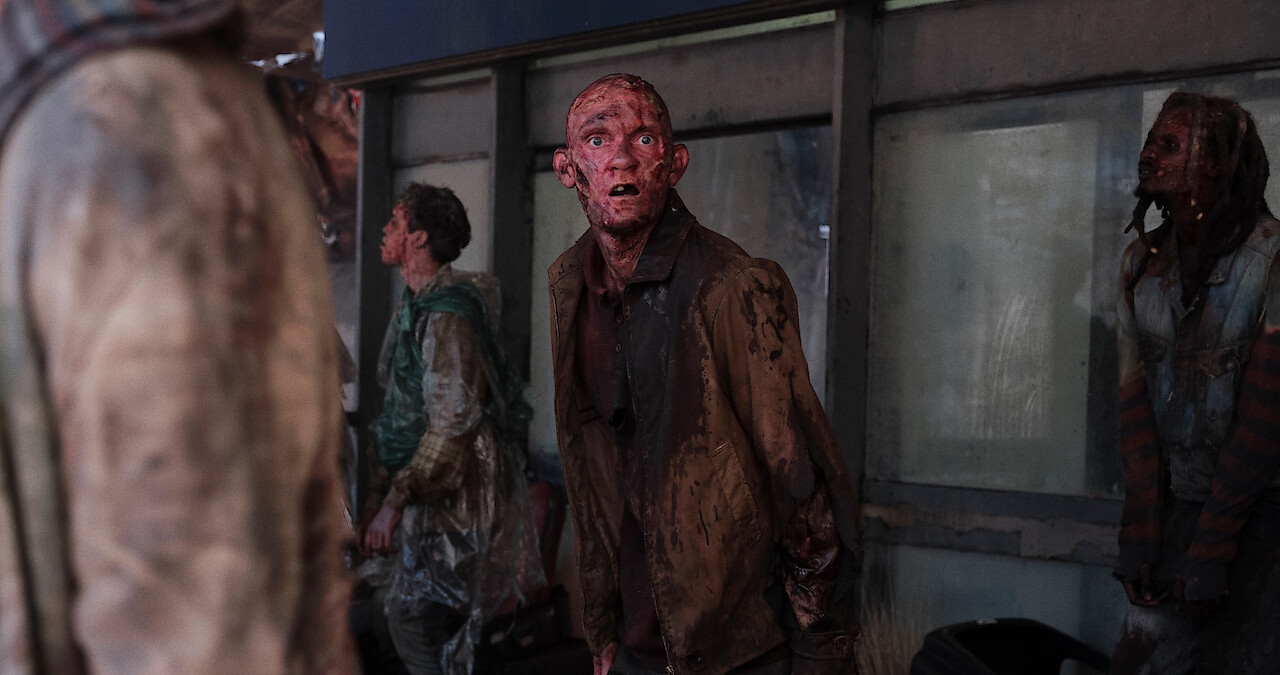
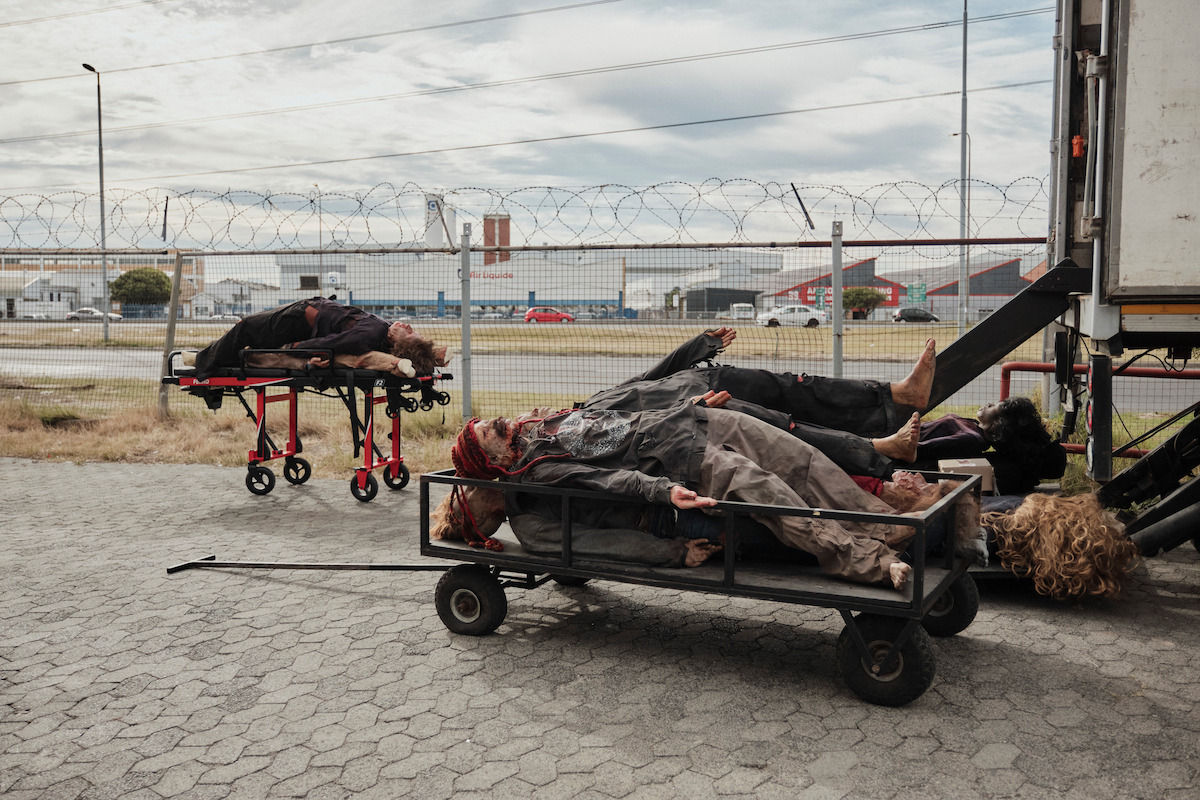
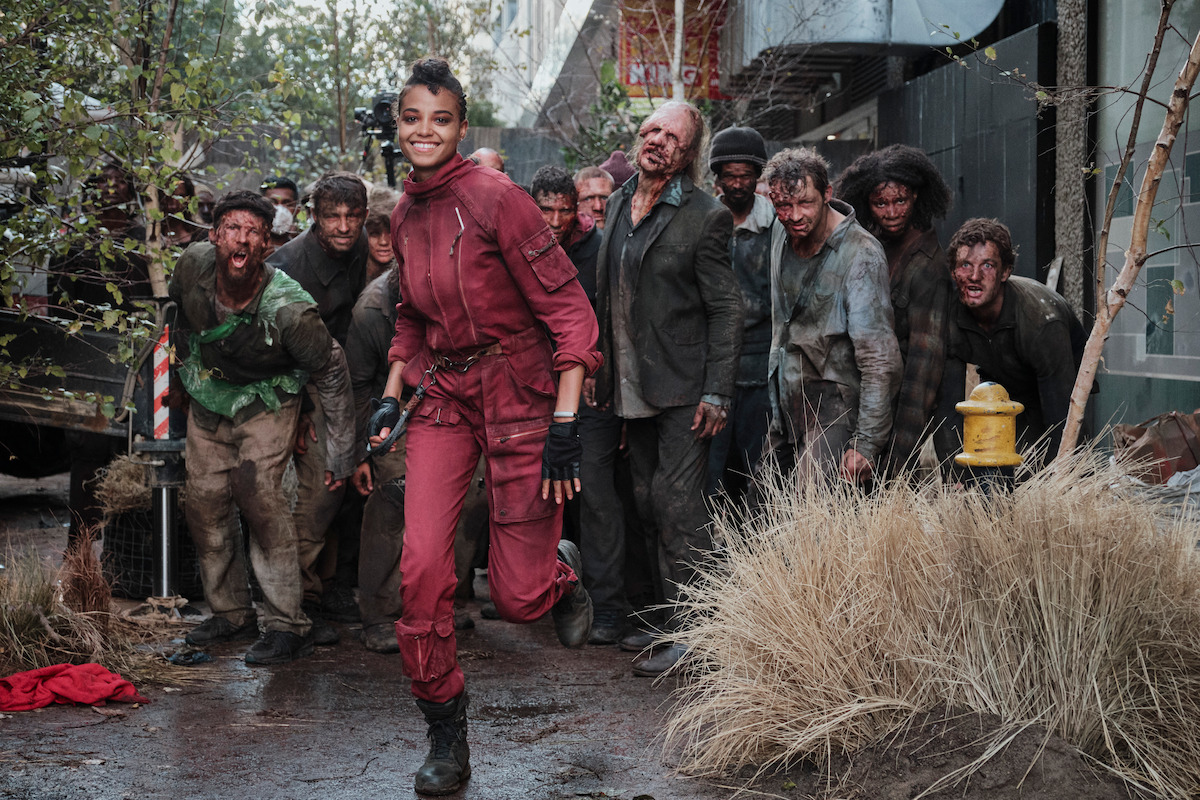
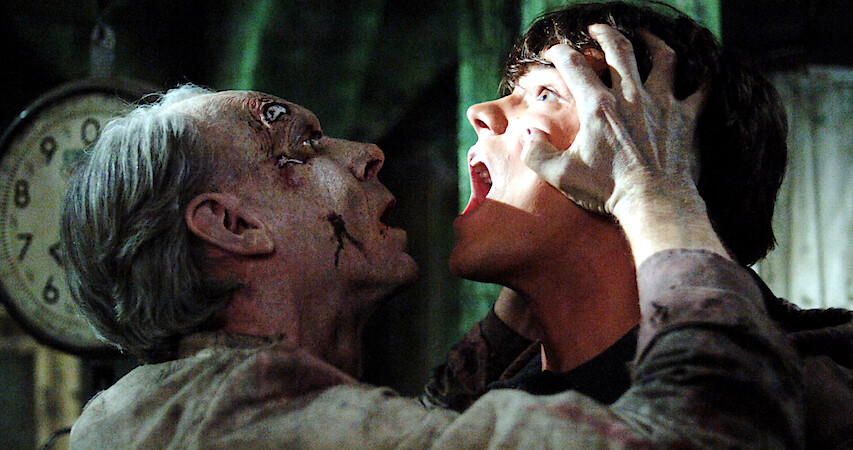
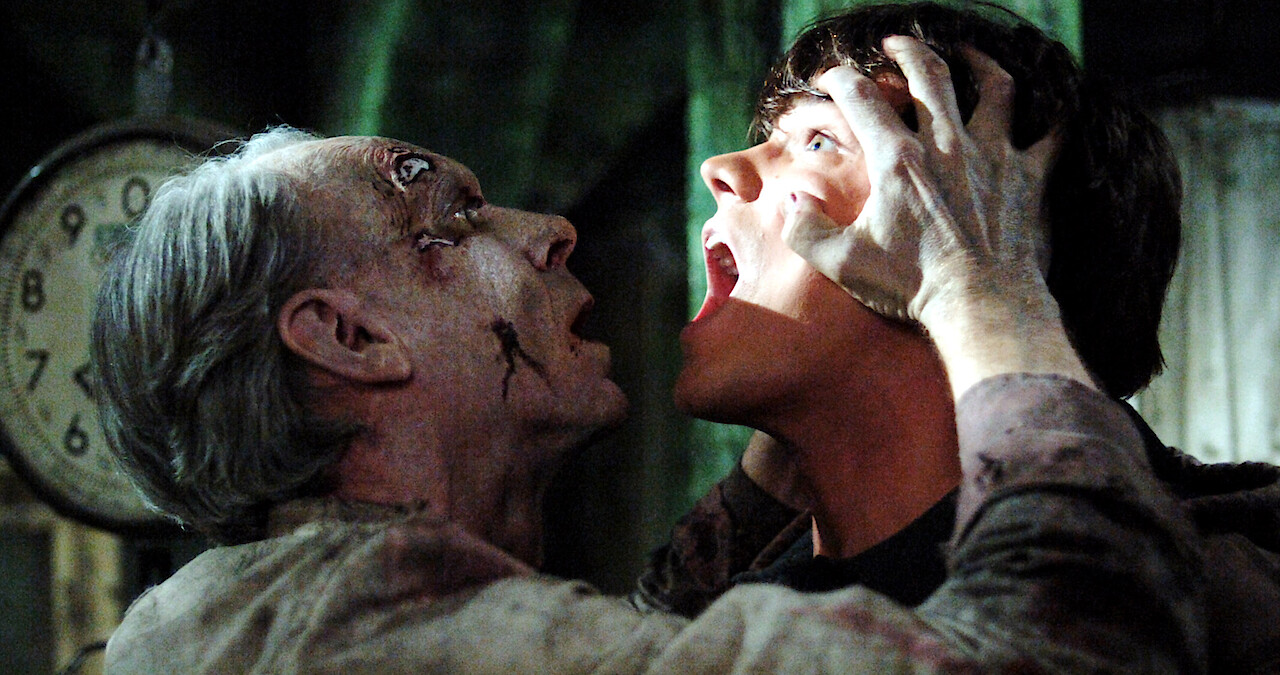
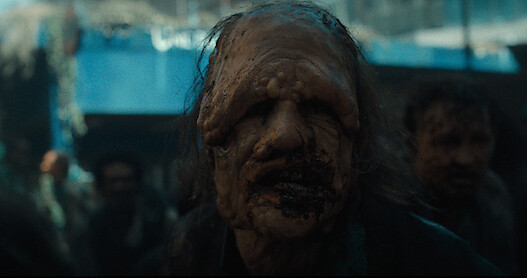
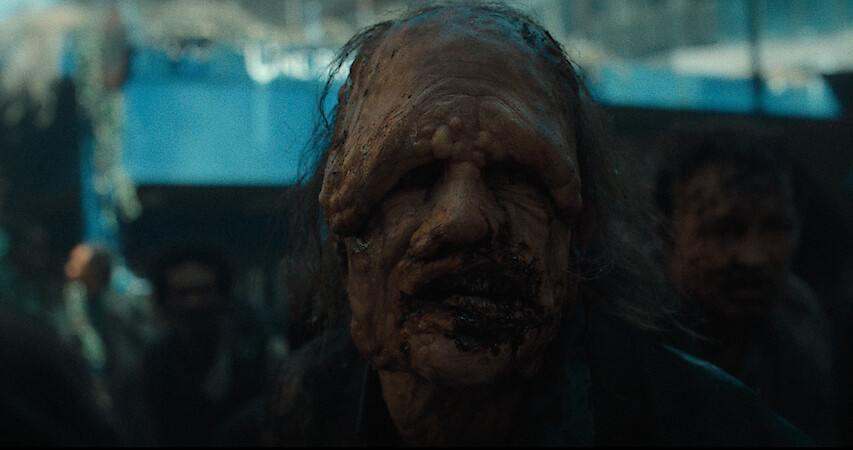
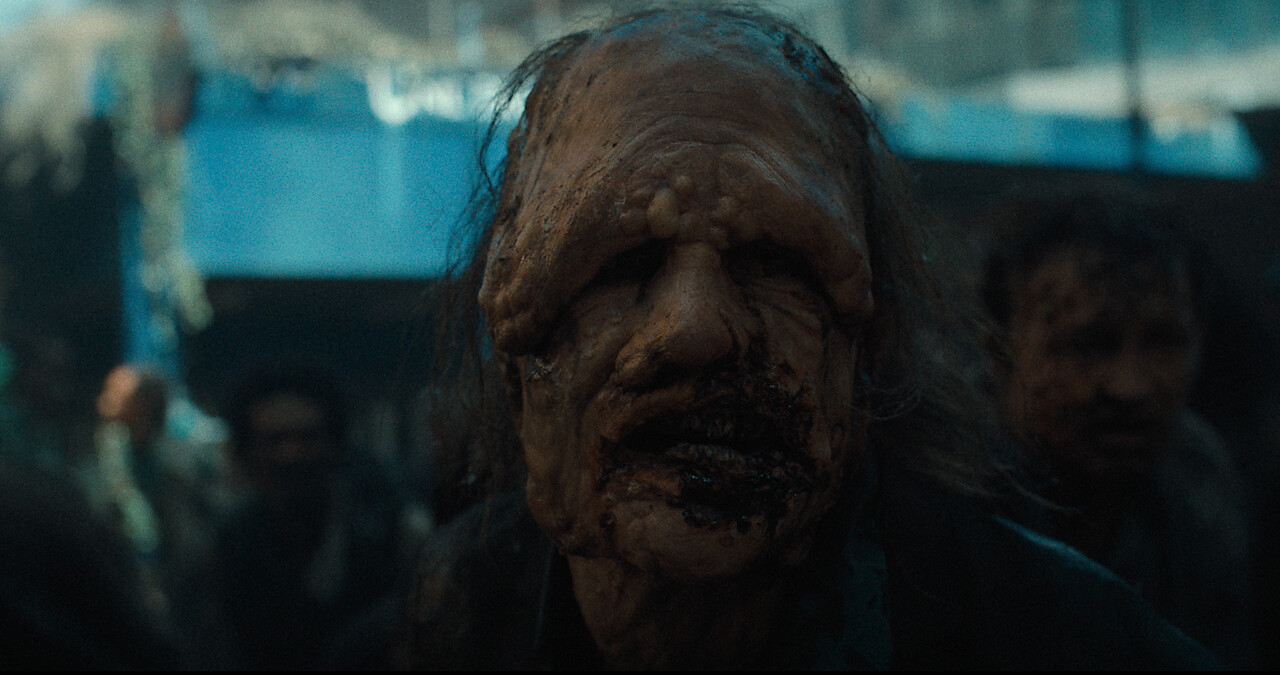
Dabb had a clear vision for making the show’s T-virus–infected humans, also called Zeros, visually from other zombies. He focused on the idea of them being diseased humans rather than the walking dead, people who have spent 10–15 years living in horrible conditions and suffering from exposure to the elements. South Africa’s Creation Studio, which also handled the zombie makeup for the 2016 film Resident Evil: The Final Chapter, designed the look to be distinct from the typical gaunt zombie.
“We started looking at real life skin diseases like syphilis, psoriasis, elephantiasis, blisters and boils,” says Creation Studio director Gerald Clark Sutherland. “The Zeros still had blood in them and bled from their gums.”
Those looks were largely created through practical effects, including working with a movement coach to produce an instructional documentary to teach the actors playing the infected how to look like hungry predators.
“A lot of our zombies are dancers,” Dabb says. “There's a kind of dancing called bone breaking, which uses very extreme movements that look like the people are breaking their bones. Once we knew we had that resource, we kind of leaned into that, hopefully in a really cool way.”
Sutherland worked with some of the “bone breaker” dancers previously on a production in which their movements had to be “demonic and out of place.” On rehearsal days they would watch the dancer’s movements and fit their prosthetic pieces accordingly. “We sculpted a lot of different generic prosthetics that can fit anybody,” Sutherland says. “If we felt we would like to push the makeup even more, we would run in with some pre-painted prosthetics and get that stuck quickly before we start[ed] rolling cameras.”
Sometimes the team had to learn to get out of the way of the actors, such as when creating the Mother, a screaming Zero capable of controlling other Zeros through pheromones played by South African actor Candice van Litsenborgh.
“Our sound department put in a scream and I said ‘No, use her real scream,’” Dabb says. “Her real scream was fucking creepy. We tried to do as much as possible practically.”
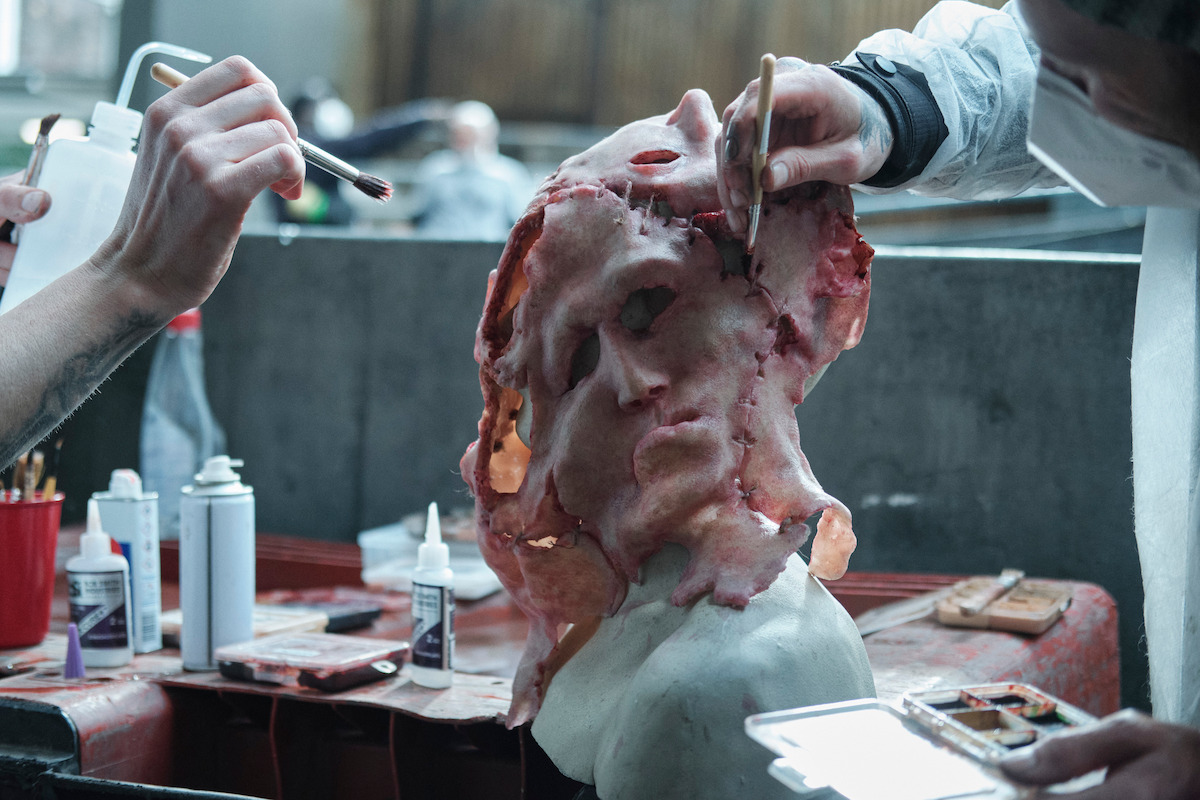
The Mother’s decapitated head is a key prop and plot device in the show, so Creation Studio created three versions of it that served as the basis for van Litsenborgh’s makeup. Transforming her into the monster took three to four hours.
“We did a quick mold of the entire sculpture before we broke the sculpt up in pieces to create the makeup,” Sutherland says. “You could not recognize Candice at all once the prosthetics were stuck on. She had tattoos, she had piercings, [and] eight to 10 pieces of prosthetics stuck on, plus tufts of hair.”
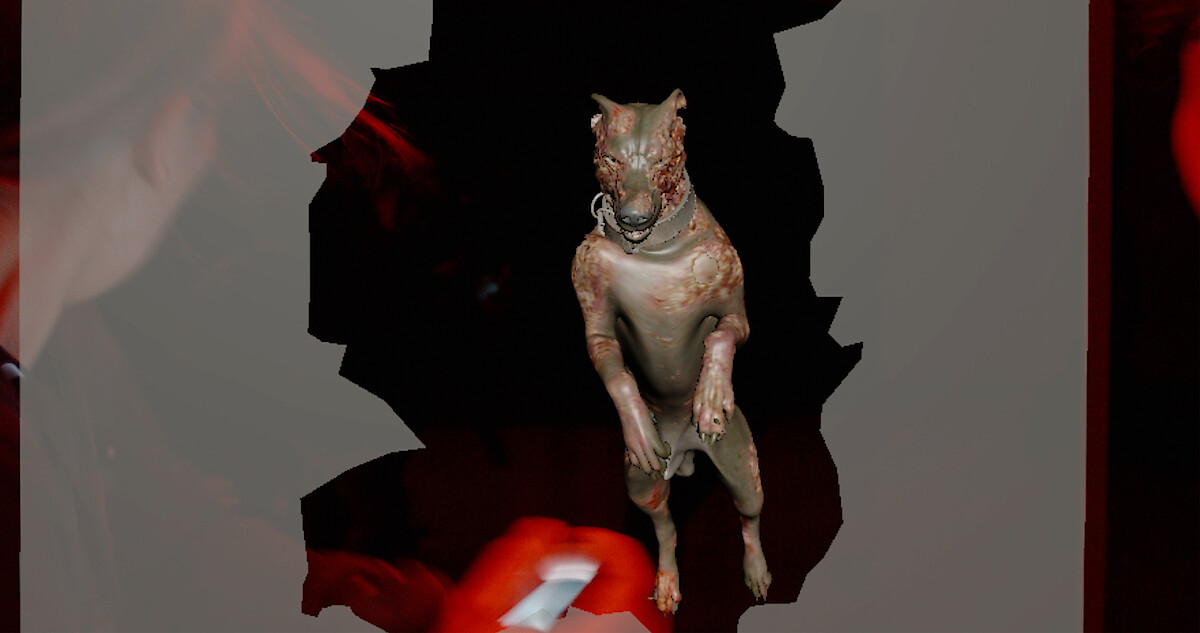
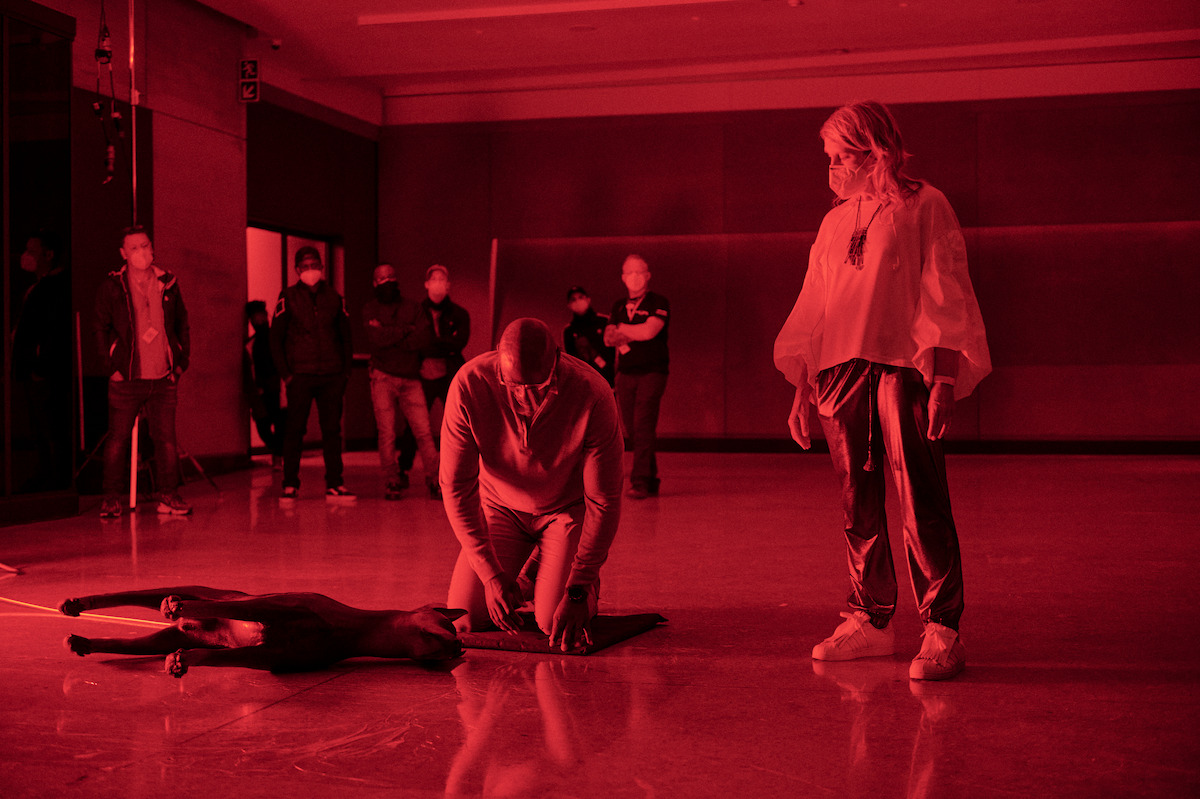
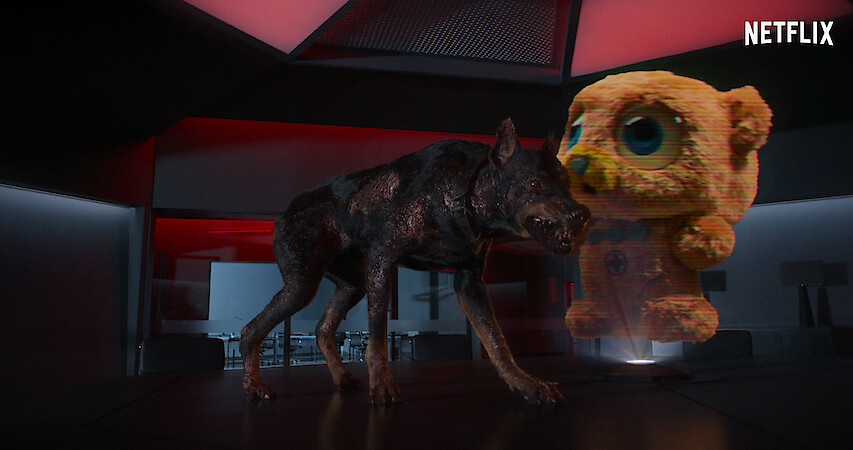
The production was made more difficult by COVID-19 restrictions, which limited the allotted number of cast and crew when filming in South Africa. It even restricted their access to highly trained Doberman pinschers.
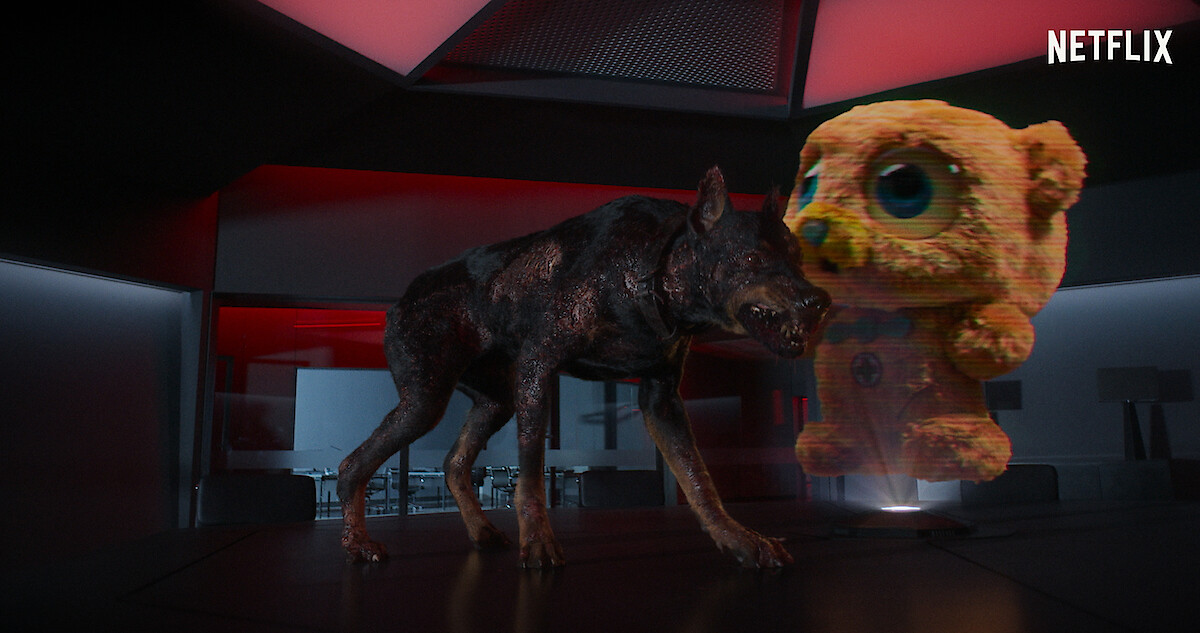
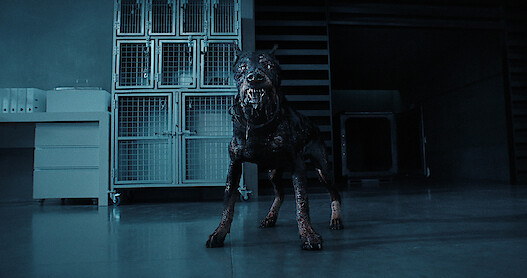
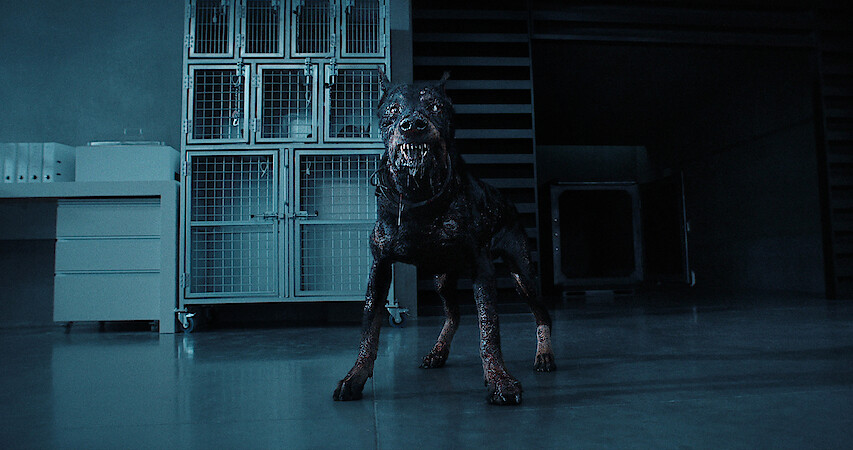
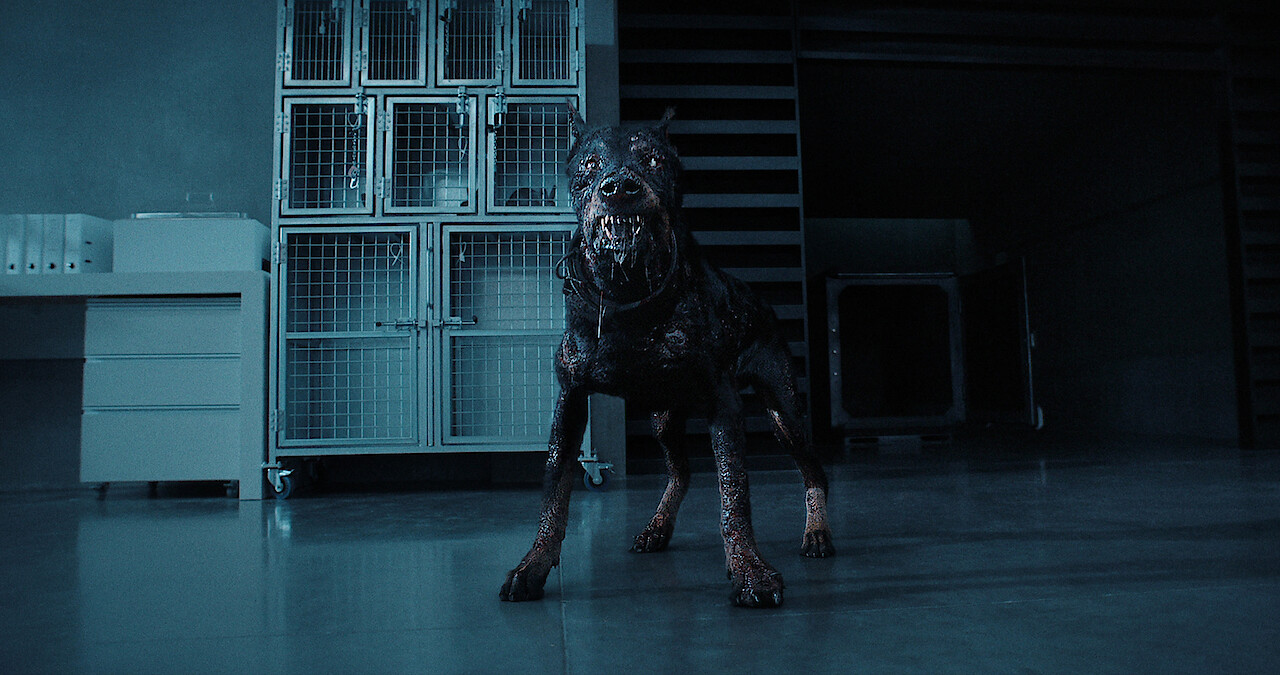
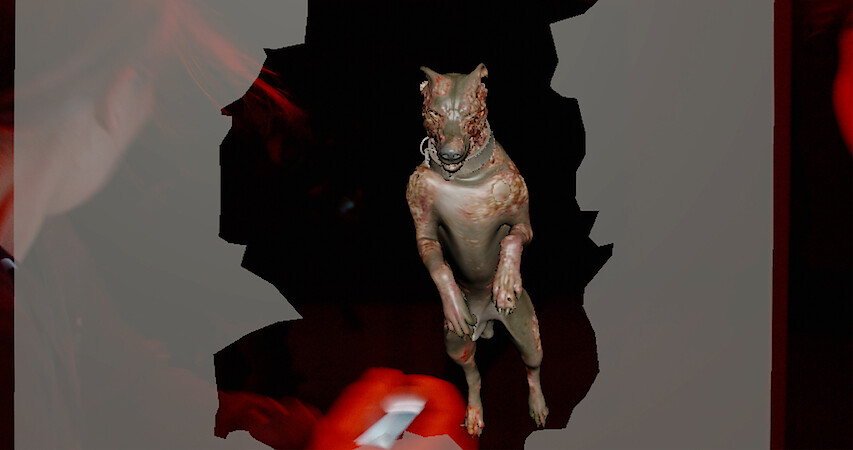
“We ended up with Dobermans that were very sweet dogs,” Lingenfelser says. “It was really hard to get a Doberman that could actually growl and do the really vicious stuff on camera. We ended up doing most of the dog work in the series in CGI.”
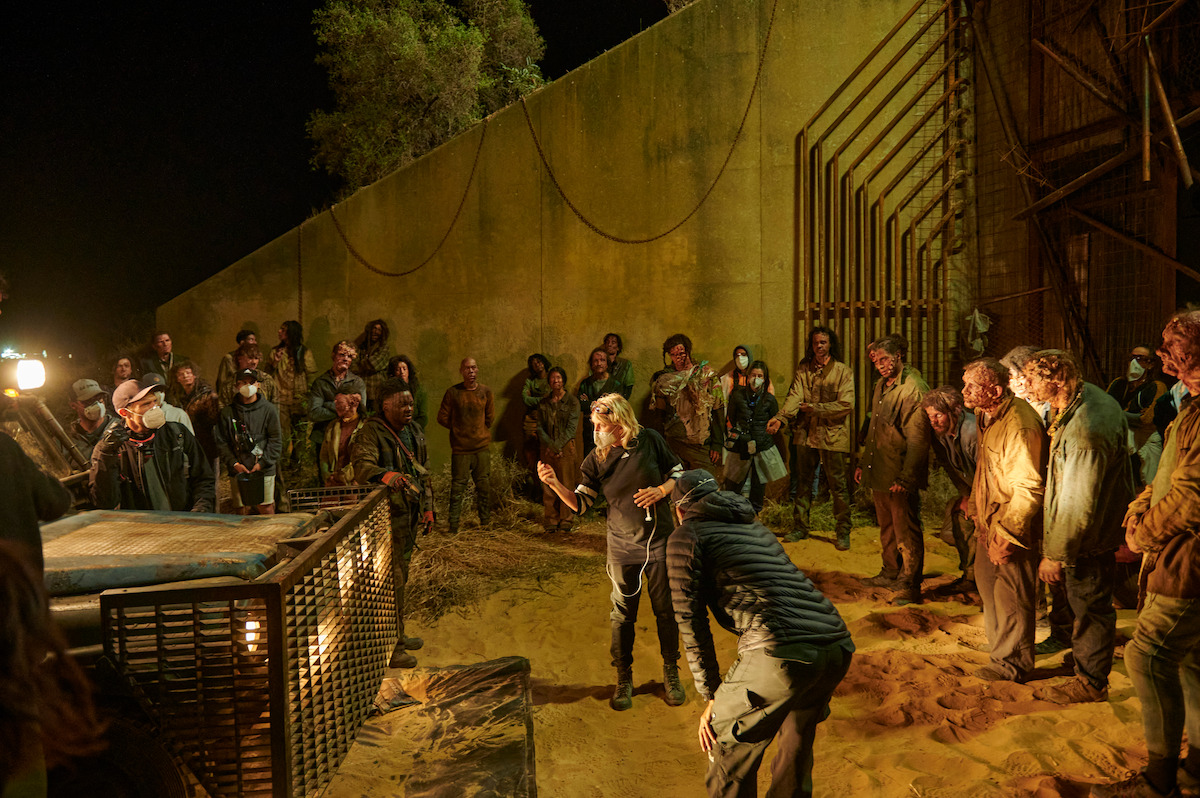
Almost 40 actors played the show’s “Hero Zeros,” who were fully made up so they could stand up to the scrutiny of close camerawork. Lingenfelser says the makeup was so good, in fact, that his team didn’t have to do much to fix them up in post-production. He also worked with multiple teams to create swarms of CGI zombies battling Umbrella Corporation agents, which actually made it easier to navigate the South African nature preserve where the series was filmed.
“We had to be very careful where we walked,” Lingenfelser says. “The CGI Zeros helped us with that since we could have them come in from multiple directions and it didn't matter because they were obviously not trampling on anything.”
Another condition that makes Resident Evil visually unique but that created challenges for Lingenfelser and his team is that many of the big action sequences take place in broad daylight.
“There was no hiding,” he says. “We had to be very careful about ensuring that the digital versions of our Zeros traversed the terrain properly and it didn't look like anybody was floating, and that shadows were properly laid out. That required a lot of on-the-ground data accumulation. We were constantly shooting with drones, but we did extensive [light detection and ranging] at every location that we filmed and shot in. That was probably the hardest aspect of production but it was also the most satisfying.”