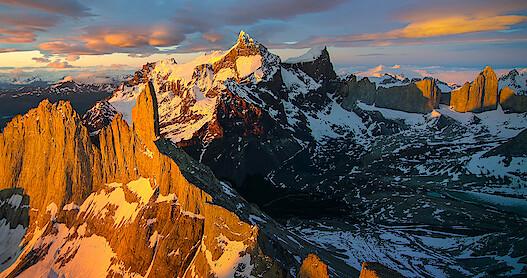
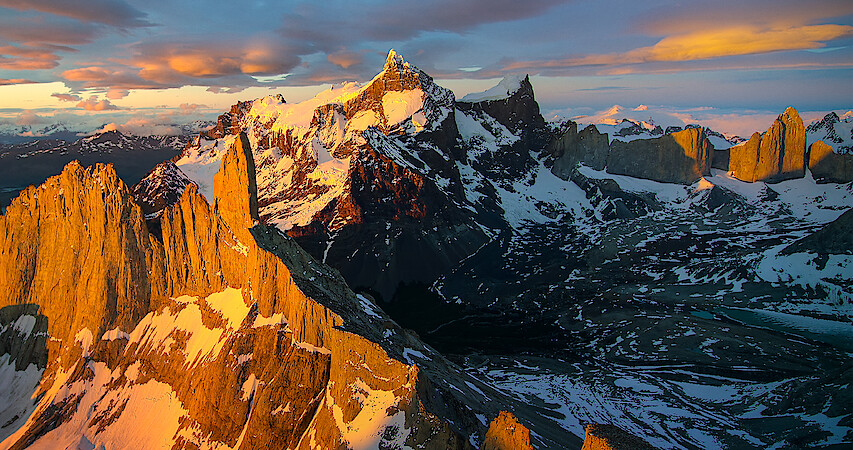
In Our Great National Parks, former President Barack Obama invites us to take a glimpse at some of the most wondrous and spectacular places on Earth. From the tropical rainforests of Indonesia to the massive whales of Monterey Bay, the series entices us to visit some of the most majestic creatures and locations on this planet.
There are 13 amazing national park locations explored in the five-episode series, and you can plan your own in-person visits to any of them. Whether you’re visiting a park near or far, you never know who or what you might spot when you get to your destination.
1. Hanauma Bay
Location: Hawaii
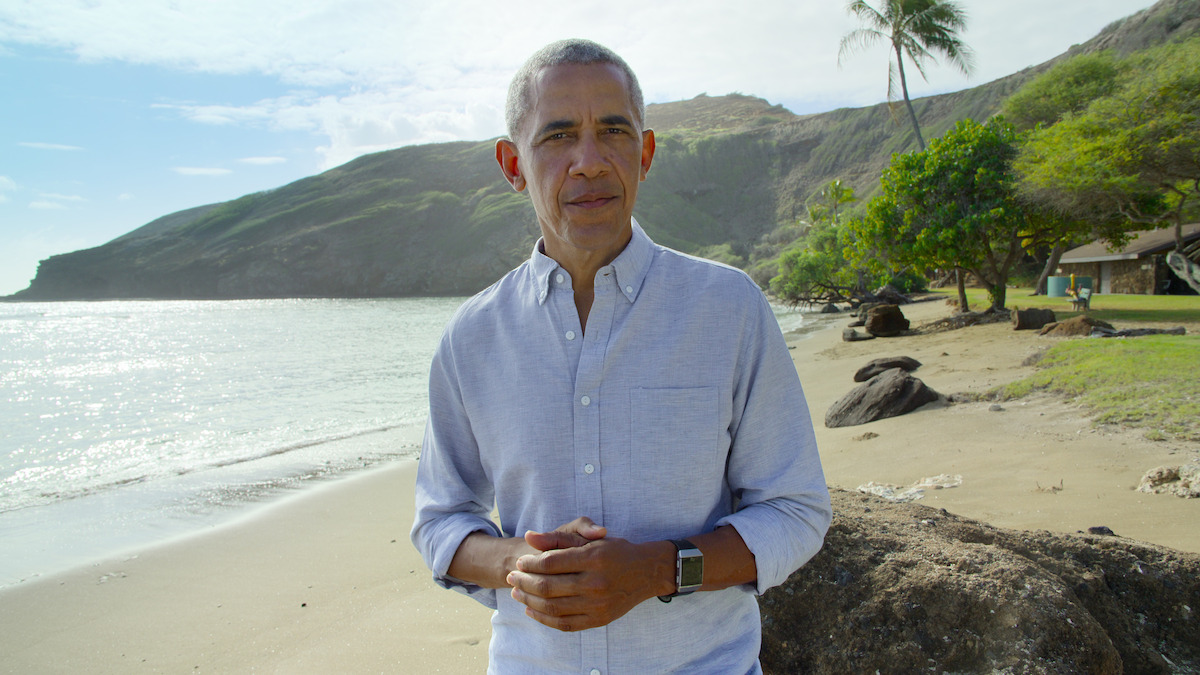
As Our Great National Parks opens, President Obama walks barefoot along Hanauma Bay’s sandy, picturesque coast, recalling his childhood. Before the “curved bay” was declared a protected conservation area in 1967, Hawaiian royalty flocked to it as a place of recreation and for fishing.
Now that the bay has been restored, visitors can get up close and personal with tropical fish and other breathtaking marine life.
Since the weather in Hanauma Bay is pleasant year-round, there is no wrong time to visit. However, February, March and November do get heavier rainfalls.
2. Loango National Park
Location: Gabon
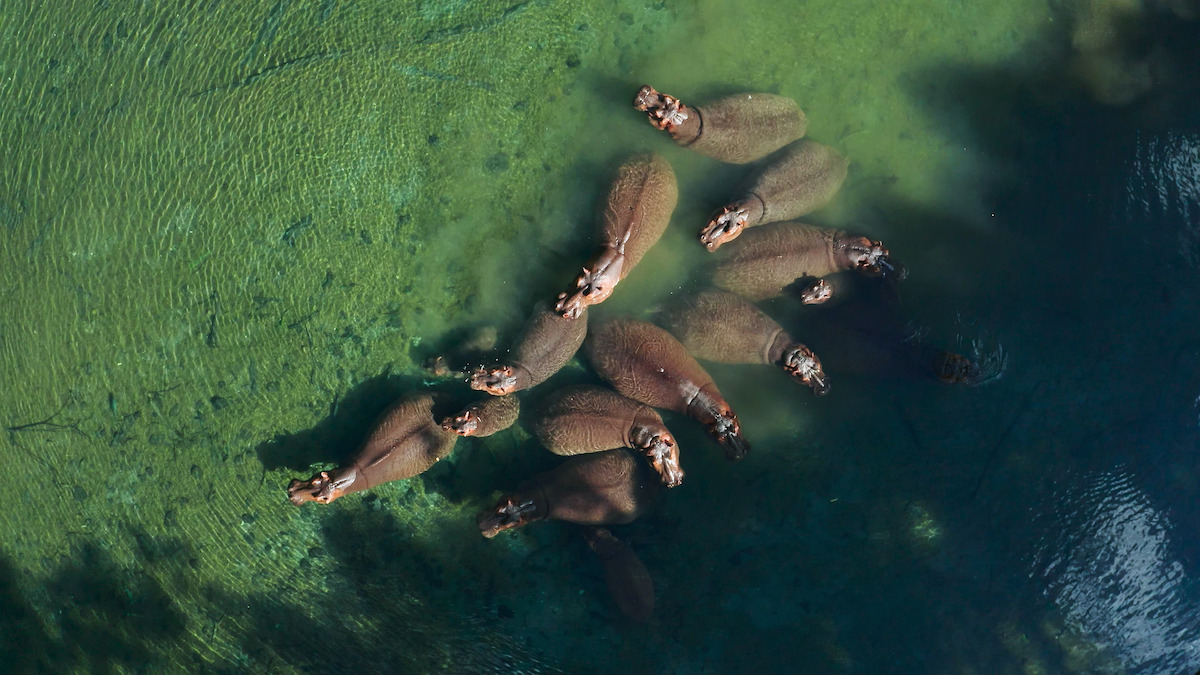
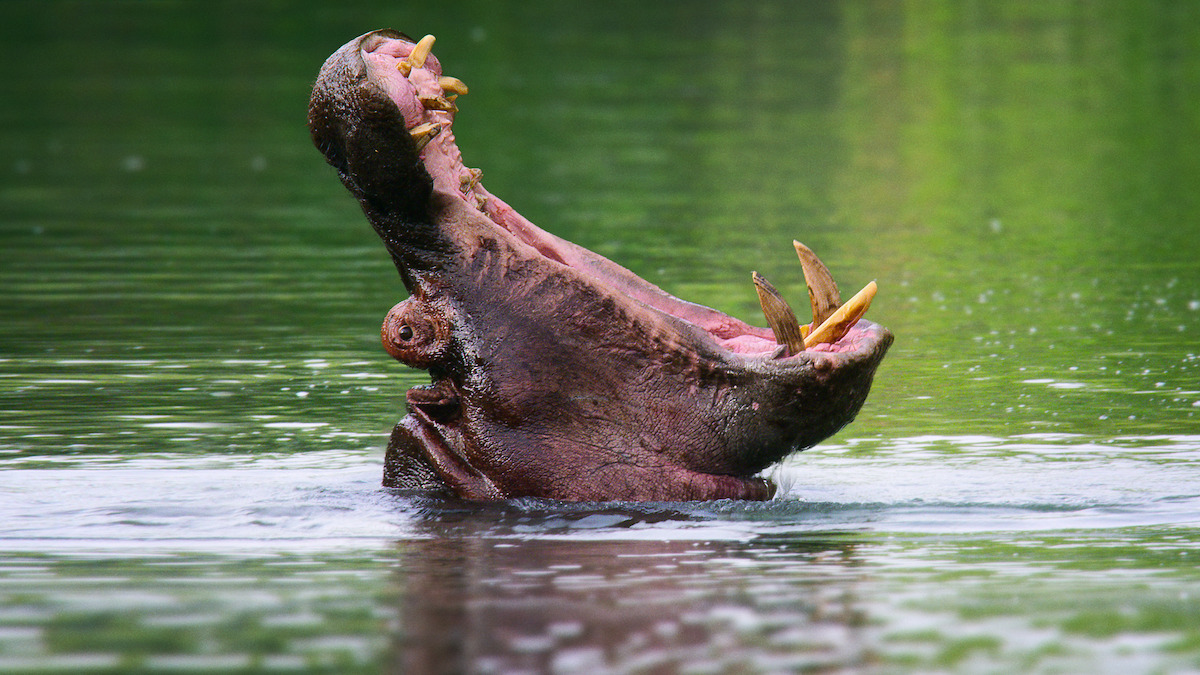
With extensive biodiversity, pristine forests, lagoons and even a savannah, there is so much to see at the Loango National Park. It’s a haven for tropical forest animals. On safari, guests can spot everything from a herd of elephants to hippos and crocodiles. Dolphins and whales can be seen along Loango’s shores, where the vast rainforest meets the Atlantic Ocean. In addition to safaris, there is also a slew of water activities available as well as bird-watching and river cruising.
Loango National Park’s dry seasons run from May to September and from December to January. While there is no “bad” time to visit, the best time to view the wildlife in the northern end of the park is during the rainy season since they migrate south during the dry season.
3. Tsingy de Bemaraha National Park
Location: Madagascar
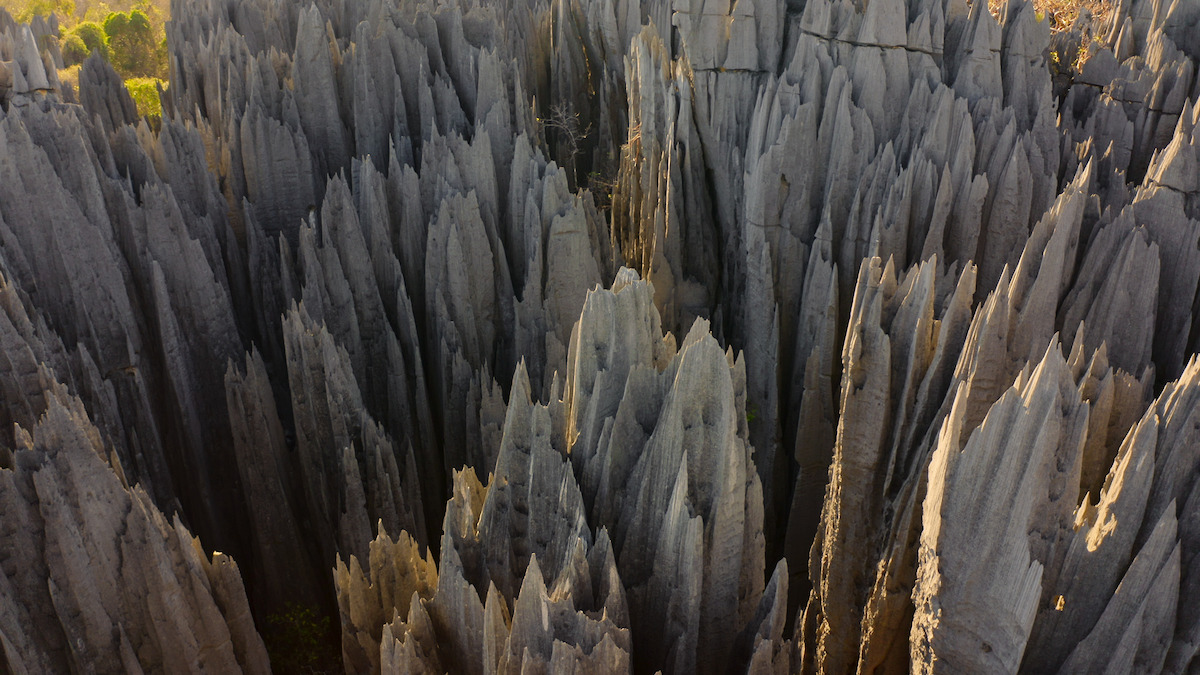
One of the most remote national parks is the Tsingy de Bemaraha. Home to a stone fortress composed of massive needles of limestone, the park’s vast landscape also contains stunning waterfalls and massive canyons.
With Tsingy’s thrilling hiking experiences (that only experienced hikers should attempt), those who enjoy leaping lemurs or rare birds will find the park a stunning place to visit.
If hiking isn’t your thing, you can also embark on a boat or canoe ride along the Tsiribihina River.
The Great Tsingy zone, one of the limestone formations, is only open from June to November, so those are the best months to visit. The weather is also slightly cooler during this time of year, and there are fewer mosquitos.
4. Yakushima National Park
Location: Japan
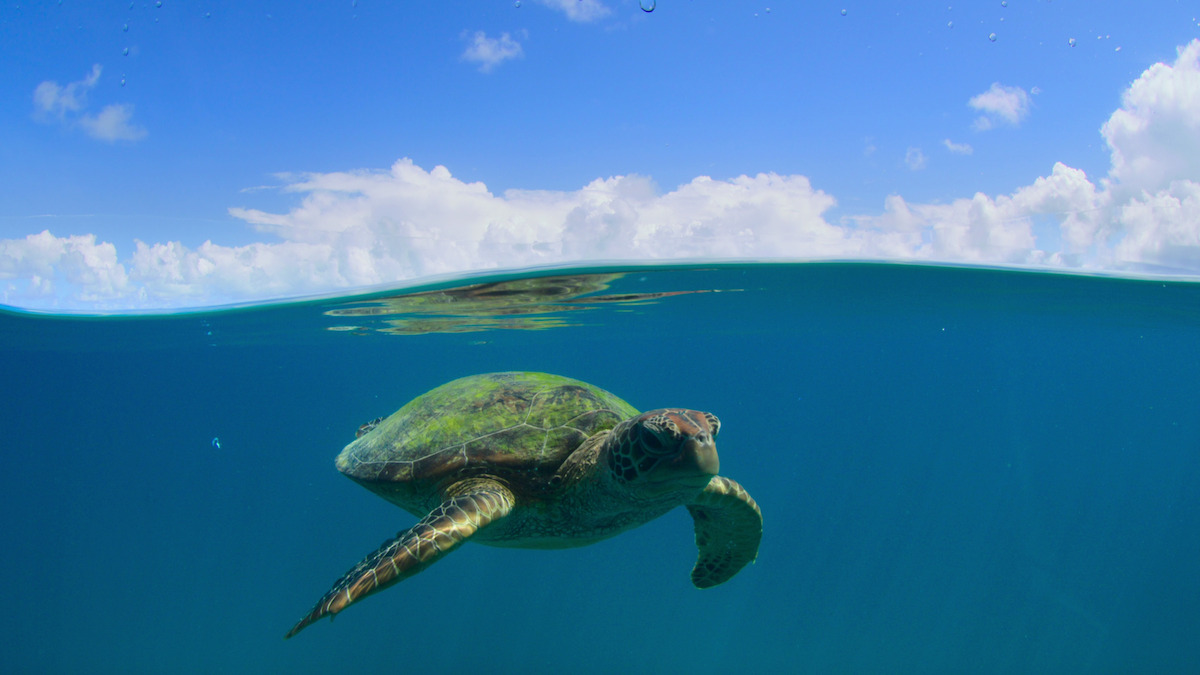
For a hike slightly less taxing than those in Tsingy de Bemaraha, Yakushima National Park is a hiker’s paradise. From hot springs to cooling sprays and active volcanic peaks, visitors can spot loggerhead turtles and even the rare Erabu flying fox.
Visiting the Tsukasaki Tide Pool would be ideal to spot a dash of marine life and to bask in some stunning coral reefs.
The summer months are the ideal time to visit Yakushima. Though the temperature averages around 86 degrees, the humidity levels are much lower than those on the mainland. You can visit through late October, but after that, temperatures drop drastically.
5. Yellowstone National Park
Location: Wyoming, Idaho and Montana
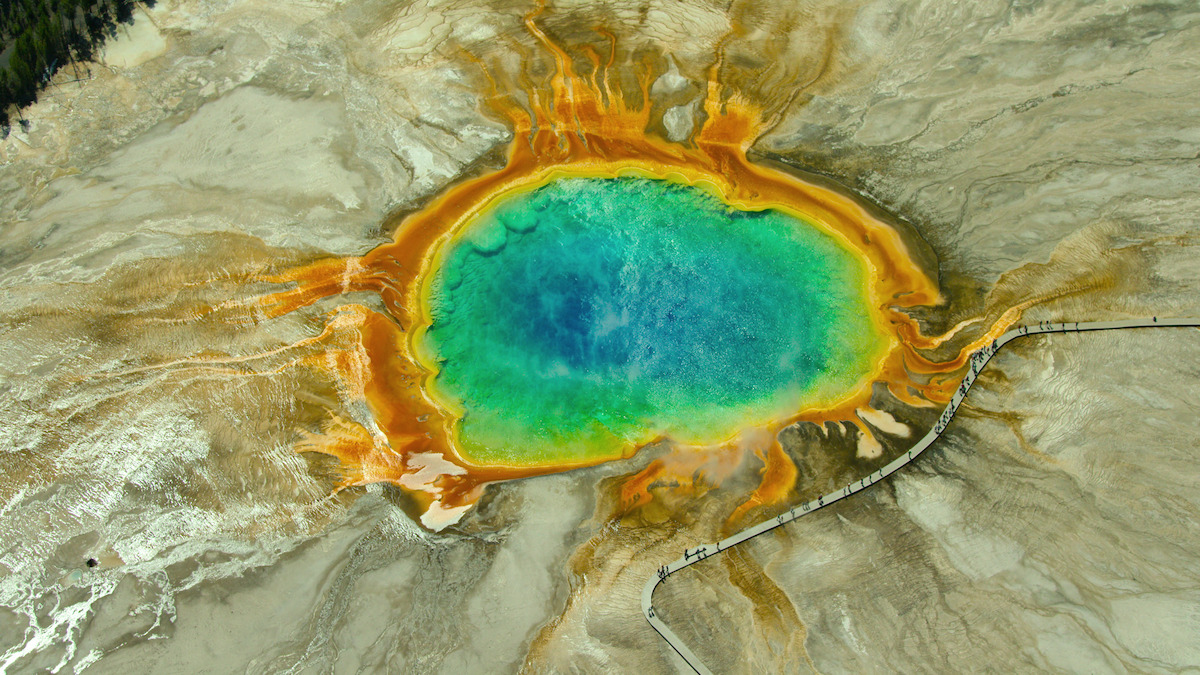
Yellowstone National Park is home to the largest concentration of mammals in the 48 contiguous states. President Obama calls it “one of America’s greatest ideas.” The park is located across 3,500 square miles and sits atop a volcanic hot spot.
Yellowstone opened 150 years ago, becoming the world’s first national park. The park is home to bears, bison and elk as well as 67 different mammals, 285 types of birds, 16 kinds of fish, five types of amphibians and six varieties of reptiles. One of the park’s most extraordinary efforts involved the protection and recovery of bison.
Since Yellowstone is so popular, the best time to visit is during the off-season — the months of April, September and October, when the park is less crowded and there are greater opportunities to see wildlife.
6. Manuel Antonio National Park
Location: Costa Rica
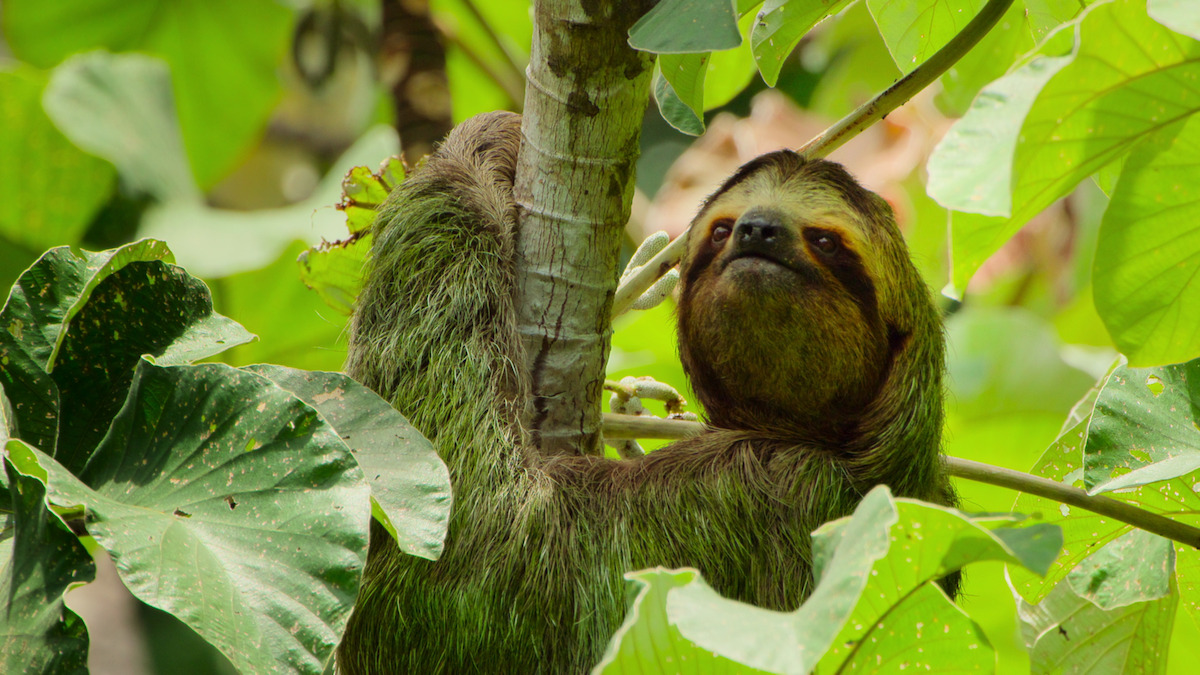
A tropical paradise, the Manuel Antonio National Park was established in 1972. Though it is Costa Rica’s smallest national park, it’s easily accessible to all visitors. The park is home to sloths, iguanas, squirrel monkeys, white-faced monkeys and colorful tiny crabs.
A variety of guided tour options are available, and tour guides use high-powered telescopes, which allow visitors to see animals, plants and flowers up close and more clearly without disturbing them.
Although the temperature at Manuel Antonio is lovely year-round, the ideal time to visit is January through March.
7. Kakadu National Park
Location: Australia
One of Australia’s largest national parks, Kakadu is home to at least 2,000 plant species and some majestic waterfalls. It’s also a haven for saltwater crocodiles and flatback turtles.
Kakadu has been home to Aboriginal people for more than 65,000 years. They now work with Parks Australia to keep the park safe, clean and intact. Kakadu has six different seasons, defined by the skies, rainfall, plants and animals. The park has everything from bird-watching to cultural tours, available depending on time of year.
The best time to visit Kakadu is the dry season, May through September, since more roads are accessible.
8. The Great Barrier Reef
Location: Australia
If you love swimming, snorkeling, diving or sailing, the Great Barrier Reef is the perfect place to spend your summer. After all, at 1,430 miles long, it is the most extensive coral reef system in the world. (Chris Hemsworth calls it one of the world’s great wonders.)
In addition to swimming alongside colorful fish and turtles, there are coral viewing tours, an opportunity to trek through the Daintree Rainforest and even island-hopping if that’s more your jam.
The best time to visit the Great Barrier Reef is from June to October since rainfall is a rarity.
9. Volcanoes National Park
Location: Rwanda
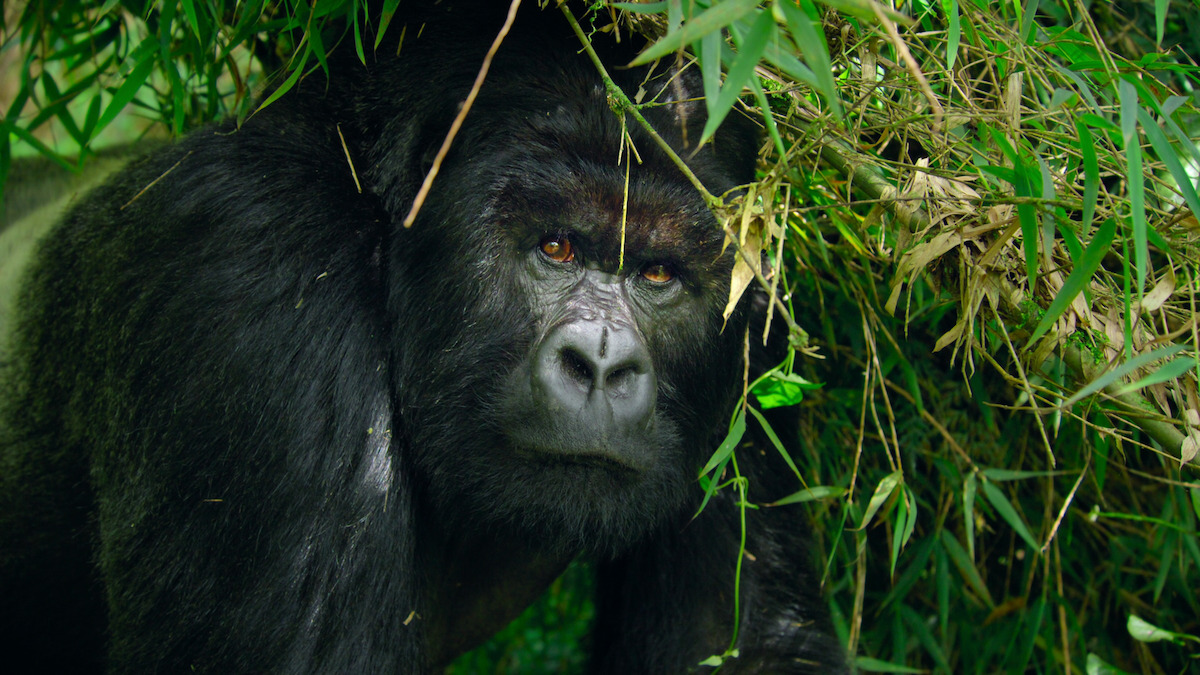
Conservation is the top priority at Volcanoes National Park in Rwanda. The park is home to one of the last populations of endangered mountain gorillas. Named for its chain of currently dormant volcanoes, the park consists of beautiful evergreens, bamboo forests, grassland and swamp.
In addition to the mountain gorillas, Volcanoes is also home to 200 species of colorful birds and the rare golden monkey. The park offers safaris, tours and lodgings to those wishing to spot some of these gorgeous creatures.
The best time to visit Volcanoes is during the dry months of June through September, when temperatures range between 77 to 81 degrees F during the day.
10. Monterey Bay National Marine Sanctuary
Location: California
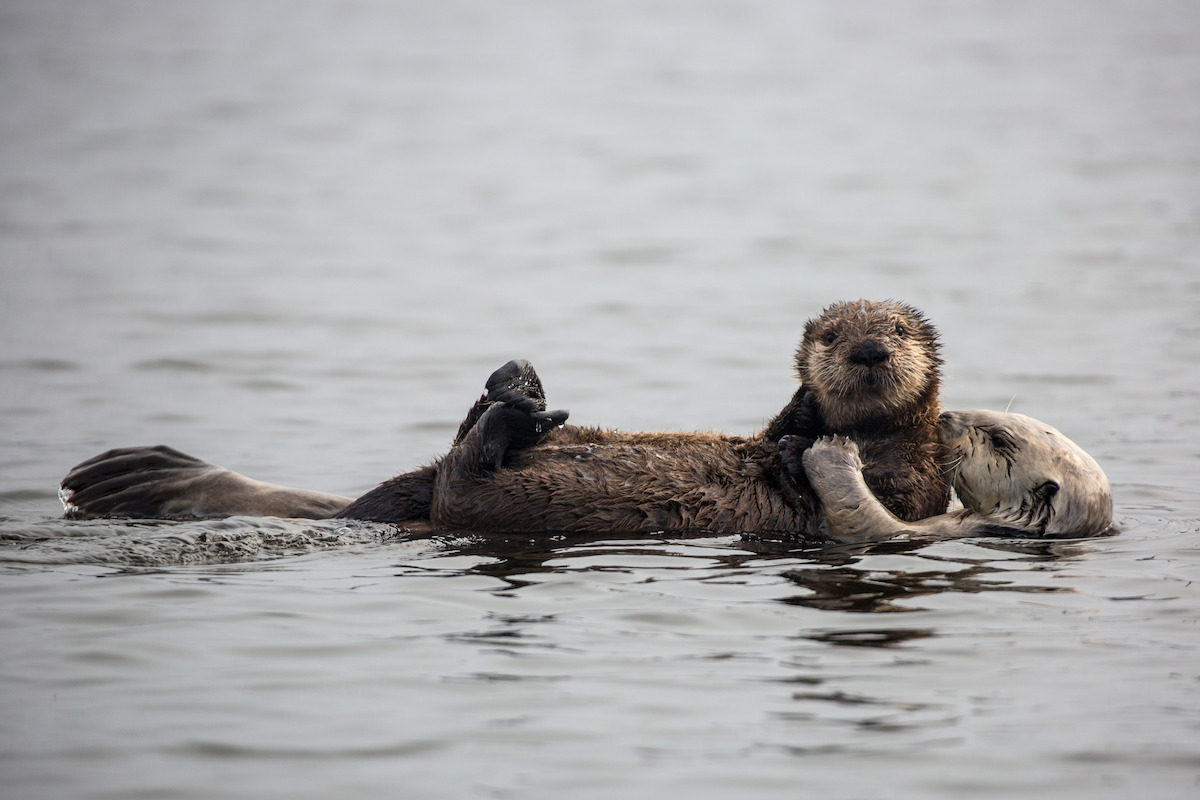
The Monterey Bay National Marine Sanctuary extends along more than a quarter of California’s coastline. The reserve protects more than 6,000 square miles of the Pacific Ocean.
The sanctuary is a part-time home to the largest animal of all time, the blue whale. It also houses dunes where northern elephant seals dwell. Visitors can spot 36 species of marine mammals and at least 525 kinds of fish while diving, kayaking, boating and surfing.
The best time to visit is in the spring, when whales can be spotted playing in the bay.
11. Tsavo National Park
Location: Kenya
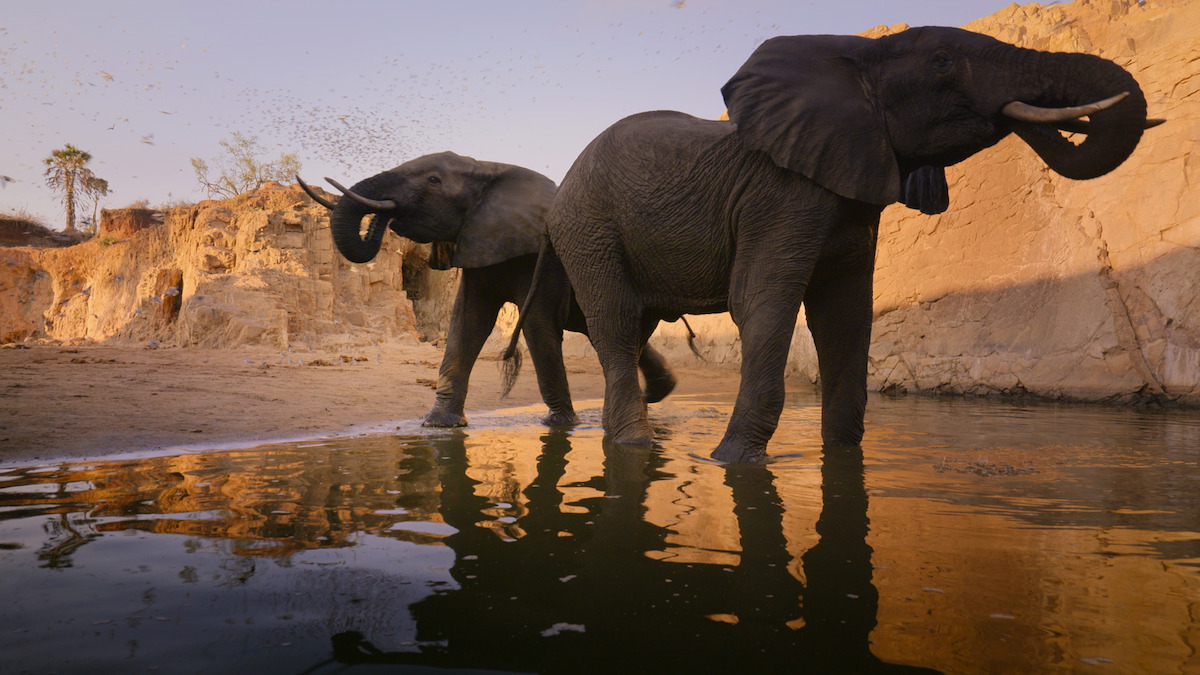
President Obama calls Tsavo the “heartbeat of Africa.” It is also the land where elephants are king. Kenya’s largest national park, Tsavo is home to sparkling oases and volcanic hills. Technically, Tsavo comprises two separate parks, Tsavo East National Park and Tsavo West National Park, divided by the construction of the railway line from Mombasa.
Tsavo East is flat with dry plains, while Tsavo West is more mountainous and wetter. The park is home to Kenya’s largest elephant population and the black rhino, Cape buffalo, leopard, hippo and Maasai lion.
Both sides are best visited in the dry months from January to February and from June to October, since wildlife viewing during the height of the wet season is not recommended.
12. Gunung Leuser National Park
Location: Indonesia
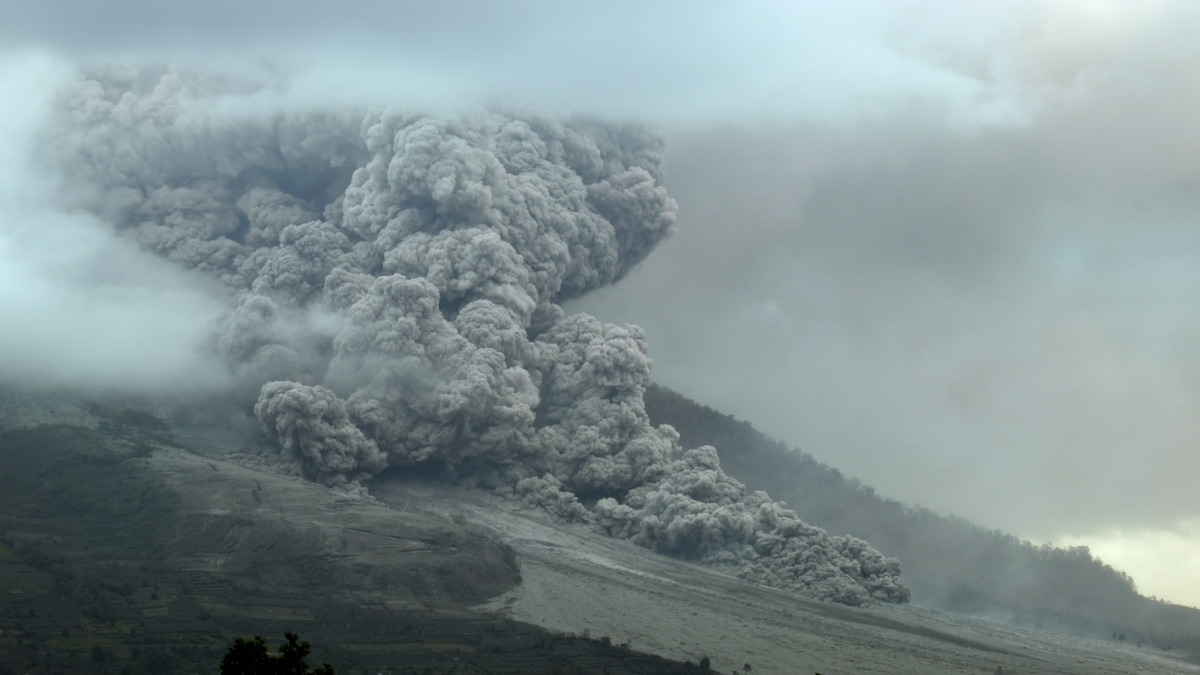
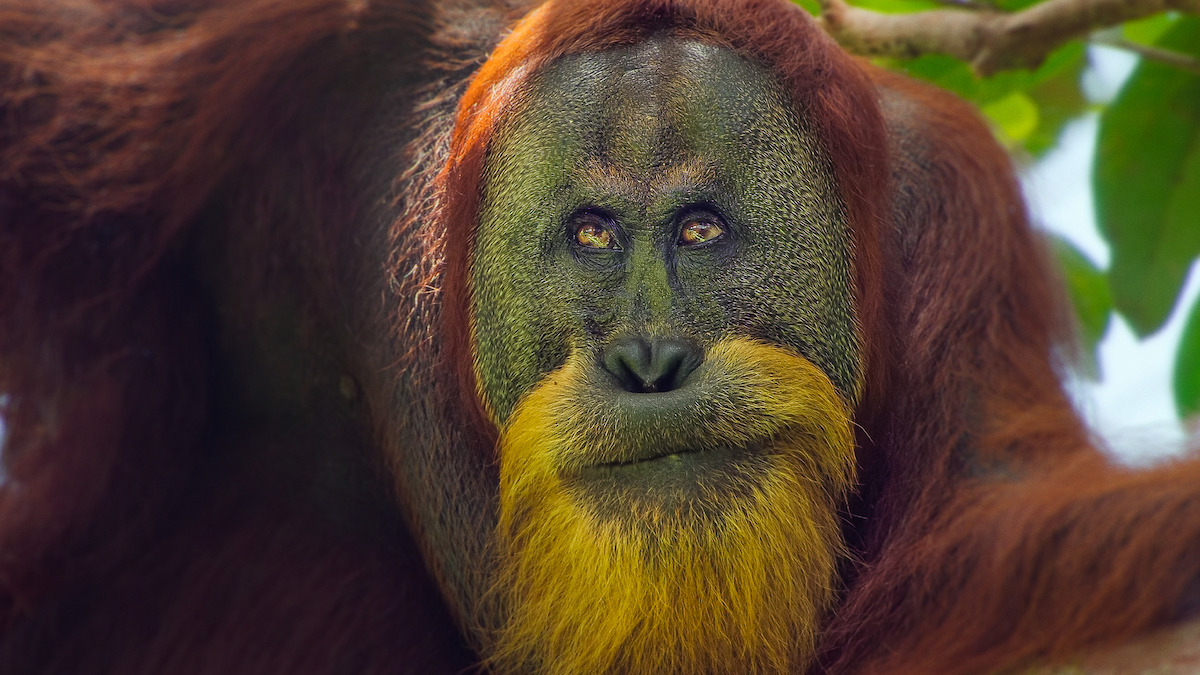
Located on the Indonesian island of Sumatra, Gunung Leuser is home to one of the richest tropical rainforests in Southeast Asia. It is also home to forest elephants, the world’s smallest rhinos, tigers, siamangs and other gibbons, Thomas’s leaf monkeys and macaques. Gunung Leuser is also one of the last places on Earth where the critically endangered orangutans live in the wild.
There are opportunities to explore local life, go white water rafting and tour bat caves.
The best time to visit is during the wet season, from October to March. Though things are bound to get a bit muddy during this time of year, you are more likely to spot the orangutans.
13. Chilean Patagonia
Location: Chile and Argentina
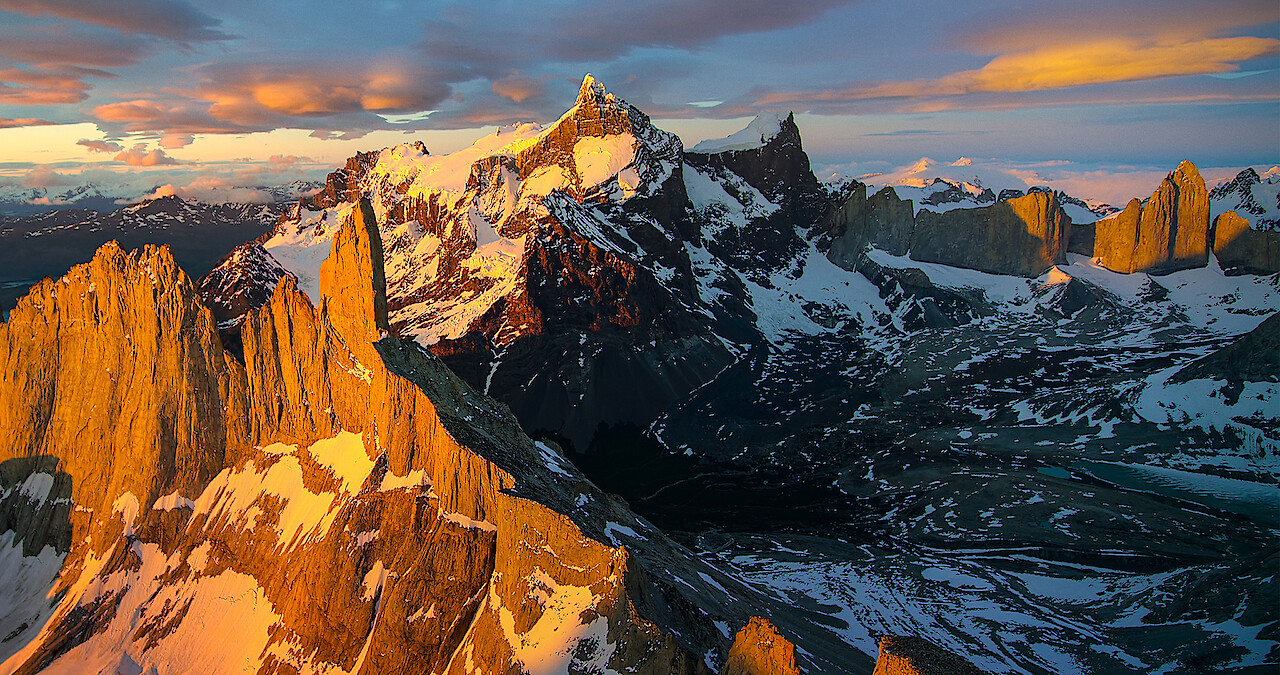
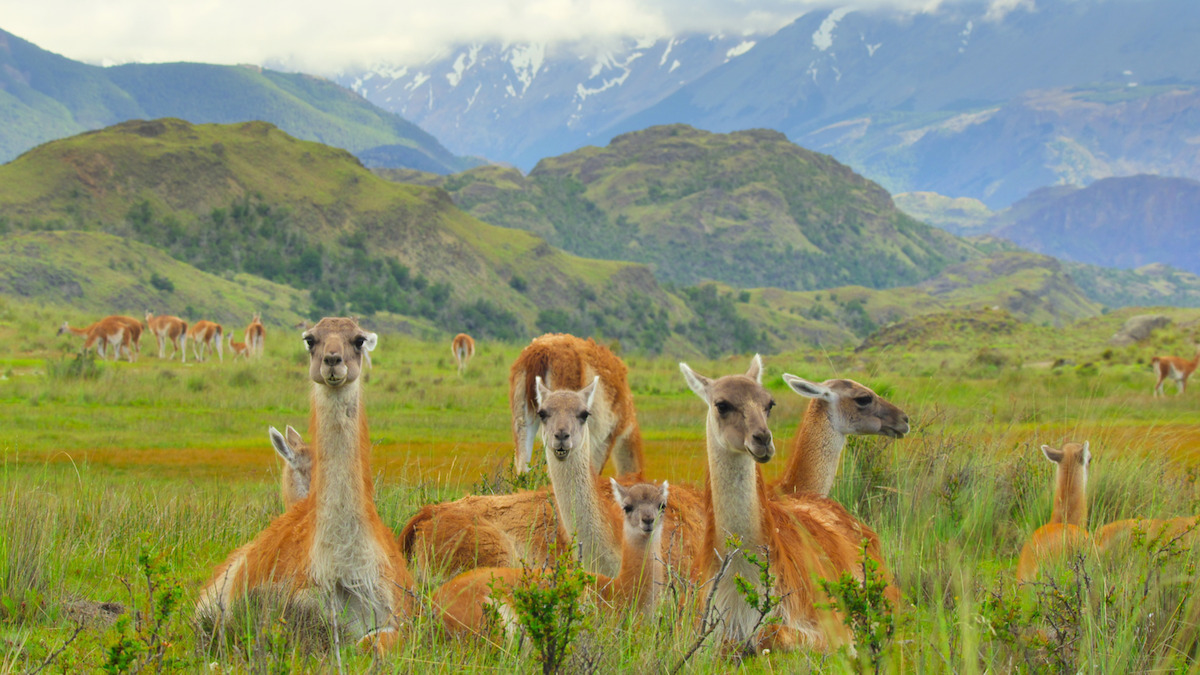
From icy glaciers to hardwood forests, the Chilean Patagonia consists of 24 unique national parks along the southernmost tip of South America.
The Andes runs along the length of Chilean Patagonia. There are also lush forests, and the Pacific Ocean skirts the coast. The wildlife in the park is vast and diverse. The parks are home to armadillos, cougars, maras, tuco-tucos and gray foxes, which live in the grasslands. Deer, cougars and red foxes live in the mountains.
The Chacabuco Valley is the primary feature of the Patagonia National Park (on the Chilean side), with extensive hiking trails. It is also home to the biggest predator in the area, the puma.
The best time to visit Chilean Patagonia is from November to early March. Though you’ll compete with heavy crowds during this time, the weather is ideal for exploring.