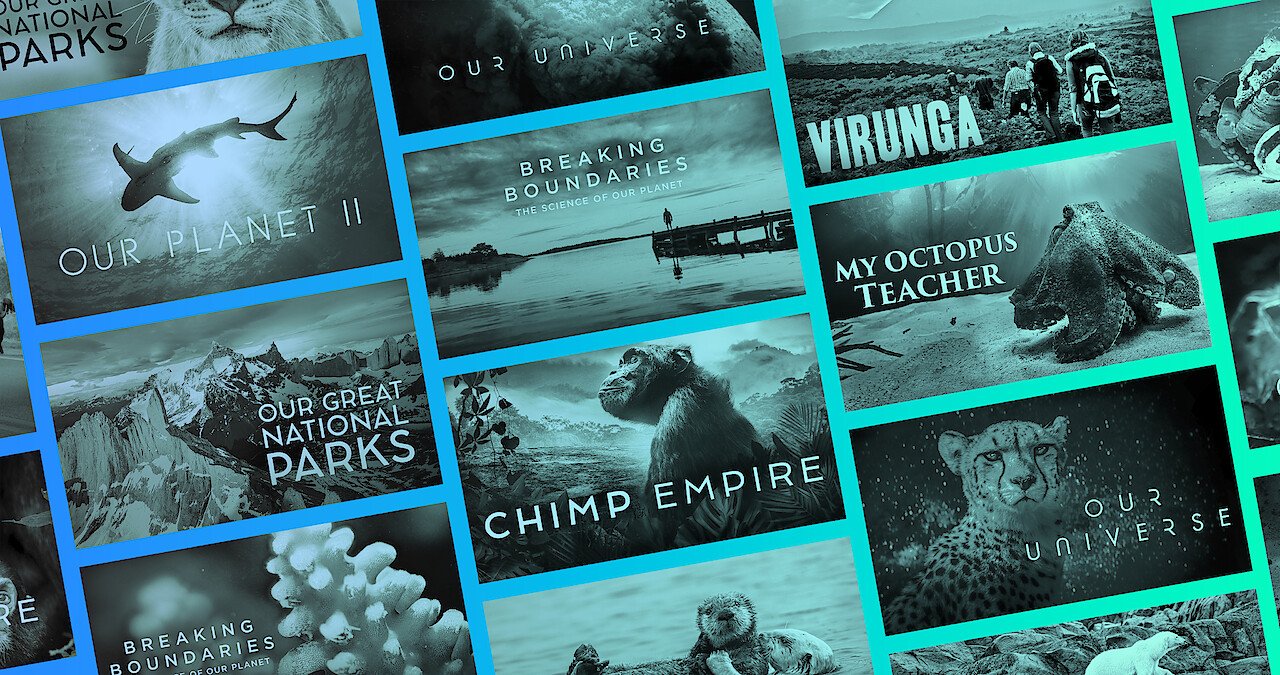
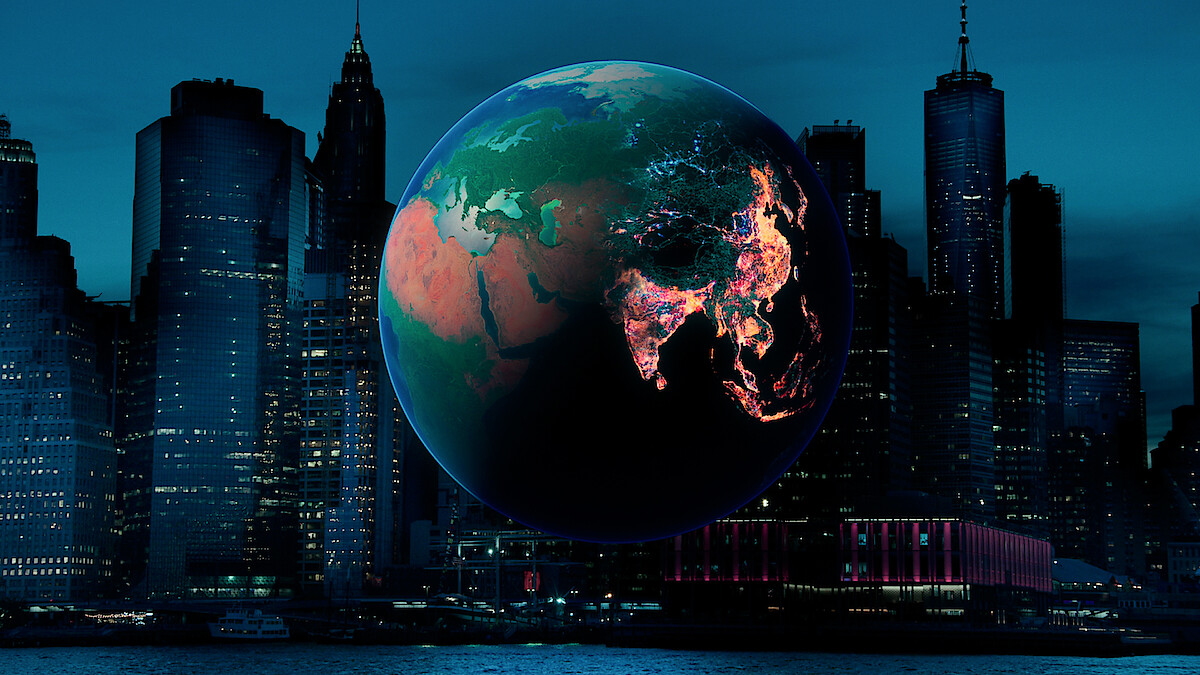
We all wish we could be world travelers; there’s so much of the natural world to discover, so many new environments and landscapes to explore. Unfortunately, dropping everything and traveling to the farthest reaches of the African savanna or diving into the depths of the Pacific Ocean isn’t always an option. But there’s more than one way to get your fill of the natural world, and while a good old-fashioned documentary may not ever take the place of a true journey, it can get us a little closer.
Get immersed in the world around you — without leaving your own natural habitat — by hitting play on these 10 nature docs you can watch right now, on Earth Day or any other time of year.
Breaking Boundaries: The Science Of Our Planet
Like Our Planet and A Life on Our Planet, this David Attenborough-presented documentary focuses on Earth through the lens of humanity’s environmental impact. The boundaries in the title refer to a planetary status quo, addressing climate change and ozone depletion, that has kept the natural world stable for over 10,000 years. Yes, as the title suggests, we’ve already pushed past many of those boundaries. But the documentary emphasizes that there is a path back toward safety.
Learn more about our planetary boundaries and discover the ways we can restore them here.
Chimp Empire
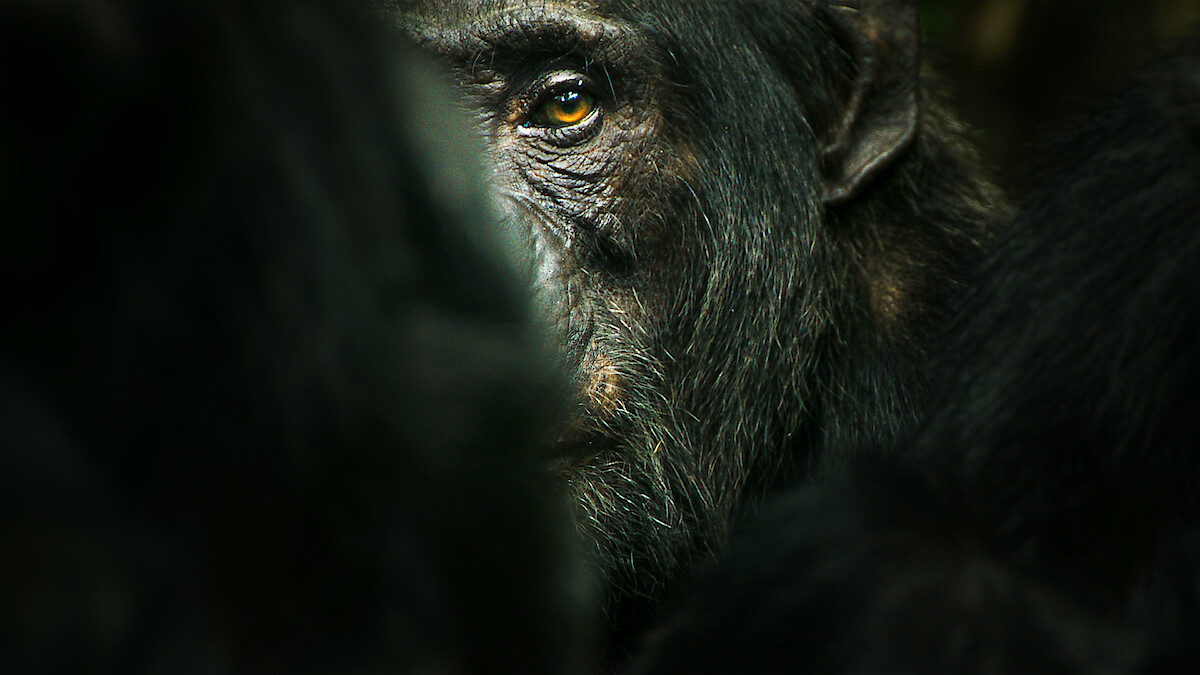
Shot in a remote rainforest setting, Chimp Empire exposes facets of chimp life that have never been seen on film before. (No, not even in that other blissfully revelatory nature show you love to binge.) The Ngogo community is the largest known group of chimpanzees in the world, and at the time of filming this series from director James Reed (My Octopus Teacher), it had splintered into two competing factions. Filmmakers were present on the front lines for the life-or-death fight for supremacy between the Central and Western groups, making Chimp Empire a nature documentary that feels more like a historical conquest epic or a cutthroat boardroom thriller.
Life on Our Planet
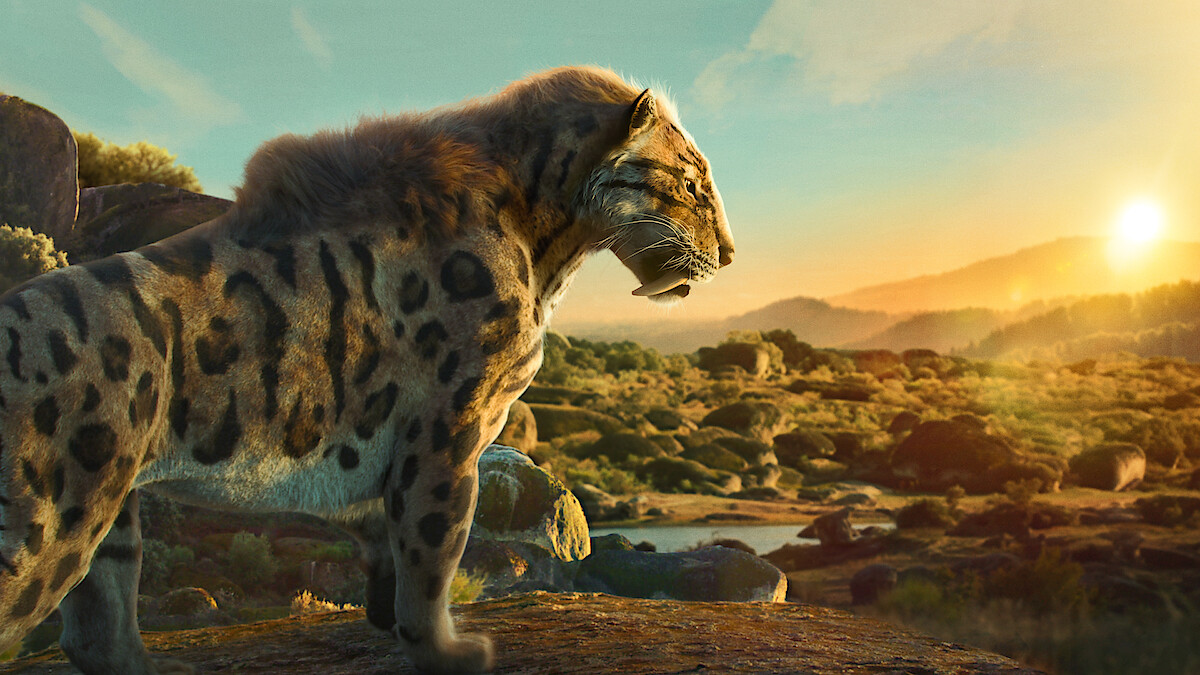
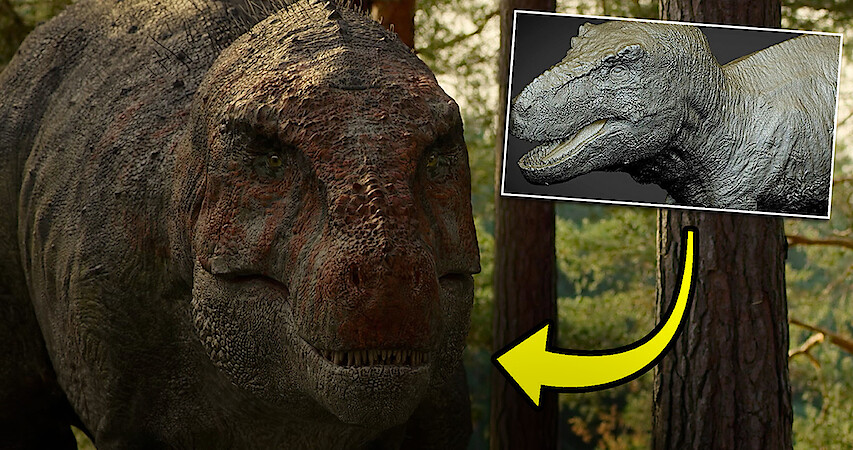
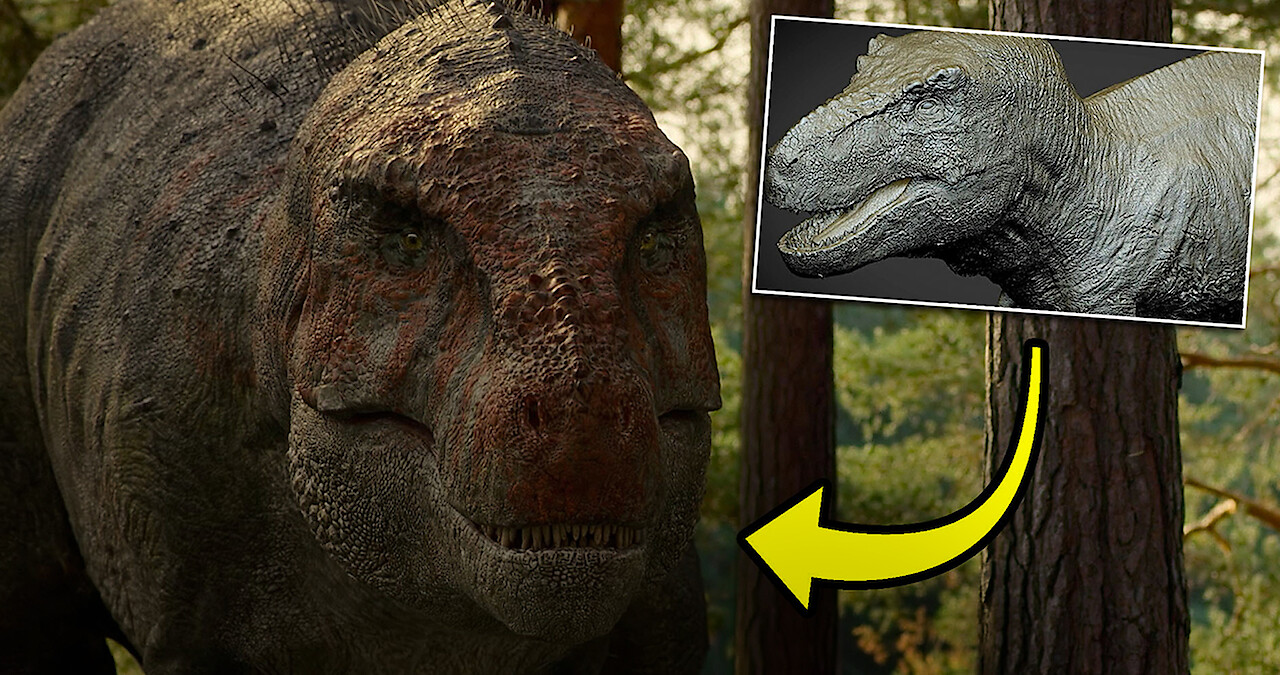
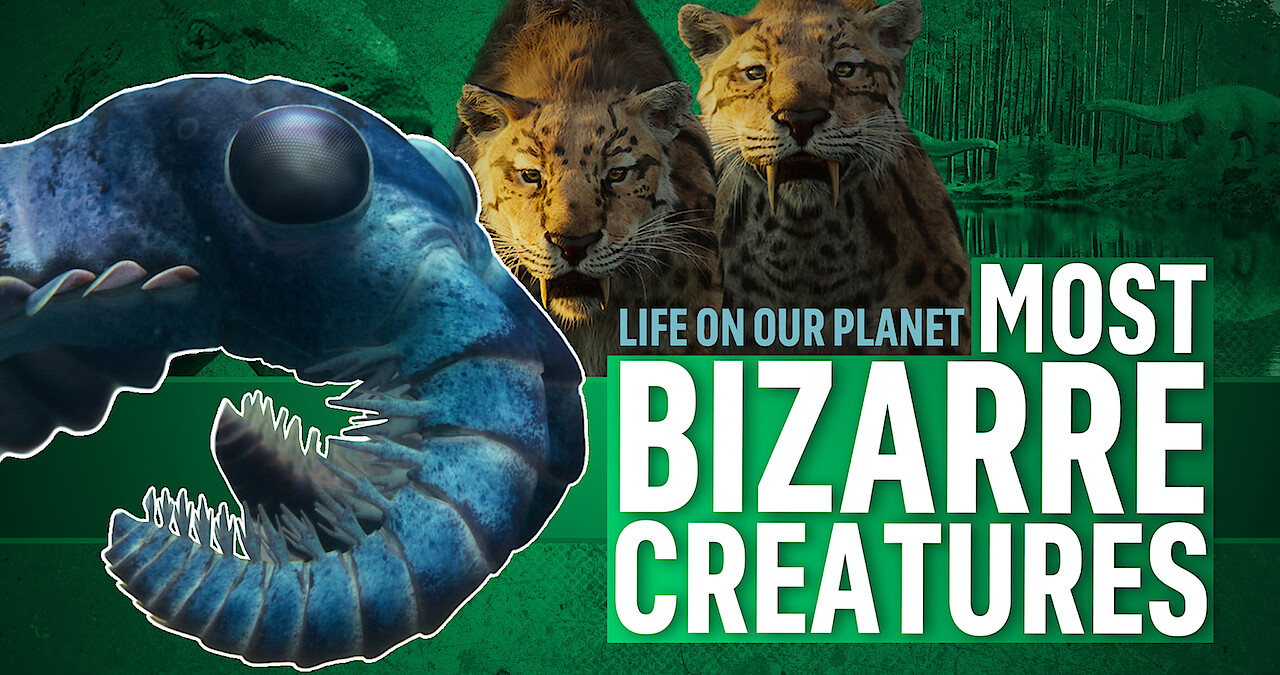
This is your chance to walk with dinosaurs in a way you never have before. Life on Our Planet gives you a glimpse at the four billion-year story of Earth’s past, using modern CGI to bring long-extinct creatures back to life. Steven Spielberg, the director who brought us Jurassic Park, is an executive producer on this eight-episode series that tells the story of life and its battle to survive on Earth through five mass extinction events, and the looming possibility of a sixth. This isn’t your average nature documentary — you’ll have front row seats to a battle between a Tyrannosaurus rex and a triceratops, and you’ll see saber-toothed tigers in their natural habitat, all narrated by Academy Award-winner Morgan Freeman.
My Octopus Teacher
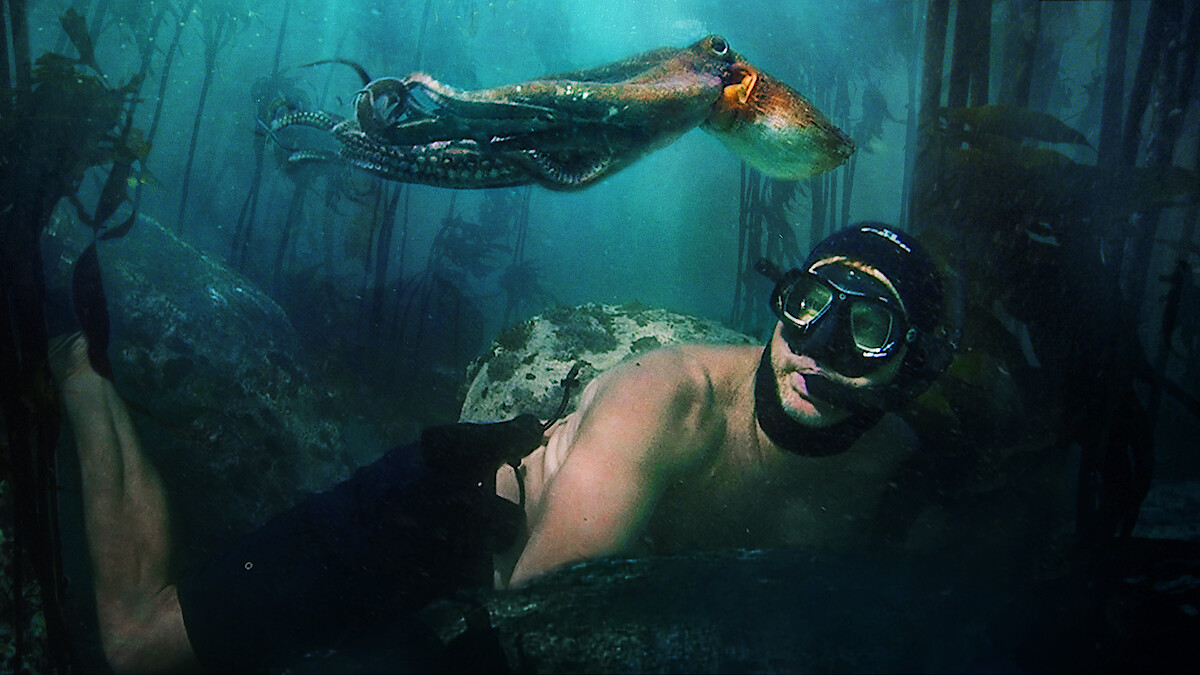
This Oscar-winning documentary tells the story of a midlife crisis from a perspective you’ve truly never seen before. South African naturalist Craig Foster spends a year diving in an underwater kelp forest off the coast of Cape Town and comes away with an unlikely friend: an adorable and wildly intelligent octopus. As he grows attached, Foster must reckon with his responsibility to a world that he should never have been able to touch. Fair warning: The life span of a common octopus is only one to two years, so try not to get as attached as Foster does.
Our Great National Parks
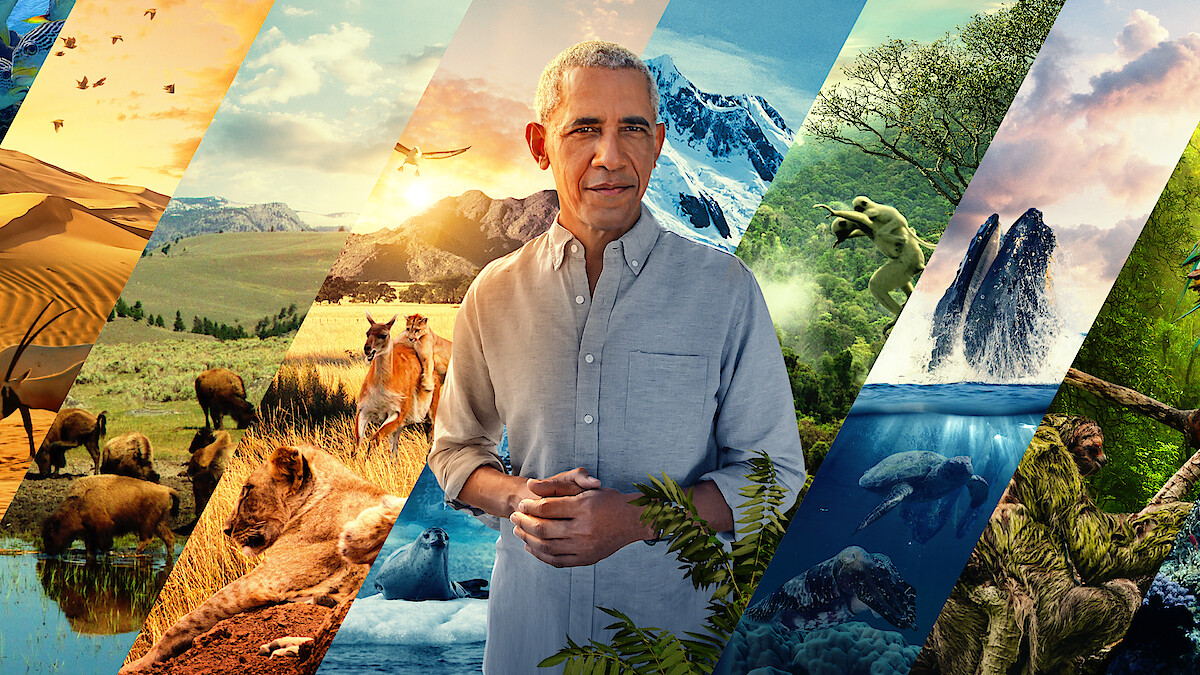
The five-part documentary series takes viewers on a tour through some of the world’s most beautiful and isolated national parks, including the rainforests of Indonesia’s Gunung Leuser National Park and California’s Monterey Bay National Marine Sanctuary. It’s narrated by former President Barack Obama, who’s also an executive producer. But it’s not all gorgeous natural vistas: You’ll also get a glimpse at the parks’ often strange and otherworldly wildlife, untouched by human interference.
For more information about the series, as well as how you can help preserve these wild spaces, visit wildforall.org.
Our Living World
Life on Earth is full of mystery, beauty, and wonder, and this series gets to the bottom of it all. From the deepest oceans to the hottest deserts and the animals that inhabit them — the kooky capybaras, the savvy wolverine, and the busiest beavers — we’re all part of a complex network of creatures and ecosystems. In Our Living World, filmmakers, wildlife photographers, and researchers travel to dozens of countries as they tell the story of a planet on the precipice of a climate crisis, and what it will take to restore its balance. The four-part documentary is narrated by Academy Award–winning actor (and beekeeper!) Cate Blanchett.
Our Planet
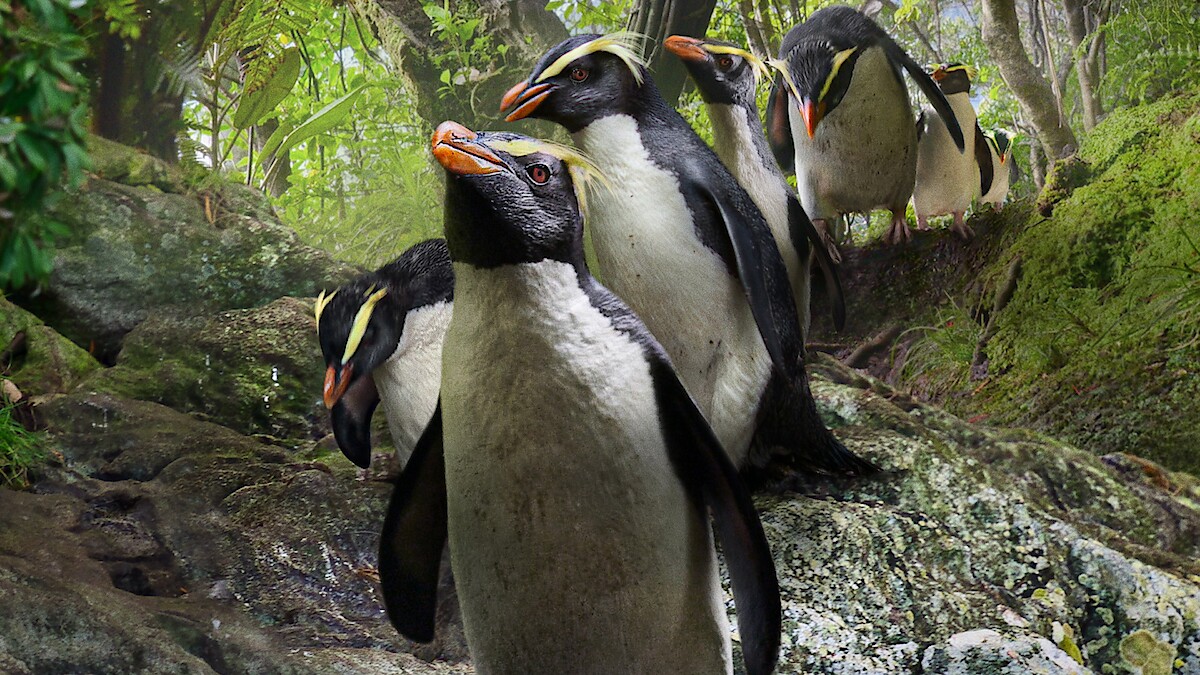
Our Planet is a remarkable story that explores the natural wonders of the world through the lens of how climate change is potentially threatening its existence. The eight-episode series is narrated by David Attenborough and is the product of a four-year collaboration of massive scope between Netflix, Silverback Films and the World Wildlife Fund (WWF). Each episode of Our Planet showcases animals in their home regions and explains the human impact on the living world — and once you finish watching, you can continue the story by queuing up Our Planet II.
Our Universe
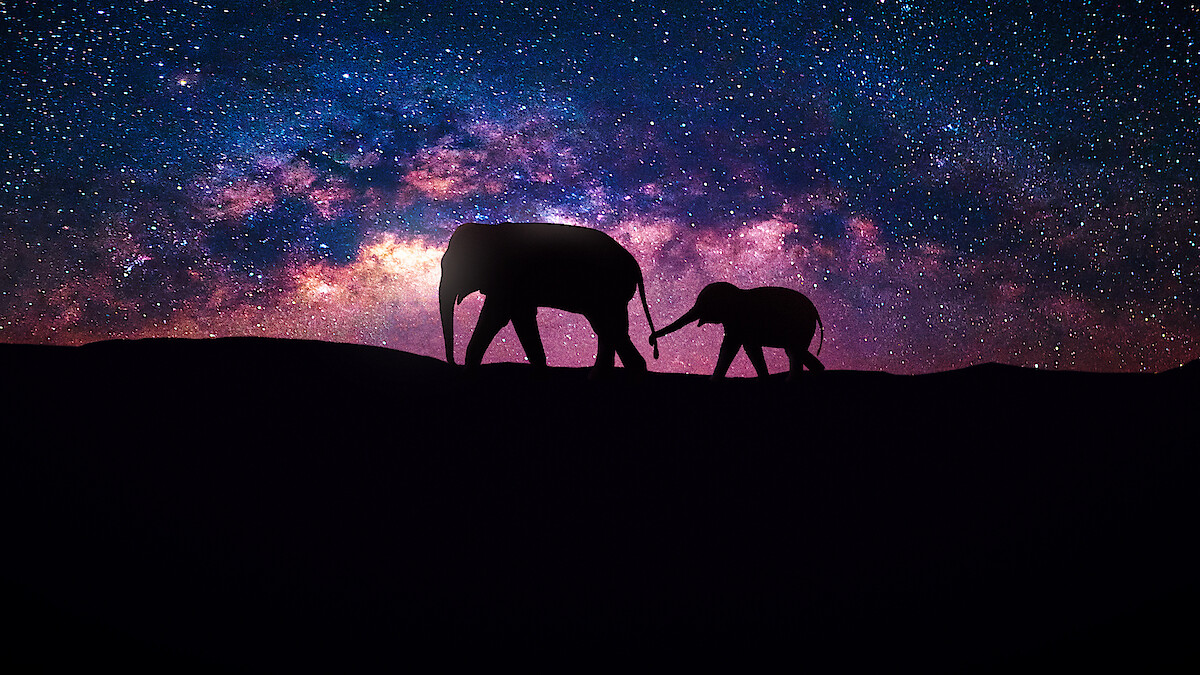
This six-part series from BBC Studios (and narrated by Morgan Freeman) blends wildlife footage with cosmic special effects to tell the story of how everything in the natural world is connected. Hit play to get up close and personal with an Alaskan brown bear and her cubs; a cheetah sprinting across the Serengeti; and penguins in the waters of the Southern Ocean. Interspersed with these stories is an even bigger tale, one that explores the celestial forces that set the stage for our entire solar system.
Pangolin: Kulu’s Journey
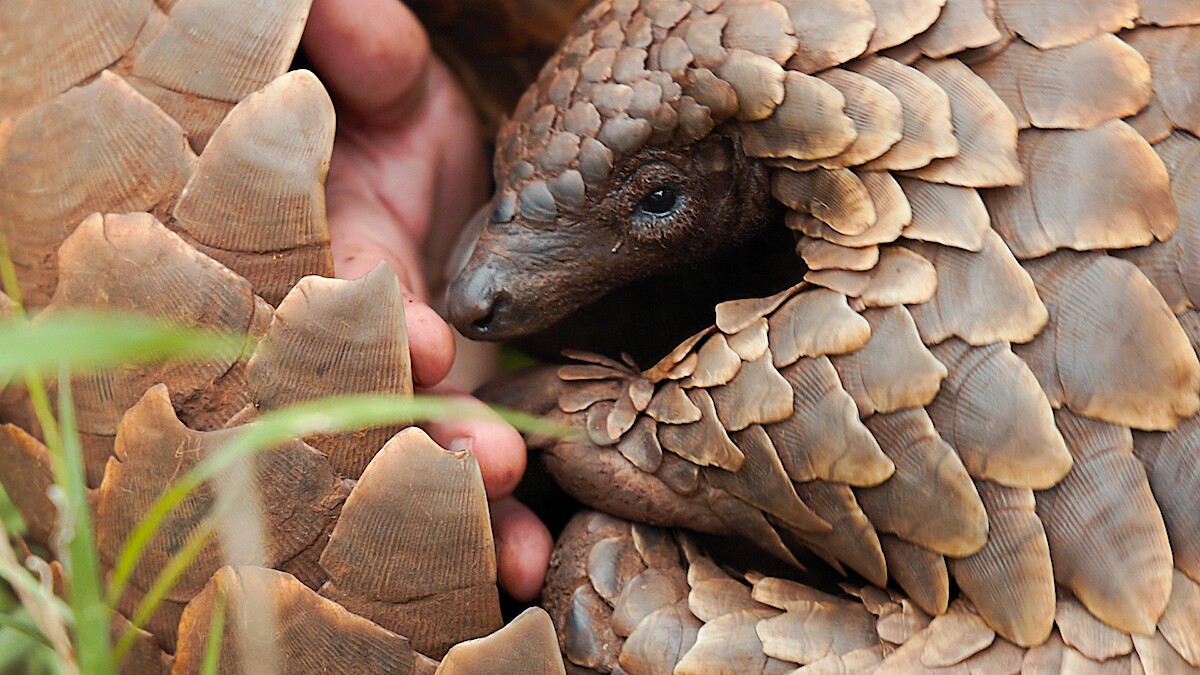
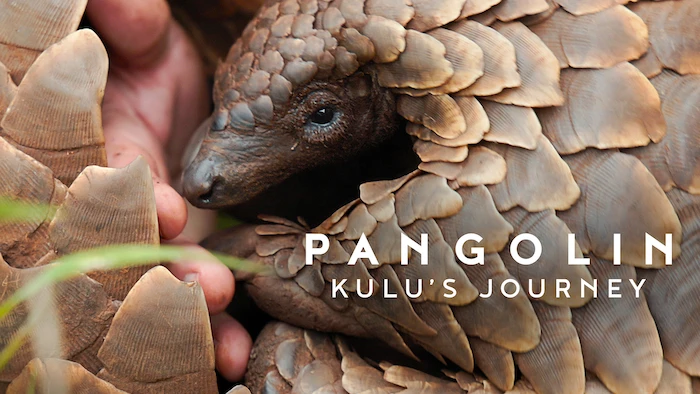
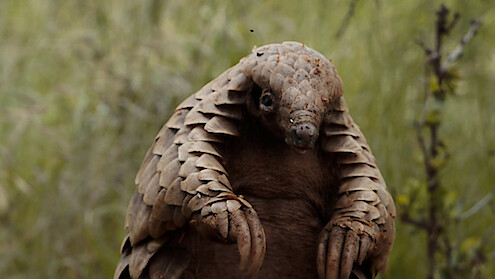
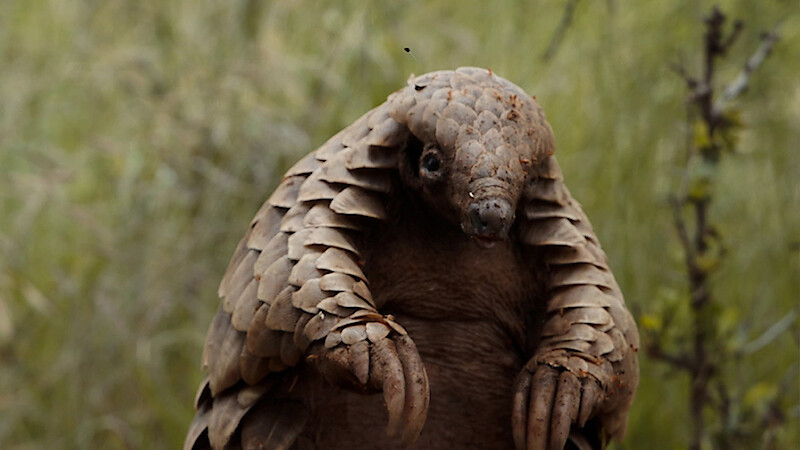
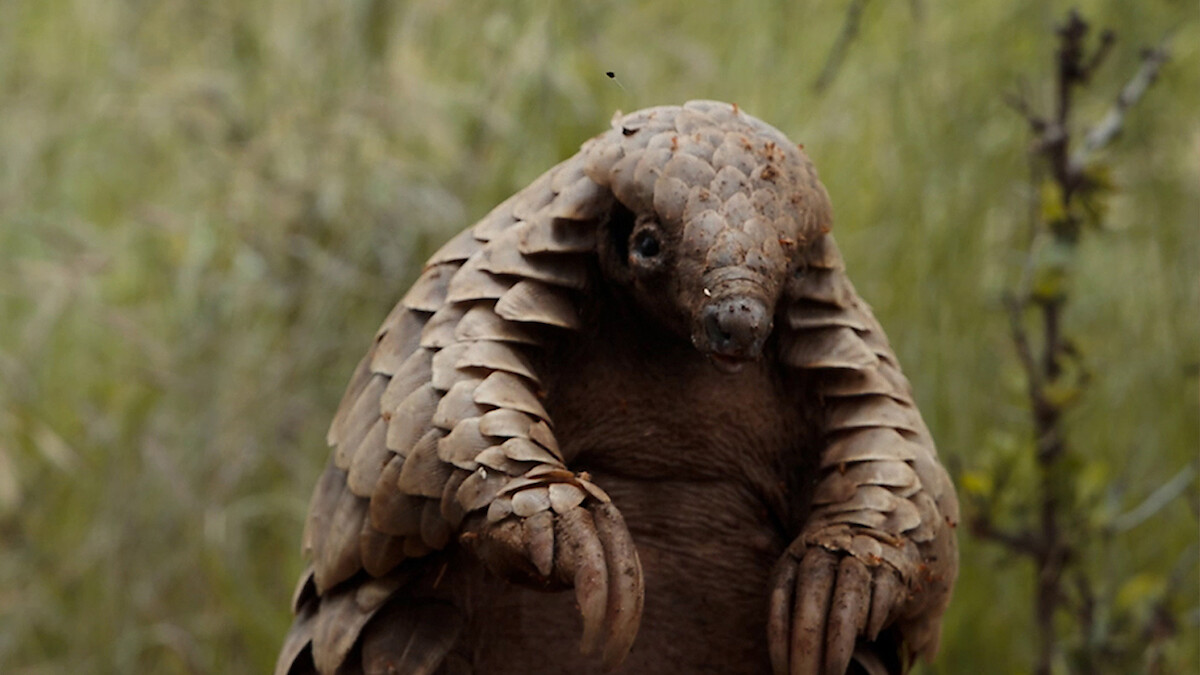
Meet Kulu, a small and scaly baby pangolin who’s on a journey back to the wild. Pangolin: Kulu’s Journey is the story of a man who finds purpose in his life when he rescues Kulu in a sting operation, and prepares the young animal to return to its natural habitat. In the process, he learns about his own vulnerability, and his life is completely changed by the connection he shares with the creature. In Pangolin, Academy Award–winning director Pippa Ehrlich explores another moving and emotional story about our potential to build meaningful relationships with the natural world.
Virunga
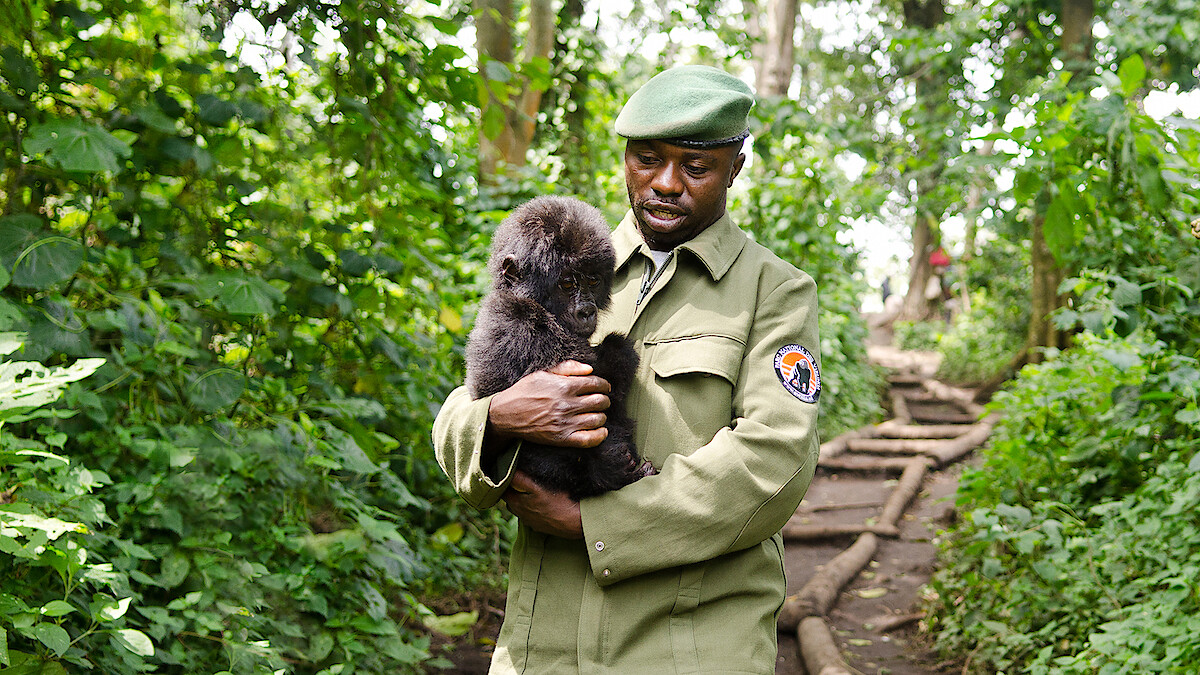
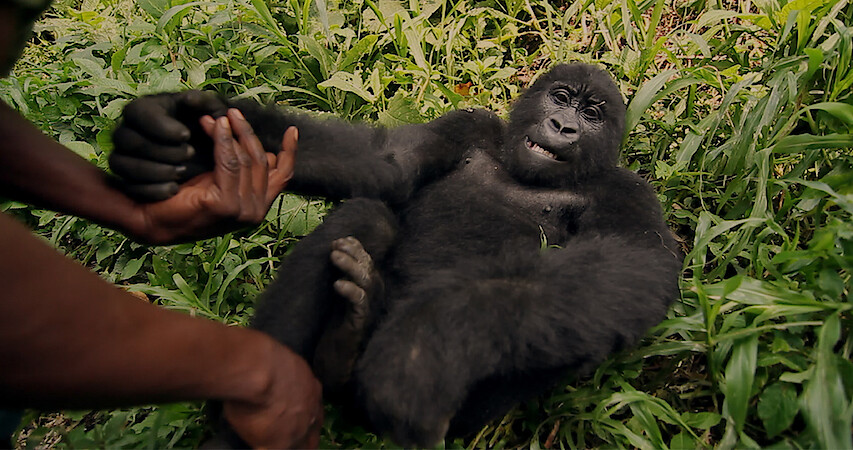
When war broke out in the Congo in 2012, a group of park rangers at the country’s Virunga National Park risked their lives to protect the world’s last mountain gorillas. Oscar-nominated documentary Virunga tells their story, alongside an investigation of a British oil company that allegedly posed its own threat to the endangered species.
Stay up to date regarding the issues facing gorilla populations and donate to support the Virunga cause here.
Number of recommendations may vary by region.