Culture
When Leonardo DiCaprio Gets Mad As Hell, It’s Something to Watch
But in Don’t Look Up, yelling and screaming isn’t going to save the world.
By Max Cea
Dec. 27, 2021
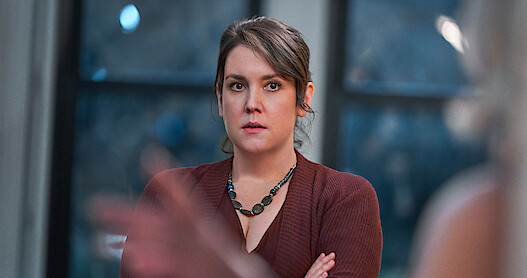
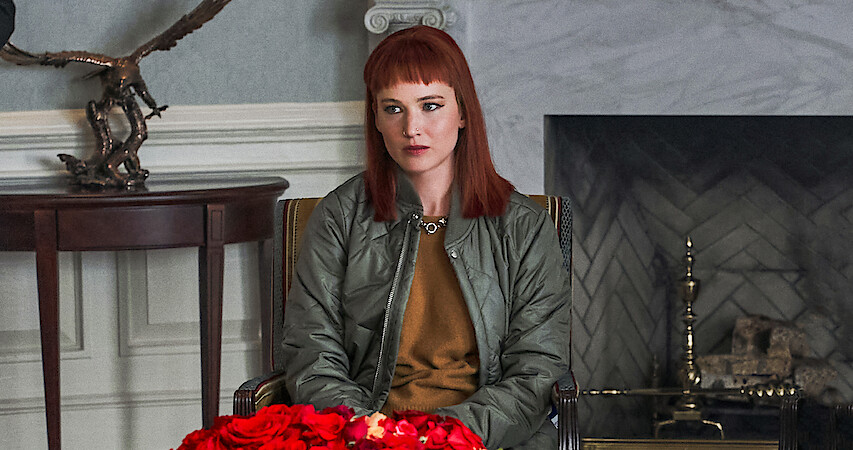
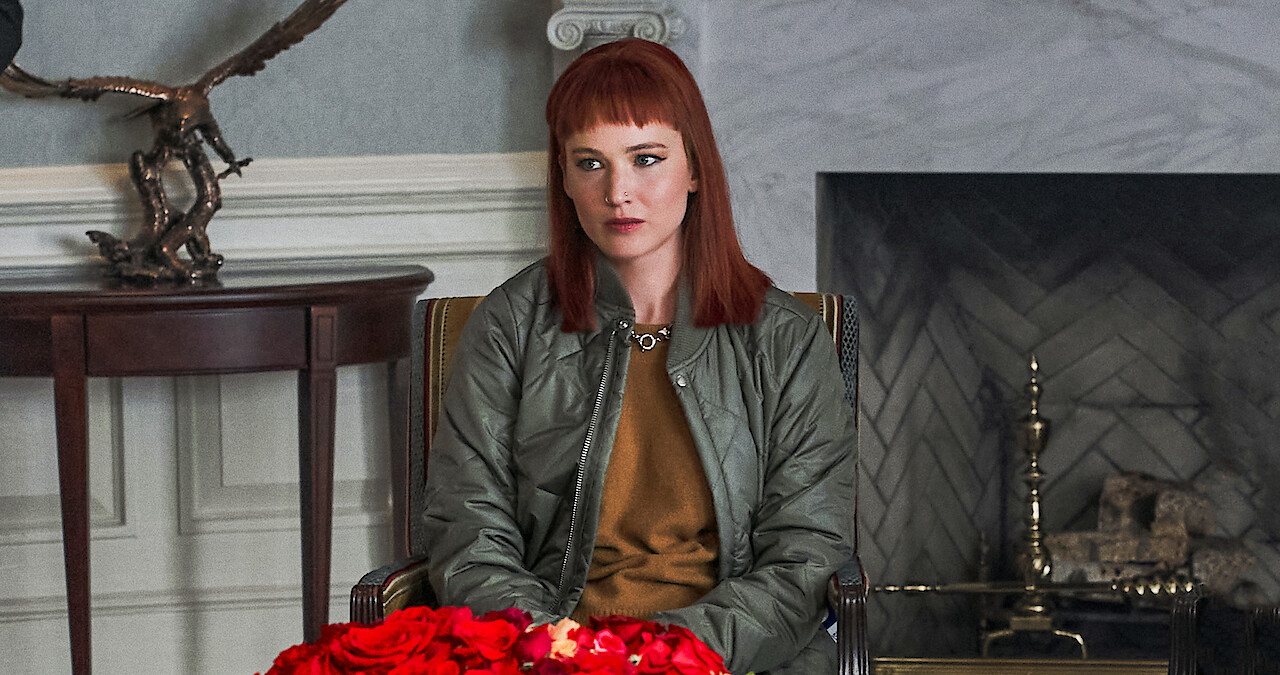
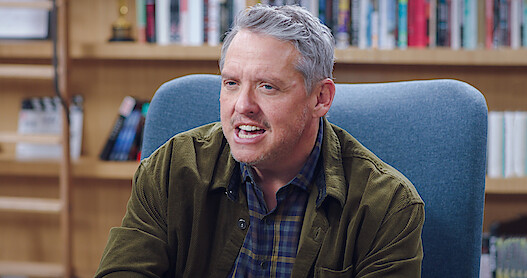
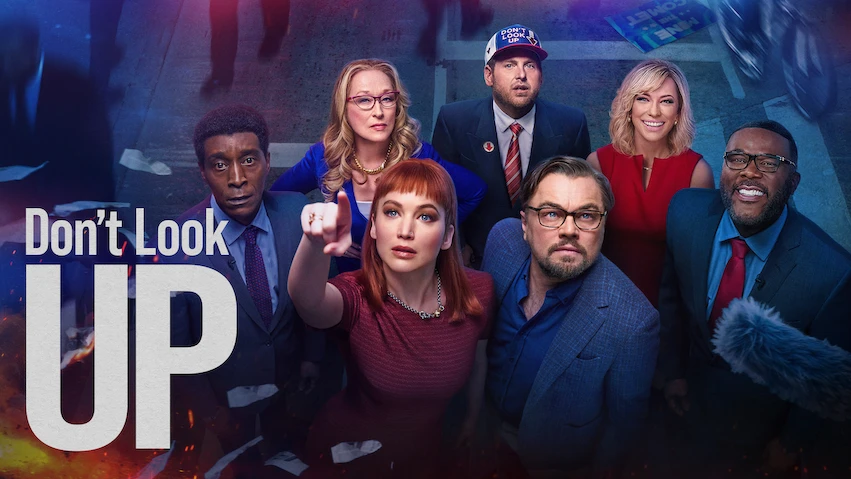
When Adam McKay first approached Leonardo DiCaprio about starring in Don’t Look Up, his climate allegory about a world-shattering comet hurtling toward Earth, he compared the tone to pointed political satires like Network, Dr. Strangelove and Ace in the Hole. DiCaprio was to play Dr. Randall Mindy, a Michigan State astronomer who embarks on a media tour after a Ph.D. student in his department (played by Jennifer Lawrence) discovers the comet.
But before he signed on, DiCaprio wanted to know if his character could give a speech in the vein of Howard Beale’s unhinged “I’m mad as hell” tirade in Network. McKay was initially skeptical, worried a speech might come off too preachy, but DiCaprio suggested they use humor to undermine the moment. The two tried it out, writing and rewriting the scene 15 times, until they perfected the moment.
DiCaprio doing his best Beale impression? You might be skeptical, too. DiCaprio, after all, made his name playing lovesick heartthrobs and tortured geniuses. While McKay was making Anchorman, he was playing Howard Hughes in The Aviator. But over the last several years, DiCaprio has quietly established himself as one of Hollywood’s premier comedic actors, with these sorts of angry outbursts becoming his bread and butter. And while not quite on par with Beale’s iconic rant, DiCaprio’s big, mad-as-hell speech is one of the film’s most effective moments — at once painfully poignant and downright hilarious.
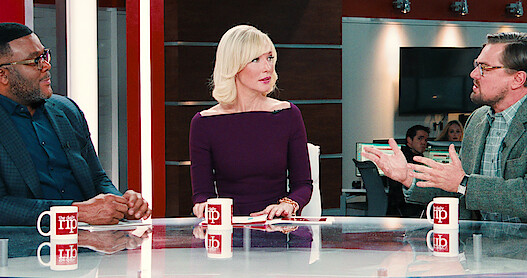
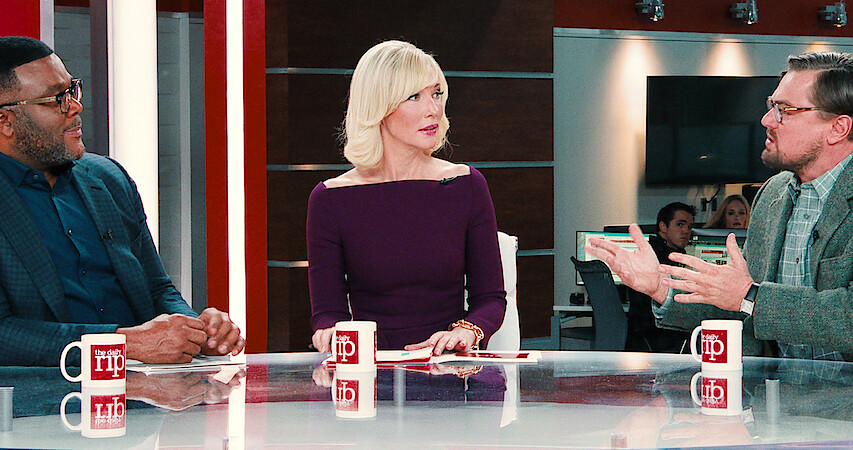
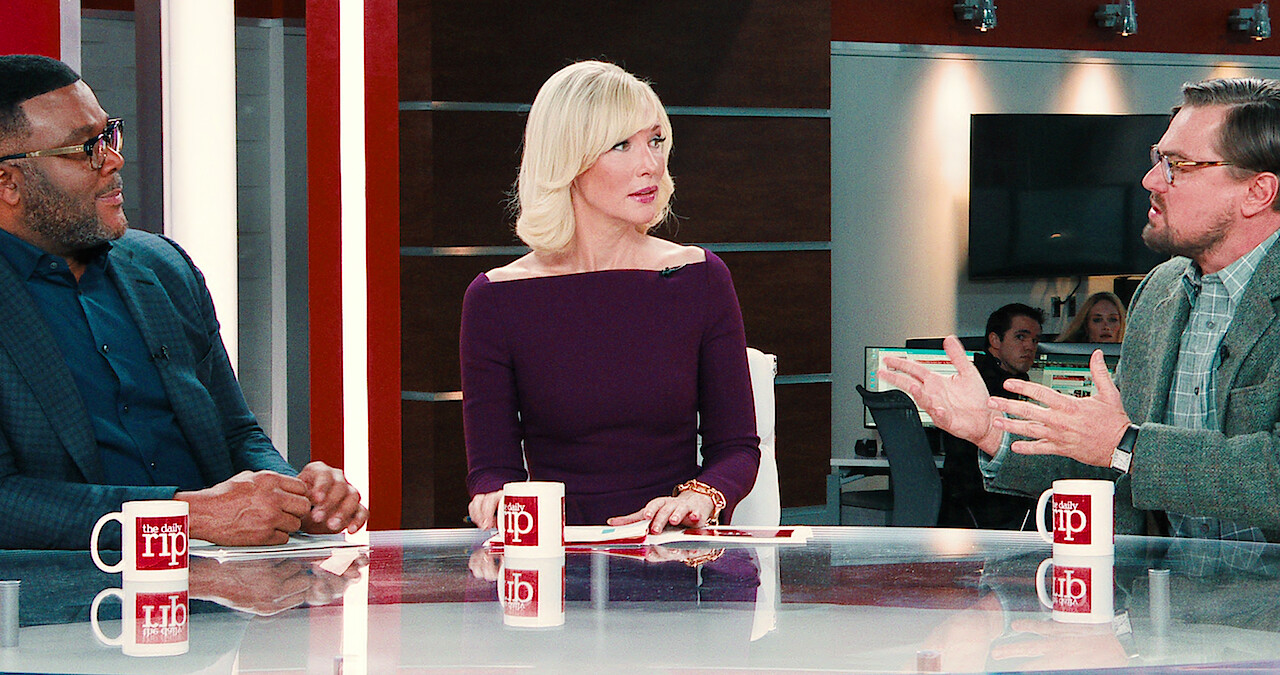
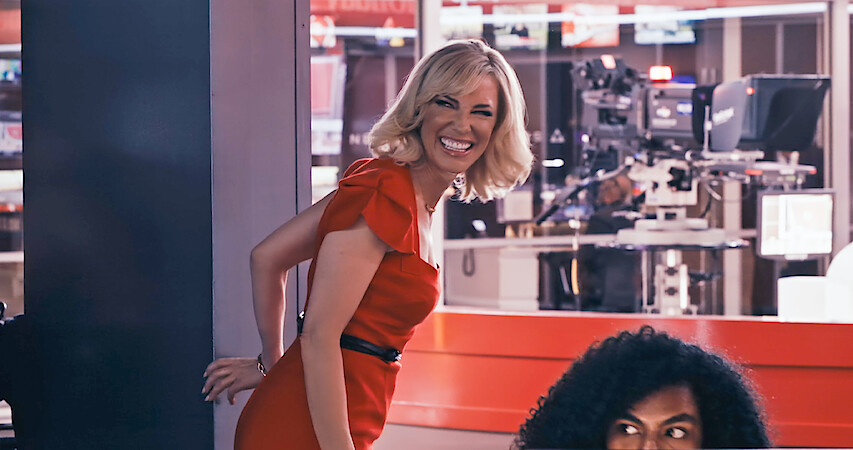
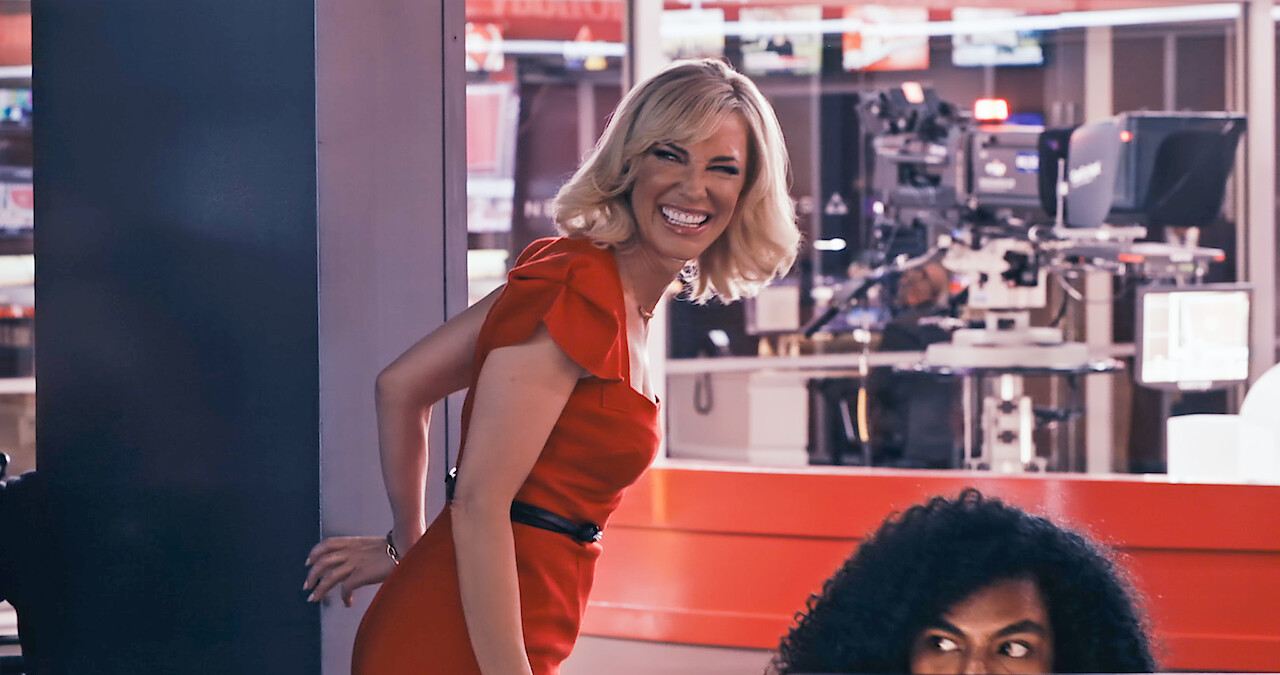
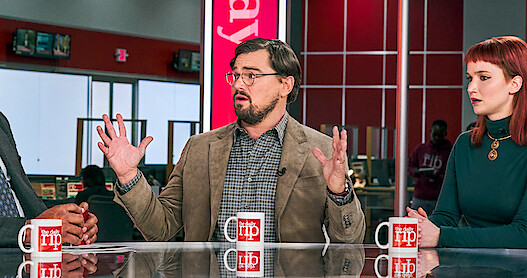
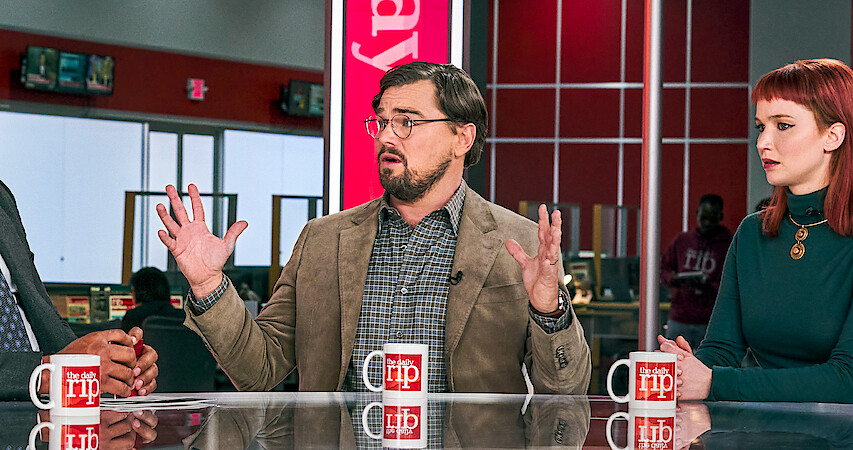
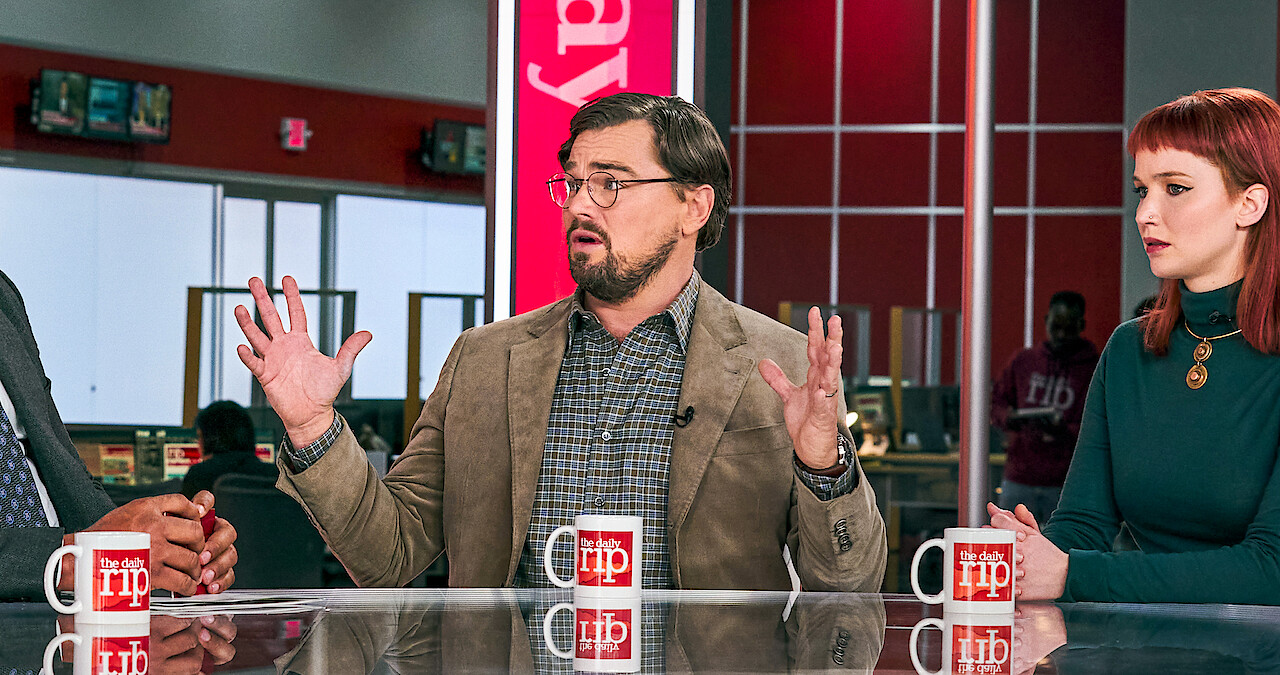
The speech comes when the comet is 25 days out from turning Earth into mincemeat and Randall senses that things are headed toward disaster. As his make-up is being applied ahead of an appearance on the fictional morning talk show The Daily Rip, we hear the hosts gab about a new blockbuster, and we see Randall’s eyes sagging in extreme close-up, the weight of the moment literally exerting itself on his facial muscles.
He’s clearly poised for a meltdown, but he does everything in his power to keep it at bay, doing his best to soberly explain to the hosts that the science is incontrovertible. But talk of the scientific peer-review process isn’t good television, and the hosts quickly pivot back to their light banter. And that does it. Randall grabs his side, palpably sickened by the show’s glibness in the face of tragedy. “Oh would you please just stop being so f***ing pleasant!” he explodes at the hosts, as exasperated as he is enraged.
Turning beet-red, steam all but shooting from his ears, Randall looks into the camera and desperately pleads with the audience — and, effectively, us — to take the problem seriously. “If we can’t all agree at the bare minimum that a giant comet the size of Mount Everest hurtling its way toward planet Earth is not a fucking good thing, then what the hell happened to us?” he yells, his words echoing awkwardly throughout the cavernous studio. DiCaprio ramps up the intensity. The camera shakes. His glasses jump up his face.
“I THINK THIS WHOLE ADMINISTRATION HAS LOST THEIR FUCKING MIND AND I THINK WE’RE ALL GOING TO DIE!” he screams. And he rises from his seat, yelling, gaining momentum. For a fraction of a second you believe this is it, that galvanizing moment that will surely —
And then the film smash cuts to Dr. Mindy with a bag over his head in the back of a government car. And that’s that. He’s been silenced, his heroic turn stopped in its tracks.
DiCaprio gives a bravado screwball performance, but the outburst achieves much of its power by upending our expectations. As an audience, we’re accustomed to seeing DiCaprio — and men who look like him — triumph, whether it’s against a ferocious bear or a band of feral Mansonites. The film dresses Leo up as a sexy scientist, and you instinctively assume he’s invincible — and if he’s Earth’s hero, then we’re destined to be saved. That was the expectation McKay wanted to subvert. “I do think a little bit of what’s going on with our just puzzling, over-the-top inaction over the climate, almost cartoonish at this point, is that I think we have been turned into audience members,” McKay told GQ. “We assume there are grownups that are going to do it. And we forget that it actually takes real acts and real work to get to do things… And so, in this case, I did think there was a power to the narrative of a movie kind of screwing with that expectation.”
In the latest phase of his career, DiCaprio has increasingly seemed interested in screwing with audience’s expectations. Throughout his first 20 years as a movie star, DiCaprio’s default mode was to play an earnest form of tortured. He took on parts that flaunted his actorly bona fides by pushing him to the psychological brink, playing serious men who battle grief, anxiety, compulsion and their own grasp on reality. But as we as a culture have recontextualized difficult white men as subjects of disdain, mockery or even pity, so too has DiCaprio. Characters like the cocaine-fueled con artist Jordan Belfort from The Wolf of Wall Street and over-the-hill matinee cowboy Rick Dalton in Once Upon a Time… in Hollywood are, by turns, reprehensible and pathetic, and the extent to which they take themselves seriously is a source of humor. (Calvin Candie in Django Unchained is a whole ‘nother essay.)
Though he does still occasionally play straight, excess and absurdity have become vital parts of DiCaprio’s tool kit. And his great comedic move has been his ability to combust. Take Rick Dalton’s boozy, self-lacerating meltdown in his trailer in Once Upon a Time… in Hollywood. It’s so feeble, so full of insecurity. “You’re a fucking miserable drunk,” he cries to himself, not long before he swigs a shot of liquor — and then hurls the bottle across his trailer. He shows Dalton to be a little boy in a man’s body. There’s pathos in that you feel for this cowardly lion but no illusion that the flame burning within him is honorable. To the contrary, it’s funny. He’s got the world on a silver platter, and he can’t help fumbling it.
And the same is true of Dr. Mindy’s blow-up on The Daily Rip. He ignites out of a sense of utter helplessness. What can he do besides yell about the problem? As a viewer, there’s a vicarious thrill to watching arguably the biggest movie star in the world — and one who’s been measuredly beating the drum about climate change for years — losing it over humanity neglecting to respond to the coming destruction of the planet. We feel helpless, too. We want to scream. We want to see more people yelling on live TV. But the catharsis we get from the outburst is, of course, short lived. The film satirizes the notion that yelling — and, moreover, watching people yell (hello, Twitter!) — will do little more than provide a fleeting sense of consolation. At this point, a happy ending is still possible, but the idea that we can sit back and rely on our celebrities to deliver it is a joke.