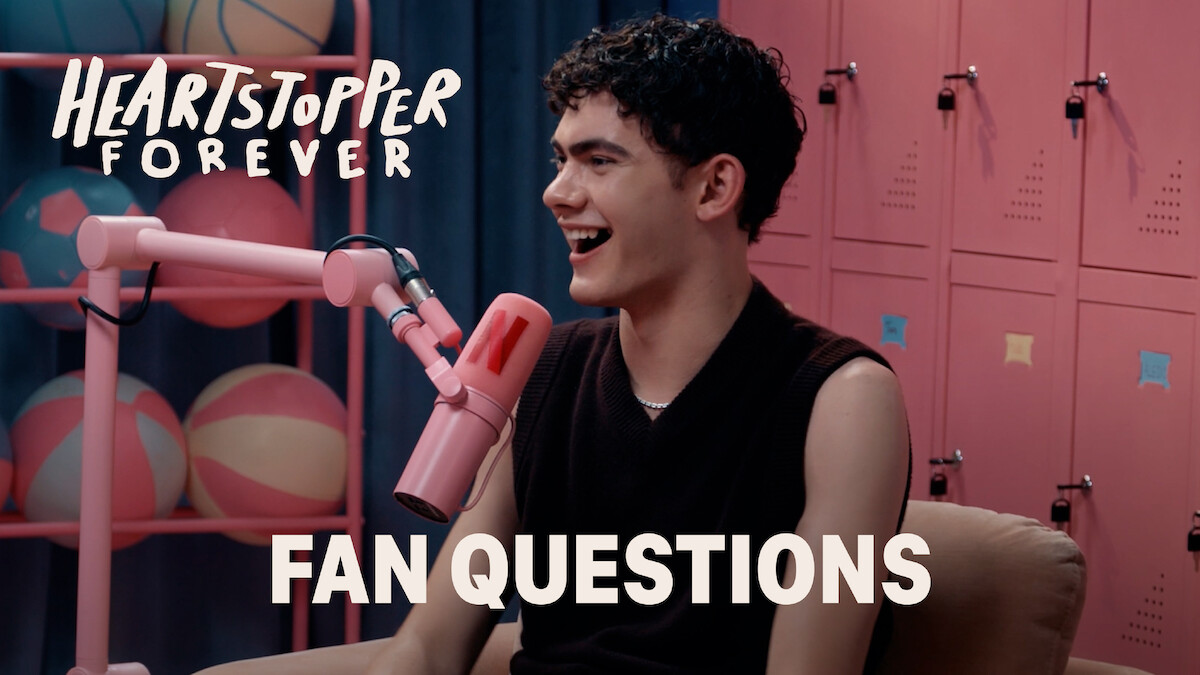
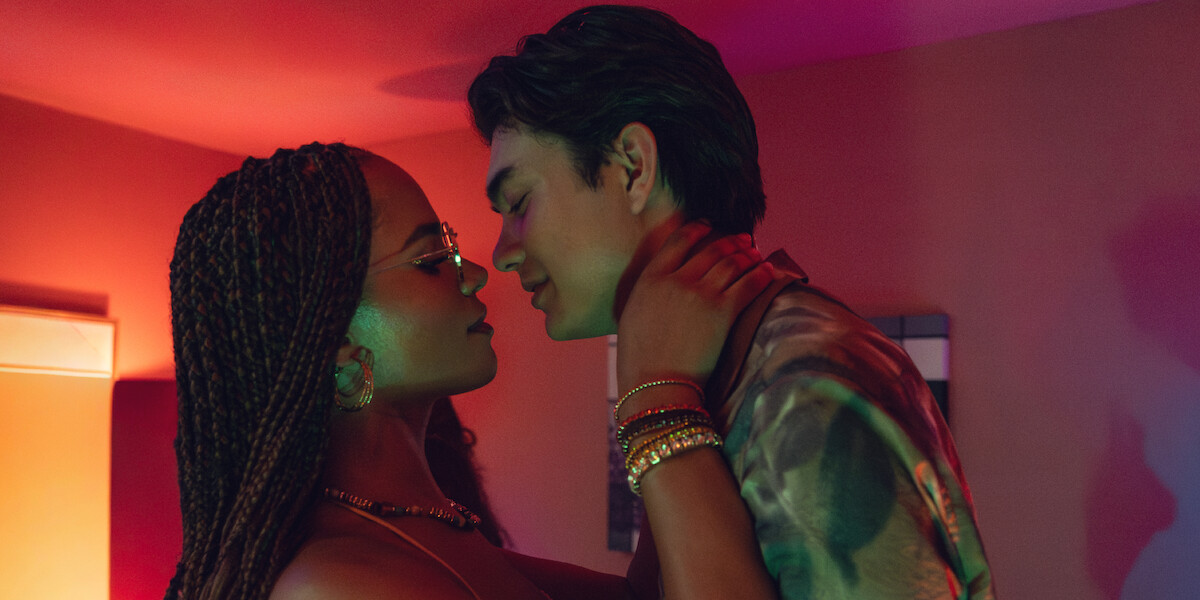
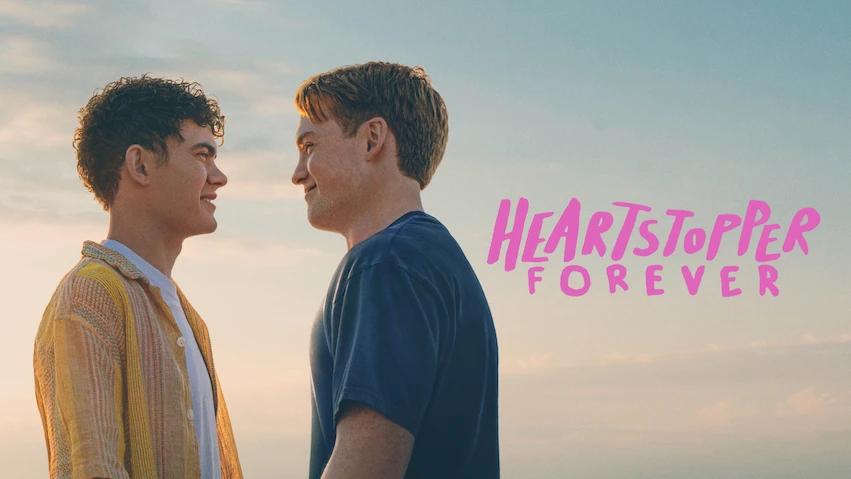
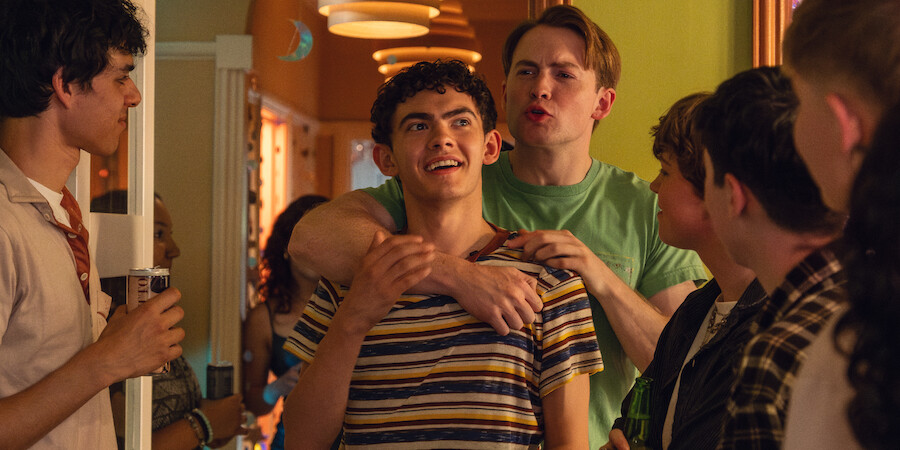
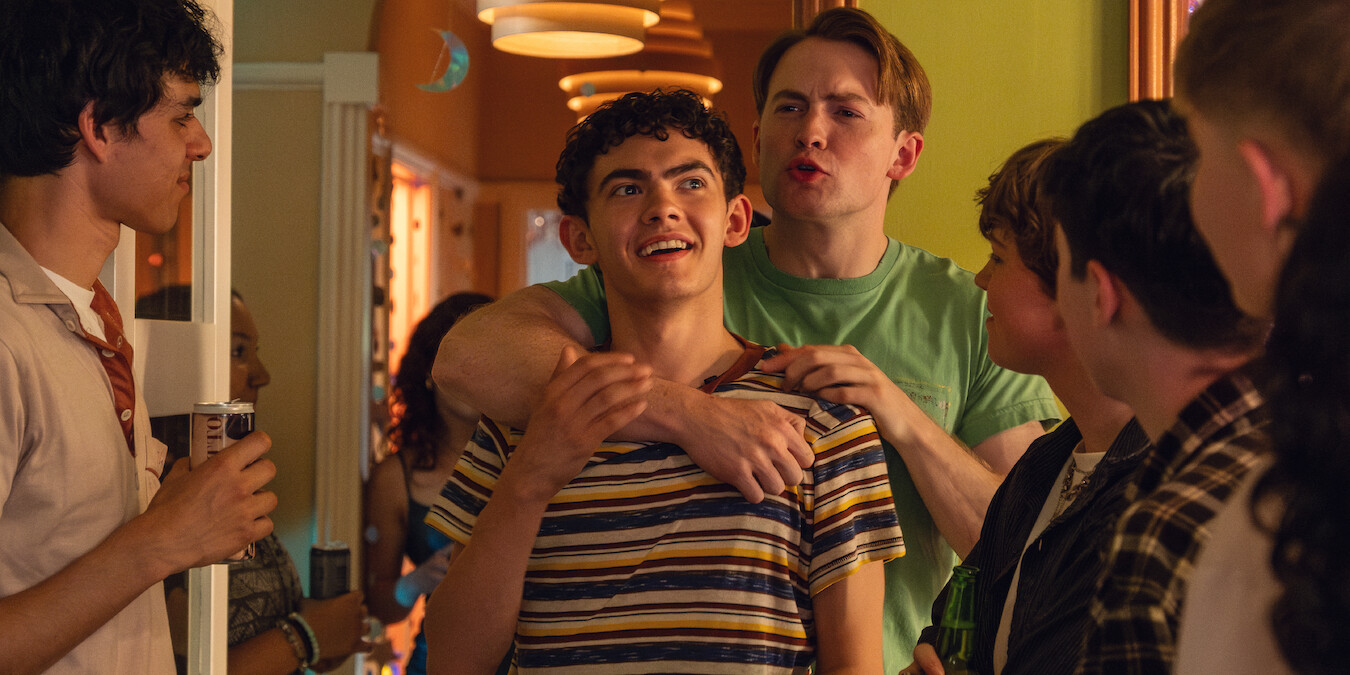
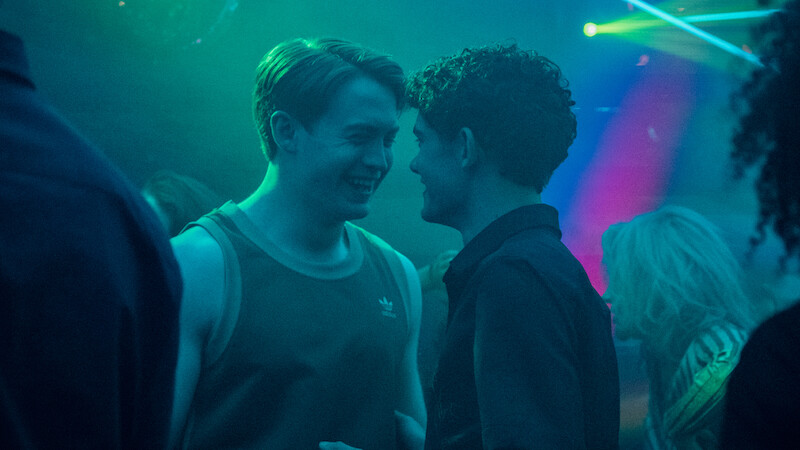
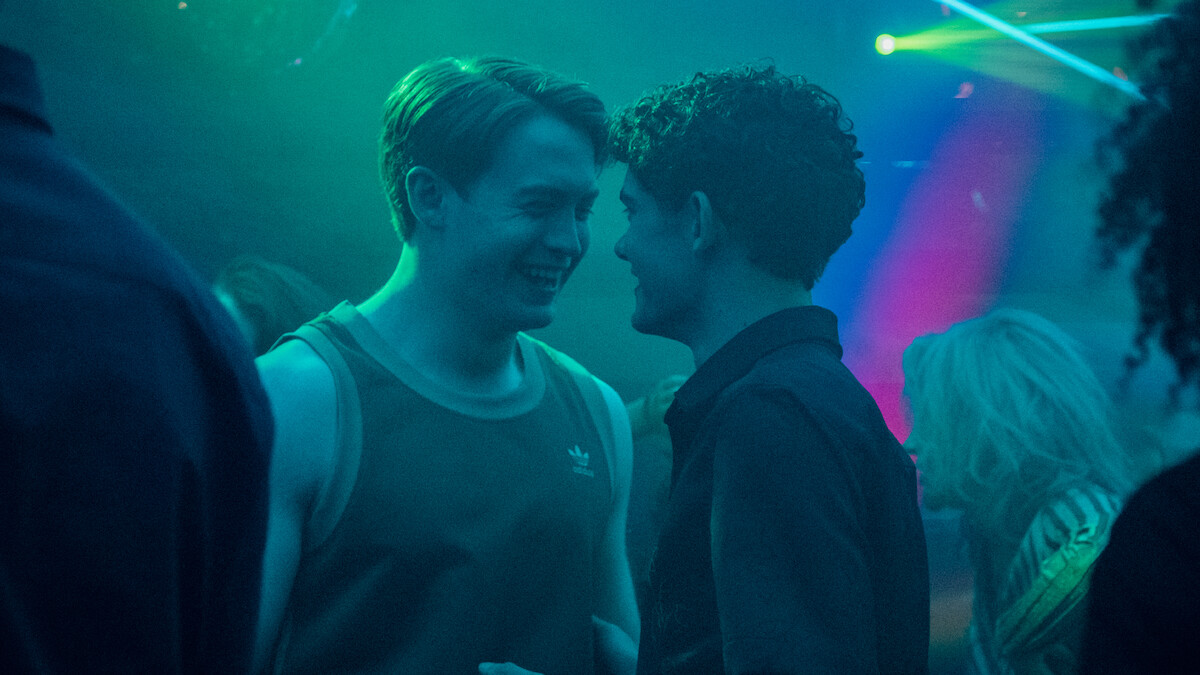
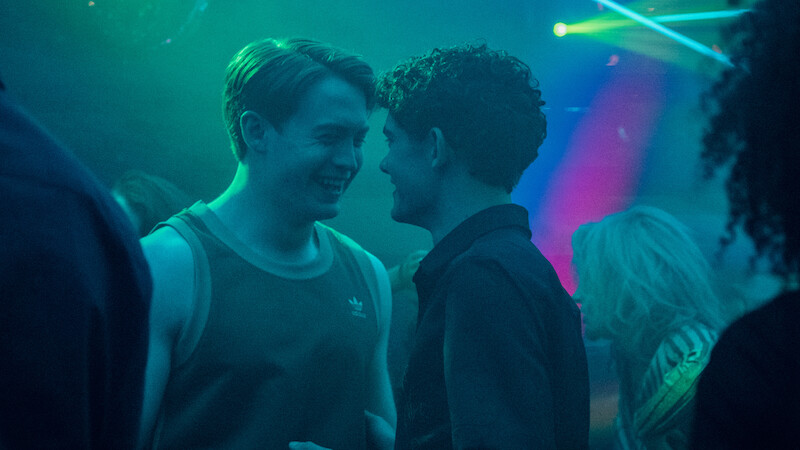
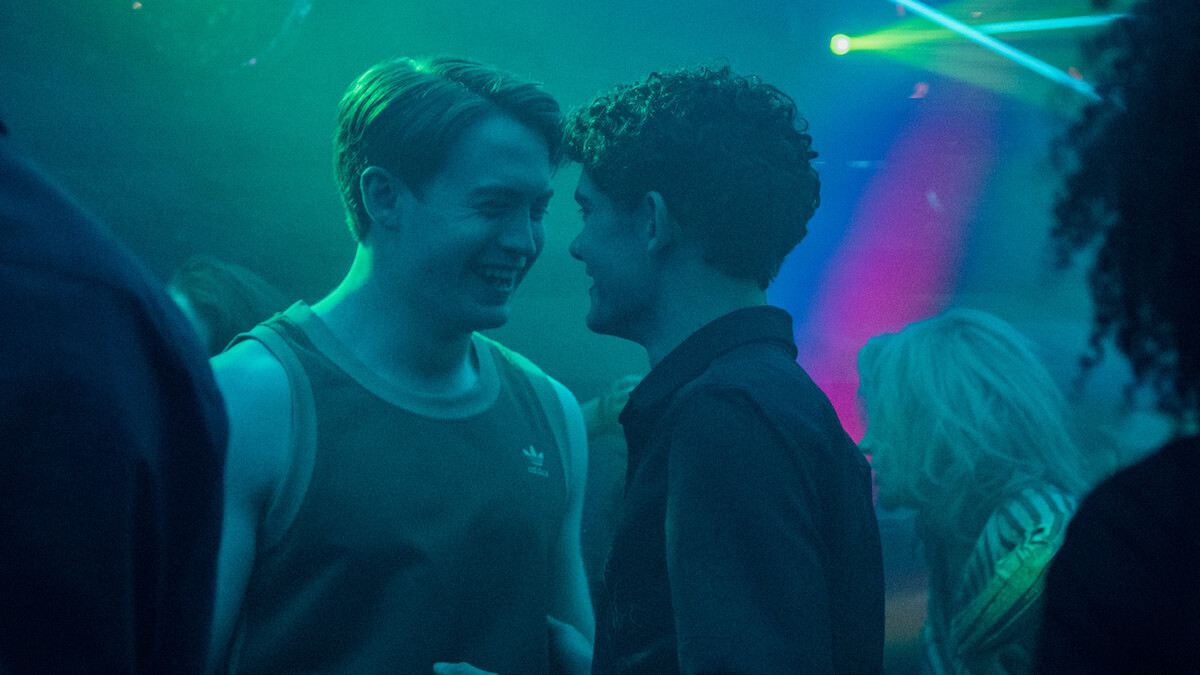
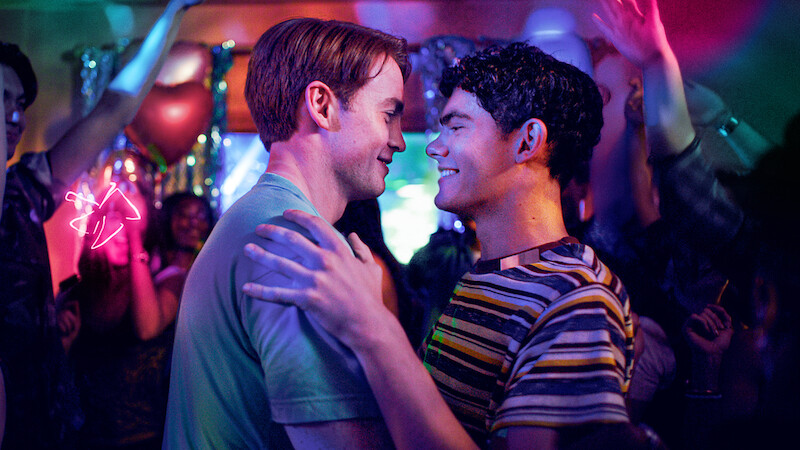
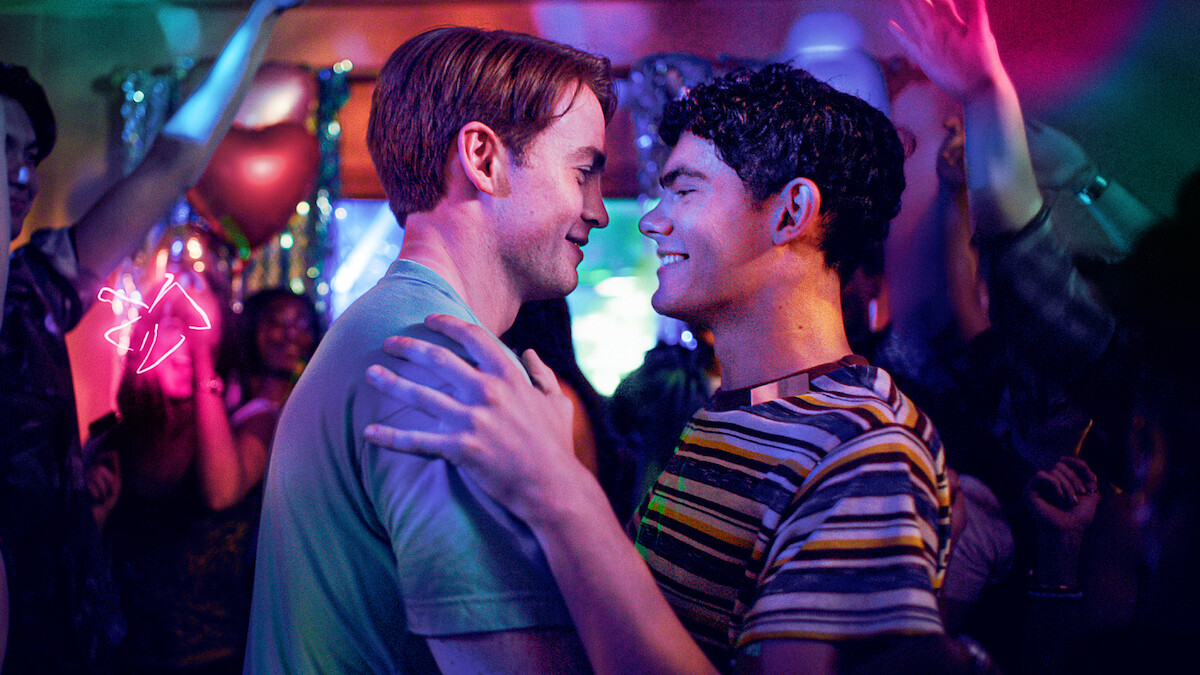
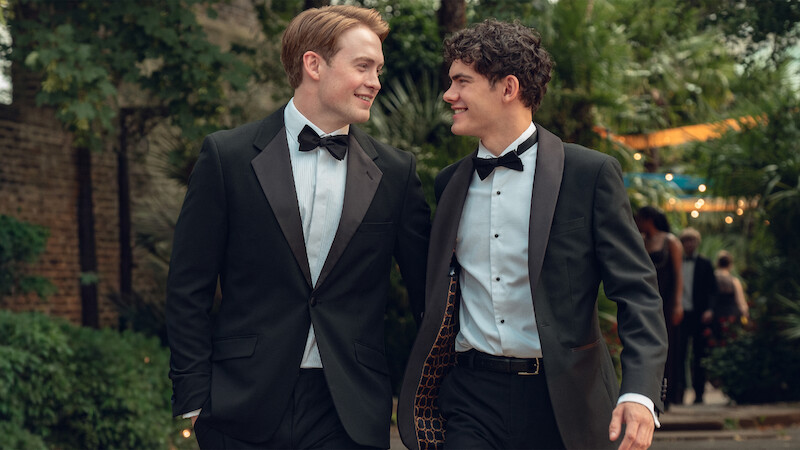
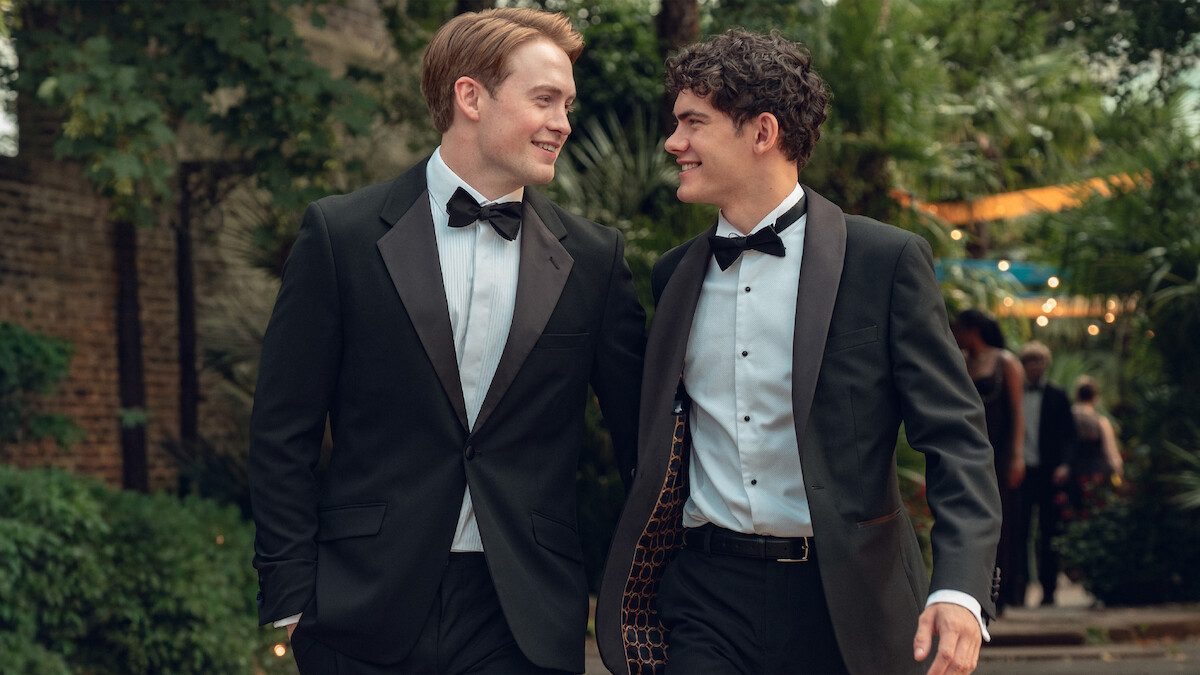
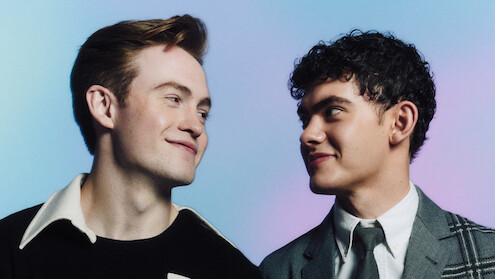
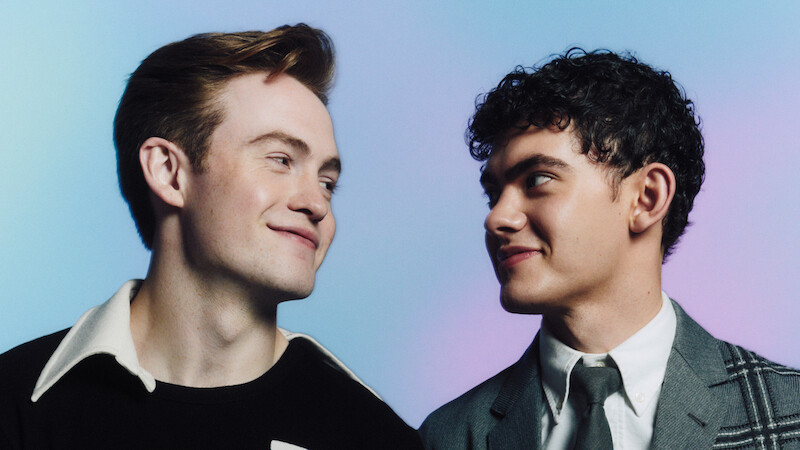
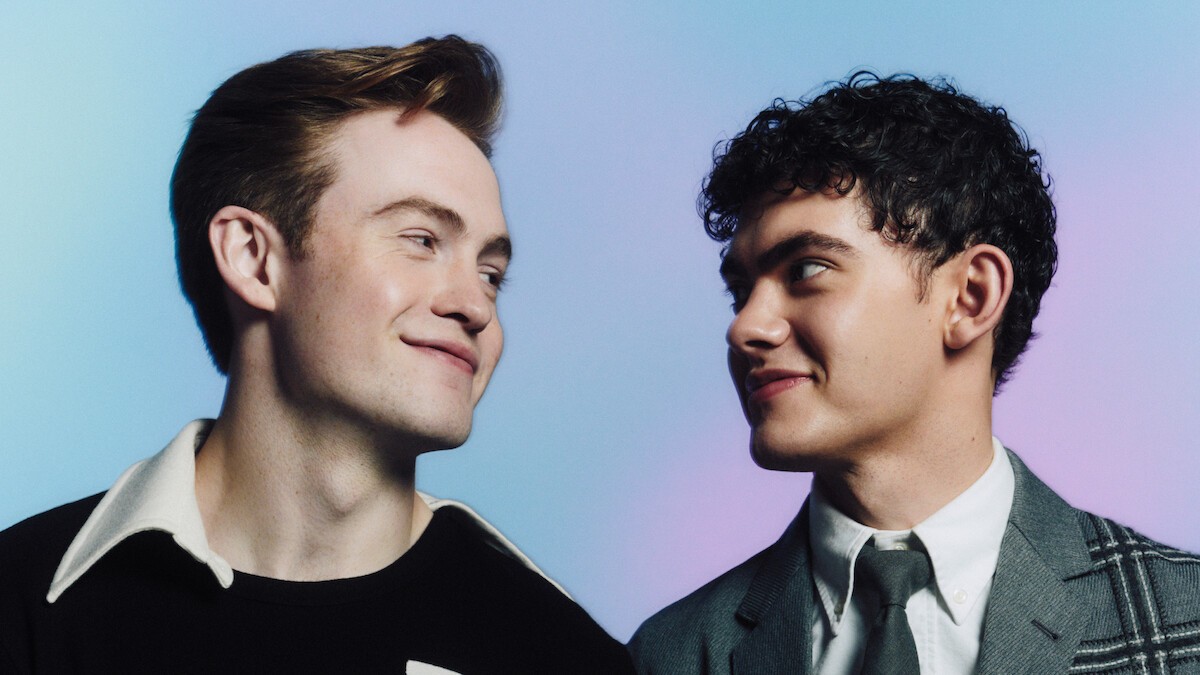
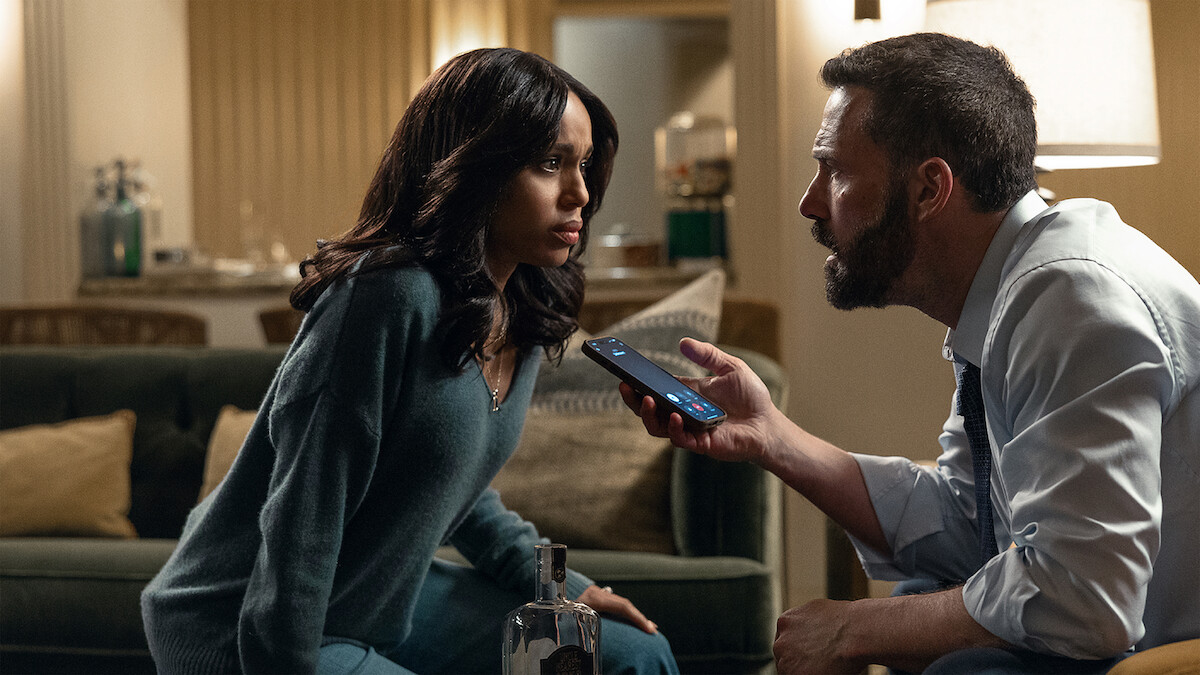
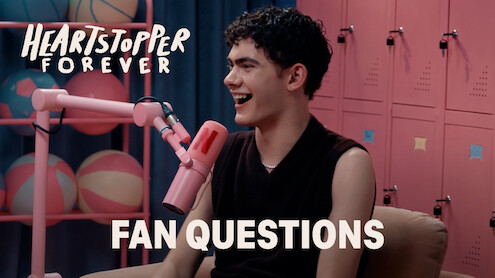
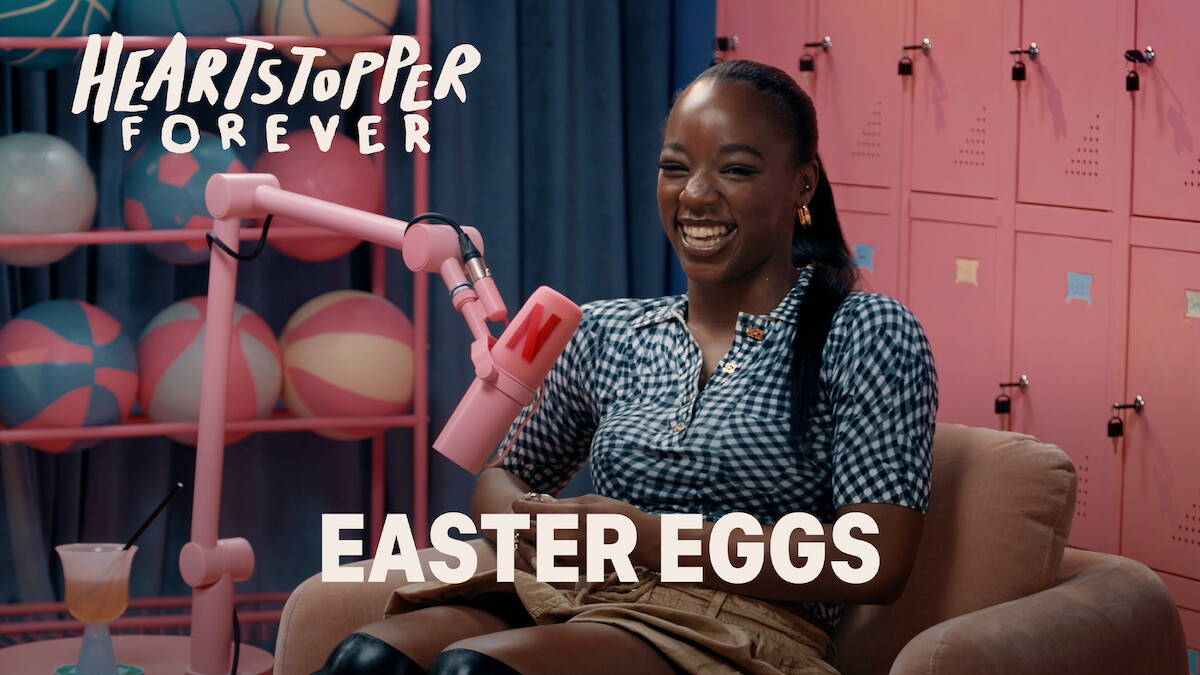
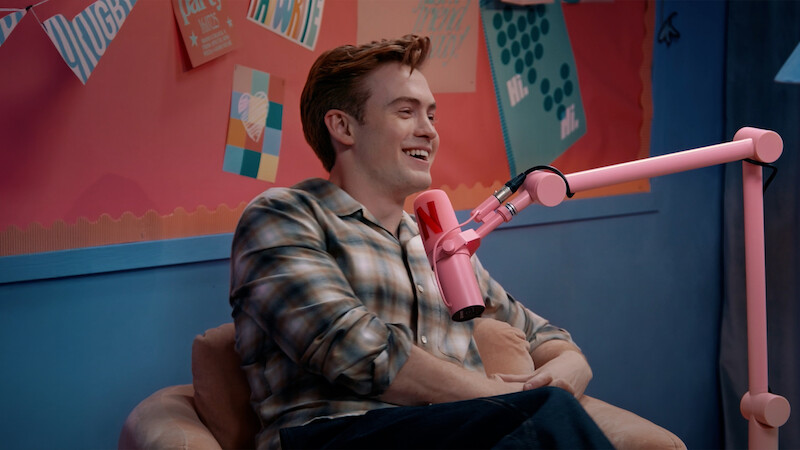
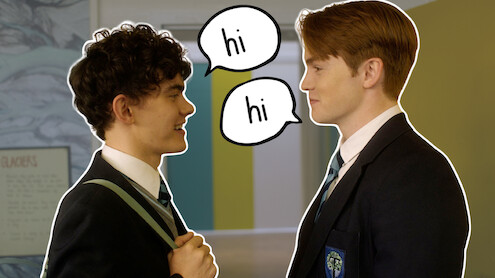
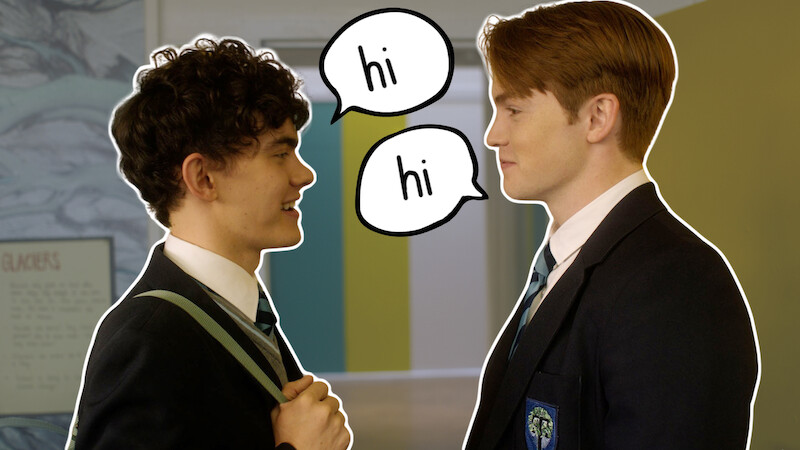
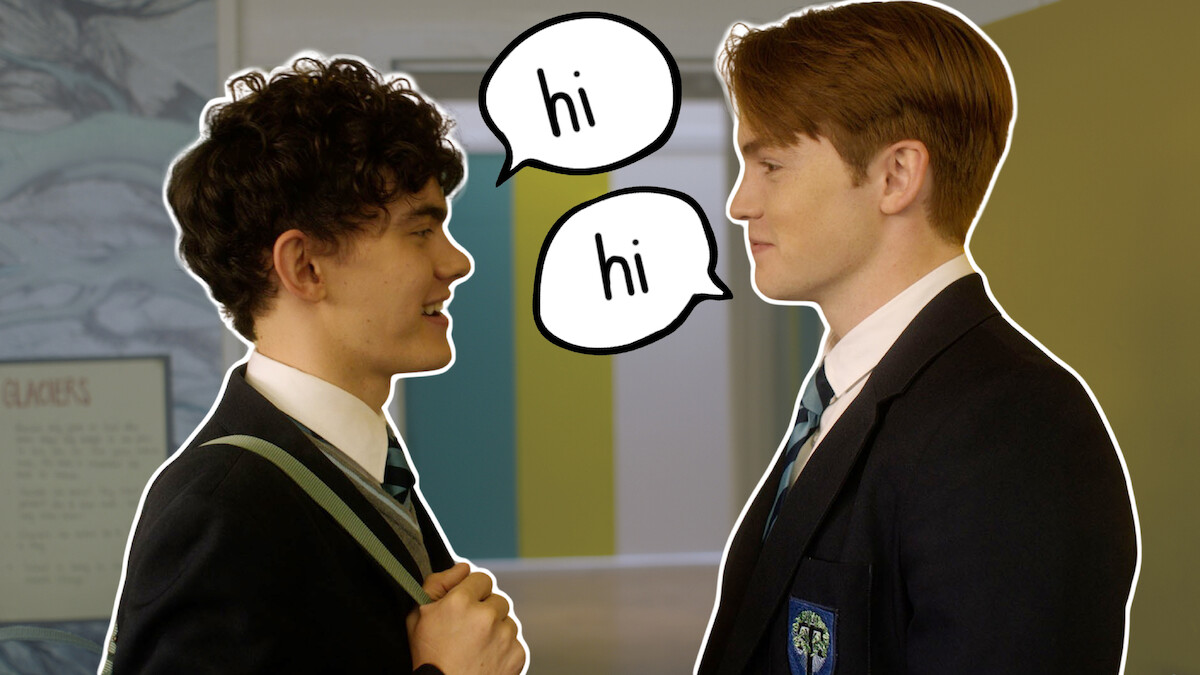
Heartstopper Forever — the finale film for the long-running British series Heartstopper — has at its core a starry-eyed love story between Charlie (Joe Locke) and Nick (Kit Connor). But Nick and Charlie’s romance plays out upon a diverse landscape: By centering teenagers from across the LGBTQIA+ spectrum (including ace, aromantic, non-binary, and trans characters), the series and film explore the unique challenges and contradictions of coming-of-age queer in our contemporary culture.
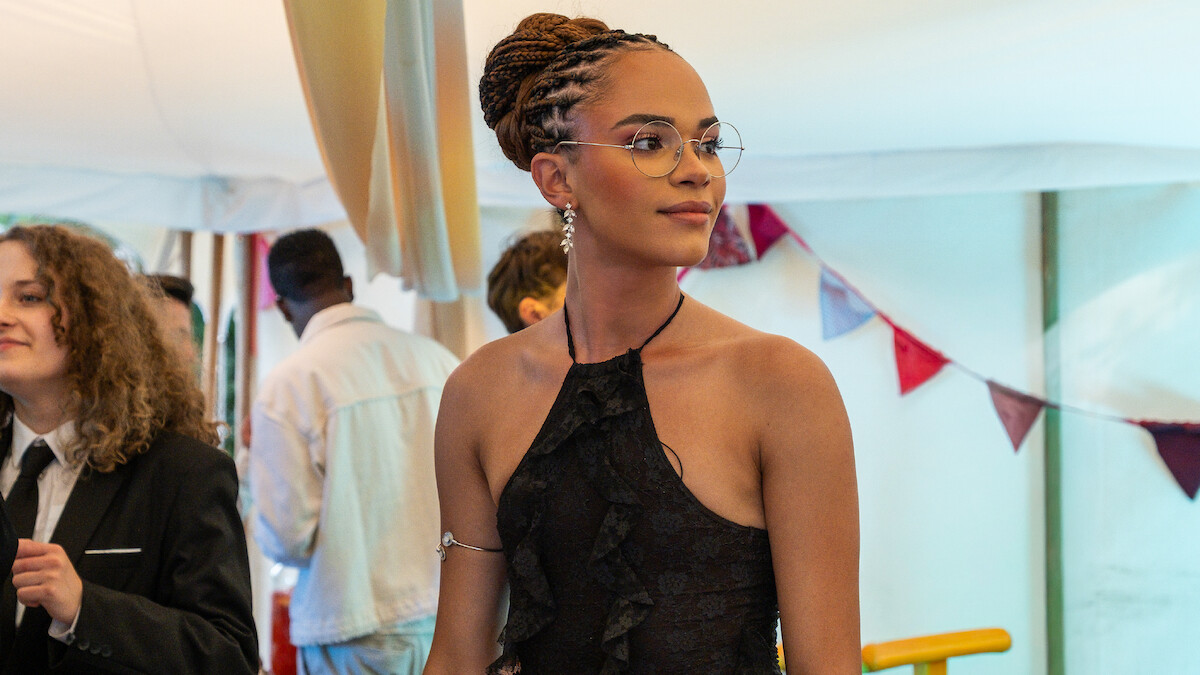
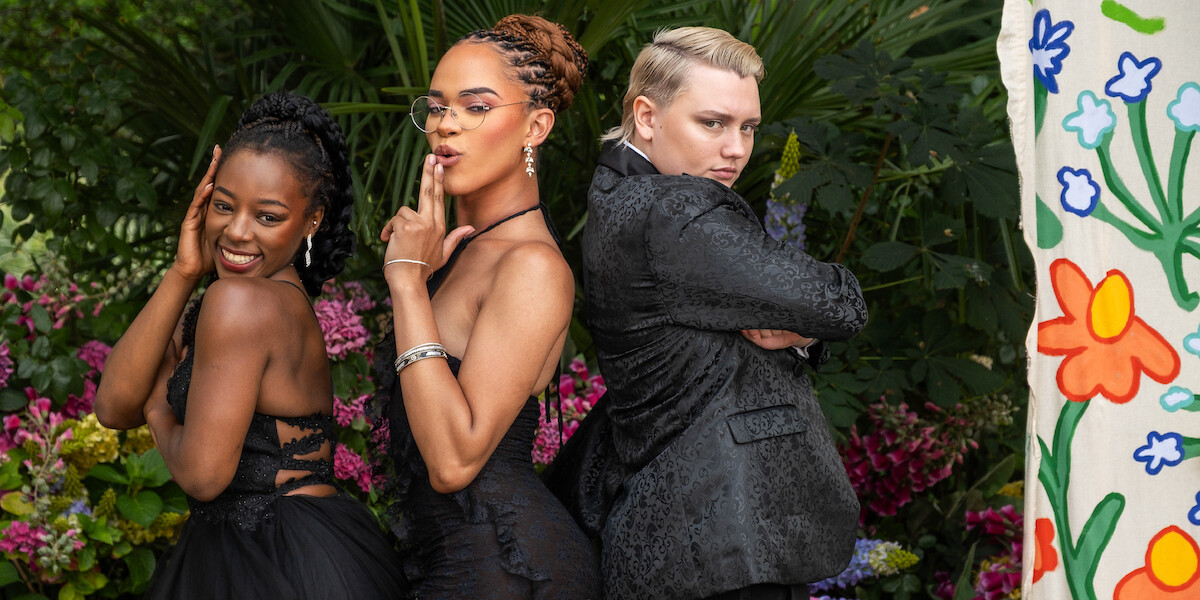
Since the series began, Nick and Charlie’s friend and former schoolmate Elle Argent, played by Yasmin Finney, has allowed audiences a window into a young trans woman’s lived experience. She chases her dream of becoming an artist and explores a friends-to-lovers romance with her best friend, Tao (William Gao). And in Heartstopper Forever, we see Elle expound on being trans at this precarious moment in queer history.
“Elle is not trying to be anything but herself,” says Finney. “She’s not a girl anymore — she’s grown into a young woman.”
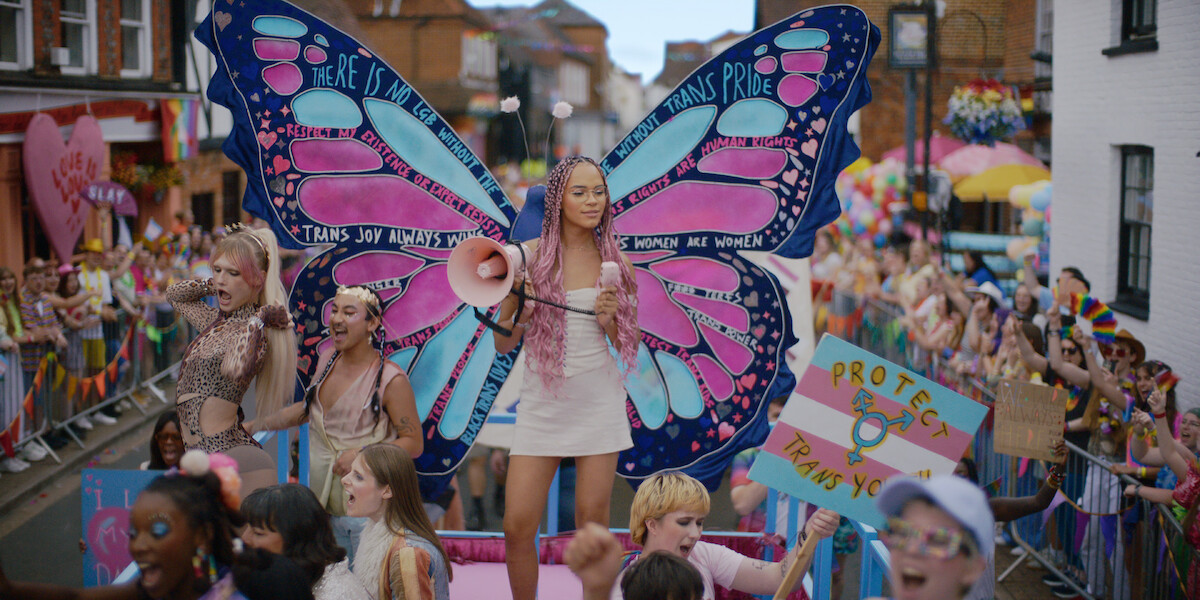
Finney’s confidence emerges most unequivocally in a short speech she gives at a pivotal moment in the movie: As the date for the town’s local Pride march approaches, Charlie finds himself grief stricken after he and Nick break up. But he can’t hide in his room forever. With plans to ride on the trans rights float in the parade, Elle makes it clear that, even though Charlie wants to isolate himself, she needs his support now more than ever. She expresses her needs — and mounting fears — directly to Charlie.
“I know you’re hurting, but I need you to come and march with me on Saturday,” Elle says. “Because I’m fucking scared. The world hates me right now. The government is taking away my rights and everything we fought for. If I was a few years younger, I wouldn’t even been able to take hormone blockers legally because they banned them. People don’t want me using public bathrooms or existing at all. I just want to be myself. To be free. To be happy. And I know you know all of this, and it’s OK if you come and cry about Nick all day, but I’m terrified all the time. And I just really need my best friends with me to march in Pride, OK?”
Charlie instantly understands where Elle is coming from. He goes to the march to support his friend, finding a path through heartbreak via community and solidarity. “Every take, I was just holding back tears because it’s so powerful, because it comes so much from the heart,” Locke says. “I know that Yaz worked closely with Alice [Oseman] to really make sure they made the most impact that they could. Coupled with the Pride parade, it’s really an expression of trans joy and also trans defiance, which are both really important.”
The speech marks an important moment of self-affirmation for Elle, who weathers the reality of day-to-day life as a trans woman in an uncertain world. “What I really like about that speech is that it feels like Elle just releasing all this pain and fear that she has, which I think a lot of trans people can relate to,” says creator, writer, and executive producer Alice Oseman. “These things are happening, and you just have to keep going — but it’s so scary, and sometimes you just need to get it all out.”
In addition to celebrating the beauty and importance of queer romance and friendship, Finney feels it was equally integral that Heartstopper’s characters give voice to the harsher realities of LGBTQIA+ life. “Being able to play that was really powerful,” she says. “It’s just as important to have realism as it is to have escapism — because we’re still living in an epidemic where trans people are constantly being ridiculed.”
In Finney’s own life, that moment spoke to a truth familiar to many queer people: Being yourself can be an act of courage. “Every day,” Finney says, “I try to just focus on the present. And just stay positive.”
Stream Heartstopper Forever now, exclusively on Netflix.