[dreamy electronic music playing]
[fans cheering] All of the emotions.
What a sensational film. I…
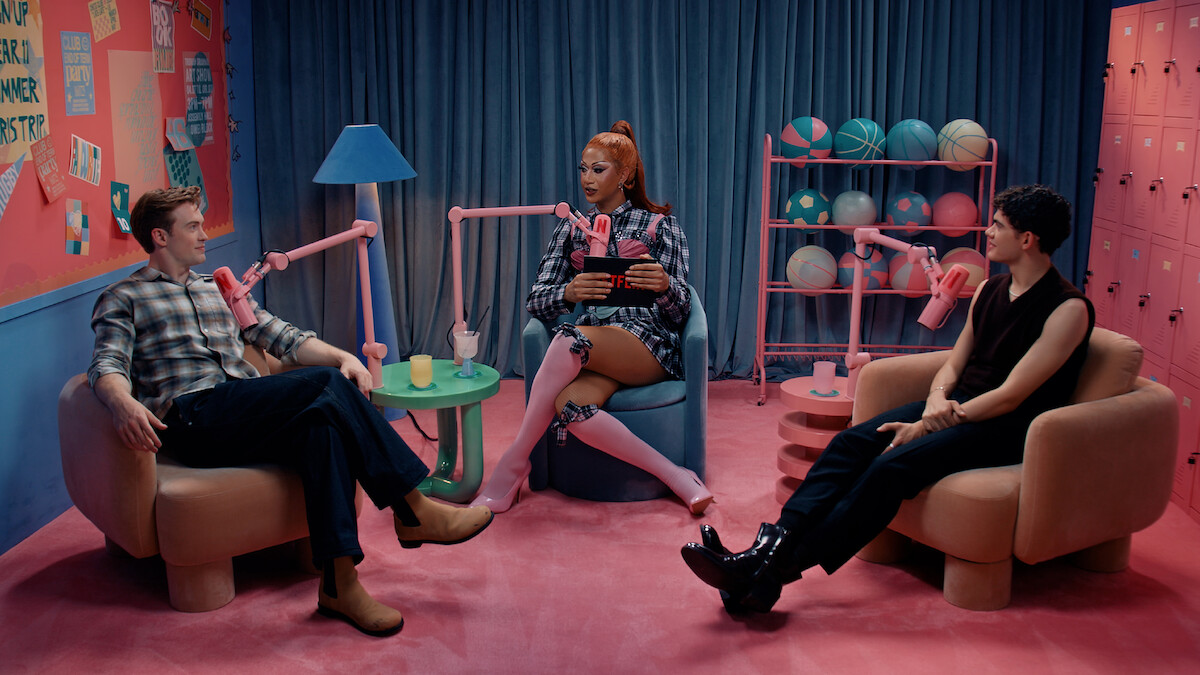
[cheering and applause] Everything that you could ever imagine was packed into there. I would love, and I would be absolutely honored, if you could congratulate the sensational cast and crew that I'm about to bring out. So, please join me in giving the warmest Heartstopper welcome to Alice Oseman, show writer and creator…
[cheering and applause] …executive producer Patrick Walters…
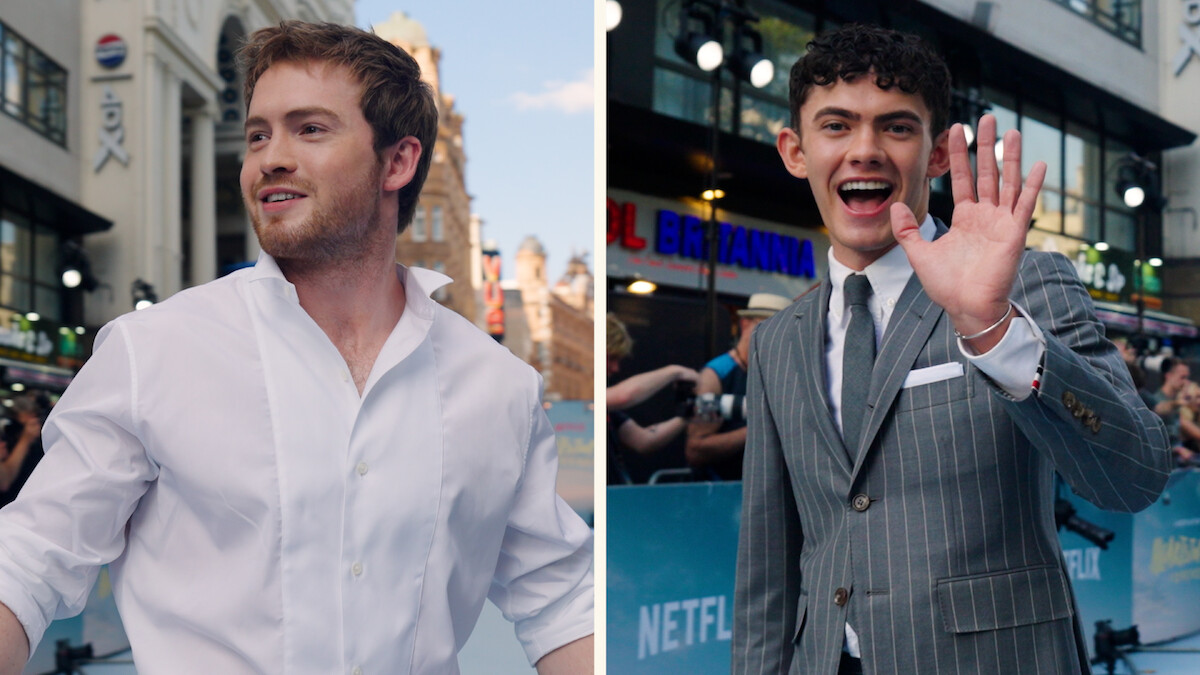
[cheering] …and stars of the show. Yes, Kit Connor and Joe Locke, everybody.
[cheering and applause]
[host] Whoo! I was gonna say you were just on the screen, but y-- Don't think we didn't see. The secret cameos. You'll have to watch it again if you missed it. Congratulations, firstly, on not only bringing this sensational film, but bringing queer cinema to Leicester Square. Can you bear that? How does it feel, I'll start with you, Alice, to have… have brought such a tender story to a close in this way on this… on this big screen, you know? The first proper time hearing an audience full reaction, how does that feel? Very scary. [laughs] Um, kind of all emotions. Like, I keep using this word, bittersweet. That's kind of exactly what it is. It's like so sad to be saying goodbye to all these characters that we love so much, but I think we're all also, like, just really proud to have brought this thing to the end in the way that we wanted to, so. Absolutely, because there's so much hard work goes into it. Joe, how does it… how does it feel to kind of have the world react, this small portion of the world, react to the film for the first time? Weird is probably the best word. I don't know, it feels very special. I think Heartstopper has always been such a special thing, and so it's nice to finish it in such a dramatic, cinematic way. Yes, really at 45 degrees.
[Joe] Yeah.
I'd like to add. We really had a great time. Kit, how about, how… how are you feeling post… post-film? I… I feel… wonderful. It's… It's, uh…
[host] As you should.
…very… Even just that ending sequence alone, it was quite moving to be in the room with everyone.
Yeah, I feel good.
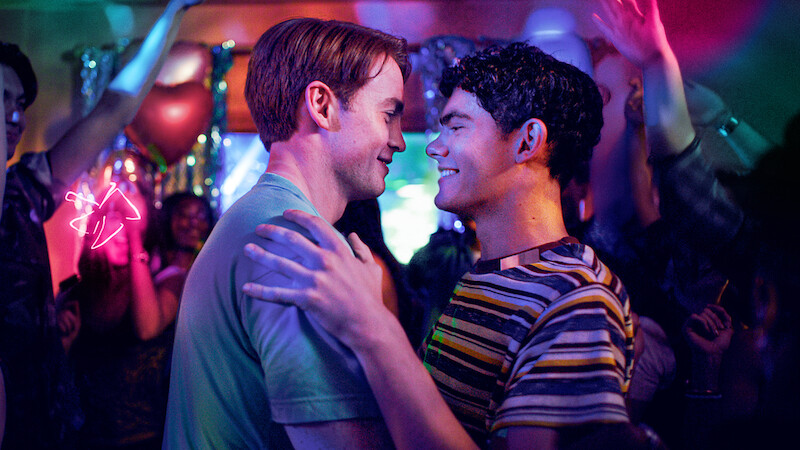
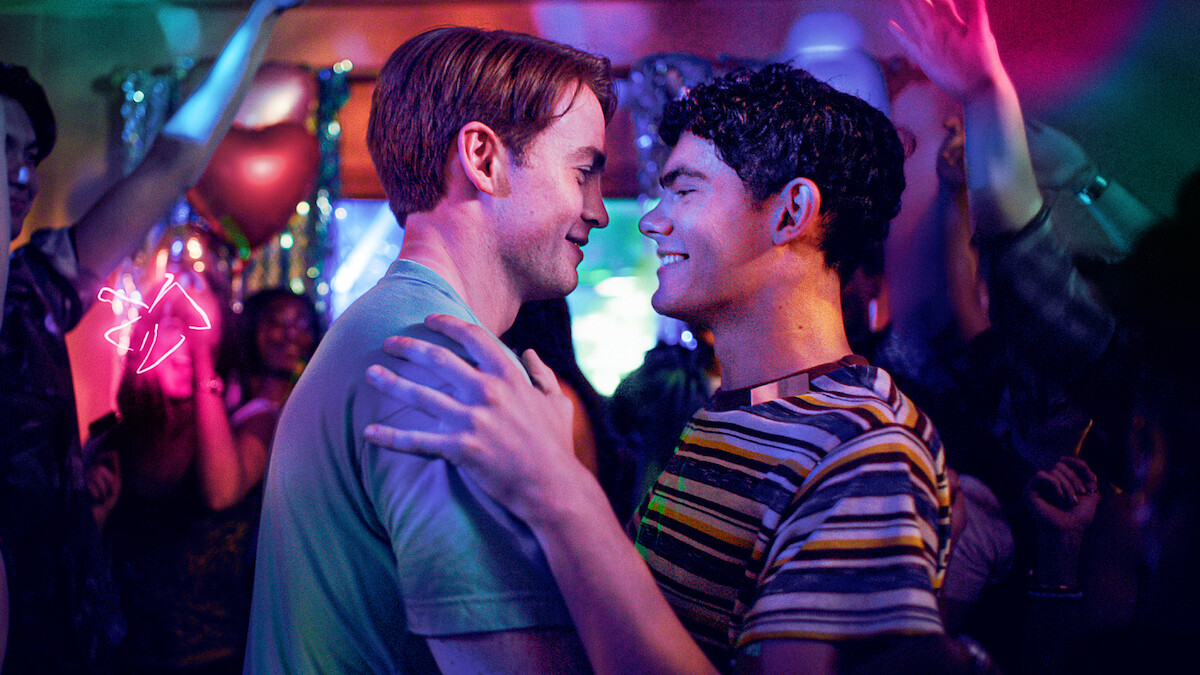
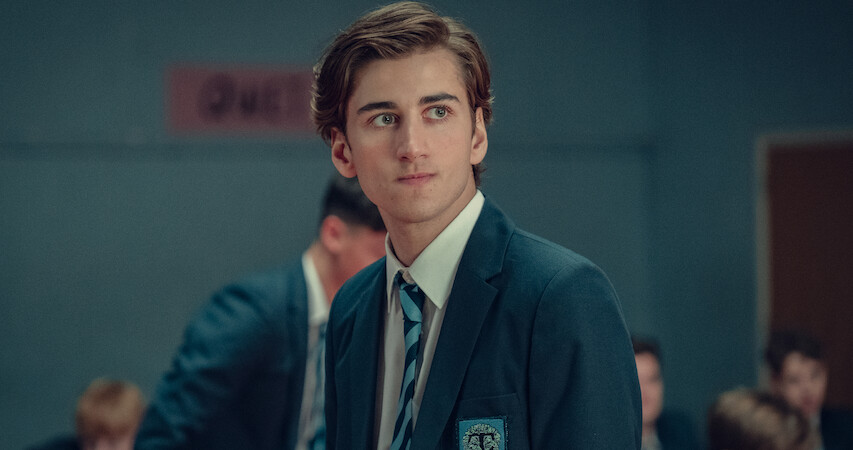
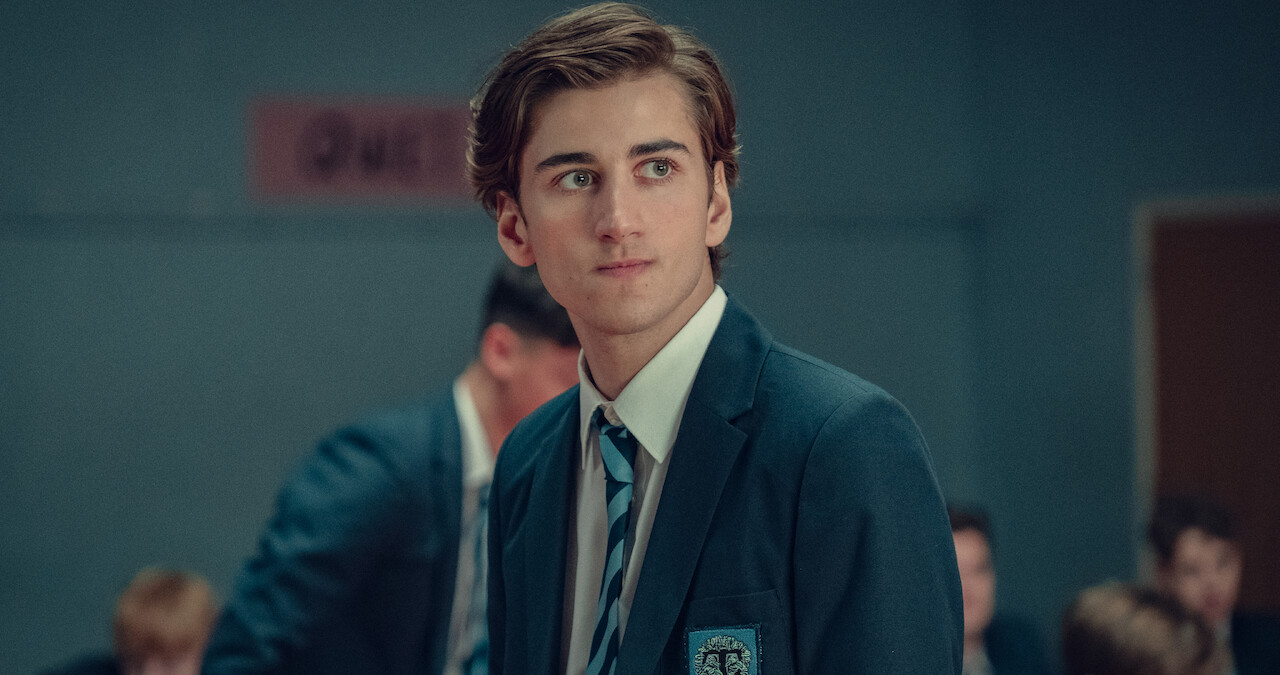
[host] Good. Now, I'm gonna start with you talking about, like, the journey that… that Nick goes on. Especially in this final film, we really see some… some trickier topics, and we've explored that in this series, but, you know, with the alcohol and the mental health and the kind of dependency in the relationship. How did you approach that as an actor knowing that, you know, we've kind of increased the level of emotional intensity in the film for Nick? You know, how did you approach that in… in your… in your way of acting? I mean, I think it's worth saying that a lot of it was… was there in the writing and the… the… the… you know, the characters that Alice has built over the comics and also over, you know, the last three seasons. And I think that that also, um… I was trying to use that to my advantage in the sense that we've seen this character in the first three seasons be this, not always, but kind of ray of sunshine and this sort of, um, golden light, uh, in a way and sort of the answer to a lot of problems. And so, it felt like for the audience to see this character sort of go up against these kind of issues and these kind of things would, um, sort of do a lot of the work for me, to be honest. It would just be, uh, such a sort of contradiction and such a, um, a shock for people to see Nick going through these things. So, um, I was just kind of trying to ride that wave in a way, and, uh, yeah. I think it's done so well because even if, you know, we all have a myriad of experiences when it comes to being queer or mental health, and I think the way that, you know, as you say, Alice kind of put that together and the show was created, it… it feels very authentic even if you're not necessarily dealing with those direct issues yourself. Joe, what I love is that, you know, your character creates a legacy at Truham. You know, there's a way where you've been able to kind of pass down what you've personally, you know, what Charlie's experienced. How kind of does it feel for you to have Heartstopper as that legacy for people in, I guess, the real world? Because I only recently realised this isn't real.
It is real. What are you talking about?
And that's actually really sad. So, you know, to kind of see it portrayed on-screen as creating that legacy from Charlie's perspective, but also with Heartstopper, like, how does it feel to have kind of made that legacy? I think it's so special to, like, be a part of something that means something to people. Um… You know, like, to be able to be a part of this family that made this show and have it impact people in a genuine way, I think is like the most special thing in my life. I think, you know, it's… it's so great that all these people are here and actually, like, care about this thing, that we are a small part of Alice's creation. Yeah, and I think that the… the gratitude and the love that you both and the whole cast have put in and the kind of… almost like the queer chosen family of it all, as it were, really shows. Patrick, I wanted to ask, was there anything from the series that you saw fans react to that potentially impacted the way that you approached the film? Or is there anything that… You know, obviously, because Alice creating these characters and then transposing them to the screen, there's a lot of noise that can come with that. So is there anything from the fans that made you shift direction when it came to putting the film together? I don't think so, in that Alice always knew what she wanted to do, um, in the ending of the story. I think once the show premiered, we just were like, "Wow, everyone loves these characters." So it became like a kind of protection thing. We had to, like, protect the legacy, make sure the ending was the right ending. Um… Yeah, but we didn't change any-- Like, it was always gonna be what you wanted it to be, I think. Alice, is there anything that perhaps enhanced or shaped Nick and Charlie's story that you saw from the audience reaction? Or did you… were you still very vehement in doing it, you know, as you intended? I think there's kind of a middle ground between those two things. Like something that I've had to learn as I go along is that it's okay to listen to what the audience want and… and have that connection with your readership and your viewership. But at the end of the day, you… you can't please everyone. You kind of have to have your own vision and do… make the story that you want to make. Um, otherwise, there's just not gonna be a story there. Um, so I guess as for Nick and Charlie, I mean… I… There's still a big part of me, of course, that wants to make the Heartstopper fans happy. Um, but I think… You know, I am also a Heartstopper fan, and what I want for Nick and Charlie is also what most of the fans want, I think, I hope.
So…
[host chuckles] I think exactly like that is your-- You know, as we touched at the beginning, a decade with, you know, this story out in the world, but obviously it's lived in your… in your world and your brain for… for many years. So Patrick, one thing that I really loved is noticing the maturity in the storylines, but also how it reflects real life. We have talks about trans rights in the show. We have talks about how… you know, what the daily life is for LGBTQ+ people. As I said previously, we're speaking about alcohol, mental health, dependency. How did you, from a production perspective and from, you know, taking it to the screen, how did you get to a point where you felt comfortable bringing those stories to the film? Because with queer... you know, queer talent, trans talent, and putting that story out there, it's very emotional. We felt so comfortable. We were like, "Please let us make this show" for so long. We'd really kind of pitched the fact that there wasn't a show like it. And Alice and I had, like, been having these meetings with Netflix where we were like, "There's no show that exists that's purely LGBTQ+ characters in this age group." And that was like a big defining thing of I think why it happened. And so once we were, like, making the show, we were like, "Yeah, we're gonna do this." So, like, there was never a question of like, "Oh, these storylines are difficult" or, like, "People might not want to watch them or enjoy them." Like, that was… that was the joy of it. Once we were… once we were on set, it was, like, kind of easy. And I think that shows in how much it's loved is that people clearly and truly do need and love these stories. You know, like there is no topic that's out of bounds when it comes to… We felt that. Like, I think we all felt that when we were making it. It was like that was the endeavour. So it's like… it's really gratifying to have you ask that. Kit, is there anything that you've learnt from playing Nick that you'll take back into your real life? Rugby?
[sighs] Well, I'm very good at faking it. I think you can probably learn it from most of the… Certainly the main characters and the main ensemble of the story is a general sort of compassion and empathy, and, uh… a sort of willingness to love that… that a lot of these characters display, um, and is a bit, I don't know, I think a lot of the people that you meet in real life are slightly more tentative to be a lot of those things. So I think it's a good reminder to… be that. And Joe, is there anything… You know, what I love about Charlie is how, as I said, how inspiring he is. Is there anything that has inspired you personally from Charlie's story or from meeting fans, or, you know, continuing that legacy? Is there anything that… that kind of has resonated with Joe? Yeah, I mean, Charlie has this amazing arc over the three seasons in the movie of, like, coming into himself.
[clears throat] It's very… He starts out very shy and insecure. And I think you see him, especially in the film, sort of like becoming a man in a way. He knows who he is, he knows what he wants, and that sort of confidence in him is something that I definitely, I feel like I've mirrored in my journey of growing up at the same time as… as playing Charlie. Yeah, and I think just from a… from a personal perspective, but I'm sure the audience agrees, that's been such a beautiful journey to watch, and we're so grateful for that. So I think a round of applause for that level of brilliance.
[cheering and applause] So I think it's time that we let these people in the dark ask some questions. Joe and Kit, if you wanted to share a funny, um, story from set.
[laughter]
Sure. The question is, which ones can we share?
[exhales] There's lots, there's lots.
We have a good time.
[woman] One of them.
Um… It…
[woman] Yeah. What would be… I really can't think of any. I also can't, which is why I passed on to you. Did anything silly happen in the snow? I feel like snow brings out silly. I think the snow fight almost got a bit too much.
[Kit] The snow was maybe the worst day of my life. It was also like 34 degrees. Fake snow is horrendous. And we were both…
Boiling hot. It was so hot.
So warm. Um, thank God we had each other because we were dying inside, and sort of, you know… You have this… this, um, I don't know, this pile of what they describe as paper, water, and salt. And then they go, "Okay, great. Just like roll around in it." Um, so we did that and, um, yeah.
Is that funny? Maybe
[Joe and audience laugh] Hello. Um, I just wanted to say how amazing you guys are on-screen. That movie was incredible. Um, as a trans person, Heartstopper has helped me, like, express my gender identity and help me be more accepting within my own body. So how does it feel being able to express yourself and your sexuality on-screen throughout the years with such an amazing cast? And for Alice, how did it feel being able to give these actors a platform to share their story through your work? I think that Heartstopper has always shown, like, queer joy and that I'm very proud of that. Yeah. And I think that, um, we've… we've grown up on the show as well. So we've sort of, um… I don't know, it's empowered us in a lot of ways. Um, so… Yeah. I mean, it does feel like the effect that it's had on the audience in general has been a similar effect to what it has had on us as a cast and the people who have made it. But… Yeah, I think, um, we've… me and Patrick have always tried really hard to foster a sense of community among the cast and the crew. Like, every time we come back, we always try to get back as many of the people as we can in the crew. So it feels kind of like everyone's coming home, um, and everyone feels safe in that space to express themselves in… in whatever way they would like to. And… and we're always there for support. We describe ourselves as the mum and dad of the set. Um, so we… Yeah, over the years, we've just tried to sort of be there for everyone. And, um, yeah, I feel really grateful that we've managed to create that community space for everyone.
It's been a journey.
[host chuckles] Thank you. Gorgeous question. As someone who has all my life been dealing with my sexuality, as I was a child, I was always told, like, "You're gay" as an insult. And especially seeing the film with the scenes with Alfie, how do you feel like it's important for younger audiences to watch a show like this? And how did that go into your thought process while making it? Because it does make people feel seen. And even though it's probably ten more years than I should have realised who I am, it shows that it truly made me feel okay to explore that side of myself. I mean, yeah, we always really wanted as young an audience as possible. And when we were doing season one, it was like really important to us that it was, like, as low an age rating as it could possibly be. And we wanted more swear words in the first couple of seasons. Yeah, I did. [laughs] But we thought we'll sacrifice the swear words in order for the audience. So yeah, it's been an amazing thing to have stories like that, where you feel that people have had conversations with their family in ways that maybe they haven't been able to before. Yeah, and I think that storyline with Alfie kind of speaks to that experience that a lot of people had with season one of the show, where they were watching it maybe as a closeted young person and… and felt that connection. And, um, yeah, it's kind of really poignant to see Charlie like now being older, helping someone who kind of represents the younger him, um, and kind of represents where Heartstopper started, I guess. So yeah, it's just really special. Yeah. Hi. Um, I just wanted to ask, what are you gonna miss the most now that it's finished? The people, for me. That was my answer.
Well…
[laughter] We created such amazing, like, bonds in the show with the cast and the crew. It's more than friendship. It's like family. I think Tao says it sort of right. We might go in and out of each other's lives, but we'll always be bonded together in that way, which is really nice. That… Absolutely, I agree. That was... Again, that was what I was gonna say. I'd love it if you'd been, like, the catering.
[laughter]
Definitely not.
[laughter] I don't know if I'd split. Okay, it's time for the final question. Are we ready? This is tense. No pressure, but it's the final one. I was just wondering, especially for Kit and Joe, when you see yourselves, like flashbacks from season one when you're younger, and then, like, flash forwards to now, how does that make you feel? Does it… It feels very strange. I don't know how to describe it. I don't know, it's...
It's very sweet.
Yeah. But it's also slightly uncomfortable.
Very uncomfortable.
[laughter] Um… But it's like, you know, if you view them as Nick and Charlie, then it's a lot more sweet. Whereas I think if you think about the fact that that was us, then it's less sweet.
[laughter]
Especially on that huge screen. Again
The screen was so big. I don't mean to bang on. Please give it up for Kit Connor, Joe Locke, Alice Oseman, and Patrick Walters.
[cheering and applause]