Deep Dive
What Happens to Gu-cheon and Saeng-gang? The East Palace Ending Explained
The K-drama’s lead duo help break down the twisty finale.
By Claire Choe
July 22, 2026
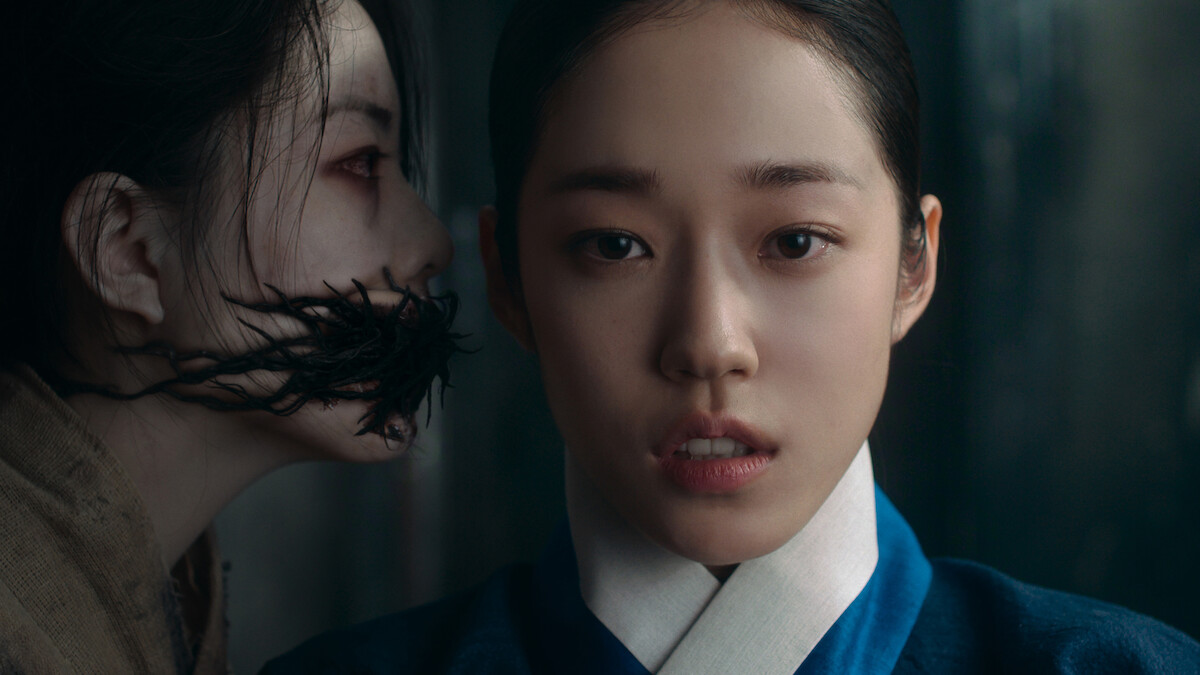
The princes of the East Palace are dying one by one from a terrible curse.
Thirty years ago, a court lady favored by the then-king was accused of having an affair with a royal guard and executed for carrying his child. The accusation came from the queen — the present-day queen dowager (Jang Young-nam) — who could not stand that her husband favored such a lowly maid. Filled with anguish as she died, the court lady cursed the palace and swore that in death she would return as a won-gwi, a spirit bound to the human realm by its own resentment, and wipe out the royal bloodline. Following her death, all the royal princes died except for one: a son born to a different concubine, last in the line of succession. He’s now the present-day king (Cho Seung-woo).
The king’s biological mother has left her son for a life outside the walls of the palace, afraid of its sinister darkness. Inside, the king is locked in a permanent power struggle with the queen dowager. So when his sons begin dying the same way his brothers did, the queen dowager sees a chance to reclaim the throne by installing a new, uncursed bloodline — adopting a crown prince from an outside family of her choosing. This is precisely why the king will not publicly admit that a curse is threatening his reign. He blames the deaths on a secret palace conspiracy instead.
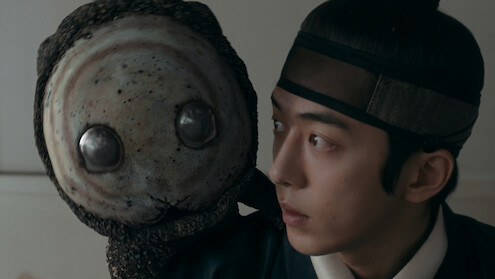
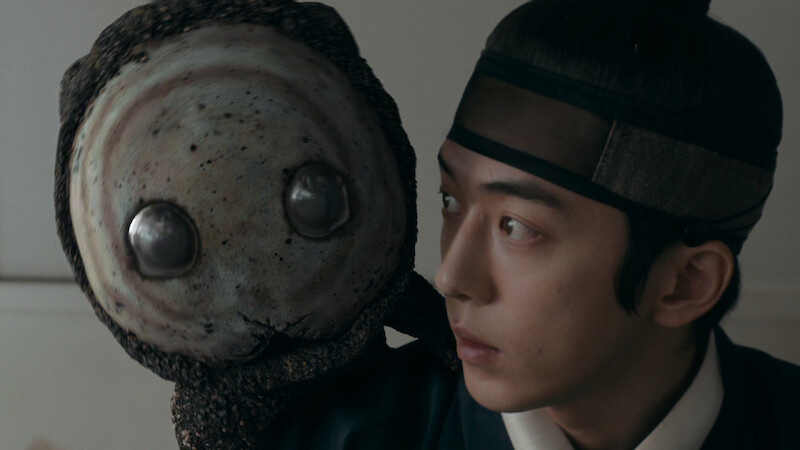
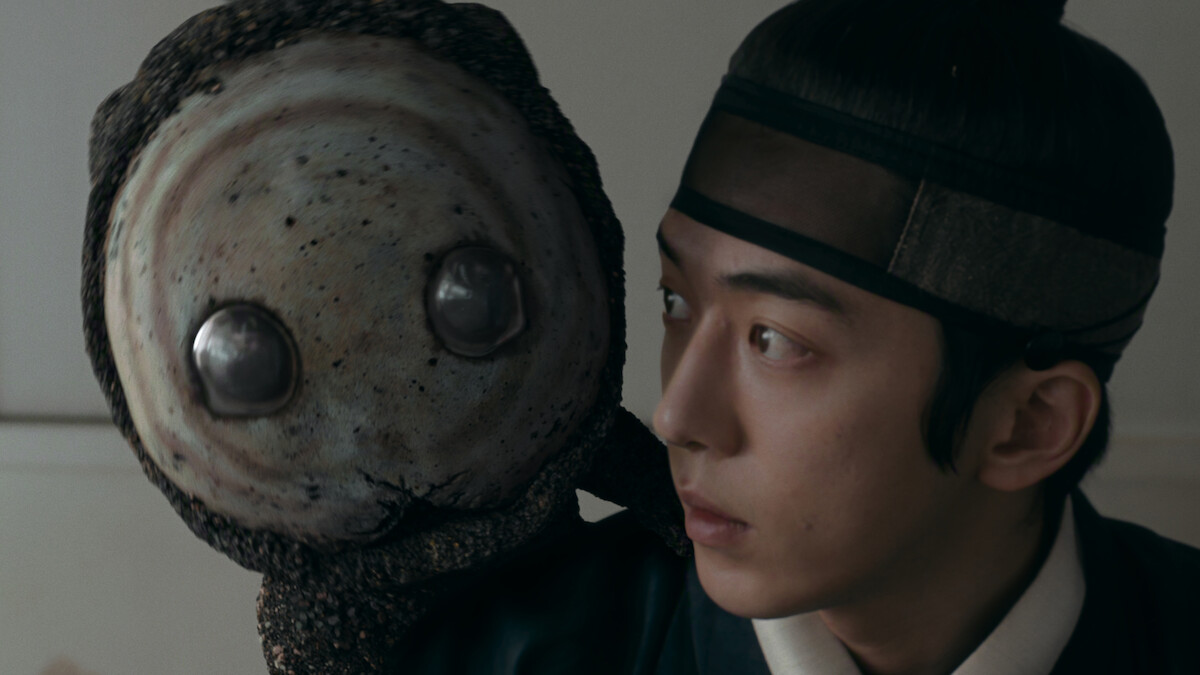
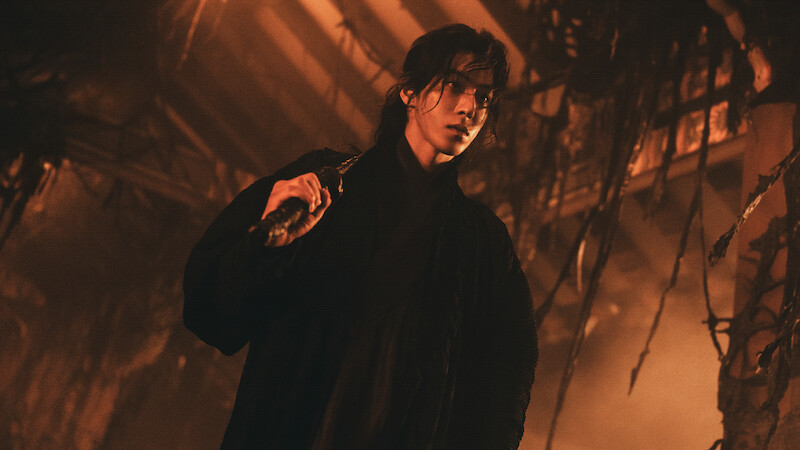
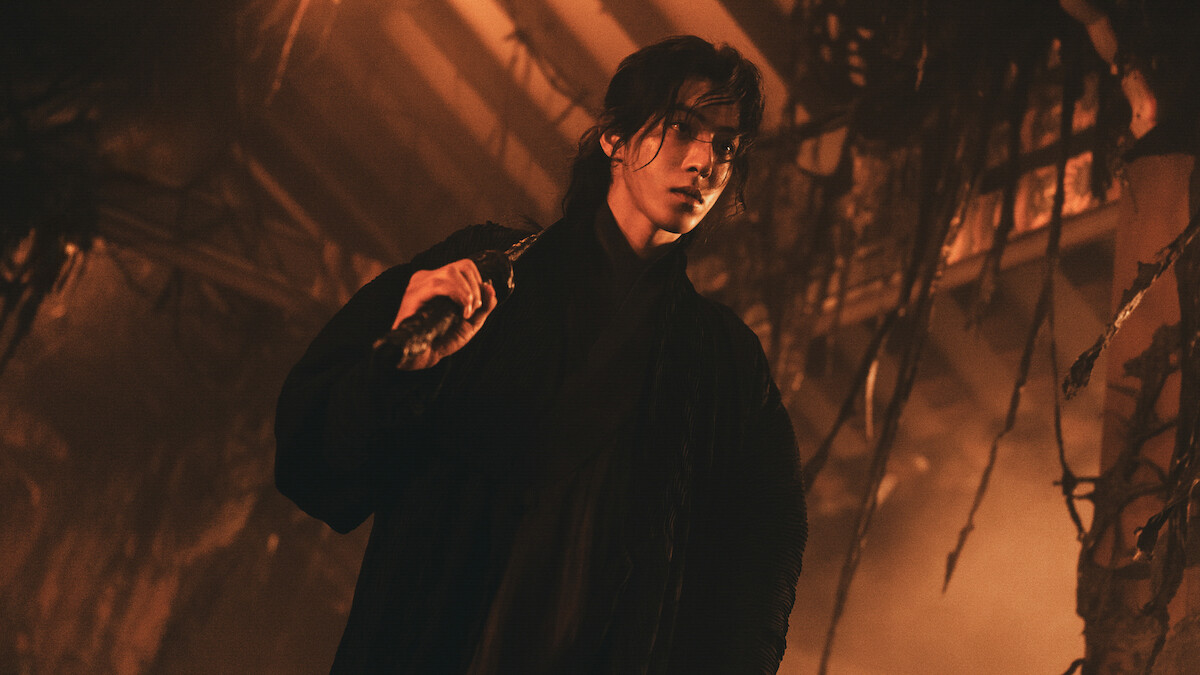
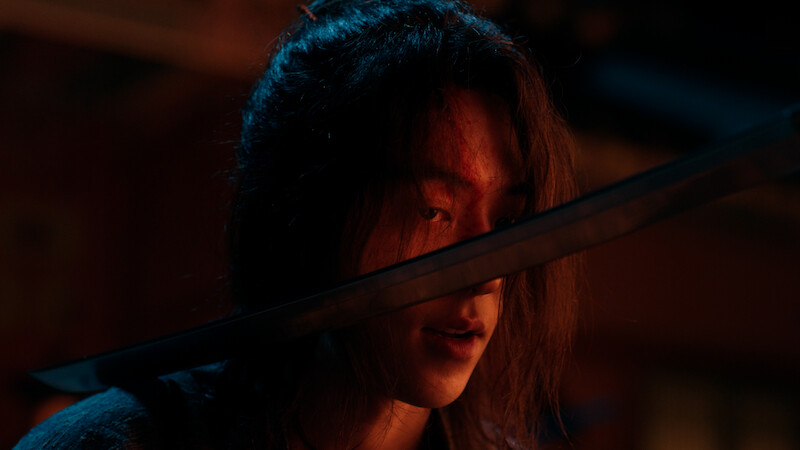
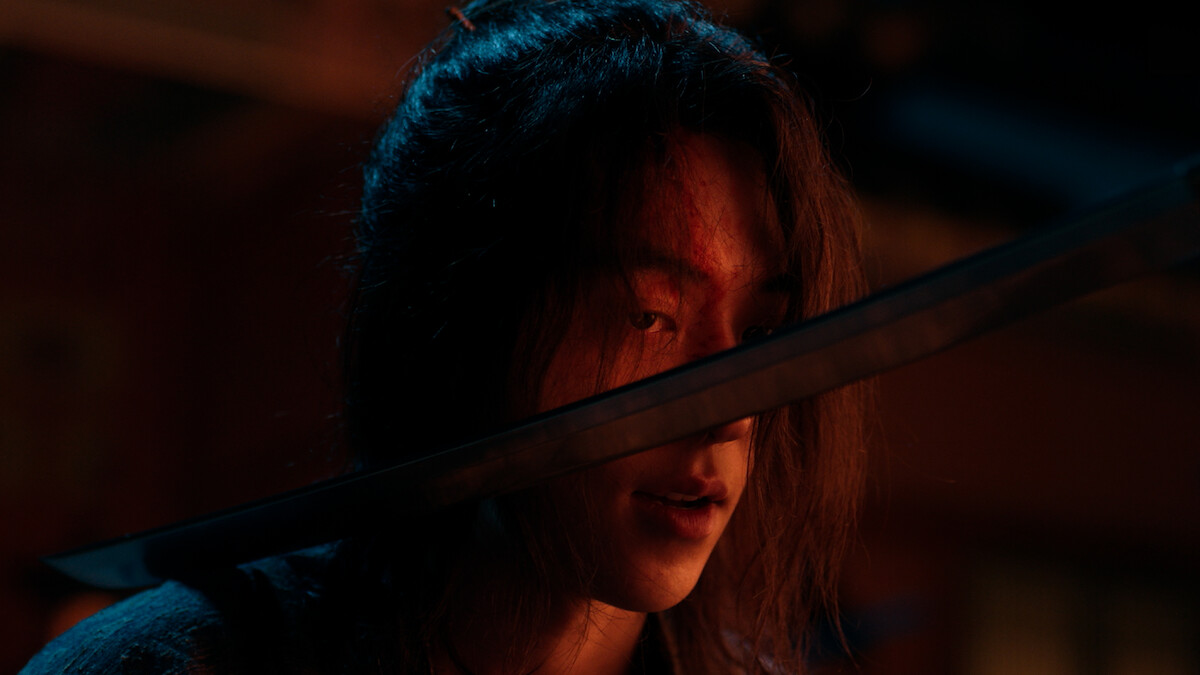
Then his last living son, Prince Yeongan, collapses. The king secretly summons Gu-cheon (Nam Joo-hyuk), a reluctant spirit slayer living in a faraway mountain temple, and gives him a choice: destroy the won-gwi (known as the pond spirit), or never leave the palace walls alive. He’s joined by Saeng-gang (Roh Yoon-seo), a court lady who is the king’s illegitimate daughter, and gifted with the ability to hear spirits. Her mother was mysteriously poisoned years earlier. “Saeng-gang is someone who never resolved her pain [after her mother’s death], and she’ll keep trying to dig up the truth,” Roh tells Tudum. “Especially if it involves her mother.”
Ahead, we break down the biggest moments of The East Palace’s finale, with additional commentary from leads Nam and Roh.
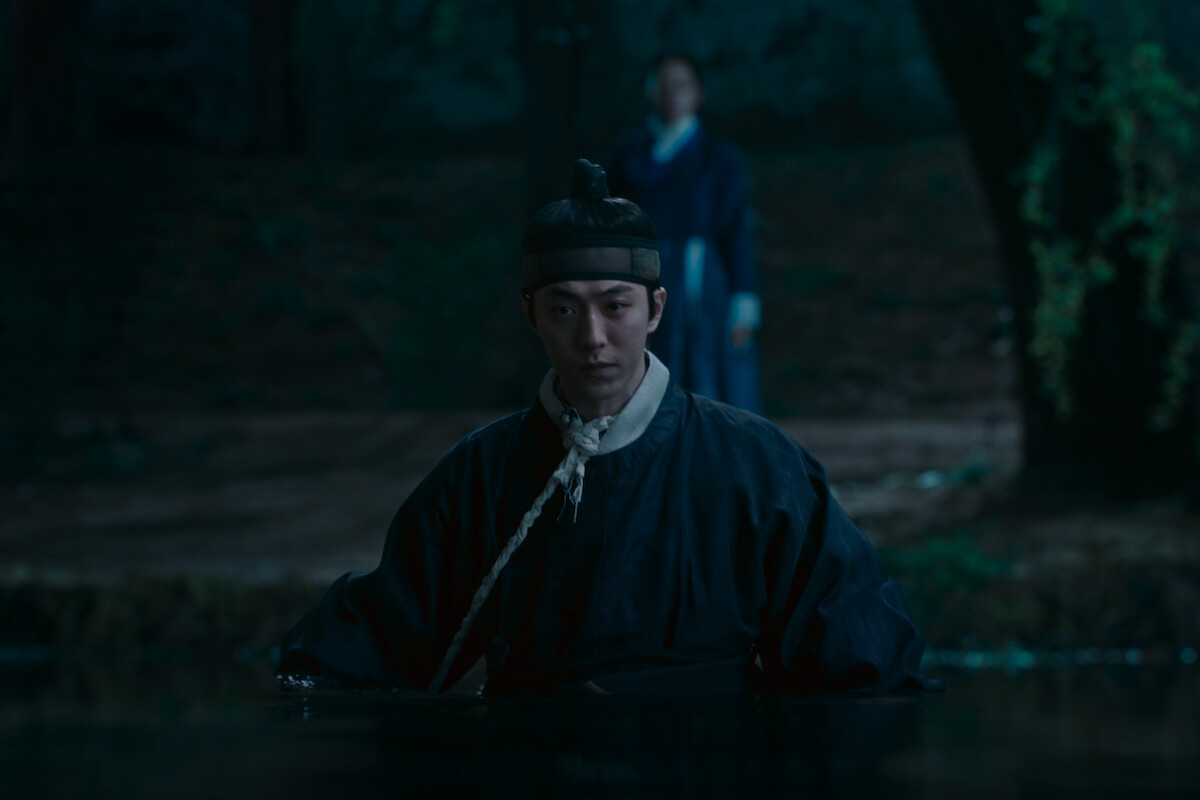
Gu-cheon finally defeats the pond spirit: He goes down into the Realm of Gwi, finds her, and severs the resentment binding her to the human world with a branch of jujube struck by lightning. (For more about how that works, read our guide to the East Palace gwi, here).
But Saeng-gang continues to hear spirits, and the spirits keep saying the same thing: The real ak-gwi behind the curse is the king; the real culprit is still at large. And when Prince Yeongan dies anyway, even after the pond spirit is supposedly gone, both Gu-cheon and Saeng-gang recognize that their work isn’t finished.
Saeng-gang comes to realize that the person who really stood to benefit from the death of the princes all those years ago was none other than her grandmother, the king’s biological mother. This is a real shock, as Saeng-gang’s grandmother is one of the few people she trusts — she’s the woman who took her in after her mother’s death and has been her only refuge ever since.
“I remember the day I read that in the script and still couldn’t shake the shock,” Nam says of the big reveal. Thirty years ago, Saeng-gang’s grandmother witnessed the favored court lady’s execution and her threat to curse the palace. The grandmother realized that the curse would be the perfect scapegoat as she carried out her own plan. She poisoned every prince ahead of her son in the line of succession, and let the palace blame each death on the won-gwi. The king knew of his mother’s plan, as did Saeng-gang’s mother, who helped carry out the murders. But when her plan was finished, the grandmother killed Saeng-gang’s mother too, because she knew she would be a liability.
Roh has empathy for her character, whose trust was cruelly violated. “The grandmother had been her only source of support, and when that grandmother turns out to be not just a betrayer but, in a sense, the root cause of everything… I don’t think I could presume to measure what Saeng-gang felt,” she says. “It made me imagine just how far a person can [be corrupted], how far that collapse can go. And [adding to the shock, she finds out that] her mother had been right there beside the grandmother.”
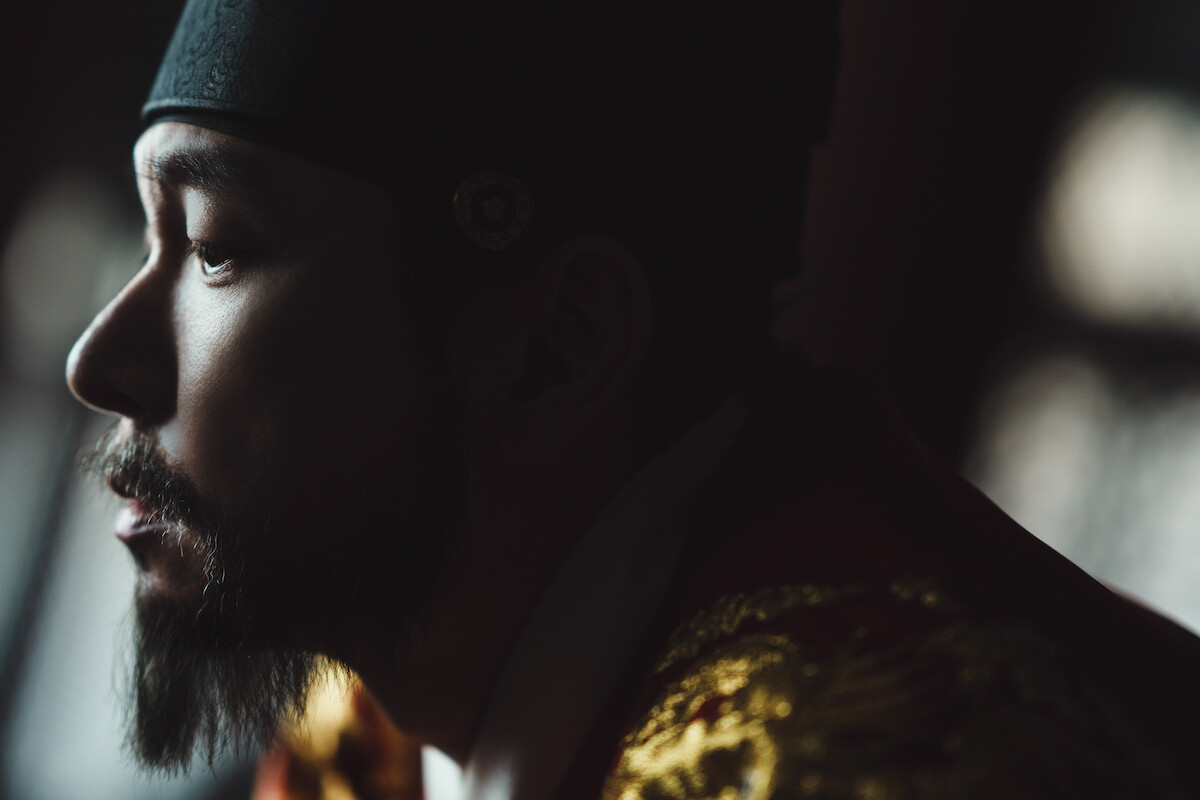
No. Her great-grandson is, using the same smokescreen tactics she did.
Let’s wind it back. The king and his mother (Saeng-gang’s grandmother) have kept the true secret behind the murders hidden for 30 years. But remember how Saeng-gang found out the truth by listening to the spirits of the palace? The king’s third son, the crown prince (Kwak Dong-yeon) whose funeral opens the series, could hear them too. (That gift runs in his father’s maternal line, which is how it came to both of them.) The dead told him what his grandmother had done, and how the murders had made his father king. The crown prince realized that if he poisoned his two older brothers, the palace’s rumor mill would do the rest and blame their deaths on the curse.
But the king, who knew for certain the curse was not real and could never say why he was so sure, picked up on his son’s plan. The king was placed on the throne by his mother’s greed — a heaviness he carried every day. He would not hand that throne to a son who had killed for it as well. So the king killed the crown prince, his own son, knowing exactly what the crown prince had known: This death, too, could be blamed on the pond spirit.
The crown prince cannot understand why he’s being punished for doing what his father’s mother had done. He dies asking the only question he has left — “Why couldn’t I be king?” — and his resentment turns him into an ak-gwi. Then, as an ak-gwi, he kills his little brother Prince Yeongan, drains the royal bloodline dry, and completes the prophecy of the curse.
“Out of one person’s desire to put her own son on the throne, she set off that chain of incidents … and killed everyone,” Roh says. “So really, human greed was the origin of [this curse].”
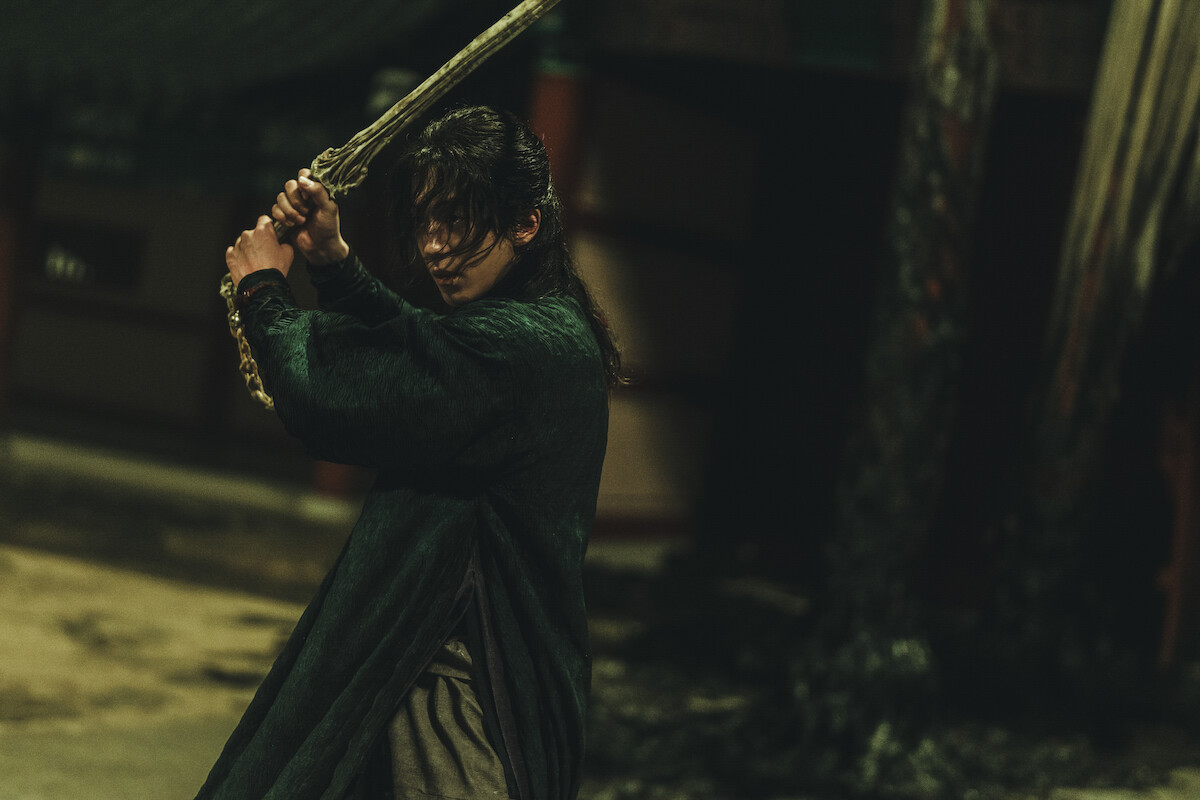
The crown prince has now curdled into an ak-gwi, a foe Gu-cheon can’t simply defeat by untangling and releasing its resentment. An ak-gwi has crossed the point of no return and desires only destruction. The only way to be rid of one is to totally annihilate its soul.
In his delirious rage, the crown prince spirit summons the spirits of a plague-stricken village — innocents the king once slaughtered to keep the sickness from spreading through the country. With that army behind him, he marches on the palace: The crown prince of the Realm of Gwi is coming for the king of the human realm.
As Gu-cheon and Saeng-gang prepare to fight back, a gwi-mae shares a premonition: Gu-cheon will die tonight. Saeng-gang won’t let that happen, so she drugs him and goes down into the Realm of Gwi to face the crown prince spirit alone. The vengeful ak-gwi is motivated to kill Saeng-gang, though, because that would mean the true end of his father’s bloodline. But Gu-cheon wakes from his drugged slumber, follows Saeng-gang, and strikes a bargain with the Primordial gwi-mae in order to obtain the only weapon that can kill an ak-gwi.
Meanwhile, the king — who has kept control of his throne for more than 30 years with force and silence — finally stops trying to strong-arm his hold over the human realm. Instead, he makes the powerful gesture of apologizing to the spirits for his part in all of it. If the dead let him rule in peace while he remains in the human realm, he will care for the villagers’ living families — and if that is not enough, they may have his soul’s eternal damnation when he dies. The spirits are appeased. The crown prince spirit, consumed by hatred, is not, but his father’s sincere apology weakens him.
That gives Gu-cheon an opening. When he declares that he’ll defeat the evil spirit, the crown prince spirit calls his bluff — if he eviscerates an ak-gwi’s soul, it means that Gu-cheon too will become an ak-gwi.
But Gu-cheon has accepted his fate. The man who spent his life refusing to let his trauma turn him into an ak-gwi chooses to become one in order to save Saeng-gang. He drives the Primordial gwi-mae’s weapon into the crown prince spirit and destroys his soul, pours the last of his own yang energy into Saeng-gang so that she can leave the Realm of Gwi alive — and then he willingly faces the consequences.
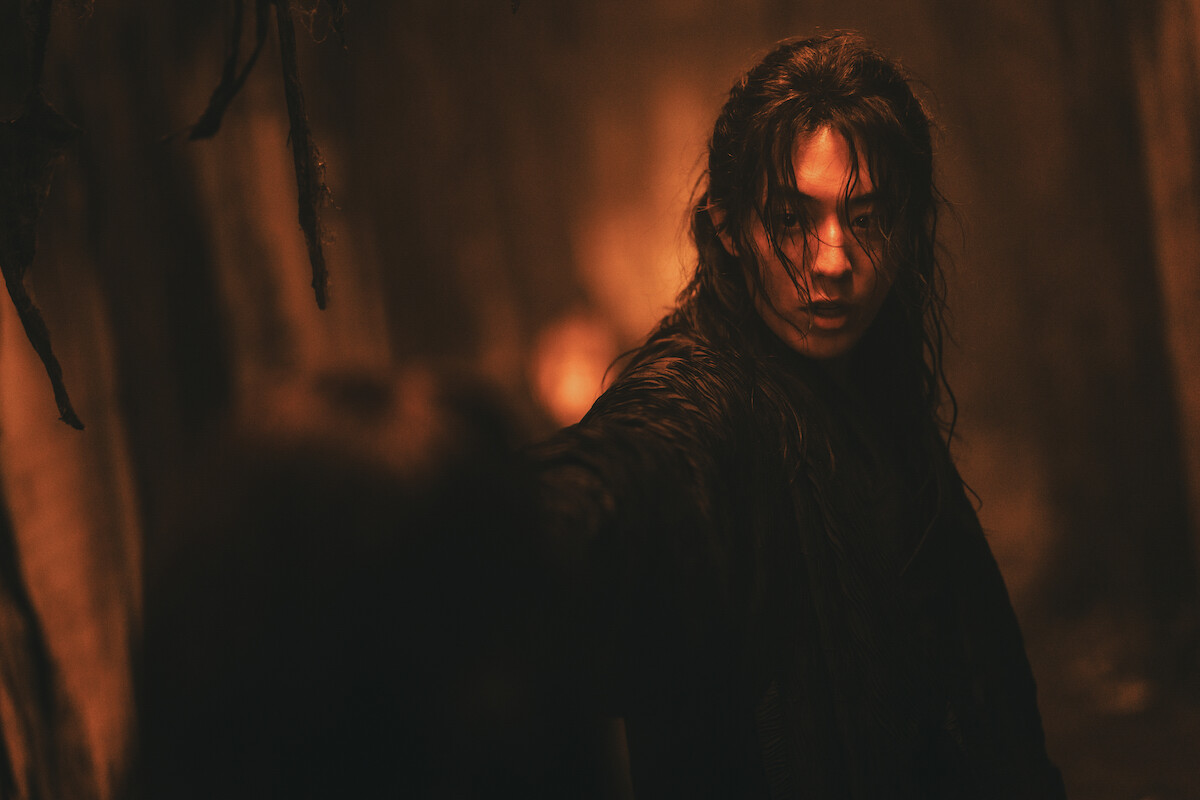
Yes — and no.
Gu-cheon pays the karmic price and becomes an ak-gwi. The Primordial gwi-mae collects its end of the bargain and chains him to the spirit realm. But then the chain moves. Certain the Primordial gwi-mae has come to take what’s left of him, Gu-cheon throws himself at it for one final fight …
… and wakes up in the human world, much to Saeng-gang’s delight.
The king lets Gu-cheon live, and Saeng-gang walks out of the palace gates with him, accompanied by the Ggeomeoksali. What she cannot see, however, is the chain, still running from Gu-cheon’s hand down into the Realm of Gwi, forever lashing him to the spirit underworld.
“[Since] Saeng-gang isn’t chained, maybe only [Gu-cheon] will get dragged back one day?” Nam posits.
“But the three of us are a set,” Roh adds, “so [if we do, we’d] all get dragged along together.” For now, however, they could probably all use a break from adventuring.