Book Report
‘The Good Nurse’ Author Shows Truth Is Stranger Than Fiction
Charles Graeber’s book is now a movie and a documentary.
Nov. 1, 2022
When Charles Graeber first met Charlie Cullen, the prolific serial killer was already in prison. It wasn’t Cullen’s rap sheet that interested Graeber; it was something far stranger. “He was trying to donate a kidney from jail, and I thought that was a really bizarre story,” the author and journalist tells Tudum. “And what was even stranger was that the family members of his victims didn’t want the killer nurse who’d played God with their loved ones playing God from behind bars.” As Graeber dug deeper into the sordid details of the case, he learned that Cullen’s crimes stretched far further than believed — there was more to the story than just one man’s deadly urges.
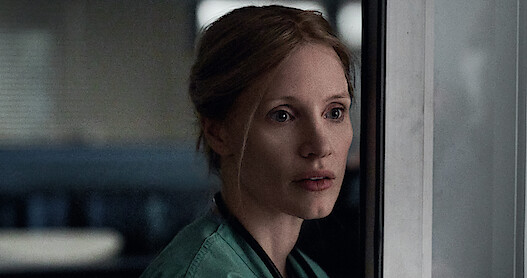
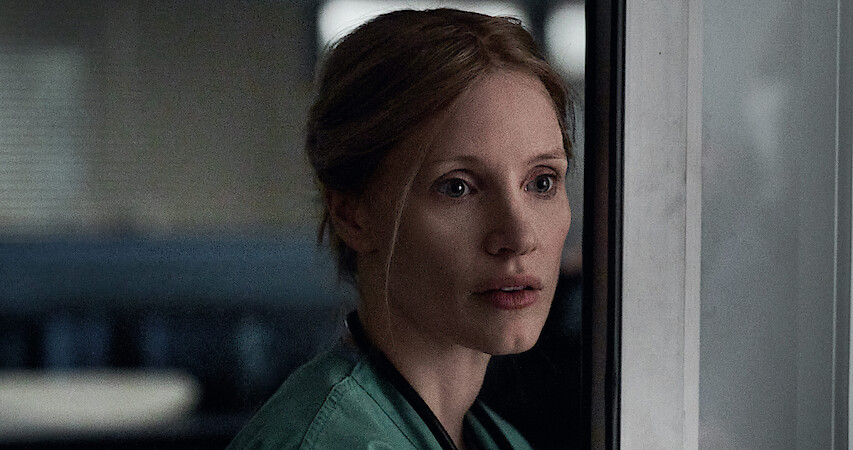
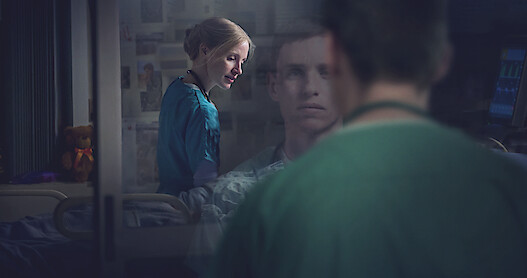
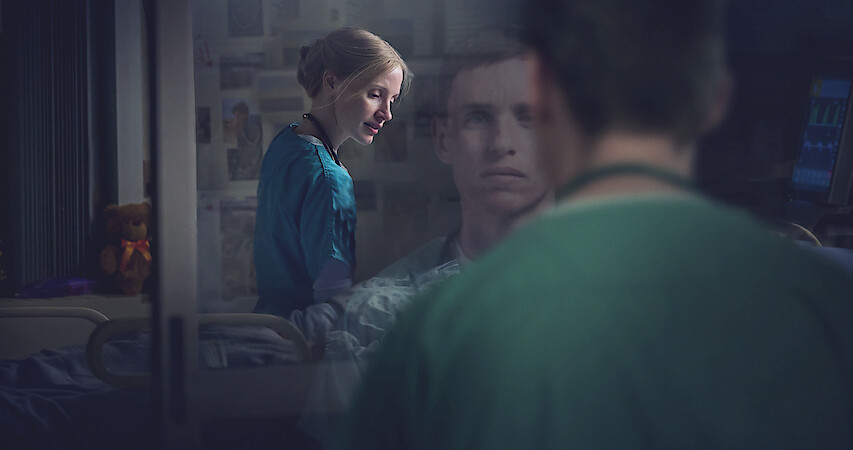
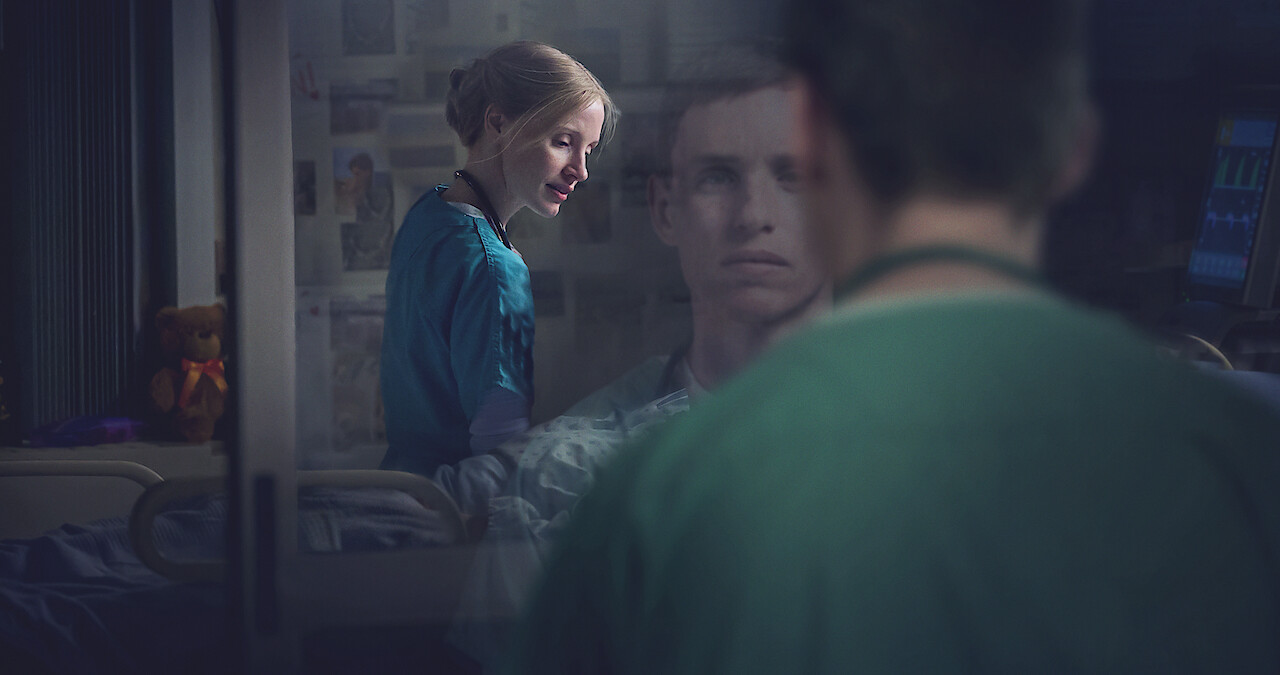
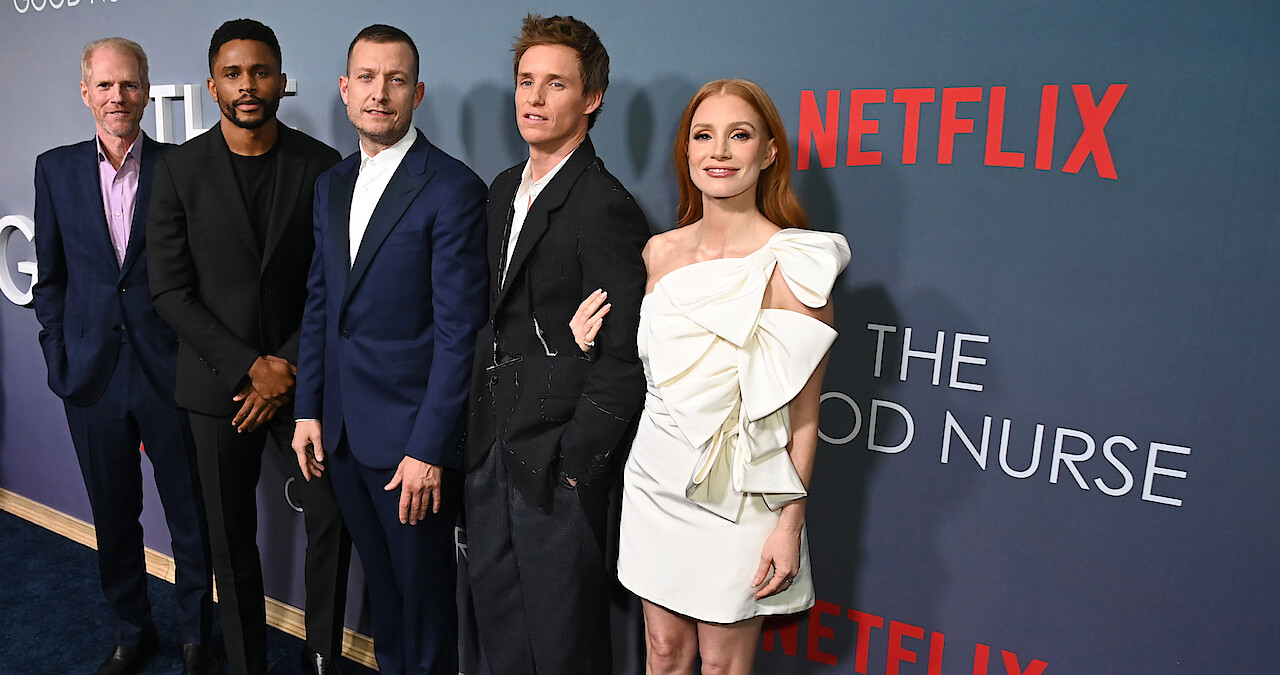
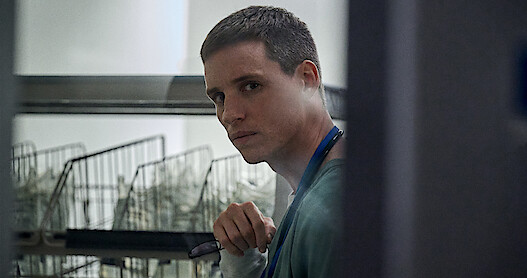
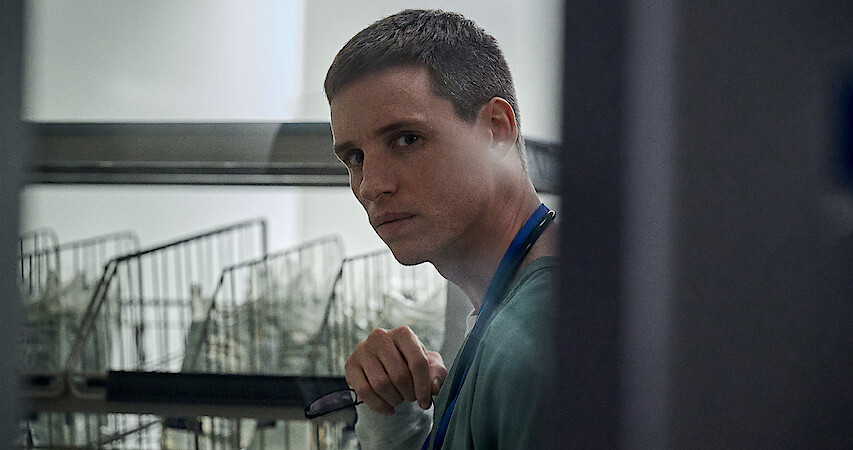
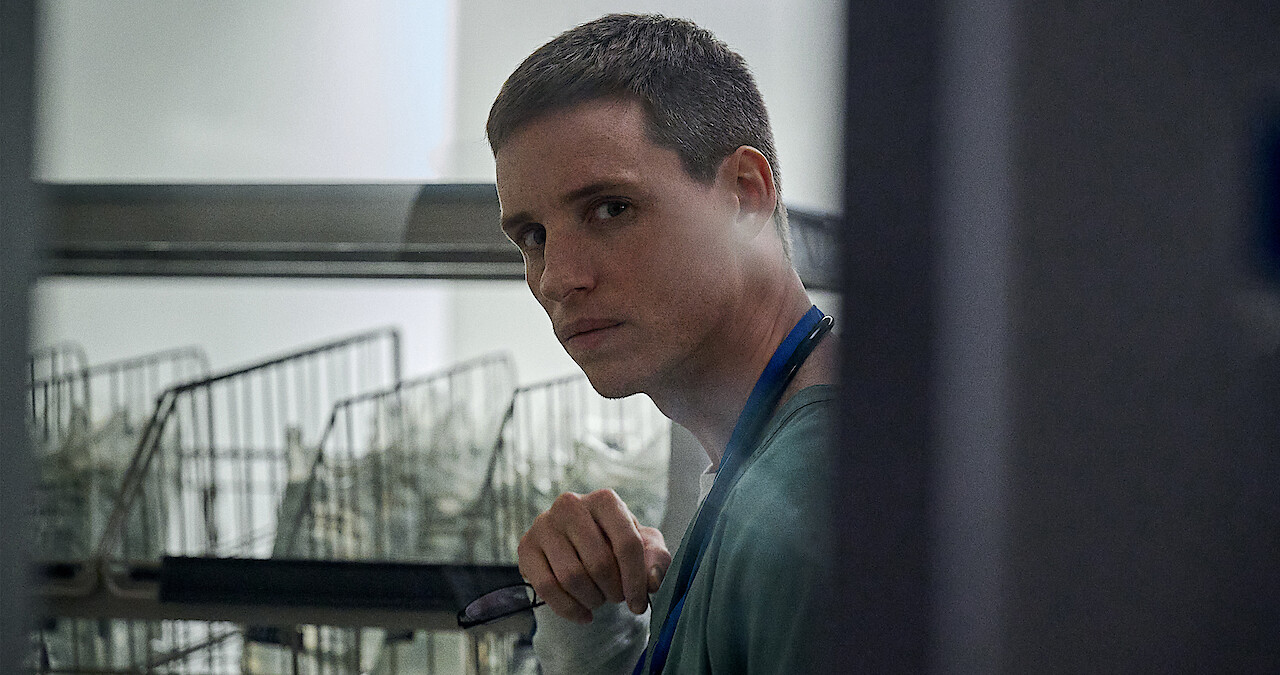
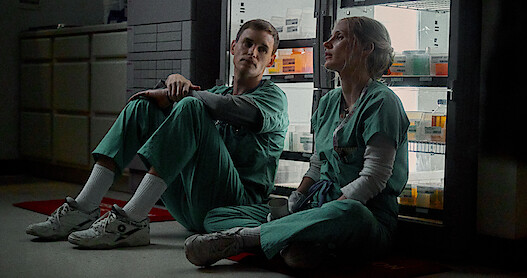
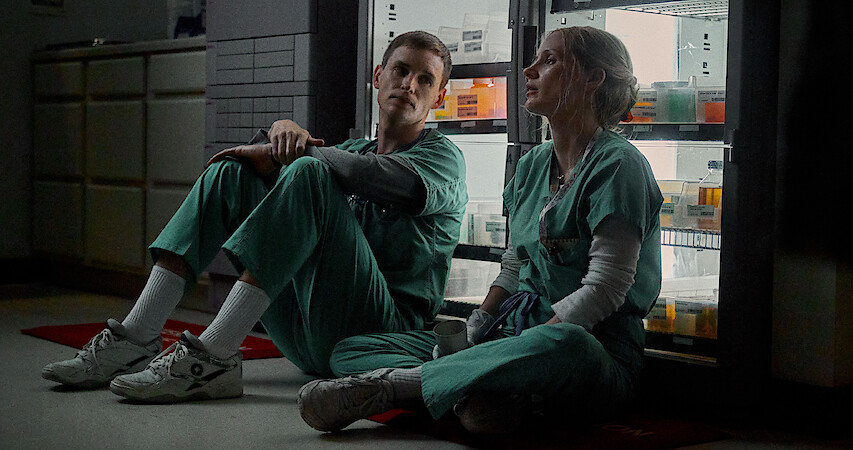
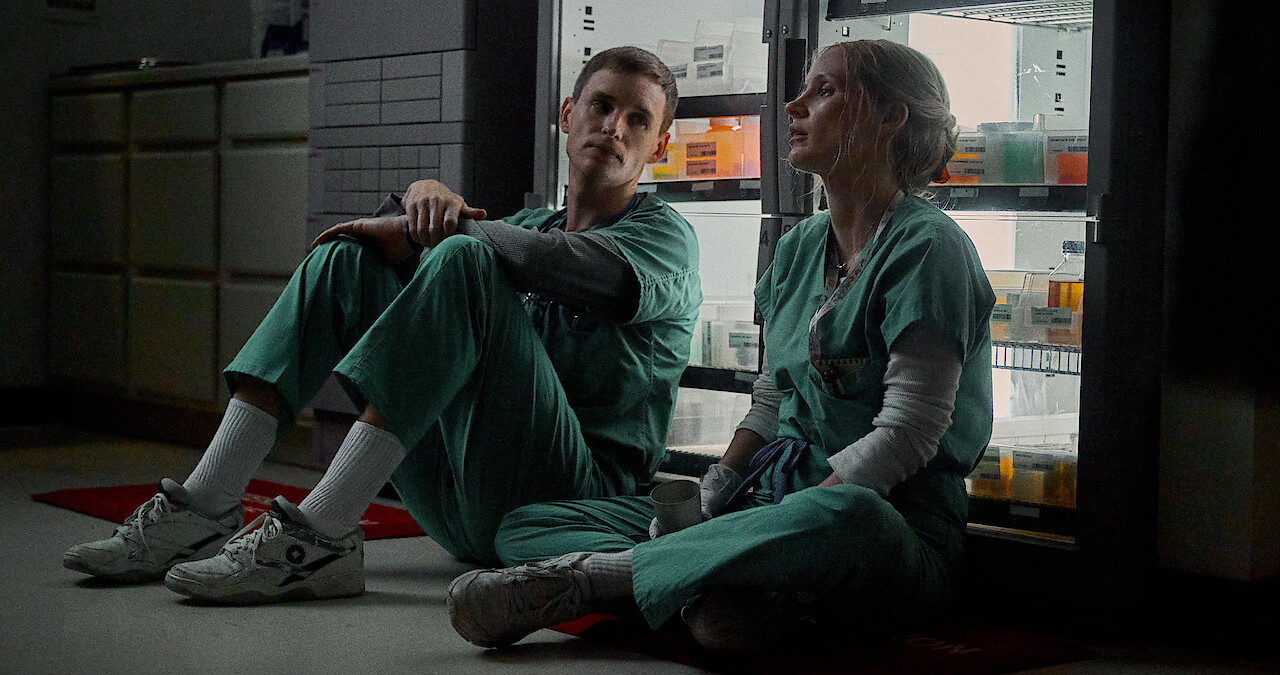
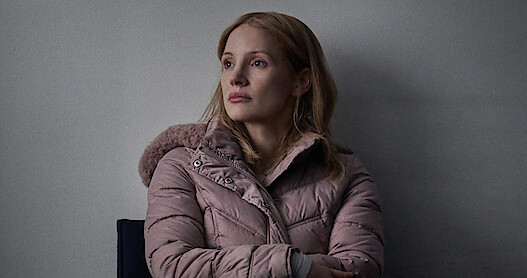
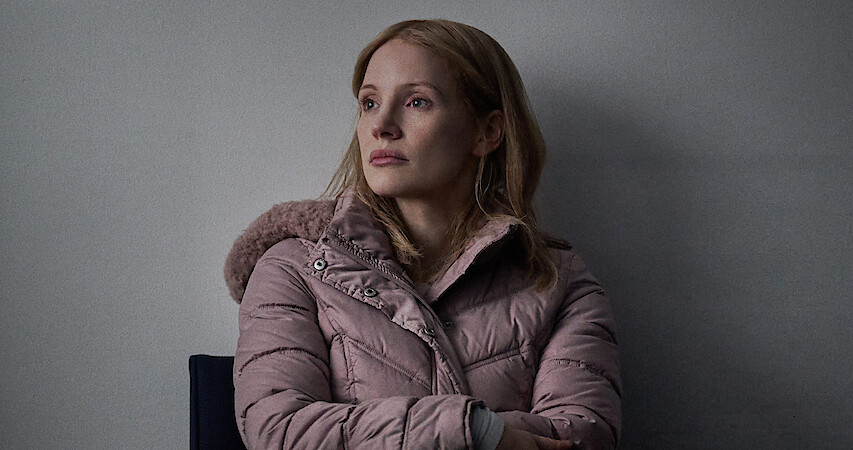
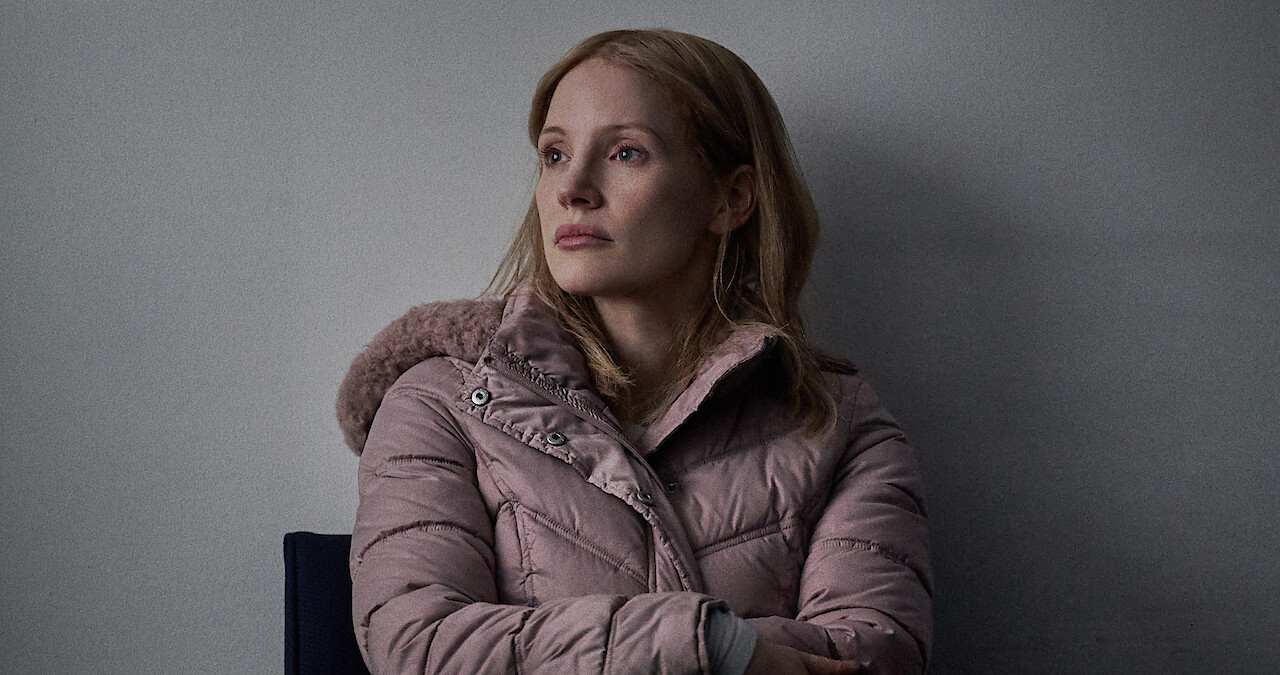
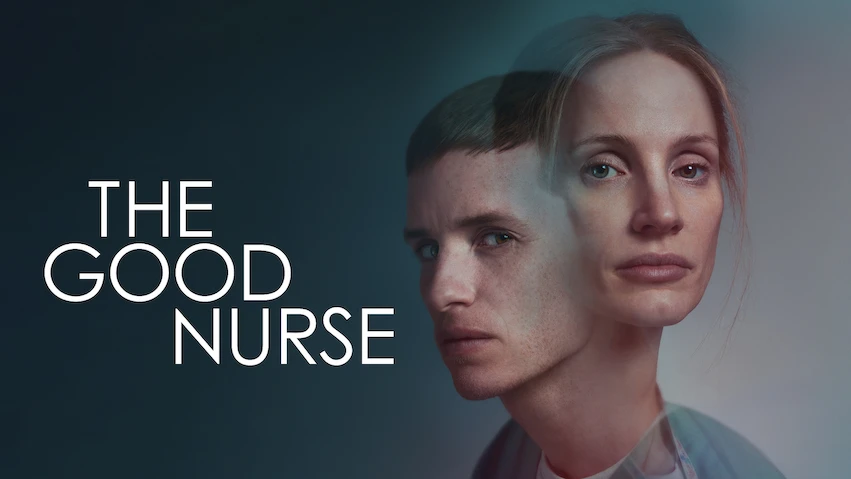
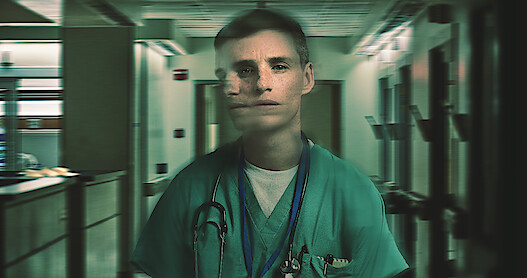
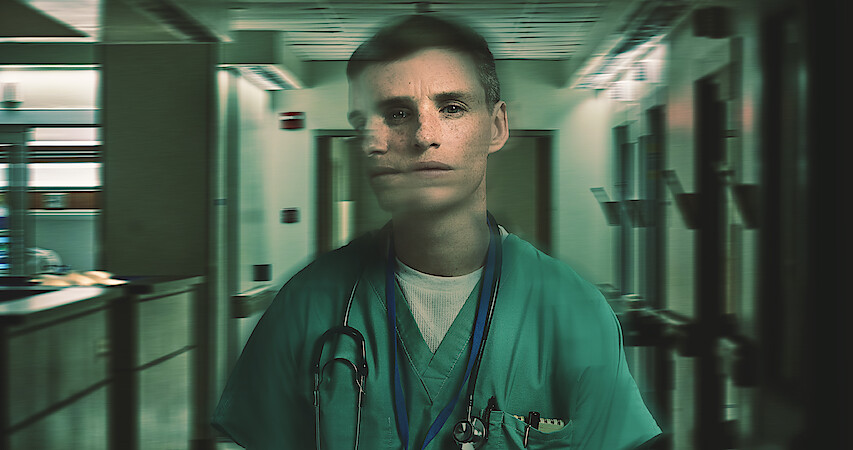
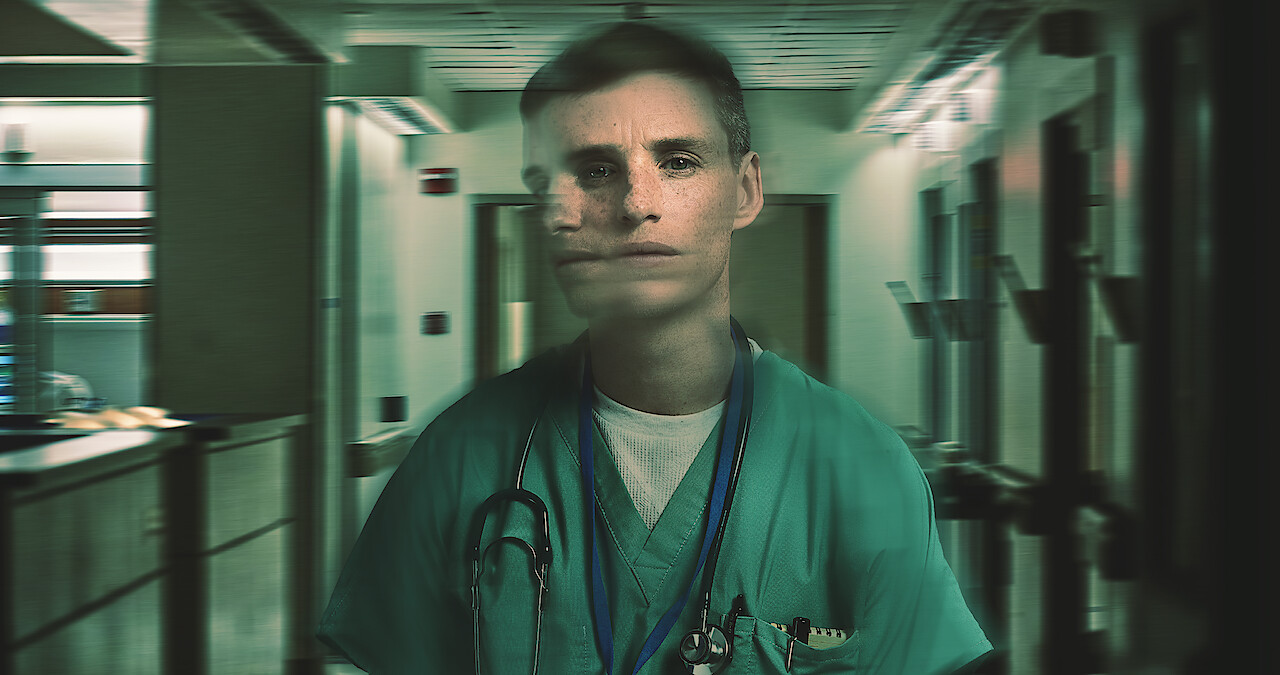
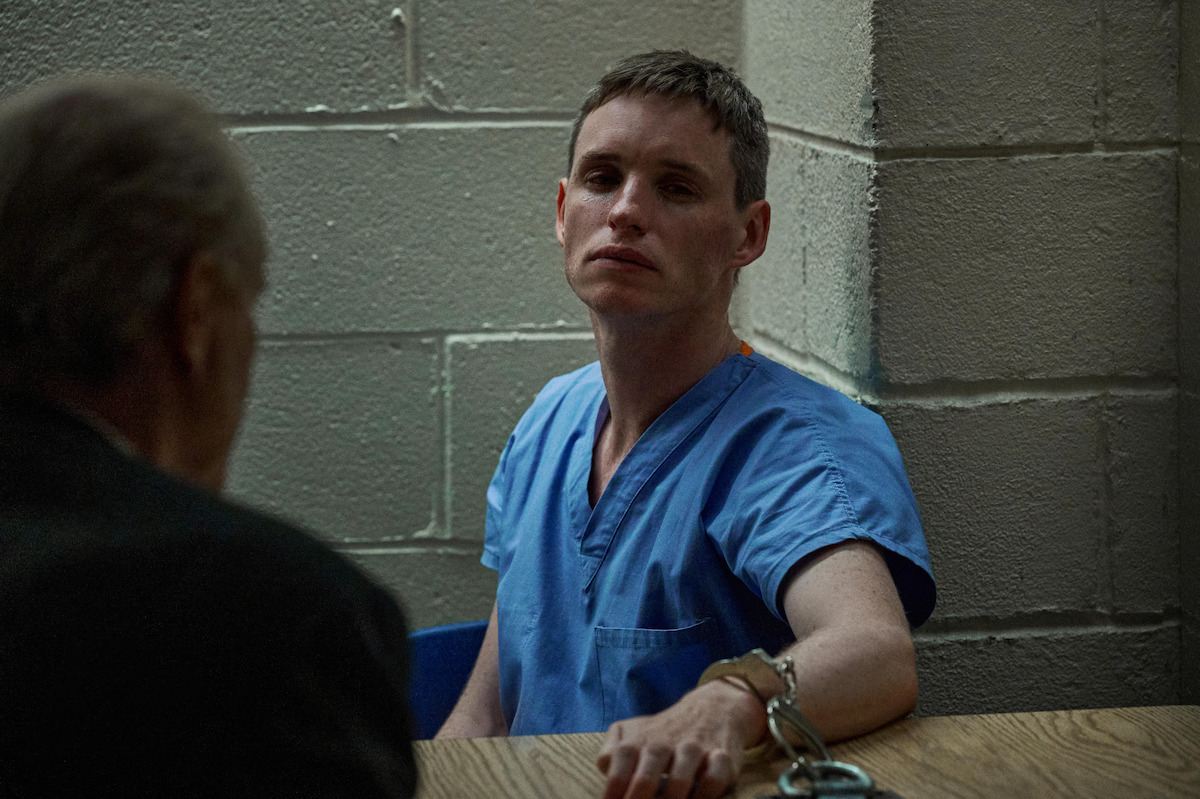
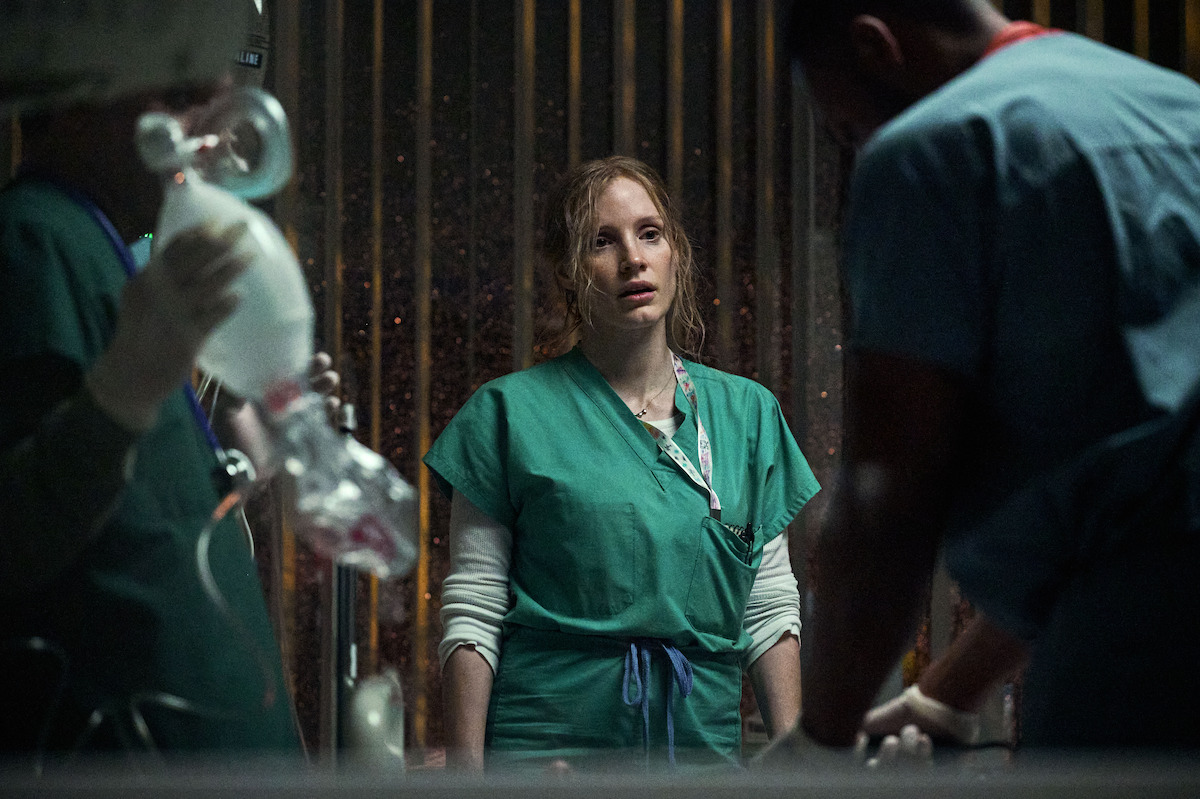
Based on Graeber’s book, The Good Nurse is now a film starring Eddie Redmayne as Cullen and Jessica Chastain as the colleague who eventually helped bring him down. Next month, the documentary Capturing the Killer Nurse will also hit Netflix. (Graeber served as an executive producer.) Graeber sat down with Tudum to fill in the gaps of the true story that inspired the films. “It’s an unbelievable story,” he says. “But the truth is so much stranger.”
How did you first get involved with this story?
When I first heard about this very strange story, the story at the time was [that] a mercy killer had been operating in hospitals and somehow gaming the system. And eventually, those hospitals figured it out, caught him, and he was now in jail. Unfortunately, Charlie Cullen wasn’t speaking to anybody at that point. He was really determined to disappear and take that story with him. And the hospitals seemed perfectly happy with that as well. But then he started speaking to me, and we started exchanging letters and then meeting.
And as I got to know him and learn more about him, I discovered that this fairly simple story wasn’t the real story at all. In fact, the opposite was true. He’d been caught over and over again, but never stopped. He’d been allowed to move on from hospital to hospital for 16 years, nine hospitals, a nursing home — each time with neutral or positive references. The experts I spoke to that know this best put the real number of victims somewhere between 300 and 400 people. And that institutional failure was a story that wasn’t being told.
How did Amy Loughren enter the narrative for you?
Other people with pieces of this story were also willing to trust me — detectives, priests, some family members, other whistleblowers, the other nurses. The group kept growing.
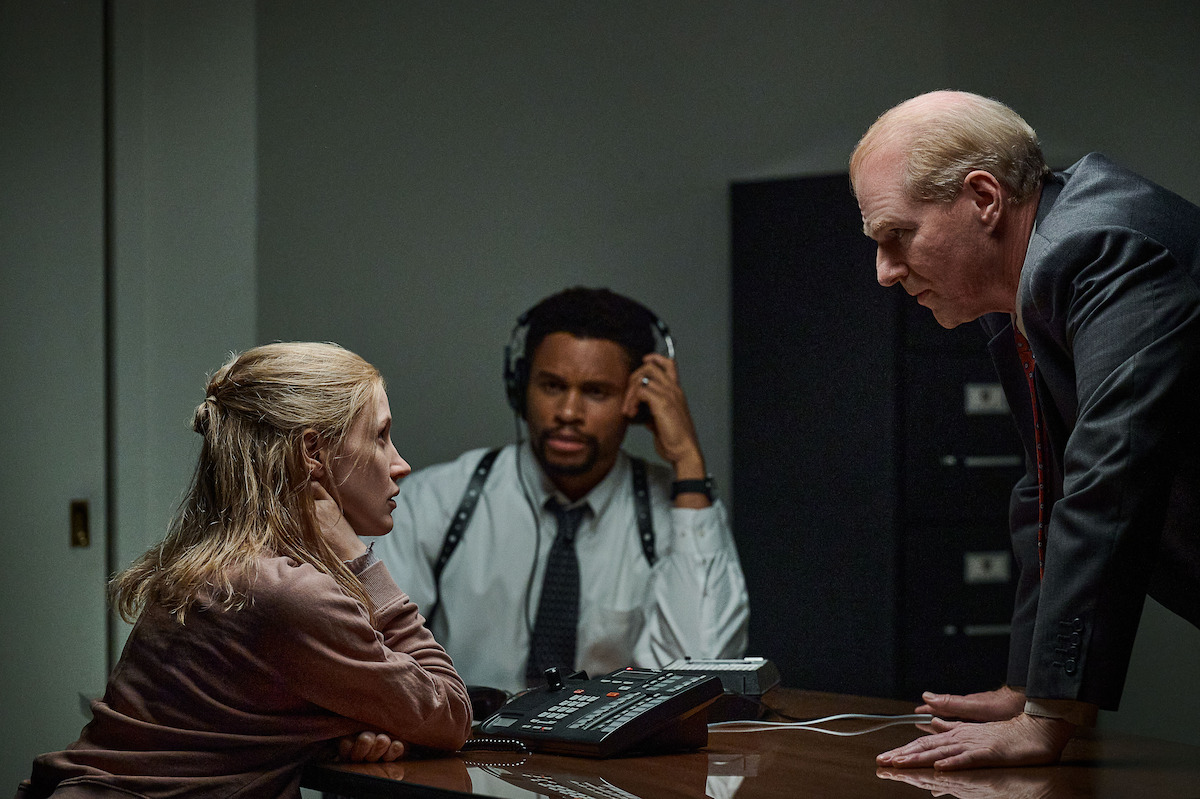
And through that, I learned, eventually, of the existence of Amy, this previously unmentioned character in all of this, who was only mentioned once in an acceptance speech for a policeman’s organization award that the detectives were receiving. And I tried to figure out who that person was and eventually found Amy Loughren. I discovered in her someone who, unlike a serial killer, unlike a homicide detective, didn’t think murder was normal, didn’t have murder as part of their job description or routine. She was us. She was me. She really became the heart of the story there, an essential component, and obviously an essential aspect of bringing Charlie Cullen’s murder career to an end.
The movie really centers on the relationship between Charlie and Amy. How true to life is that?
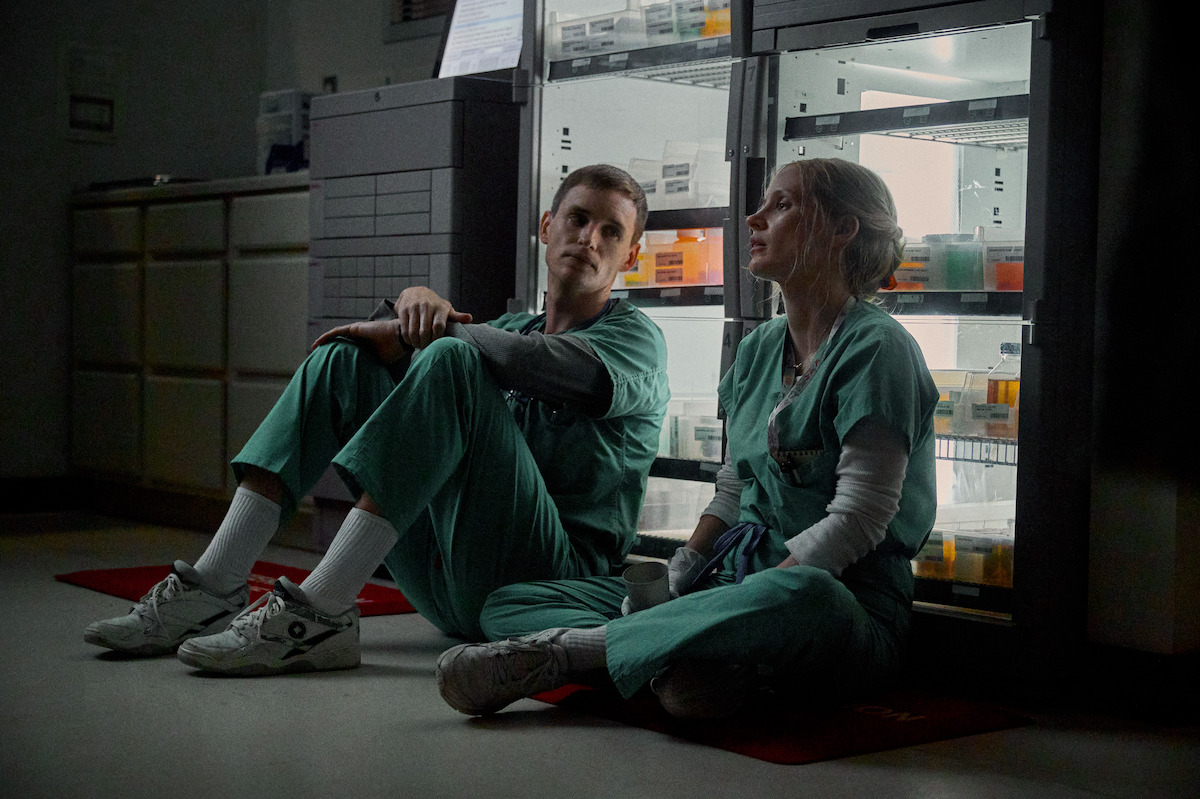
They were sort of work spouses. They bonded very quickly. Amy’s really a very protective person. She had a childhood of trauma and damage. And she survived that by becoming stronger, tougher and fiercely loyal to her friends. And she thought Charlie was someone who needed protection. Charlie Cullen, as it happens, is a character that over and over again seeks that sort of relationship. And so they fit into each other’s personalities, and they also depended on each other at work. And Amy depended on Charlie to help her as her heart condition worsened. So that relationship really felt true to me in terms of the dynamic, how they worked together, relied on each other and had a sort of gallows humor.
How did you lend your expertise to the production?
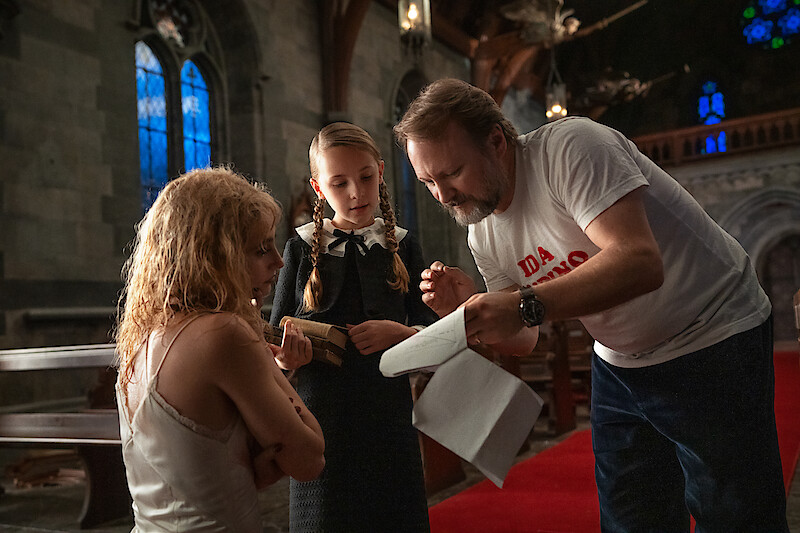
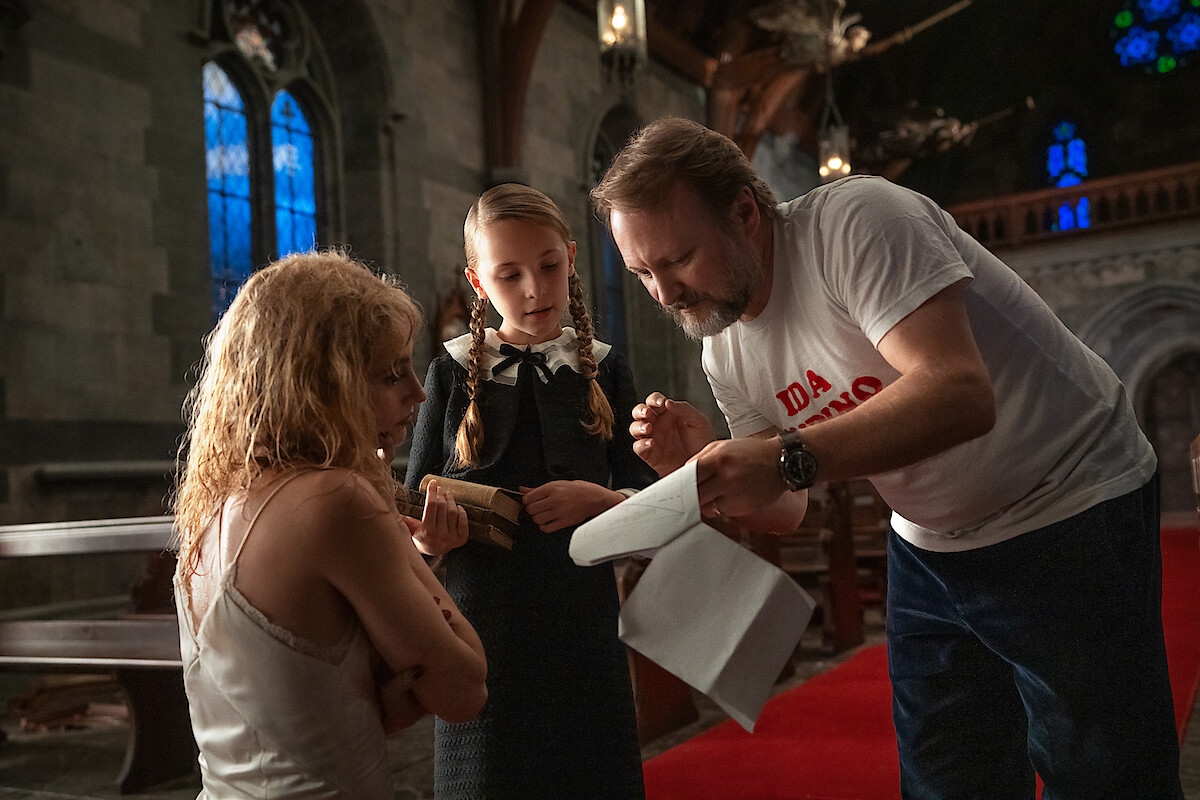
I was not in an official capacity, but I worked with everybody. I worked with Krysty [Wilson-Cairns], the screenwriter, initially. She came in with a heavily thumbed paperback edition, covered with yellow flags and about a million questions. I worked with Tobias [Lindholm], of course, the director, who was very interested. And I shared some of the primary materials that I had. The wire that Amy wears in the diner scene: I have that recording. I have other recordings including confessions, things like that. And, of course, my insight since Cullen would only speak to me. So I tried to share that insight, and also my sense of where the heart of the story was for me. [It’s] no more a serial killer movie than Titanic is really about an iceberg. It’s really about the institutions and the people around them.
What assistance did you offer Eddie Redmayne?
Some of my favorite interactions were when Eddie Redmayne came on board, and he had so many questions about Charlie Cullen and what he was really like and what was driving him. But also so much anxiety about playing a psychopath — someone who didn’t have empathy. An actor trying to play someone without empathy is such a challenge. He had so many questions and was such a sponge. He took things I didn’t really remember saying and used them to help him form that character, which is so remarkable. The detectives, I spoke to them after they saw the film for the first time, and they said, ‘That’s him!’ There are certain scenes I could point out specifically where we weren’t sure if maybe they’ve CGI’d something because he was so much like this person in real life.
There’s also a documentary, Capturing the Killer Nurse, coming out next month. What was your involvement like as executive producer?
They’re really doing a different job. The film focuses on a narrow piece of time in the relationship between Charlie and Amy. It focuses also on Amy, the character that we could sympathize with, and the absolute shock of having someone like Charlie come and enter her normal life. The book doesn’t start that way because it starts with Charlie and doesn’t treat him as a monster. I think empathy is the best tool you can have as a storyteller. And so I just went in and tried to describe a young man going through life and making choices. I don’t tell you what he is. I just look at his actions and help you come to that conclusion.
The documentary does a third thing. It doesn’t have the benefit of access to Charlie Cullen. It doesn’t have the benefit that a writer has of being able to show a movie from inside your head, if you will. It has to really put footage together. What they try to do is present a fuller history. They can’t really paint a picture of Charlie the way the book can, because they can’t go into his history or his head. But they can use other storytellers to do some of that. And they can also show that [this is] the tip of the iceberg that we see in the story of Amy and Charlie. This very unique period of time for Amy is, in fact, [the end of] a 16-year stretch where you see his patterns developing, you see him perfecting his criminality, you see him getting caught over and over again, you see other investigations. If you made a film out of exactly what happened, it would seem too much. There’s the sheer number of people that knew something was wrong and yet didn’t stop him until the events depicted in the film.
What do you hope that your book and the movie and documentary communicate to people about this situation?
There’s never even been a grand jury to examine the role the hospitals played in passing Charlie along, keeping this killing career alive. The detectives, they really wanted a grand jury, and it was denied, on a political level. So their offices and the hospitals certainly didn’t want that. There’s really never been a reckoning, except for in the court of public opinion. But that group of informed, outraged people just grew by however many people have Netflix, go to the theaters or have access to the library or bookstore. Charlie’s in jail. Everyone else on the institution side got raises and promotions on the back of this. They did a good job protecting their institution, but they didn’t do good. And it really makes you question what our health-care system is for, what it’s supposed to do. Is it supposed to be a profit center? Is it for shareholders and board members, or is it for us and for our greater well-being?
I also hope and believe that through all this, there’s going to be an even greater appreciation for the hard work that nurses do, mitigating life and death for minimum wage and working hard at it. We’ve just come through a pandemic crisis, but we also have a nursing crisis right now. The nurses are burned out. Banging pots and pans at a certain hour is a really nice gesture. But I think some greater reckoning and appreciation for what they do is necessary.
This interview has been edited for quality and length.
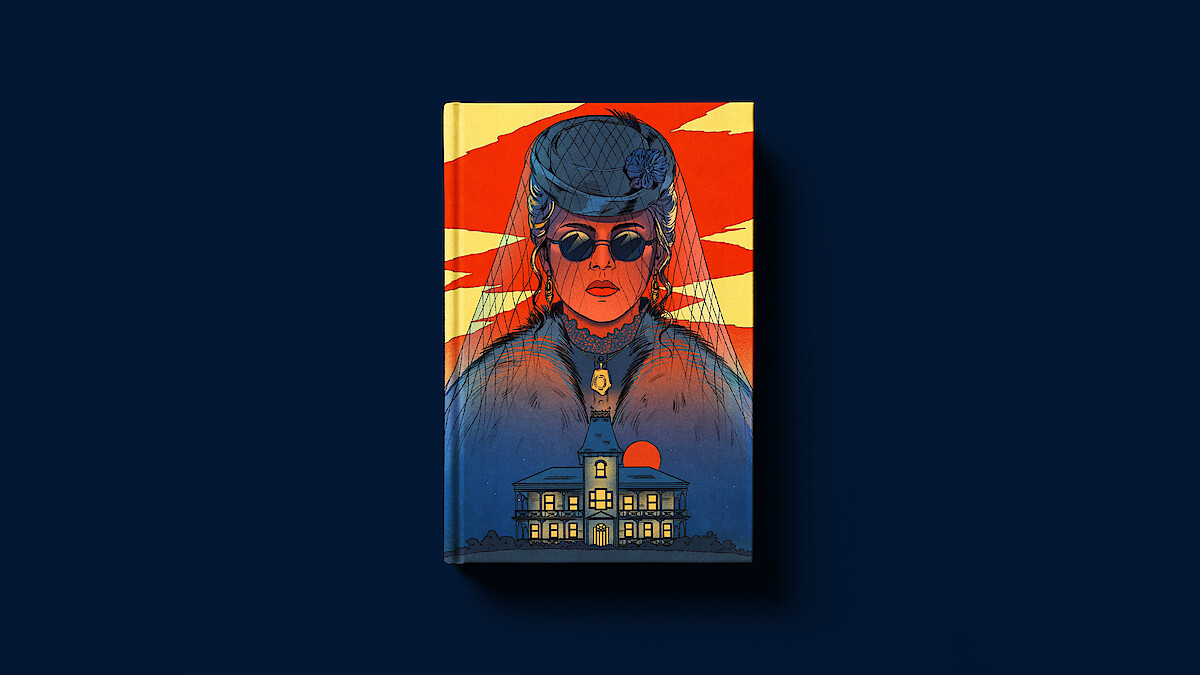
You can buy Graeber’s book, The Good Nurse: A True Story of Medicine, Madness, and Murder, through his website. The Good Nurse is streaming on Netflix now. Capturing the Killer Nurse hits Netflix on Nov. 11.