Explainer
What’s the ‘Mona Lisa’ Doing in ‘Glass Onion’? Rian Johnson Explains...
That smile hides more than you think.
Dec. 27, 2022
🤐 SPOILER ALERT 🤐
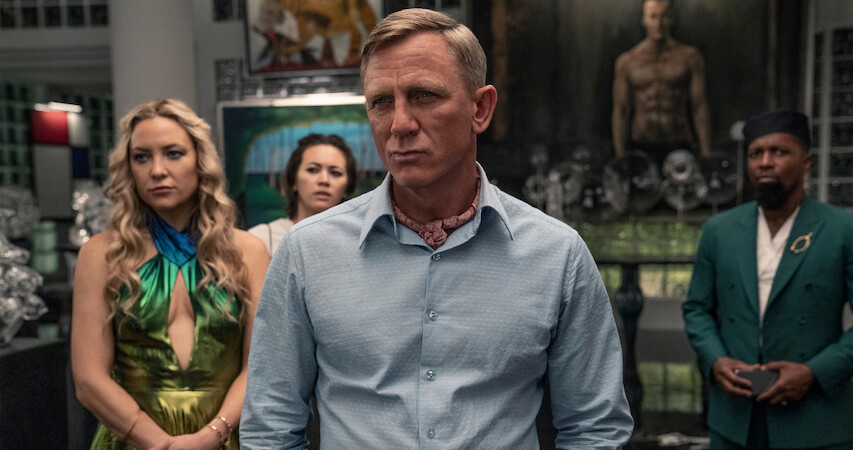
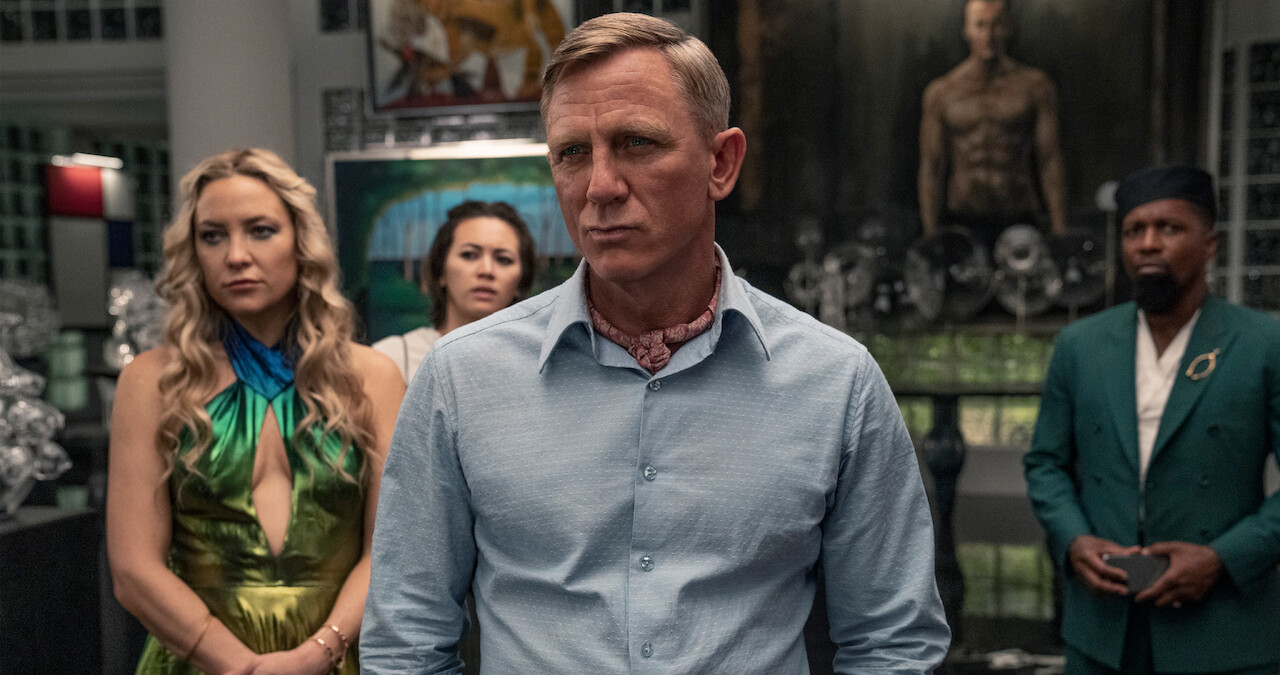
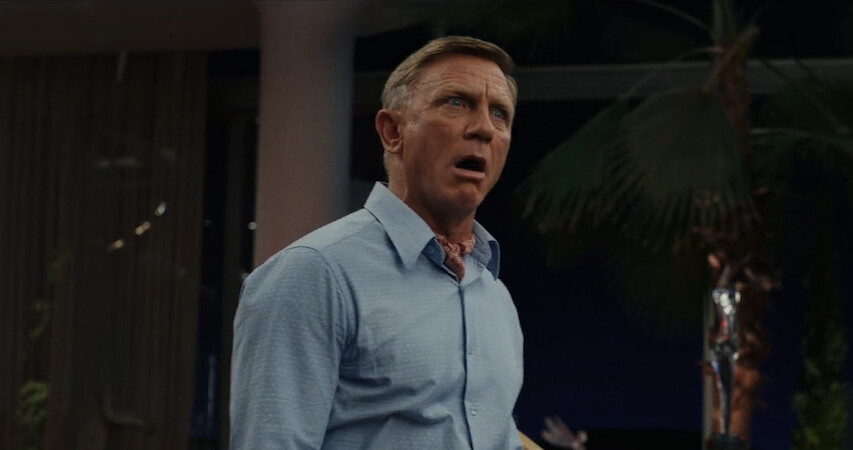
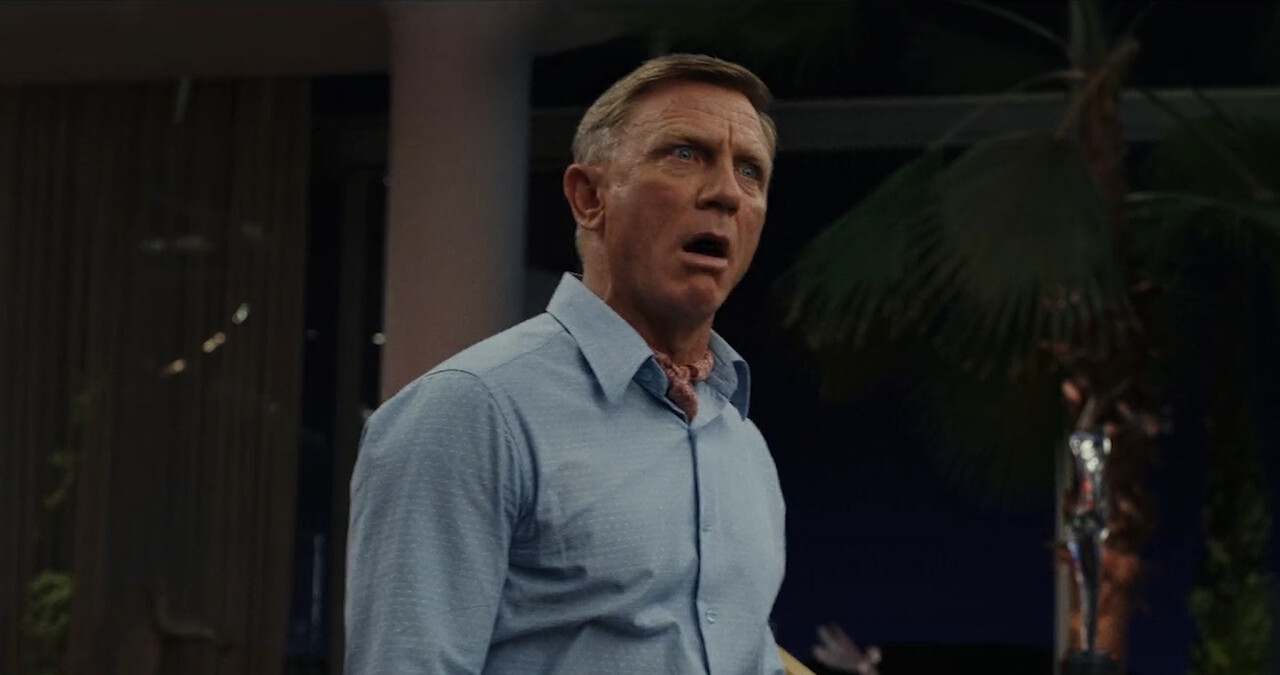
Glass Onion: A Knives Out Mystery may be loaded with an impressive ensemble cast, but you probably didn’t expect the Mona Lisa to show up, right? And yet there she is — Leonardo da Vinci’s 16th-century masterpiece of masterpieces — and she plays a major role in Benoit Blanc’s (Daniel Craig) latest case.
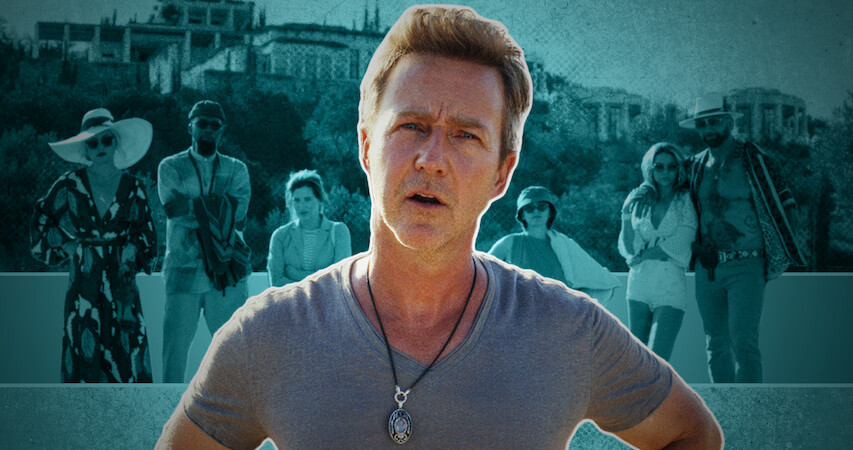
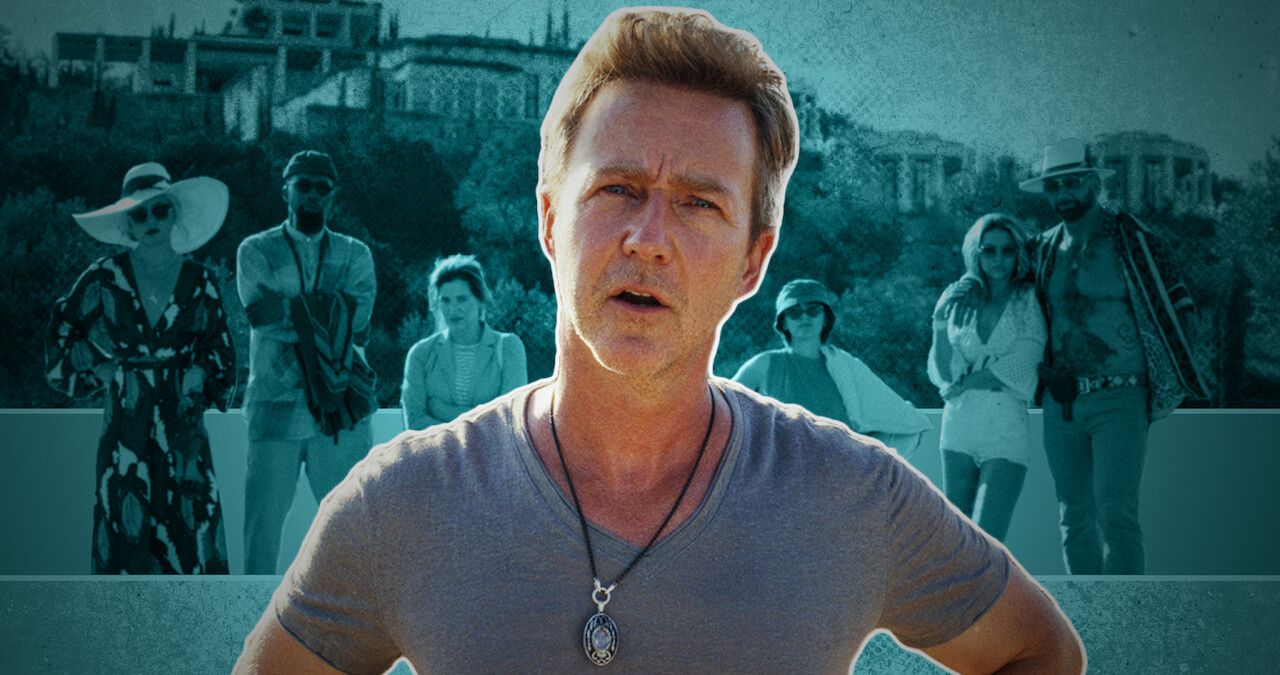
We first catch a glimpse of the world of art’s most famous mystery woman — and her enigmatic smile — as the priceless centerpiece in billionaire Miles Bron’s (Edward Norton) over-the-top private Greek island mansion. Yes, he’s that rich. It turns out that with France struggling financially during the global COVID pandemic, Bron used his unlimited checkbook to buy the world’s most iconic painting.
“Once you get a tech billionaire at the center of the story, everything kind of comes up a little bit more in terms of the level of satire and bigness,” writer-director Rian Johnson tells Tudum. And what could possibly symbolize bigness more than the Mona Lisa?
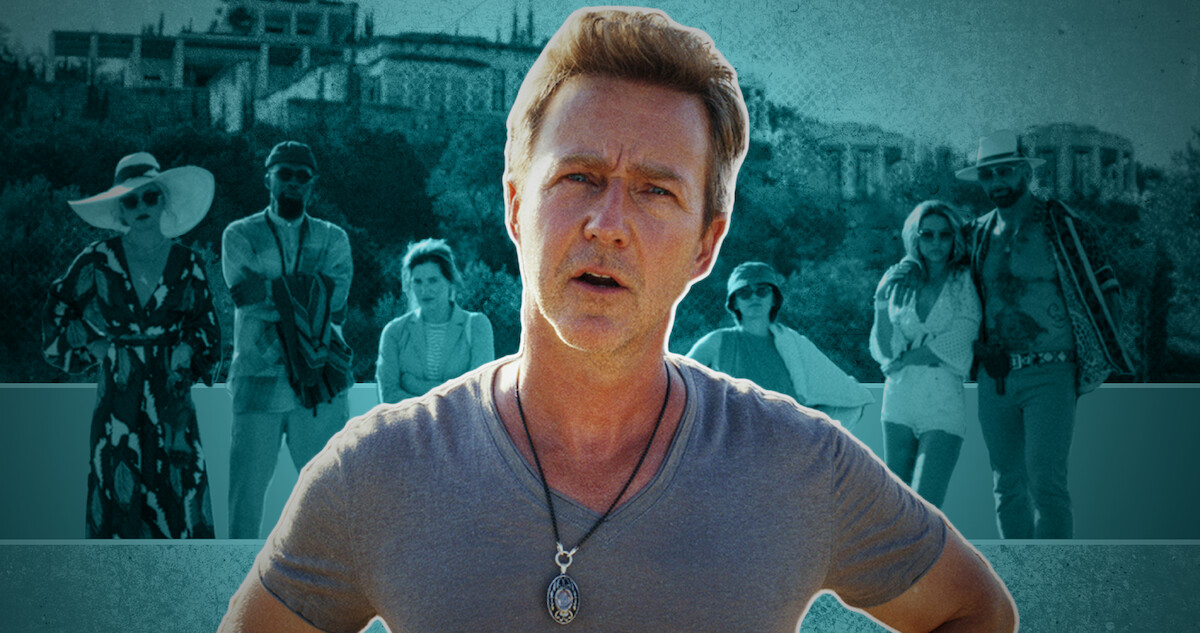
Da Vinci’s painting holds a special significance for Bron on a more symbolic (and ego-fueled) level as well. He tells his tight-knit circle of “disruptor” friends that he wants “to be responsible for something that gets mentioned in the same breath as the Mona Lisa — forever.” And, of course, what Bron wants, Bron gets. In his hubris, however, he installs a mechanism to override the painting’s astonishingly sensitive security system. Meanwhile, the mogul claims to have recently harnessed a new form of energy (something called “Klear — with a K”) that will completely change the world. And if Klear might also have the potential to blow up the world? Well, that’s a small price to pay for Bron’s immortality.

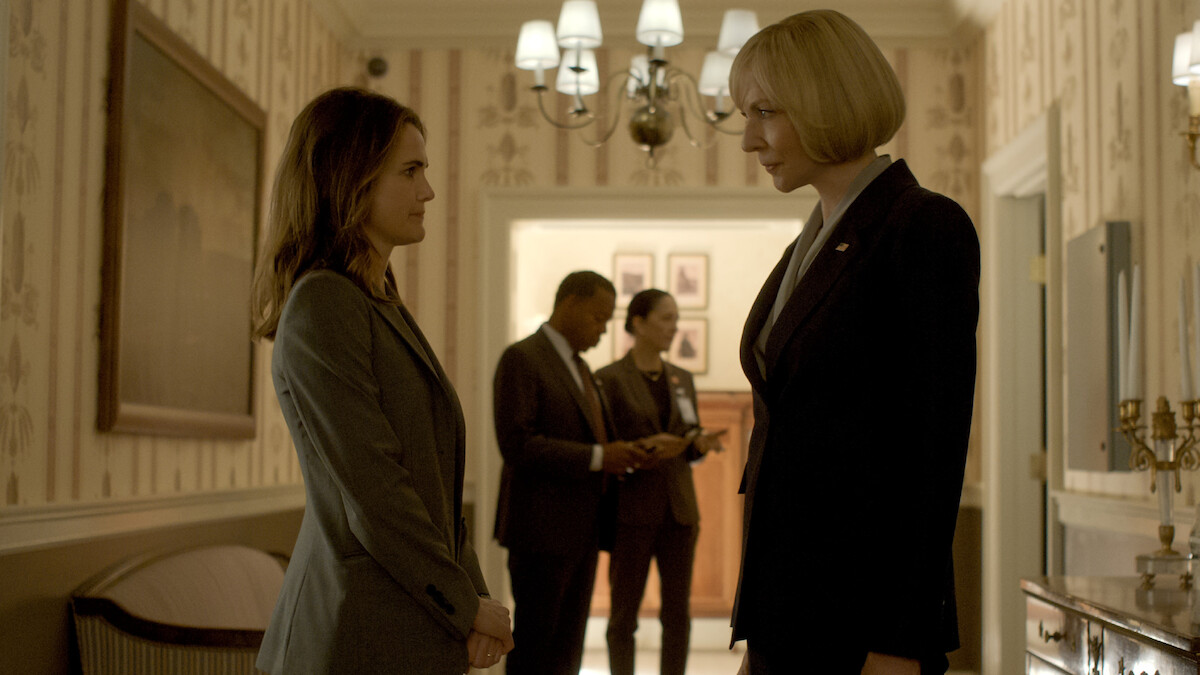
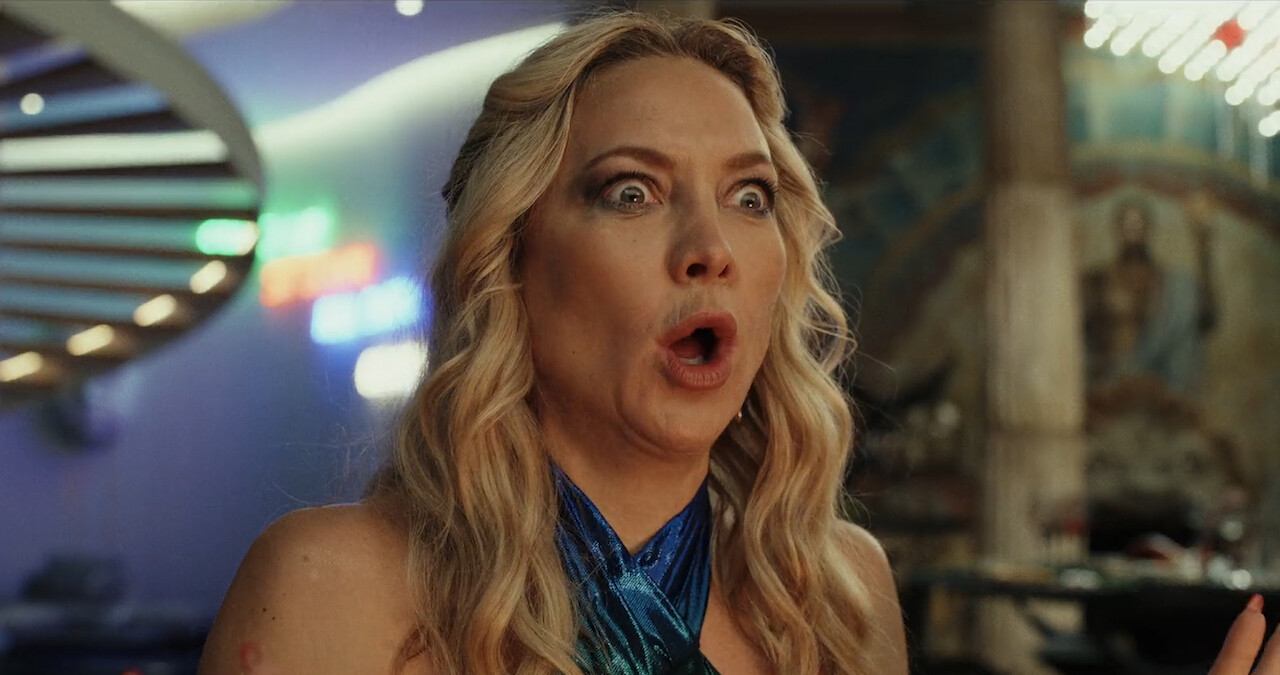
Fast-forward to the film’s third-act sequence when it becomes clear that Bron’s murdered his former business partner, Andi Brand (Janelle Monáe), to prevent her from proving that she’s the genius that he claims to be. Andi’s twin sister, Helen (also played by Monáe in a nifty, shifty performance), has been posing as Andi the whole time to try to help Blanc uncover the truth. Helen creates a Klear-fueled explosion that sets — collective gasp — the Mona Lisa ablaze.
Johnson says he knew from the start that he had to find an object that was famous and rare enough for its destruction to have an impact on viewers. “It had to be the Mona Lisa,” he says. “It’s a sacred cow, but it’s almost more famous for being famous. It’s so ridiculous that the audience will make the leap and get the joke. As opposed to burning a Bible, for instance, or a flag, you know — something that could actually be offensive. There’s something about the Mona Lisa that’s in the popular consciousness where it still has all the weight of being, ‘Holy shit, it’s the Mona Lisa!’ ”

So how does one go about laying waste to one of the most recognizable pieces of art ever produced on-screen? Very, very carefully, says Johnson. “We didn’t burn it on the day, we burned it after we’d completely wrapped the movie,” he explains. That’s because they only had one copy of their Mona Lisa to work with. As in the film, once it’s gone, it’s gone forever.
Or is it? Glass Onion’s plot is chock-full of clues hiding in plain sight. What you thought you saw isn’t always reality, and people are rarely who they appear to be on the outside. It’s right there in Bron’s initial description of the work: “You know da Vinci invented a technique for brushstrokes that leaves no lines? That’s how you can look straight at her and her expression changes every time. Her smile’s there, then it disappears. Is she happy? Is she sad? Is it something else? This simple thing that you thought you were looking at, it suddenly takes on layers and depth so complex, it gives you vertigo.”
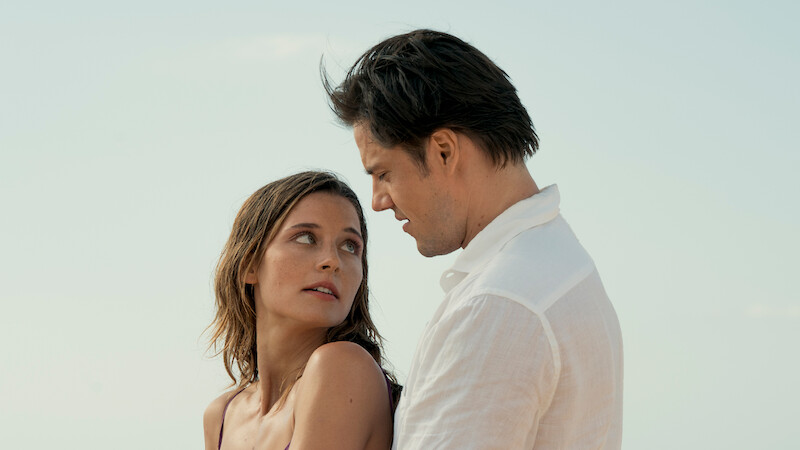
Case in point is Helen Brand, who, at the end of the film, flashes a subtle smile that echoes the painting she’s just burned to a crisp. “I knew the ending had to be her victory,” Johnson says. “But I wanted an element of ambiguity. I wanted that same kind of ‘Is she smiling? Is she not?’ moment for the end. Everything that Miles said while he was talking to everyone about the Mona Lisa smile applies to this person that we’ve spent the entire movie with.”
Additional reporting by John DiLillo