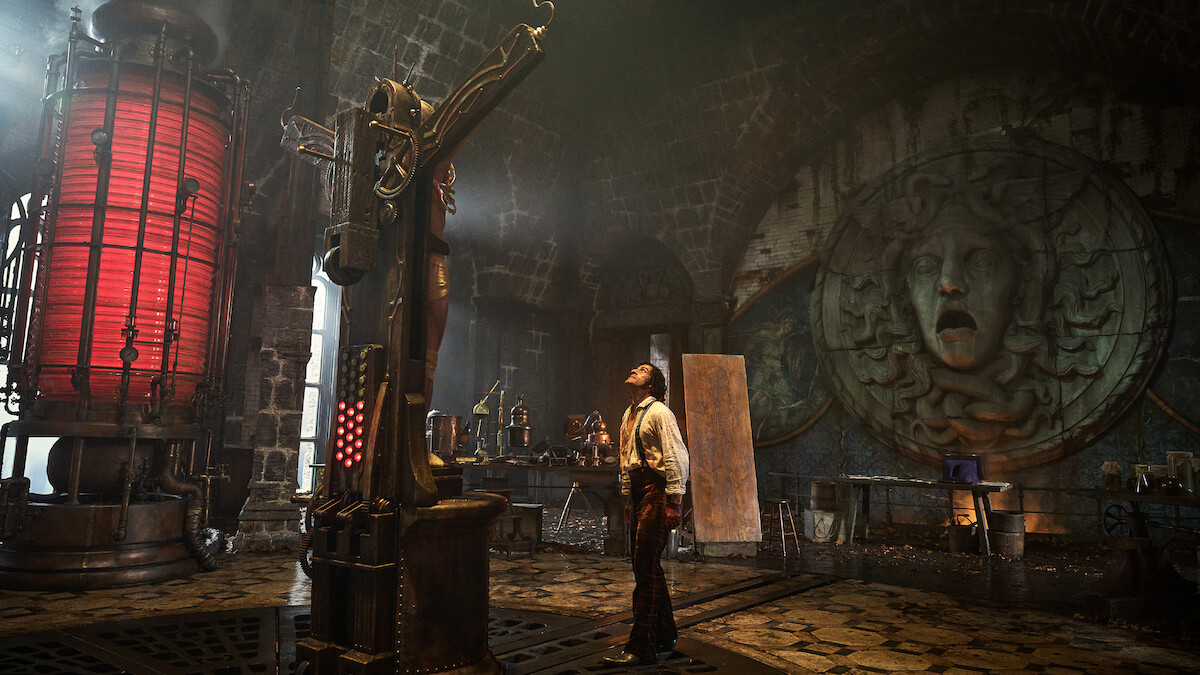
KEN WORONER/NETFLIX
News
Guillermo del Toro Explains His Adaptation of Frankenstein
“For me, it’s the Bible.”
Nov. 7, 2025
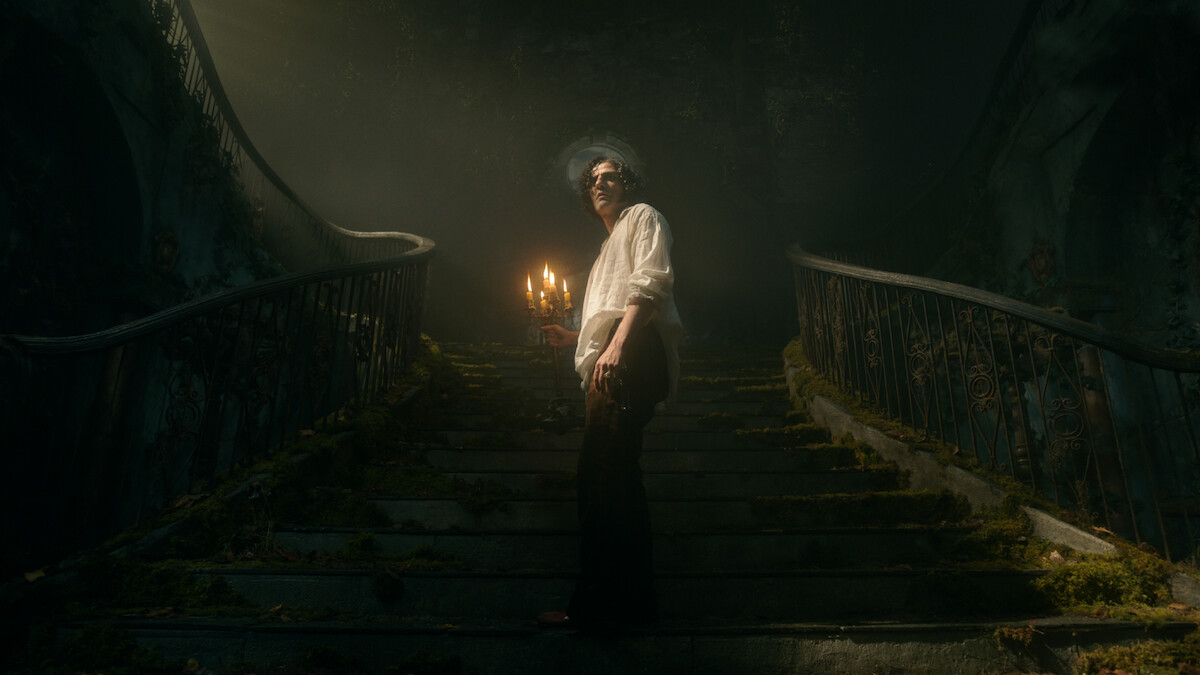
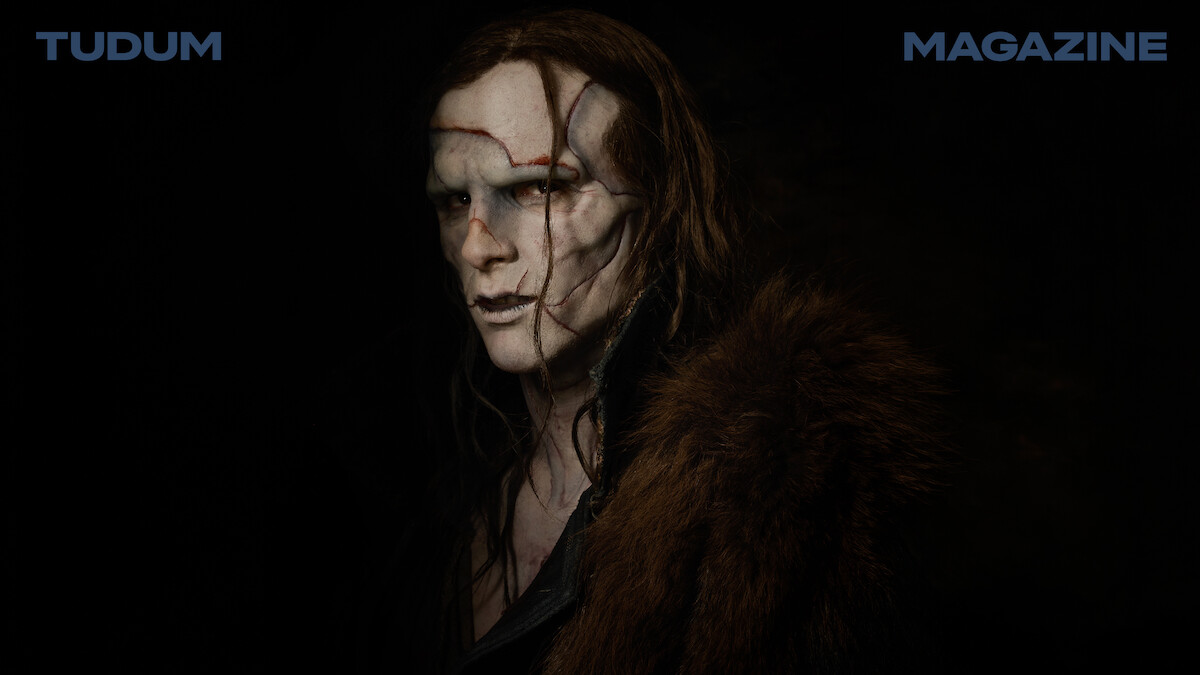
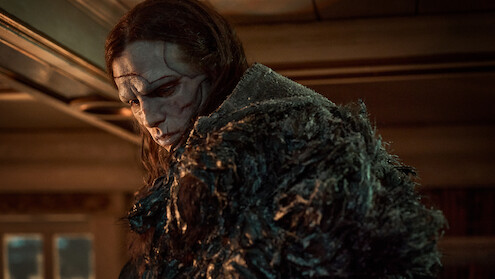
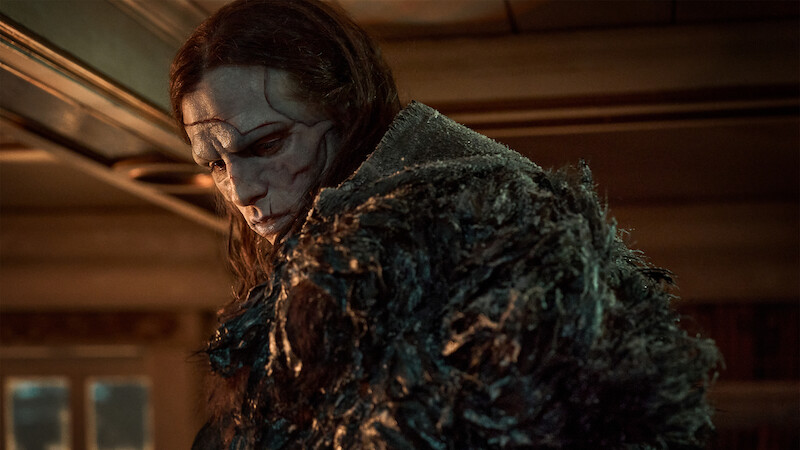
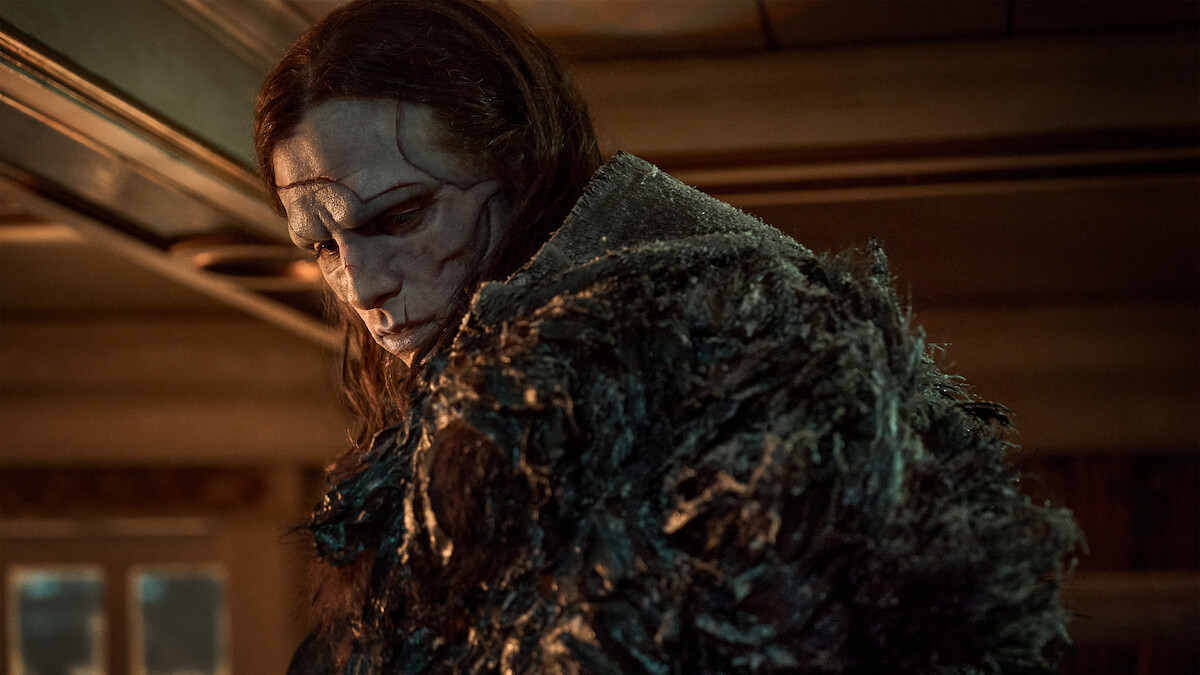
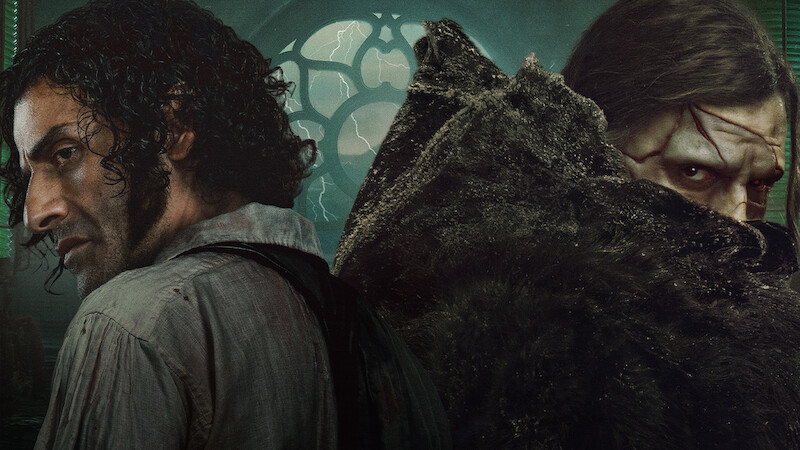
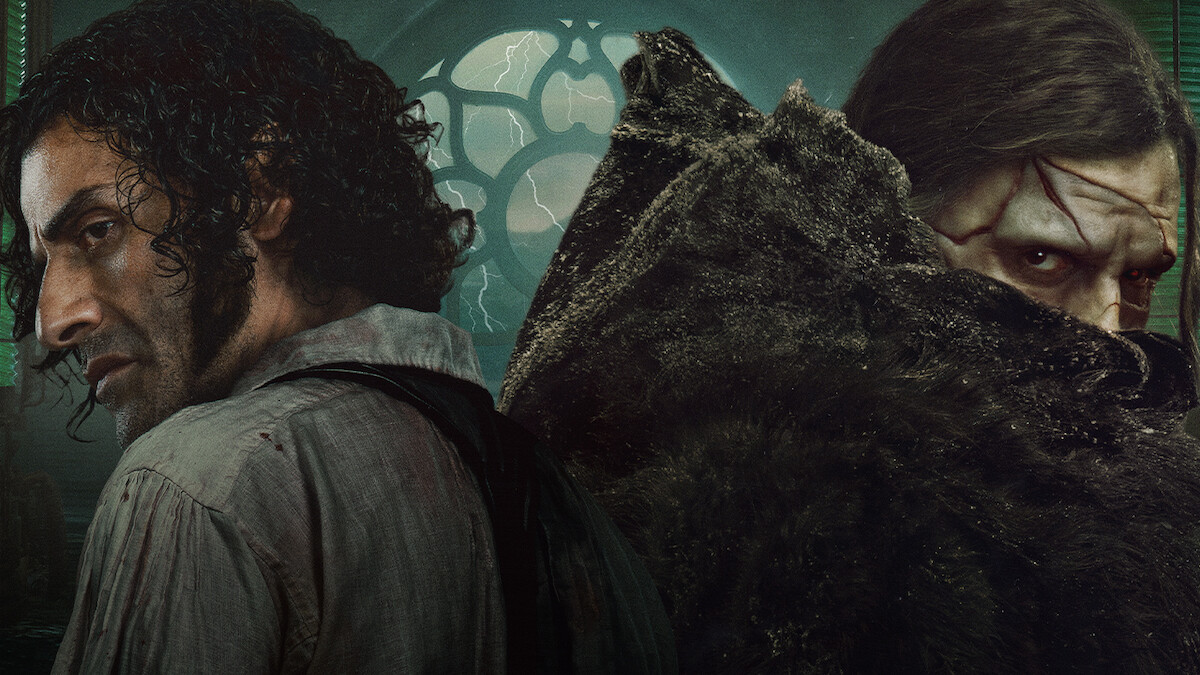
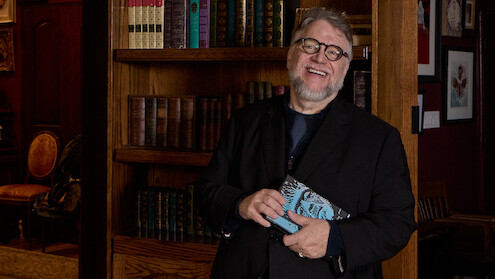
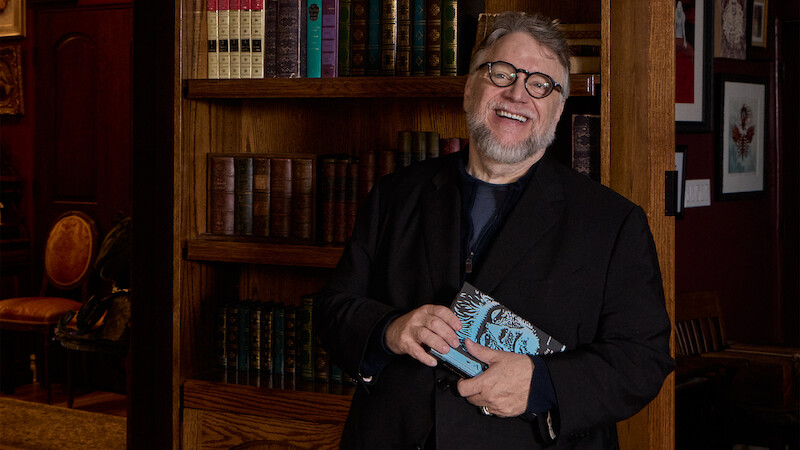
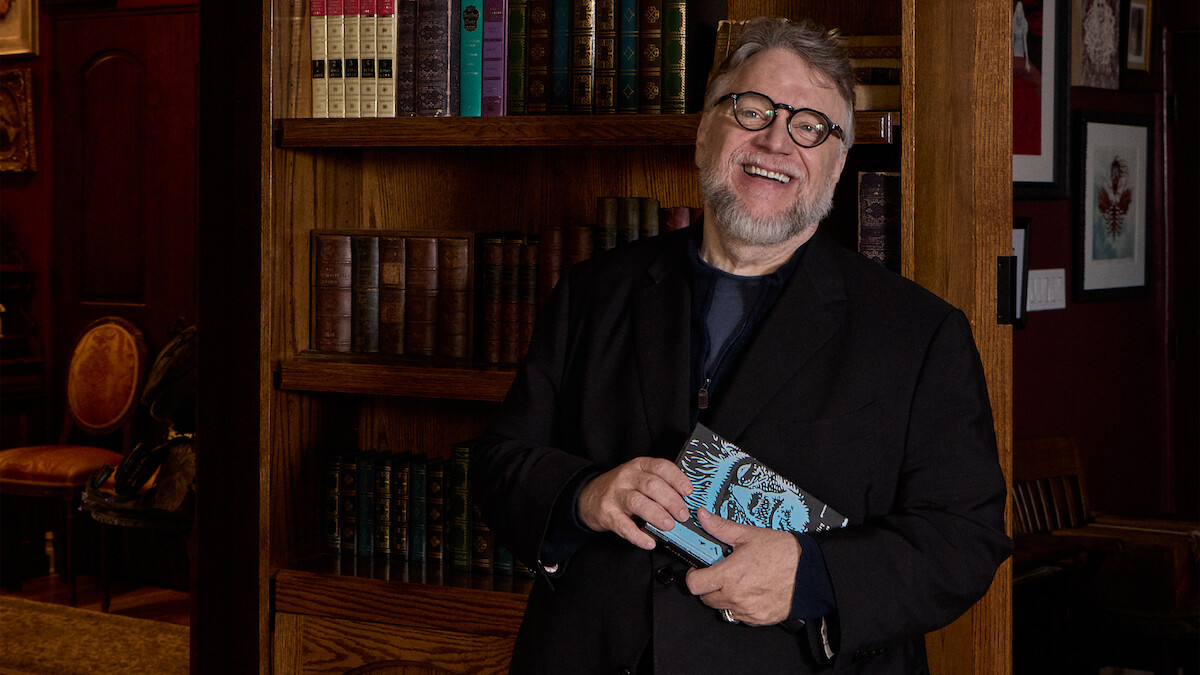
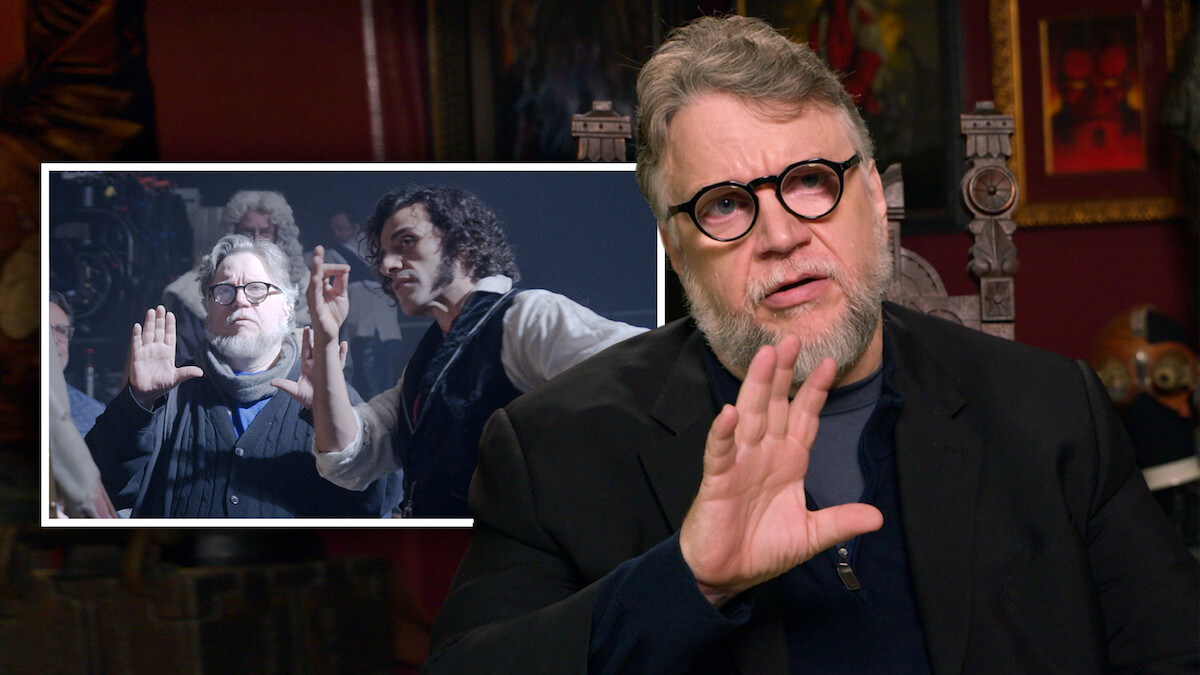
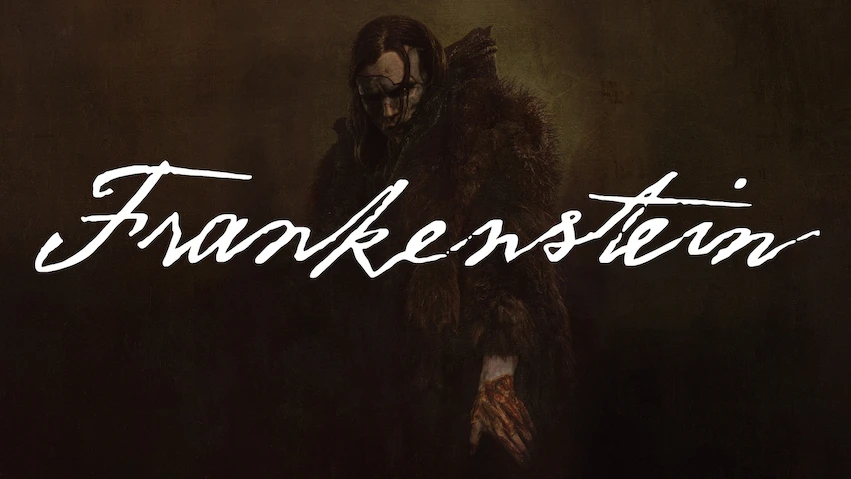
In Guillermo del Toro’s Frankenstein — inspired by Mary Shelley’s seminal 1818 novel of the same name — tortured genius Victor Frankenstein (Golden Globe-winner Oscar Isaac) views his creation (played by BAFTA-nominee Jacob Elordi) as a monstrous experiment. But, for the movie’s director and writer, Oscar-winner Guillermo del Toro, the Creature, as Frankenstein’s monster is known, is something much more holy — he’s his “patron saint.” Del Toro has been entranced by the Creature since his childhood in Mexico.
“I’ve lived with Mary Shelley’s creation all my life,” del Toro tells Tudum. “For me, it’s the Bible. But I wanted to make it my own, to sing it back in a different key with a different emotion.”
Now, his vision has been realized. Frankenstein is now streaming on Netflix, following its debut at the Venice Film Festival on Aug. 30 (which is also Shelley’s birthday). As viewers step into a world del Toro has imagined since boyhood, the director offers a peek inside his definitive retelling of the Gothic classic.
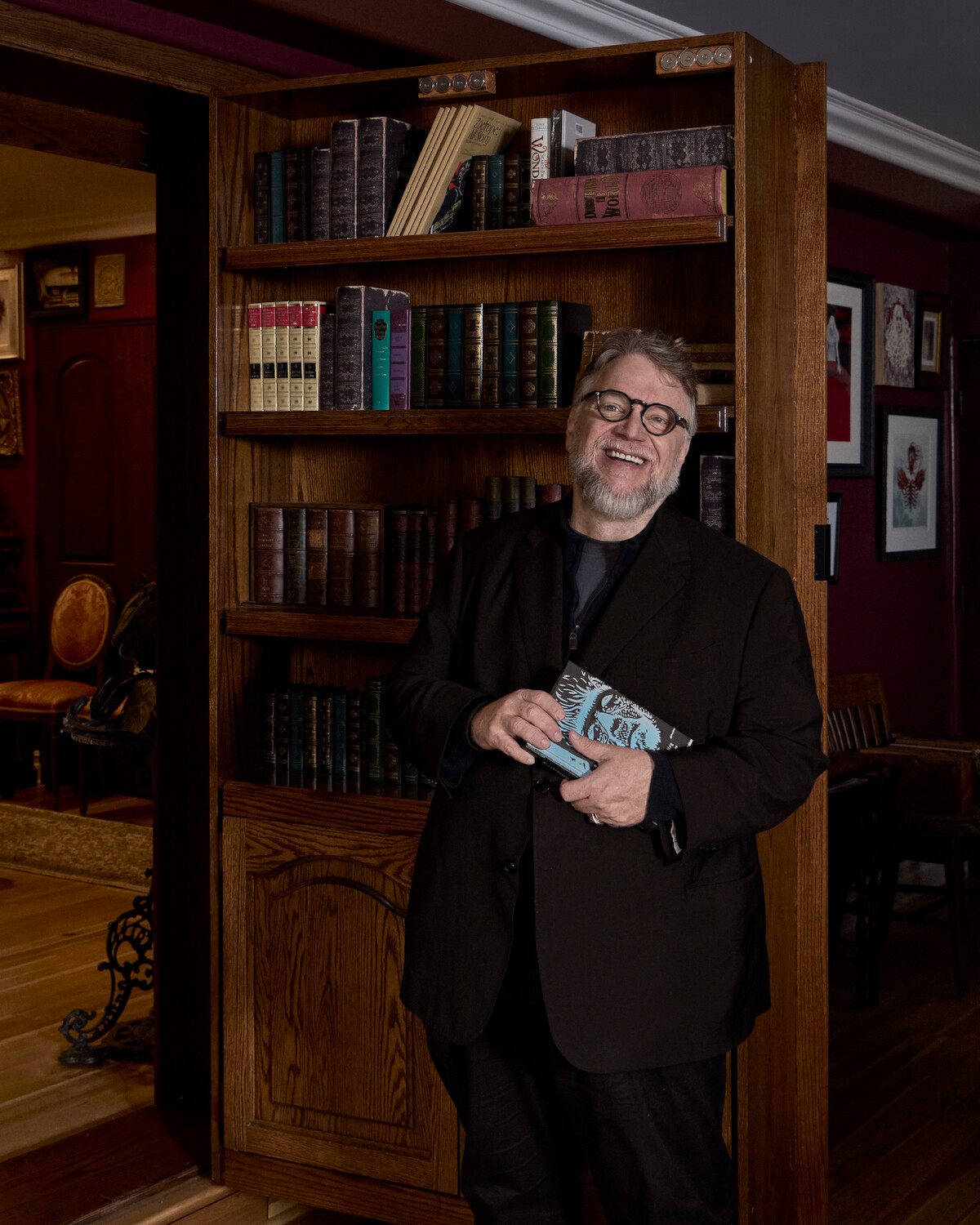
“Mary Shelley’s masterpiece is rife with questions that burn brightly in my soul: existential, tender, savage, doomed questions that only burn in a young mind and only adults and institutions believe they can answer,” del Toro explains. “For me, only monsters hold the secrets I long for.”
But, Frankenstein asks, who is the real monster? The sprawling epic follows Victor, a brilliant, ego-driven scientist, as he embarks on a quest to bring new life into this world. The Creature is the result; his very existence provokes questions about what it means to be a human, a creator, a creature — a father and a son — to crave love and seek understanding. Both Victor and the Creature aim to answer those mysteries and search for meaning in a world that can seem quite mad.
However, the frenzy of humanity isn’t the only feeling del Toro found in Shelley’s work. “The book has a lot of anxiety — the anxiety that you get when you’re an adolescent, and you don’t understand why everybody lies about the world,” del Toro says. He aimed to capture that anxiety by translating “the rhythms of Mary Shelley” for the screen. “When English is your second language, you are trained very acutely to the melody and the rhythms of a language,” he continues. “It has a particular rhythm, the dialogue in the book. I tried to make the dialogue be like that without sounding archaic.”
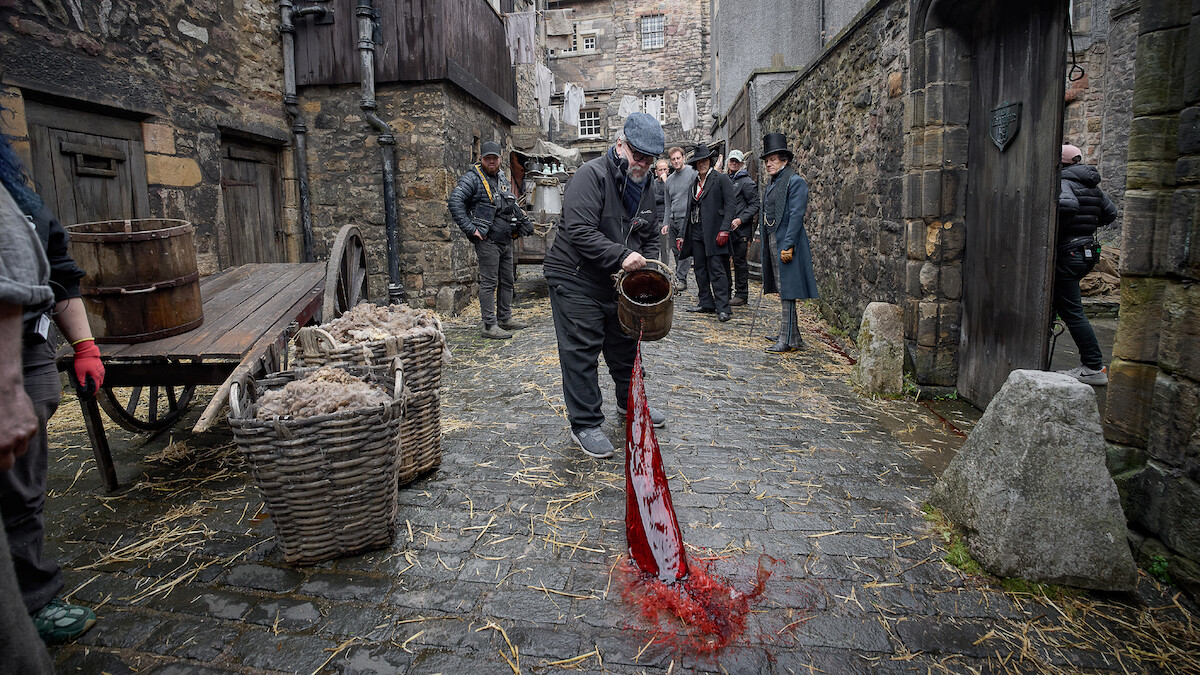
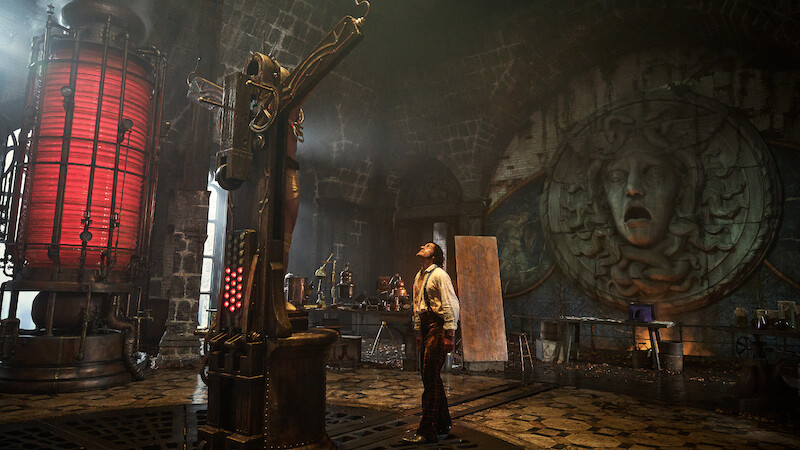
In fact, del Toro was passionate about maintaining the modernism of Frankenstein in all aspects of the movie, which is set in 19th-century Europe. “When [Shelley] wrote Frankenstein, it was not a period piece. It was a modern book, so I didn’t want you to see a pastel-colored period piece,” he explains. Instead, the director favored swaggering fashions for Victor and styles that are “luscious and full of color.”
Del Toro hopes his Frankenstein stays with viewers as long as the Creature has resided in his own heart. “May monsters inhabit your dreams and give you as much solace as they have given me, for we are all creatures lost and found,” he says.
See del Toro’s complete fantasy come to life now by streaming Frankenstein on Netflix. And keep coming back to Tudum for more news out of the laboratory.