Music
Behind the Music of Emilia Pérez
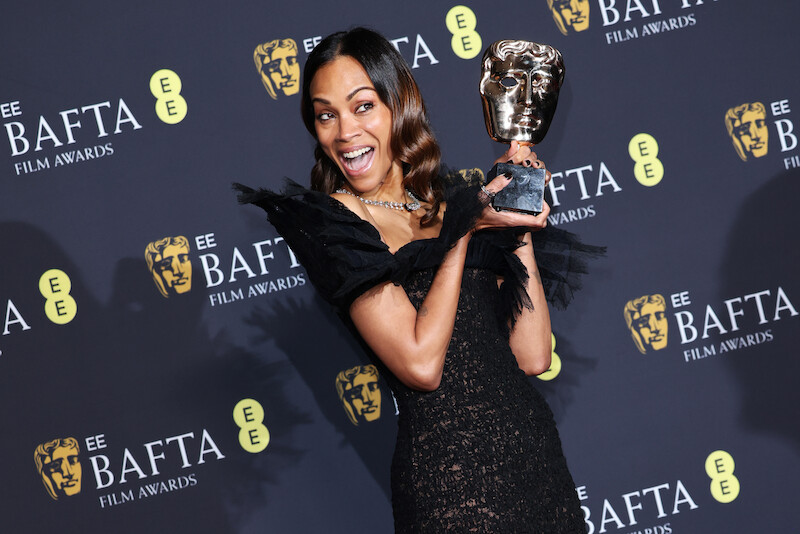
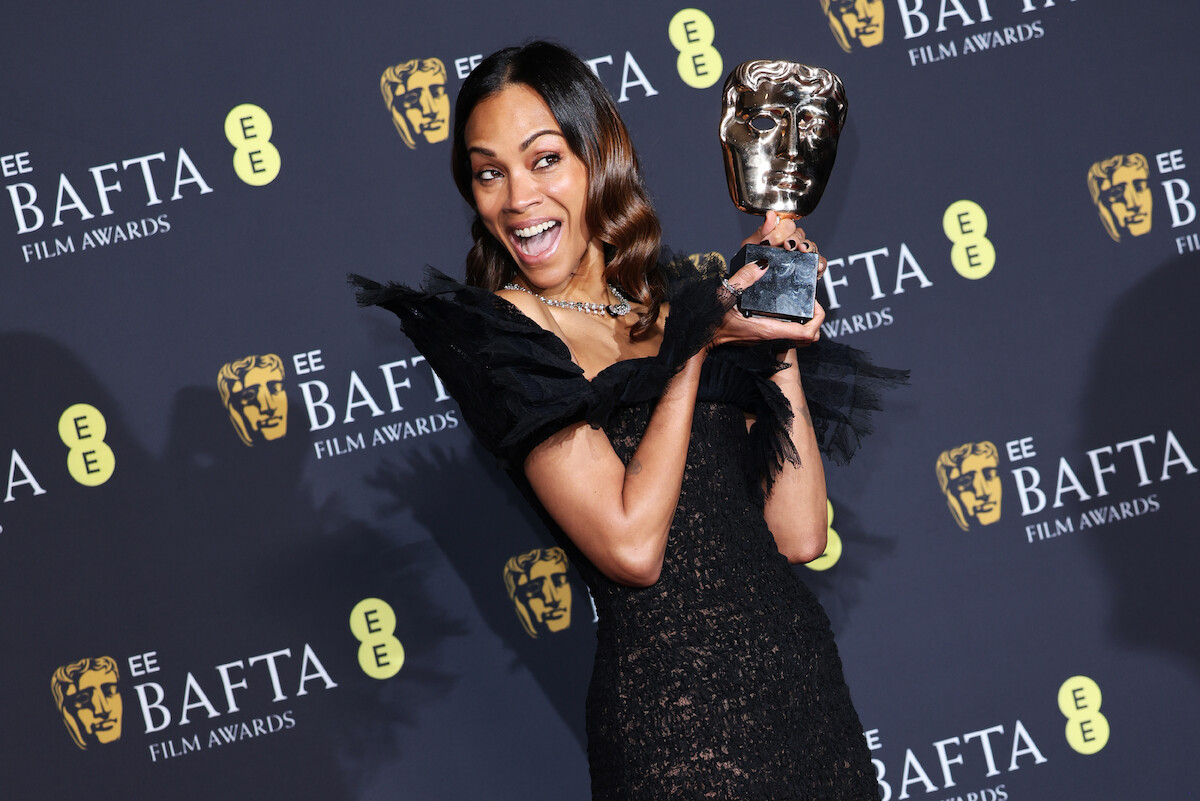
Zoe Saldaña and Selena Gomez deliver showstopping musical numbers including “El Mal” and “Mi Camino.”
By Jon Burlingame
Dec. 9, 2024
Leave it to French filmmaker Jacques Audiard to dream up the most audacious premise ever for a movie musical.
In the groundbreaking Spanish-language crime drama Emilia Pérez, a cartel boss who wishes to live as her authentic self hires an attorney to help her fake her own death — and to arrange for her wife and children to start a new life beyond Mexico. But in the wake of a years-long separation, she seeks to be reunited with her loved ones, setting off a series of inevitable repercussions that spiral dangerously out of control.
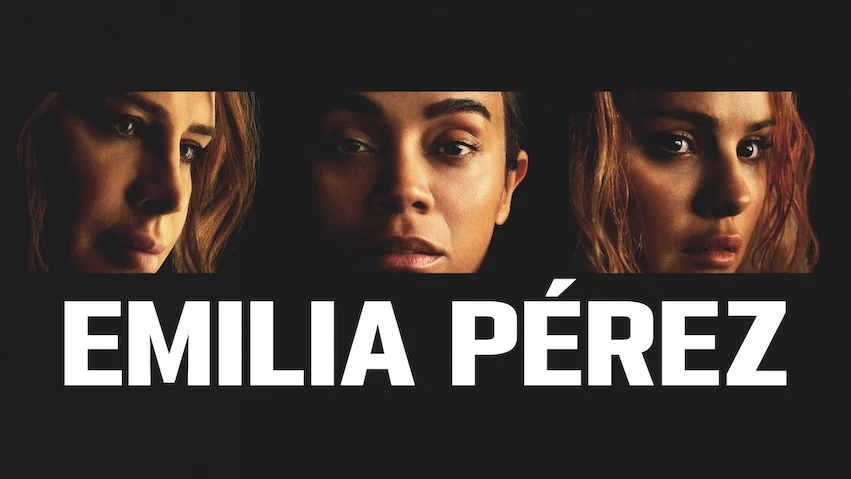
Emilia Pérez has garnered universal acclaim since its unveiling in May at the Cannes Film Festival, where it won the Jury Prize and the Best Actress Award, shared among stars Zoe Saldaña, Karla Sofía Gascón, Selena Gomez, and Adriana Paz. Their dynamic performances and Audiard’s assured writing and direction are key to the film’s success — as are the creative contributions of singer-songwriter Camille and composer Clément Ducol, who worked to create the 16 original songs featured in the movie, along with its affecting score.
Camille and Ducol were nominated for Best Original Score at the 82nd Golden Globes, with standout numbers “El Mal” and “Mi Camino” getting recognized for Best Song.
“El Alegato”
Performed by Zoe Saldaña
“Todo Y Nada”
Performed by Zoe Saldaña, Camille, Lucile Chriqui, Paloma Pradal, Carolina Katún, Eléonore Diaz, and La Coya
“El Encuentro”
Performed by Karla Sofía Gascón
“La Vaginoplastia”
Performed by Zoe Saldaña and Chris Jon
“Lady”
Performed by Zoe Saldaña and Mark Ivanir
“Deseo”
Performed by Karla Sofía Gascón and Camille
“Por Casualidad”
Performed by Karla Sofía Gascón, Camille, and Zoe Saldaña
“Bienvenida”
Performed by Selena Gomez
“Mis Siete Hermanas y Yo”
Performed by Xiomara Ahumada Quito
“Papa”
Performed by Juan Pablo Monterrubio
“Para”
Performed by Aitza Terán, Iván Ruiz de Velasco, Loïc Percheron Lazo, Leonardo Novoa, Jorge Rafael, Martin Villa, and Habana Zoé
“El Mal”
Performed by Zoe Saldaña, Karla Sofía Gascón, and Camille
“El Amor”
Performed by Karla Sofía Gascón, Camille, and Adriana Paz
“Mi Camino”
Performed by Selena Gomez and Edgar Ramírez
“El Trio”
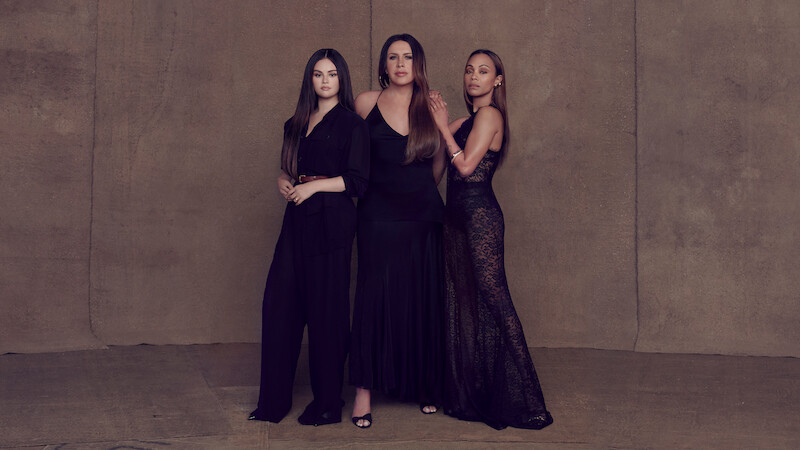
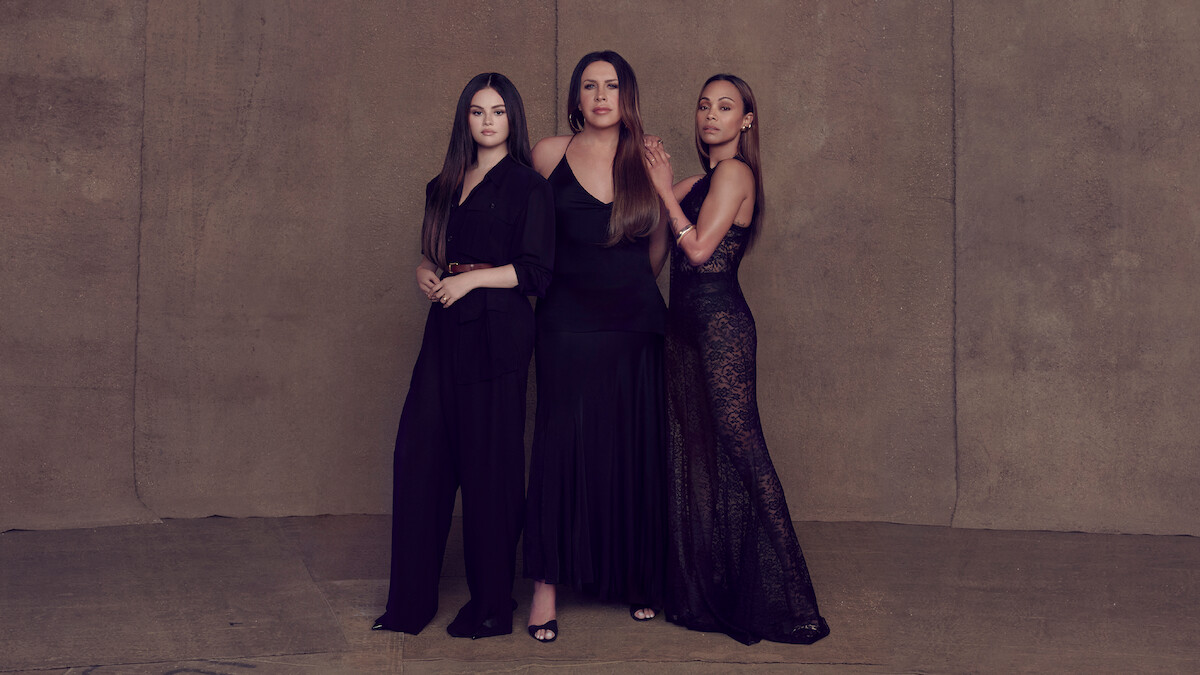
Performed by Karla Sofía Gascón, Zoe Saldaña, and Selena Gomez
“Perdóname”
Performed by Karla Sofía Gascón, Camille, and Selena Gomez
Perhaps best known in America for her vocal artistry in the animated films Ratatouille and The Little Prince, Paris-born chanteuse Camille is a hitmaker whose albums consistently rank among the Top 10 on French charts. Her partner and frequent collaborator Ducol served as musical director for Leos Carax’s rock opera Annette and more recently as composer for the animated feature Chicken for Linda!
Speaking from the Paris studio he shares with Camille, Ducol says he immediately sparked to Audiard’s ideas for Emilia Pérez and felt a close kinship with the director of such films as A Prophet and Rust and Bone early on. “Jacques was looking for a composer, and he needed time to dive into the story and build the [narrative] in songs,” Ducol says. “We had a coffee and discussed opera, classical music, movies, dance, ballet, theater, everything.”
Camille, too, found herself taken by the singular project: “I thought, ‘This is genius. This is Shakespeare.’ I loved the story — it’s operatic, it’s larger than life.”
The pair began work on the film in January 2020, developing the songs in concert with Audiard’s screenplay, a process that took roughly two years. Although the writer-director had initially conceived the project as a cinematic opera, it evolved over time into what is best described as a musical drama with the songs serving as an integral part of the storytelling, used to convey the characters’ innermost thoughts and feelings.
“Songs have a magic power to tell a story because they allow you to go from point A to point B faster, without any questions, because they speak to the heart,” says Camille, who sang on the demos of all the tracks, channeling the passions of the principal characters. “Each song is a specific case. They all talk about the emotional state of the characters, and sometimes give information. [Audiard] said he was excited because [a new song] had just saved him 15 pages of writing!”
Notably, the French composer and singer wrote all the songs not in their native tongue, but rather in Spanish, consulting with a Mexican-born interpreter on cultural matters. “I love languages,” Camille says. “I would write some ideas in French and translate them, but, very quickly in the process, I would think and sing in Spanish to see how it sounded.”
And while traditional Mexican music was an important influence throughout, Camille and Ducol drew from a wide spectrum of styles to pen tracks spanning pop and hip-hop and every genre in between. “It mixes all genres,” Ducol says. “We didn’t want to focus on one musical style or do a neo-Mexican musical.”
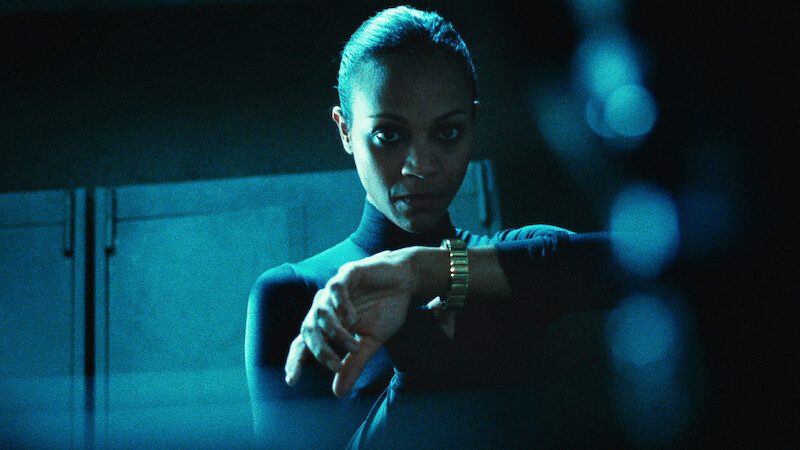
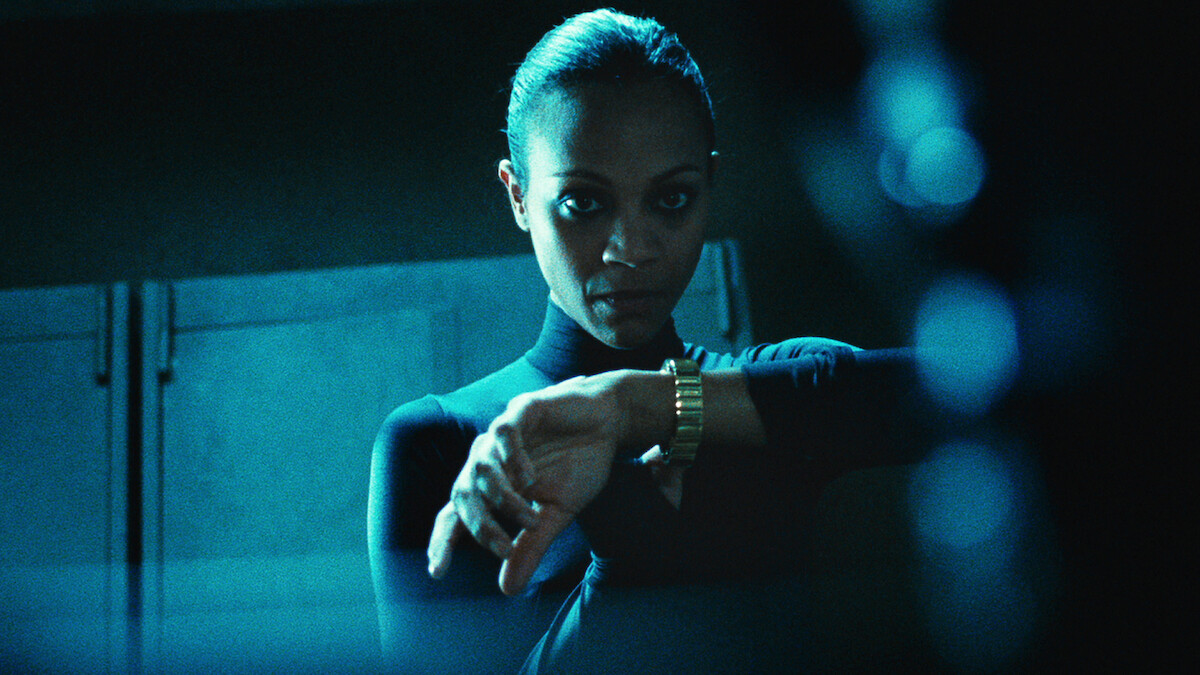
Homing in on the foundational qualities of each of the women at the heart of the story, the duo sought to give the main characters their own signature style. For example, they viewed formidable lawyer Rita (Saldaña) as “a rapper or hard-rock singer.” The film’s opening numbers, “Alegato” and “Todo Y Nada,” both sung by Rita, “are a portrait of Mexico, where the character is at, and who she is as a lawyer,” Camille says. “She’s telling us about her state of mind.”
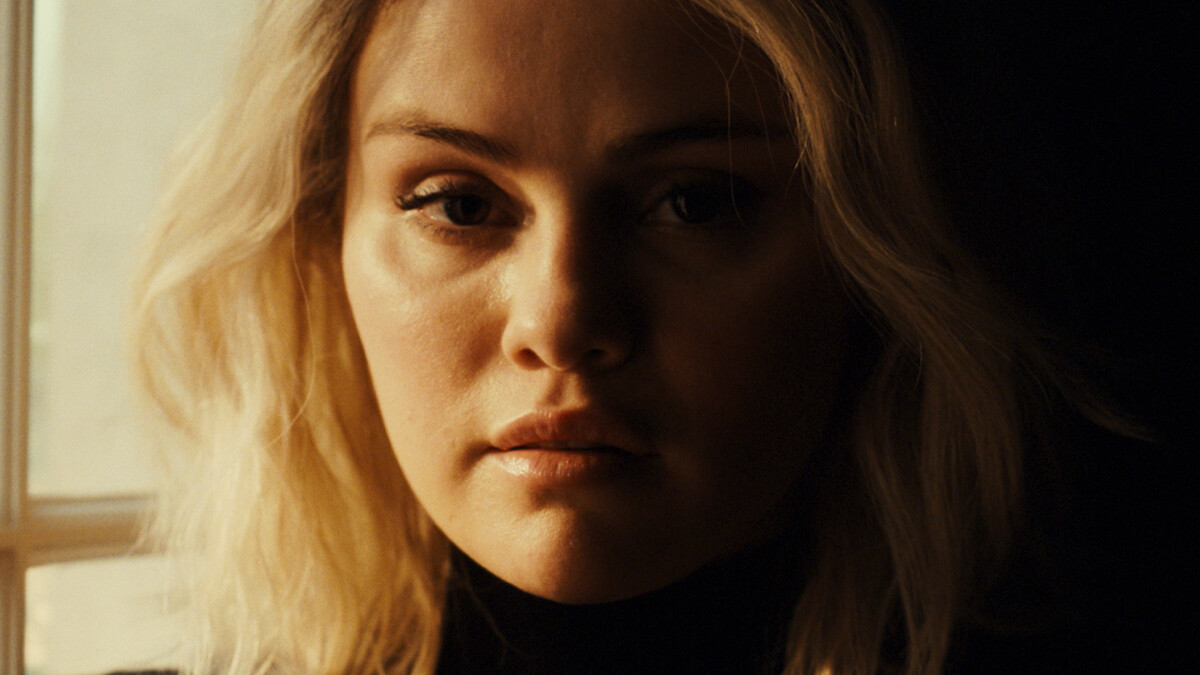
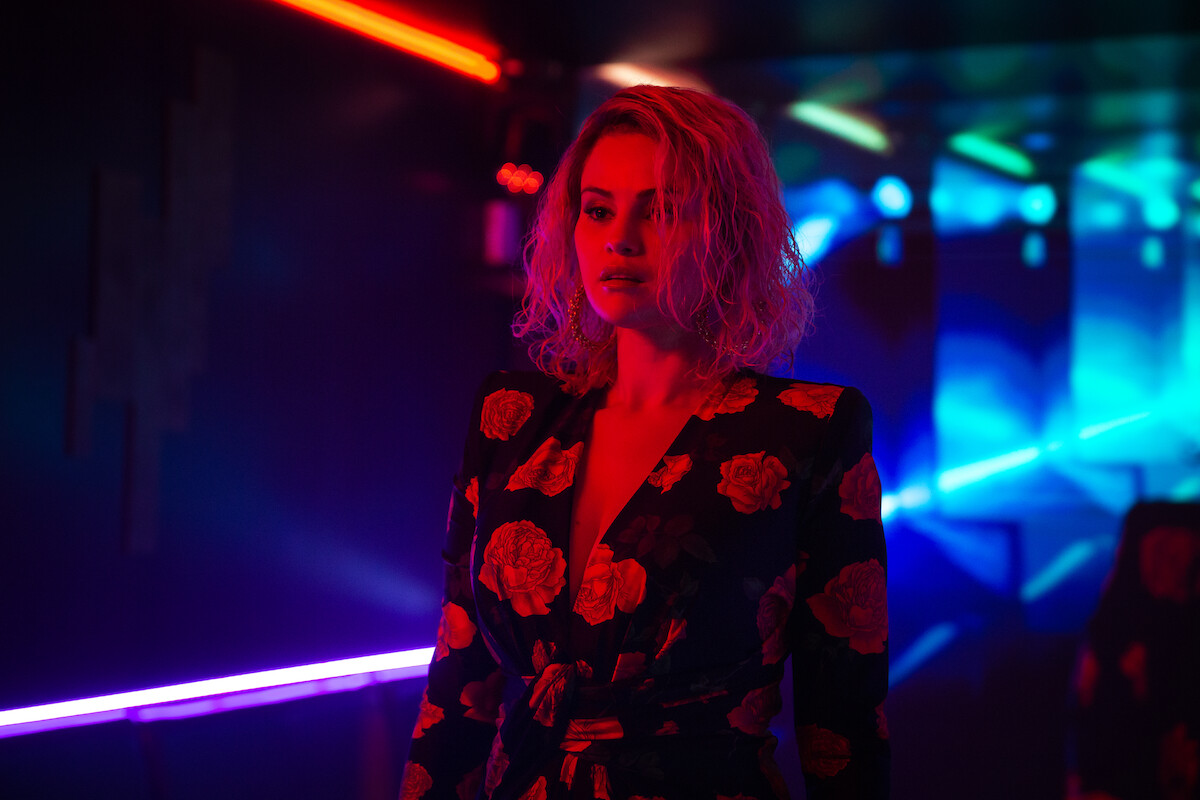
By contrast, Emilia’s songs, performed by Gascón, were “more lyrical but very intimate,” Camille says. Additionally, Gomez’s Jessi embodied “rebellion and imagination,” while the music for Paz’s Epifanía, introduced later in the film, includes more “folk aspects.”
Epifanía meets Emilia through La Lucecita, an organization that Emilia co-founds with Rita to locate the remains of the country’s disappeared, many of whom have been slain by cartel soldiers. In one of the most powerful set pieces, grieving relatives march alongside remorseful killers, both recounting their experiences in “Para.” Understanding the importance of that moment in the narrative, and new to writing in a foreign language, Camille describes the track as an especially challenging one.
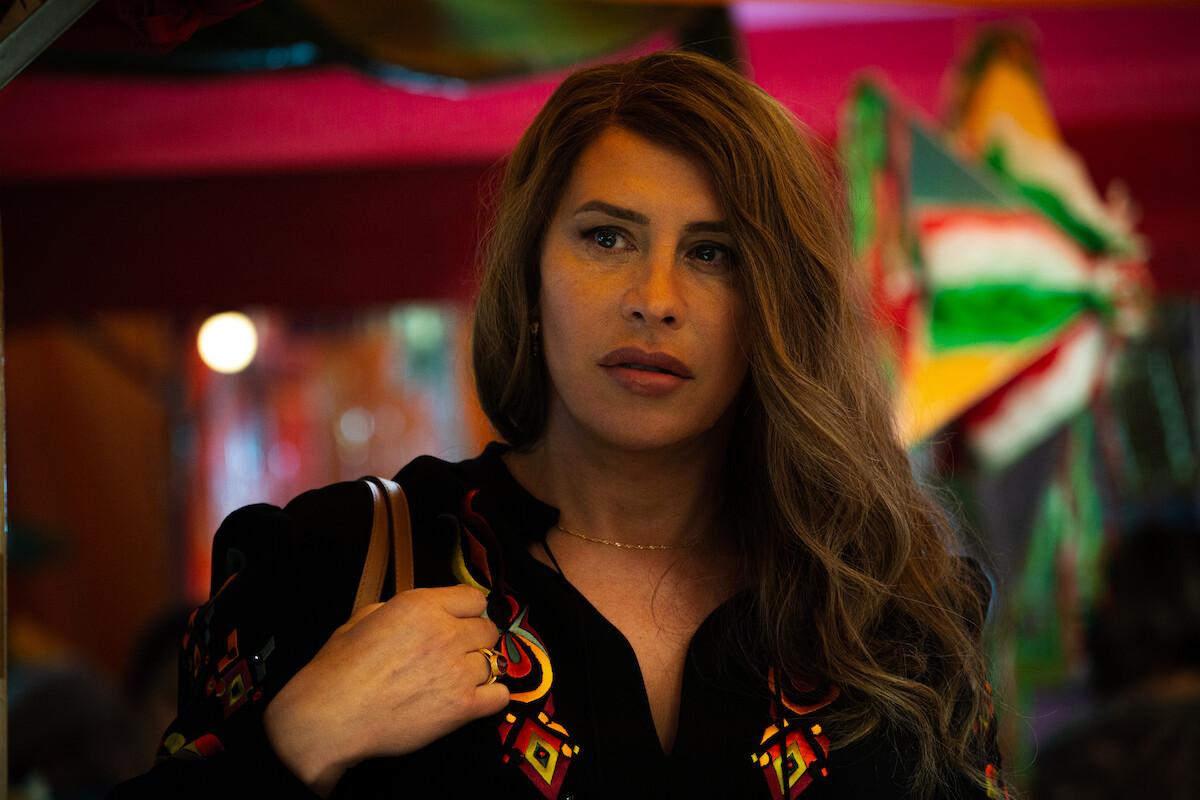
“I remember really struggling because it was the first song I wrote in Spanish,” she recalls. “[In the script,] there was a corridor for the families and a corridor for the murderers that were coming out of prison. They were separate worlds. I remember taking the initiative to say, ‘The women are going to sing this, the guys are going to sing that, and in the end, they’re all going to sing the same thing.’ There were so many versions, but it worked because Jacques liked it, and it’s still in the movie.”
As the saga deepens, the songs convey feelings from tenderness to anger. “Papa” sees one of Emilia’s sons singing to her of the father he lost but fondly remembers — the little boy seems to understand that he is connected to this new person in his life without understanding the true nature of their shared history. The track was personal for both Camille and Ducol. “I lost my father 12 years ago, and this year, Clement lost his father,” Camille says. “[‘Papa’] came very naturally, evoking memories, like real life.”
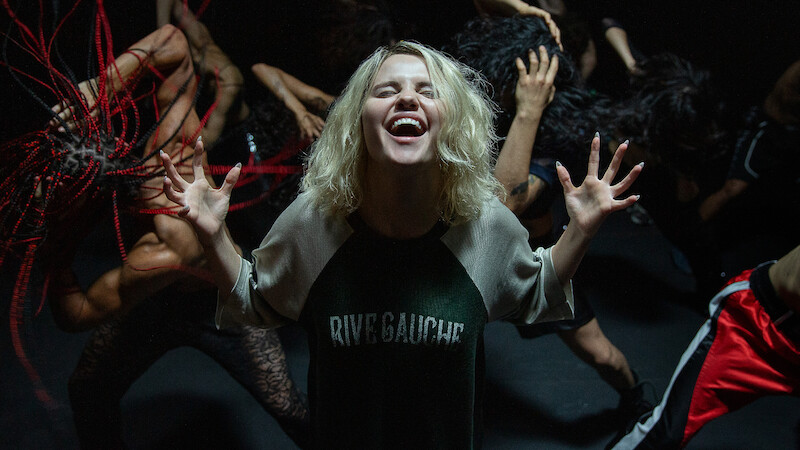
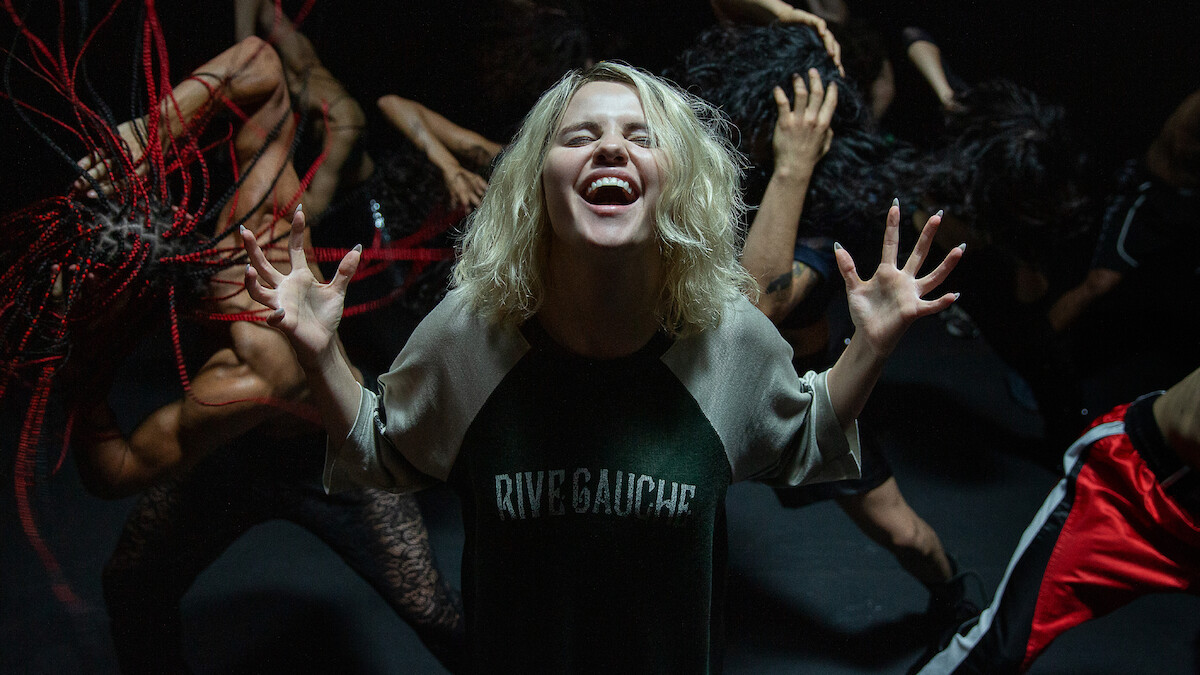
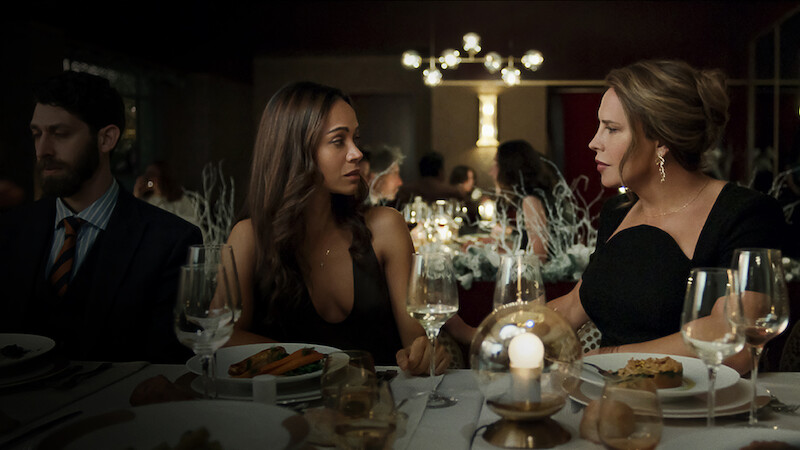
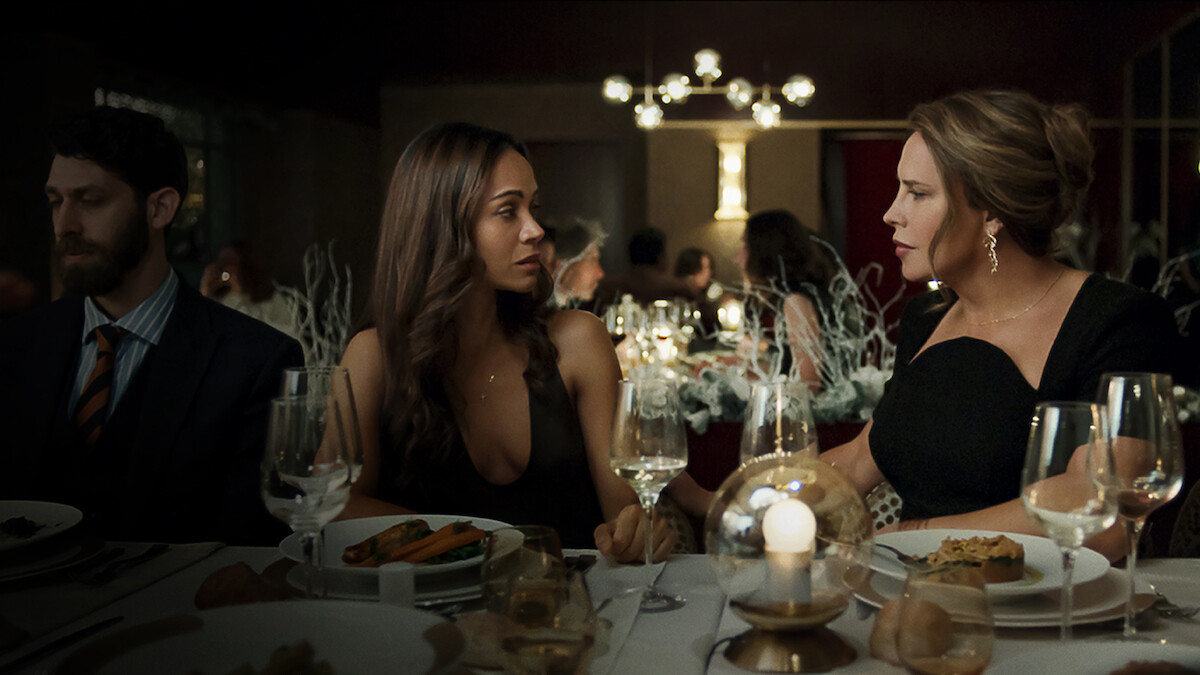
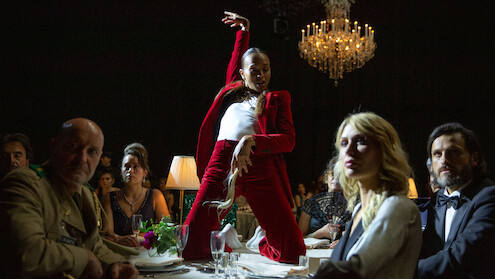
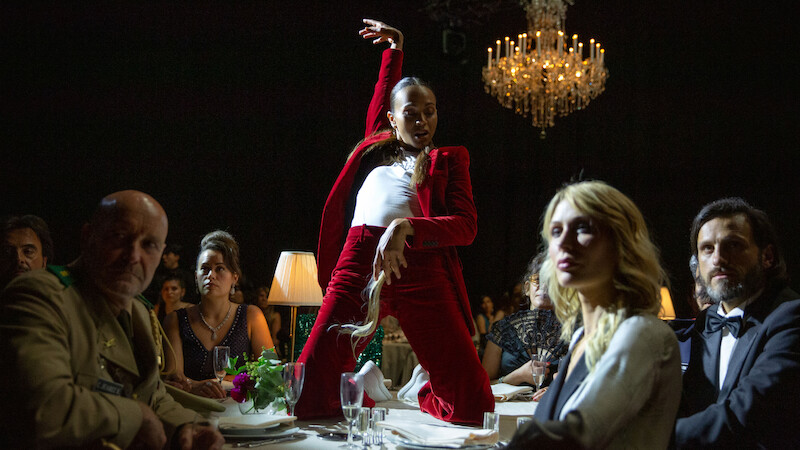
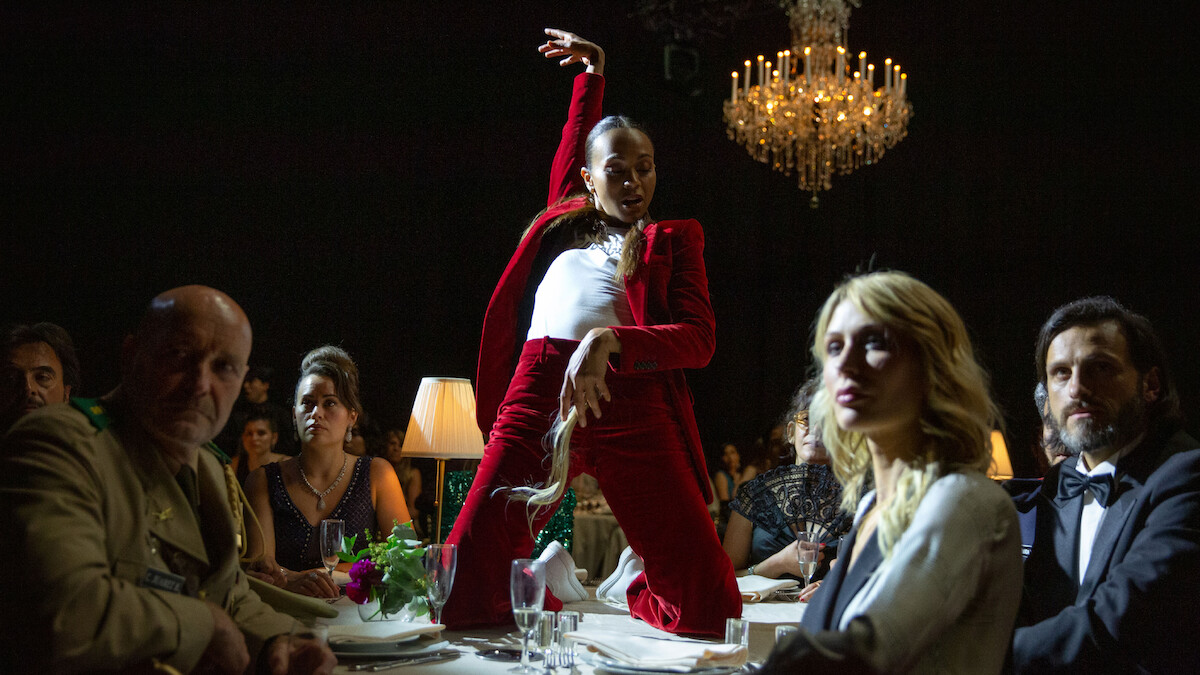
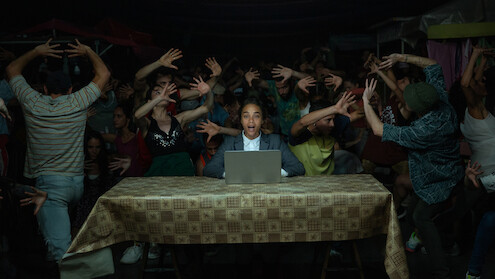
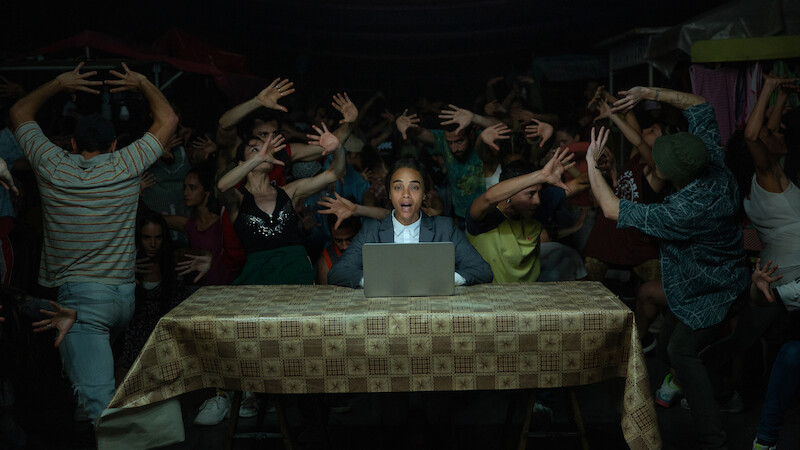
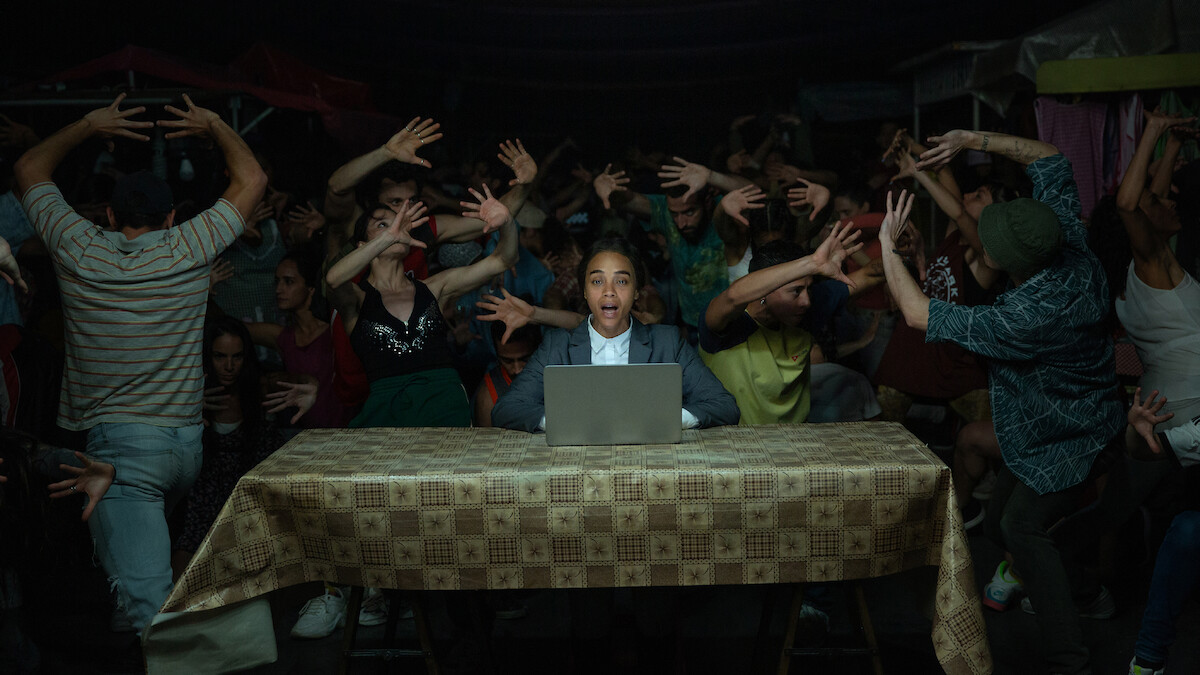
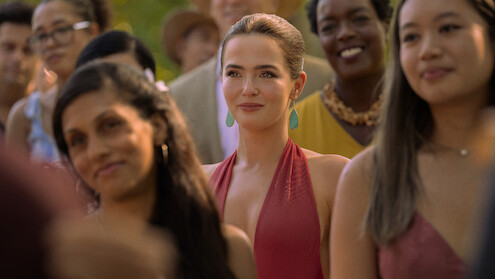
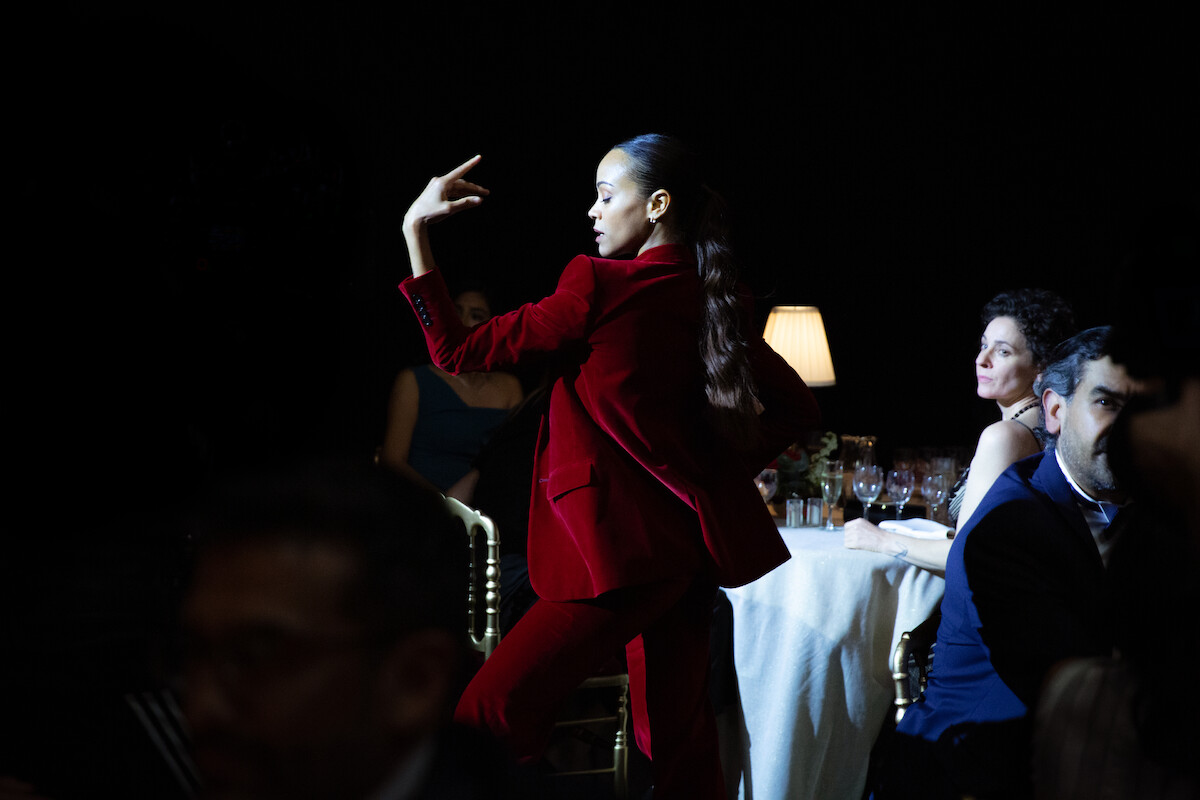
In the showstopping, high-energy “El Mal,” Rita sings and dances her way through a gala benefit dinner for La Lucecita, pointing out the hypocrisy of officials smugly pretending to support the cause at the same time they’re on the cartels’ payrolls. “It was the song that gave us the most work in terms of finding the right tone,” Camille explains. “There was a moment where it was a little more lyrical, but then we ended up with a good combination of a hip-hop feel and rock [style] enraged chorus. It’s very rhythmic, and it was very technical to give to Zoe.”
Yes. The composers’ final contribution was “Mi Camino,” a playful, emotive karaoke number crafted expressly for Gomez. Ducol says that Audiard advised the songwriting team to watch Selena Gomez: My Mind & Me, a documentary about the performer, before writing it for her. “It’s a very punk song, very fun,” Ducol says.
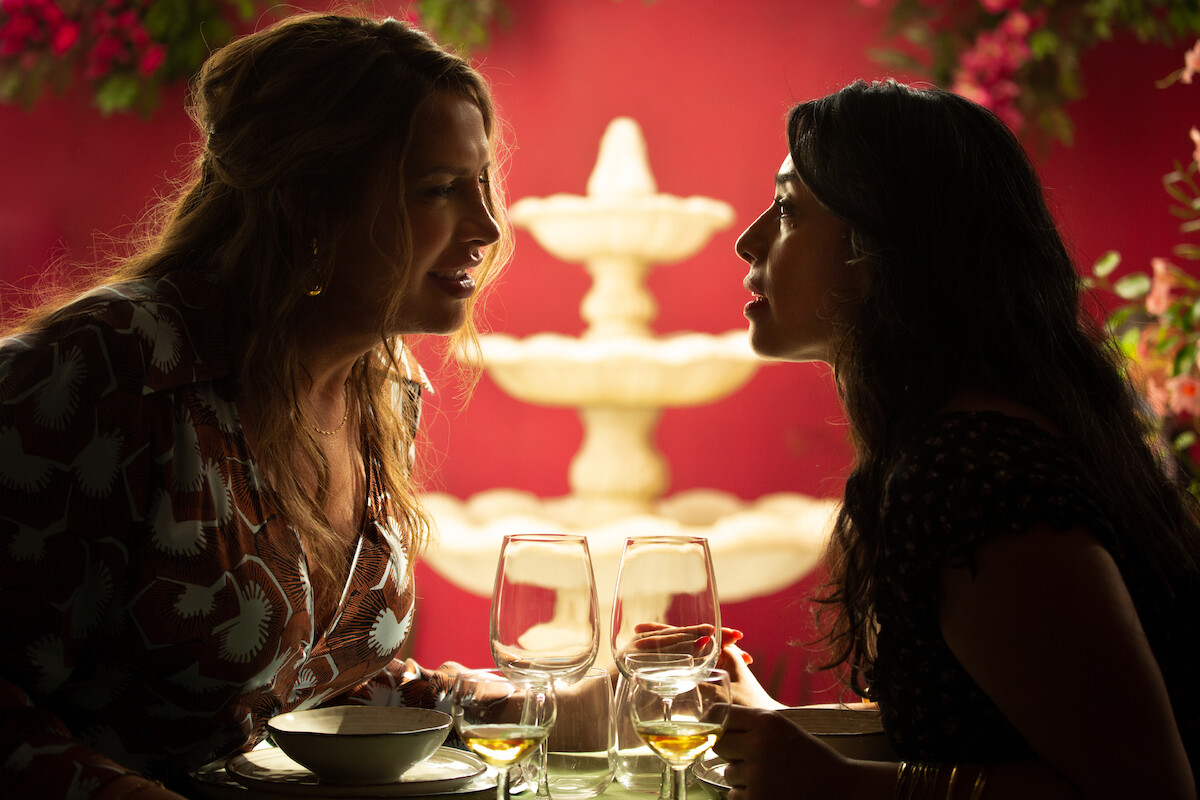
With the exception of “Mi Camino,” the tracks for Emilia Pérez were recorded prior to the film’s shoot, which took place largely in Paris in the early months of 2023. Beforehand, Camille and Ducol worked closely with the actors in the studio on their tracks, and they were present on set as well.
Typically, movie musicals play prerecorded tracks as the musical sequences are filmed, with the actors lip-syncing to their own vocals; the method frees up the cast to concentrate on movement and choreography. But Audiard ultimately became more interested in having the actors perform live on the set. “What we hear in the film is a combination of original recordings with on-set performances.”
During post production, Camille and Ducol wrote the film’s score, which is unusual for its extensive use of wordless vocal sounds, primarily sung by Camille, layered over multiple tracks. “It’s me as a choir, which I do a lot in my work,” she says. “I intuitively knew what was at stake [dramatically] — it’s something that you feel.”
Camille and Ducol recently received the Cannes Soundtrack award for their work on Emilia Pérez, and they were feted again at the Toronto International Film Festival in September. Yet the duo insists the greatest possible honor afforded them is having had the opportunity to contribute to such a daring, groundbreaking production.
“It’s probably the most challenging project of our lives,” Camille says. “We knew we were doing something that doesn’t happen all the time. You’re making something that’s higher, that’s beyond what you are. We needed to be patient and brave. We’re both very determined, but Jacques pushed us to be even more so — and I’ve never seen someone as determined as Jacques.”
Emilia Pérez is now streaming on Netflix in the US, Canada, and the UK.