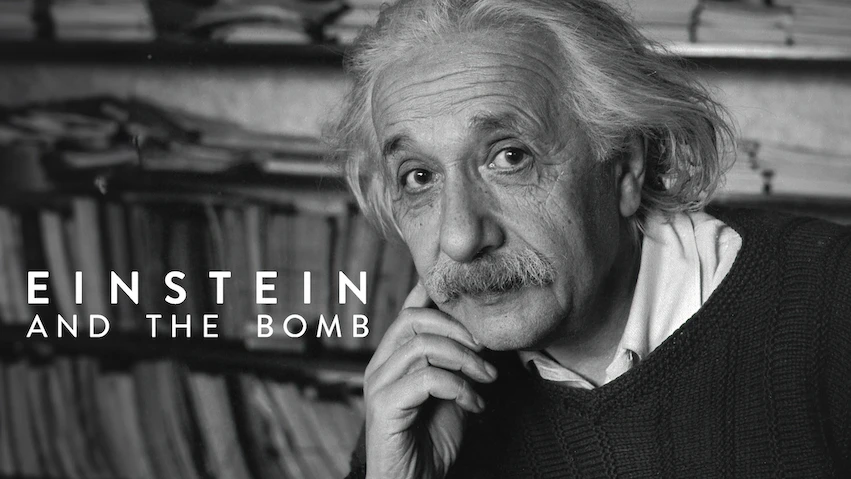
What, exactly, was Albert Einstein’s involvement in the creation of the atomic bomb — and how did the world’s most famous physicist grapple with the morality of that work? The existential threat posed by nuclear weapons has resurfaced in popular culture in large part due to Christopher Nolan’s Oscar-nominated Oppenheimer, in which Einstein (played by Tom Conti) is depicted advising J. Robert Oppenheimer, the physicist who played a pivotal role in the development of atomic weapons.
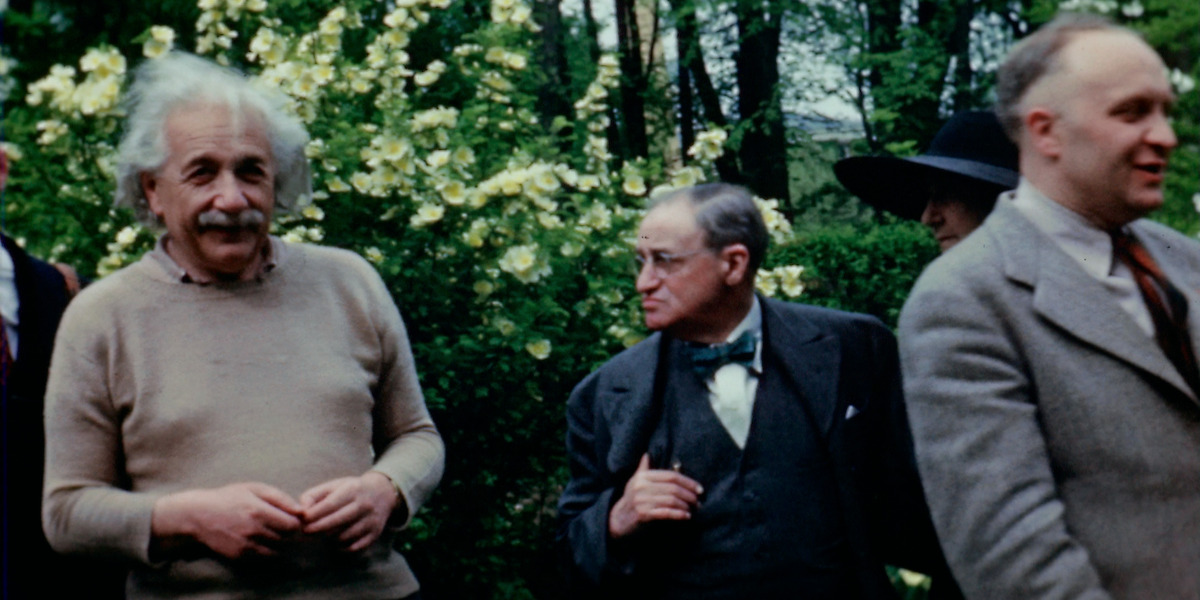
In reality Oppenheimer and Einstein likely only met a few times — their relationship has been described as “cordial and complicated” — and, ultimately, Einstein’s contributions to Oppenheimer’s work were theoretical and indirect. However, the foundation of Einstein’s work undeniably influenced all scientists’ understanding of physics moving forward, and those foundations are explored in Einstein and the Bomb, a new docudrama from director Anthony Philipson. In addition to offering context to the looming moral dilemma of atomic weaponry, the film depicts moments from Einstein’s life and career, offering important context to one of the most renowned and influential physicists in history.
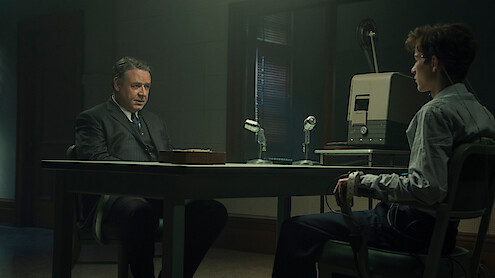
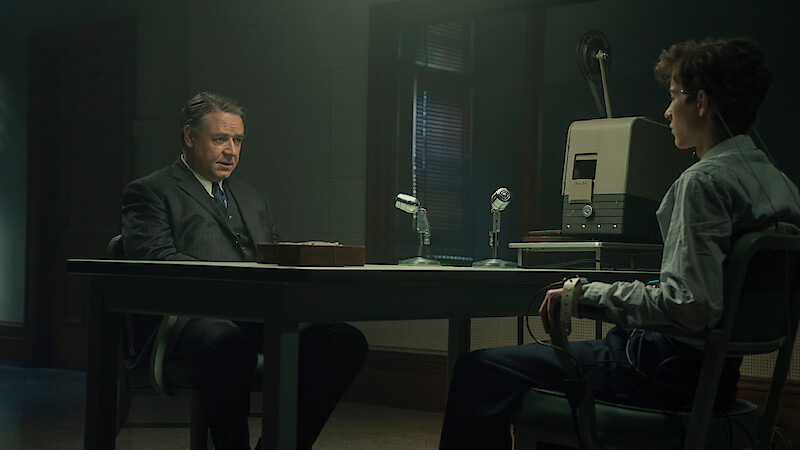
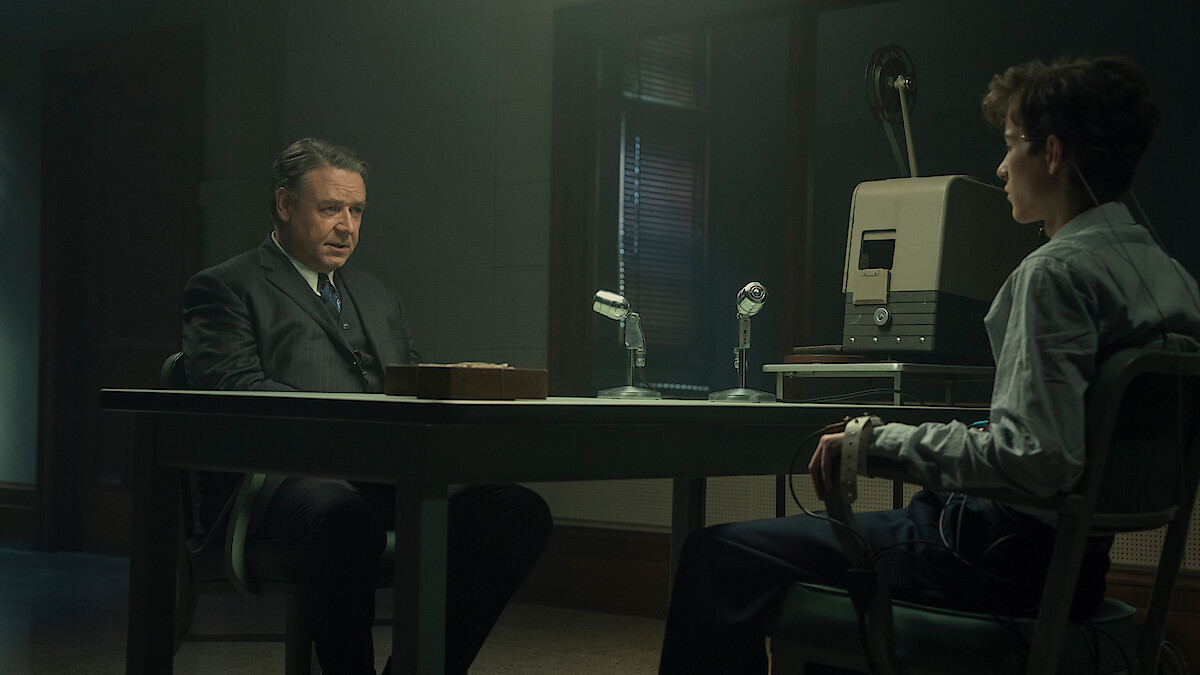
In Einstein and the Bomb, Einstein (as depicted by Aidan McArdle as well as through archival footage) is characterized as a brilliant scientist with fierce moral conviction — famously, Einstein was a radical pacifist with an almost childlike wonder at the world’s greatest scientific mysteries.
“As a child, 4 or 5, my father showed me a compass,” Einstein narrates in the film. “This experience made a deep and lasting impression on me. Since this needle behaved in such a determined way, something deeply hidden had to be behind things… The most beautiful thing we can experience is the mysterious.”
Einstein and the Bomb depicts points in Einstein’s life, pinging back and forth between his status as a refugee in England, as well as the early ideas that would eventually lead to his groundbreaking theory of relativity.
The film also explores conflicts with Hitler and the Nazi establishment, reenacting the incidents that led Einstein to believe that Nazi Germany was developing atomic weapons of their own. His fear and unease was enough to convince him to write a letter to President Franklin Delano Roosevelt, unwittingly initiating an arms race that would eventually lead to a reality that Einstein feared most.
“I’ve made one great mistake in my life,” Einstein says in the film. “Had I known the Germans would not succeed in producing an atomic bomb, I would not have taken part in opening that Pandora’s box.”
Watch Einstein and the Bomb on Netflix now.