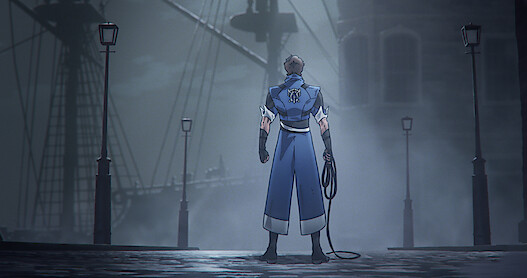
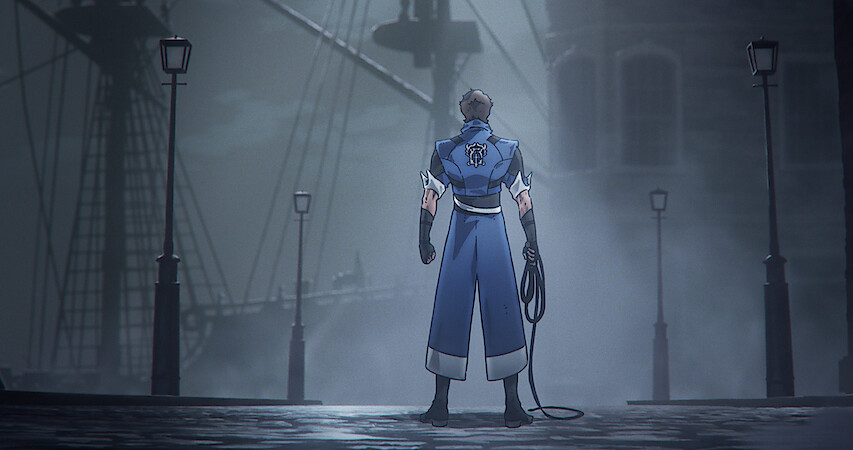
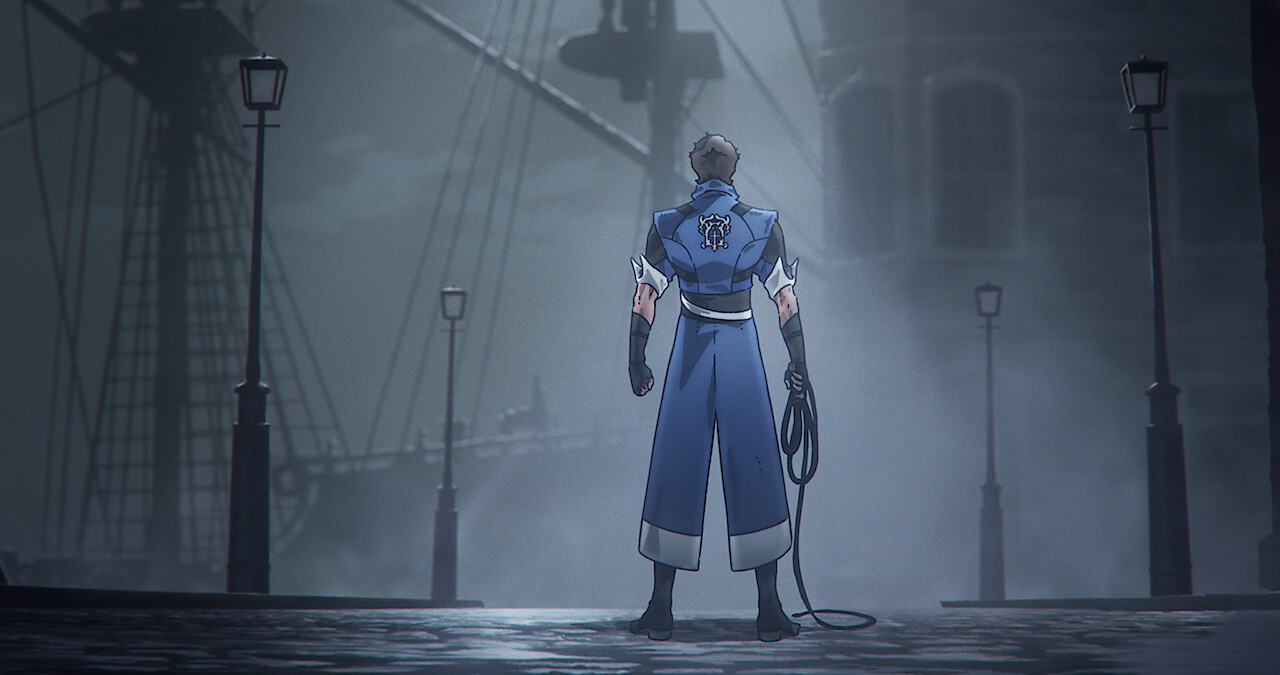
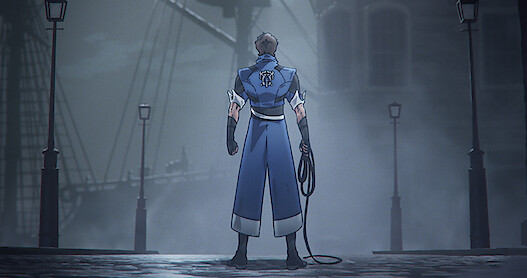
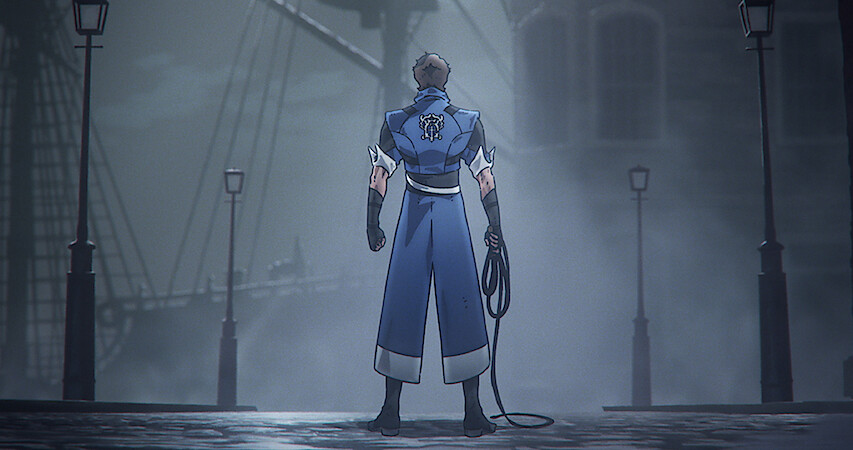
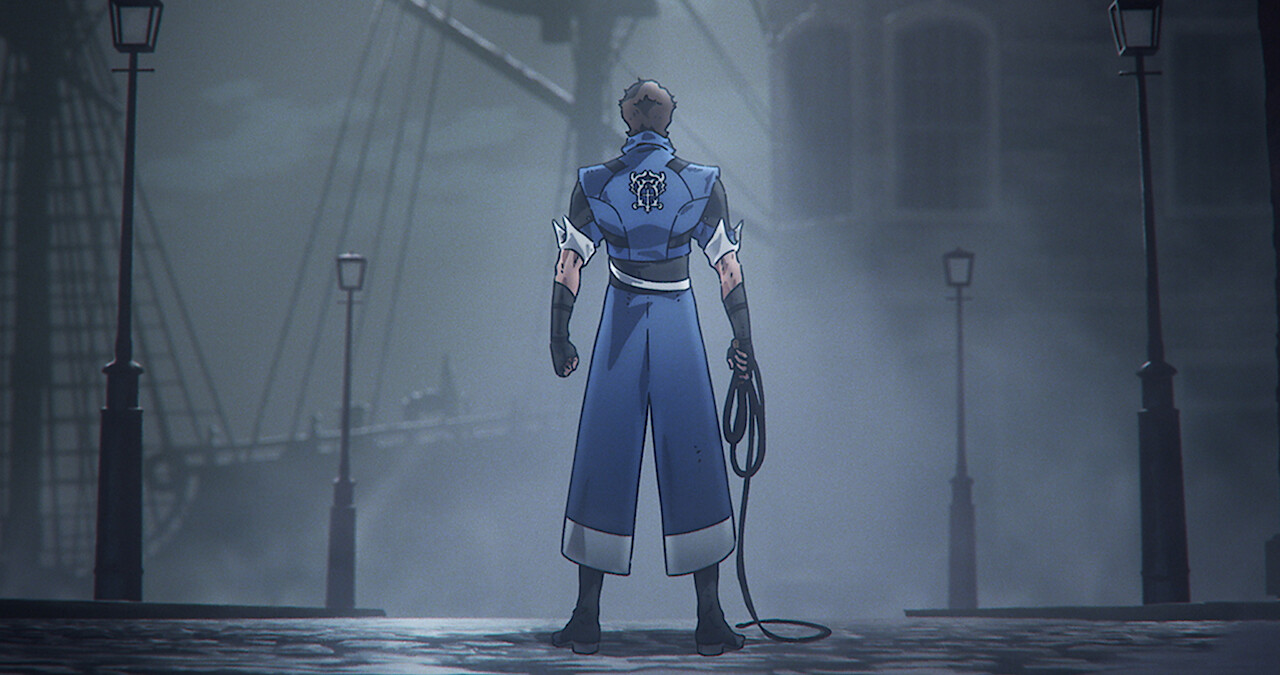
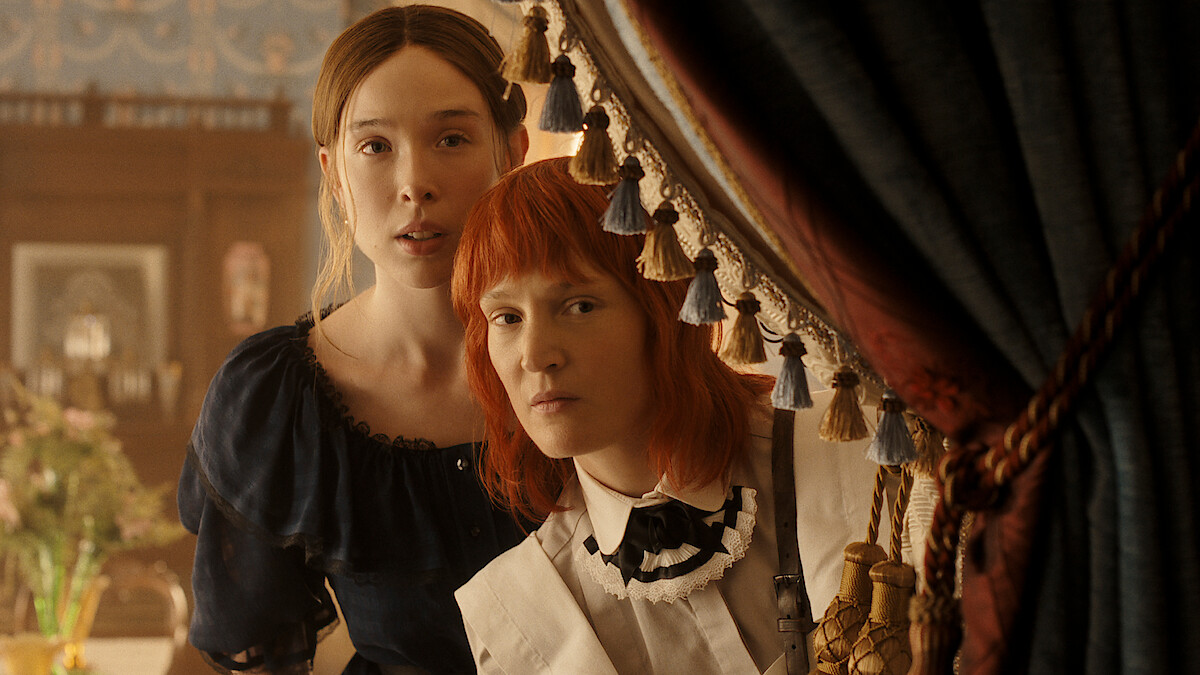
Castlevania: Nocturne rises again.
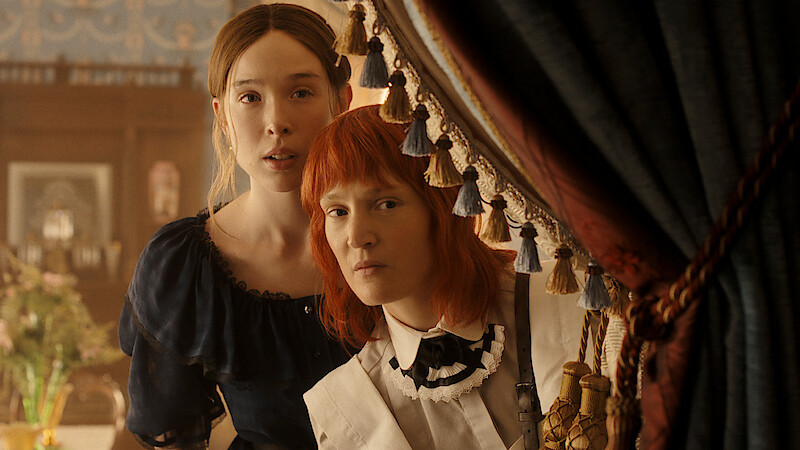
The fashionable vampires, gnarly night creatures, and hunters who love (to kill) them will return for Season 2 debuting Jan. 16, 2025.
Nocturne creator and showrunner Clive Bradley and showrunner Kevin Kolde, alongside directors Sam and Adam Deats, break down Season 2, chronicling the epic battle between humankind and the vampire aristocrats seeking to rule the world. But this time, the stakes are bigger and bloodier.
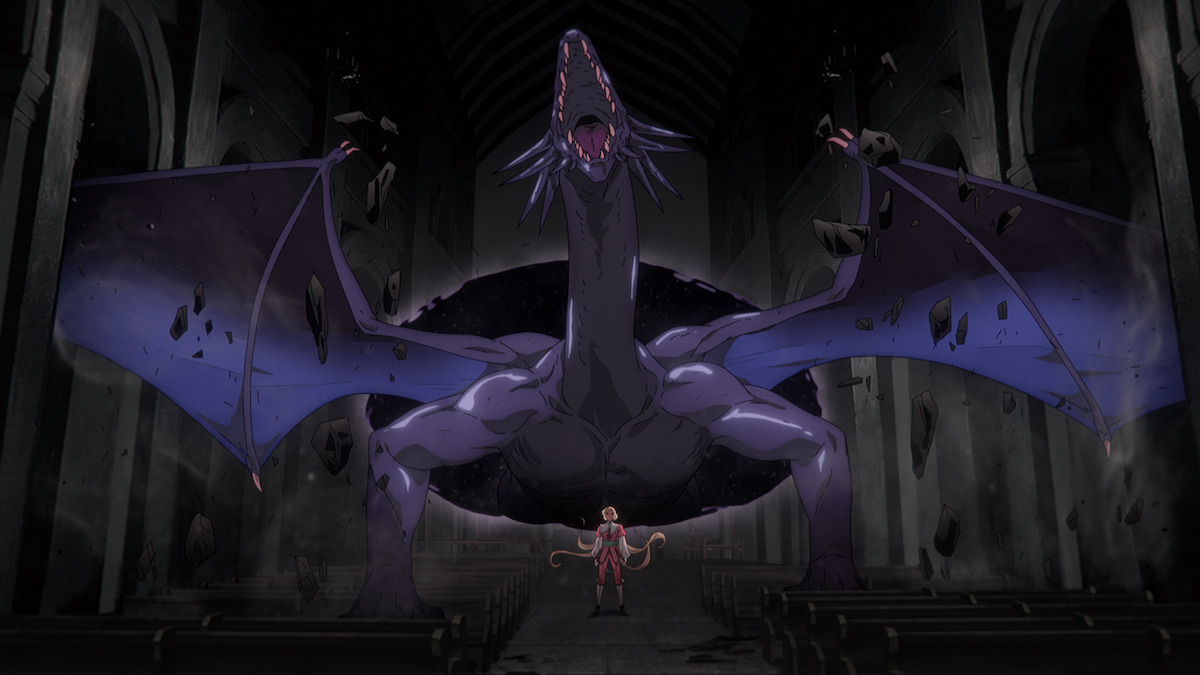
“What I can confidently say is in store for the fans is the biggest, craziest Castlevania fight scene ever,” Kolde tells Tudum.
The gothic — or, ahem [adjusts ascot], “New Romantic” style if you want to be precise — drama takes some wild turns throughout Season 2, so check out everything you need to know below, straight from Bradley and Kolde themselves.
What is the plot of Season 2?
While many Season 1 characters return — including Richter (Edward Bluemel), Maria (Pixie Davies), Annette (Thuso Mbedu), Edouard (Sydney James Harcourt), and Tera (Nastassja Kinski) — they’ve undergone great emotional or physical changes after their encounters with the devilishly sophisticated vampire cadre.
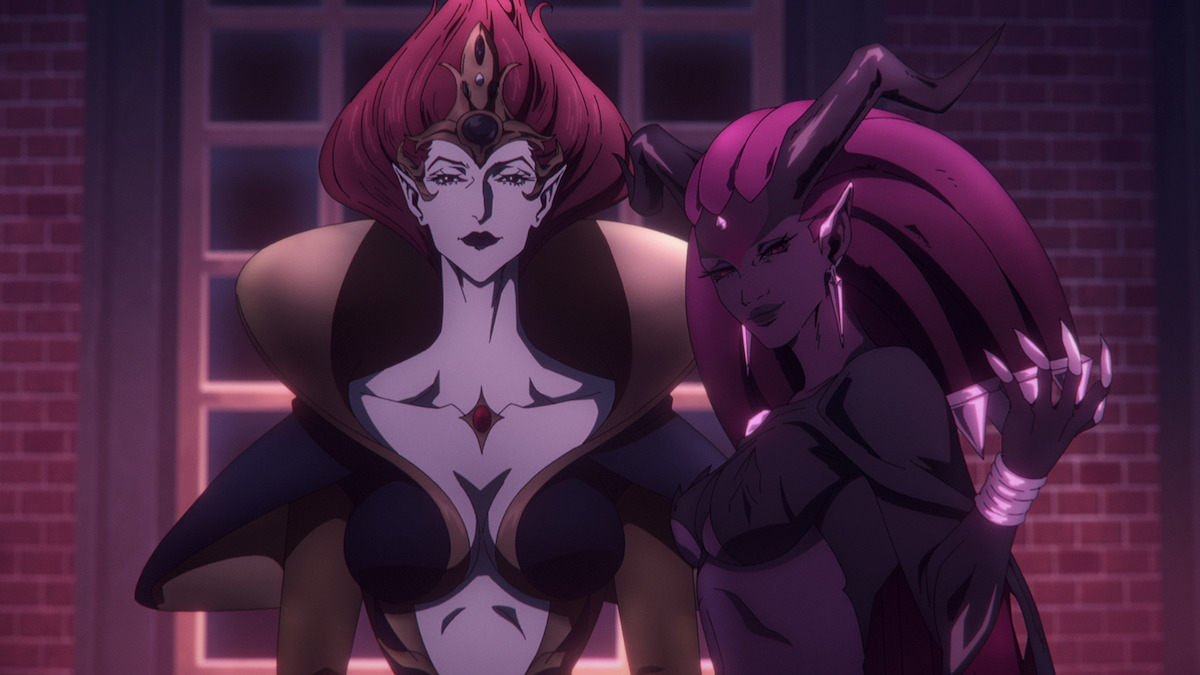
In Season 2, Richter and his band of vampire hunters, now joined by Alucard, are in a desperate race against time. Erzsebet Báthory, the Vampire Messiah, who already seems invincible, seeks the full power of the goddess Sekhmet so she can plunge the world into endless darkness and terror.
Will the debonair Alucard show up?
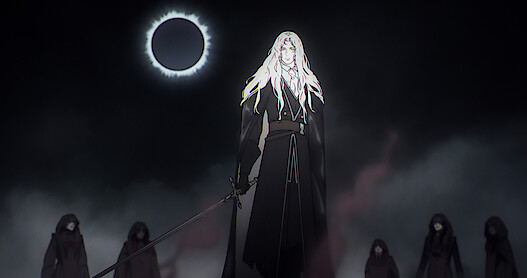
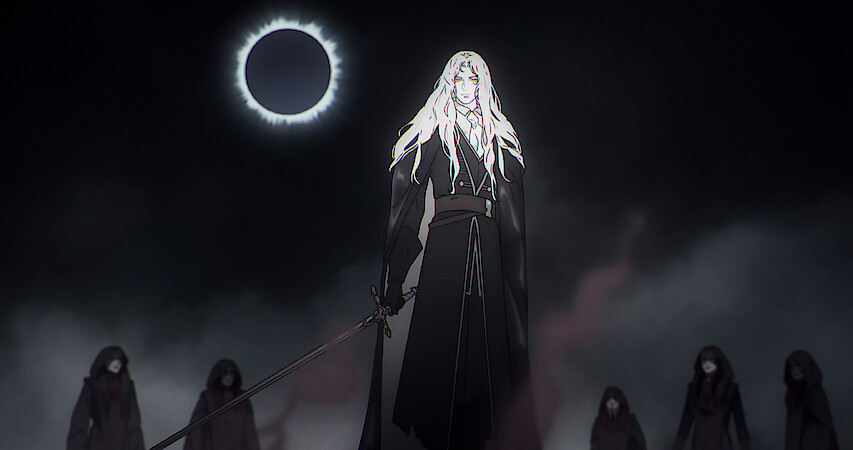
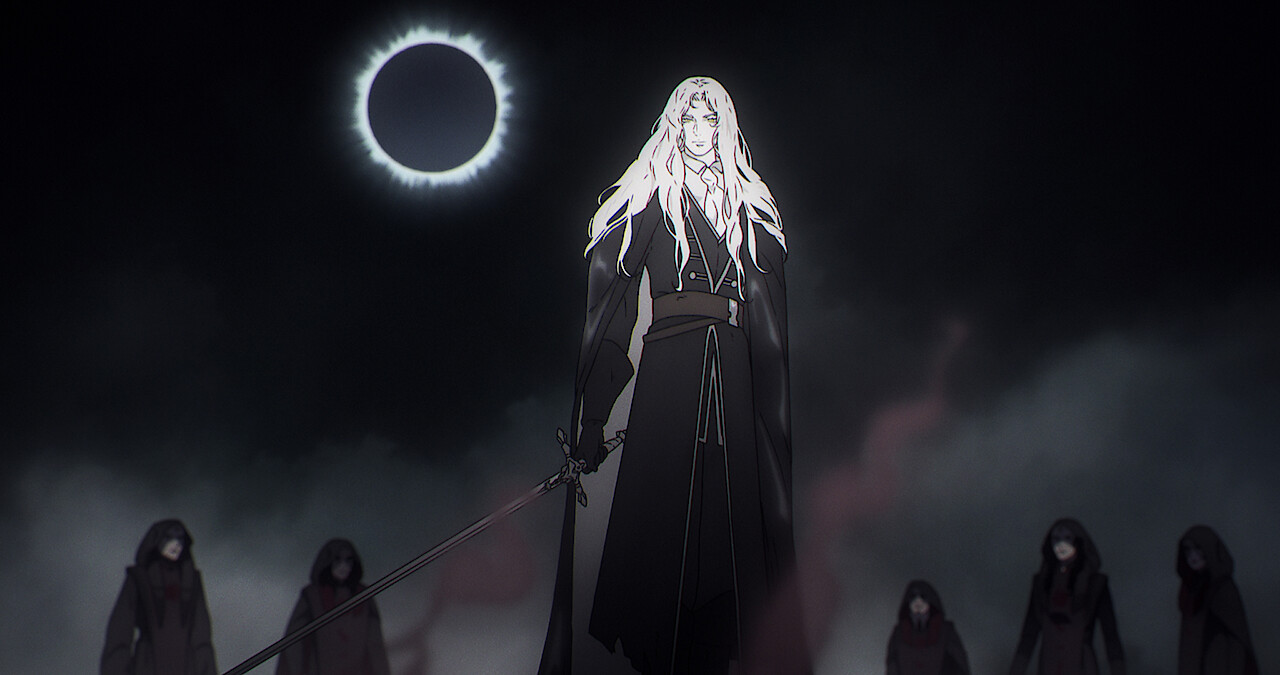
At the end of Season 1, the heroes have a new member of their team: Alucard, the son of Dracula, who’s voiced by James Callis from the original Castlevania series.
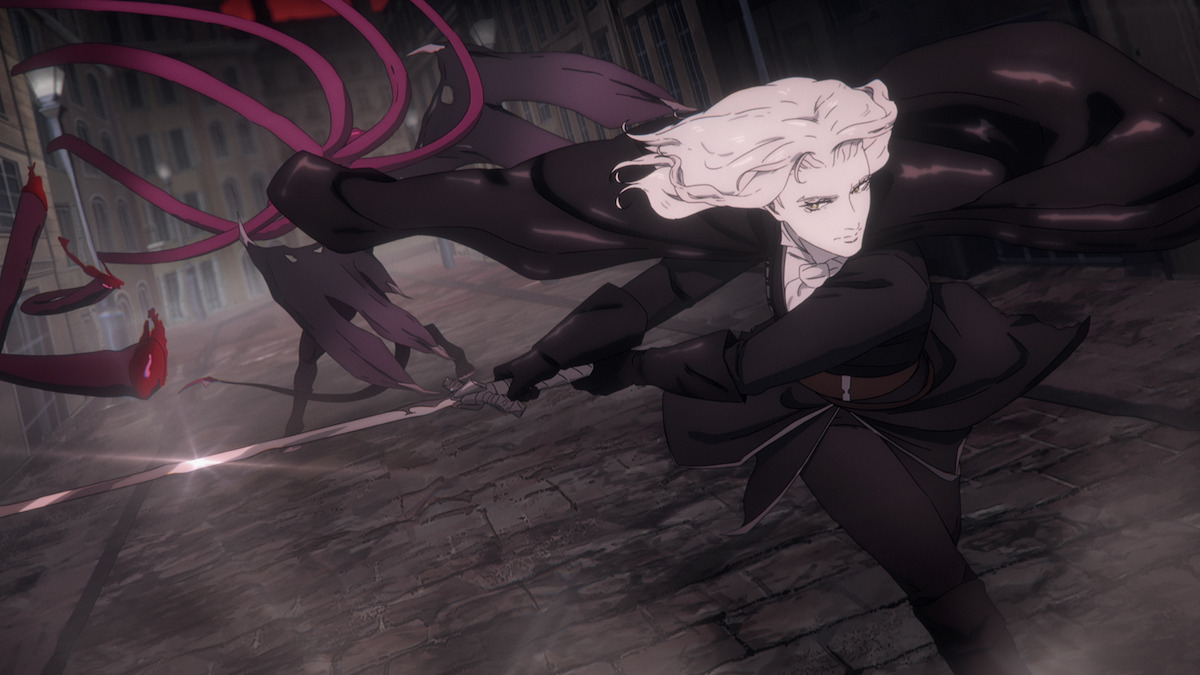
Season 2 embarks on a new journey with the reenergized team. “Alucard is going to lead Richter and Annette to Paris to try and find the last element that would allow Erzsebet to achieve the full power of Sekhmet and become even more powerful than she was in Season 1,” says Kolde.
Fans go crazy for Alucard because he’s “mysterious, charismatic, and powerful,” says Bradley. “He’s half vampire — he has some of the powers of a vampire, but [he’s] not a vampire — so he inhabits that twilight world [with a] foot in both camps.”
Kolde says Alucard becomes something of a reluctant mentor to Richter and Annette. “I think Alucard has seen a lot of Belmonts during his time, but he finds a little bit of annoying joy with Richter,” he says.
Is Alucard’s name really “Dracula” backwards?
You bet! “I think he had a very narcissistic but unimaginative father,” says Bradley.
Where does Season 2 of Castlevania: Nocturne take place?
Season 2 wanders the French countryside between Machecoul and Paris, but there’s an occasional new location: Egypt. “Alucard’s research into Sekhmet has taken him to an ancient Egyptian temple, and we were flown there a few times,” says Bradley.
Where can I see the Castlevania: Nocturne Season 2 trailer?
Scroll up to the top of this article for just a drop of the bloody delights to come.
Can we expect more opera in Season 2?
Oui, oui! “There’s going to be more great singing from Sydney James Harcourt playing Edouard,” Bradley says. In Season 1, Harcourt performed several operatic jams, including “Dido’s Lament” from English composer Henry Purcell’s 17th-century opera Dido and Aeneas.
What happens between Annette and Richter in
Season 2?
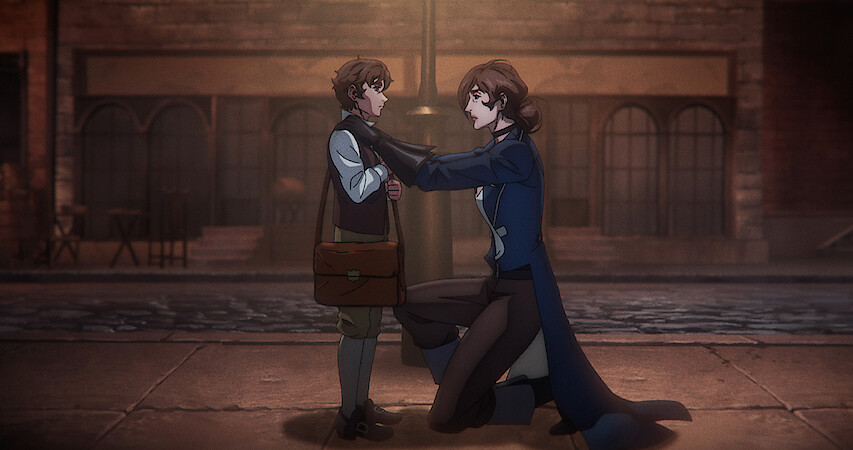
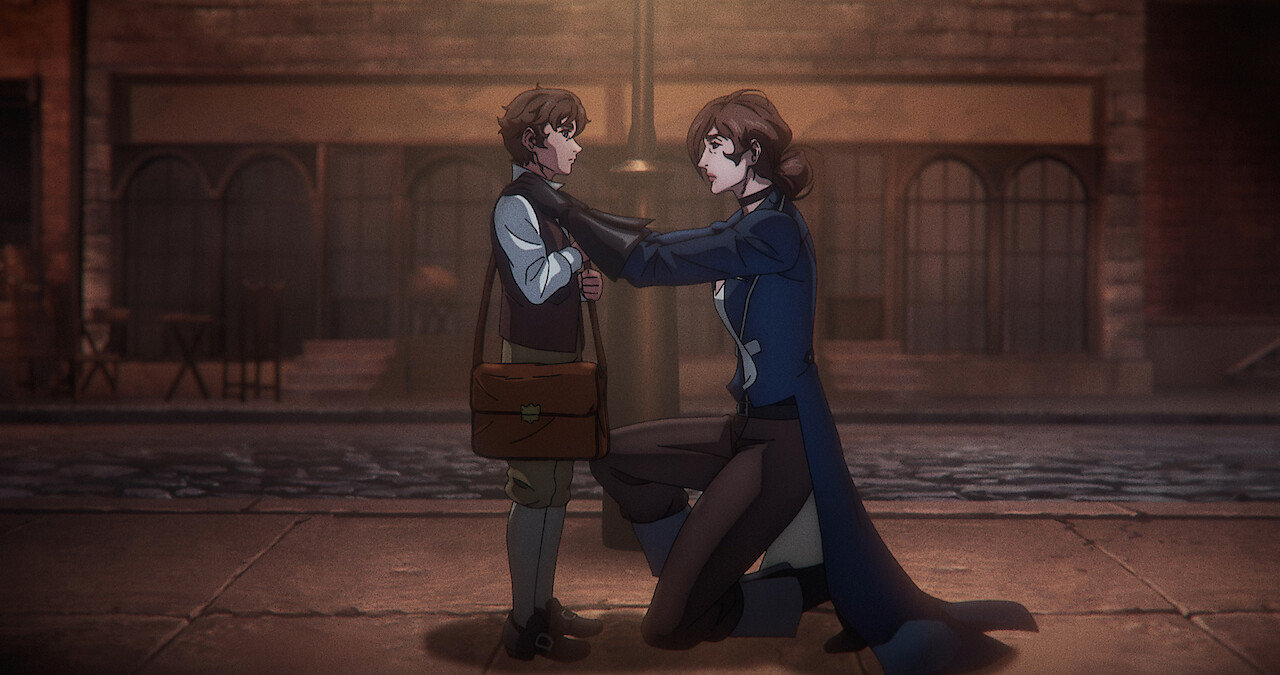
The relationship between Richter and Annette is at the heart of the show and continues to evolve in Season 2, according to Kolde. “[Annette’s] being haunted by these images and spirits, and she’s trying to understand what’s going on,” he says. “[If] she can figure out how to communicate with them the right way, to calm herself to listen, [she’ll realize] they’re really trying to communicate with her what she needs to do for her role in stopping Erzsebet.”
Who’s in the voice cast of Castlevania: Nocturne Season 2?
- Edward Bluemel (Persuasion, The Commuter, The Halcyon) as Richter, the tough young hero who’s continuing the family tradition of vampire hunting. “There’s a uniqueness and youth to him, which really brings a lot to the character,” says Bradley.
- Pixie Davies (The Magician’s Elephant, Mary Poppins Returns, Miss Peregrine’s Home for Peculiar Children) as Maria, a natural leader who’s fighting inequality in her country and also a magic user battling the vampire elite. “Pixie is a very young actress, [and she’s] sensational,” says Bradley. “She absolutely is Maria, and delivered way beyond her years [with] the nuance and depth of the character.”
- Thuso Mbedu (The Woman King, The Underground Railroad, Is’Thunzi) as Annette, who used her power and wits to escape vampire-enforced enslavement in the Caribbean and now wields magic to stop the impending apocalyptic threat. “Thuso is fantastic,” says Kolde. “We were amazed and lucky to get her. Her emotional vulnerability [and] humor is great.”
- Sydney James Harcourt (I’m Not Gay: A Musical, Hamilton) as Edouard, who left his life as a talented opera singer to aid and accompany Annette. In Season 1, he becomes a night creature, but his soulful nature lives on behind his monstrous form.
- Nastassja Kinski (Inland Empire, Cat People, Paris, Texas) as Tera, a mother and mentor to young vampire hunters and magic users, who has her own share of past trauma to bear. At Season 1’s end, she sacrifices herself and becomes a vampire. “Nastassja brings a great, grounded emotionality to the role and to the relationship, especially with Maria,” says Kolde. “There’s a real sadness to it.”
- Zahn McClarnon (Reservation Dogs, Dark Winds, Fargo) as Olrox, who killed Richter’s mother years ago and now must decide whether he can stomach teaming up with his sworn enemy in order to stop vampiric world domination.
- Franka Potente (Titans, Run Lola Run, The Bourne Identity) as Erzsebet Báthory. She’s the queen of vampires and, if all goes as planned, of the entire world. (Her character is very loosely based on the various folkloric stories and contested histories surrounding a real-life noblewoman.)
Also in the voice cast are James Callis, Richard Dormer, Iain Glen, Elarica Johnson, and Aaron Neil.
Is Castlevania: Nocturne based on a video game?
The Castlevania anime series is part of the Castlevania constellation of video games by the Konami company, including toys, manga, graphic novels, and more. But Nocturne is a stand-alone series that expands on the Castlevania world, loosely based on the 1993 game Blood of Rondo.
Is Castlevania: Nocturne based on real history?
While vampires and night creatures aren’t real (at least, we hope not!), the series is influenced by some historical events. The plot of Castlevania: Nocturne takes its cues from the French Revolution and the legends of Hungarian noblewoman and alleged serial killer Erzsébet Báthory (1560–1614).
Bradley says the story’s origin comes from a note in the 1993 Castlevania game Blood of Rondo, which sets the world in 1792. Bradley realized it was the era of the French Revolution, and he says, he “wondered how that would play if you had vampires around.”
“Season 1 is set in Machecoul, which is in the Vendée, where the big counterrevolutionary war took place, starting a little bit after 1792,” says Bradley.
Kolde was intrigued too. “When Clive originally was talking about setting the story in the Revolution, the thing that resonated with me [was]: This is where vampires would be,” he says. “They’re parasites. They live off of other people.”
Annette’s character was also pulled from history. “The most radical thing the French Revolution did was to [attempt to] abolish slavery, a long time before it was abolished in America or anywhere else,” says Bradley. “The slaves had already [overthrown the ruling class] in a French colony. And so you couldn’t really tell the story of the French Revolution without telling the story of the Haitian Revolution. And so the character of Annette grew out of that.”
When did the original Castlevania series premiere?
Castlevania: Nocturne’s predecessor, Castlevania, premiered on Netflix on July 7, 2017. It continued for four seasons, which you can rewatch here.
And if you want to catch up on Season 1 of Castlevania: Nocturne, sink your fangs into every episode here.