If it seems like a good chunk of your friends got into Formula 1 racing in the last couple of years, you’re not alone. Spend a Sunday morning on Twitter during racing season, and you’ll see a wealth of contextless tweets about Lewis Hamilton, Max Verstappen or Daniel Ricciardo — and a few people tweeting, “They should put on new tyres,” and spelling it that way for some reason. It may be surprising to see such a drastic amount of US interest in a primarily European auto racing sport, but the reason for this shift is simple: Drive to Survive, the compelling docuseries about F1 racing that begins its fourth season in March by recapping the 2021 World Championship.
Since the show debuted in 2019, ESPN has reported that its average number of viewers per race rose to 928,000 in 2021, versus 547,000 in 2018. “I think [Drive to Survive has] got to be the single most important impact for Formula 1 in North America,” Zak Brown, chief executive of F1 team McLaren Racing, told The New York Times. Another Netflix docuseries, Race: Bubba Wallace, could reignite interest and create new fans for NASCAR the same way Drive to Survive did for F1.
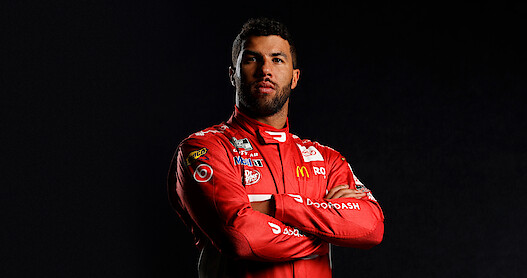
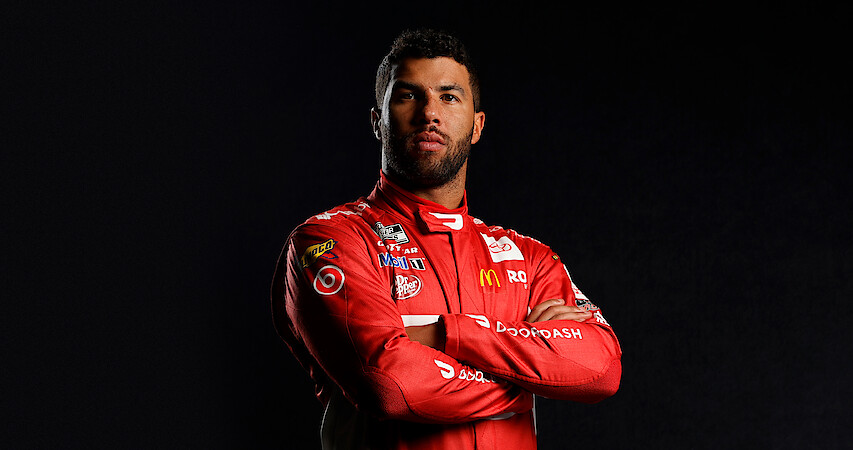
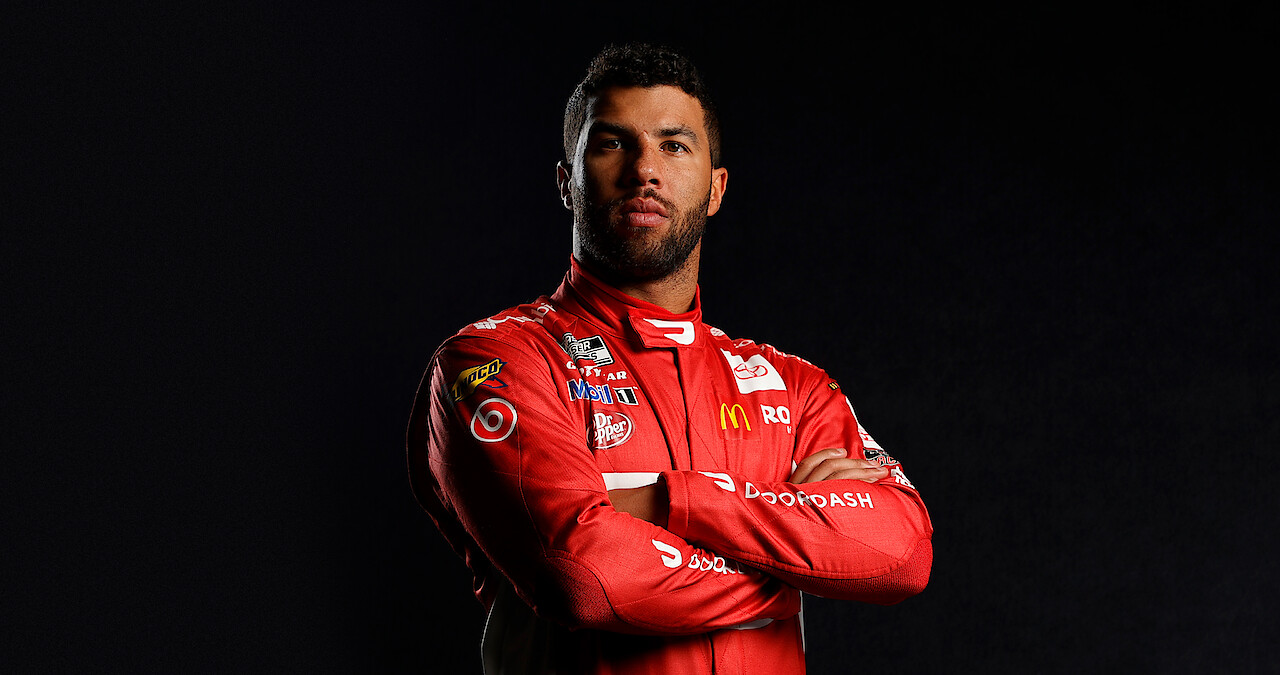
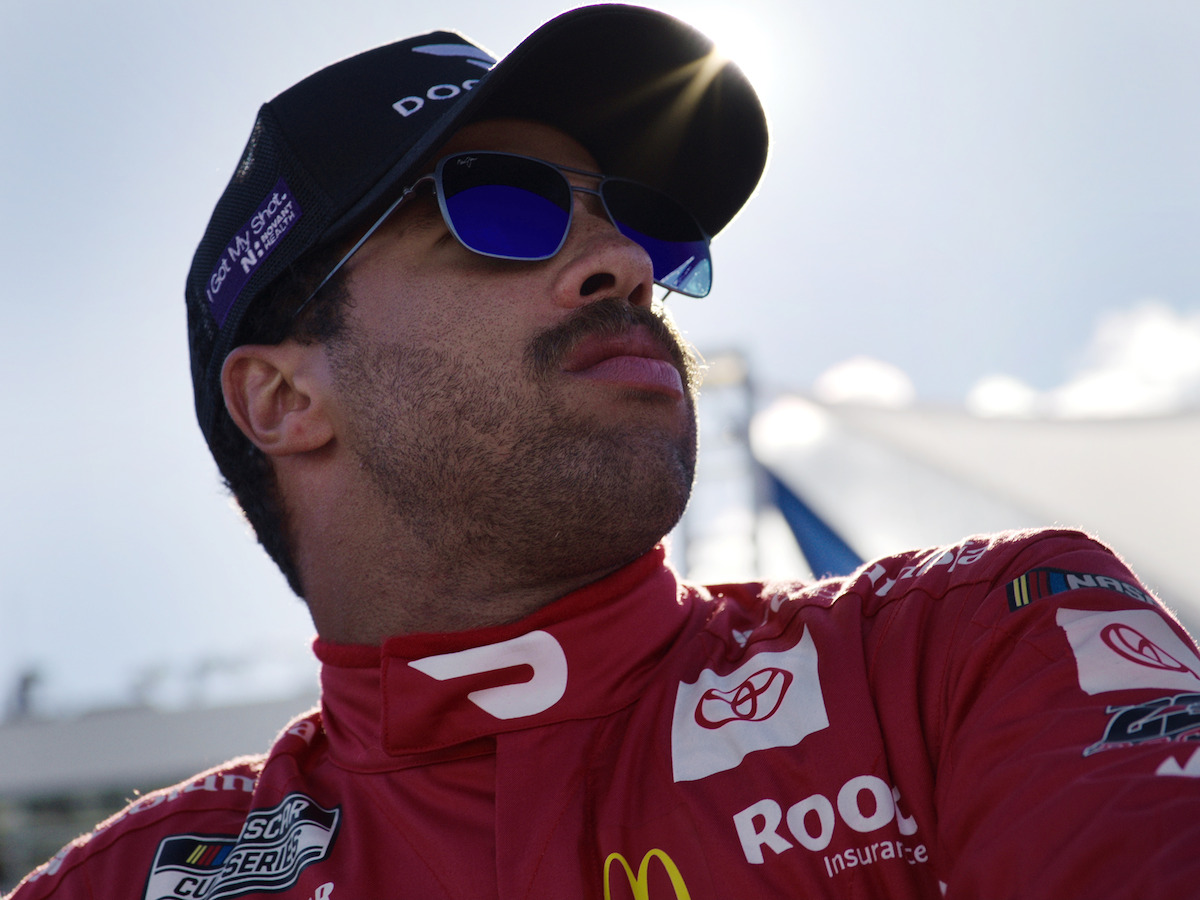
Where Drive to Survive recaps the previous F1 season, highlighting the drivers, teams and drama happening in the paddock and beyond from week to week, Race applies that formula to one driver and one team: Bubba Wallace, the only Black driver racing in NASCAR’s Cup Series for the newly formed 23XI Racing, which is owned by Michael Jordan and driver Denny Hamlin. Though they only hit the track in 2021, Jordan, Hamlin and Wallace teaming up was one of the biggest offseason stories for the sport.
Drive to Survive’s success in translating the show’s popularity into real-world fandom should be an aspirational model for sports leagues hoping to grow and maintain their audiences. In Drive to Survive, viewers see behind-the-scenes footage of a wealth of personalities: the goofily charming Ricciardo; the steely, soft-spoken champion Hamilton; his stoic and entitled adversary Verstappen; the icy but charismatic team principals Toto Wolff and Christian Horner; and many others. The series demystifies a sport that’s largely been ignored by American audiences who are historically skeptical of European sporting events — try explaining the rules of cricket or rugby — and its humanizing portrayals of life in racing make viewers feel invested in the on-track successes of the drivers and teams. Race: Bubba Wallace accomplishes the same feat. It covers Wallace’s rise from upstart race car driver climbing the NASCAR ranks, his experiences with racism and his newfound social activism, his daily struggles with depression, and an in-depth look at life in the grueling NASCAR series. Few documentaries about NASCAR have had this level of access and as many emotionally resonant storylines about adversity and resilience.
Because Race: Bubba Wallace focuses only on Wallace and none of NASCAR’s other full-time drivers, the show might not be broad enough to draw massive new numbers to NASCAR. But if the series can generate a sliver of the attention that F1 got from Drive to Survive, it would be a huge win for the sport, which has been in a transitional phase for the past several years. While NASCAR’s ratings have steadily declined since 2005, not stabilizing until 2020–2021, the league has come to a moment where it must look toward the future. Since 2015, some of its most notable and well-known drivers — Jeff Gordon, Tony Stewart, Dale Earnhardt Jr., Jimmie Johnson and Danica Patrick — have retired, leaving a new guard to win over longtime fans and bring in new ones. Among them are 20-somethings Chase Elliott, Kyle Larson, Ryan Blaney and, of course, Wallace. As NASCAR changes, it hopes to appeal to younger and more diverse audiences. With a new presence on social media platforms like TikTok, and bolstered by a Morning Consult marketing research poll that found the league to be the ninth fastest-growing brand among millennials and Gen Z, NASCAR hopes Race: Bubba Wallace will only further boost the sport’s popularity.
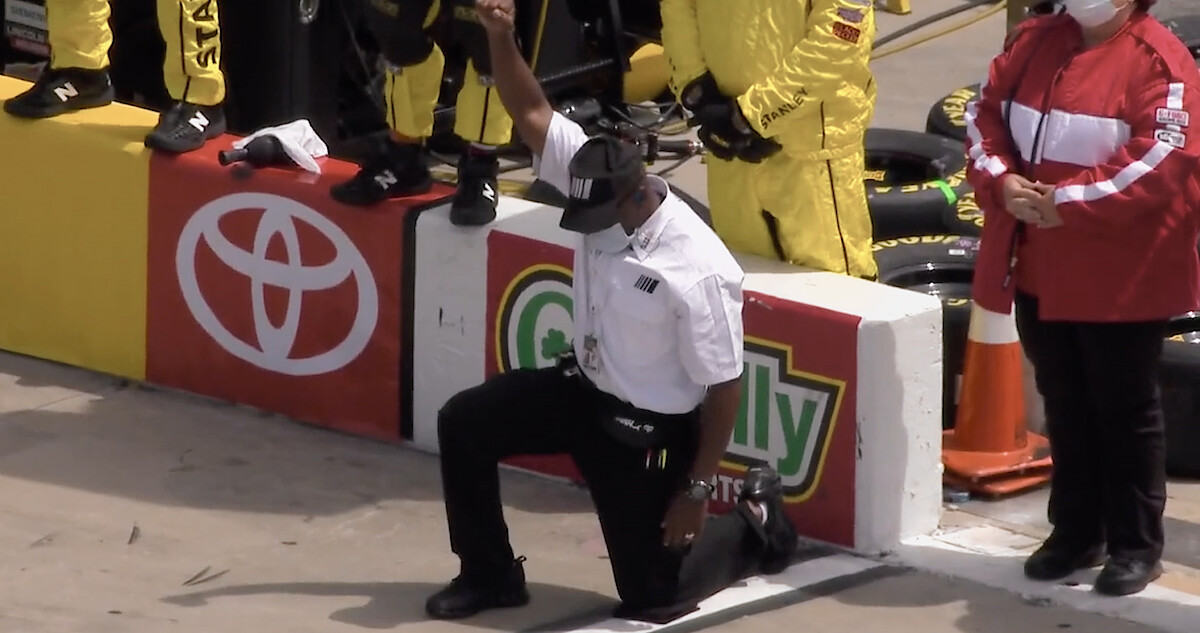
In 2020, Morning Consult found that Wallace was NASCAR’s most well-known driver, with “63% of US adults [having] heard of Wallace, a larger share than any other active driver.” Perhaps more importantly, “1 in 4 Black adults said they are ‘much more’ interested in NASCAR based on the new Jordan-Wallace team.” Wallace’s win at Talladega Superspeedway in 2021 has drawn people who previously felt unwelcome at NASCAR thanks to its racist history or were indifferent to the sport as a whole. This important cultural shift is vital to the future of NASCAR. Race: Bubba Wallace understands this by highlighting Wallace’s turbulent 2020. After George Floyd’s murder, Wallace was compelled to highlight racism and social injustice in NASCAR and beyond on his platform. At his request, NASCAR finally banned Confederate flags from races (the sport got a ratings bump after the decision), and a noose found in his garage galvanized the entire league to stand behind Wallace. (An FBI investigation concluded the noose was not a hate crime and had been in that garage for years.)
Race: Bubba Wallace doesn’t shy away from hard truths about NASCAR’s historically poor track record with racism and takes pains to capture the pressures that Wallace faces. This unflinching perspective as well as Wallace’s charm, vulnerability and on-track successes with 23XI have the potential to get people on board with a sport commonly associated with regressive politics and antiquated sensibilities.
NASCAR isn’t the only sport hoping to capitalize on well-produced docuseries growing and reinvigorating their audiences. Just this year, both the PGA Tour as well as the ATP and WTA tennis leagues announced two new series with Drive to Survive’s production company Box to Box Films. This influx of new docuseries and the success of Drive to Survive send a clear message to sports leagues everywhere: The on-field, on-court and on-track product isn’t enough. Audiences crave an emotional investment and an understanding of the inner workings that turn athletes into champions. By showcasing Wallace front and center in an honest and engrossing way, while not glossing over NASCAR’s controversies and history, Race: Bubba Wallace delivers just that.