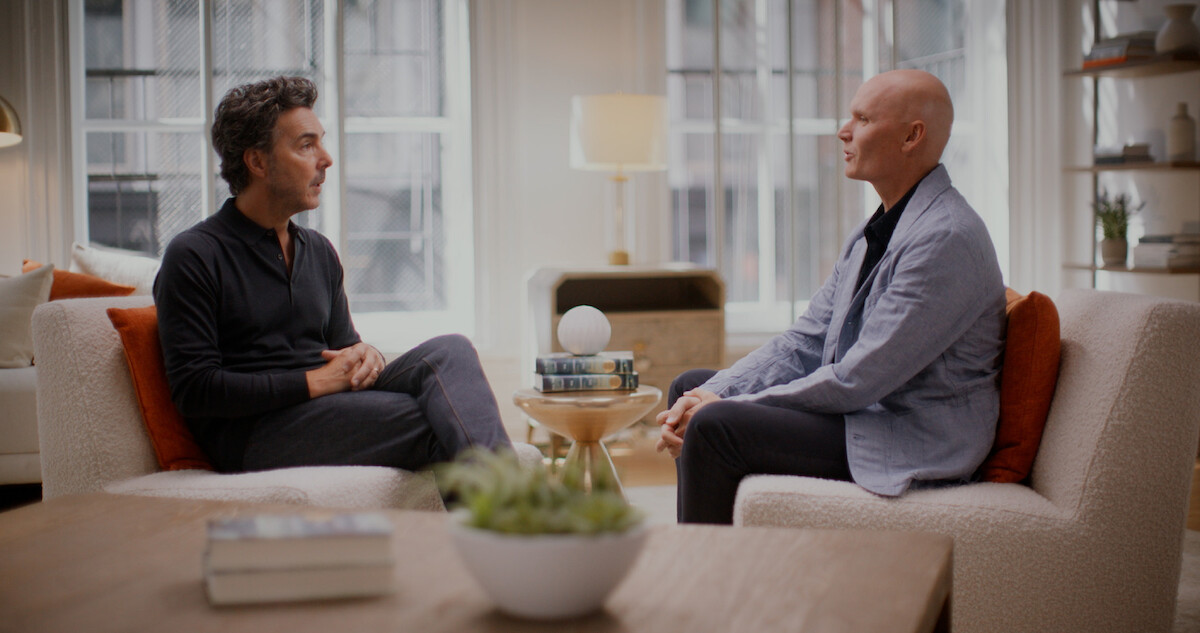
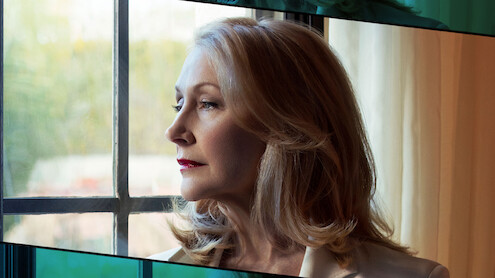
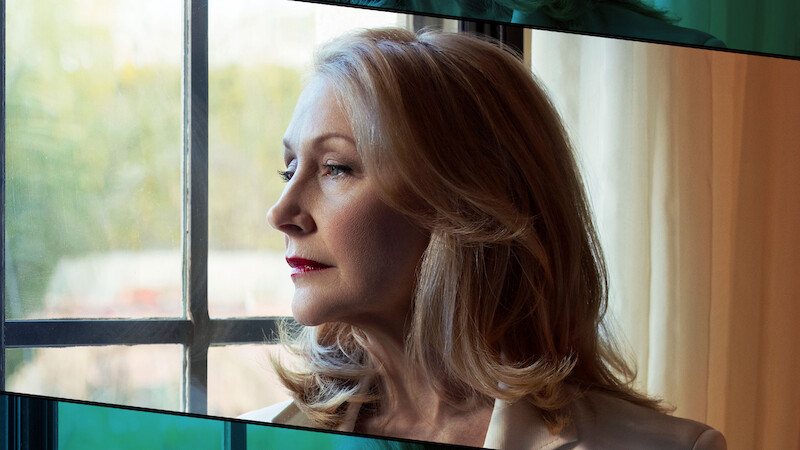
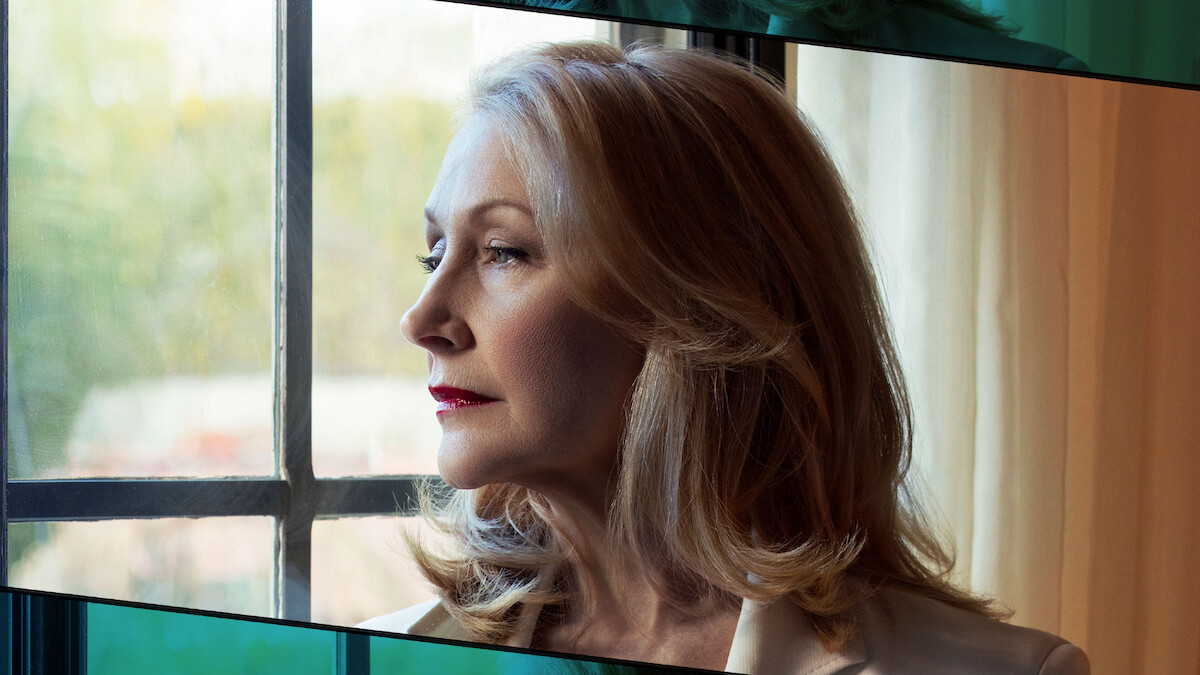
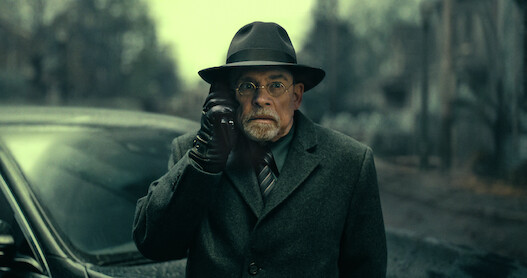
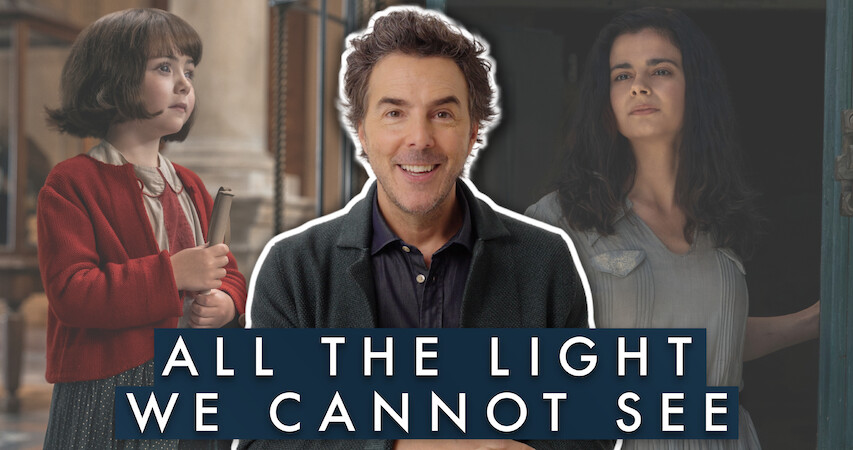
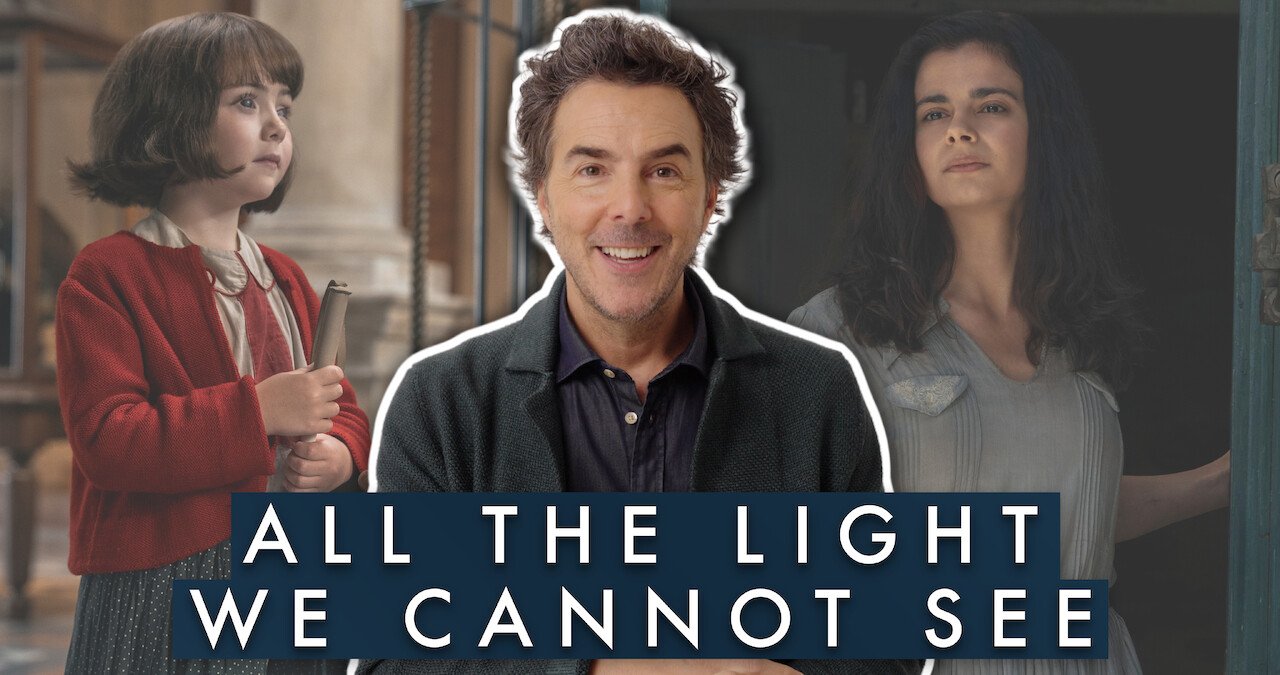
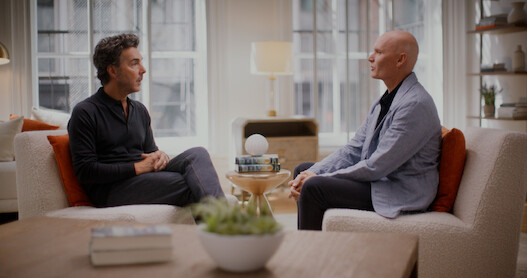
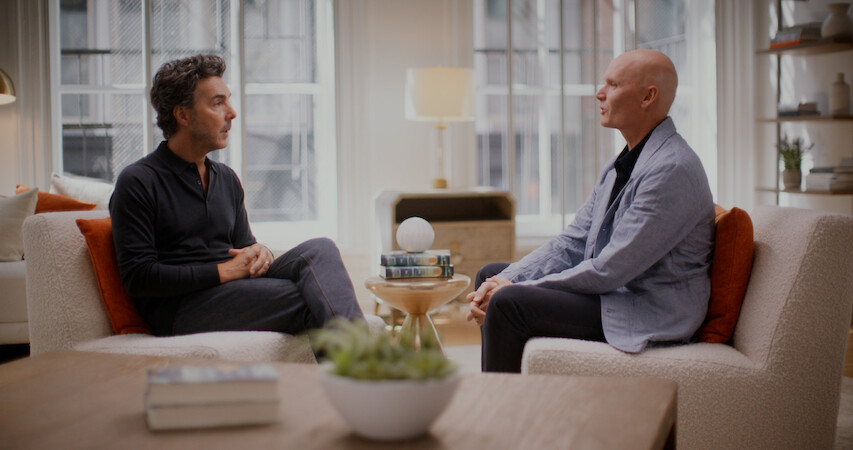
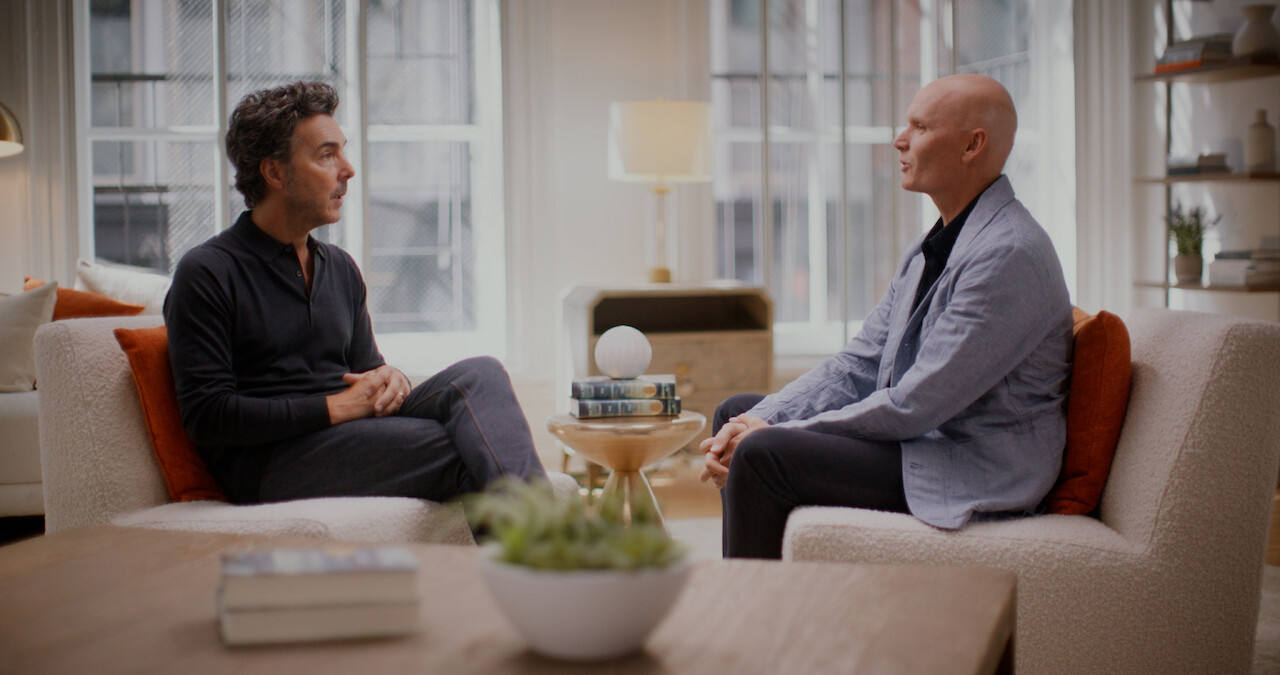
When Shawn Levy began production on the adaptation of Anthony Doerr’s Pulitzer Prize–winning novel, All the Light We Cannot See (you can stream it now), he had one big question to answer: “Who will be my Marie?”
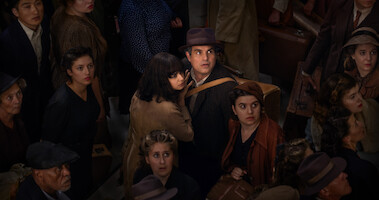
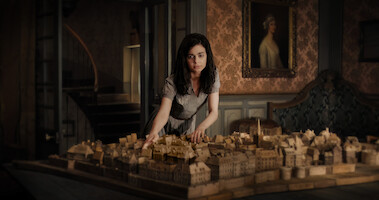
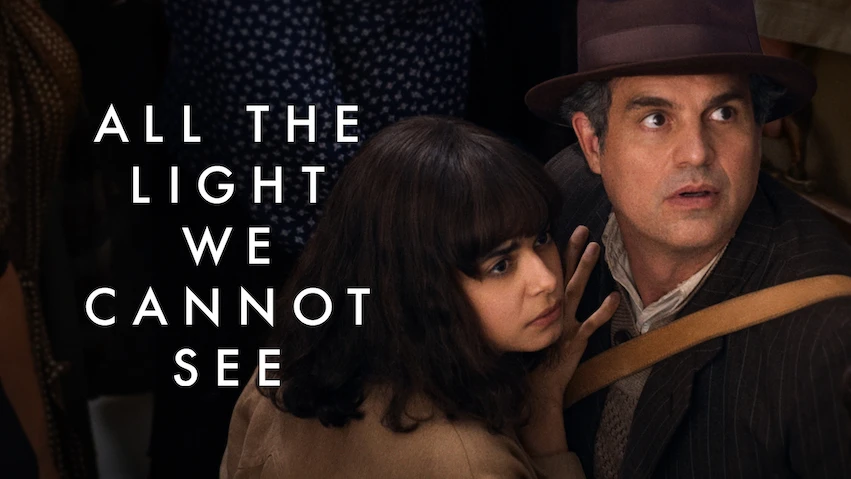
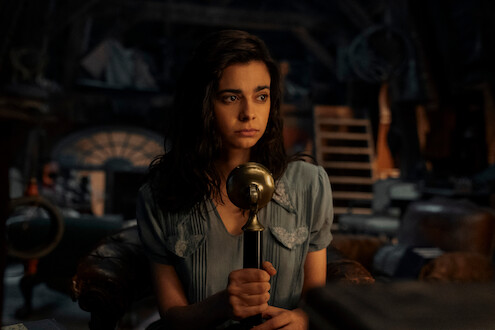
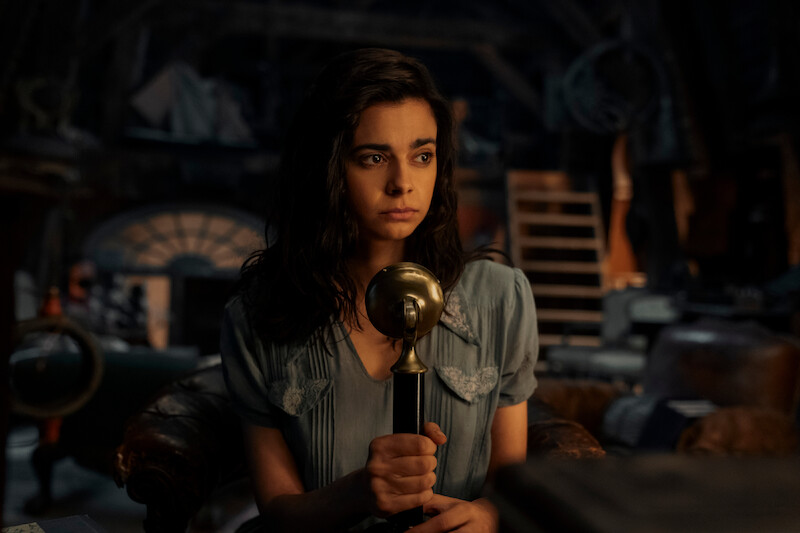
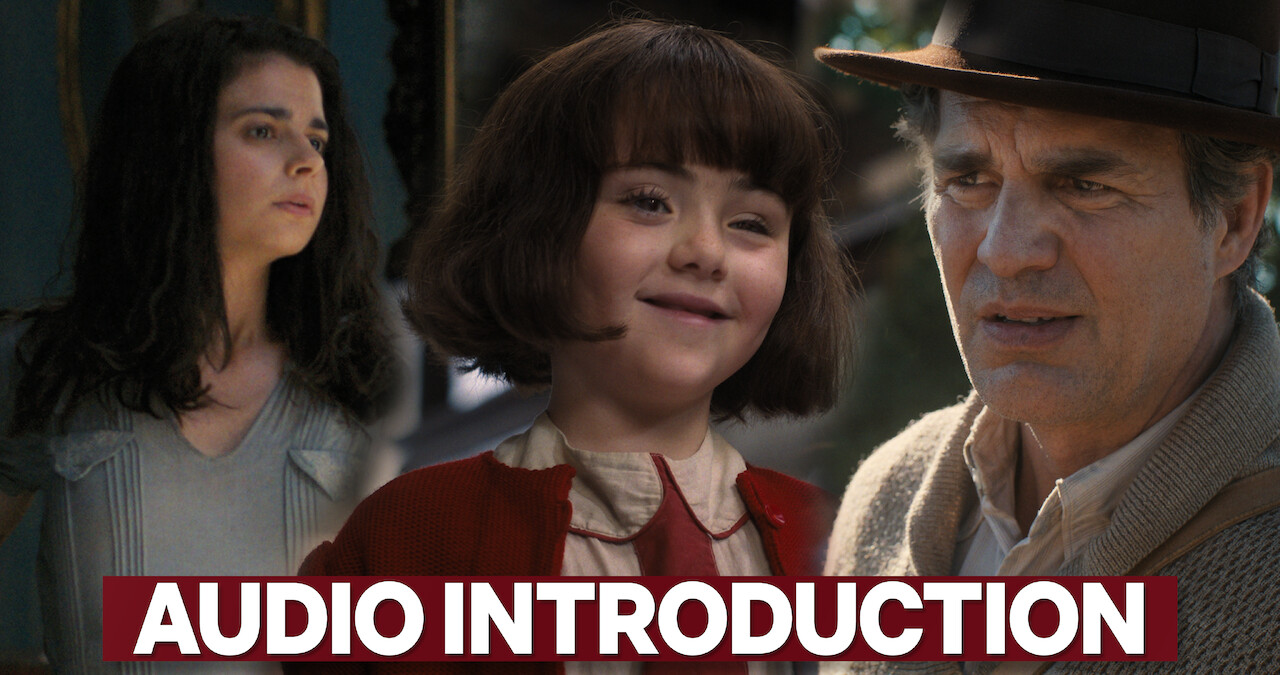
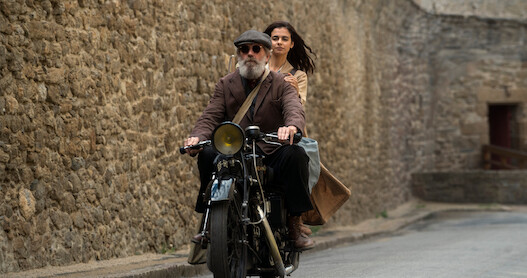
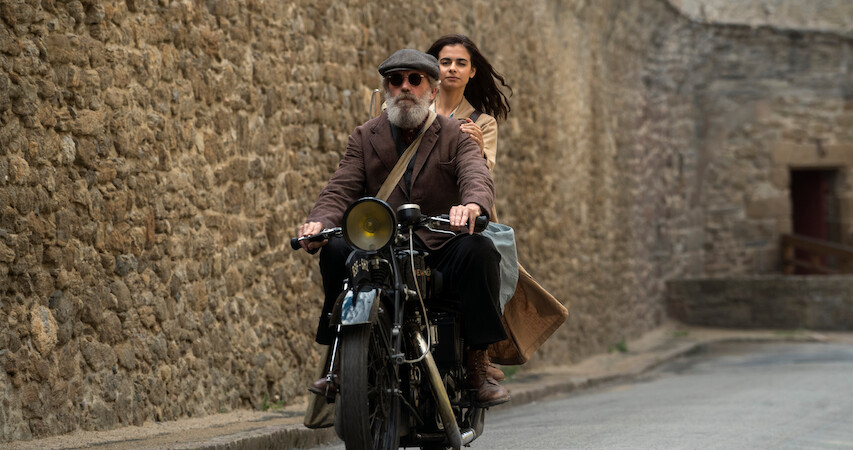
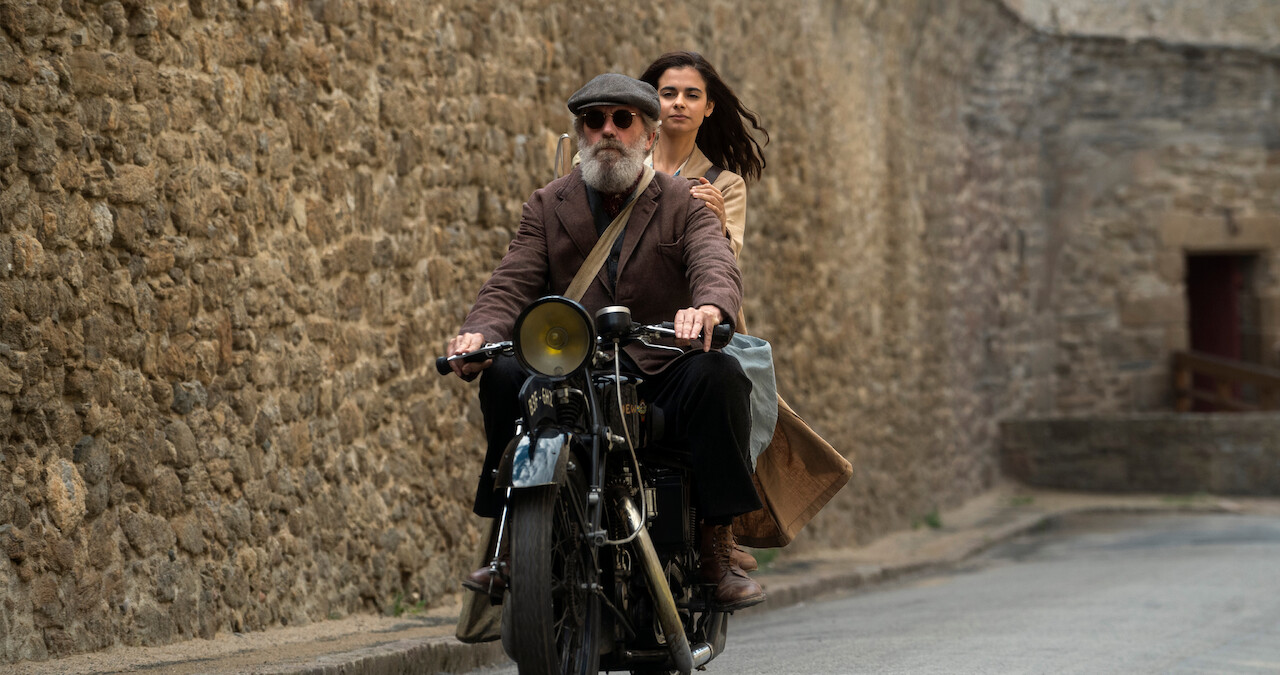
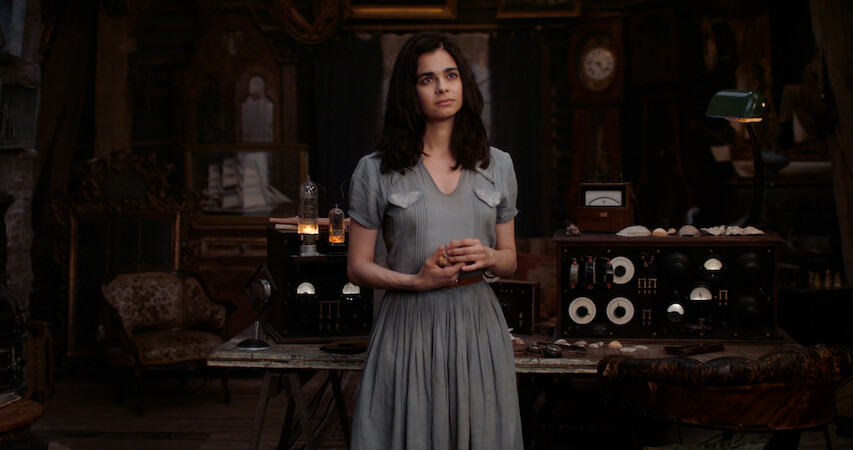
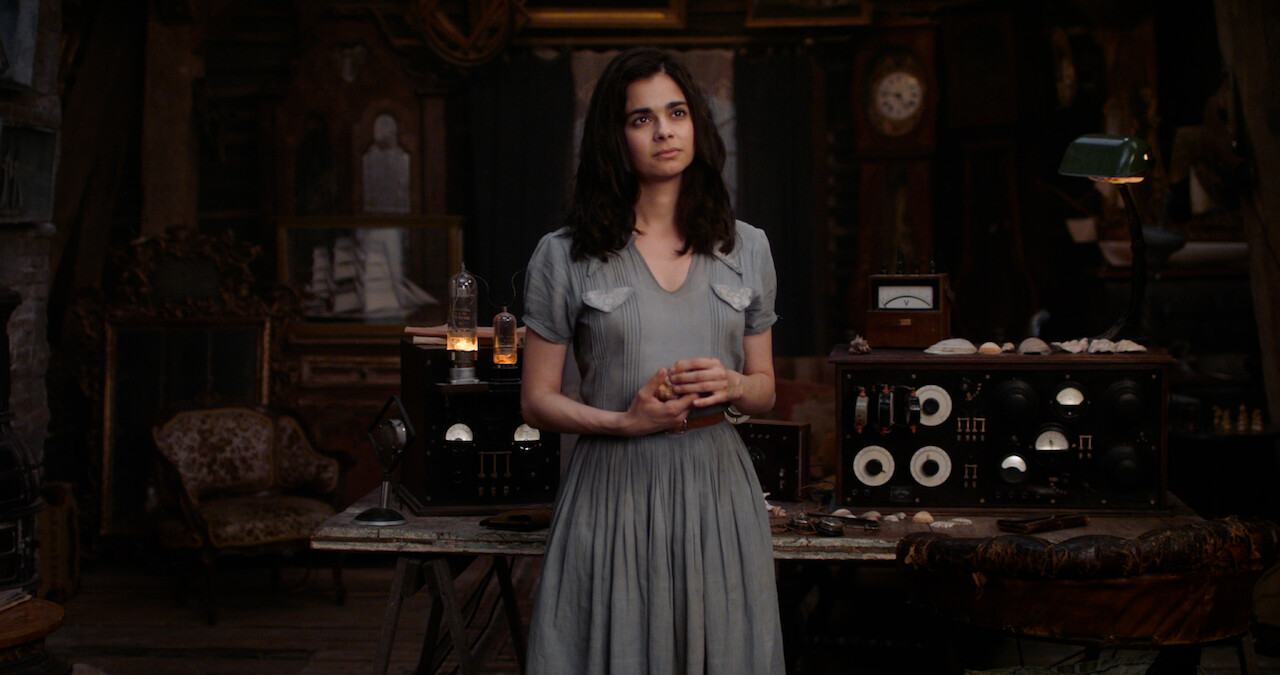
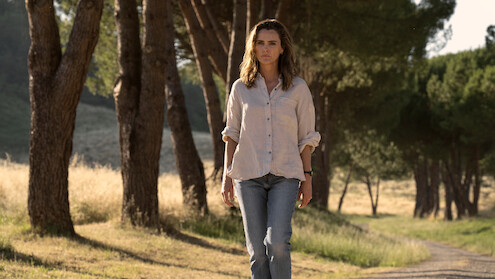
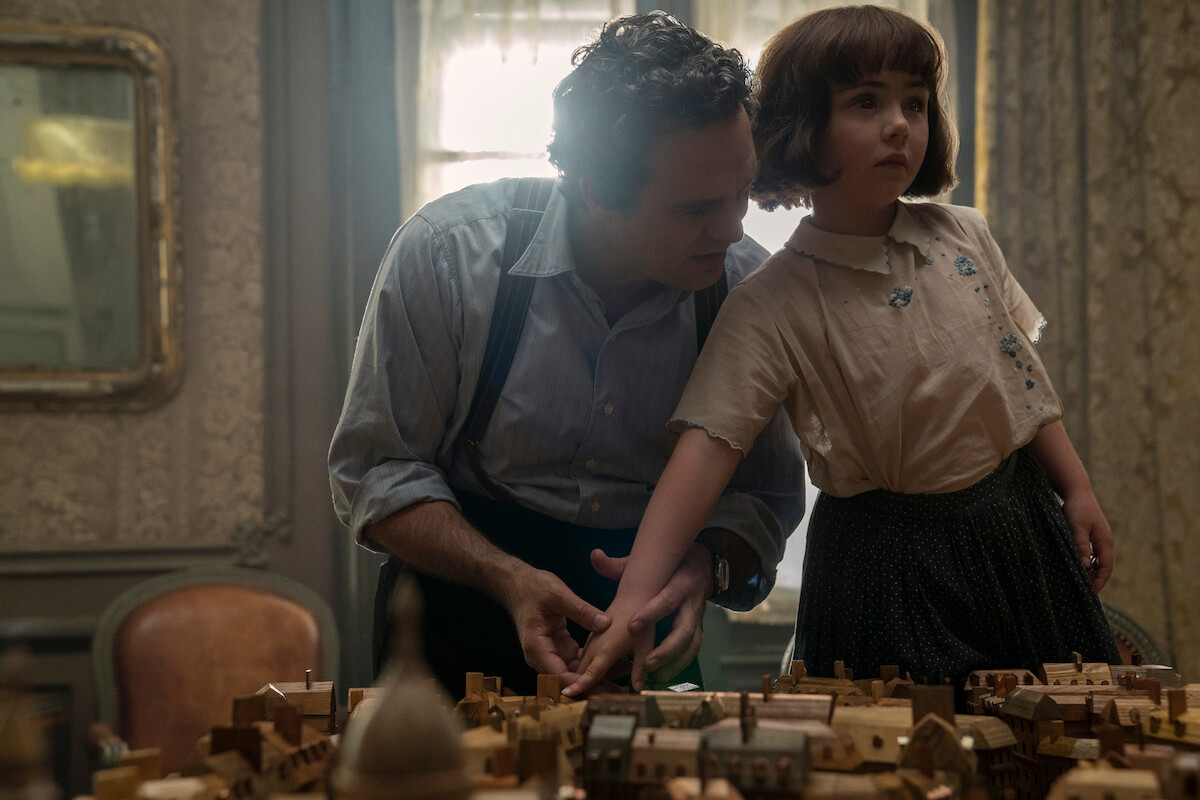
The character in question is Marie-Laure LeBlanc, a blind French girl who flees Paris with her father (Mark Ruffalo) during World War II to seek refuge at her uncle’s (Hugh Laurie) house in Saint-Malo. “She’s the heroine of the book,” said Levy, who directs and executive produces the series. “She has a persistence of hope against a backdrop of darkness.”
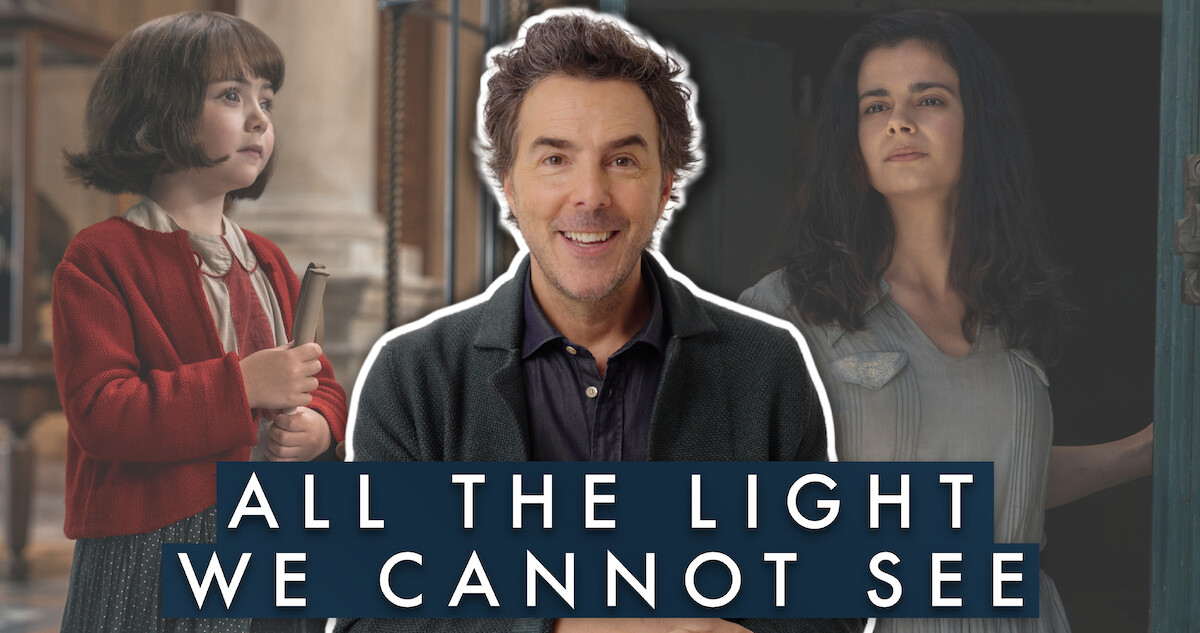
“This story is massive,” continued Levy, noting that it only felt right to cast an actor who is blind in the role. He had already found someone to portray the younger version of Marie-Laure, an actor who is blind named Nell Sutton. “There was such an innate sweetness and hilarity to Nell that just knocked me out. I was instantly obsessed with her,” said the director.
Atsushi Nishijima/Netflix
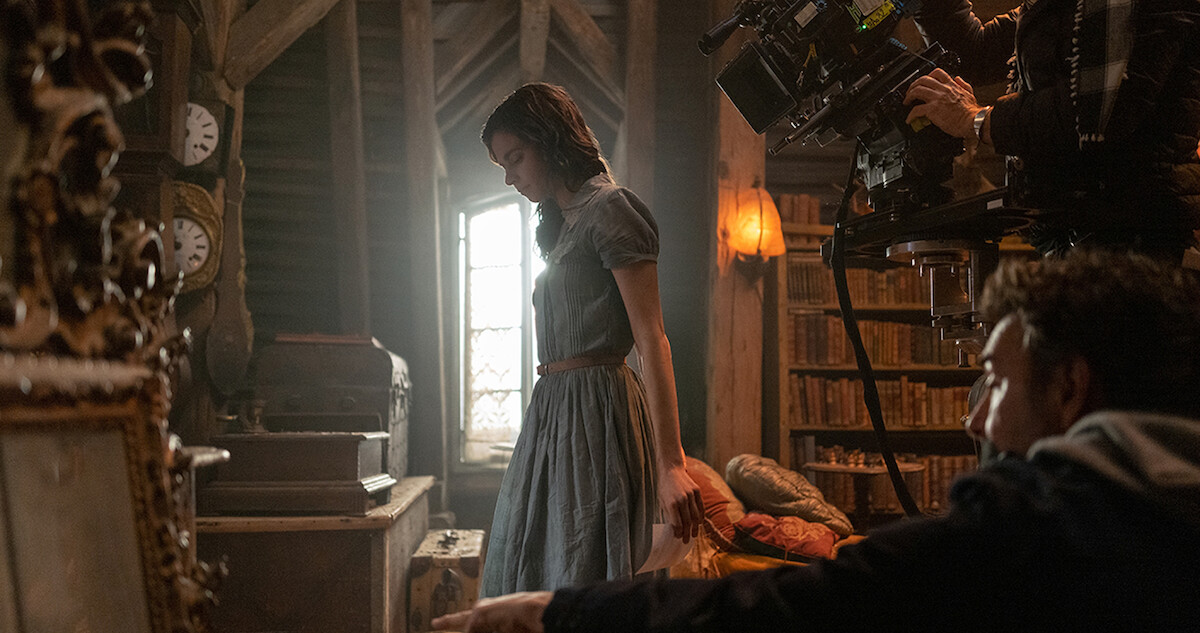
“To have Marie-Laure played by someone who understands what it’s like to walk that road — that’s valuable detail and nuance that impacts and informs every frame of this series,” said Levy. Adds show writer Steven Knight, “There’s an authenticity about physical action that could only have come from having people who live without sight.”
Thus began a global casting search to find teenage Marie-Laure…
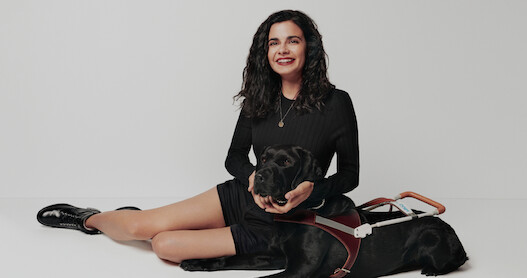
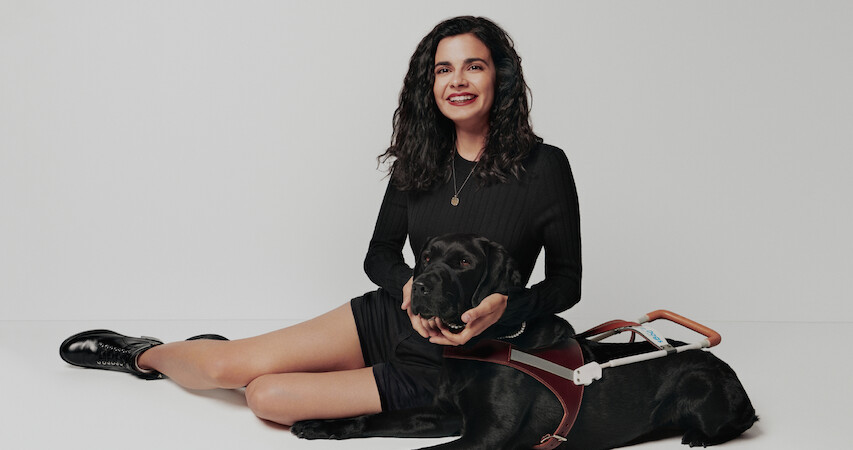
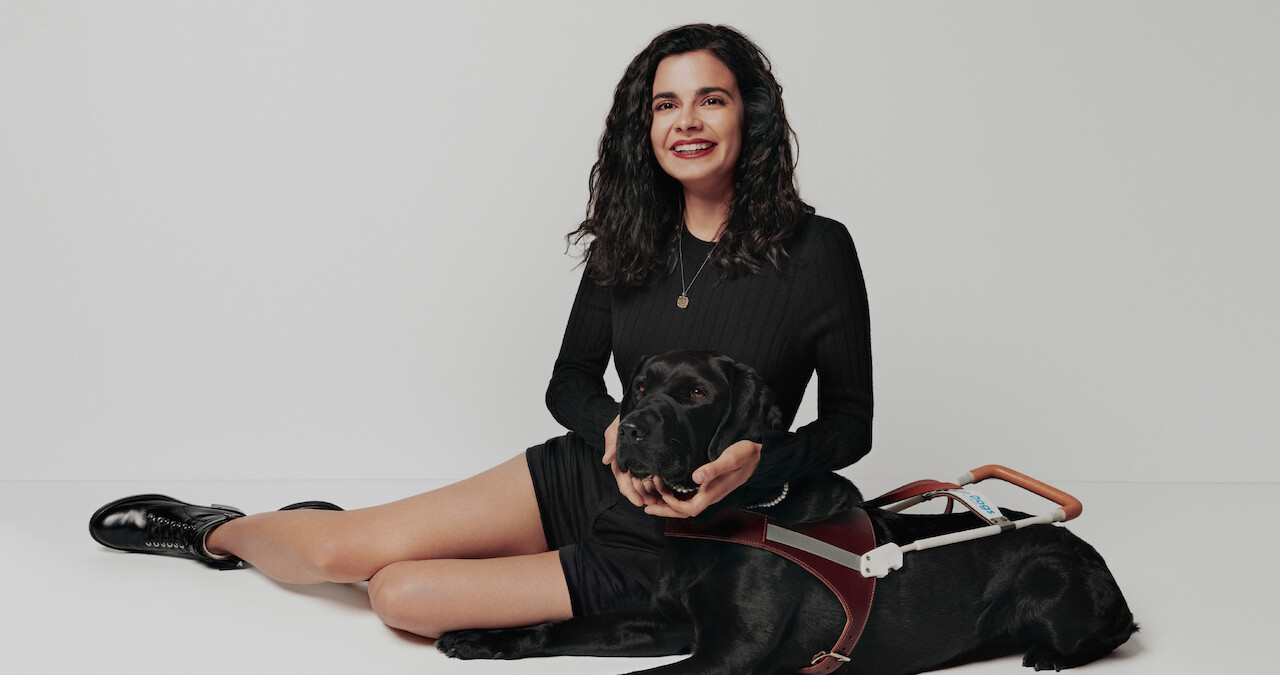
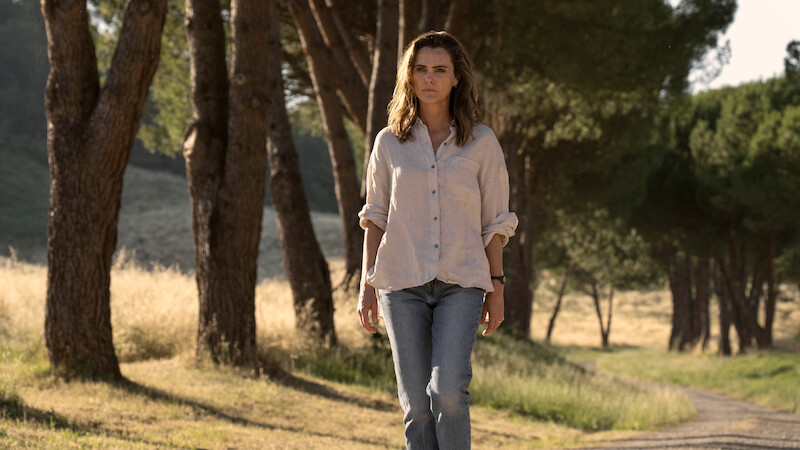
Among the thousands of videos that were submitted of hopeful actors reading for the role of teenage Marie-Laure, one of them — as Levy put it — was a “unicorn of a discovery.” Enter Aria Mia Loberti, who had just returned home from an academic trip to England. The young scholar, who’s legally blind, was about to begin studying for a PhD in rhetoric at Penn State when she realized something didn’t feel right.
“I was at a place where I had everything I had dreamed of and worked toward academically,” Loberti told Netflix during production. “But I wasn’t overwhelmingly happy. I felt stuck and out of sorts, and I wasn’t sure why.”
It was almost like the universe was listening because, around that time, Loberti received a text from a teacher out of the blue, pointing her to a casting call for Levy’s limited series. Loberti had never acted before, though she said that it was something she wanted to do, “but couldn’t dream about. You just become used to people telling you what’s possible for you, and you accept it.”
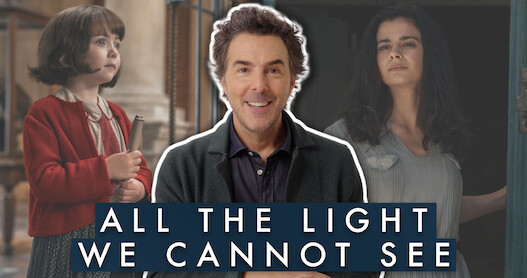
Already a fan of the novel, Loberti decided to shoot her shot. She threw on her grandmother’s 1940s blouse, styled her hair in a little victory curl, and recorded her audition tape in her room — not really believing anyone would ever see it. You can watch that audition and hear Levy’s reaction to it, and Sutton’s tape, in the video below.
Meanwhile, Levy was scouring through thousands of iPhone audition videos when he came across Loberti’s tape. “We knew there was something there,” said Levy. After Zooming with her a few times, the director increasingly realized that this could be something really great. Loberti’s own experience mirrored that of Marie-Laure’s, giving her “an X factor” in the director’s eyes. Doerr was just as “blown away” by Loberti’s performance when Levy sent him the tape. The adaptation “is beautiful, and I can’t wait for everybody to see it,” he said.
And for Loberti’s part, she “wanted this character to be an authentic portrayal of a young girl growing up to become a young woman who’s blind — that’s important for me to bring to the screen.”
Loberti knew that her life was going to change forever when she landed the role, but she still had a lot to learn. Prior to shooting, the rising star shadowed Levy and underwent a quick crash course in film. “Aria brought so much intelligence to this and, frankly, a humility in admitting how little she knew,” said Levy. Go inside Levy’s search for Marie-Laure in the video below.
Even as a newcomer, she instantly impressed her fellow co-stars. “I’m a little jealous because it took me 30 years to be able to do what she showed up and did in two weeks,” Ruffalo joked during production. “Aria has been a revelation. It’s been interesting to see how easily she’s integrated into it.” Laurie echoed that sentiment, describing Loberti as “furiously bright.”
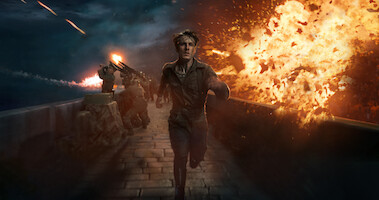
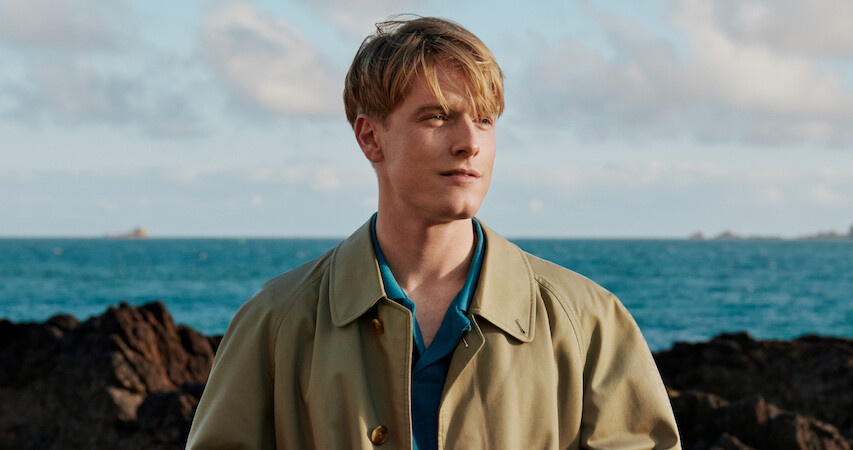
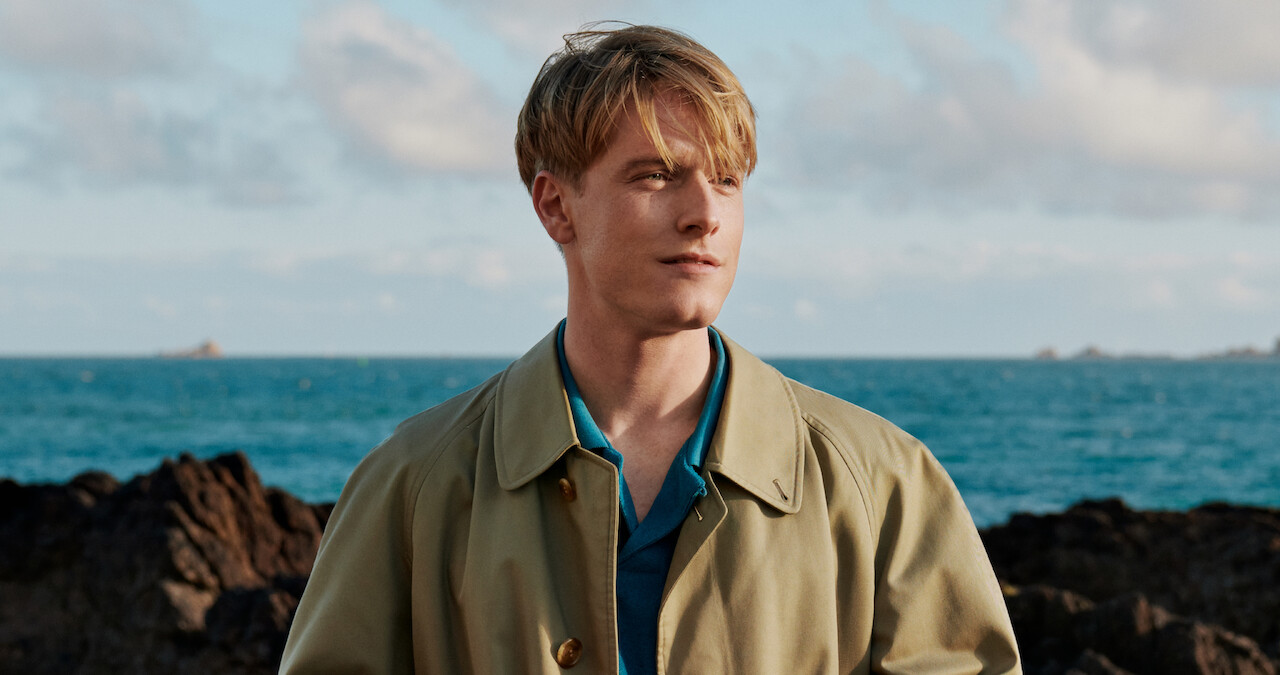
Louis Hofmann, who plays German soldier Werner Pfennig, a brilliant teenager who’s enlisted by Hitler’s regime to track down illegal radio broadcasts, was also bowled over by his co-star’s talent. “It’s so amazing because she’s never been on a set and she is such a quick study,” he said. “She does bring a special depth and truth to her character.”
Looking back on production, Levy recalls a moment when Loberti told him that she’s never seen her face, let alone seen people seeing her own face. “To realize how we all rely on self-perception and the perception of others — how does one build a sense of self in the absence of those building blocks? You have to do it from the inside, and that takes tremendous fortitude,” said the director. And to him, that’s exactly what Loberti brought to the series.
Just like Marie-Laure, Loberti understands that much of life is defined by circumstance, not by choice. Her character is forced to navigate a world ravaged by war, but her disability doesn’t hold her back. “This story isn’t about being blind — it’s about humanity coming together in a time of hardship,” Loberti said. “Blindness is the last thing on Marie-Laure's mind and it’s probably the least relevant part of her identity, but it is the way she explores and feels the world around her.”
Loberti’s own journey from academia to Hollywood isn’t just about overcoming any self-doubt. She knows how important her casting can be to others from marginalized communities who might’ve never allowed themselves to dream too big. “We deserve to not only have a say in telling our own story, but [to] be the hero of that story too,” she told the cast and crew on her last day of filming. “And because of all of you, I found myself, really, for the first time.”
Watch All the Light We Cannot See now.