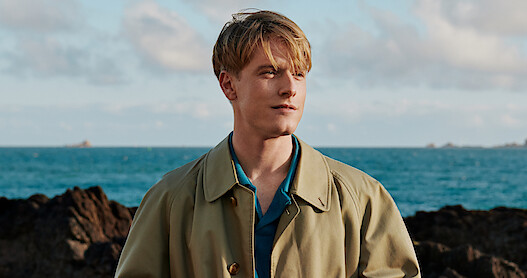
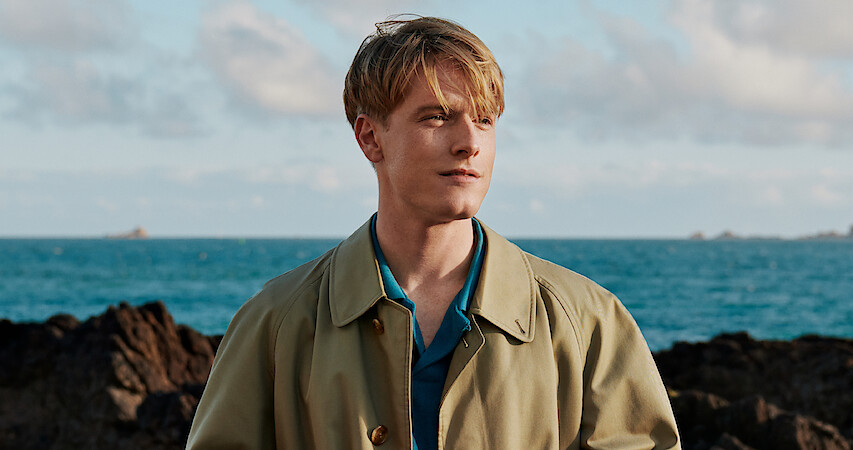
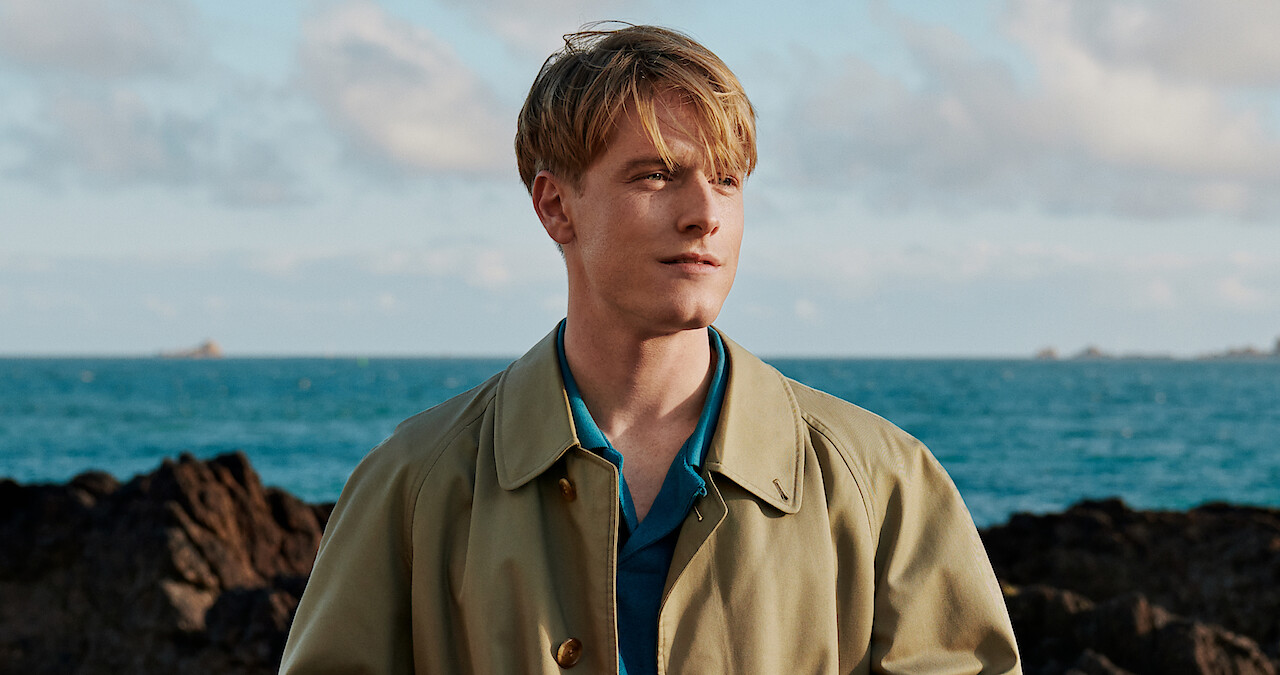
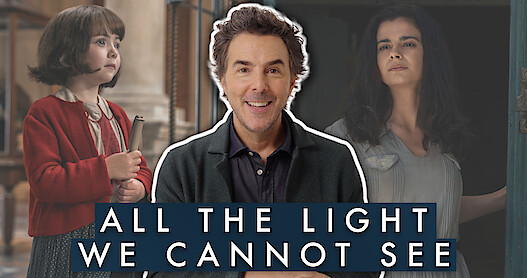
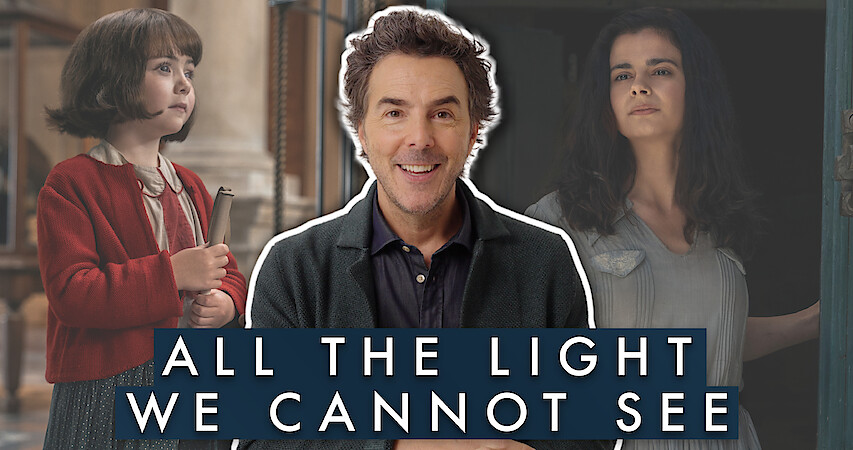
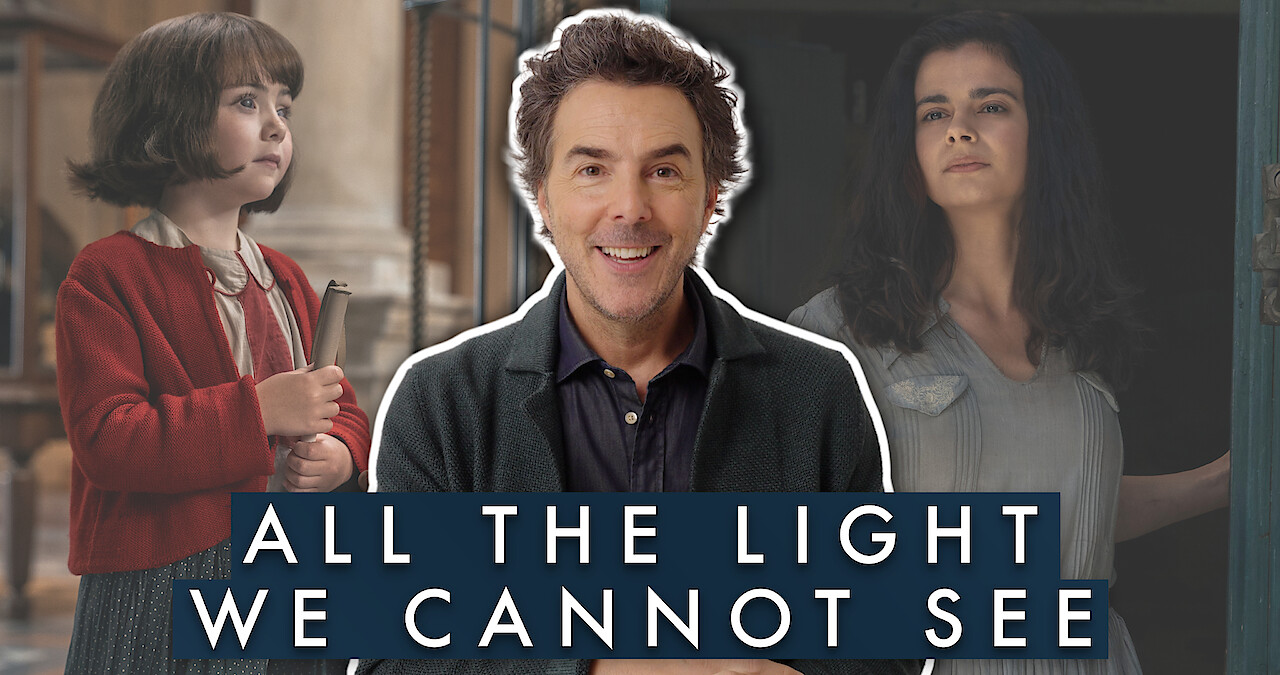
All the Light We Cannot See wouldn’t be the same story without the beautiful port city of Saint-Malo, France.
While Shawn Levy’s stirring adaptation of Anthony Doerr’s Pulitzer Prize–winning novel is historical fiction set during World War II, the 1944 siege and battle for control of Saint-Malo did happen. “It was really important to me to try to make sure every little detail of Saint-Malo was right,” said Doerr, “so that somebody who lived through that siege would be persuaded that the verisimilitude of this project was real.”
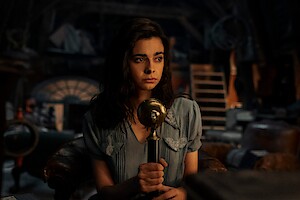
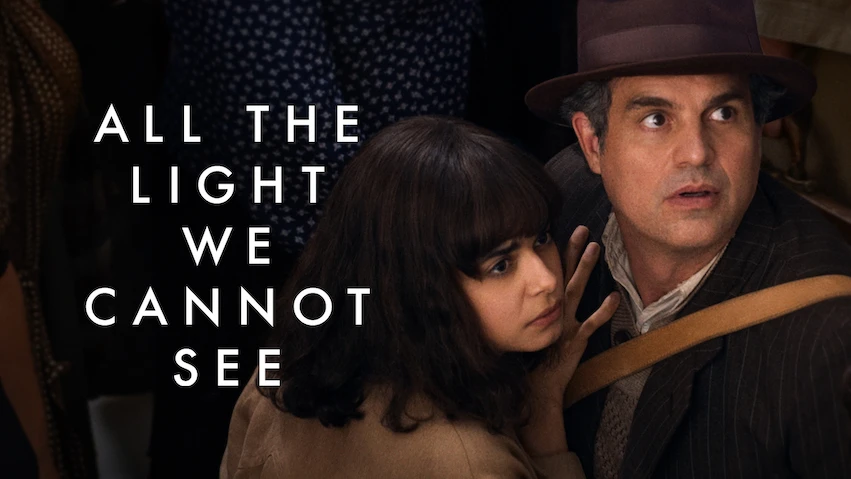
The four-episode limited series follows Marie-Laure (Aria Mia Loberti), a blind French girl, and her father, Daniel LeBlanc (Mark Ruffalo), as they flee German-occupied Paris while guarding a legendary diamond that they must keep from falling into the hands of the Nazis. Relentlessly pursued by a cruel Gestapo officer who wants the stone for his own selfish means, Marie-Laure and Daniel find refuge in Saint-Malo, where they take up residence with a reclusive uncle, Etienne (Hugh Laurie), who transmits clandestine radio broadcasts as part of the resistance. In the once-idyllic seaside city, Marie-Laure’s path collides with the unlikeliest of kindred spirits: Werner (Louis Hofmann), a brilliant teenager enlisted by Hitler’s regime to track down illegal broadcasts. Werner finds himself sharing a secret connection to Marie-Laure, as well as her faith in humanity.
Below, production designer Simon Elliott (Black Mirror, The Book Thief) and director of photography Tobias Schliessler (The Adam Project, Ma Rainey’s Black Bottom) walk Tudum through re-creating ’40s Saint-Malo.
Did All the Light We Cannot See really film in Saint-Malo?
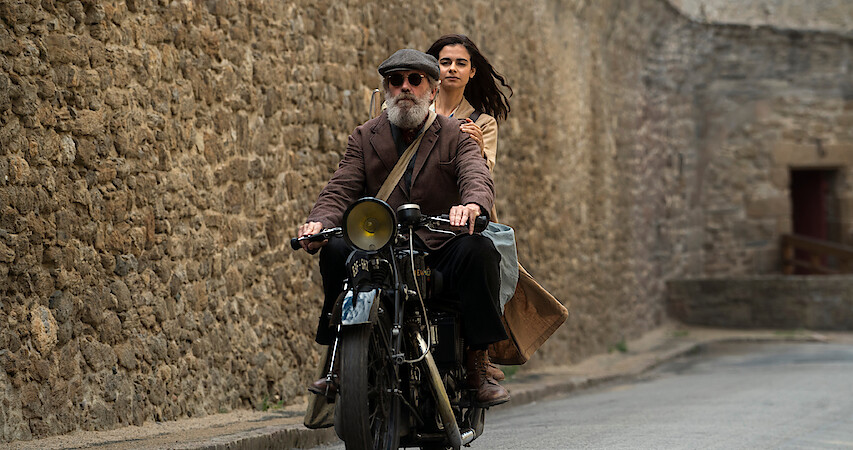
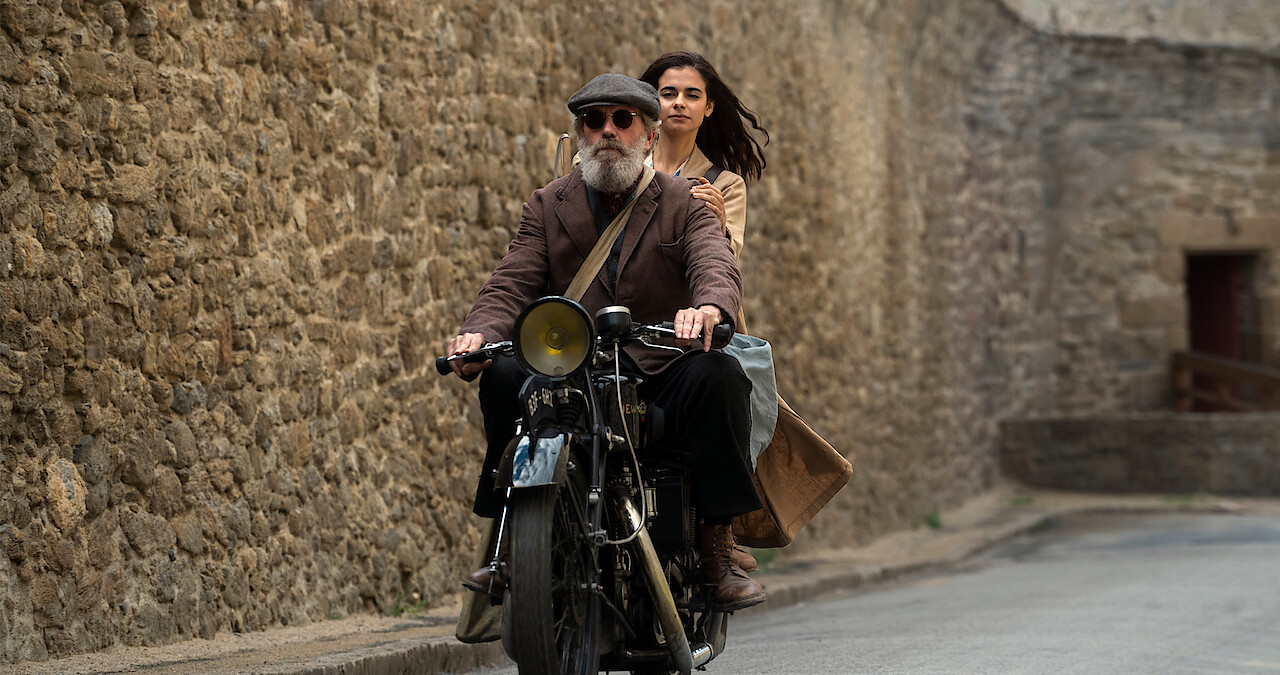
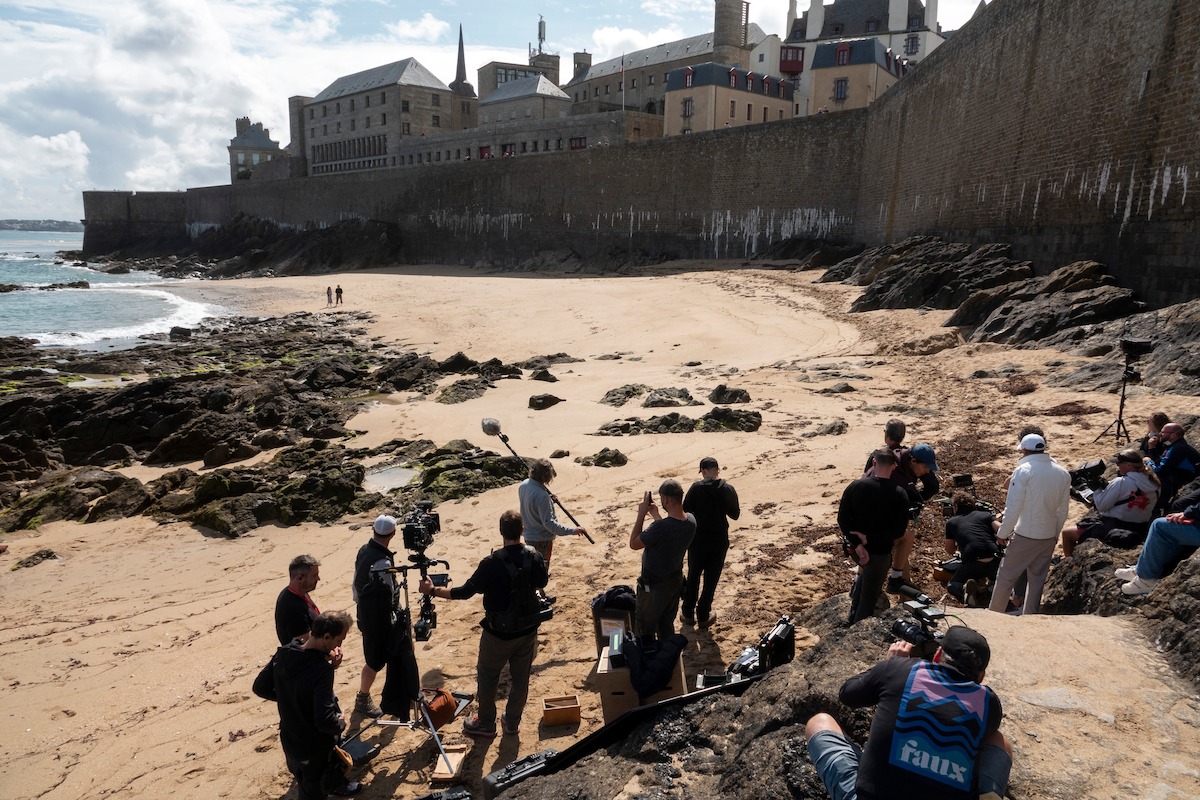
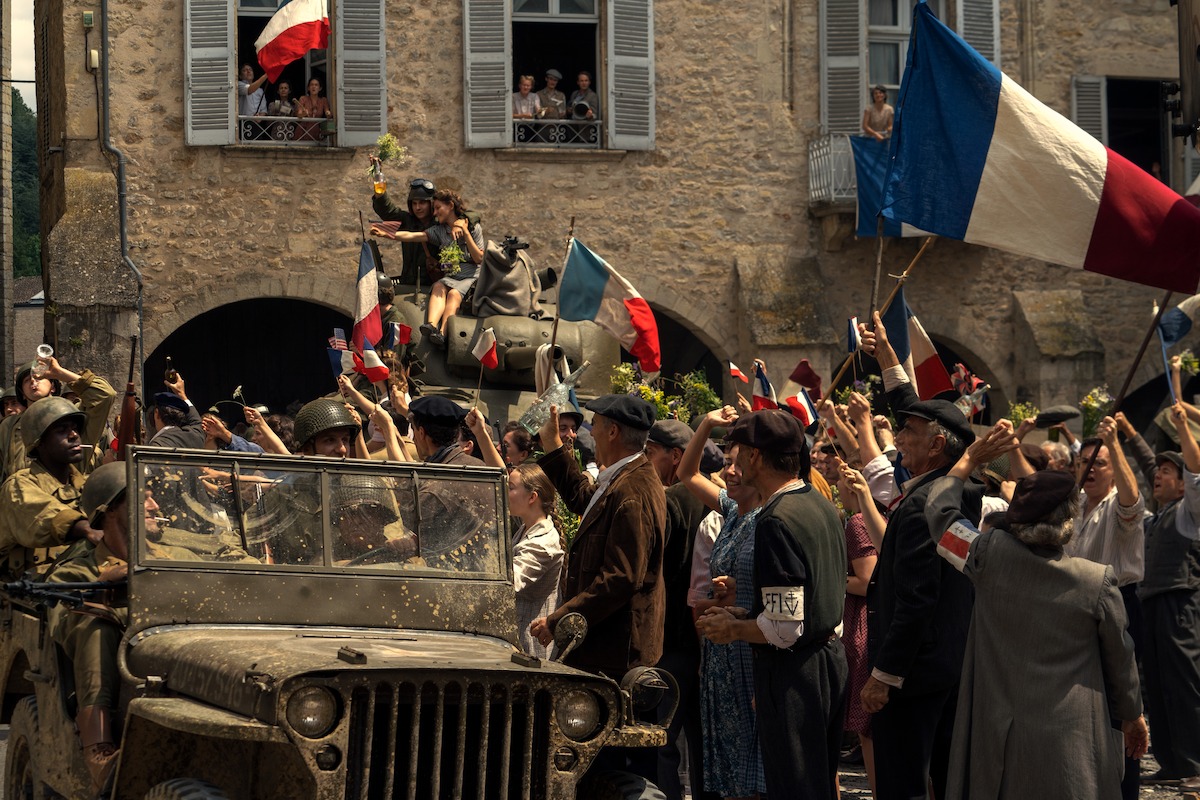
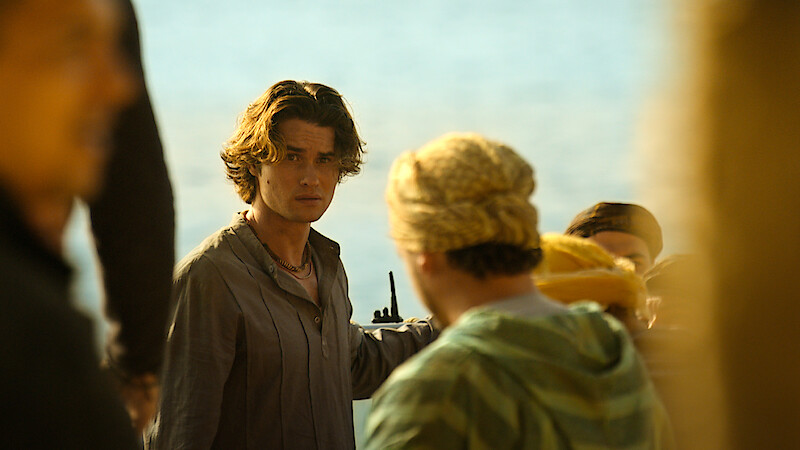
Oui. “Everything that’s set in Saint-Malo, if it’s on the beach and aerial stuff, was shot in Saint-Malo,” said Elliott. “Then we found a town in Southwest France [called Villefranche-de-Rouergue], which was our streets for Saint-Malo.” Elliott and his team redressed the streets of Villefranche-de-Rouergue, transforming the shops and all the local businesses to transport them back to the ’40s.
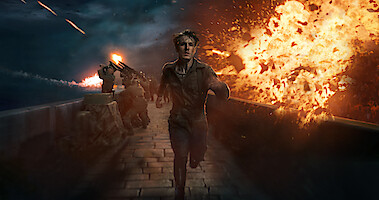
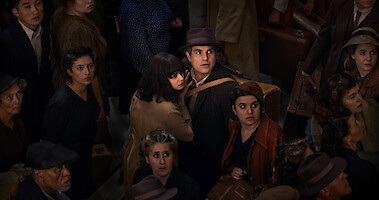
The big action sequence in Episode 4 –– where Werner runs across the wall to reach Marie-Laure the night of the bombing of Saint-Malo –– was quite the challenge for the production team to capture, and is one Schliessler is really proud of. “We shot a combination of an exterior sea wall set in Budapest [in Hungary], and on location in Saint-Malo and Villefrance-de-Rouergue,” he said. As the scene constantly intercuts between each location, “it was crucial the ambient and interactive lighting from the bomb explosions matched seamlessly from one to another in order to make the audience believe it’s a continuous journey.”
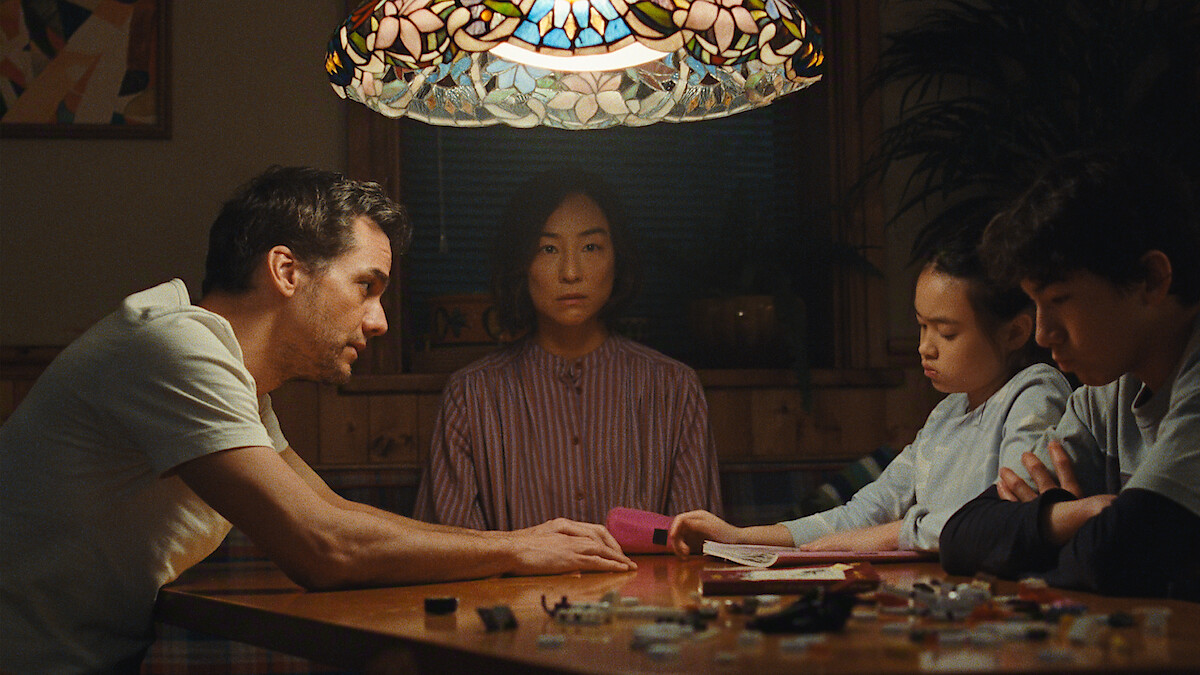
Atsushi Nishijima/Netflix
The LeBlanc’s Seaside Home
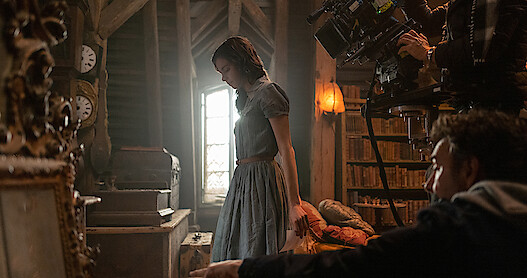
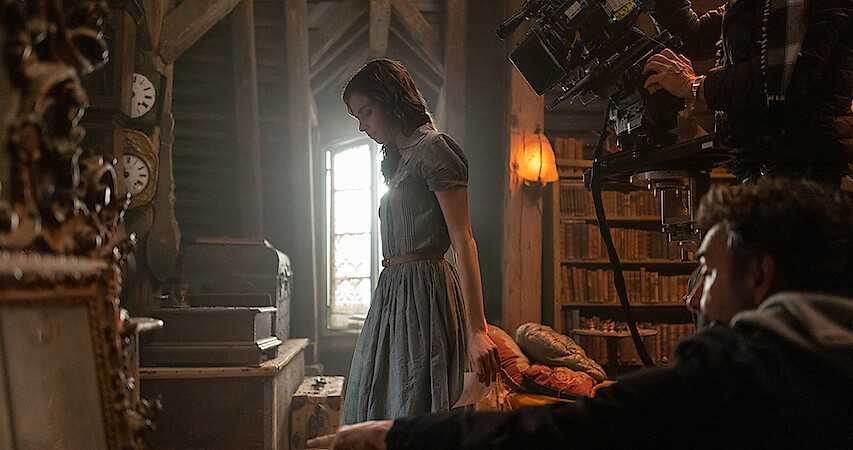
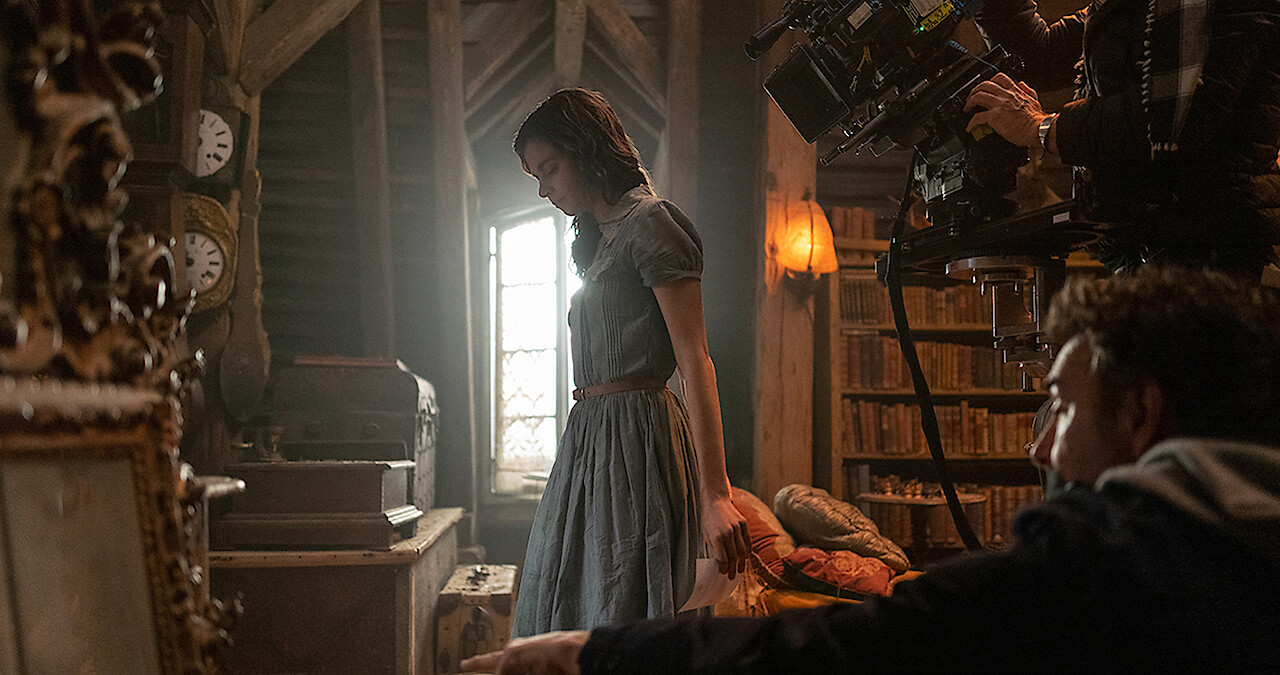
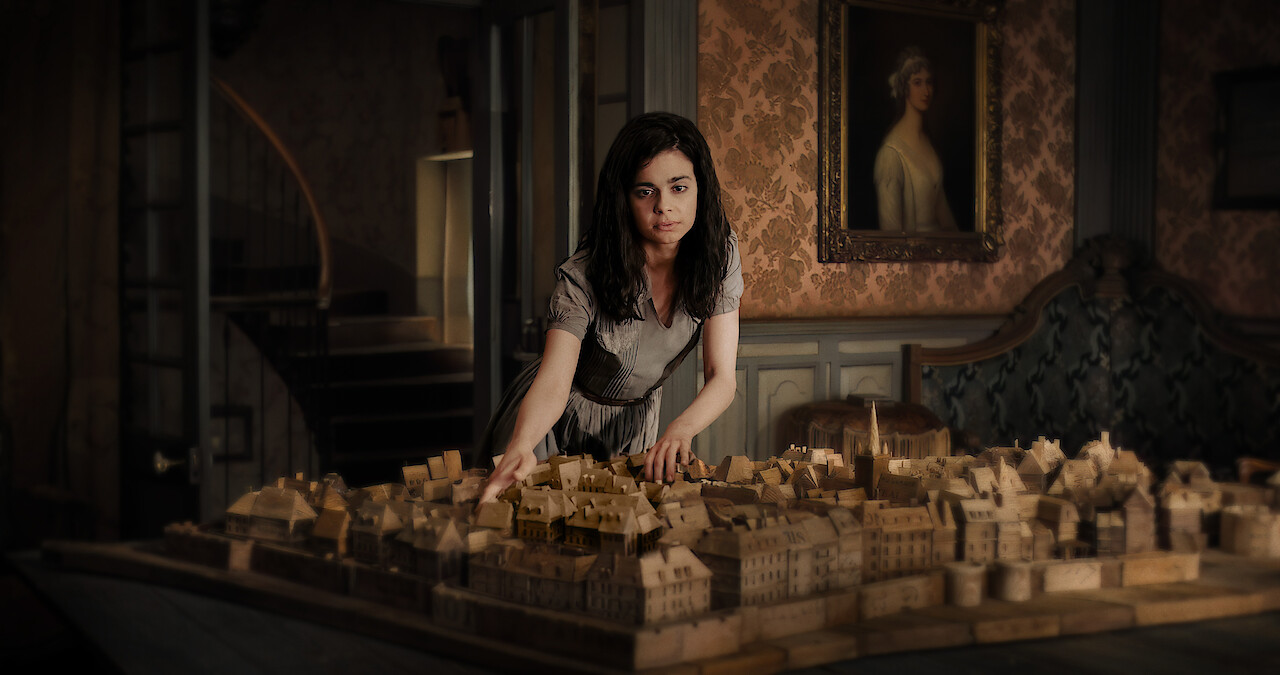
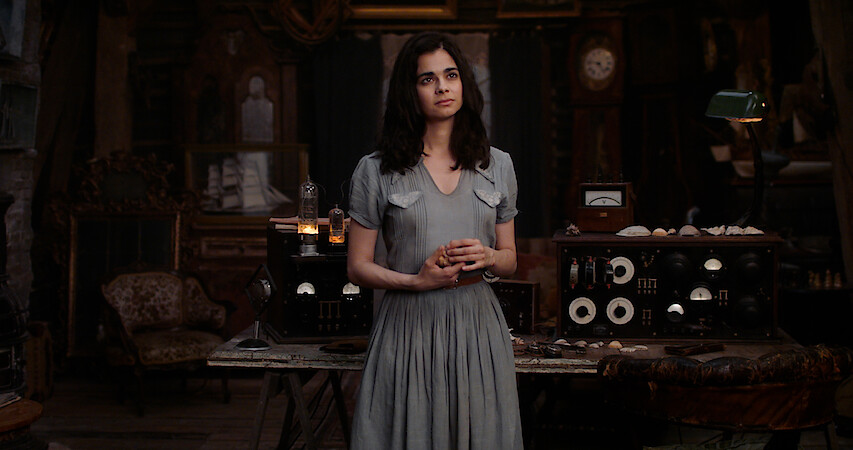
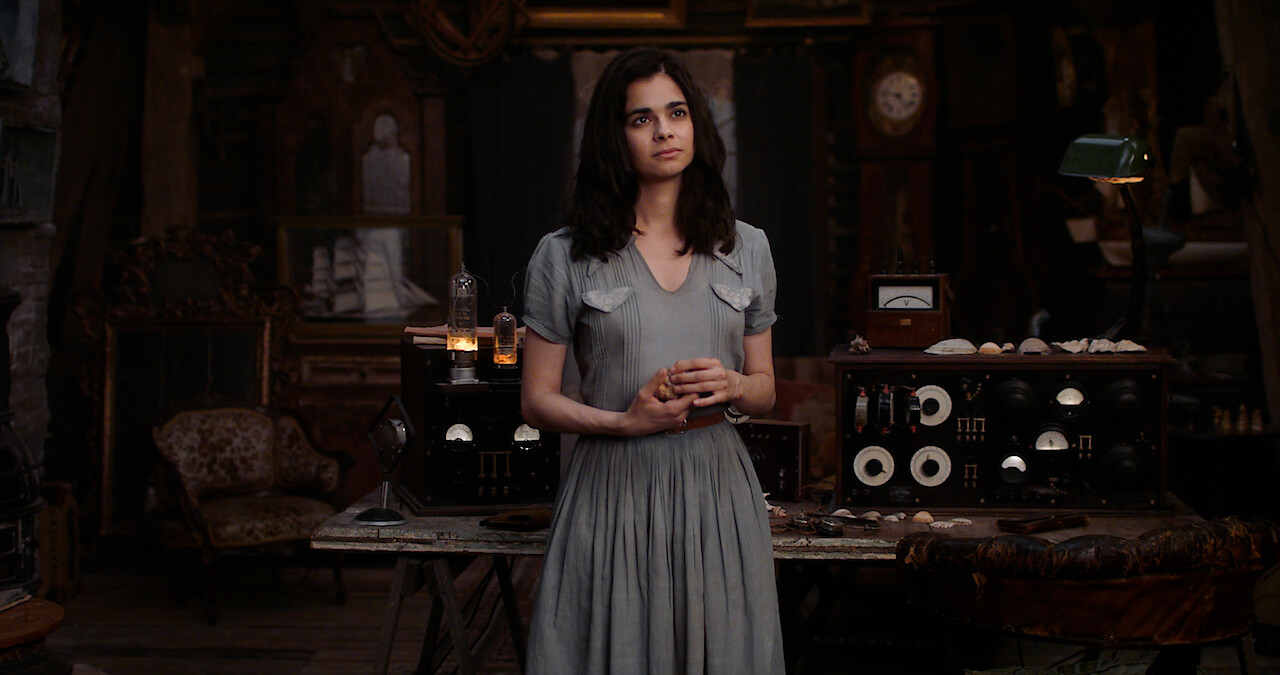
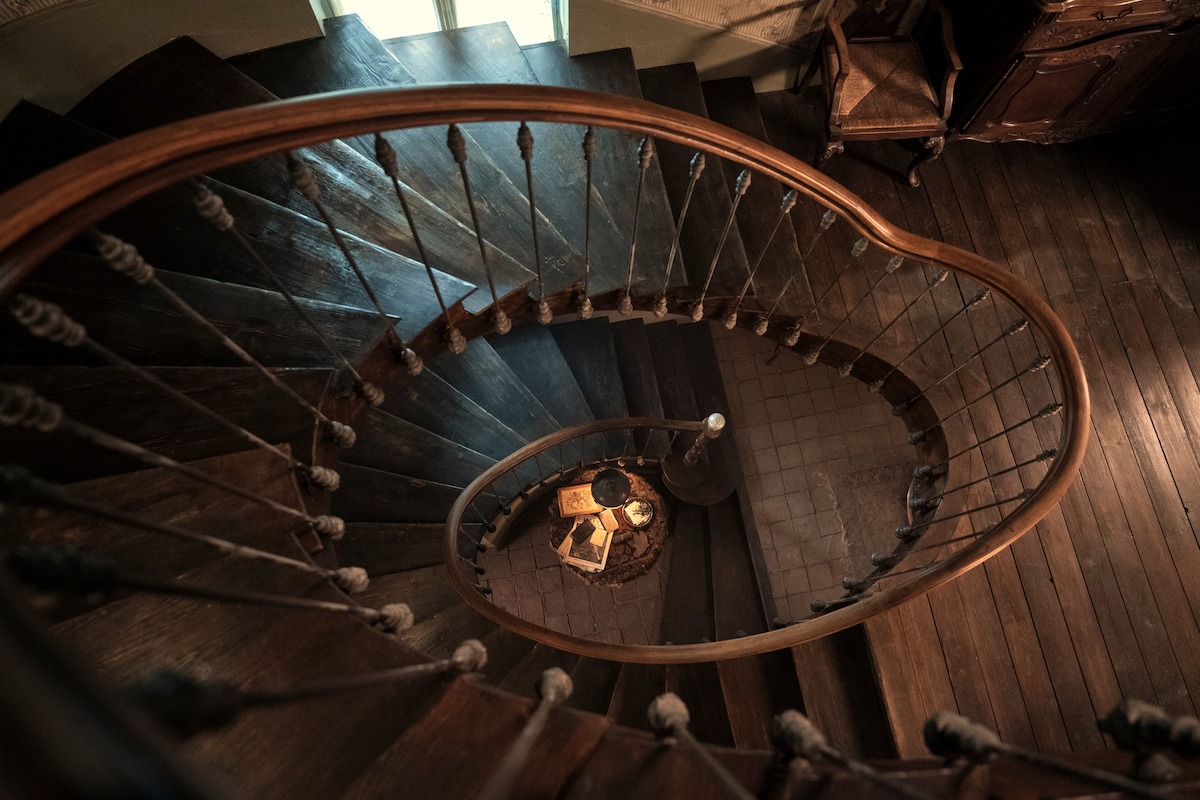
Elliott noted that production was “probably a 60-40 split” in terms of filming on a stage versus on location. “We built a lot,” he said. Those sets included Etienne and his sister Madame Manec’s (Marion Bailey) home “because we were in it so much.” And there was one detail that Elliott fought to include, despite the difficulties it would pose for filming: a four-story spiral staircase. “I thought it was so important to just have that piece of magic from the book,” he said. “There’s one particular description where the house is described as a conical shell upended, and that was my jumping-off point. I loved the idea.”
The staircase and parts of the attic took nine weeks to build and were made from reclaimed timber from an old barn. Elliott and Schliessler also made sure to capture every intricate detail of the house: the French antique wallpaper, Etienne’s miniature boat collection, the old wooden side table where Marie-Laure’s braille books were stored, Etienne’s record collection, and a myriad of quirky items in the attic. All of the details were an organic part of the house and its history, meant to immediately transport the actors and the audience into a ’40s French attic. “Shawn told me to give him texture and detail and he would film it,” said Elliott. “This was so inspiring as a designer — I gave him all the texture and detail I could find.”
Atsushi Nishijima/Netflix
The Grotto
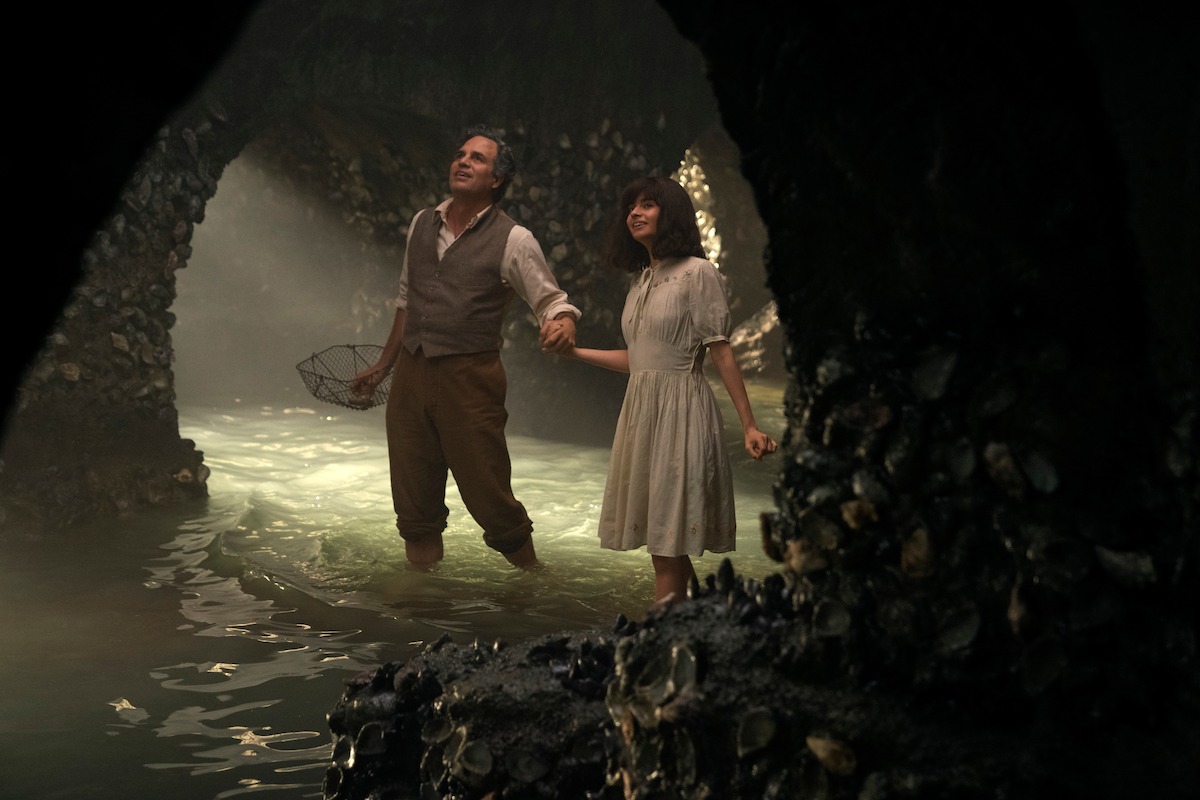
Elliott’s team also built Saint-Malo’s Hotel of Bees, the boulangerie (bakery), the back of the bakery, and the grotto. The grotto was one set Elliott had thought about filming on location, but that soon became unrealistic. “The consideration was that Aria had to be quite sure underfoot, so we had to control the water levels,” he said. And for a set that looks quite sharp and textural, it’s actually all foam and soft, so that if Loberti did slip, she wouldn’t hurt herself in any way. The only tricky part were the stairs Loberti uses to descend into the grotto, “but Aria is phenomenal at her spatial awareness,” said Elliott. “She only had to wander around a space, familiarize herself with it, walk down a set of stairs, and she commits it to memory and then is absolutely amazing.”
Bonus: Did All the Light We Cannot See really film in Paris?
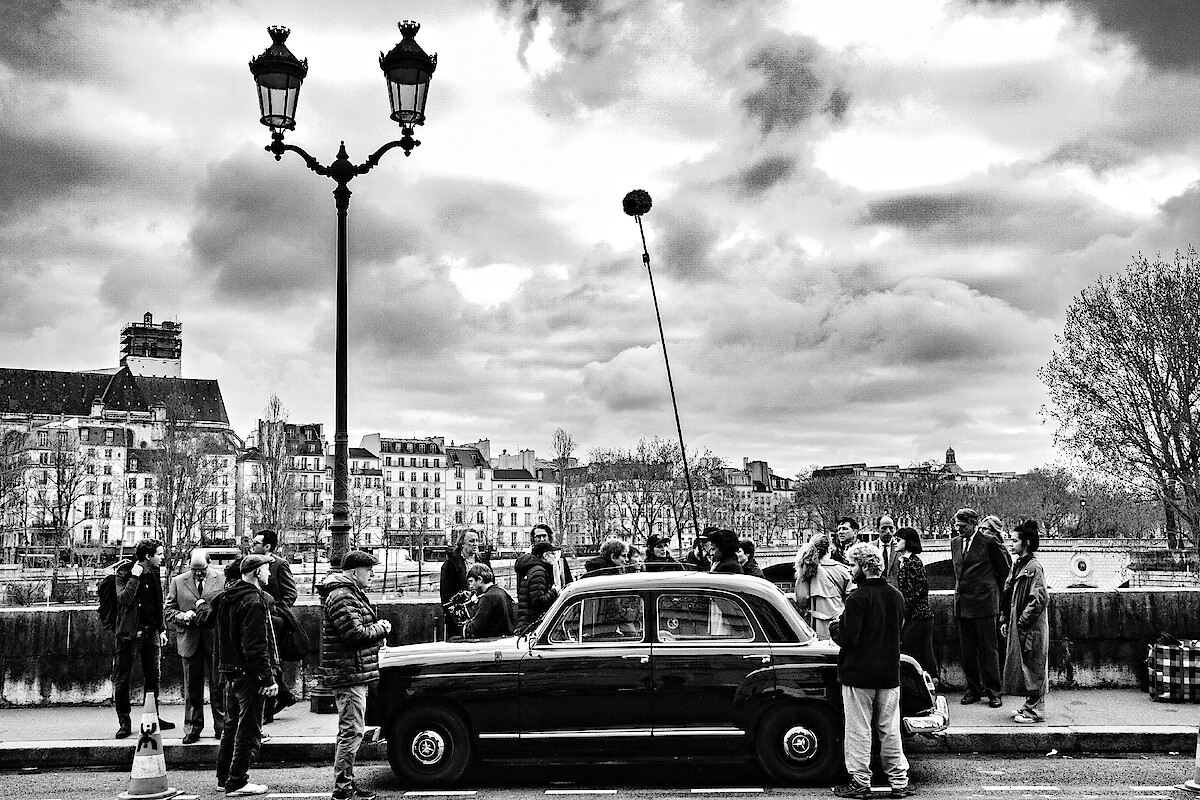
No. Actually, the streets of Budapest, Hungary, doubled as ’40s Paris for the series. Elliott’s team also built the vaults of the Natural History Museum, where Daniel works in the flashbacks.
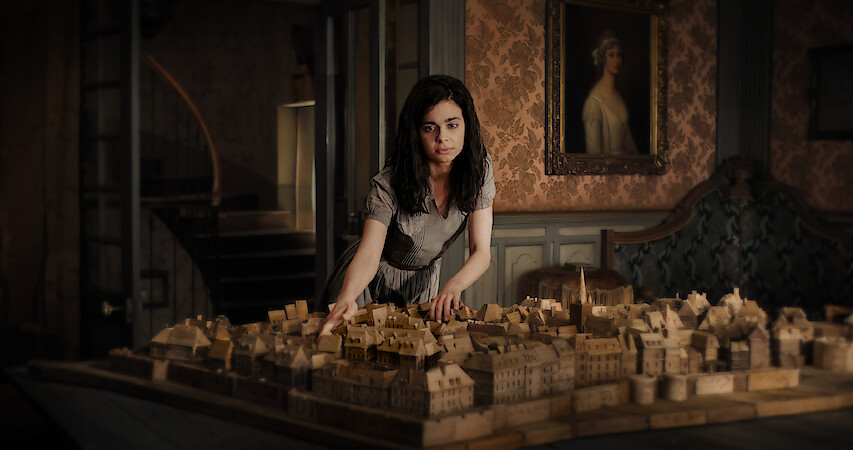
And let’s not forget that, in the words of Doerr, “the series is absolutely gorgeous to look at — from the opening, with all the leaflets falling from the sky, to the montage of Marie-Laure’s father building her a scale model of Saint-Malo, it repeatedly took my breath away.”
Immerse yourself in the world of All the Light We Cannot See now, only on Netflix.
Additional reporting by Phillipe Thao.