
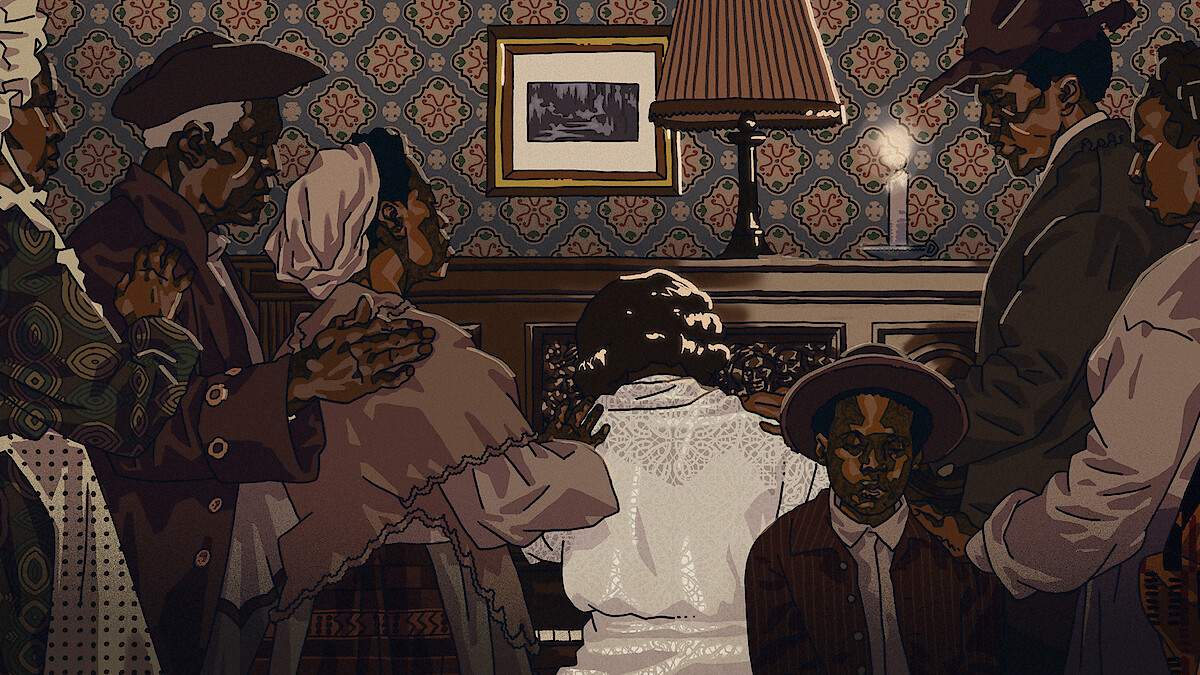
Virgil Williams on setting August Wilson’s landmark play in motion.

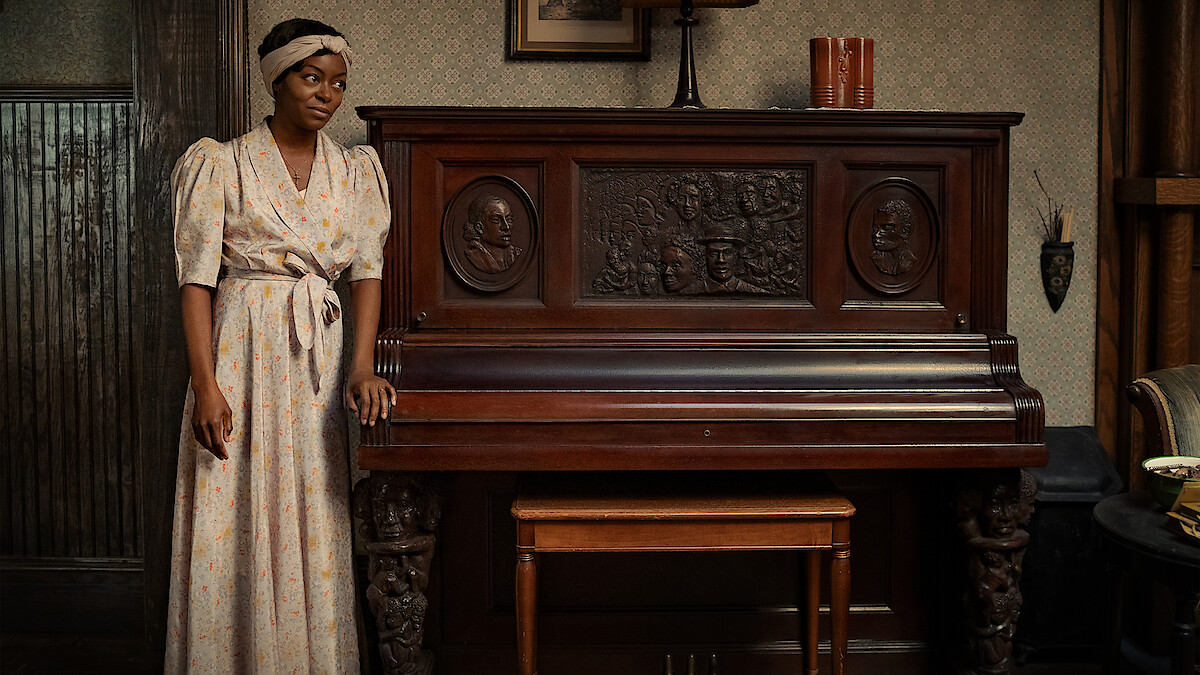
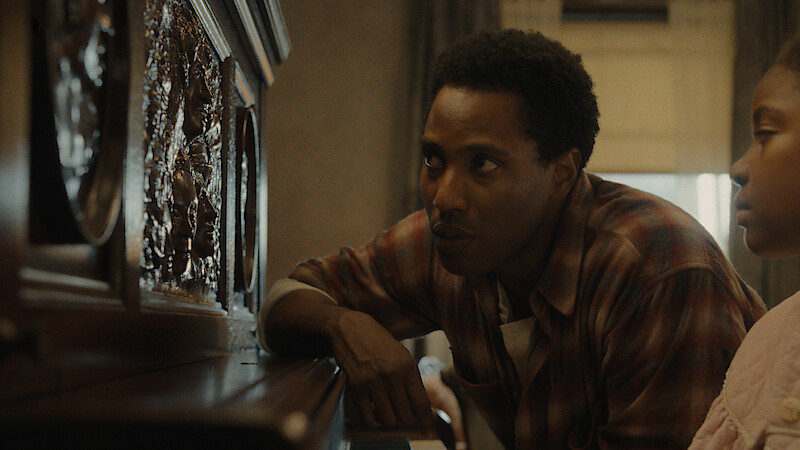
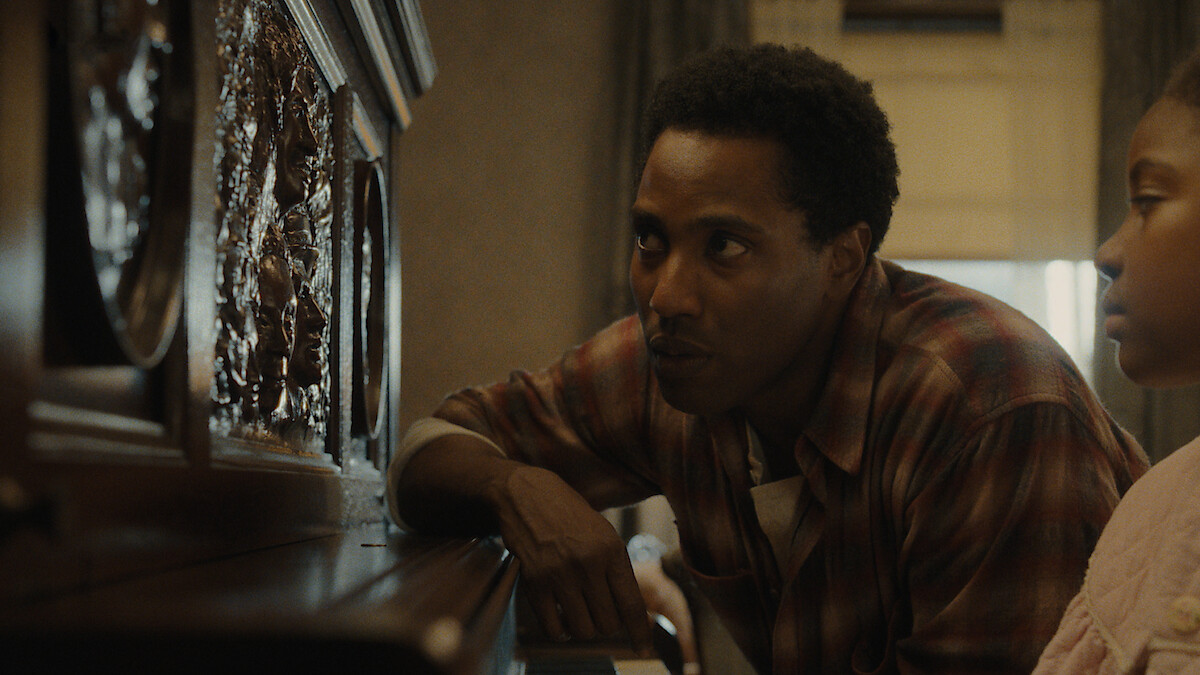
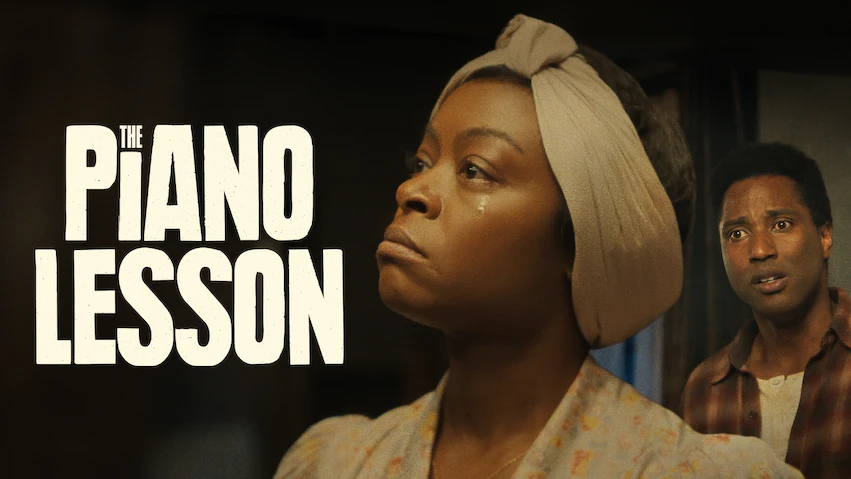
While The Piano Lesson primarily centers around the Charles family, their lineage, and the treasured piano they possess, there is an unassuming yet vividly present character who plays a pivotal role in uncovering the family’s history: Lymon Jackson.
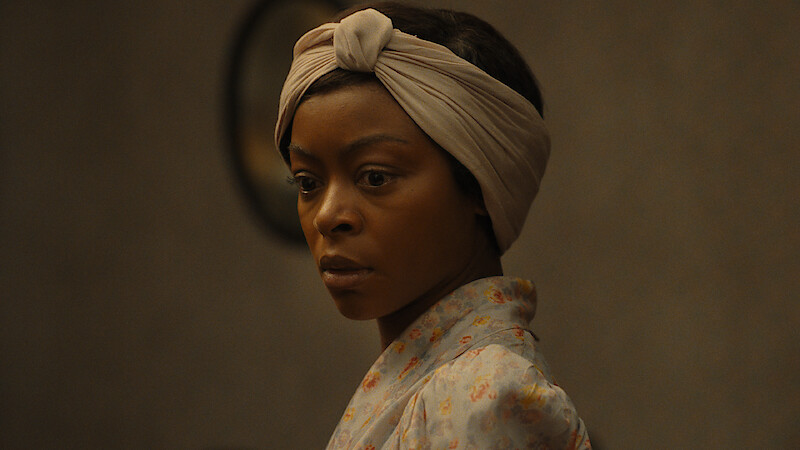
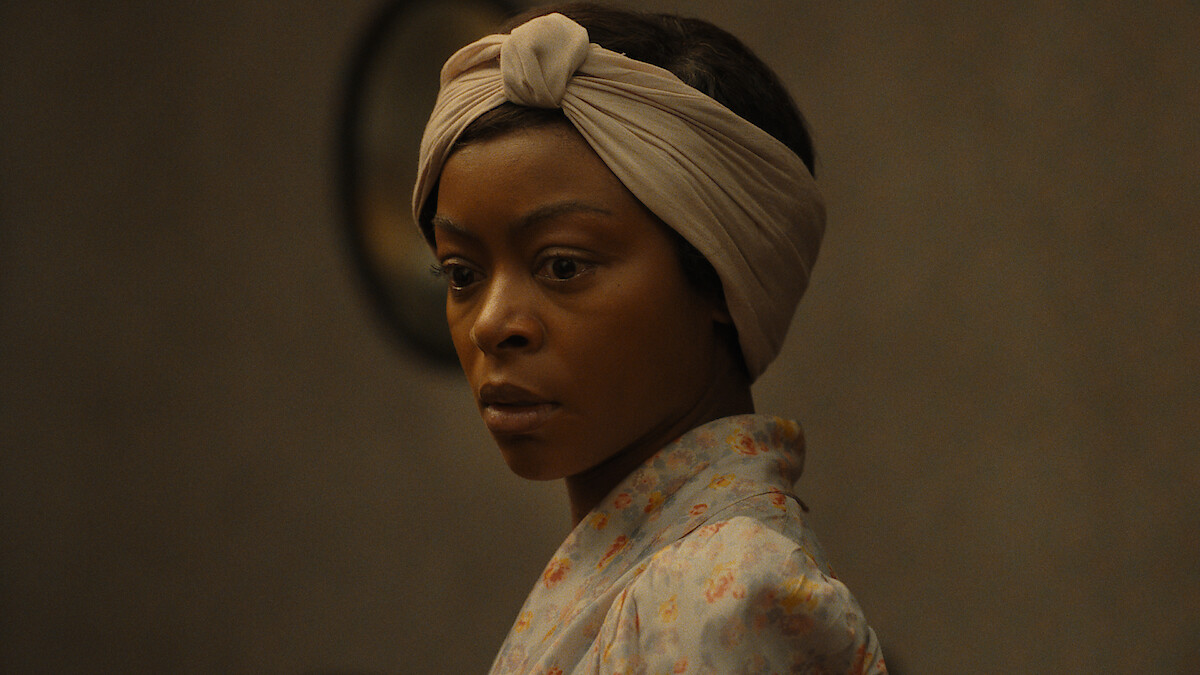
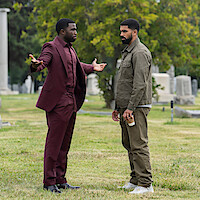
In Malcolm Washington’s new feature film adaptation of the landmark August Wilson play, the earnest and bright-eyed Lymon, played with true sincerity by Ray Fisher, is tasked with helping his childhood friend Boy Willie (John David Washington) in his quest to acquire the piano from his sister Berniece (Danielle Deadwyler) and reclaim the land where the Charles ancestors once lived. “For Lymon, I think the piano itself symbolizes what it is that Lymon’s ultimately after, which is a family of his own,” says Fisher.
Bringing the role to the screen feels like a full-circle moment for Fisher, an actor who first earned rave reviews as Muhammad Ali in the Off Broadway production of Fetch Clay, Make Man and who has since amassed credits including Justice League, True Detective, Women of the Movement, and Zack Snyder’s two-part sci-fi epic Rebel Moon. In the new film, he reprises his Drama Desk-nominated role from the 2022 stage revival of The Piano Lesson, which also featured Washington as Boy Willie.
As with many August Wilson stories, each character embodies a different aspect of human experience. Boy Willie represents ambition and the drive to rewrite legacy; his sister Berniece is focused on preservation; their uncle Doaker (Samuel L. Jackson, another veteran of the 2022 Broadway revival) seeks safety. Preacher Avery (Corey Hawkins) brings optimism and Lymon stands for curiosity and virtue.
Having portrayed Lymon for several years, first onstage and now in film, Fisher has developed a deep connection with the character whose sincerity and heart are endlessly inspiring for the actor. “It’s refreshing,” says Fisher. “It has helped me reconnect with that part of myself, that — as a child and growing up into a teenager, a young adult — remembers what I was like before the world started looking darker.”
Reflecting on the broader themes of The Piano Lesson, Fisher explores how language, history, and identity intertwine in his performance, and how the universal message of confronting one’s past to build a better future resonates well beyond the particular African American experience portrayed in the movie.
An edited version of the conversation follows.
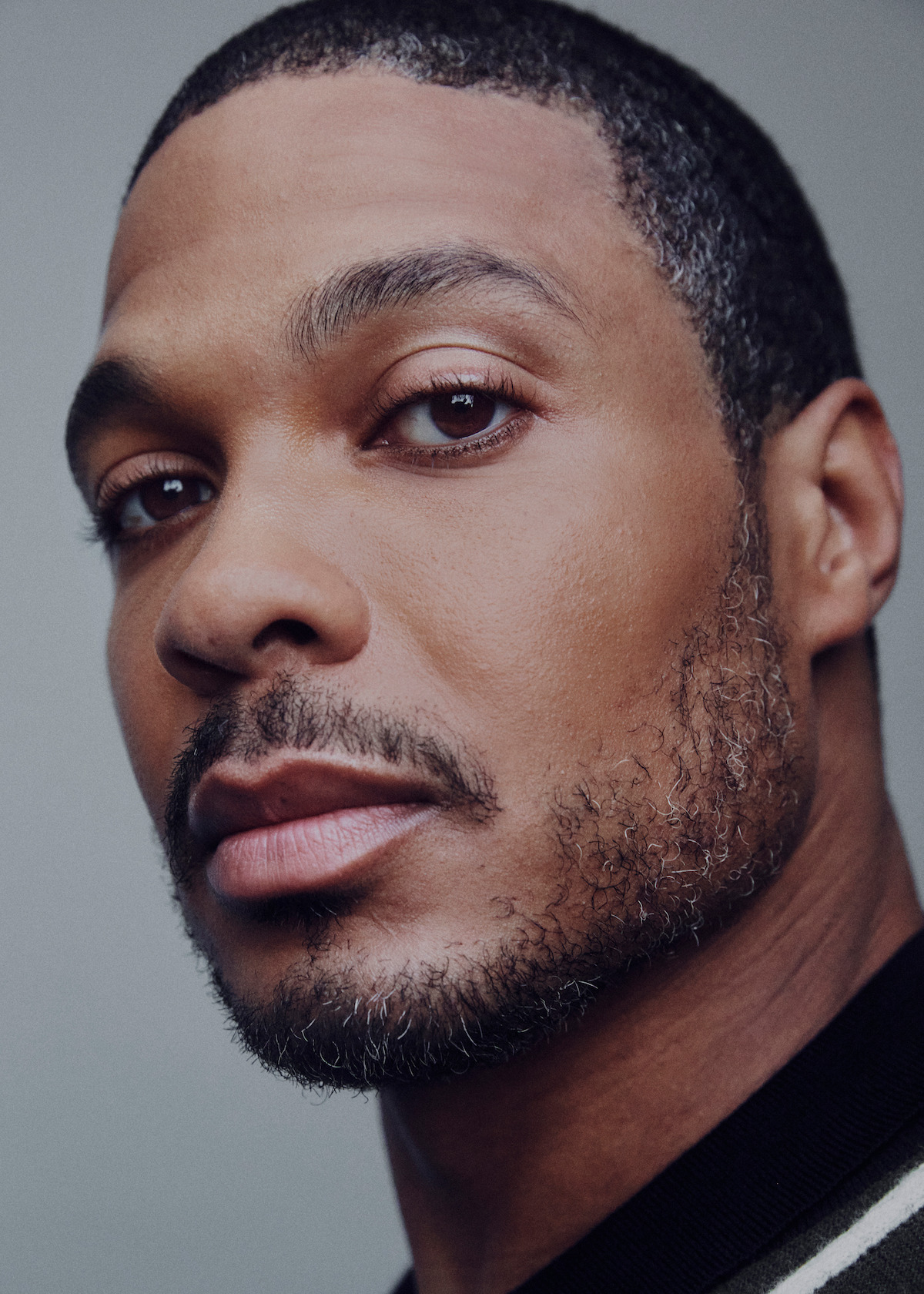
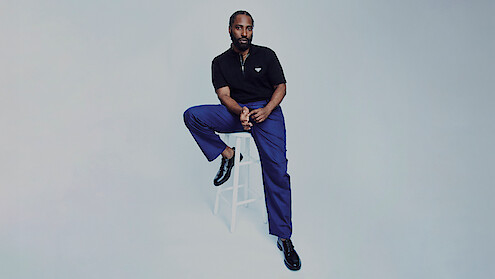
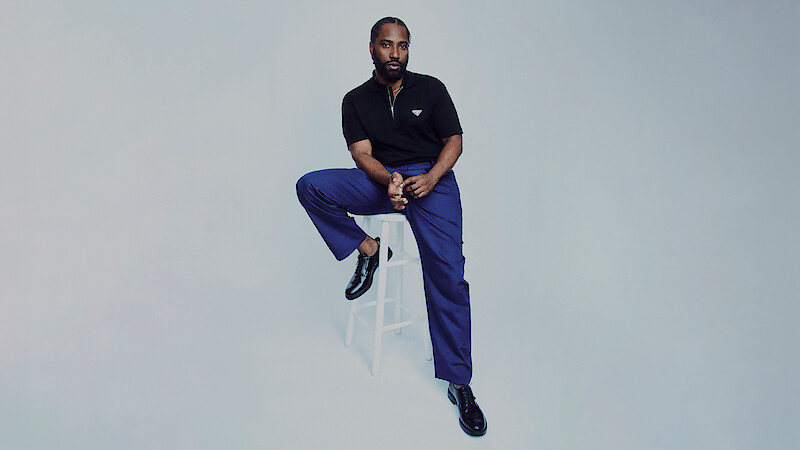
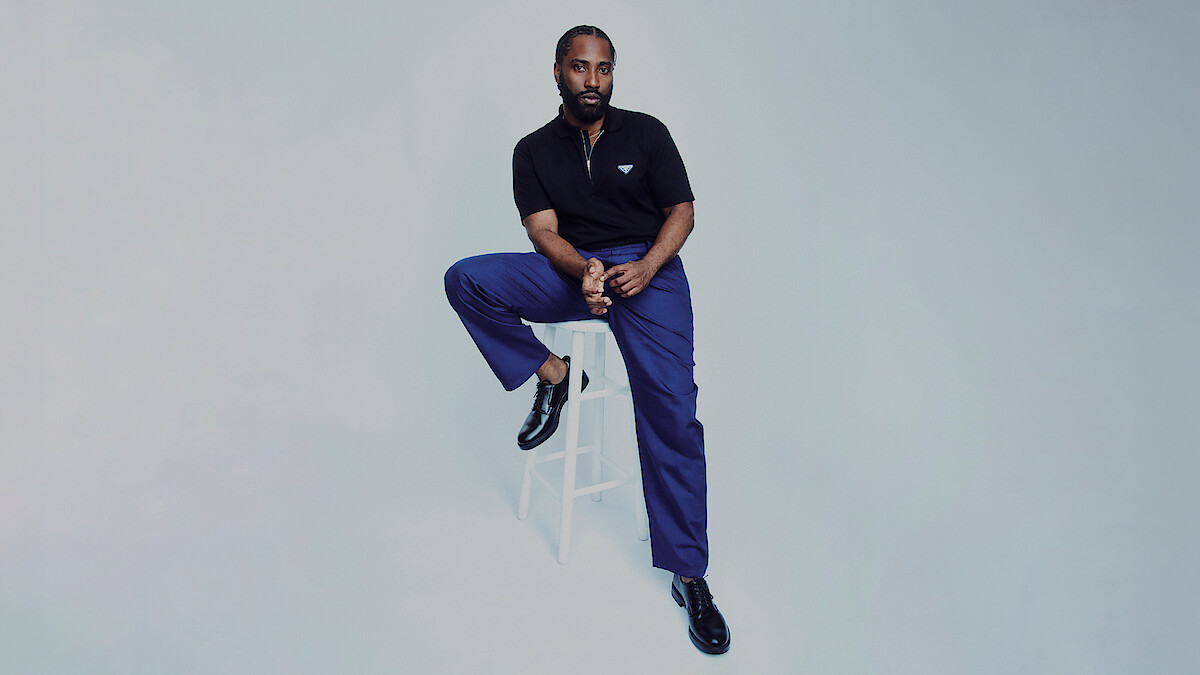
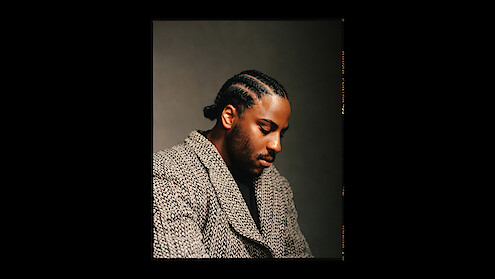
Ray Fisher
Shelton Boyd-Griffith: The language used in the film is a very traditional Southern diasporic lexicon. Where did you draw inspiration from to capture that dialect so authentically?
Ray Fisher: I think part of it is based in the reality of what the accent is and the other just comes from where it is that I think his heart lies. Oftentimes where our heart lies, that’s where our speech patterns lie, right?
Honestly, my family is from the South. I’m from New Jersey, South Jersey, and folks oftentimes think that we’re from the South South just because I come from a predominantly Black town, a small town called Lawnside. There are a lot of specific roots to the South that a lot of folks from Lawnside have. We were a stop on the Underground Railroad. We were the first self-governing and incorporated Black municipality north of the Mason-Dixon line, and it was free land. It was land that was given to freed slaves by the Quakers way back when. And so there’s a really deep and rich history of folks there. [With Lymon], some of the language, some of the drawls, some of the different cadences, I take from where I come from, but also, [I’m] trying to [take] what I believed Lymon would have sounded like and make it my own. You’ve got so many characters in this piece who are speaking so quickly. Everything is very clipped. Everything is very staccato. And August Wilson, famously when he writes, writes with a certain musicality.
In trying to figure out how Lymon Jackson would be different than, let’s say, Boy Willie, Berniece, Doaker, or Avery, or any of these other folks who could sometimes go a mile a minute, I said, “Well, what happens if you have this person who’s extremely earnest, who when he asks a question, he really asks the question and he truly listens for the answer?” He’s not just asking you something, so he can talk again about something else. He’s processing in the moment in a way that maybe isn’t as fast as other folks, but he takes that information in and takes it to heart.
Bringing a character to life onstage is one thing, but for the big screen, I’m sure the approach changes. How did you handle fully realizing Lymon this time around?
RF: I think having the ability to self-edit in your performance in theater was really helpful. If the energy of the audience feels a certain way, the dialogue may shift in a certain way. You may speed up a little bit more, [or] you may slow down a little bit more. You have the immediate energy of the audience that oftentimes will affect and dictate the pace of the performance. But what really helped for the film adaptation was being able to chat with Malcolm Washington about his vision to make sure that the characters stayed three-dimensional. Because it’d be very easy in the edit of [this] film adaptation for Lymon to fall into, “Oh, he’s the comedic relief,” or “He’s just the laugh guy.”
One of the interesting things that Malcolm uncovers is that Lymon acts as the audience for a lot of what happens in this story. It’s written in August Wilson’s work, but I think you can highlight it a bit more when we’re dealing with the cinematic version of the thing. You can punch into Lymon whenever something’s being said that may be a little off, because if Lymon is a bit more earnest than some of these other characters, he may be the litmus test to determine whether or not something that’s being said is truthful or not — how he’s absorbing that information. He is an outsider, very much like the audience is an outsider in looking at what the Charles family is about. A lot of the information that’s being relayed is relayed through Lymon.

Ray Fisher
Danielle Deadwyler is absolutely remarkable in this film. How did you and the team craft the chemistry between Lymon and Berniece?
RF: For us, I think it was probably us just yelling at each other, to be honest. Honestly, it all came about by virtue of us just talking, ribbing each other, giving each other crap, building a rapport that was a little deeper than where these characters on the page live. Lymon hasn’t seen Berniece in many, many, many years, and vice versa. And Danielle is such a strong performer. For me, a lot of it was just having to be there in the moment, listen, and just feel the energy that’s being put out. It also helps that you’re dealing with people that you genuinely care for and people that you genuinely like to be around.
I think for Lymon specifically, he comes into this situation not necessarily having an agenda. He’s not trying to game her. He’s not trying to get anything specific out of her. He’s just having a moment speaking to another human. There’s something really strong and really powerful about the idea that, out of all the conversations that happen in [the] piece, this is one of the first times where you see two characters genuinely talking to one another, not talking at one another, not trying to get something from one another. It’s a human experience. It’s an instance of Black love that is a little bit juxtaposed to what we see with Boy Willie and Grace at the bar. Their situation is hot and heavy, super passionate for whatever reason, but you also have the situation with Lymon and Bernice, which is sweet and awkward and unexpected, right?
And it shows that there are, in fact, so many colors to the way that we as Black people interact, not just with one another in our families, but in relationships. I think Malcolm did a phenomenal job in creating that framework. We see ourselves in any of these interactions. Whether or not you relate yourself to a Boy Willie or a Berniece or a Lymon or an Avery or a Wining Boy [Doaker’s brother] or a Doaker, you get a plethora of what the Black experience is. It’s not a monolith.
Lymon feels like an adopted or honorary member of the Charles family. What do you think the piano symbolizes for him?
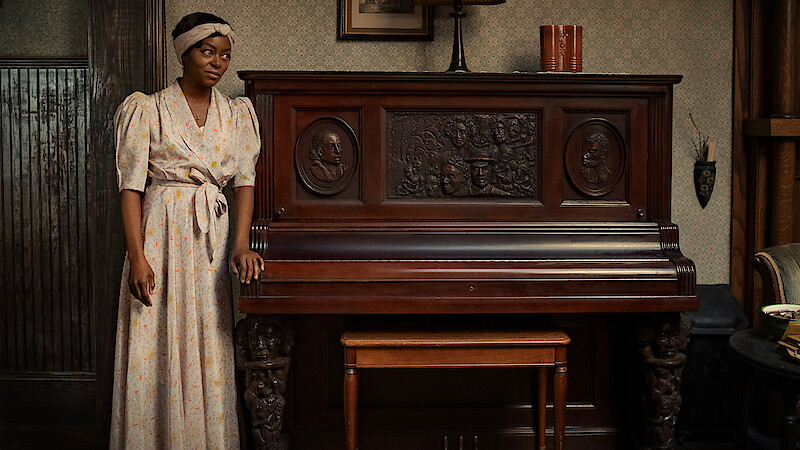
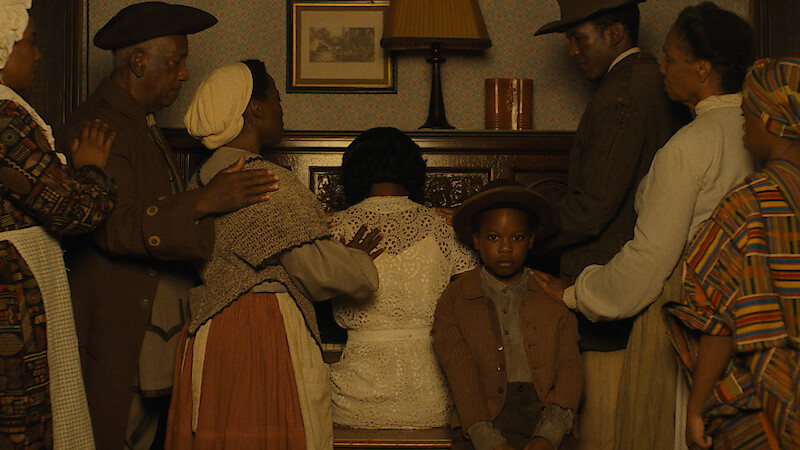
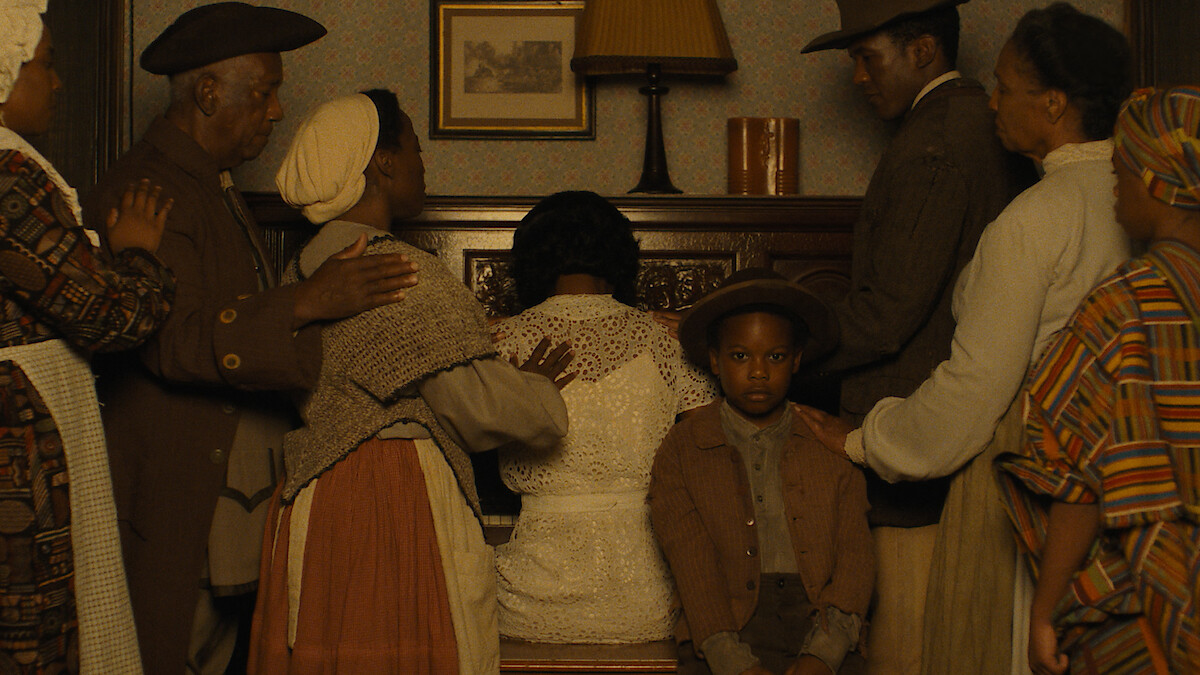
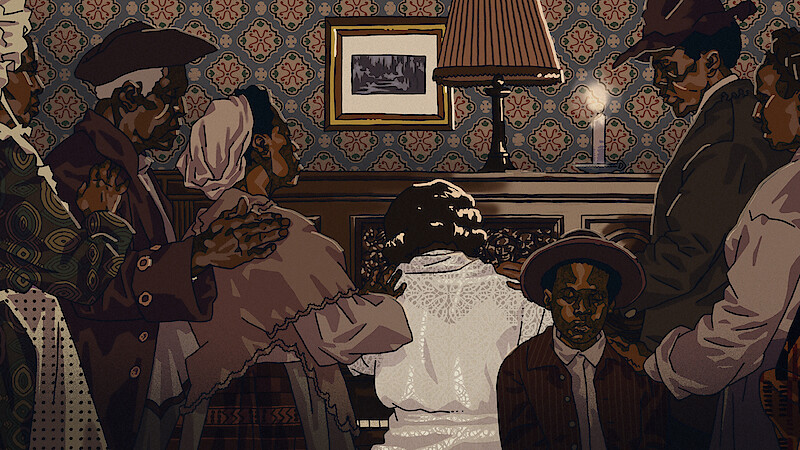
RF: The piano represents all of the things that Lymon Jackson probably wishes he knew about himself. The Charles family history is rich with respect to how it’s represented in the piano. This is something that we weren’t able to keep about August Wilson’s play in this piece, [but] there’s a monologue that Wining Boy has that gives you some pretty pivotal information about Lymon Jackson’s backstory, [including] how Lymon’s father died, what Lymon’s mother was like, all these things that Lymon himself may not necessarily have access to. In a story where storytelling is so important for people to understand where they came from and to be able to move on beyond the ghosts of the past, I think Lymon stands in awe of what the piano represents because he does not have an awareness of his family history in the same way that Boy Willie, Berniece, Doaker, Wining Boy, and all the rest of the Charles family do. I think he’s a little envious of that, but also excited by the idea of potentially starting his own family and creating a family history up here, up north in Pittsburgh, and getting away from those ghosts down in Mississippi. So I think it means a hell of a lot to him. It’s not just, “Tell me the story of the piano because I want to know the story of the piano.” It’s filled with so much more. It’s more than just the intrigue. It’s the desire to know oneself by virtue of getting to know others.
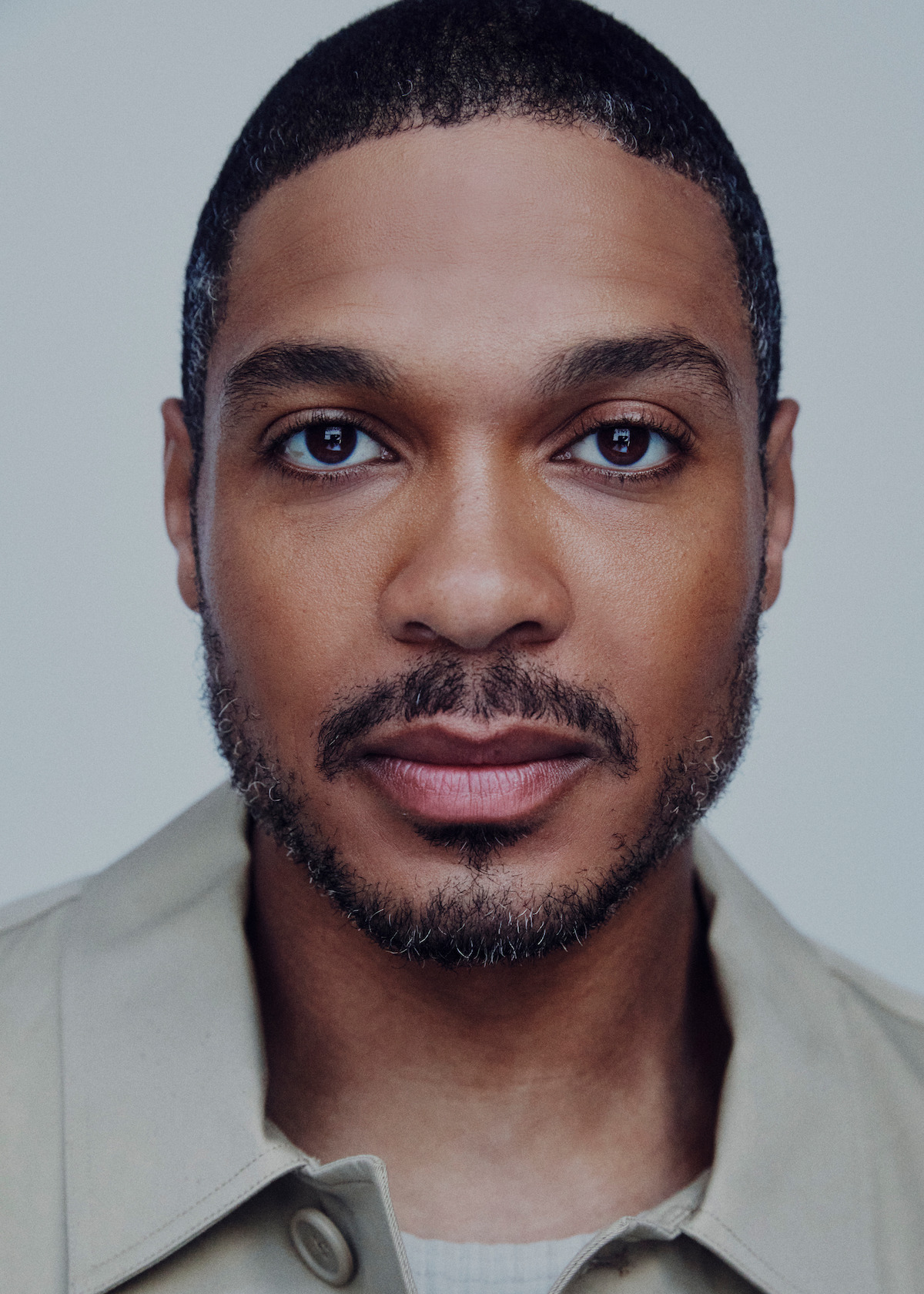
Ray Fisher
The Piano Lesson is quintessentially a story about family and lineage, and what makes this adaptation particularly meta is that a family — the Washingtons — produced it. Can you talk about your experience working with Malcolm and John David, and producers Katia and Denzel?
RF: John David and I worked together on the play first, and I got to know him pretty well from that experience. I was inspired by his work ethic, his ability to step up to the plate and to be able to lead with grace and a sense of wonder and intrigue and just fun. It’s a beautiful thing when you are able to step onto a set or into a rehearsal and go, “I genuinely like the people I’m dealing with here. The work is good, the people are good. It’s a lightning-in-the-bottle situation.”
I ended up getting to know Malcolm next. When there were conversations about The Piano Lesson being adapted, they had reached out and said, “Hey, we’d like you to have a convo about maybe playing this role.” It only took maybe about an hour on the phone with Malcolm before I was like, Okay, this brother, he knows what he’s doing. He’s character-focused. He’s story-focused. This is his first film, but this is not a project coming from a place of ego. This is a project coming from a place of wanting and desiring to truly tell the story and to honor August Wilson’s work and to honor the legacy of what these characters represent.
And then I got to meet Katia while we were on set. She’s just been a rock, making sure that folks have what they need and are taken care of in a strong but also subtle way. Denzel, I actually used to bartend for the theaters on Broadway, so I’d met him years ago when he was doing Fences. The full circle moment of working on a film that he is producing, that’s an August Wilson piece that we did on Broadway, the whole situation is not lost on me at all. I know you mentioned those four, but I’m going to tell you, none of this would be possible without Pauletta Washington.
When I tell you she’d be in rehearsal with us during the play, just watching, being a source of inspiration, a source of joy — same thing on set. She’s there every day. It added such a warmth to the entire endeavor. It did not feel like a machine, because sometimes in filmmaking, it can feel like you’re a bit of a cog in a wheel. [Here] it’s like, No, we’re all spokes on the wheel itself. We’re all contributing in our way to making this thing move. So it was a joy.
Having lived with and portrayed Lymon for years on Broadway and now in the film, what have you learned from him?
RF: I have a lot of aspects of Lymon [that] stay with me, to be honest. I think in the creating and the developing of the character, there was a sort of having to reconnect with a part of myself before you get to a certain age and you start becoming cynical. Ultimately, that’s the thing that I want to continue to carry with me through the rest of my life — to not lose that joy, not lose that resilience, not lose that hopefulness and the earnestness with wanting a better life for you and those around you.
The Charles family story is not only a reflection of the Black experience in America but also a universal one. What do you think audiences can take away from August Wilson’s work?
RF: What I hope that they take away is the idea of claiming and/or reclaiming their heritage. I think we’re in such a place now — because we are trying to get beyond our own issues, our own traumas, our own anxieties, our own pasts — that a lot of folks will readily just try to throw it all away and go, “Look, let me just start from scratch — forget that all this stuff happened and move forward,” when that stuff’s ingrained in us, right? The idea that what you resist persists, it’s a huge thing. And until we confront the past and either make peace with it, wrestle with it, fight it, play the piano, go upstairs, and wrestle the ghost, however it is that you need to handle and confront that, it needs to be done. For you to move on and to actually live your own life and to build on what the ancestors have put in place for you, you won’t be able to do that until you really confront it. I think that’s why August Wilson’s work, especially in The Piano Lesson, feels so universal — it speaks to humanity. It’s not just speaking to Black people. It is speaking to the human experience.