


Suit up for special events at ballparks across the country, with giveaways, new merch, and in-game moments.

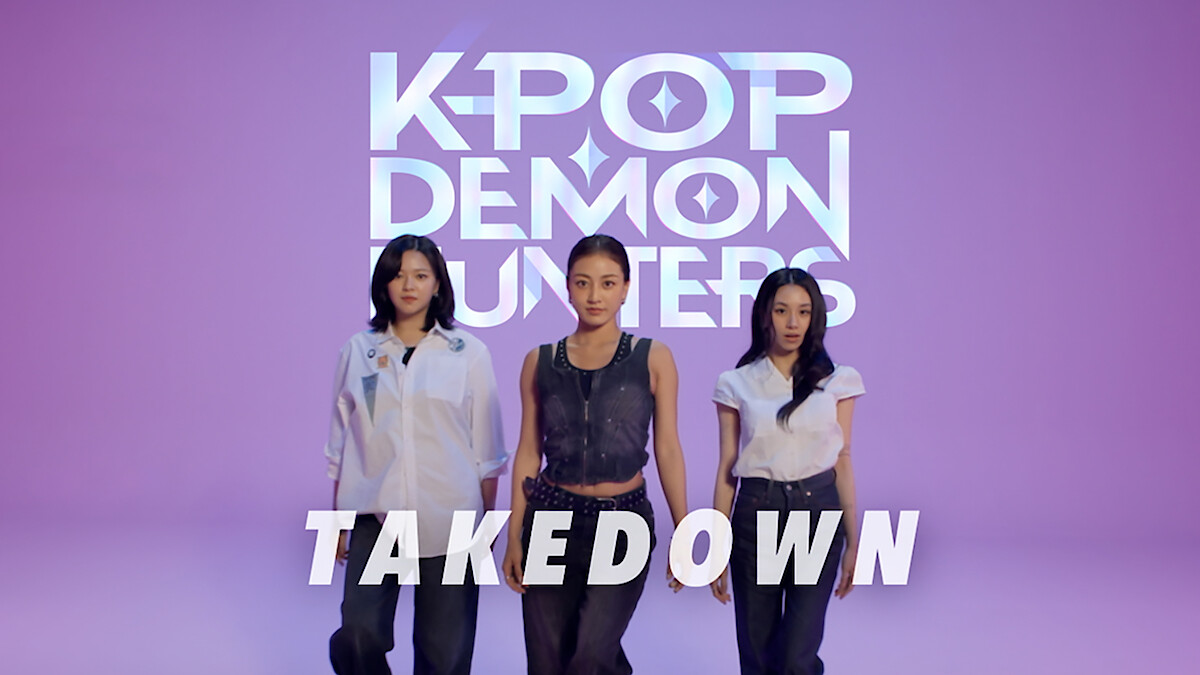
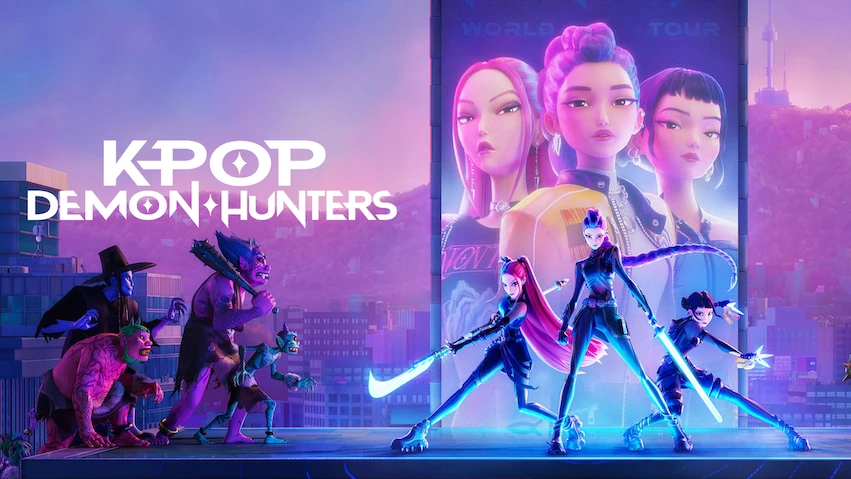
KPop Demon Hunters songwriters EJAE and Mark Sonnenblick knew that the project they were working on was special, but they had no concept of the stratospheric success that was to come upon the release of the animated film. “To us, it was a hit,” recently explained EJAE at Netflix’s The Lineup: Live at the Egyptian, “but we didn't think it could get this far.” Sonnenblick said, of the global impact the film and soundtrack have had, “[It’s] just so far beyond anything that could even be imagined.”
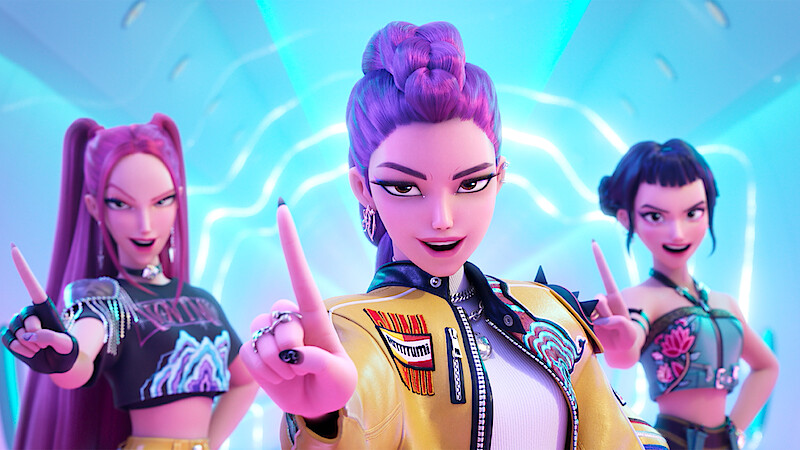
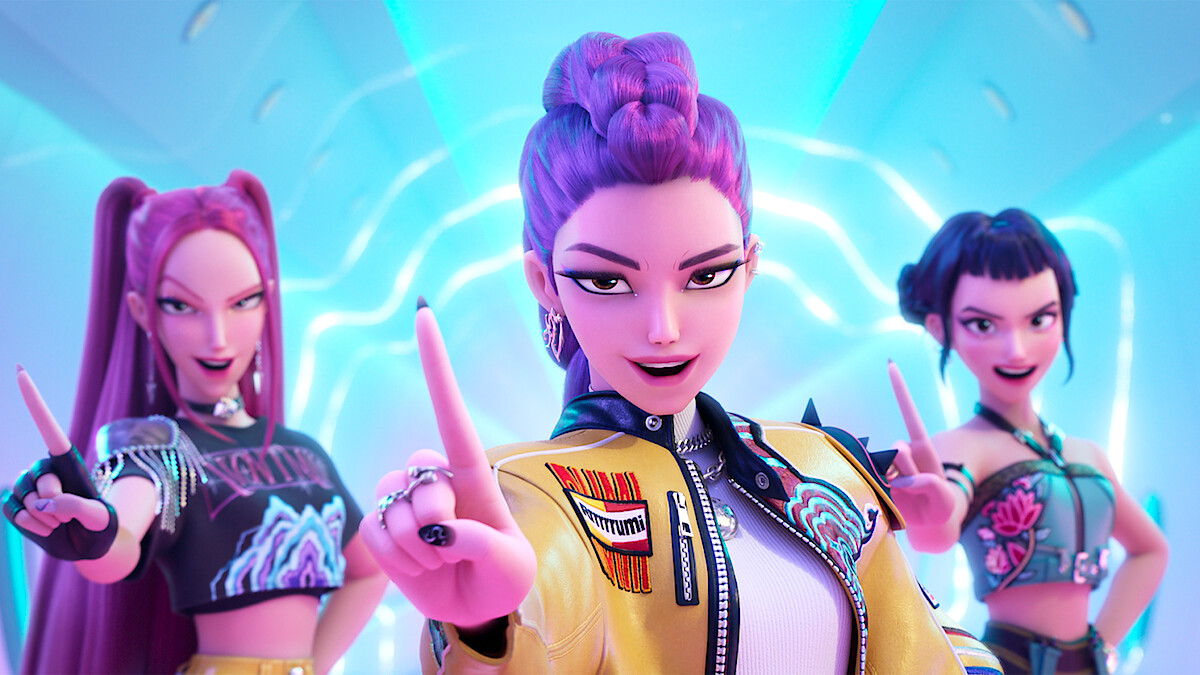
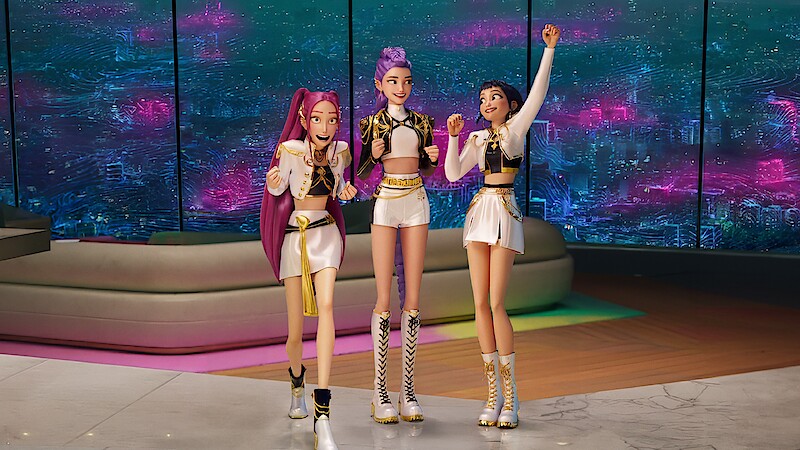
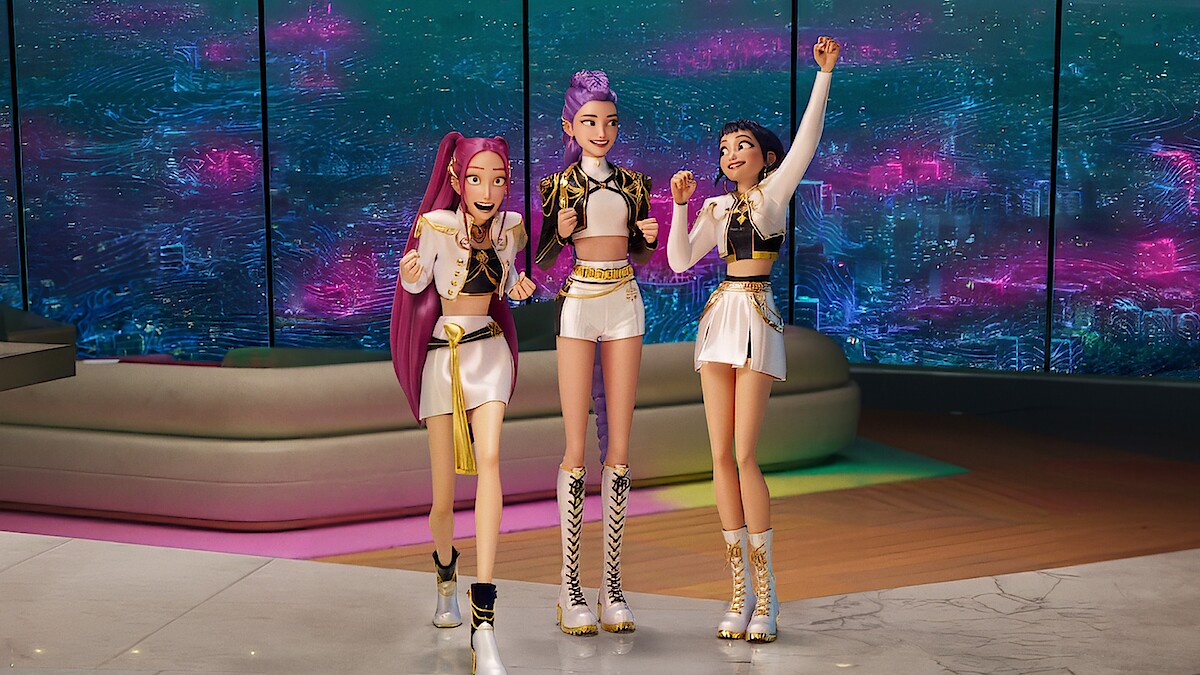
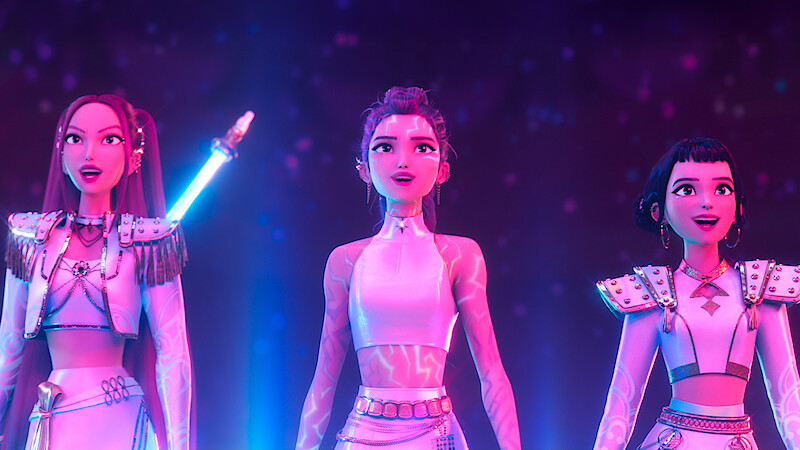
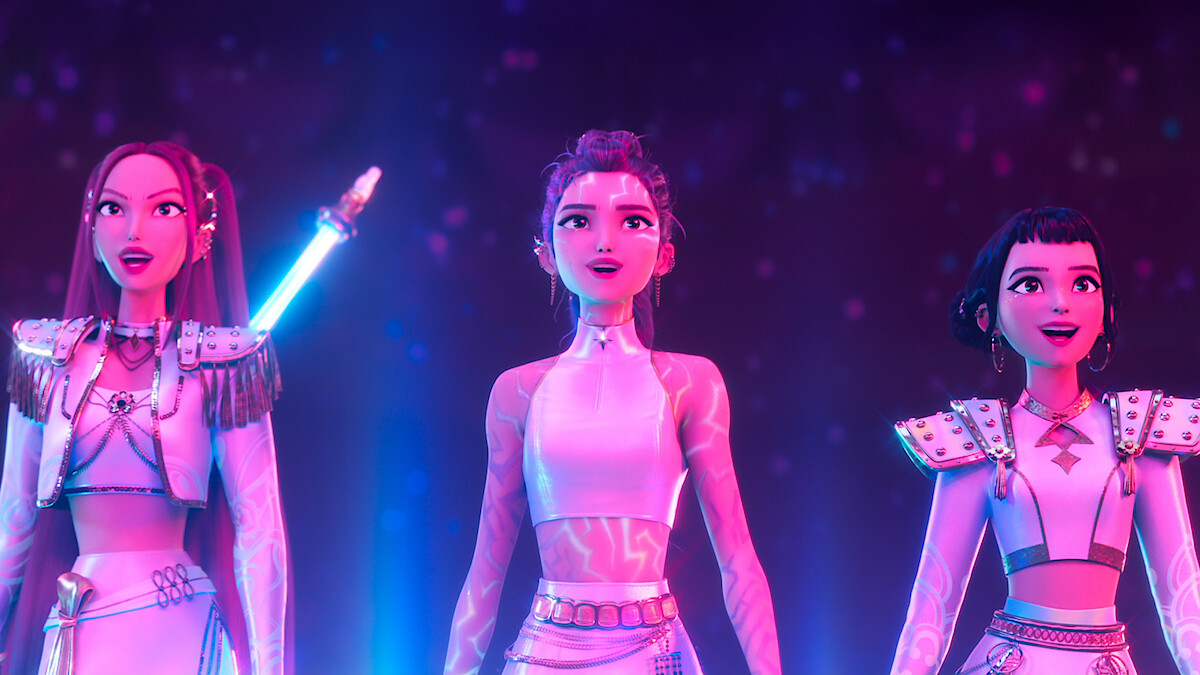
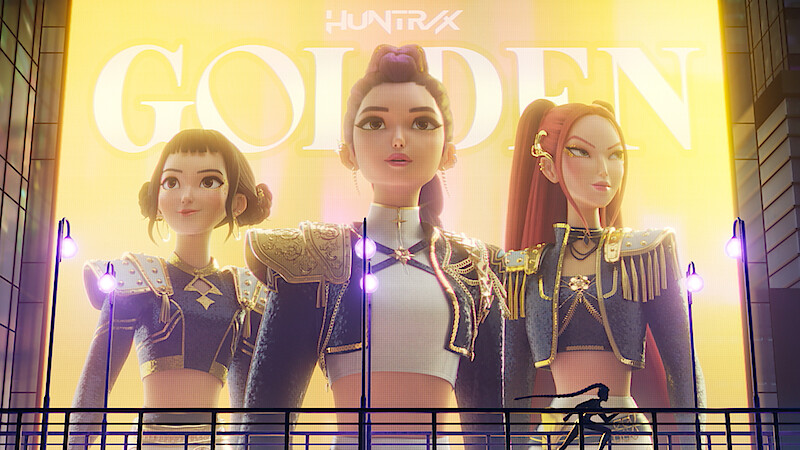
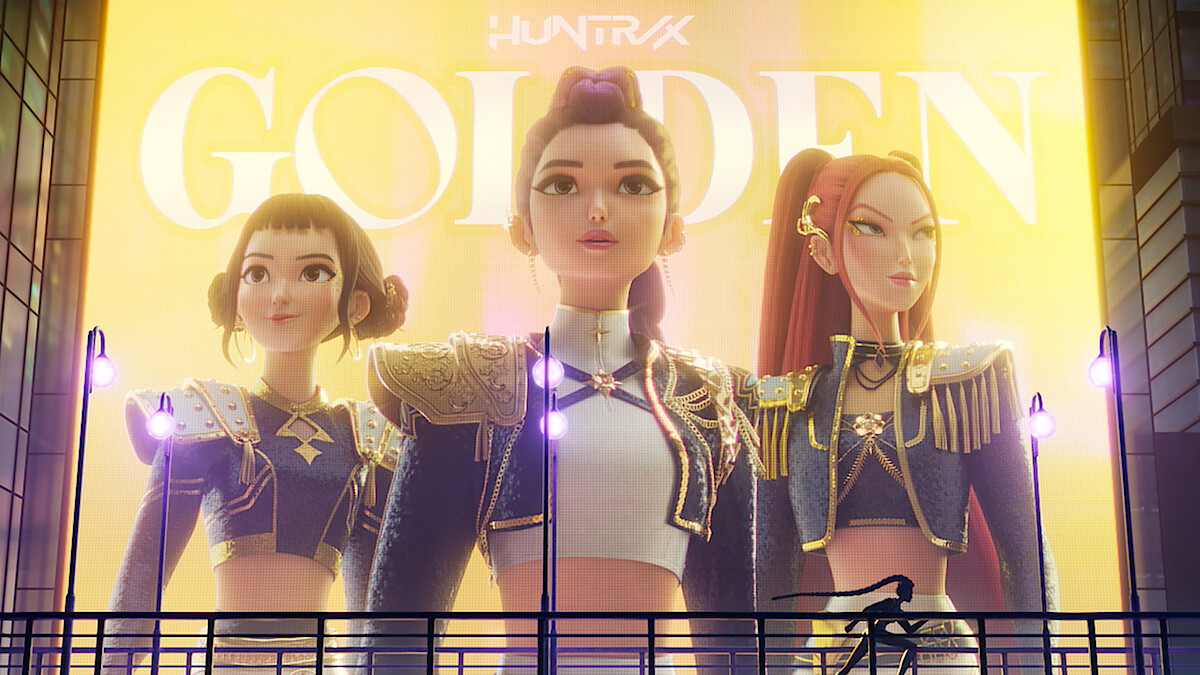
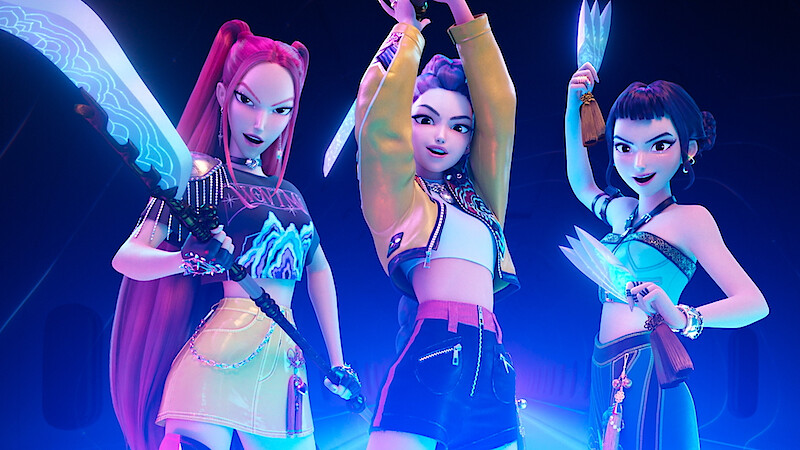
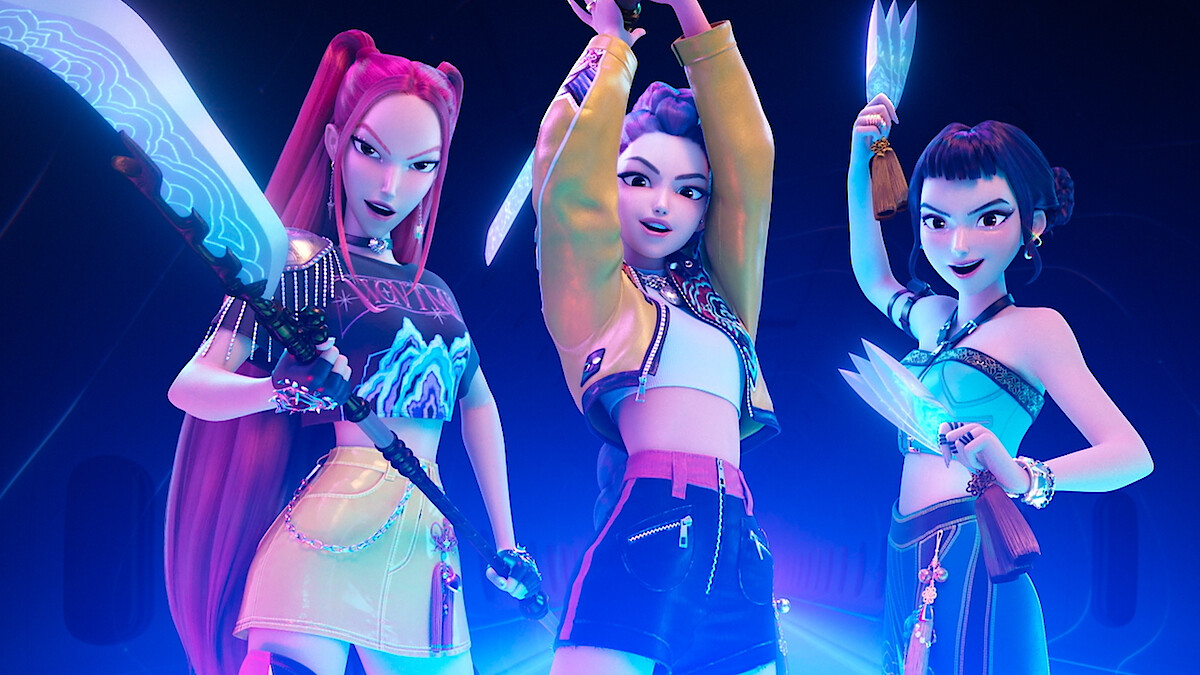
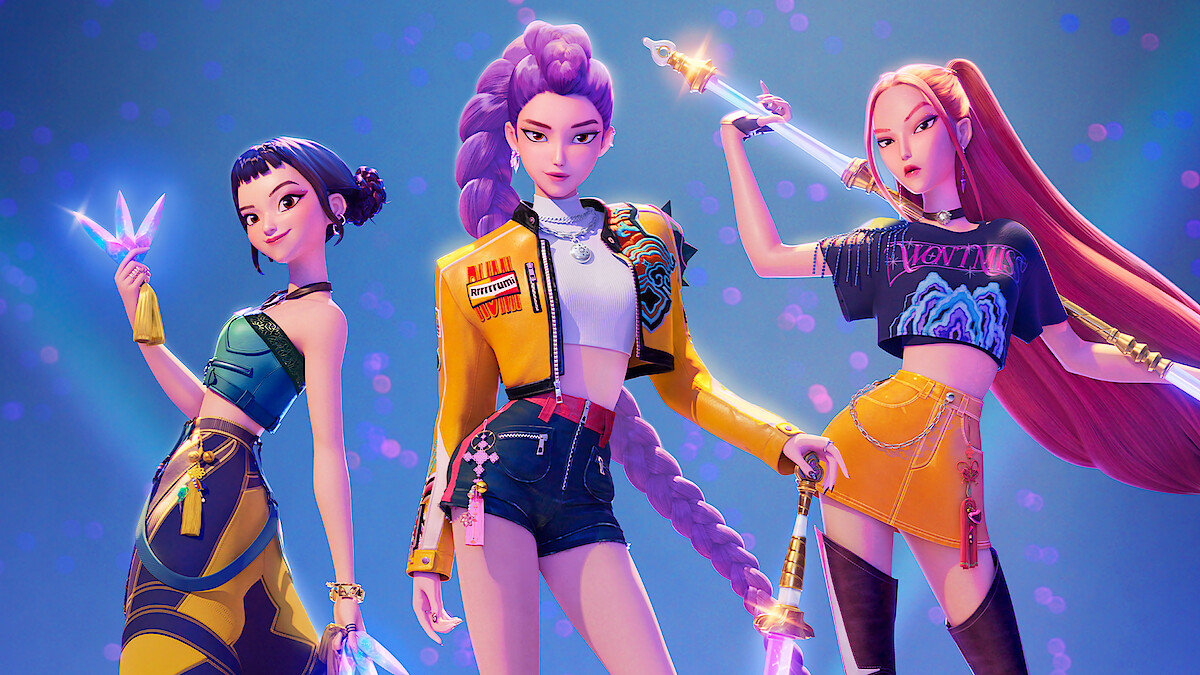
Now, five Grammy Award nominations later — including Song of the Year, Best Song Written for Visual Media, and Best Pop Duo/Group Performance for “Golden” — a Billboard No. 1 hit, and having cemented its status as Netflix’s most popular English language film to date, KPop Demon Hunters continues to captivate the hearts (and ears) around the globe with its story of the demon-fighting, world-protecting K-pop girl group HUNTR/X.
EJAJE, a singer-songwriter who once trained to be a K-pop artist herself, and Sonnenblick, a musical theater composer and lyricist, reunited at The Lineup: Live at the Egyptian, where the songwriters opened up about finding the sound of KPop Demon Hunters, the process behind crafting “Golden,” and more.
The conversation has been condensed and edited for clarity.
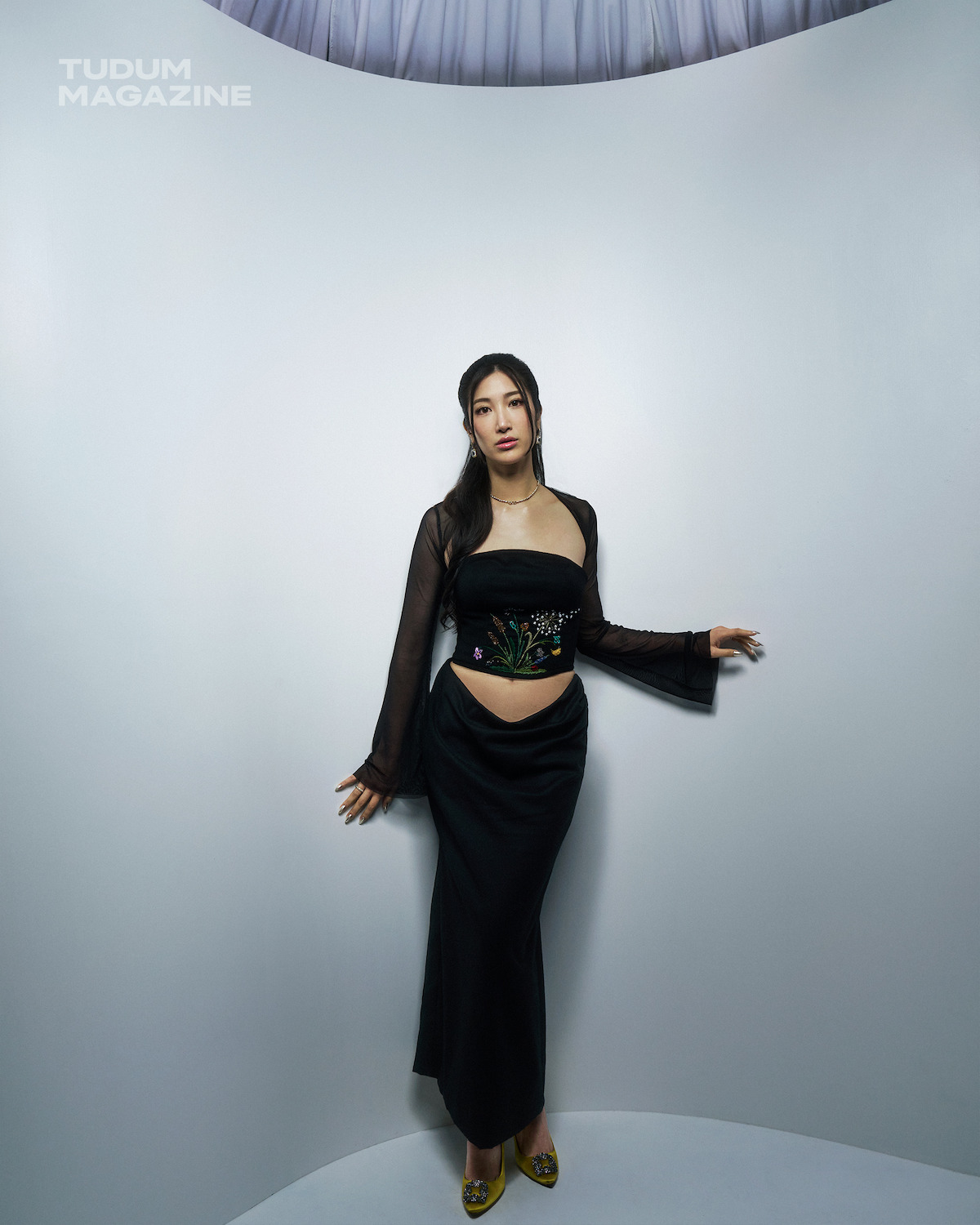
EJAE
Stephan Lee: EJAE, you’re rooted in K-Pop and pop production, and Mark, you come from musical theater and film. How did you kind of find a shared language when you were writing these songs?
Mark Sonnenblick: That’s the beauty of movies in general, but songwriting, too, is collaboration, and you’re going in and [finding] where your sensibilities line up and overlap. To get to come into these sessions with the brief from [directors] Maggie [Kang] and from Chris [Appelhans], and from Ian [Eisendrath], our amazing executive music producer and figure out how [to] tell a story, which is more of the tradition I come from, but do in it a way that is a banger; in the voice of these characters, and [in] the way they sound — which is where you come from.
EJAE: It was great collaboration because oftentimes I would be kind of figuring out a strong melody that would really work, that Rumi's going to sing and these girls that's going to save the world. That's where it would start. And then I feel like it was great because I would have my pop referee head and you would have your storyline referee head. So it was great that we could both be telling each other, "Hey, let's go back to the story." Or, "Hey, let's go back to the melody because the melody's super strong." Because there are certain words that can ruin a melody or just seem awkward, and it was really important to go back and forth on that.
With K-pop, you do mix English lyrics with Korean. How did you decide what serves the song better in Korean?
EJAE: For that, that was actually direction from Maggie [Kang] and Chris [Appelhans]. They would choose what parts they want to be in Korean. Being bilingual was incredibly helpful. As a Korean-American who is bilingual, I kind of know the nuances of each language. I get [that] translating lyrics is super hard, because it’s the opposite when it comes to the grammar.
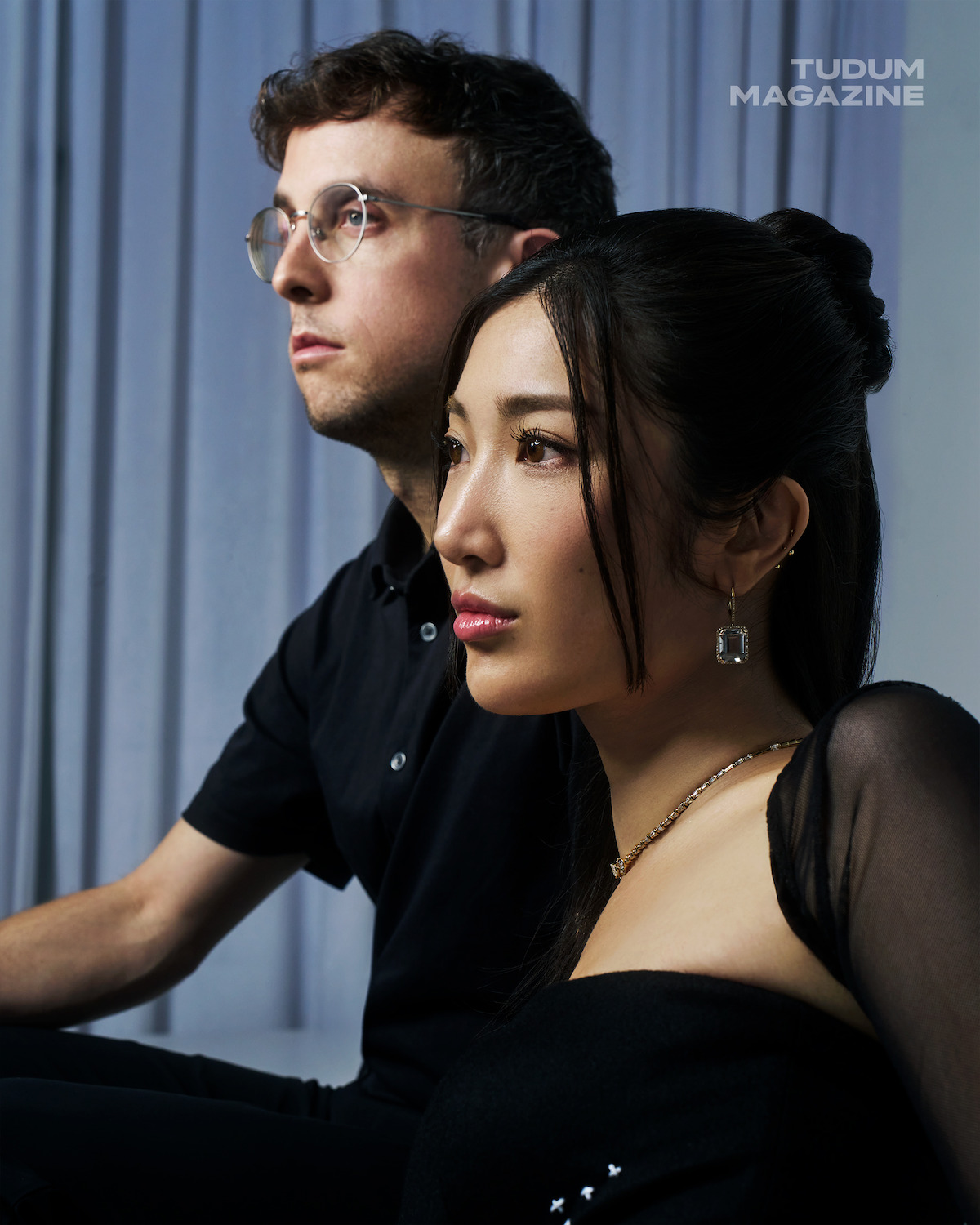
Mark Sonnenblick and EJAE
So let’s talk about “Golden.” That little song, 1 billion streams. How did “Golden” take shape?
Sonnenblick: Everything starts with the story and Maggie [Kang] and Chris [Appelhans] and Michelle [Wong] and Ian [Eisendrath]. What does the song need to do in this moment? There were many songs before this version of “Golden”. They were like, “Oh, OK, is the song called “Forever Gold”? Or is the song just called “Gold”?
EJAE: They gave us the track and we had a deadline, so I had to listen to it immediately, and I was in the taxi on the way to the dentist to get a filling. The melody came out really fast, and I brought it to Mark. Together, we would Frankenstein the whole song together. That song felt like it was meant to be honest. We were super excited once we were finished, we were just like, “This sounds like a smash.”
Sonnenblick: A huge shout-out to Teddy, and Ido, and 24 too, because I feel like right from the beginning you hear that kind of synth, vocal chop, whatever it is, and you feel something — the melody isn’t there, the lyrics aren’t there, [but] you feel what the character is feeling. And that was kind of the alchemy of that on this song.
EJAE, the lyrics are sung by a half-demon K-pop idol demon slayer. But I feel like the lyrics are very relatable to a lot of people. But then also coming up through K-pop, mistakes can be so high stakes there, there’s so much pressure. Did you really relate to that part of the song as well while you were writing it?
EJAE: 100%. Not just as a Korean person, the idea of shame and hiding the shame is definitely present, but also being K-pop idol trainee myself because I was in it for a very long time, for 10 years. Rumi is a complex character who is strong, but she has a vulnerable side of her demons that she’s ashamed of, always having to put her best foot forward and be perfect. I definitely relate to that. As a trainee, you have to be perfect, look perfect, and be great at dancing, and then acting in Chinese and Japanese. That was a lot of pressure. And so I definitely understood that feeling of how exhausting that could be. And so I think that’s where I was able to relate to lyrics. And it was honestly very cathartic for me, because honestly, it was great that it synced with what I was going through.
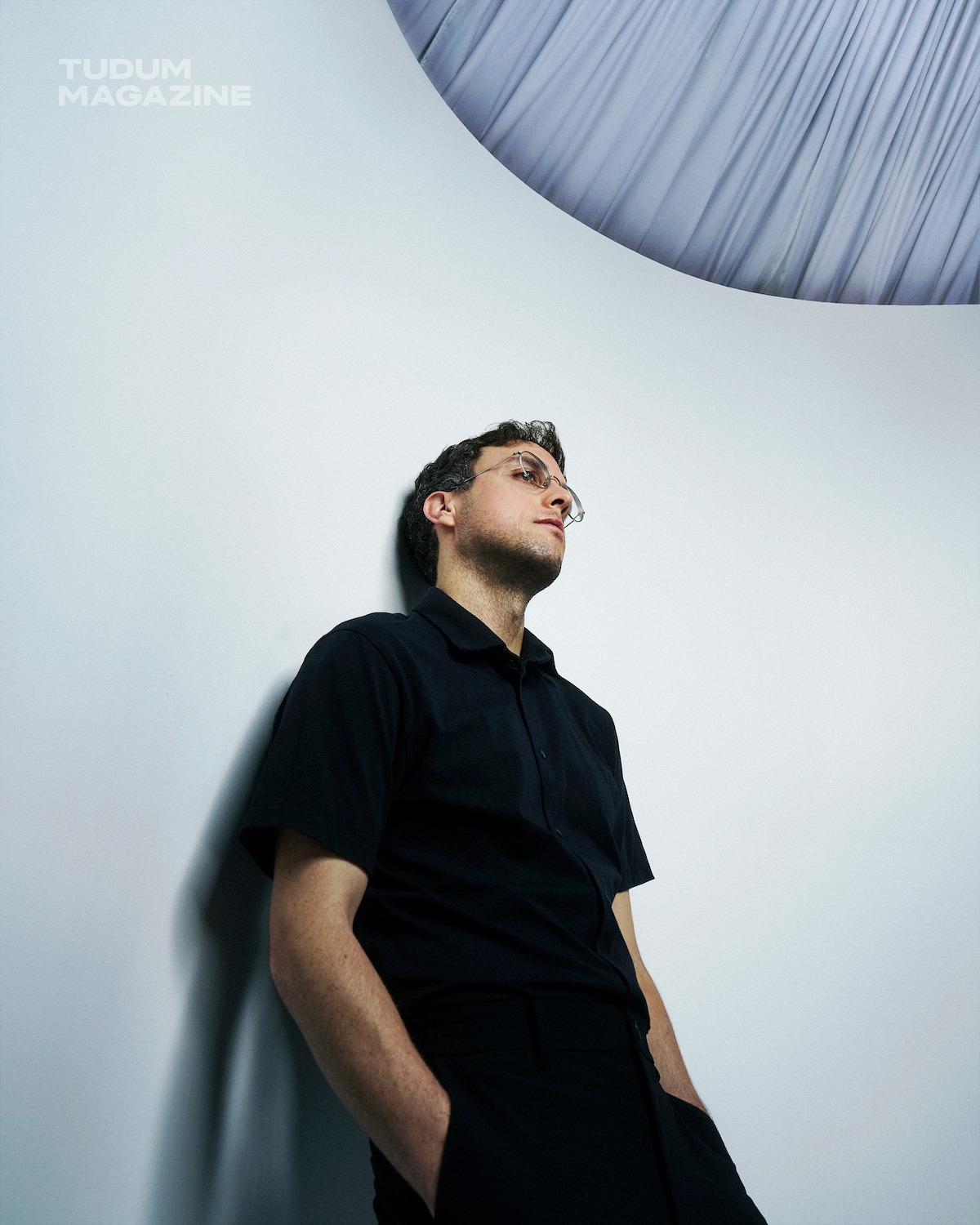
Sonnenblick
How did it feel being in the recording booth for the first time after writing it?
EJAE: I get stage fright, and the studio is huge in New York, but they do have an incredible team, Ian [Eisendrath] just made me feel so comfortable. Because of that comfortable environment, it was great. When we were singing “Golden,” I was constantly saying, “Oh, I hope I never have to sing this live.”
What are some of the milestones or places that the song’s gone that have been the most meaningful or exciting?
Sonnenblick: It is, especially outside the movie, a song of healing and coming into your own and moving past maybe darker parts of who you’ve been or ways that other people have brought you down or that life has brought you down. I think just for me overall, it’s making something that means so much to you when you’re making it, [and] you just never know if it’s going to break through and reach out. And part of that is the movie too, and I’m grateful to the fans who have responded to everything about this, including “Golden.”