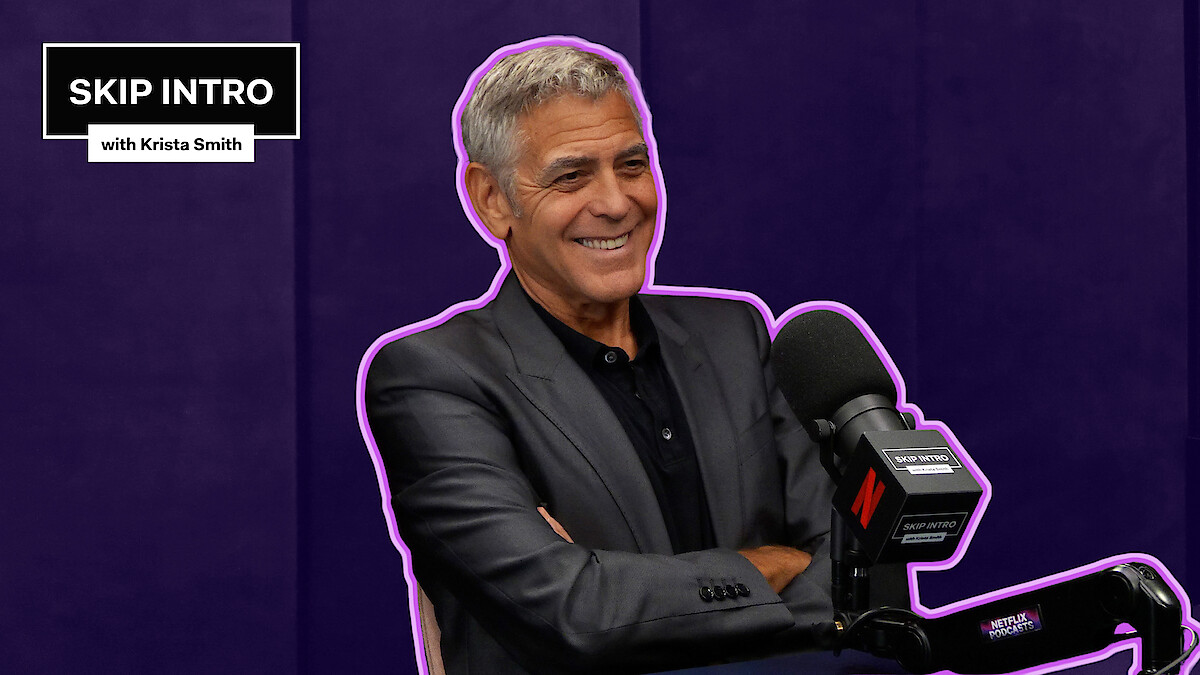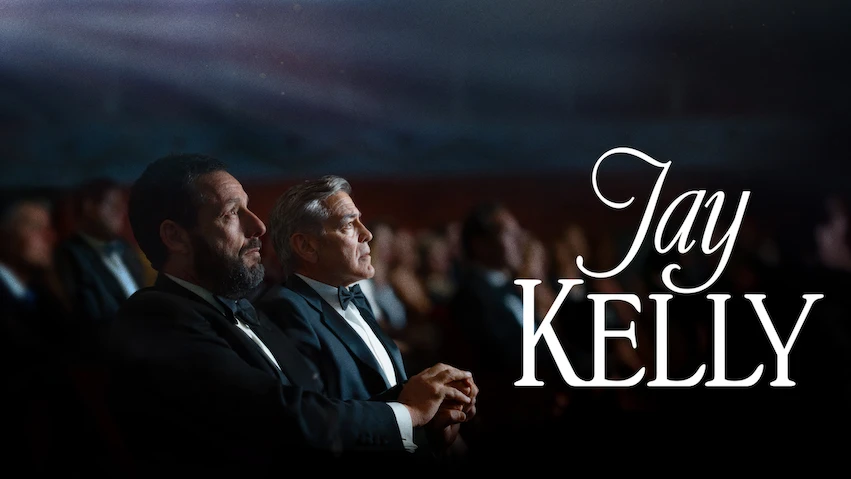
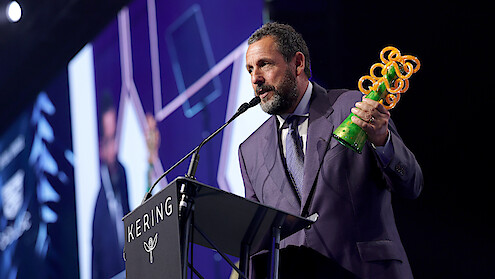


The star jokes about alternate lives while accepting honors for his latest role.

Sometimes memories are all we are.
I keep thinking about the pickles.
In an early, revealing scene in Jay Kelly, Noah Baumbach’s brilliant and emotional film about fame, mortality, self-hood and the tension between ambition and family, Jay Kelly, a world renowned movie star (played to perfection by world renowned movie star, George Clooney) is in his vast kitchen with Peter Schneider, the director who, decades ago, launched Kelly’s career. Schneider, we later learn, saw the potential in the actor, when he crashed his best friend’s audition, grabbed the moment and read for the lead part. He won the role and his meteoric career trajectory was set. While fortune has greatly favored Kelly, Schneider, played by Jim Broadbent, is not so lucky: He’s in decline and has come to ask — beg, really — for Kelly’s help. He needs the actor’s name to gain financing for a new feature film and, while he politely implores Kelly, Schneider decides to make him a sandwich. Schneider’s work requests are accompanied by the careful layering of bread, meat, tomato, and olive oil and he then asks Kelly if he has any pickles. Kelly replies, “Check the cabinet, but they may have expired.”
After the sandwich is complete (pickles included), Kelly takes a bite and compliments its perfection. Sadly, Schneider’s attempt at food seduction — which demonstrated care, expertise and kindness — does not sway Kelly: He flatly declines to help his old friend and mentor. Schneider sighs and says, finally, “Pickles do not expire.”
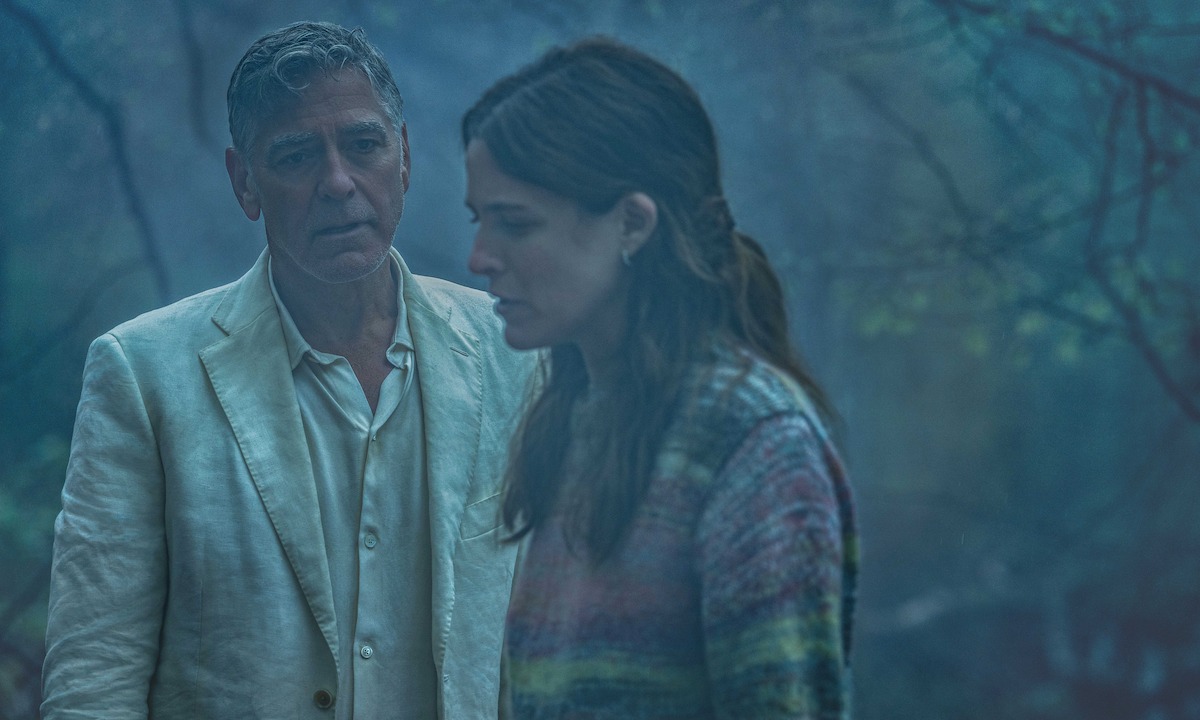
Jay Kelly (George Clooney) and Jessica Kelly (Riley Keough)
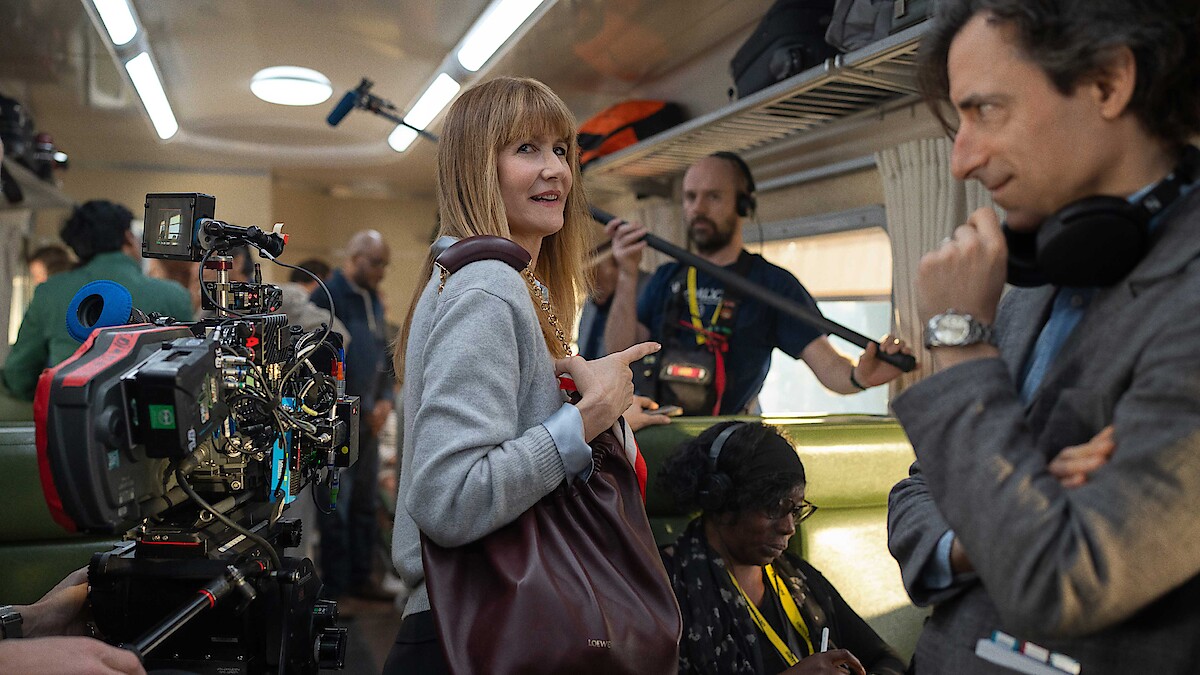
That sentence resonates throughout the film. In important ways, memories in Jay Kelly are like pickles: They don’t expire. Instead, they haunt. And transform. And often remind the characters of their truer selves. Schneider dies soon after the sandwich scene — or, at least, it is his final encounter in Jay Kelly’s life. Schneider’s death and the recollection of their times together are the hidden motivation for Kelly to examine his relationships: to his long-time, long suffering manager, Ron Sukenick (played with heartbreaking sadness by Adam Sandler), to his two daughters that he largely ignored while they were growing up and to the career that has dominated his existence. In an attempt to reprioritize family over career, he embarks on a trip through Europe. His younger daughter, Daisy, played by Grace Edwards, is on a pre-college train journey with her friends and Kelly (and his entourage — publicist, assistants, and manager) decides to follow her. Of course, there is the complicated matter of being a famous movie star on a train without a protective structure: It has been decades since Kelly was just a regular person in a normal environment. Daisy, who is a wise child, repeatedly points out that her father doesn’t like crowds or public places and yet, as she also points out, he is never alone. The noise around Kelly is orchestrated by workers who support him on movie sets or with his professional family. After the funeral, a question suddenly confronts Kelly: What is the true value of his existence?
Although Jay Kelly is set in the world of show business, with its glamorous trappings and artistic dreams, Baumbach is after a more universal theme: How do we shape our lives? Throughout his films, Baumbach has consistently been fascinated by how both family and career can influence a sense of self. He often sees the two in conflict: In The Squid and The Whale, a frankly autobiographical film, the father, a formerly acclaimed novelist, is still lost in his past glory while his ex-wife, an aspiring writer, is blooming. The tension between the two is absorbed in painful ways by their sons: The older son takes credit for a Pink Floyd song in order to win a talent contest at his school. To his mind, fame and glory are the way to impress his parents and the world; he is not yet cognizant of the costs.
The Squid and the Whale is an extraordinary film and Baumbach has re-visited its themes in fascinating ways in among other films, Greenberg (Ben Stiller as a lost soul, who was once in a band); While We’re Young (Ben Stiller as a failed documentarian, attempting to re-capture his youth); Frances Ha (Greta Gerwig as an aging dancer, trying to forge her way in Manhattan) and Marriage Story, about a union that breaks apart due to conflicting ambitions. In Marriage Story, much like in Jay Kelly, the characters bang up against each other, even while they clearly love each other. Baumbach has great empathy for his creations — they may have self-defeating flaws, blind spots, and complex desires, but they are all distinctly human. When Adam Driver sings the Sondheim classic, “Being Alive” in Marriage Story, he might as well be singing about all of Baumbach’s characters, including Jay Kelly.
Ron Sukenick (Adam Sandler) and Kelly (George Clooney)
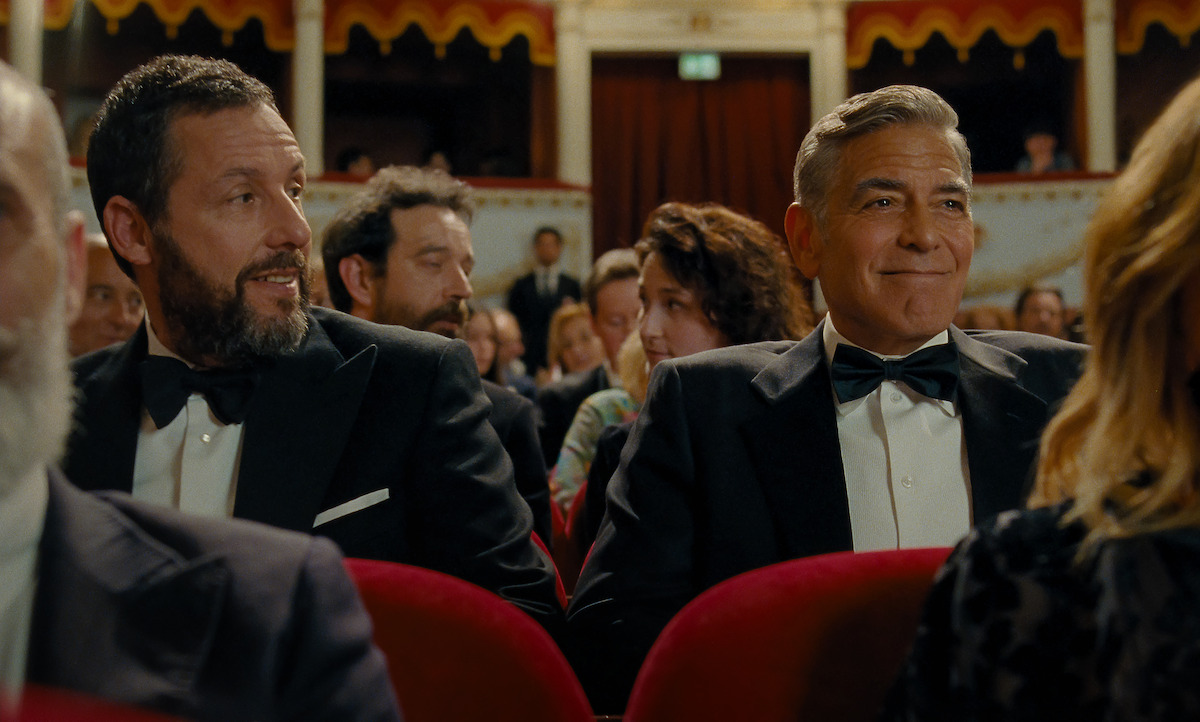
At the beginning of Jay Kelly, there is a quote from Sylvia Plath, the insightful poet who died by suicide. “It’s a hell of a responsibility to be yourself,” she wrote. “It’s much easier to be somebody else, or nobody at all.” Throughout the film, that becomes Jay Kelly’s struggle: While he runs after his daughter in Italy, on his way to a lifetime career tribute in Tuscany, he contemplates the idea of who he actually is. “All my memories are movies,” Kelly says. And Baumbach has developed that idea on two levels: Literally, Kelly has been the thrilling star in all his films and, simultaneously, has re-imagined his life as if it is comprised of a collection of scenes. When Kelly is confronted with a painful recollection — his older daughter’s rage; the furious former actor friend whose part he stole; the rejection of Peter Schneider’s plea for assistance — he tends to re-cast the experience as much less important than his career. For Kelly, in general, it’s easier to play a character than to have character.
At the end of the film, the worlds collide. During the tribute in Tuscany, he watches a collection of clips from his films, which he mentally intersperses with cinematic-like moments, featuring his daughters. The fusing of those lovely personal memories with the glory of his professional work are the closest that Jay Kelly will get to a true sense of self. Sometimes, memories are all we are. And they have no expiration date.
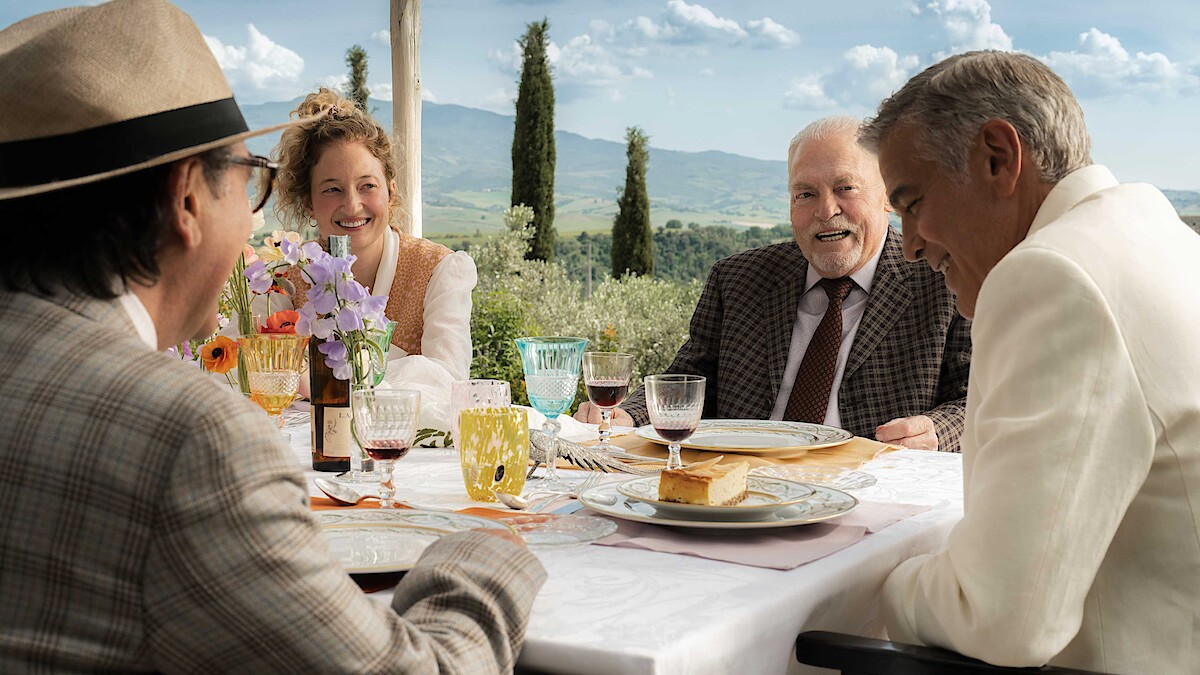
Jay Kelly is now streaming on Netflix. The Jay Kelly book with the above introduction by Lynn Hirschberg will be published by Assouline in Jan. 2026.