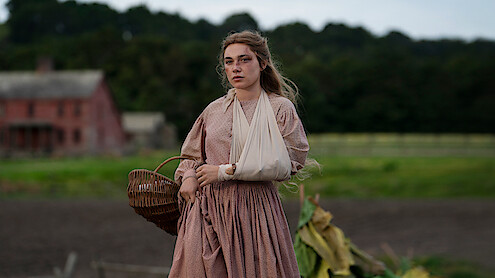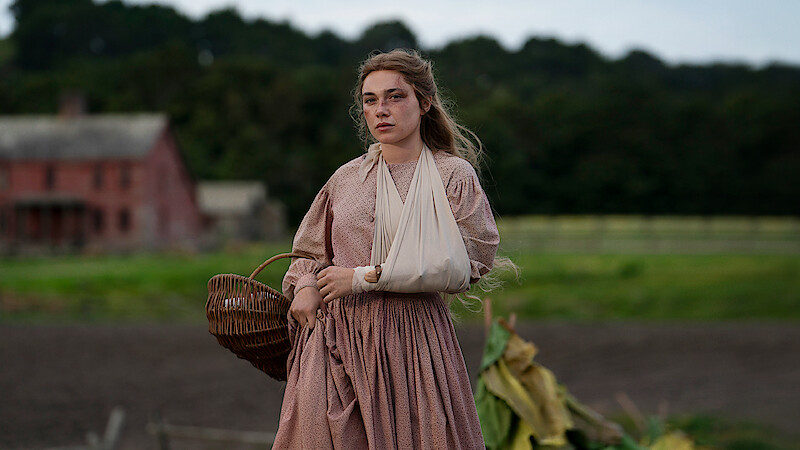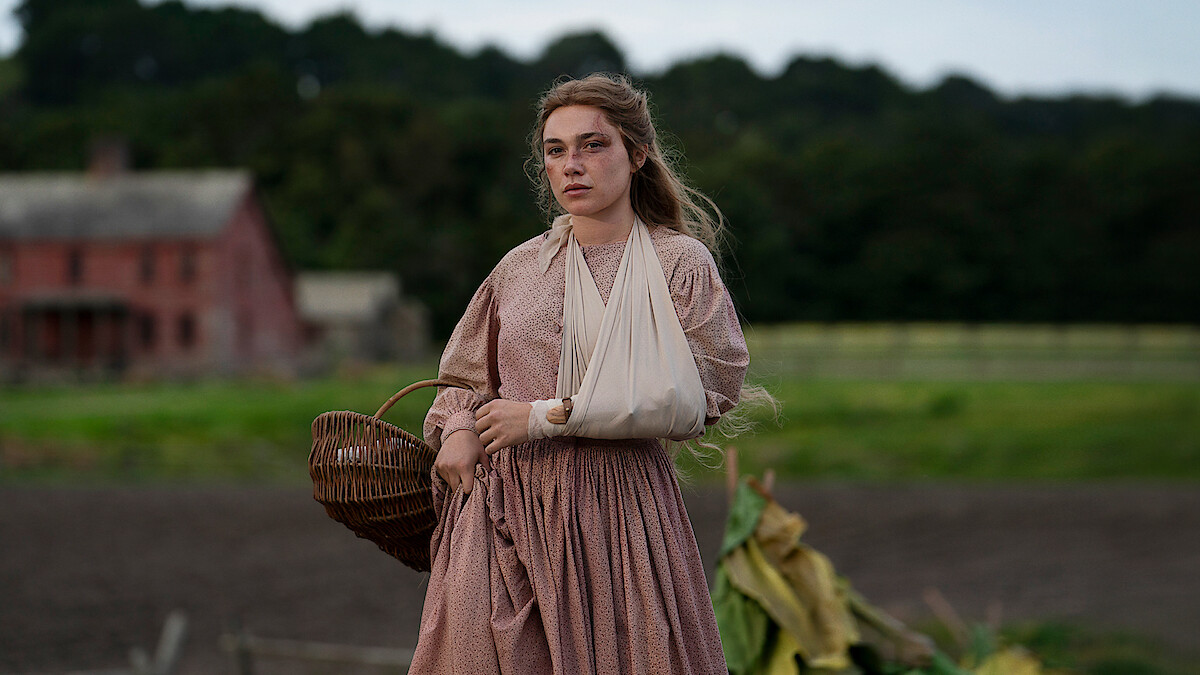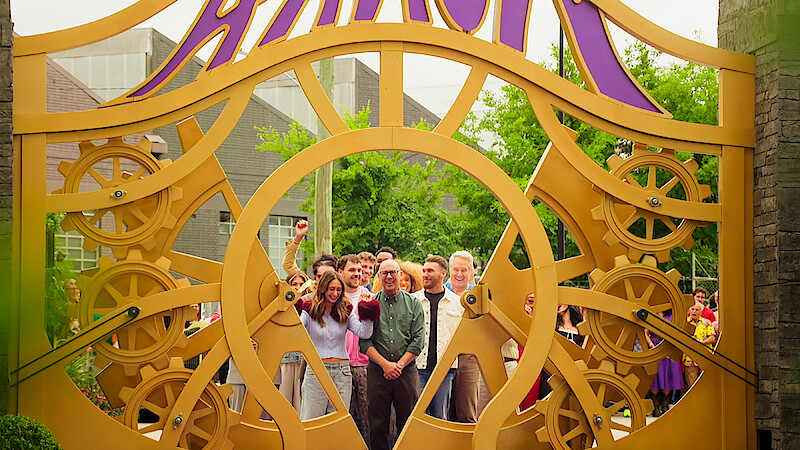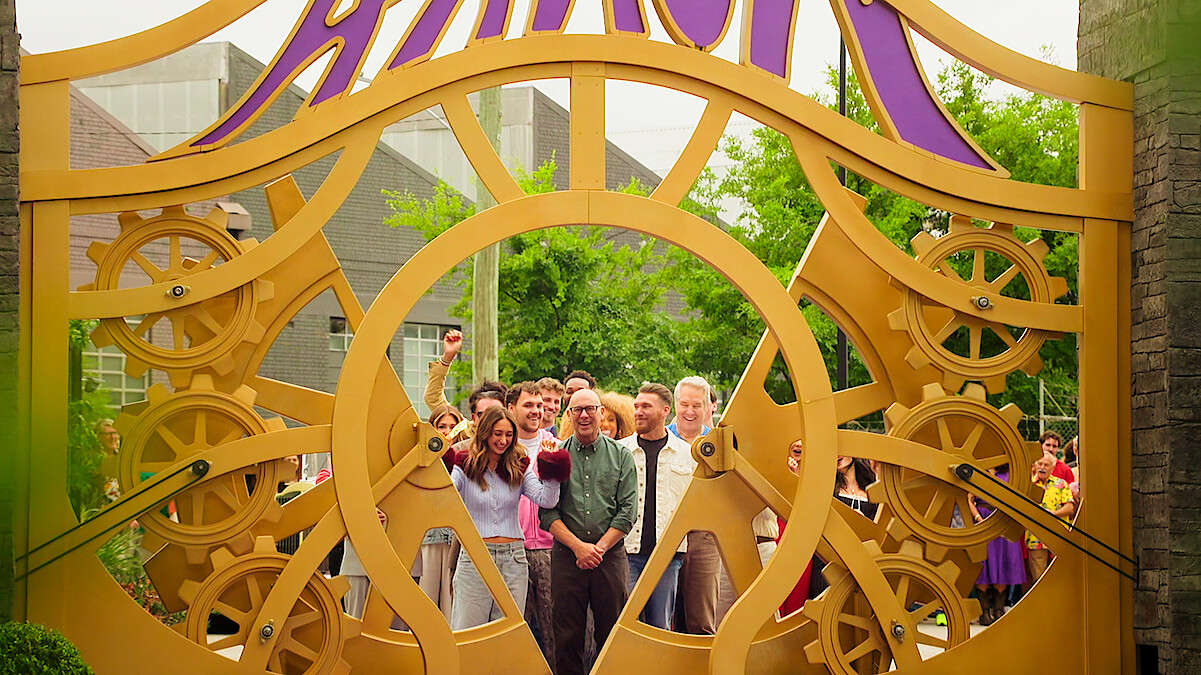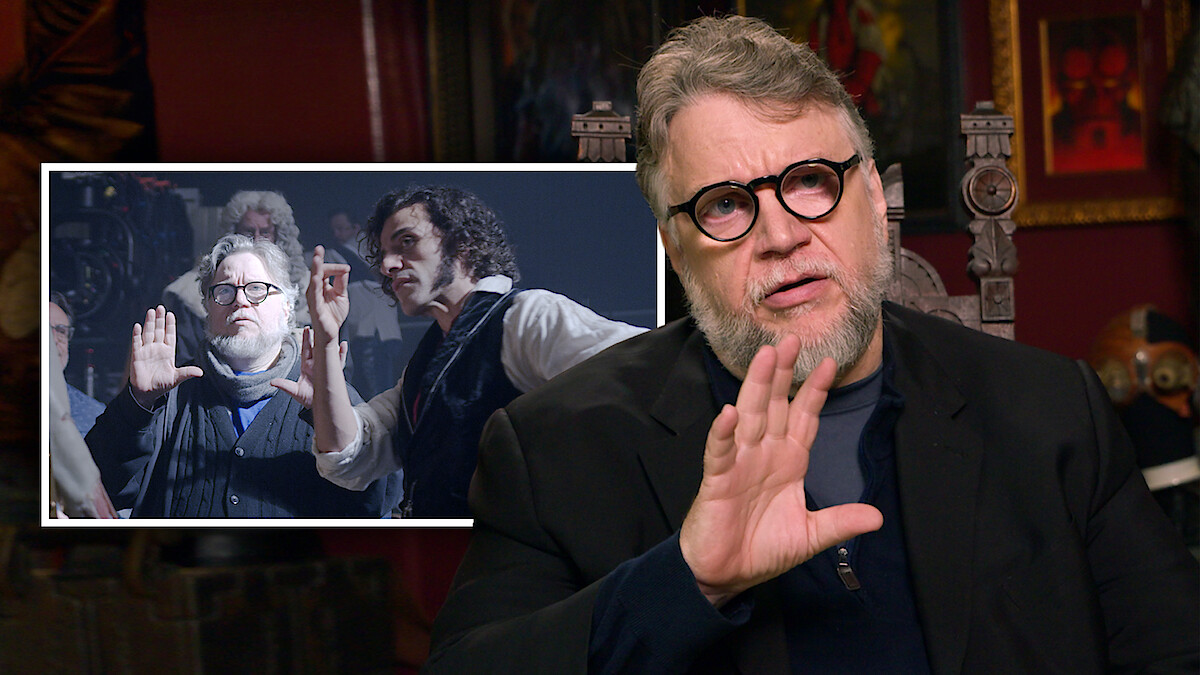
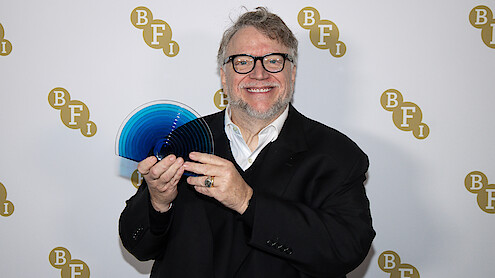
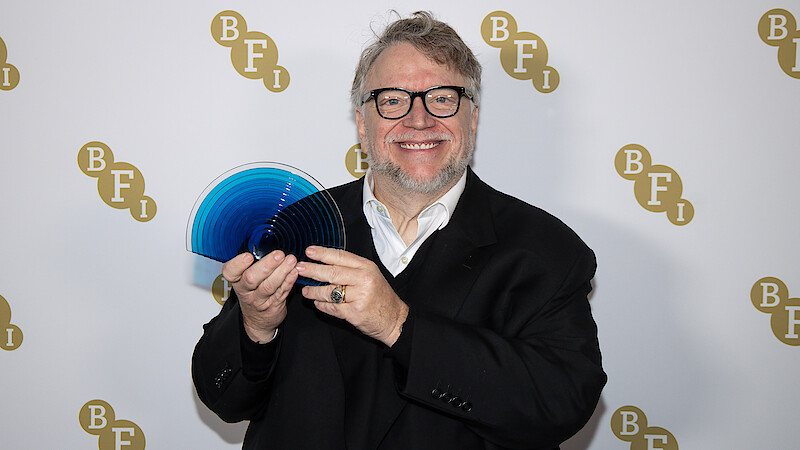
Friends and collaborators gathered to celebrate the visionary’s career.

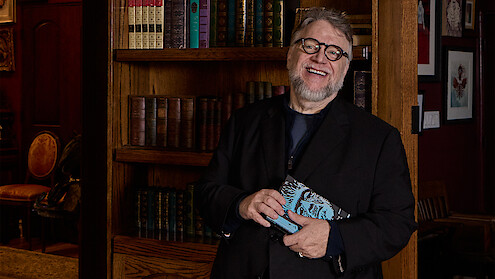
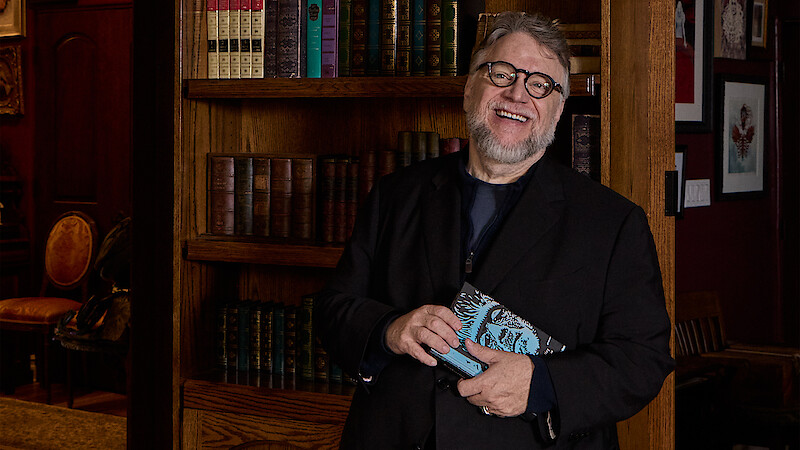
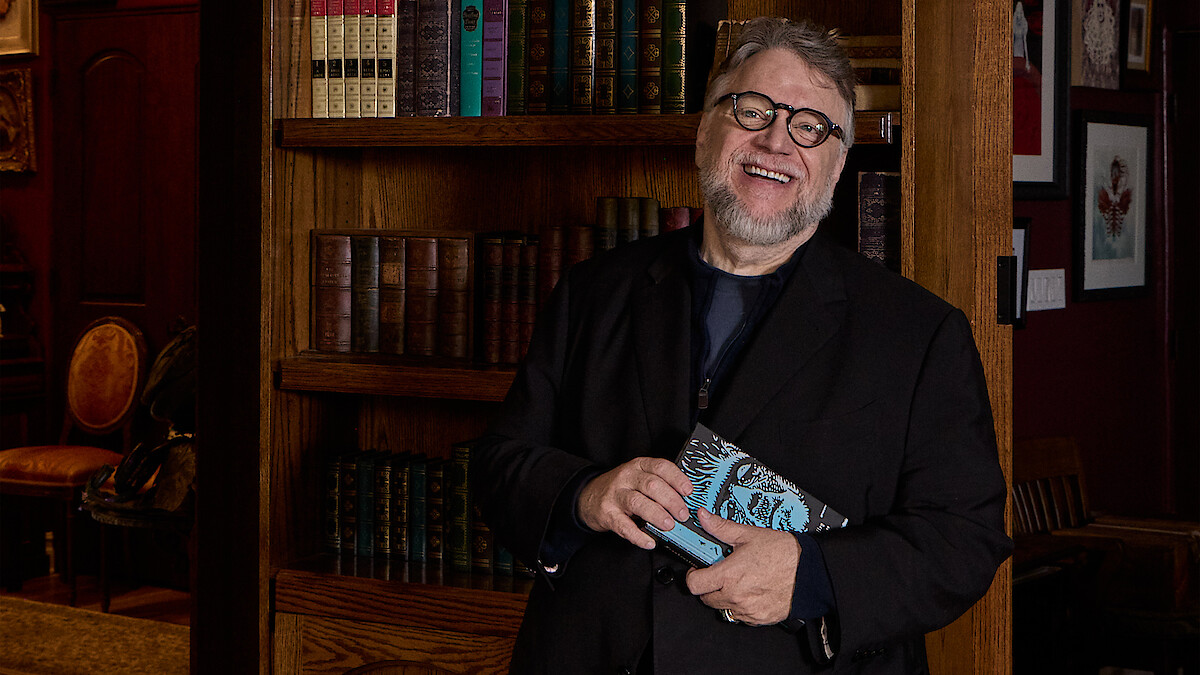
For Guillermo del Toro, Frankenstein is more than a story: It’s a religion. His adaptation of Mary Shelley’s seminal novel — now streaming on Netflix — is the movie he’s been working toward his entire career.
“I’ve lived with Mary Shelley’s creation all my life,” the Academy Award–winning filmmaker says. “For me, it’s the Bible, but I wanted to make it my own, to sing it back in a different key with a different emotion.”
To put his own stamp on the godfather of all monsters, del Toro required a team at the top of their games — an ensemble cast worthy of their iconic characters and a crew capable of channeling the immensity of the story’s gothic horror (and its director’s vision). “I wanted the movie to test the capabilities of every single craft in moviemaking,” del Toro says. “There are huge sets, huge props, and a complex wardrobe. I wanted it to feel like an old movie that was made in the heyday of Hollywood.”
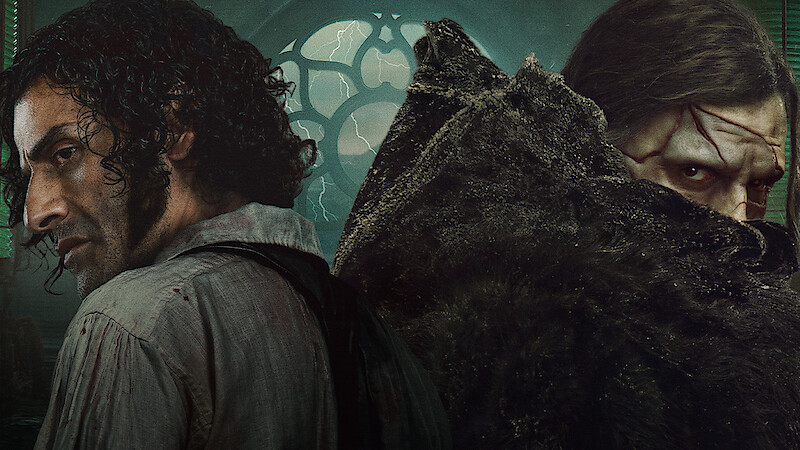
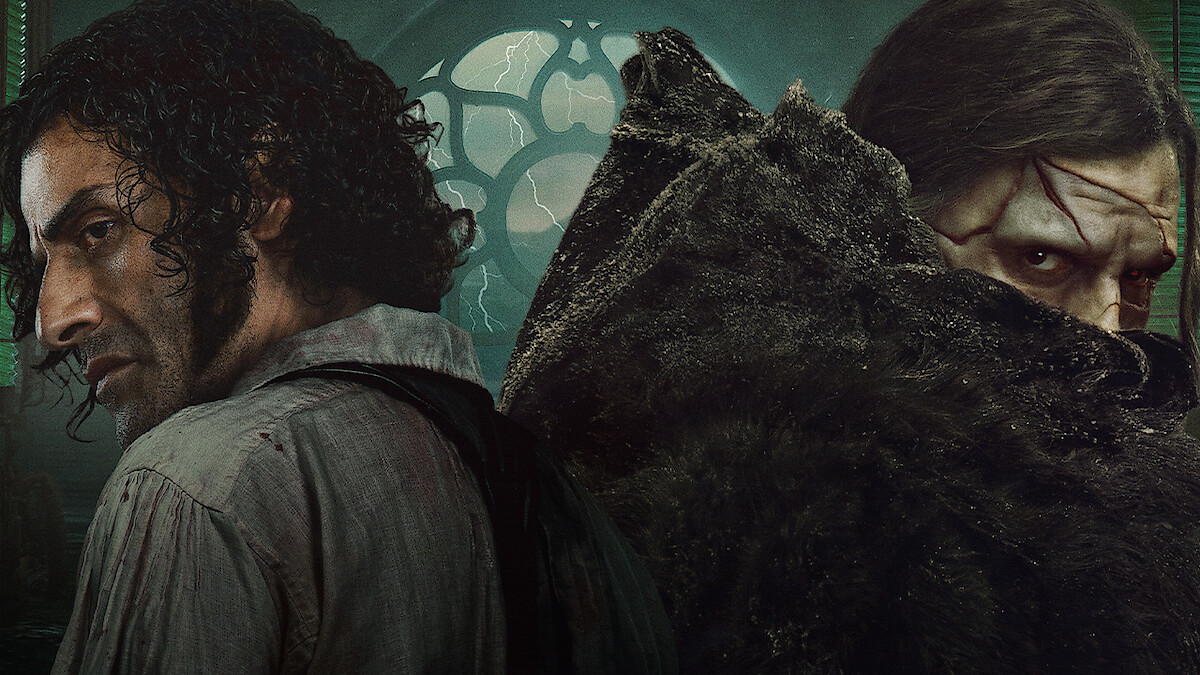
Del Toro’s Frankenstein is set in mid-19th century Europe at the height of the Crimean War, a tragic era that made war profiteers wealthy while impoverishing everyone else. At its center is Victor Frankenstein (Oscar Isaac), reimagined as a renegade scientist whose experiments get him laughed out of the halls of power. An influx of money from a rich patron (Oscar winner Christoph Waltz) allows him to continue his quest to create life — but, as any devotee of the Shelley novel knows, creation does not mean control, and Victor doesn’t account for the fact that his Creature (Jacob Elordi) has his own ideas in his newly fashioned mind.
Below, dive into the lavish world of Guillermo del Toro’s Frankenstein with the artists who brought it to life. “For me, only monsters hold the secrets I long for,” del Toro says. Read on to discover those secrets for yourself.

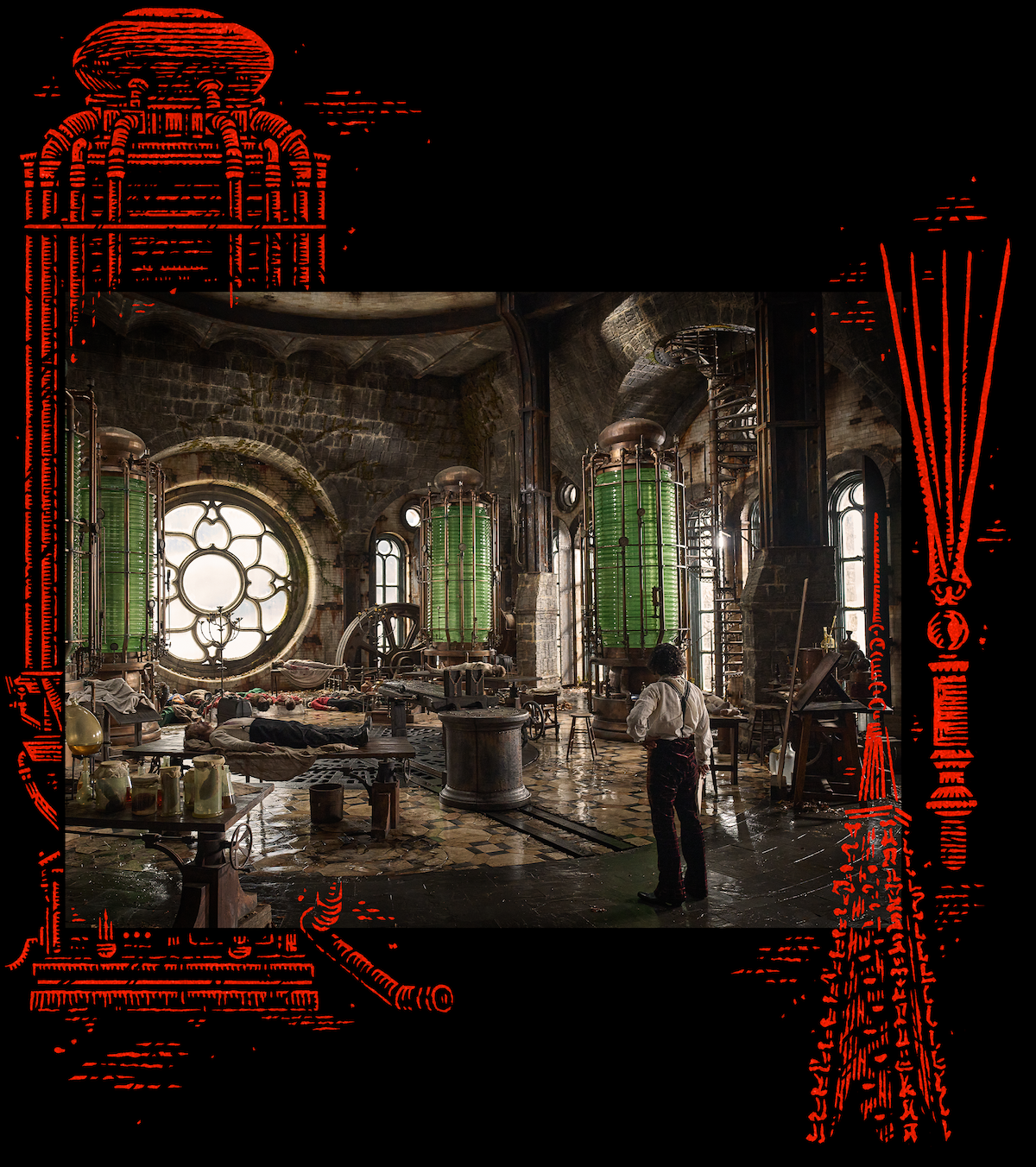
Before del Toro could raise his Creature, he needed to build him a fitting home. The Frankenstein team — including production designer Tamara Deverell — found one in an abandoned water tower that stretched stories up to the heavens. There, Frankenstein’s laboratory was fitted with marble floors, a custom marble spiral staircase, and a hulking circular window — the latter will feel familiar to fans of del Toro’s previous works, like The Shape of Water and Crimson Peak.
“You’ll see a lot of circle motifs, which, to Guillermo, represent the circle of life, the beginning, the end, the endless ouroboros, the snake eating its tail,” Deverell says. “It’s a definite theme, and I do my best to incorporate it as many times as I can.”
It took Deverell five months to perfect the design of the space. She used a 3D rendering to visualize every detail and refine the laboratory into something worthy of Frankenstein’s genius and darkness. It was finished with stone and tile, as well as a green patina that hints at the way even the brightest copper can become corroded. “We played with so many palettes of green-on-green tones,” Deverell says. Her final choice signals just the right amount of decay.
The rest of Frankenstein’s sets share the same attention to details. “We wanted to make an old-fashioned, beautiful production of operatic scale,” del Toro says, “made by humans.”

When adapting Shelley’s work, del Toro was careful to remember one thing. “When she wrote Frankenstein, it was not a period piece,” del Toro says. “It was a modern book, so I didn’t want you to see a pastel-colored period piece.” Frankenstein is set in the past, but del Toro wanted it to read not as an old text but as a young one simply born in another time. That meant treating the novel not as a corpse to be reanimated but as something already alive and thriving.
“The book has a lot of anxiety, the anxiety that you get when you’re an adolescent and you don’t understand why everybody lies about the world,” del Toro says. “The book has that fidgety sort of energy. It wants to question capitalism. It wants to [ask], ‘Who am I? Why am I here? What did God send me? What is my purpose? What is the world?’ I wanted to capture that anxiety.”
Much of the film’s dialogue is original, but del Toro aspired to maintain Shelley’s spirit through the film. He was aided by his own upbringing. “When English is your second language, you are trained very acutely to the melody and the rhythms of a language,” he says. “It has a particular rhythm, the dialogue in the book. I tried to make the dialogue be like that without sounding archaic.”
Del Toro also thought deeply about Frankenstein’s relationship with another novel about fathers and sons, Carlo Collodi’s The Adventures of Pinocchio, an equally important text for del Toro; he adapted it into an Oscar–winning 2021 animated film. “I ended up making them basically back-to-back at a time when I lost my father and I lost my mother,” del Toro says. “I really had to wonder about who I am because you become nobody’s child. The fact that that happened made them both deeper.”

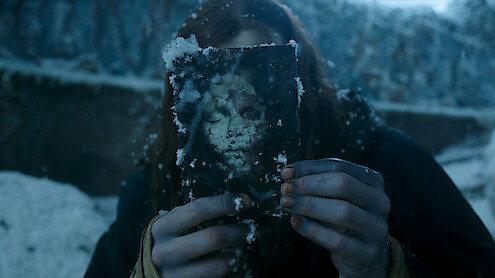
Del Toro and his usual cinematographer Dan Laustsen (Nightmare Alley, The Shape of Water) think deeply about colors. For Frankenstein, the pair opted for steely blues and deep ambers — projected using gels placed on massive lights outside the confines of the film’s sets. The method (which Laustsen originated on his first collaboration with del Toro, 1997’s giant-bug flick Mimic) allowed the actors to move around the film’s sometimes cluttered rooms without interfering with the lighting design.
In the editing room, del Toro was a constant presence. Unlike many filmmakers, he prefers each day’s footage to be edited before beginning production the next day; this means arriving to set early to work with editor Evan Schiff (another longtime collaborator, from films like Pan’s Labyrinth and Hellboy II: The Golden Army).
For a lavish production like Frankenstein, many editorial choices came down to timing, from the placement of the film’s title cards to the order of its flashbacks. Like del Toro’s other department heads, Schiff insists on passing credit to his fearless leader. “As editors, we have lots of tricks. I like to say that we lie, cheat, and steal for a living,” Schiff says. “He is as good at lying, cheating, and stealing in editorial as anybody.”

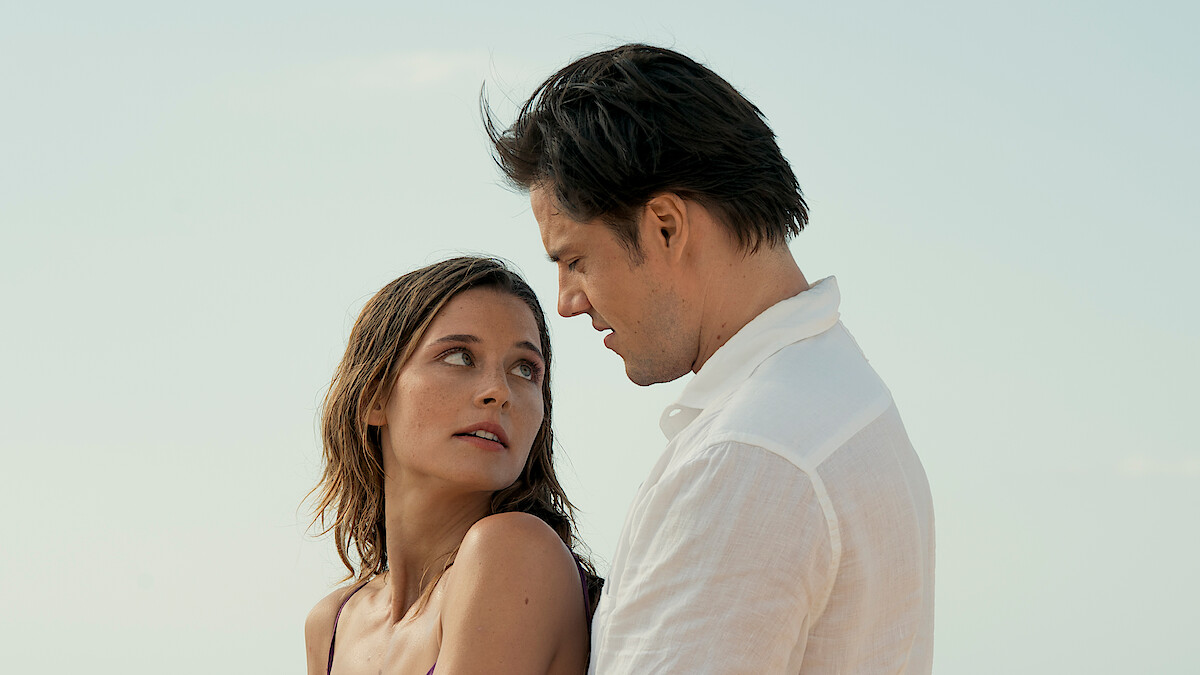
At the center of Frankenstein is a triangle of sorts: Victor Frankenstein, the Creature he creates, and Elizabeth Harlander (Mia Goth), the woman caught between them. Del Toro needed a formidable trio of actors to bring this dynamic to life — and he found them in Isaac, Elordi, and Goth.
Casting director Robin D. Cook insists on sharing credit for the film’s cast with her director. “If an actor auditions for me,” Cook says, “I will see the potential, but Guillermo can see the performance. He’s able to go a step further. He is always able to see the finished product, and it’s mind-blowing when you go [and] watch the actual film.”
When del Toro first met Isaac, it didn’t take long to offer him the role. “We started talking about our fathers and about being fathers and art and the industry and what we’re after, all these themes,” Isaac recalls. “About an hour in, he started talking a bit about Frankenstein. We kept talking, and by the end of it, he said, ‘I think you need to play Victor.’ ”
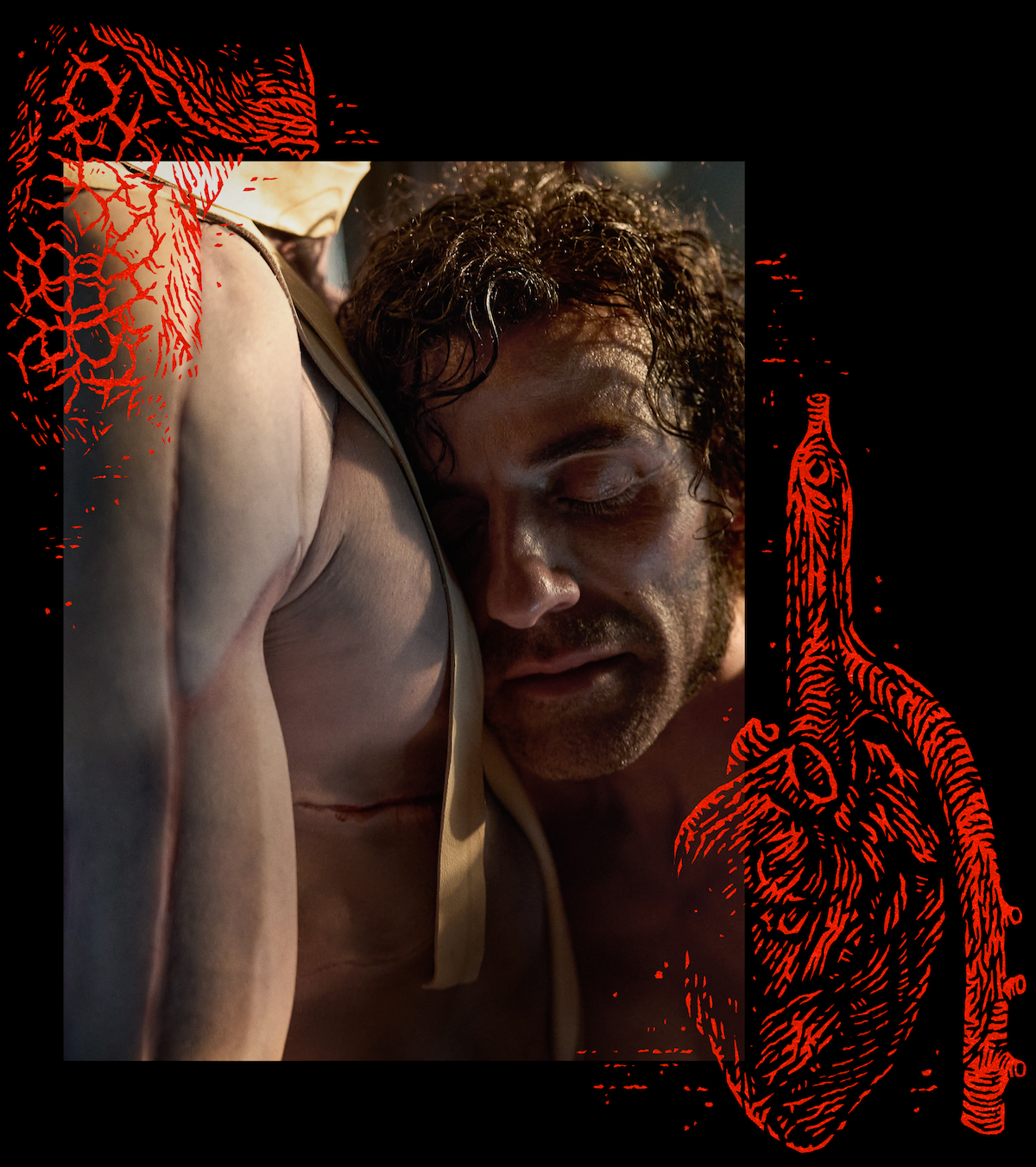
Del Toro conceived of the famed doctor as a bit of a rock star and a bit of a daredevil, but most of all he’s a troubled soul. “Like all tyrants, Victor believes himself to be a victim,” del Toro says. “Everybody that is a tyrant loves being a victim — ‘Poor me’ — and in the meantime, they’re destroying everybody’s life. That’s Victor.”
One of the lives Victor destroys is also a life he creates: the Creature. For his performance, Elordi was influenced by the Japanese Butoh style of dance and even his golden retriever. “There’s a real innocence in the way [my dog] moves and the way that she loves,” Elordi says.
Elordi was fortunate to start the film in a position strikingly similar to the first steps of the Creature. “I needed to completely re-set and rebuild as a new sort of person, which is the exact journey the Creature goes on,” he says. “I didn’t realize there was this whole world behind monster films outside of them being horror films. There is a religion based around it almost. I have a deep reverence for those films.”
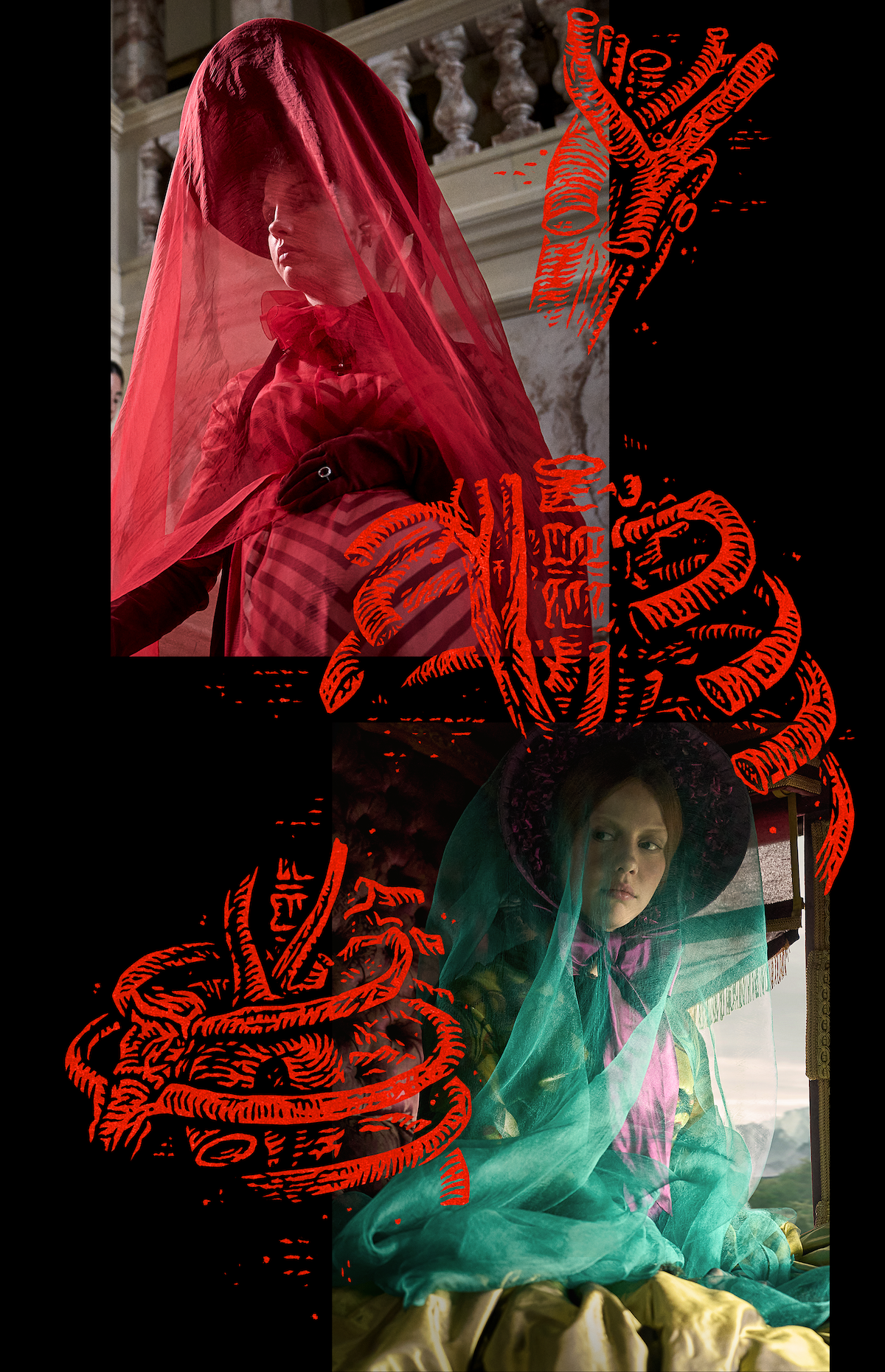
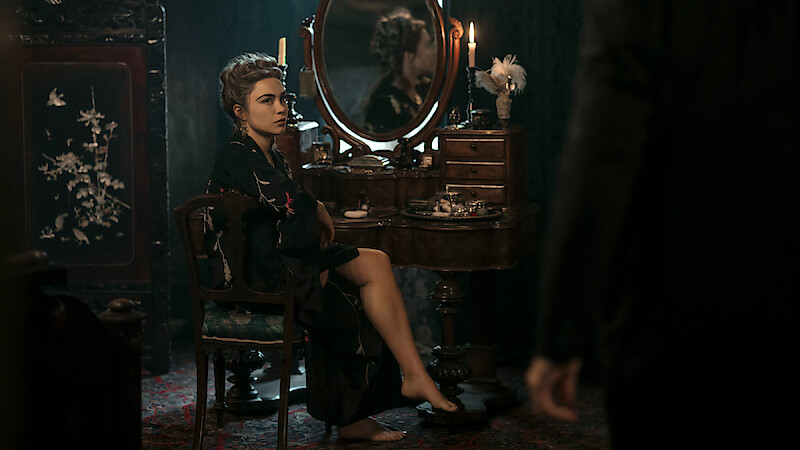
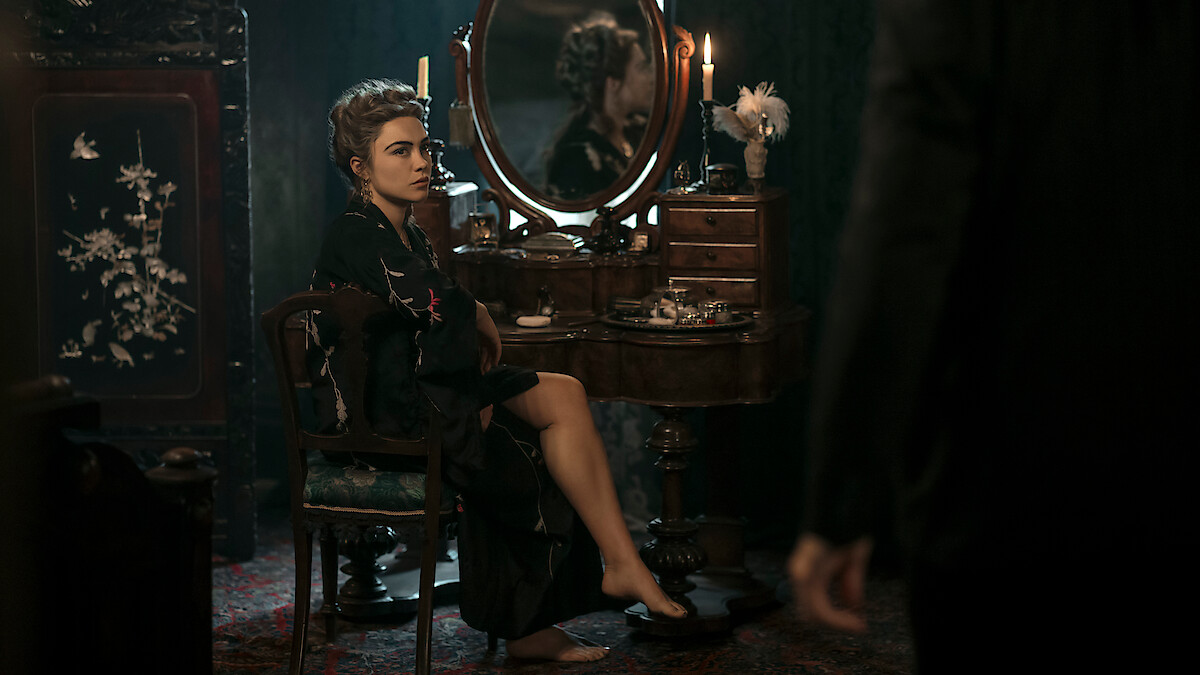
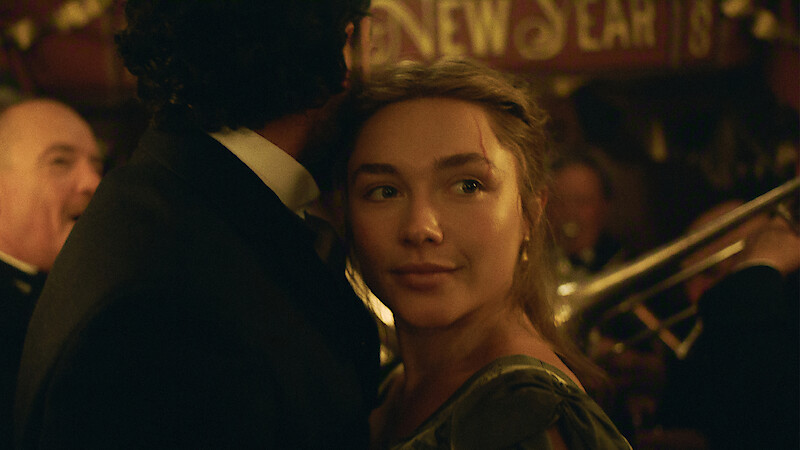
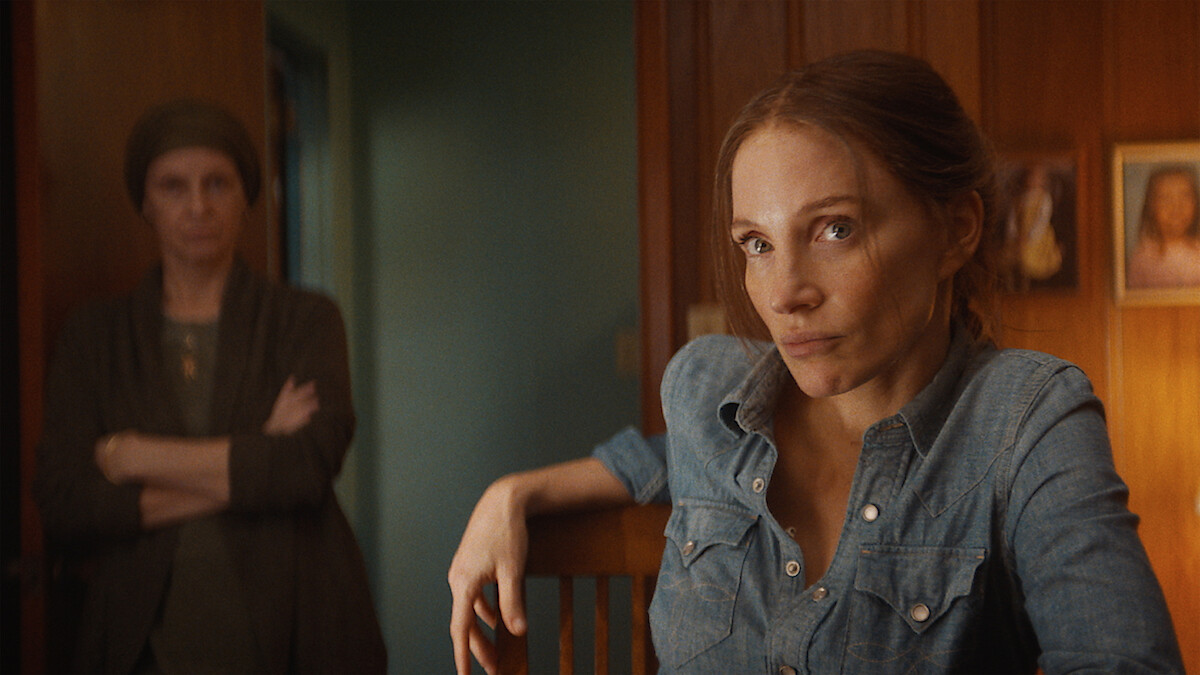
Rounding out the cast is Goth, who plays two roles: Victor’s beloved mother, Claire, who died when he was a child, and Elizabeth, the woman he pines after as an adult, who happens to be engaged to his brother, William (Felix Kammerer). “Elizabeth arrives in the story having come from a convent education,” Goth says. “I landed in Toronto and this entire experience was all very new to me. I started to see a lot of parallels between me and Elizabeth in [what] I was going through in real time. It took a lot of work to finally realize that in my quietest moments, when I can be my most authentic self — that’s where she exists.” Claire and Elizabeth are distinguished in the film by their lavish costumes: the former drenched in deep reds, the latter clad in forest greens.

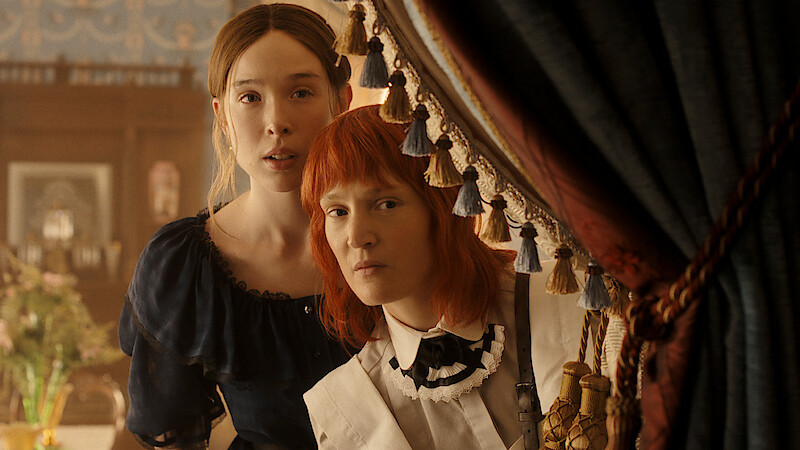
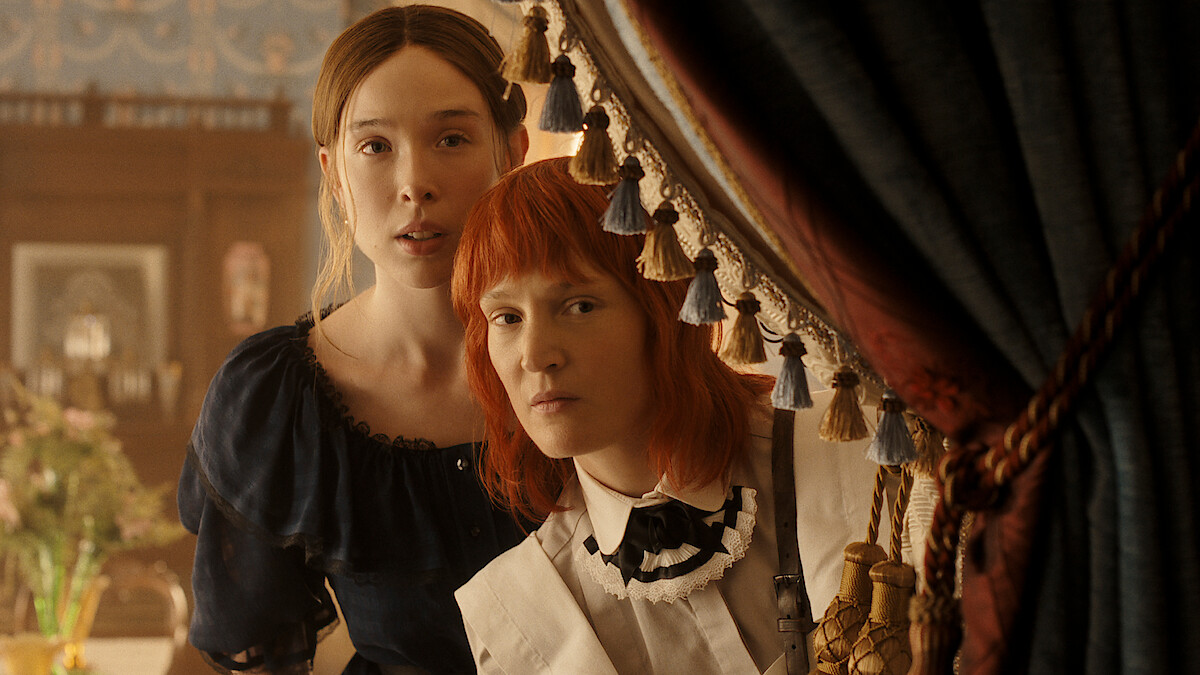
To prepare for Frankenstein, Emmy–nominated costume designer Kate Hawley first researched the styles of the film’s time period, the middle decades of the 19th century. She was particularly moved by the menswear trends of the era and how they were interpreted by famous artists of the era, as well as those who came later, like Soviet–born ballet dancer Rudolf Nureyev. “[I loved the] wonderful grandeur around him and the irreverence of the way he wore his clothes,” she says. “Guillermo wanted Victor to be a dandy and have a little bit of a punk element.”
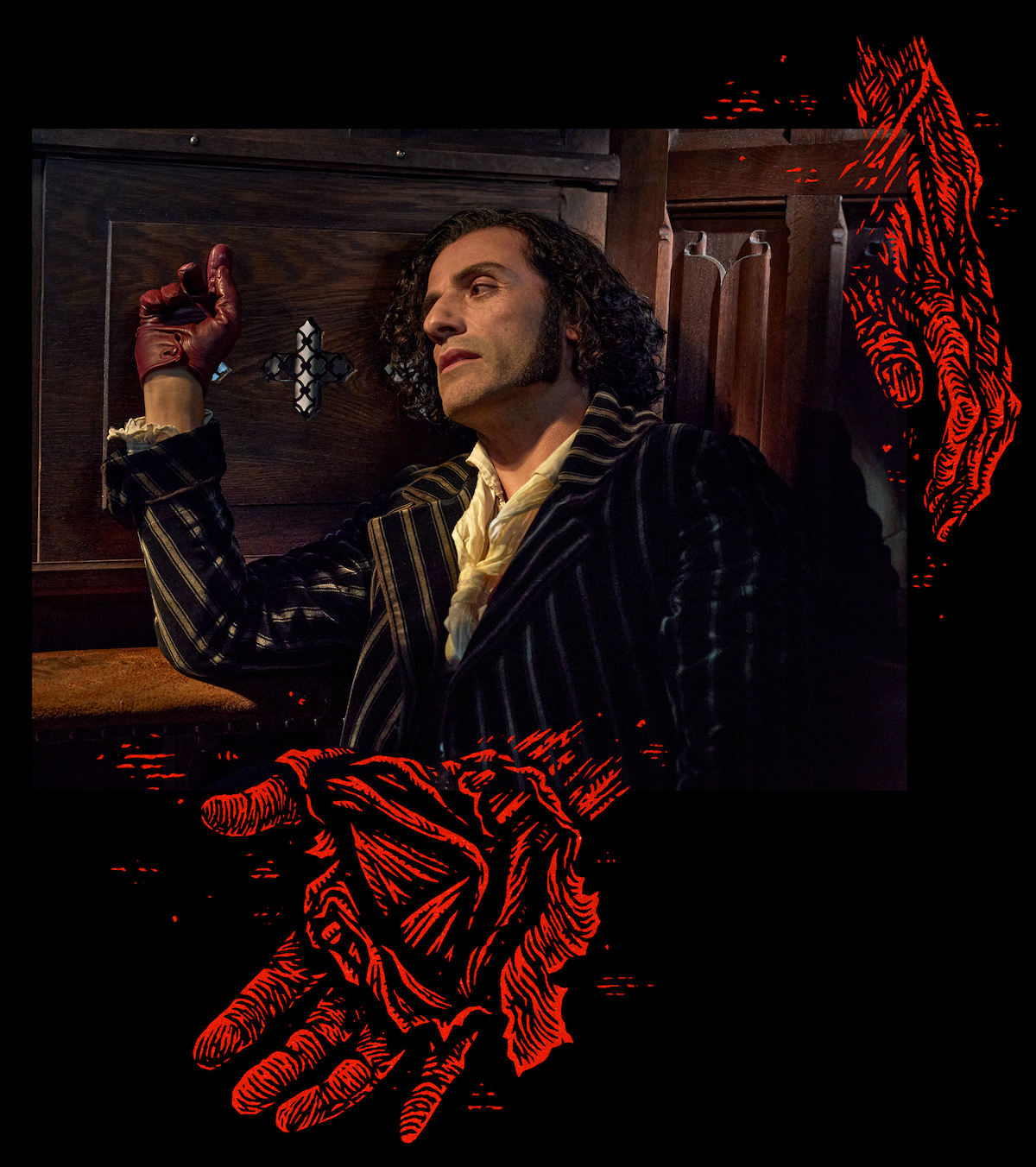
Del Toro encouraged Hawley to maintain Frankenstein’s mix of period accuracy and contemporary creativity. “He said to me, ‘I don’t want fusty old period for this,’ ” Hawley explains. “It’s a fantasy at the end of the day, so we’ve made allowances.” Victor has his rock’n’roll plaid pants and signature red gloves, and Elizabeth has her “ethereal” and “ephemeral” classical shawls and veiled bonnets.
“Religious language is a big part of Elizabeth’s character, and that bonnet is like a halo,” Hawley says. “I used colored veils to move away from tradition.” The costume designer was influenced by the anatomy of beetles and the botanical studies for Elizabeth’s wardrobe.
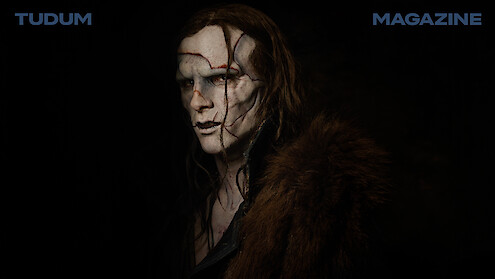
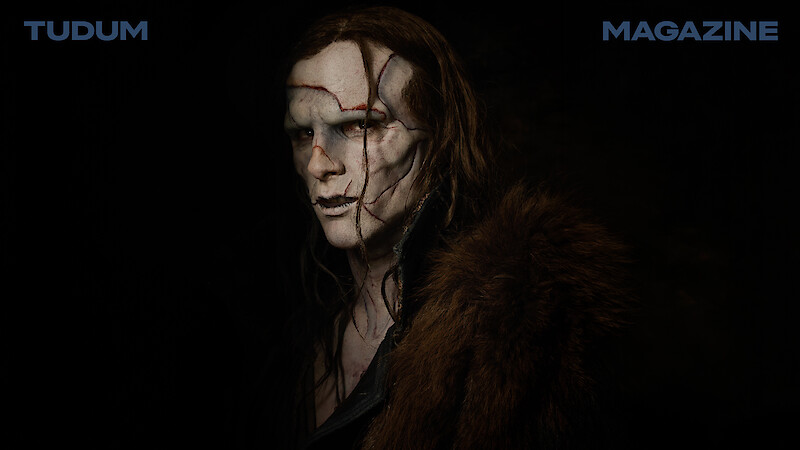
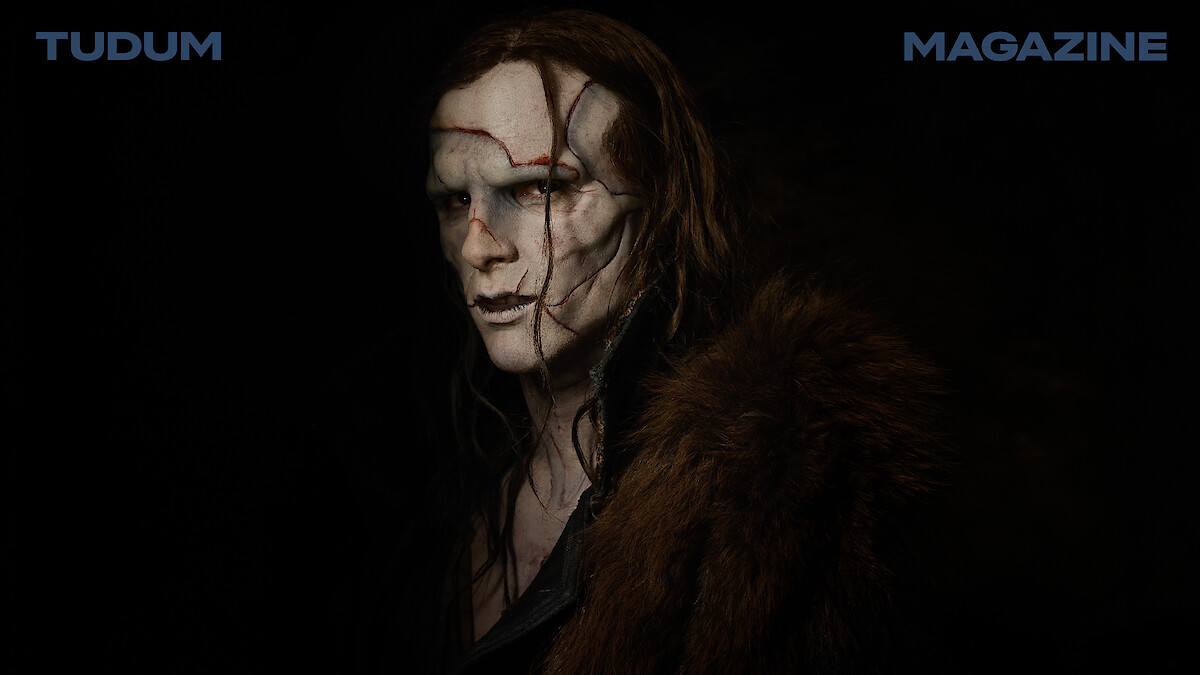
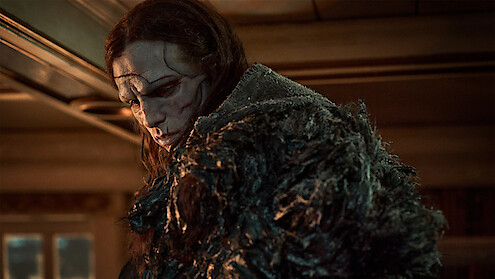
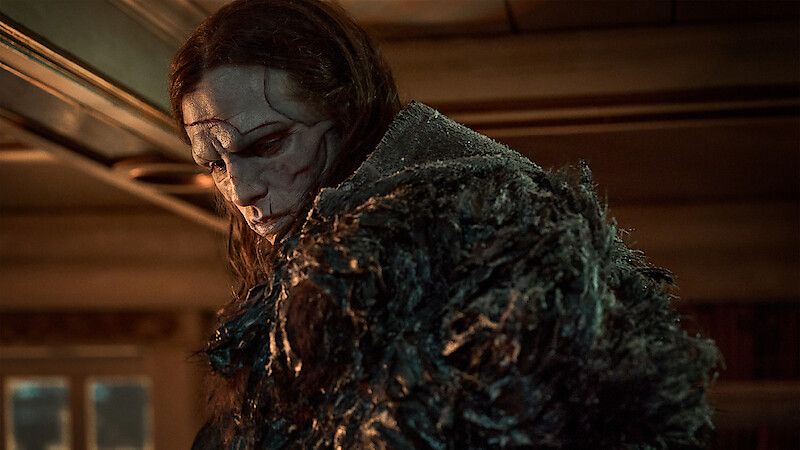
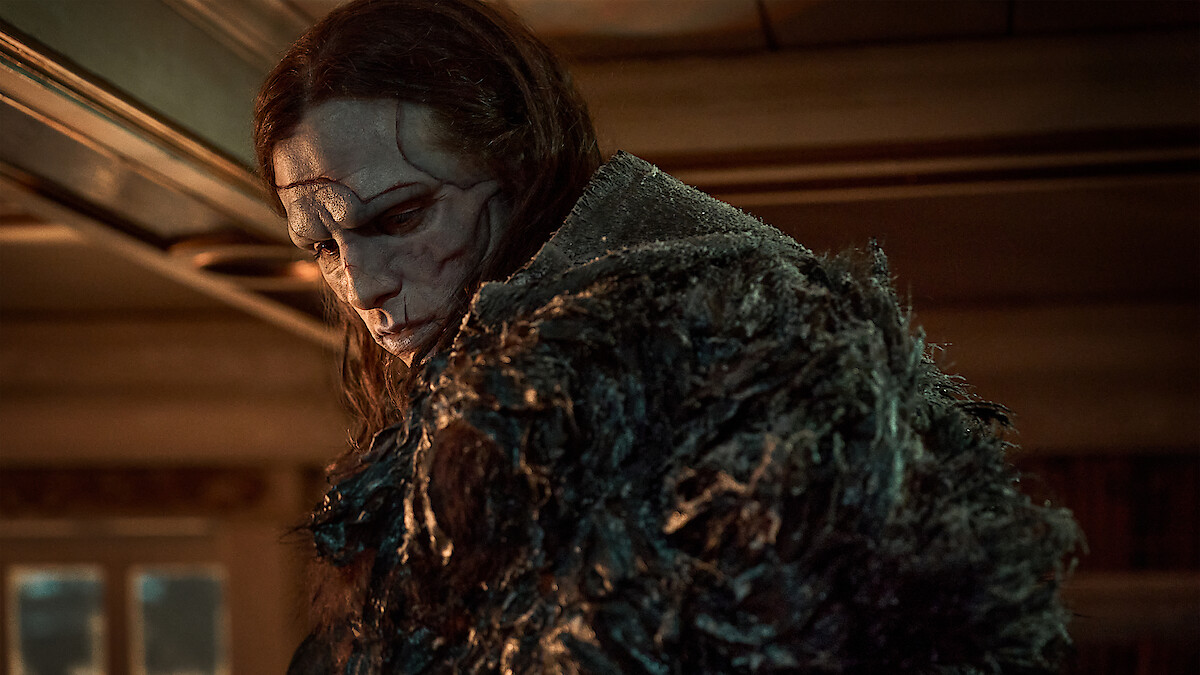
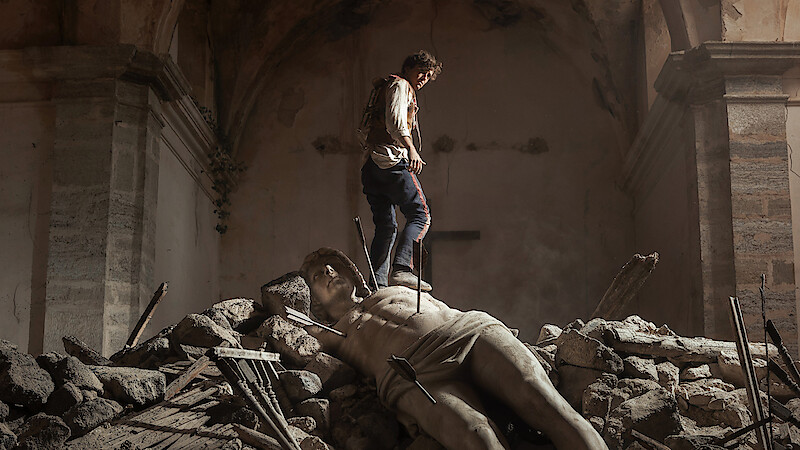
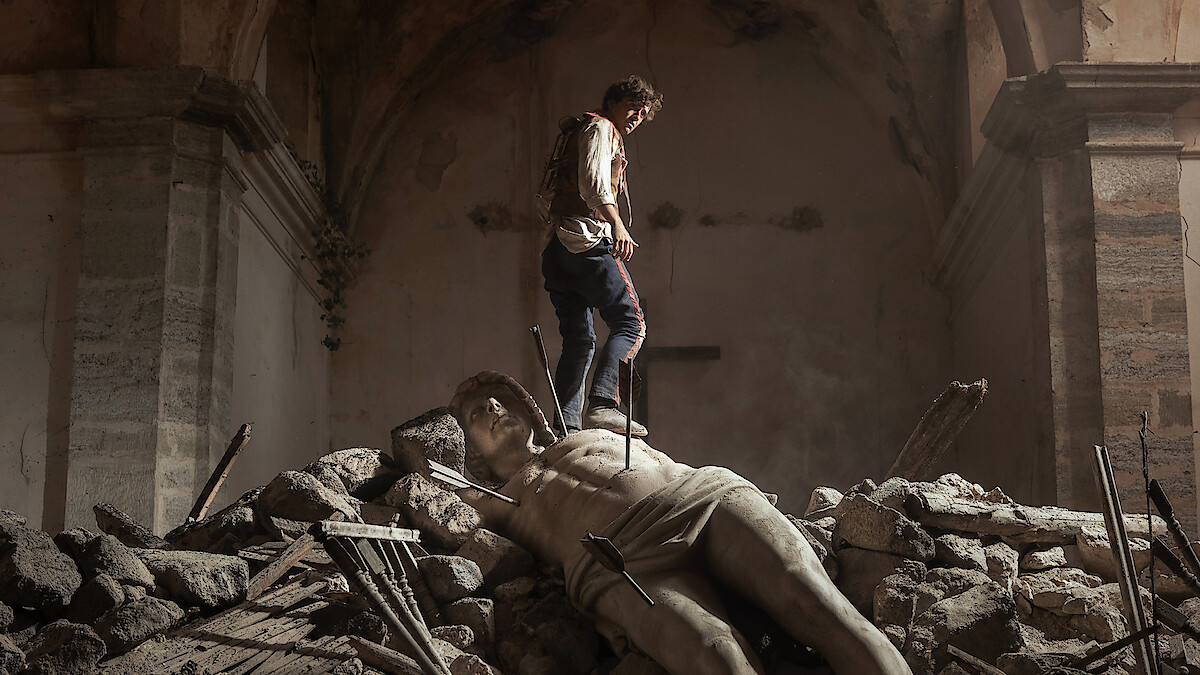
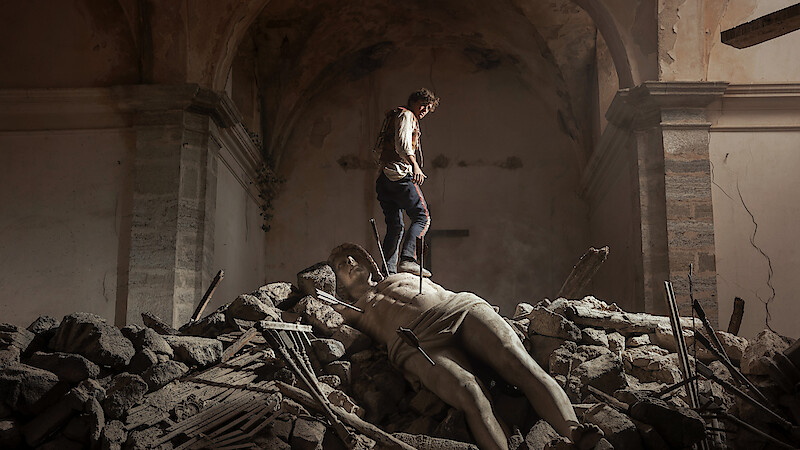
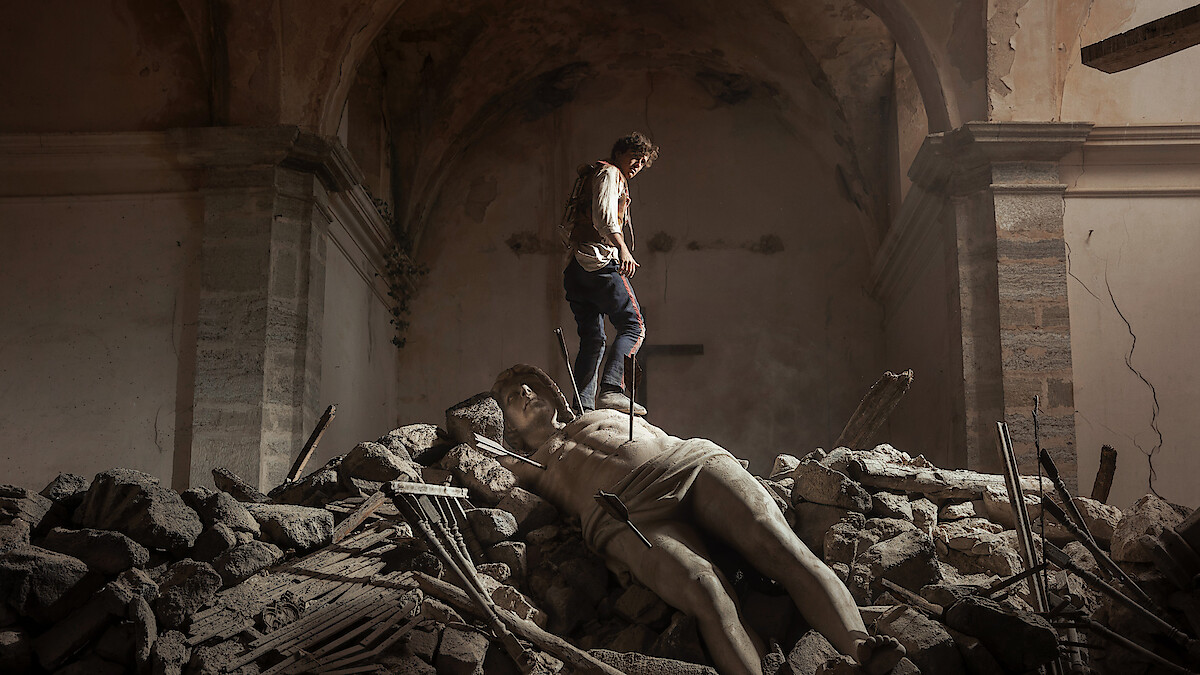
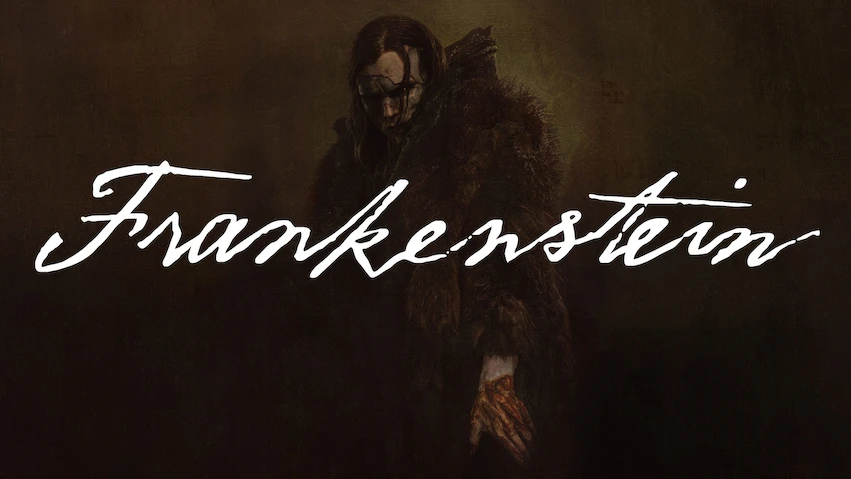
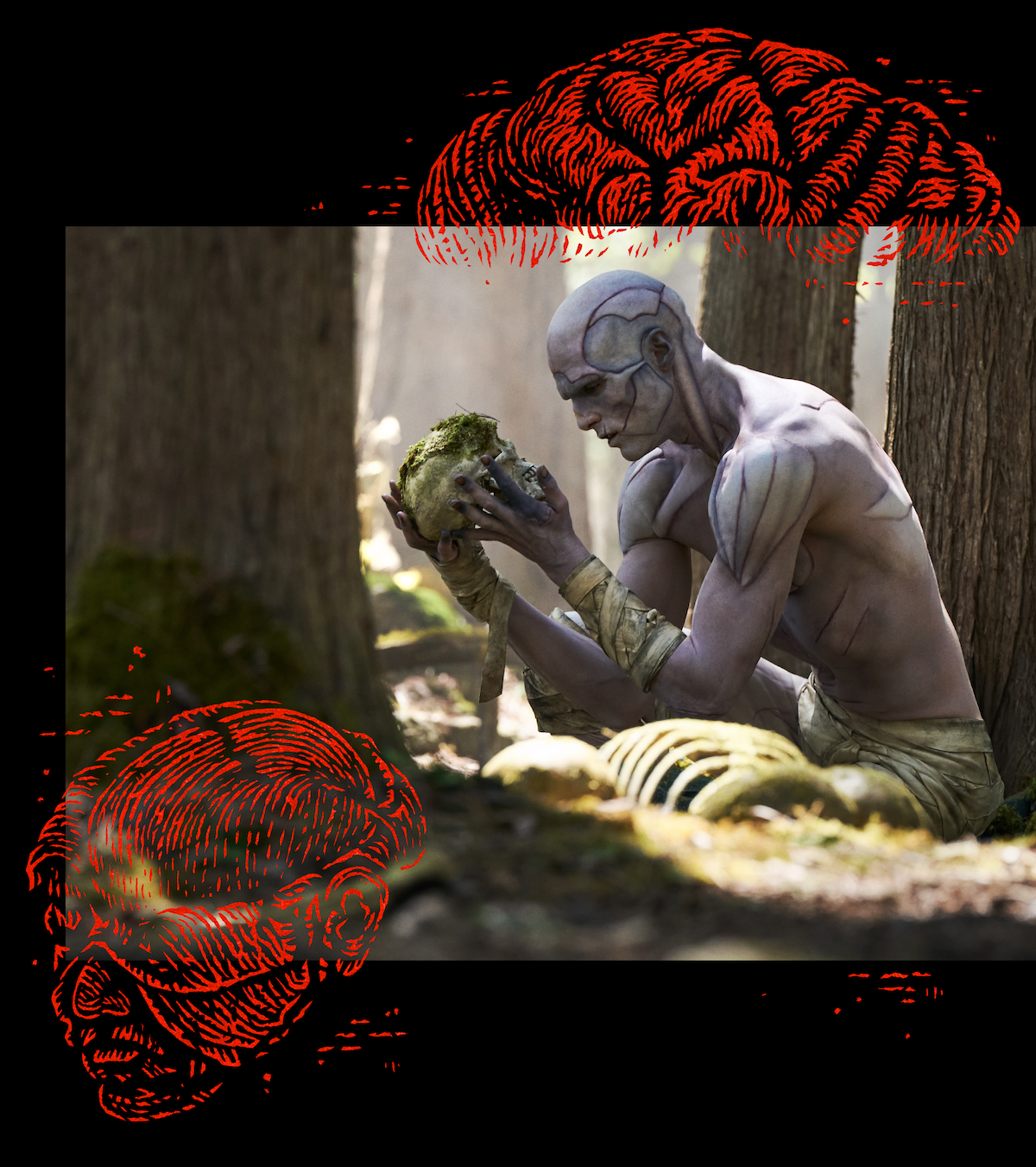
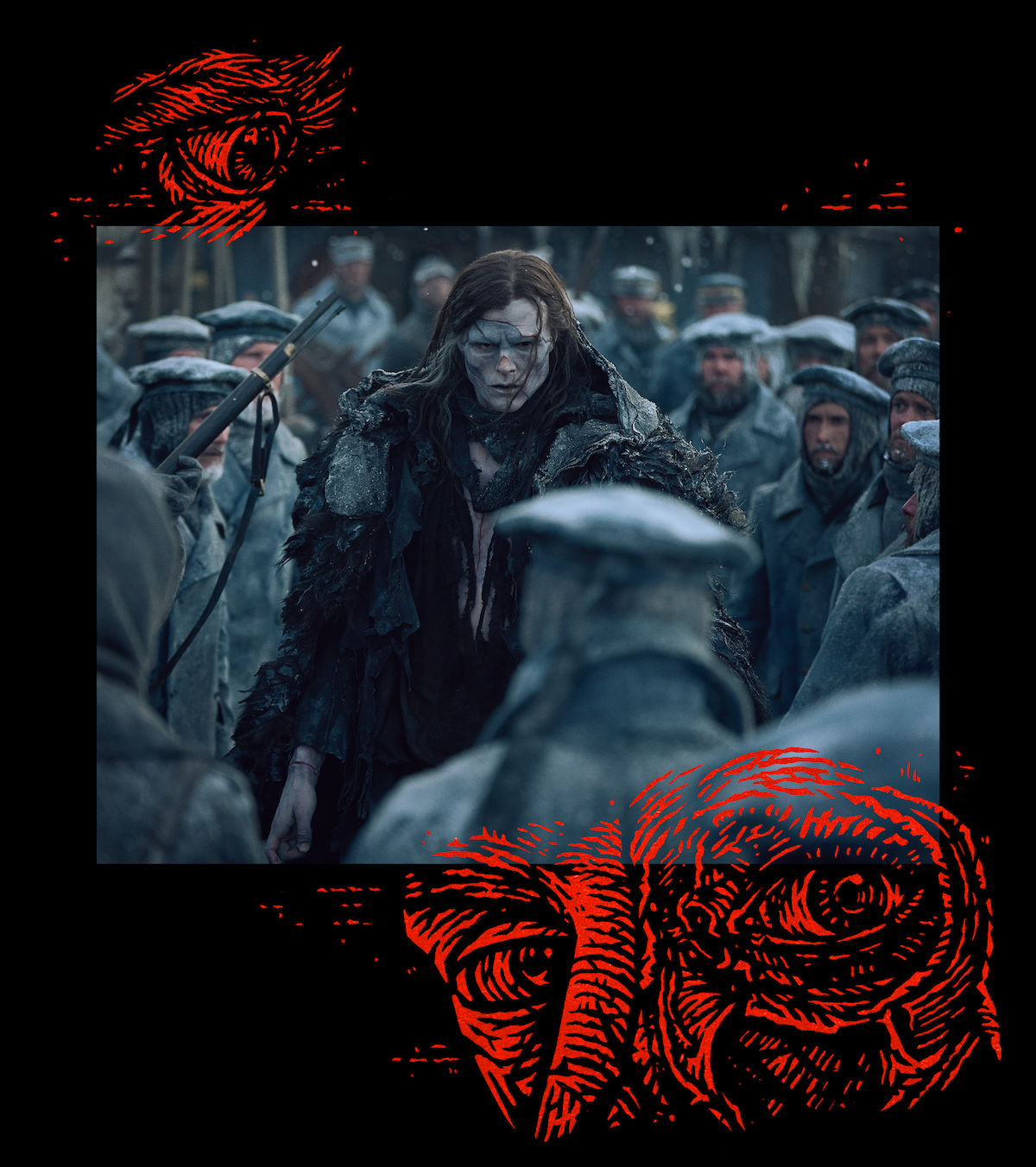
While the Creature’s design was also intended to be “otherworldly,” the director’s inspiration came from the arts rather than the sciences. “I wanted it to be like a marble statue,” del Toro explains. He and makeup designer and prosthetics master Mike Hill began planning the Creature’s appearance years before Elordi ever stepped onto a set. The longtime collaboration’s final product reflects the era — and the gruesome battlefields that came with it. The Creature is a "beautiful monster” stitched together from the mutilated corpses of the Crimean War. Elordi wore 42 prosthetic appliances to embody the sympathetic being.
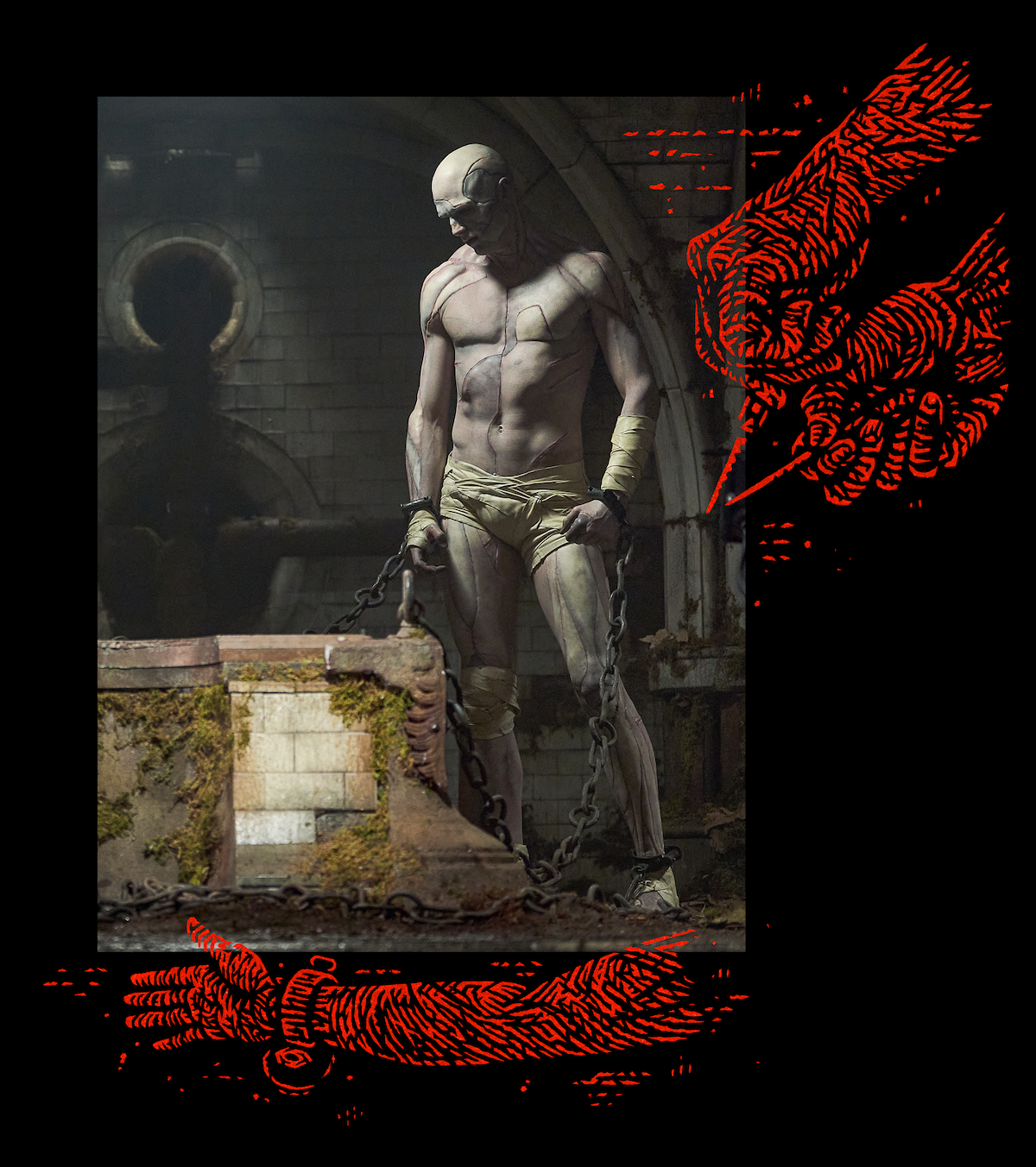
The Creature “is a resurrected soldier out of a mass grave, basically,” del Toro says. “The makeup needed to reflect that but [also] have a beauty.” Hill agrees, saying, “Victor Frankenstein is not a butcher. He’s trying to make the perfect man.”

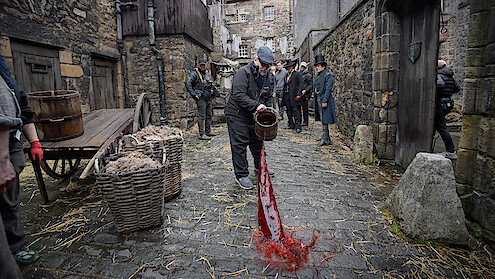
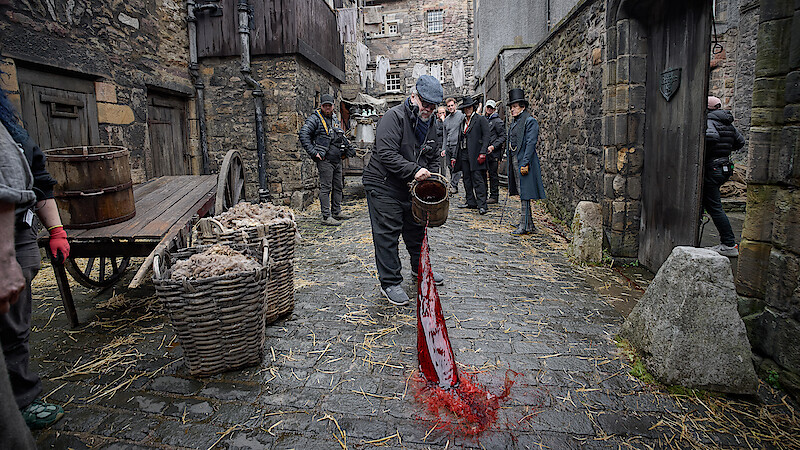
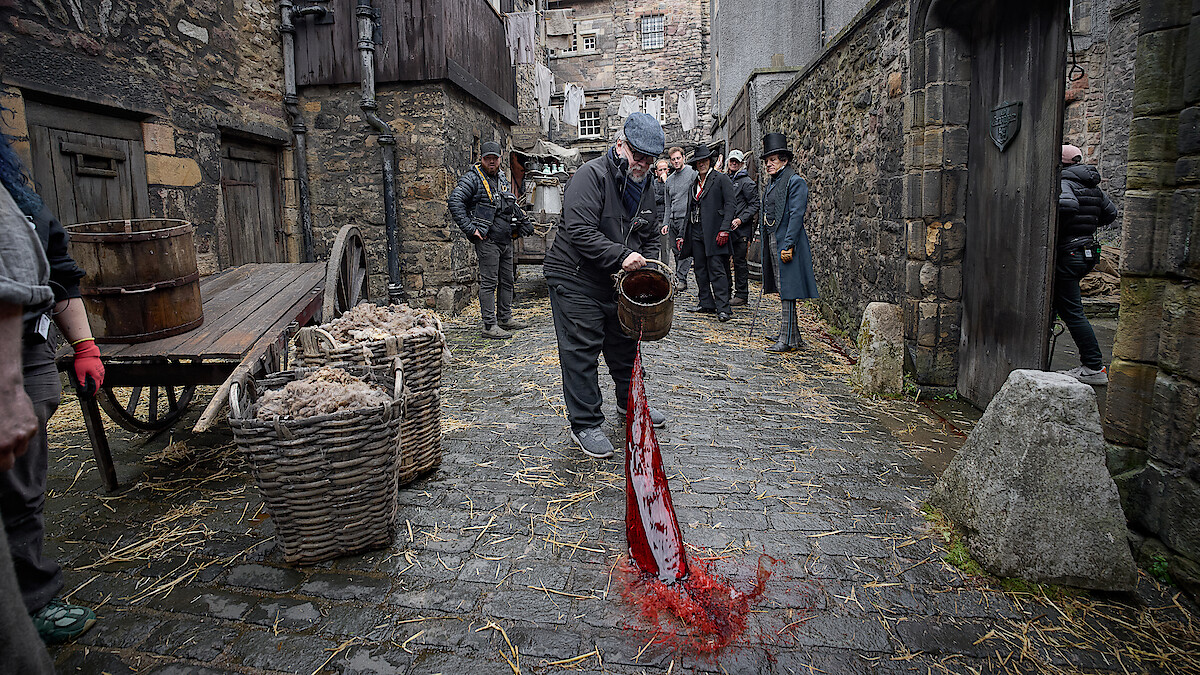
Del Toro led his team on a 100-day shoot across the globe, eventually landing in the hills of Scotland and the estates of England. “The one thing you know in this movie is that everything was created, and most of it was handmade. You have … real sets, real locations,” del Toro explains. “We traveled, a caravan of people, for hours and hours to find one room that looked the right way.” It even provided the opportunity for del Toro to film in a location that had a special connection to one of his favorite Stanley Kubrick films: Wilton House, one of the residences used to convey the House of Frankenstein, was also used in Barry Lyndon.

When it came to music, del Toro and his team were similarly inspired to combine seemingly disparate parts to form one perfect union. Four-time del Toro collaborator and Oscar–winning composer Alexandre Desplat combined an orchestra, 80-piece choir, church organs, subtle electronic sounds, and the stylings of Norwegian violinist Eldbjørg Hemsing to provide an aural mirror of the energy of Frankenstein’s visuals.
“I had to push myself to different pastures, further territories, [following] emotions that go from intimate and gentle to huge, passionate, lyrical, [and] crazy,” Desplat says. “To have a good score, you have to find the soul of the film and create another dimension of sensation, of poetry, of spirituality, that follows the film and amplifies the emotions.”
Del Toro applied that ethos to every aspect of Frankenstein, the movie he’s been dreaming of making since seeing James Whale’s Frankenstein when he was just 7 years old. From the production design and costuming to the locations and music, everything had to work together. “These are not isolated ideas that occur at the same time. This is a symphony,” del Toro says. As the director, “you are directing an opera, and you are leading to the same emotional point.”
Frankenstein is now streaming on Netflix, and in select theaters.