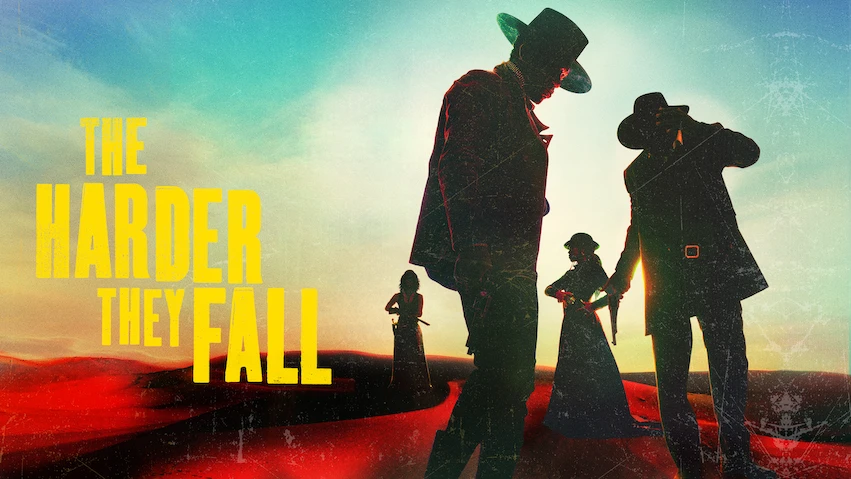
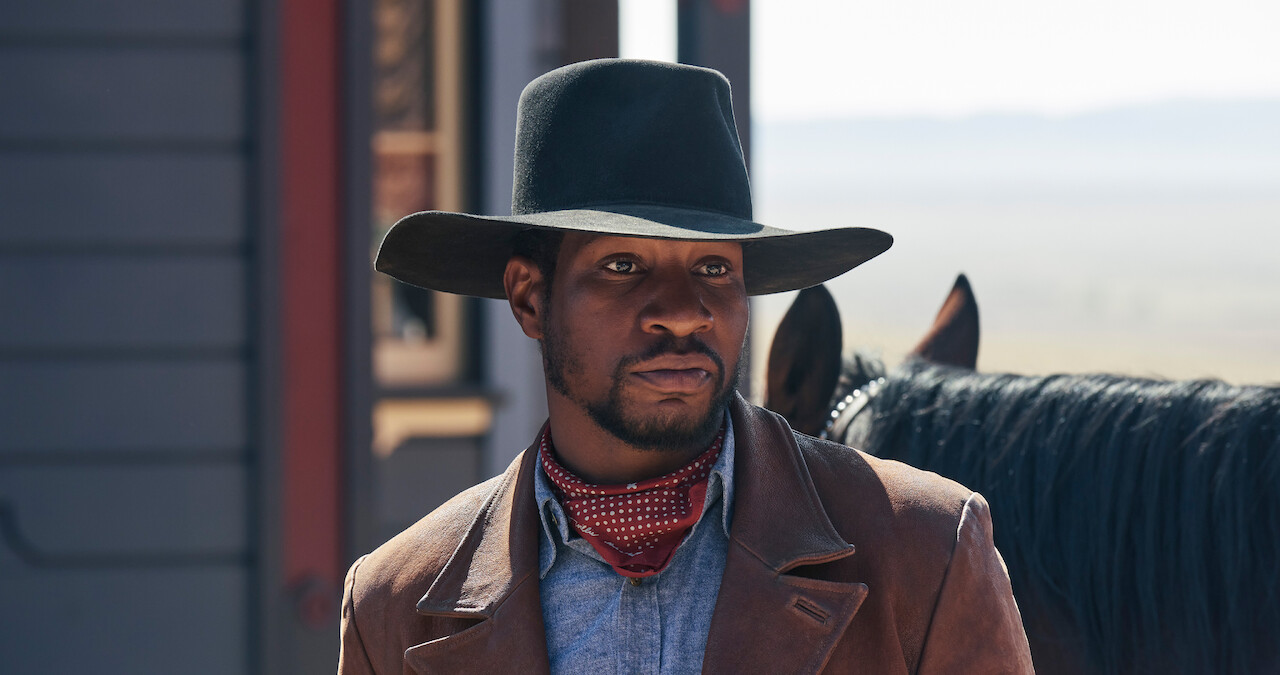
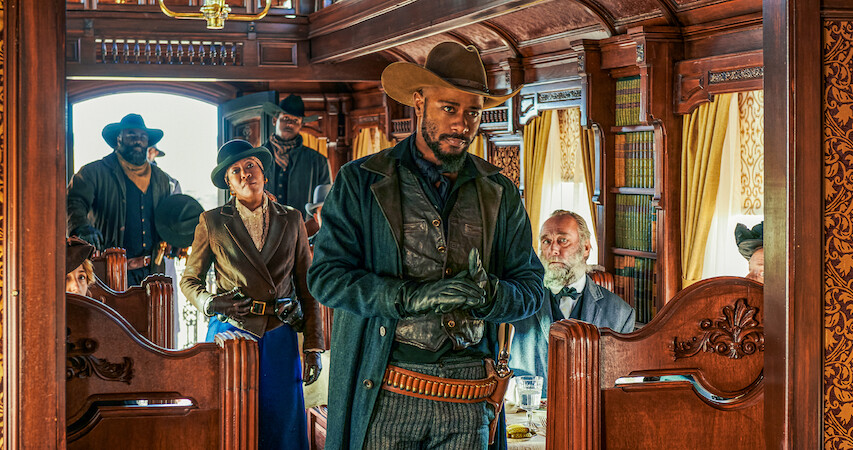
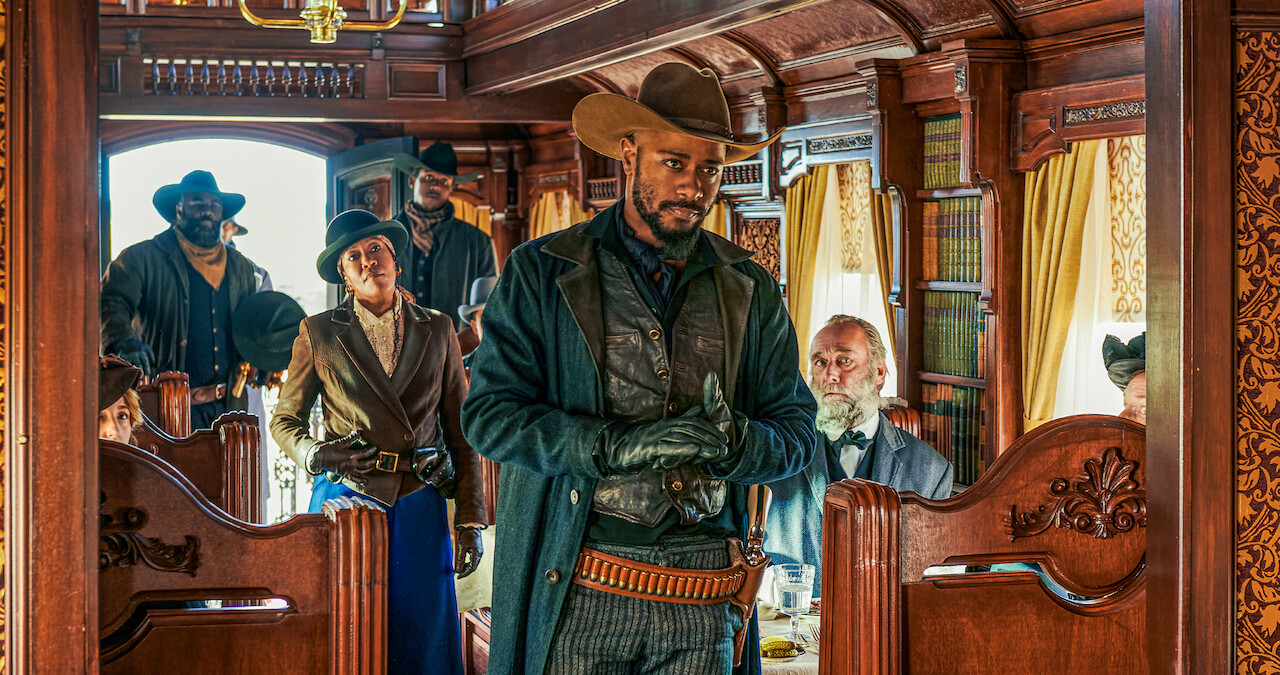
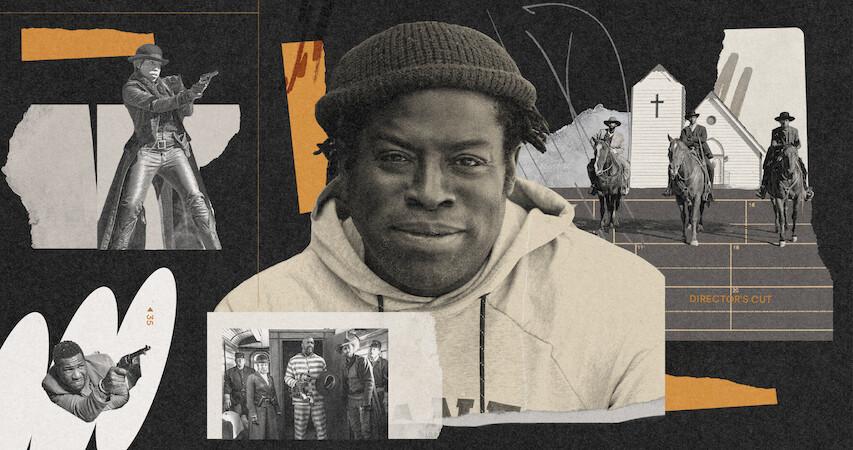
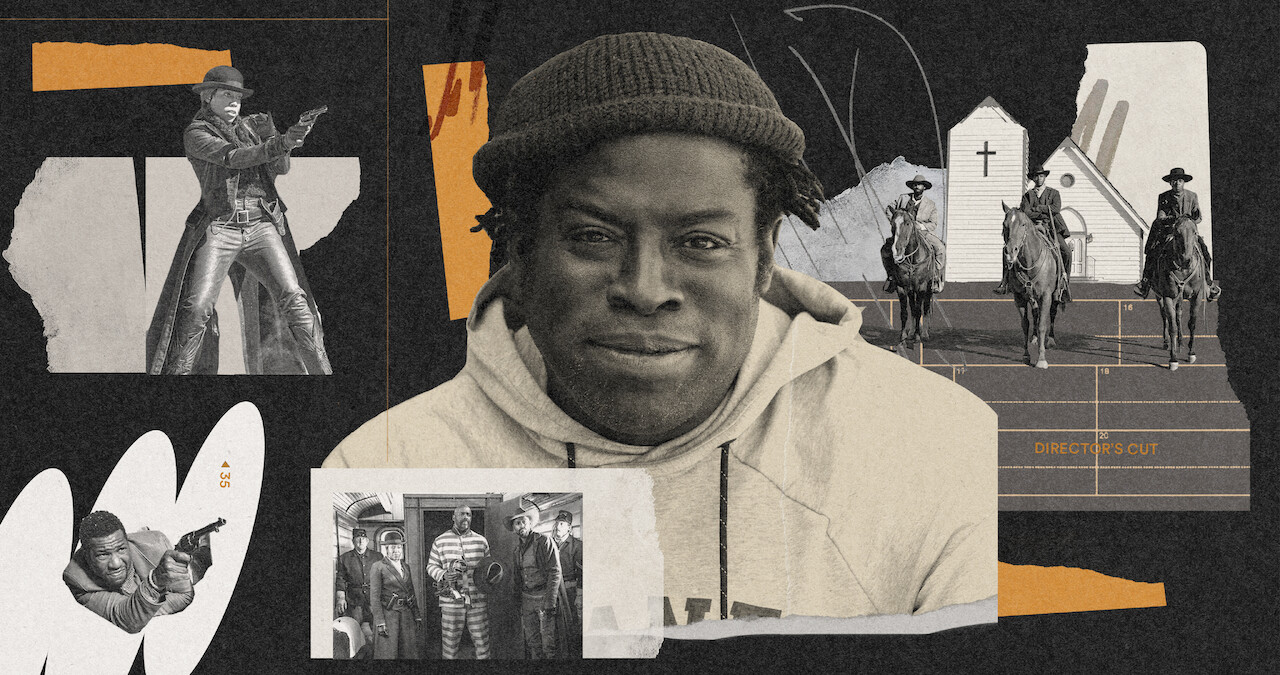
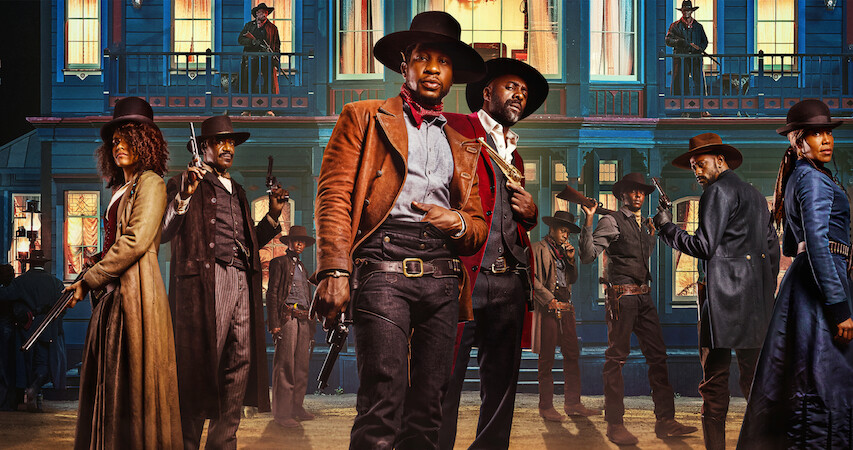
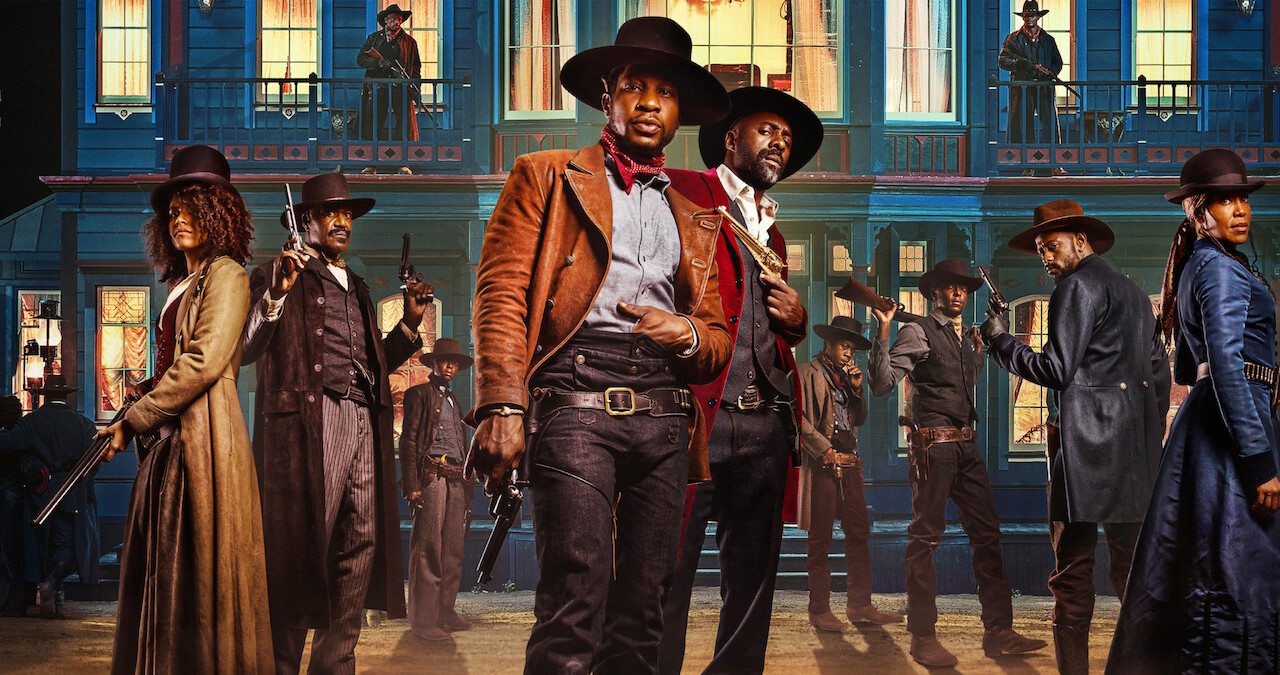
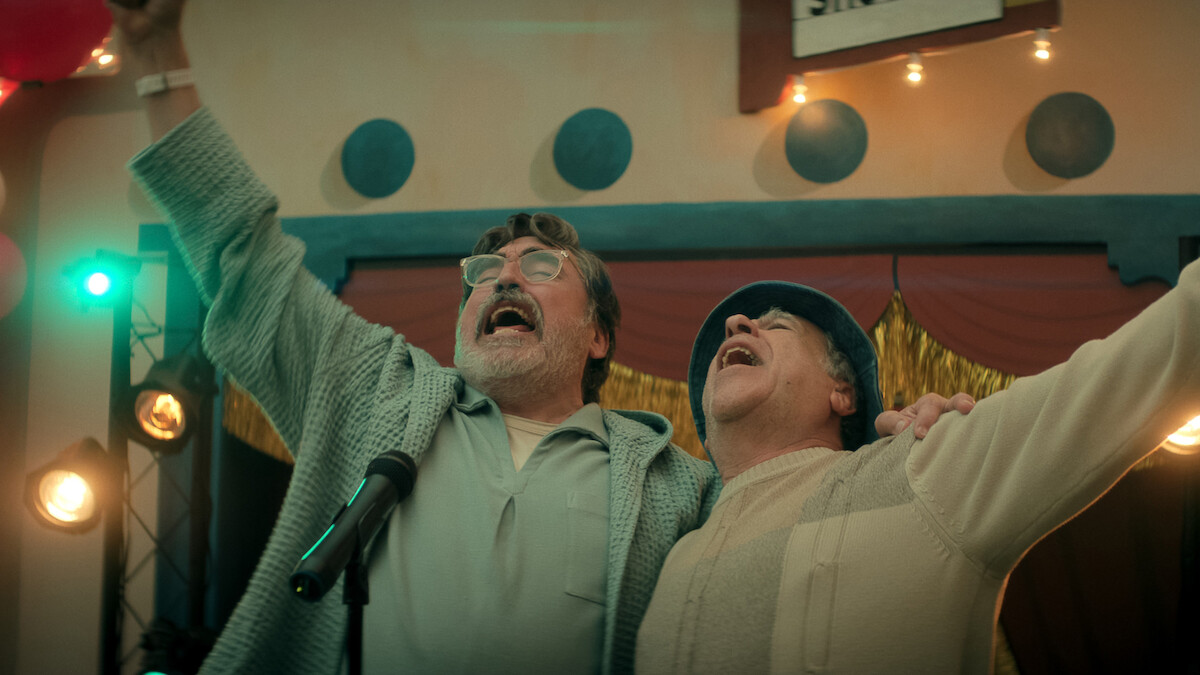
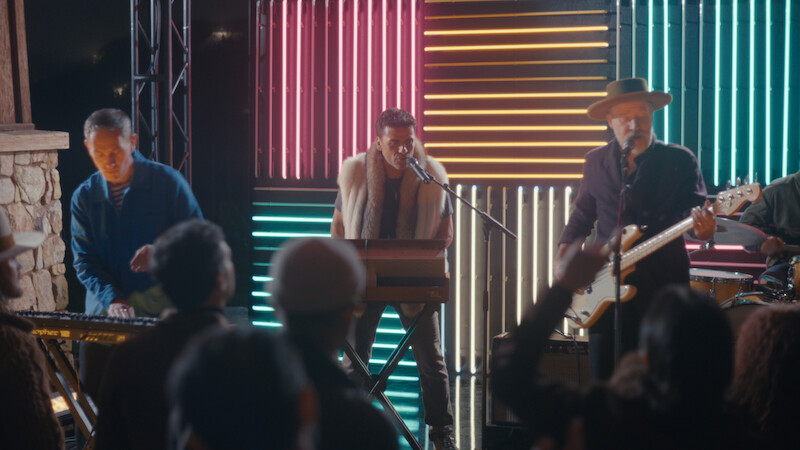
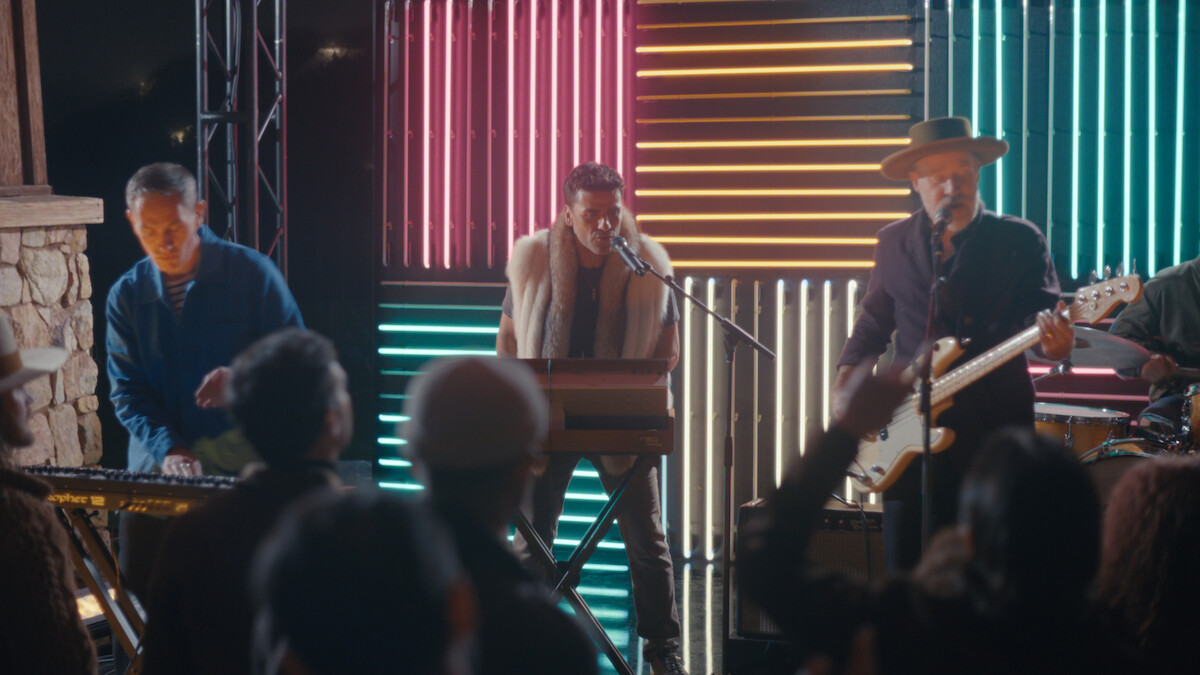
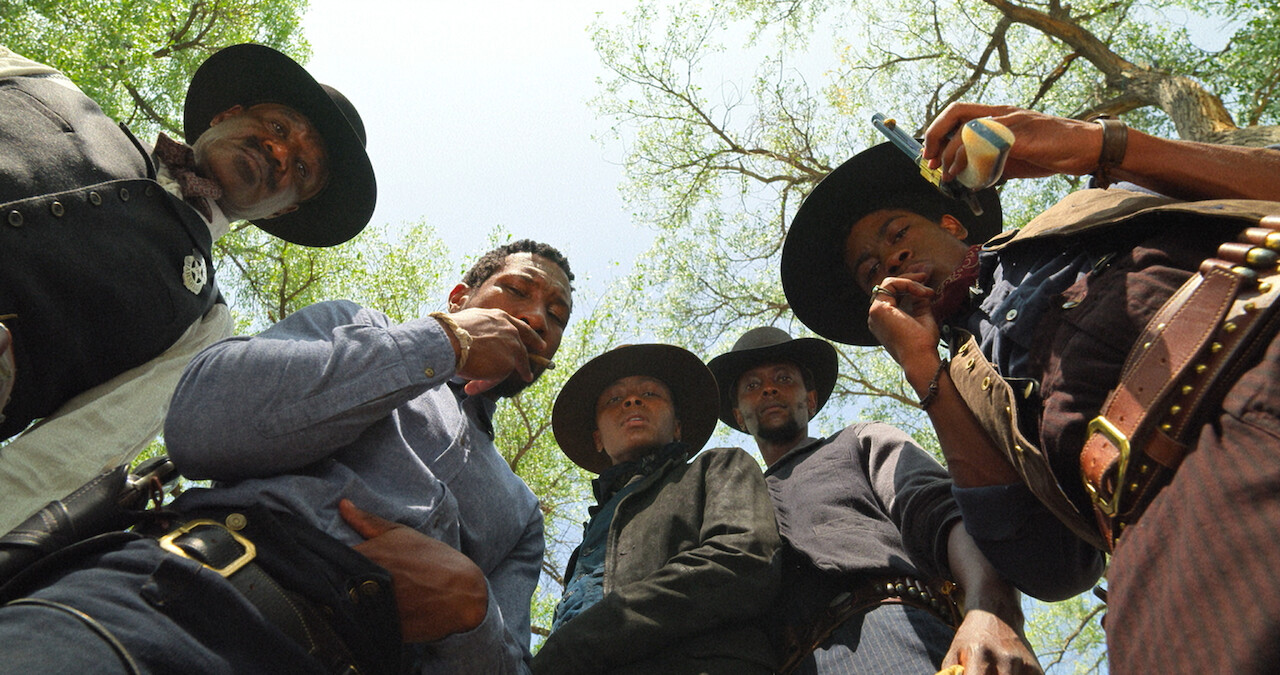
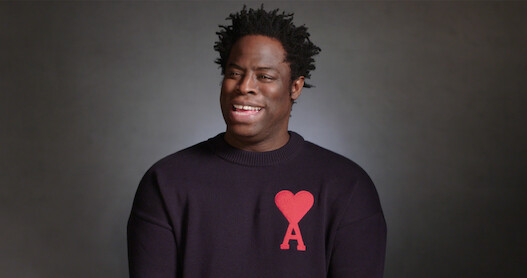
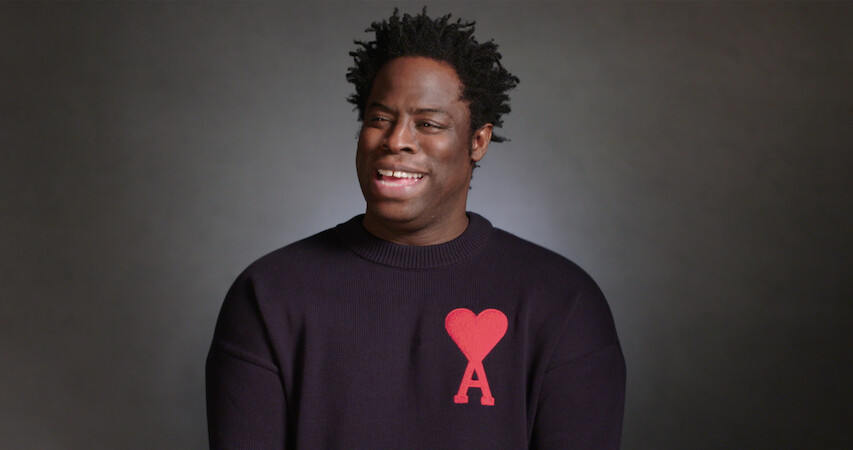
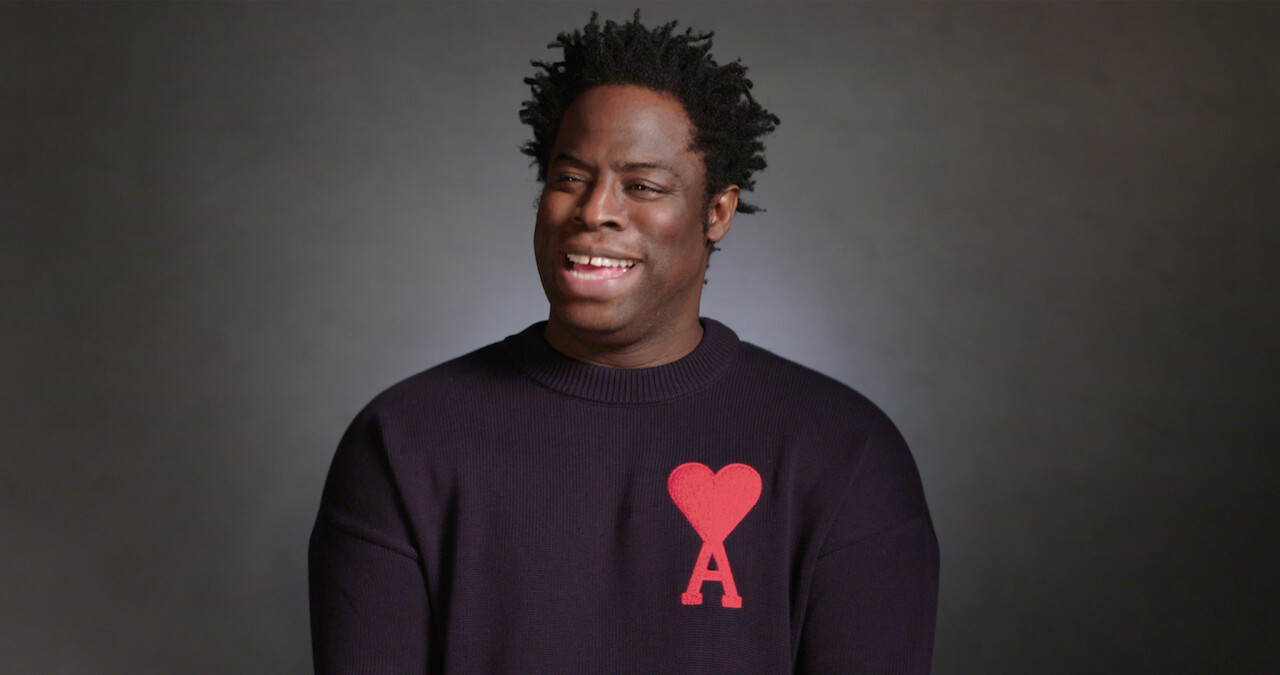
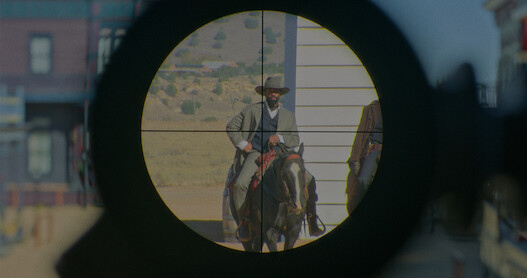
When you think about Westerns, do soul, hip-hop and R&B come to mind? As you picture a lone rider traversing a vast rocky landscape on horseback, do you hear Ms. Lauryn Hill’s emphatic rap lyrics? Do reggae beats echo in your head when you imagine a leather-clad cowboy entering a saloon? Given our cultural understanding of what classic Westerns look and sound like, the answer to those questions is likely “No.” But singer-songwriter, music producer and filmmaker Jeymes Samuel is challenging that with his new Western, The Harder They Fall.
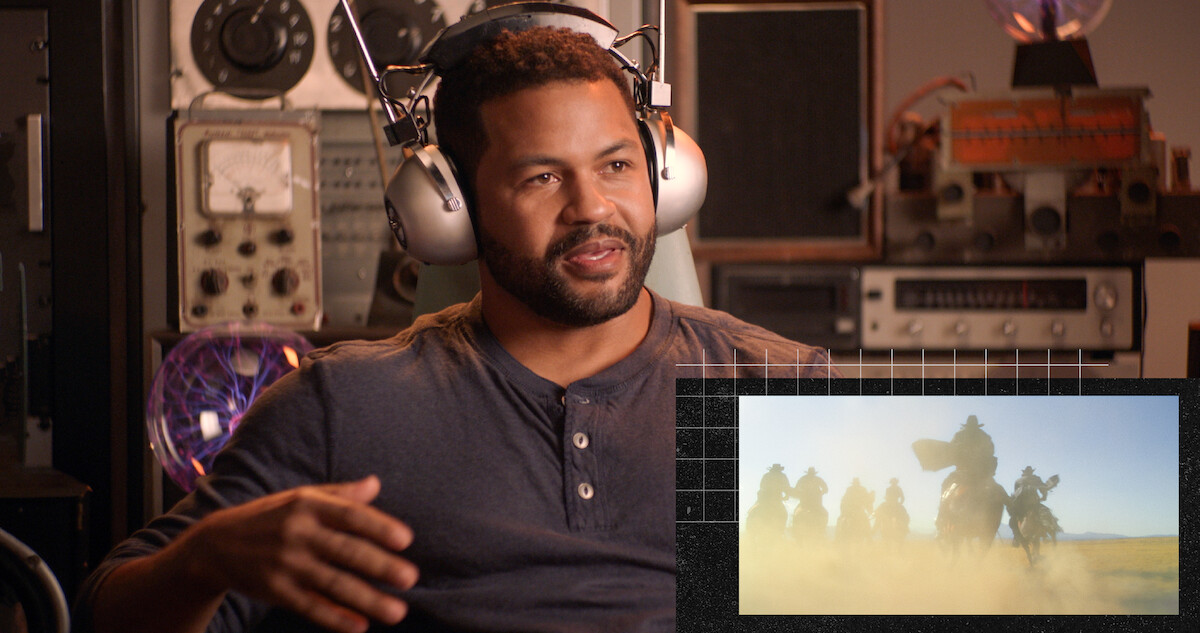
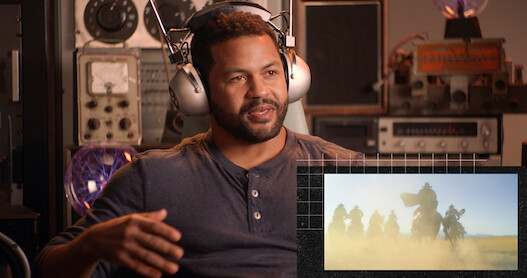
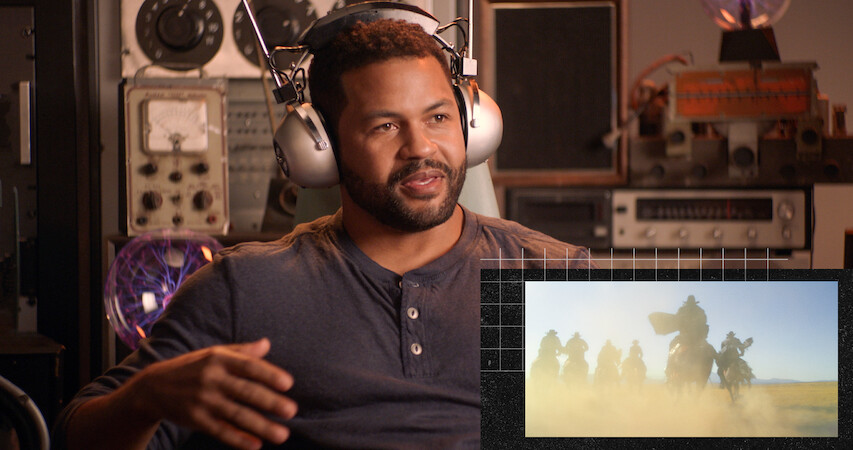
As Samuel rightly points out, despite the genre’s old-school reputation, Westerns have always been set to music that would be unfamiliar to the real outlaws of the Old West. “If you watch Rio Bravo, Dean Martin is in prison, and he sings a song called ‘My Rifle, My Pony and Me.’ If Dean Martin shows up in the West, he’s going to be singing a song, but if you take the song in isolation, Jesse James or Frank James or Billy the Kid never heard that music before,” Samuel tells Tudum. “Westerns were always made with modern music, the music of that year. Hollywood gave us, basically, the current music of the time and placed it over those old Westerns.”
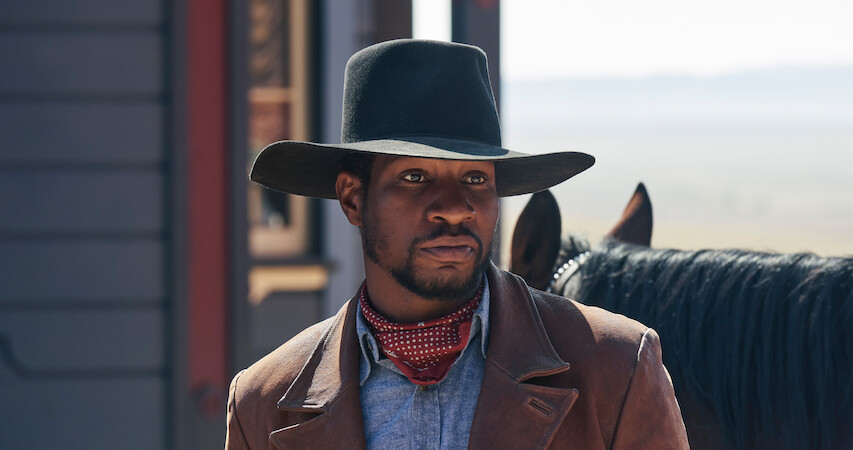
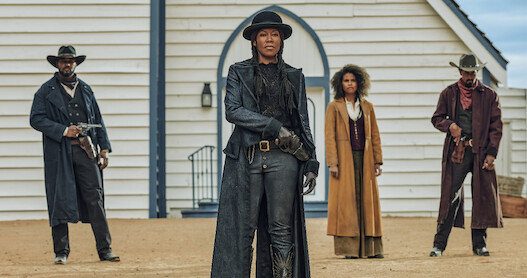
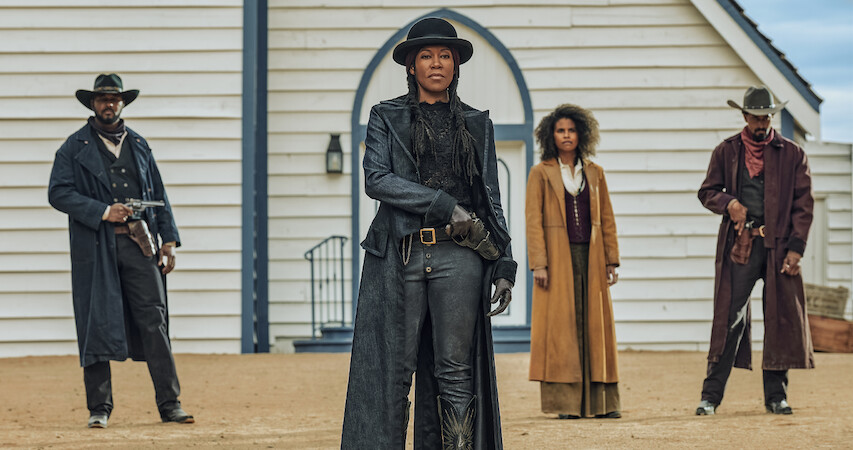
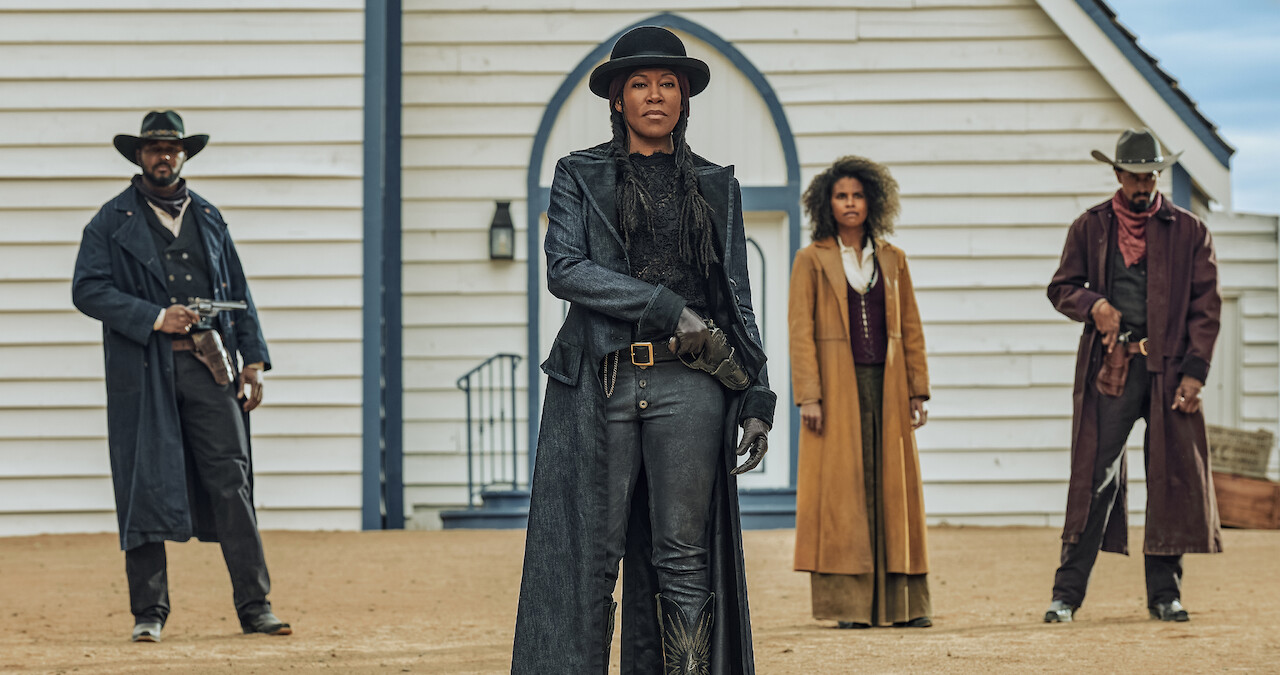
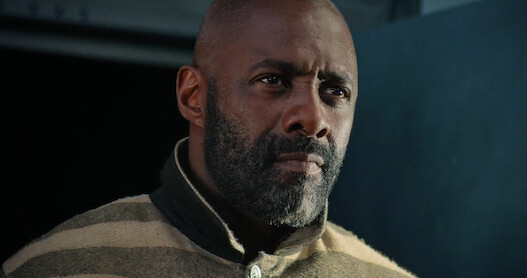
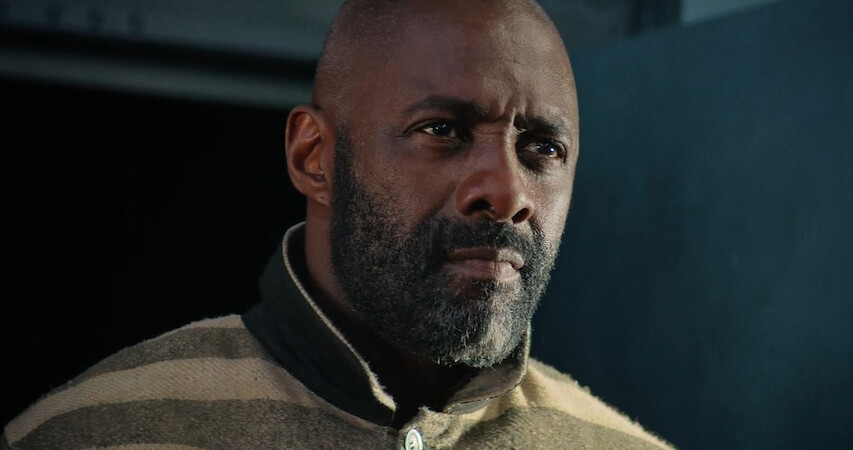
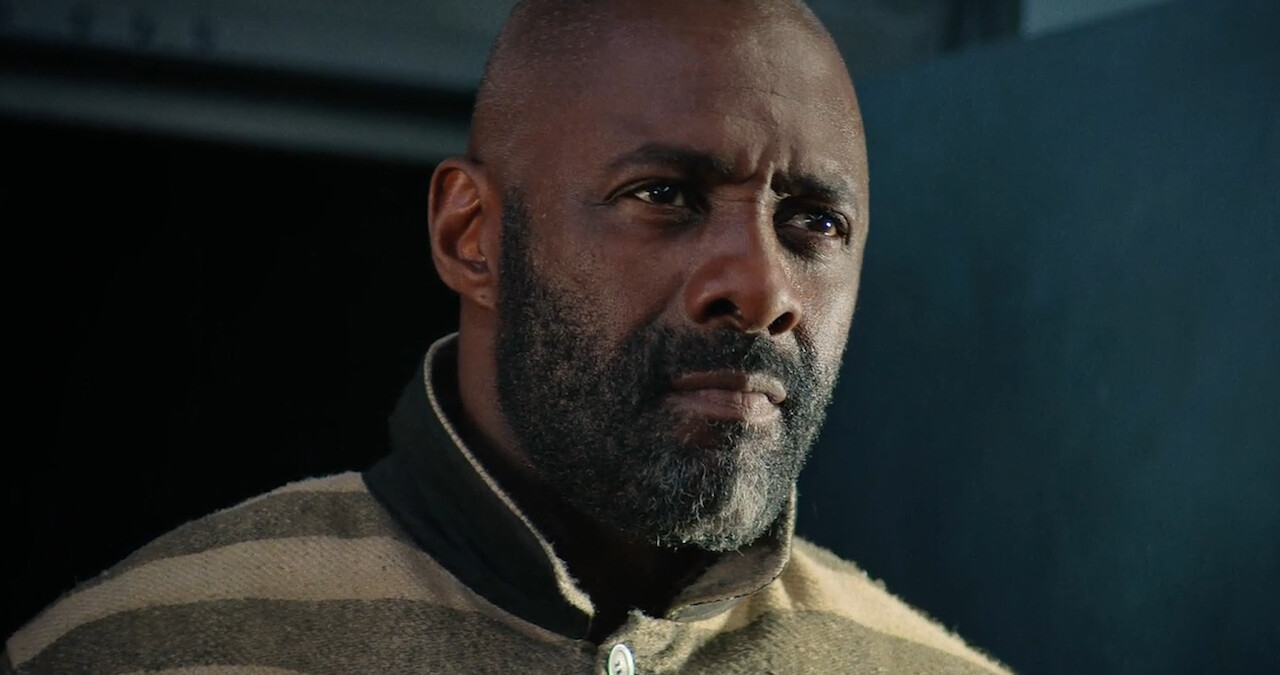
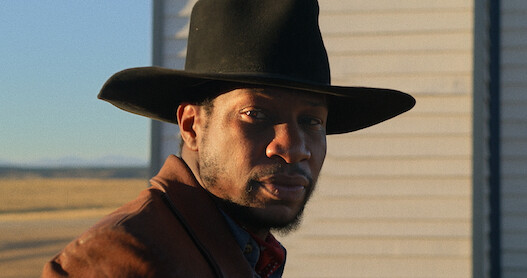
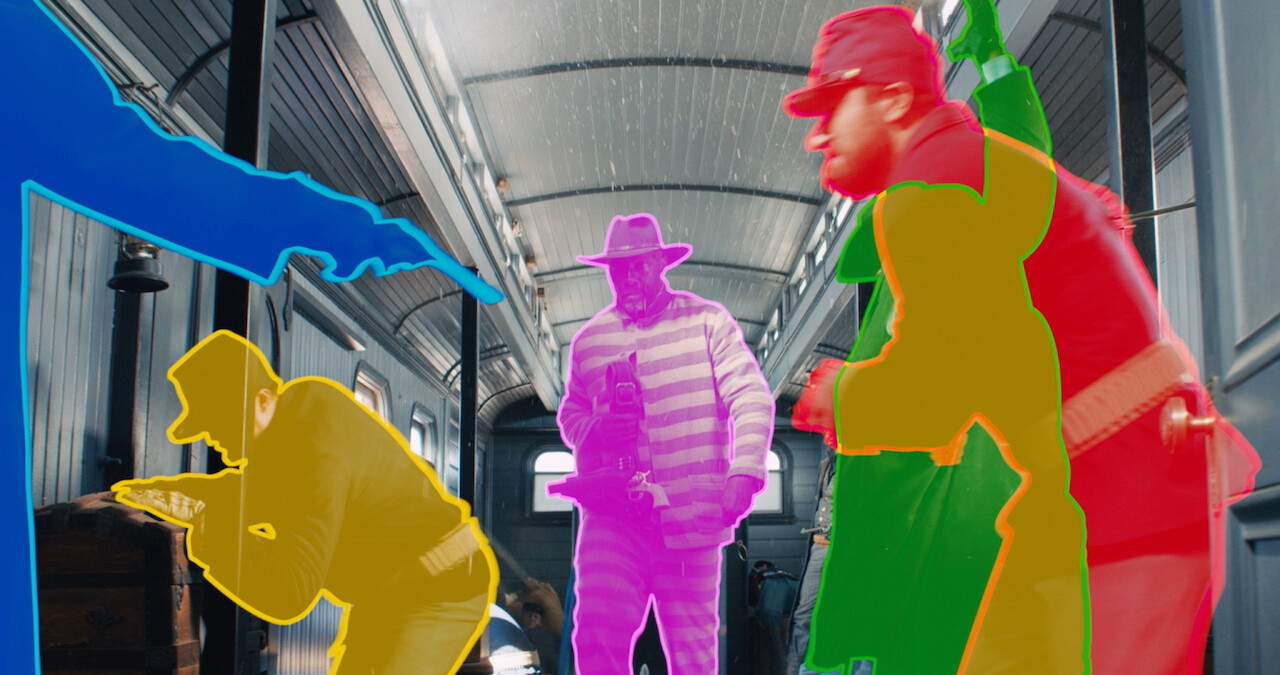
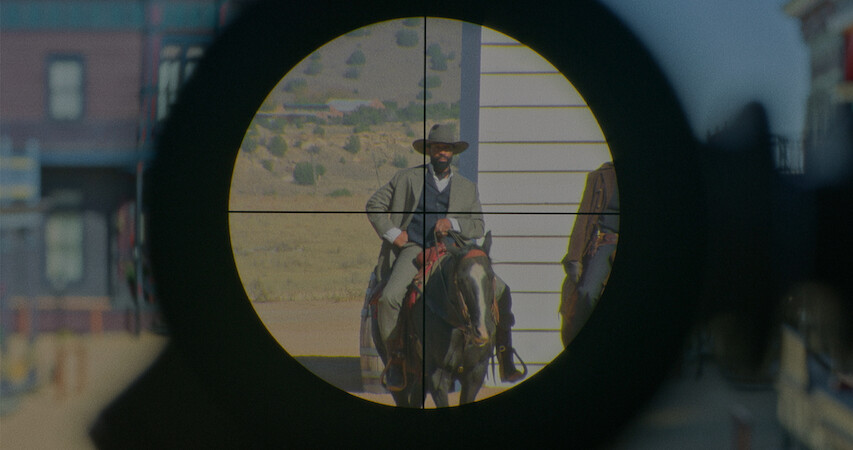
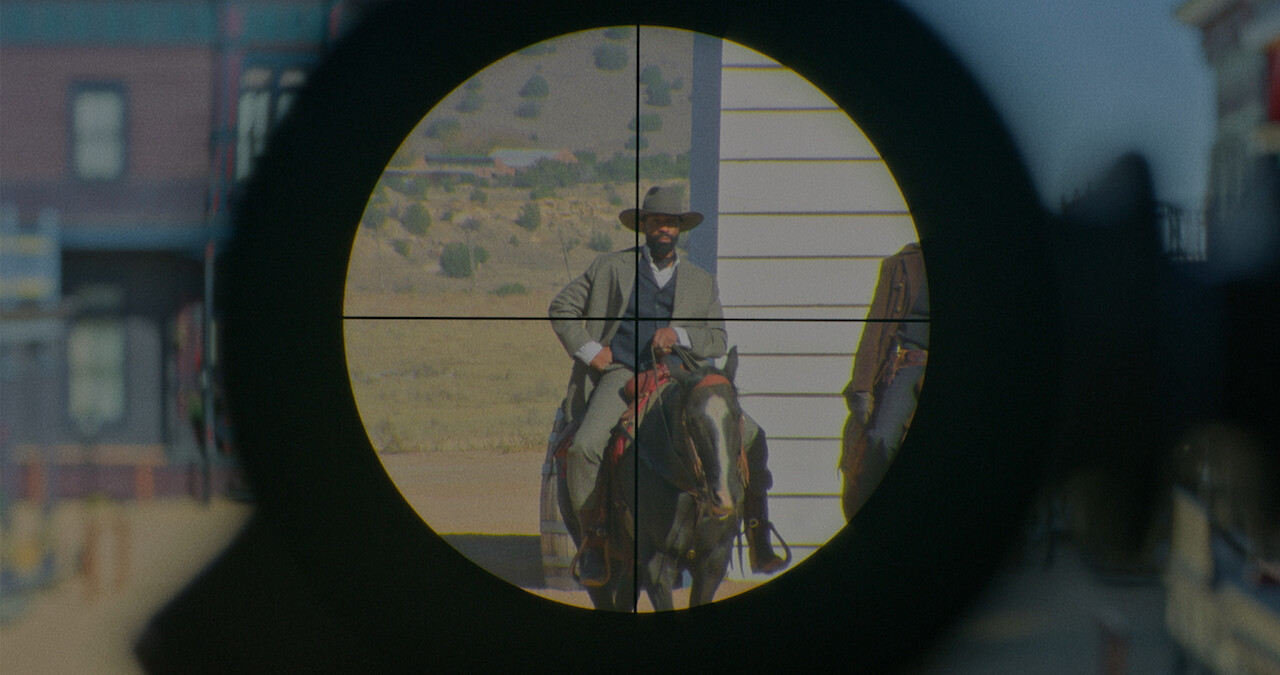
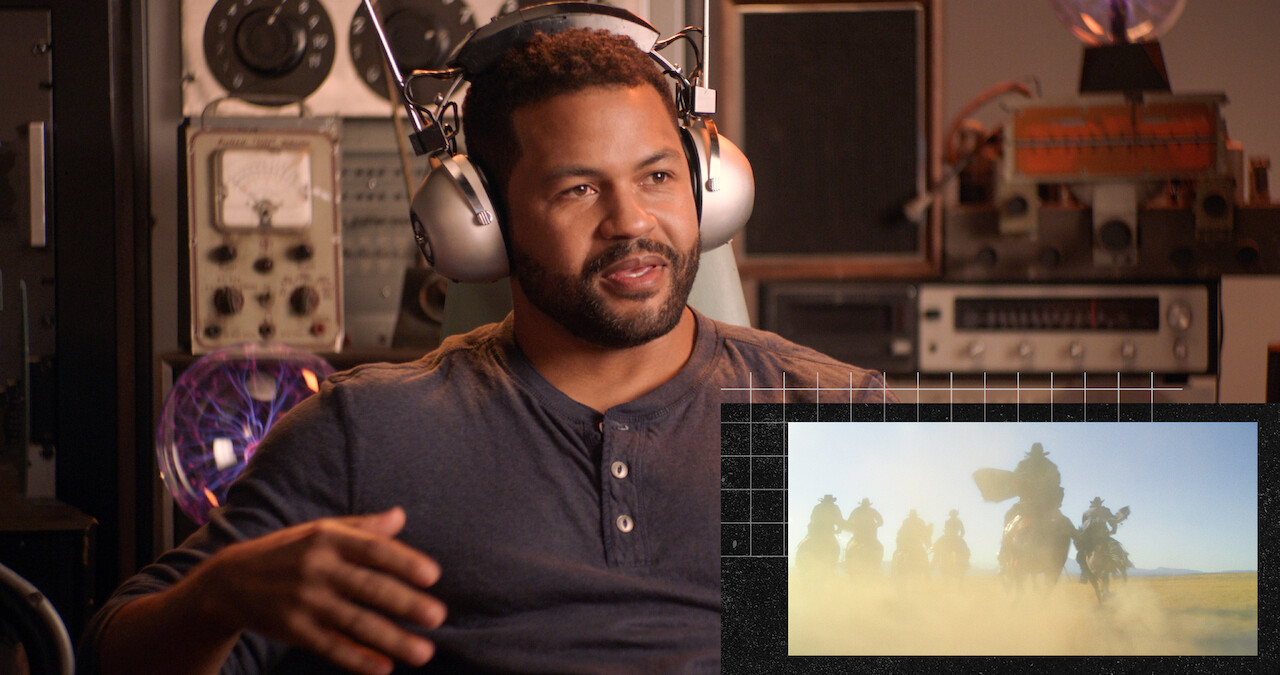
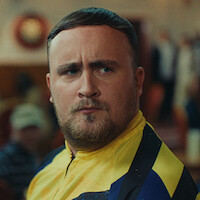
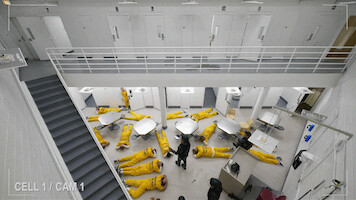
Still, Samuel didn’t just throw rap lyrics or reggae beats over quintessential shootout scenes simply because modern viewers like that type of music. He chose to incorporate Jamaican dub music, for instance, because it lends itself to the material. “I’ve listened to [Barrington Levy’s ‘Here I Come’] since I was a kid, and I’ve always heard galloping,” he says. And, of course, he’s right. When the thudding bass line blares as Treacherous Trudy Smith (Regina King) and Cherokee Bill (LaKeith Stanfield) ride toward the train where Rufus Buck (Idris Elba) is being held in chains, the choice makes total sense. The music doesn’t just sound nice; it actually complements the pounding of hooves on a dirt terrain and builds toward the prison-break moment that sets the story in motion.
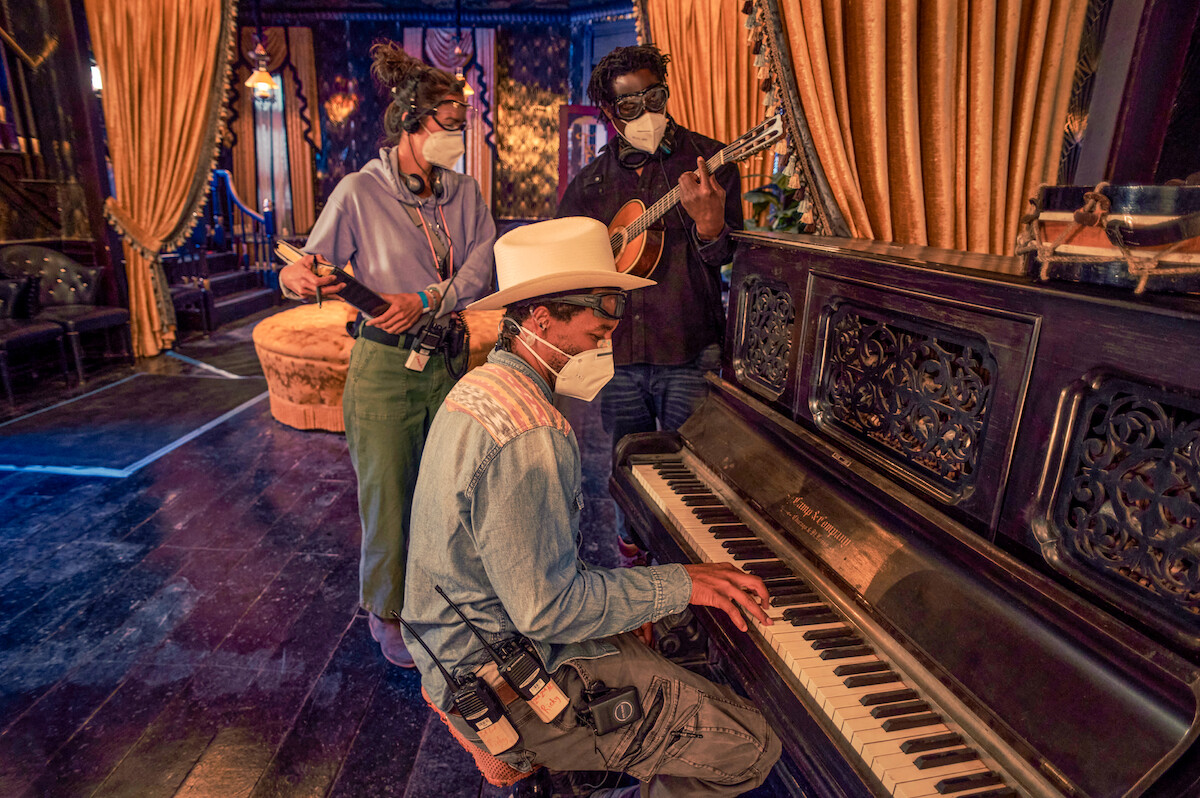
As both a filmmaker and music producer, Samuel has a unique perspective that allows him to create movies whose scores and soundtracks are embedded in his scripts. To him, they’re all the same thing. “I always say: I see music and I hear film so as I’m writing a script, I’m listening to melodies,” he shares. “There’s no sentence that isn’t in a particular key or that isn’t a particular note. Talking is musical. So as I’m writing the talking of each of these characters, I’ll hear different motifs.”
Redwood City is one such motif that Samuel calls out. He describes the music that plays during the scenes set in that town as “biblical,” which reflects the faith that Trudy Smith has in Rufus Buck and his vision for Redwood. With songs like “Promised Land” by Dennis Brown and “Do Unto Others,” performed by Fisk Jubilee Singers, a singing ensemble from Fisk University known for their renditions of traditional Negro spirituals, the town’s biblical motif certainly comes across.
Though not every filmmaker thinks this way, the process of making music while writing a movie is linked for Samuel. When he describes the structure of both types of art, it’s clear why. “It’s literally one stream of consciousness,” he says. “There are three acts in a script and there are three parts to a song — verse one, verse two and the middle eight. They’re pretty much exactly the same thing. I think the world partitions them off. For me, I embrace them both, and I do them both as I’m going along.” Without the barrier between visual and auditory art, Samuel is able to create films like The Harder They Fall that pack a punch with their melodies and lyrics and even make you rethink the soundtrack to the Wild West.