Deep Dive
The 9 Biggest Revelations from Victoria Beckham
“When you have an eating disorder, you become very good at lying.”
Oct. 17, 2025
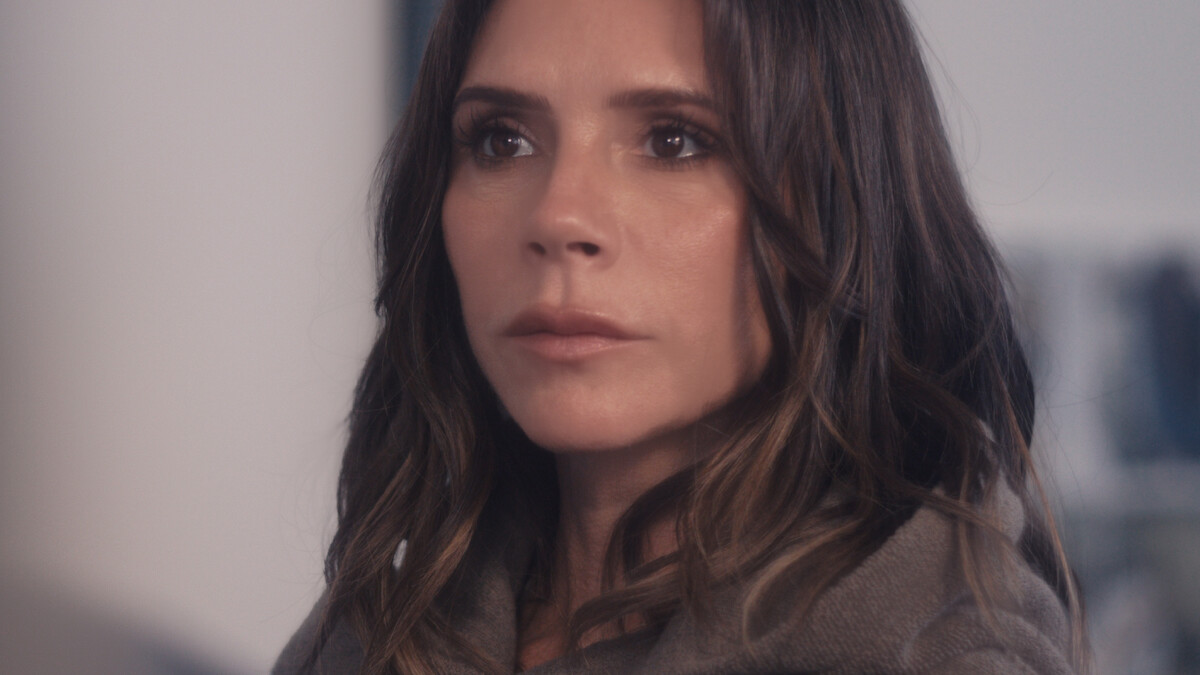
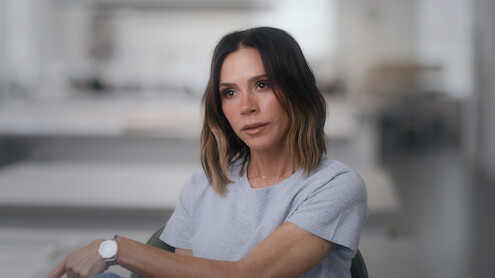
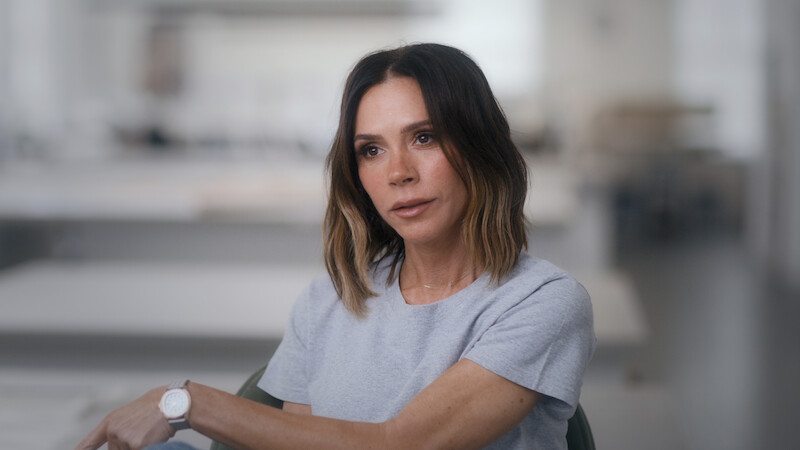
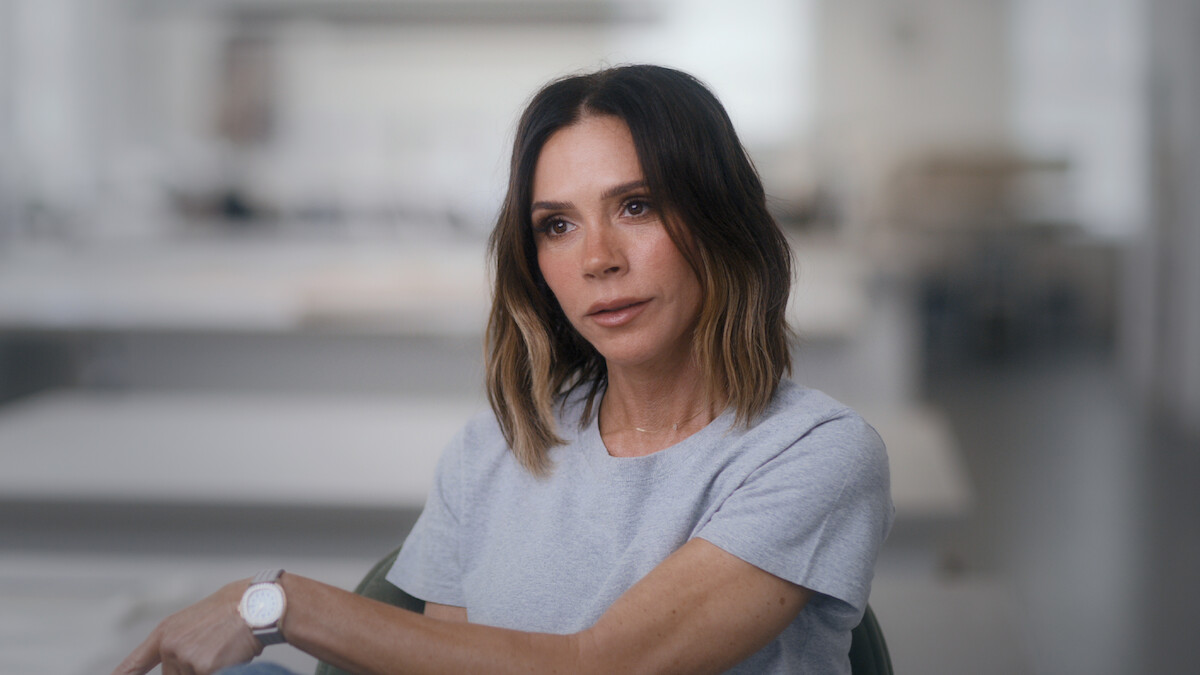
Victoria Beckham’s career has been one of constant reinvention, from ’90s pop sensation to “It” girl WAG to fashion powerhouse. In the new three-part documentary Victoria Beckham, candid confessions from Beckham and those who know her best reveal the real woman behind the headlines.
The series charts her pursuit of credibility in fashion amid tabloid scrutiny and personal challenges, tracing the key choices and turning points she faced while navigating fame’s pressures and possibilities.
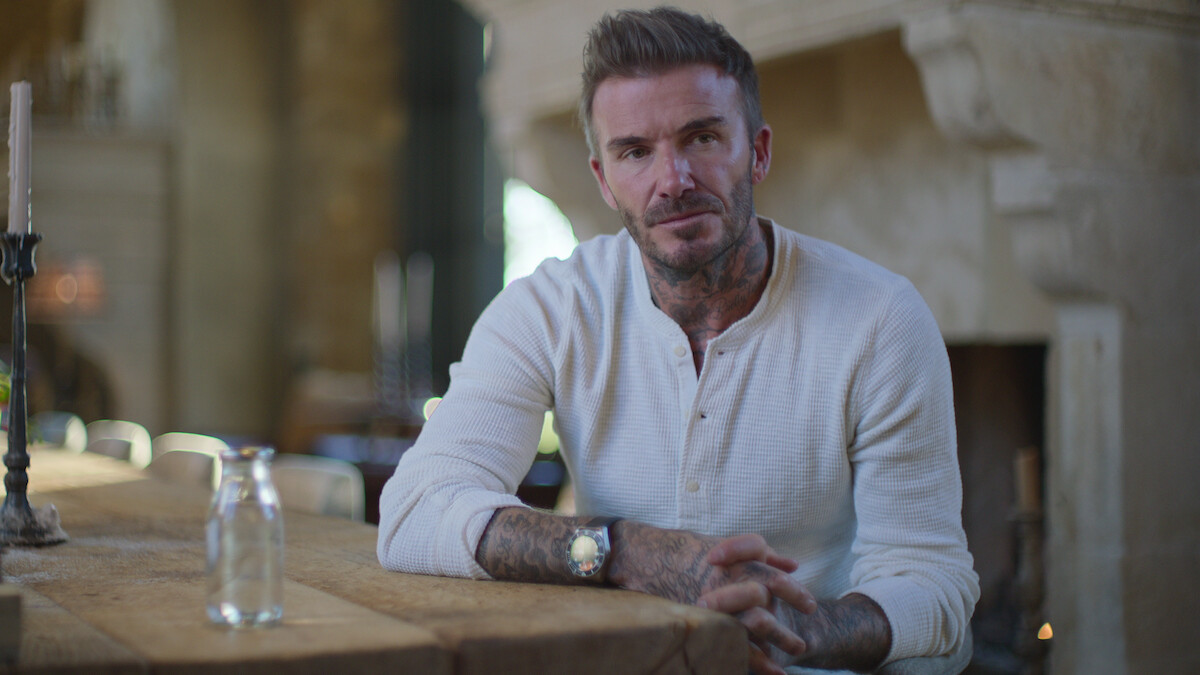
With appearances from industry icons like Anna Wintour, Tom Ford, and Donatella Versace, as well as candid insights from family and friends — including husband David Beckham and friend Eva Longoria — the series is packed with revelations and behind-the-scenes stories sure to surprise both longtime fans and newcomers to Victoria’s story.
When she first set out to make the documentary, director Nadia Hallgren counted herself among the latter: “I just knew that I was intrigued, that I was drawn to her, and I wanted to know more,” she tells Tudum. “She stole the show in David’s documentary, and I wanted to see who she really was.”
Here are the most unforgettable moments from Victoria Beckham, with further insights from Hallgren.
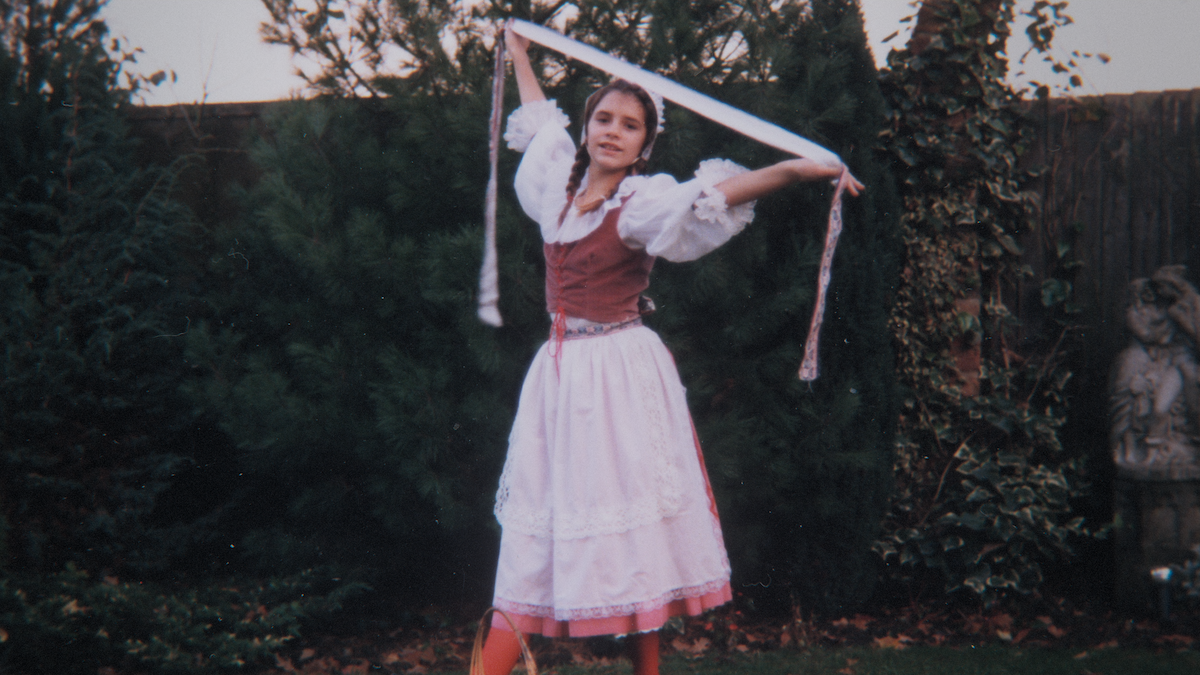
Before the Spice Girls, Victoria was a theater-obsessed kid in Hertfordshire who felt like an outsider. “I was bullied, I was awkward, I wasn’t particularly sociable — I just didn’t fit in at all. But when you’re onstage, for that moment, you’re somebody else … I desperately wanted to be liked,” she says in the documentary.
In the series, Victoria shares that her parents even put their home on the line to fund her training, and she felt the weight of that sacrifice. “I was aware of the responsibility I had to work very hard,” she says of her time in the competitive pressure cooker of theater school.
So when Victoria arrived at her Spice Girls audition at 19, she brought with her a theater kid’s confidence. “I knew every single lyric of every single song in the West End,” she says in the doc, which led her to an unconventional choice for her audition number. While “everybody else was singing Madonna or Whitney Houston … pop songs,” she chose “Mein Herr” from the musical Cabaret. The bold pick set her apart and foreshadowed the determination that would define her career.
While that boldness and need to belong helped launch Victoria’s career, Hallgren observes that the tension between putting on a new identity and being authentically herself is still present in her life. “Those same battles that she had as a young person with herself she has today, and I think that that thread was really clear,” the director says.
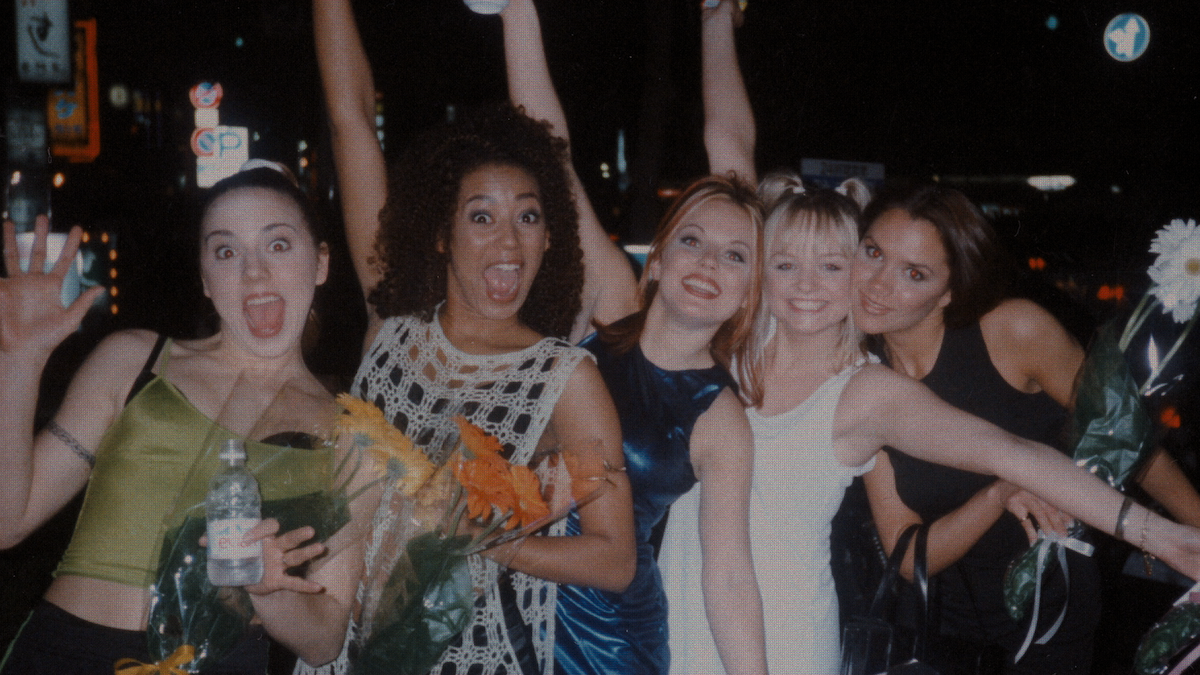
In the series, Victoria reflects that joining the group made her “more lighthearted, more fun” and, for the first time, she felt she truly belonged. She remembers the others telling her, “You’re funny … be who you are,” a validation that helped her embrace herself. “The Spice Girls made me feel good enough about being me,” she says, adding that she now passes that lesson to her daughter. “I tell Harper every single day: ‘You follow your dreams and be who you are.’ ”
Hallgren notes how quickly Victoria’s humor and openness disarmed her in their first meeting. “She was funny the minute we met,” she says. “That really broke the ice and made me comfortable and made me just feel like I just wanted to be around her.”
In the docuseries, Victoria reveals that her signature moody look on the red carpet comes down to camera angles and habit. As she explains, because David always stands on her left, she’s typically photographed from her right side — a side she admits she doesn’t love. “I didn’t realize that when I smile — which I do — I smile from the left, because if I smile from the right I look unwell,” she says. “So consequently, I’m smiling on the inside, but no one ever sees it, so that’s why I look so moody.”
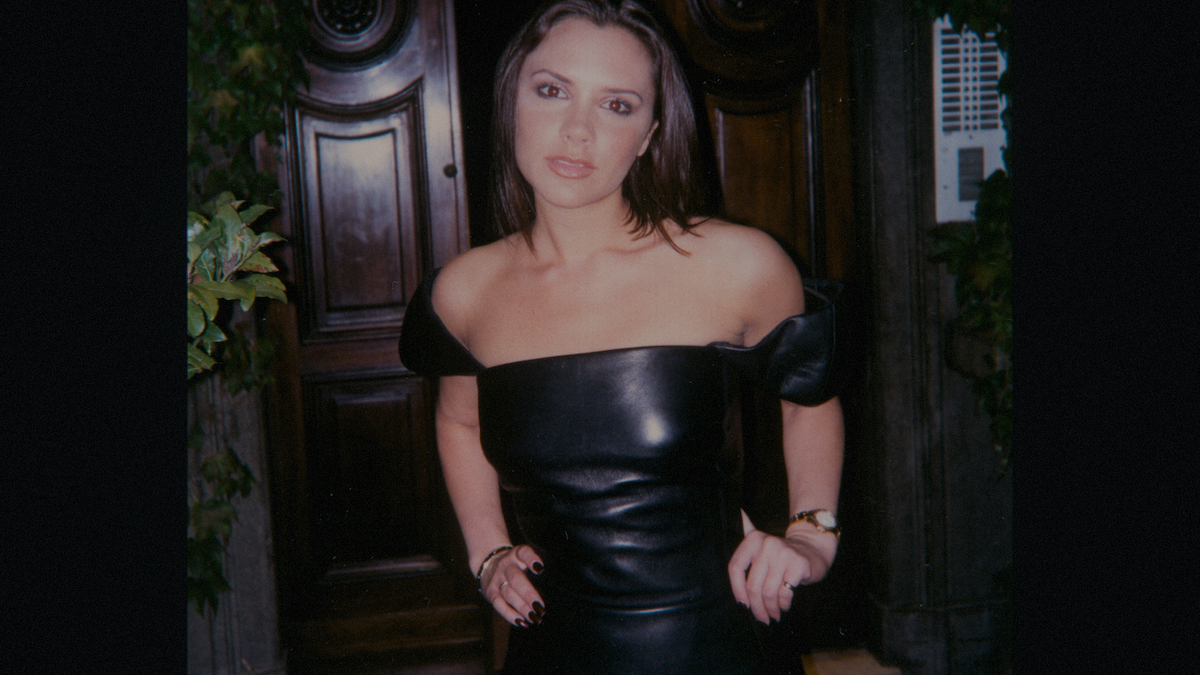
In the doc, Victoria traces her fashion obsession back to her Spice Girls days: “The other girls weren’t really into fashion … that left a really nice budget for me,” she jokes. She spent it at Gucci, and soon thereafter, “Fashion became everything.”
In 1997, Donatella Versace invited Victoria to her first fashion show — thanks in part to Versace’s daughter being a Spice Girls fan — and took her to the boutique to pick out anything she wanted. Victoria picked a black leather dress — but suggested significant alterations. “I really can’t believe that. So rude,” she says in the documentary.
For her part, Versace remembers bristling at first: “How does she dare?” But she ultimately conceded the changes worked. “I realized it was better on her the way she did it,” the legendary designer recalls in the series. “She knows her body.”

Longoria reflects in the doc on Victoria’s so‑called WAG years (short for wives and girlfriends of athletes), an era when she was most often defined by her husband’s career. Victoria recalls feeling sidelined, which sharpened her resolve to build something of her own. “I remember saying to myself, ‘If I ever get an opportunity again, I’m not going to lose it again,’ ” she says in the documentary.
Hallgren points out how, during this period, the media narrative often reduced Victoria to a supporting role in David’s story, noting, “There was always this story to tell about how [David] was this greatness and she was this downer — but never any context as to anything more than that or the why.”
After her glitzy WAG era, Victoria describes a late 2000s reset while she was on a spa retreat in Germany: “I buried those boobs in Baden‑Baden. I became a simpler, more elegant version of myself, and I went to work.” The moment marked a shift away from a tabloid-era image toward the focused ethos that would come to define her brand.
The 2007 Marc Jacobs ads, shot by Juergen Teller, were meant to be cheeky, but for Victoria they were a wake-up call. She says the experience made her realize she was “a laughing stock” and that “no one took [her] seriously in this industry.” In the doc, Teller himself admitted that he was confused by the assignment, because she wasn’t a creative that he thought “fit” into his body of work. That humbling moment pushed her to seek a champion within fashion who could help her earn respect on her own terms.
Roland Mouret, the era-defining designer of body-skimming dresses, admits in the documentary he initially expected “to meet the WAG first” — but what he found in Victoria was real ambition. He encouraged Victoria to move past her public image and lean into authenticity, humility, and hard work. “To make the dream become reality, we have to kill the WAG,” he recalls saying, a challenge that became a guiding principle for her next chapter.
Hallgren notes, “The complexity of that period — what was happening with her personally, what was happening with her public-facing self, and what she was trying to achieve — were all these layers. Trying to crack that was very challenging until I met Roland Mouret. He knows Victoria so well and could articulate his story of that time brilliantly.”
In 2009, one year after their first collaboration, whispers swirled that Roland Mouret was the real hand behind Victoria’s line. In the documentary, Mouret makes clear he did not design that collection. Victoria recalls that “Roland saw something and believed in me,” and Mouret frames his role as mentor, not a ghost designer. “If you want to be in the industry,” he says, “you have to become genuine … you need to be Victoria.”
Even Vogue’s legendary editor Anna Wintour shared in the documentary that she was initially skeptical about Victoria’s foray into fashion, thinking it was merely “a side gig.” Today, Wintour has changed her tune: “Victoria was one that totally proved us wrong. It was clear that there was vision there, there was a point of view for people to recognize what she stands for.”
Theater school may have revealed how she “wasn’t the best dancer, the best singer,” Victoria acknowledges in the documentary, but it was the school’s fixation on body image that cut deepest in her formative years. “I didn’t look like a lot of other girls … that’s where I started getting a lot of criticism about my appearance, my weight,” she recalls. After being relegated to the back row during a performance, she leaned on her father’s insistence on persevering amid adversity — a work ethic that, as husband David Beckham says in the doc, “set her up for life.”
Victoria addresses her eating disorder directly in the series, describing how relentless tabloid labels that vacillated from “Porky Posh” to “Skinny Posh” pushed her toward rigid control of her body. “I could control my weight, and I was controlling it in an incredibly unhealthy way,” she says. “When you have an eating disorder, you become very good at lying.” She adds that the media drumbeat of “you’re not good enough” stayed with her for years.
Hallgren takes care to note how such criticisms were leveled at Victoria when she was just “in her mid-20s. A lot of this happened after she had her first child, Brooklyn.” Hallgren says she was struck by “how much abuse Victoria was taking at such a tender age.” The director notes how seeing Victoria’s resilience in the face of such scrutiny “elevated my understanding of her.”
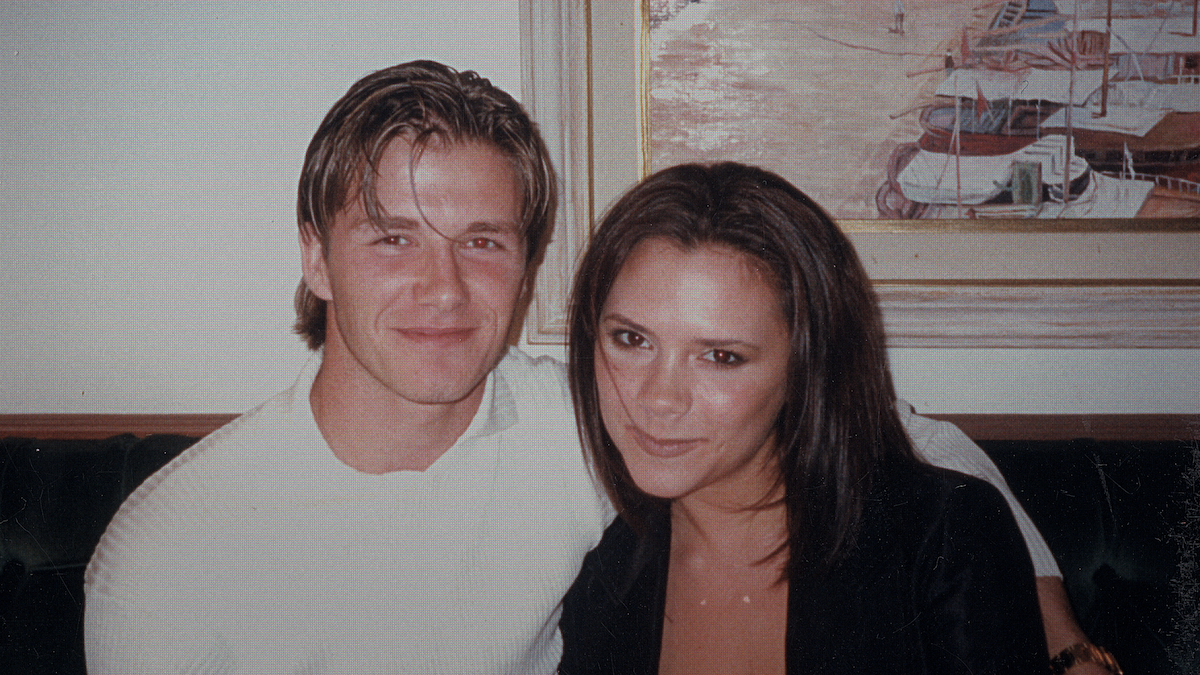
In the doc, Victoria says David backed her both emotionally and financially — though she did leave him off the guest list for her first showcase so her work could be assessed without the distraction of celebrity.
Of the power couple, Hallgren observes how “Victoria and David have grown together in ways that most people may never experience in a relationship, and there’s something really beautiful about that … David is an elite athlete and has this discipline and work ethic, and Victoria matches that, but outside of the world of sports.” She adds, “They have tremendous drive and ambition.” And that mutual support carried over into business.
But by 2016, the company was in serious trouble. Sales were down, losses were mounting, and the brand was at risk of closing. “We were tens of millions in the red,” Victoria recalls. “The entire house was crashing down.”
Enter investor David Belhassen, who recalls in the documentary how he “had never seen something as hard as that to fix.” Spending audits highlighted big ticket items, including £70,000 a year on plants and £15,000 just to water them.
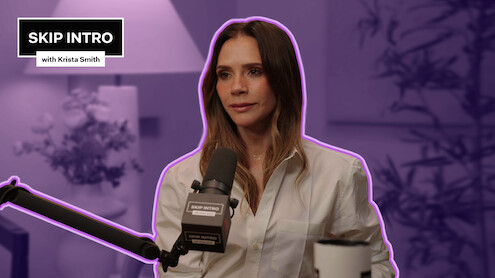
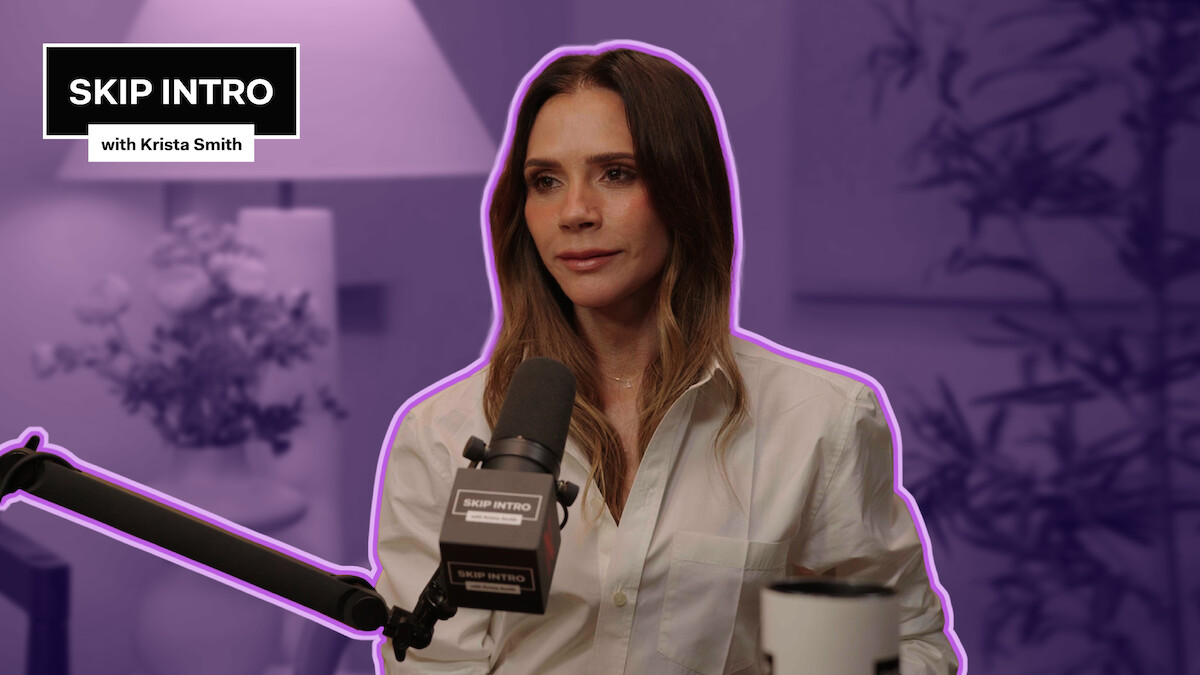
Aware of how that sounds, Victoria clarified the scale on a new episode of the Skip Intro podcast with Krista Smith: “People keep saying to me, what were those plants? They were like huge indoor trees.” In that same conversation, she also shares the full story of how David ultimately convinced her to make her own Netflix doc.
From unexpected setbacks to headline-making triumphs, Victoria Beckham’s story is a testament to her relentless drive, creative vision, and determination to define herself on her own terms. Revisit these moments, and see how it all unfolds across Victoria Beckham — the documentary series is now streaming on Netflix.