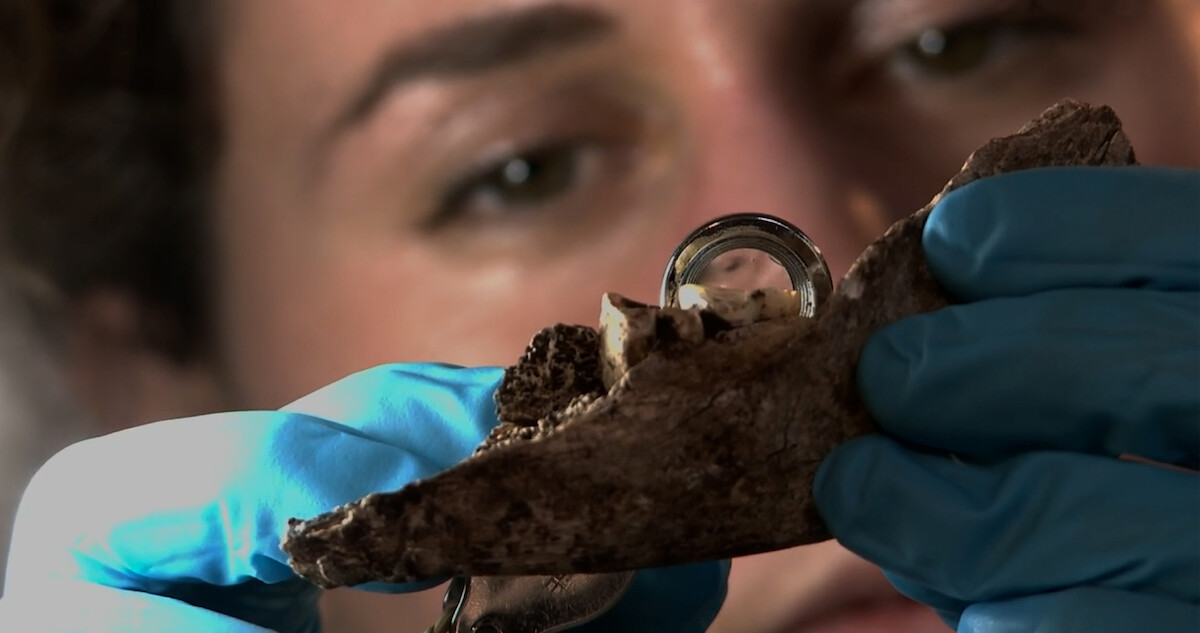


We Homo sapiens enjoy a fairly lonely existence, as far as our species is concerned. But there was a time when we were far from the only upright hominins walking around, and one new discovery made as recently as this year paints a picture of just how similar our ancient human relatives were to us.
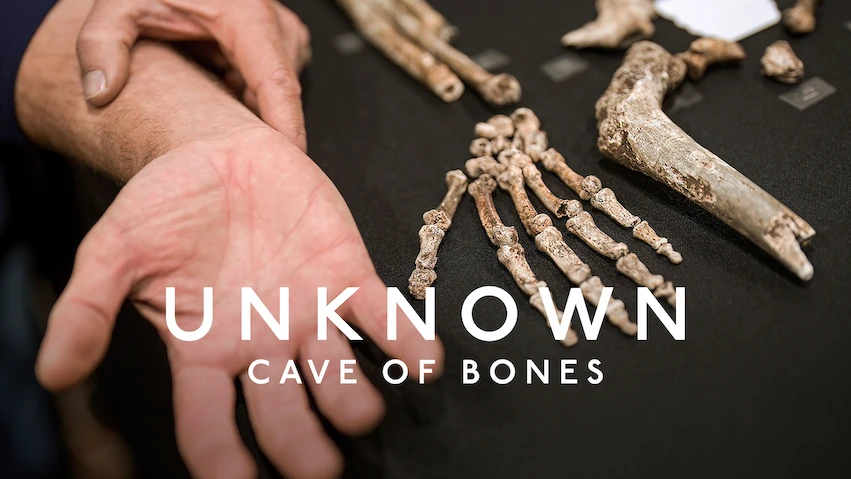
Named Homo naledi by South African scientists in 2015, the creature was 5 feet tall and about 100 pounds, but with brains that were roughly one-third the size of ours. Despite their comparatively smaller brains, Homo naledi seemed to practice sophisticated burial techniques, something long considered to be unique to humans. Widely reported last month by scientific publications, this discovery was uncovered by paleoanthropologist and National Geographic Explorer in Residence Lee Berger and was filmed for a gripping new documentary available on July 17.


In Unknown: Cave of Bones, we see Berger and his team traverse the tiny chambers of the cave to reach a collection of bones that dates back at least 240,000 years; they work to understand whether what they’ve uncovered is an deliberate tomb, which would make it the world’s oldest graveyard. Watch the trailer above that shows Berger and his team questioning if what they’ve found changes what it means to be human and whether our large brains — the center of our intelligence and, arguably, our humanity — make us as exceptional as we once thought.
Unknown: Cave of Bones premieres on Netflix on July 17.