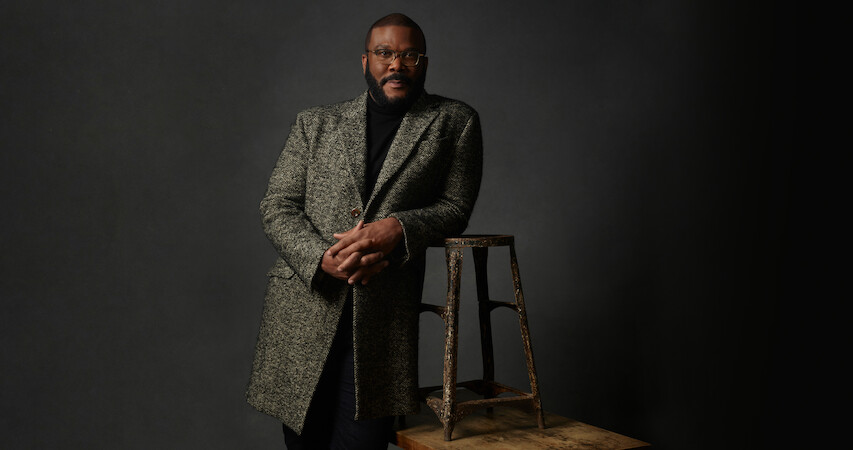
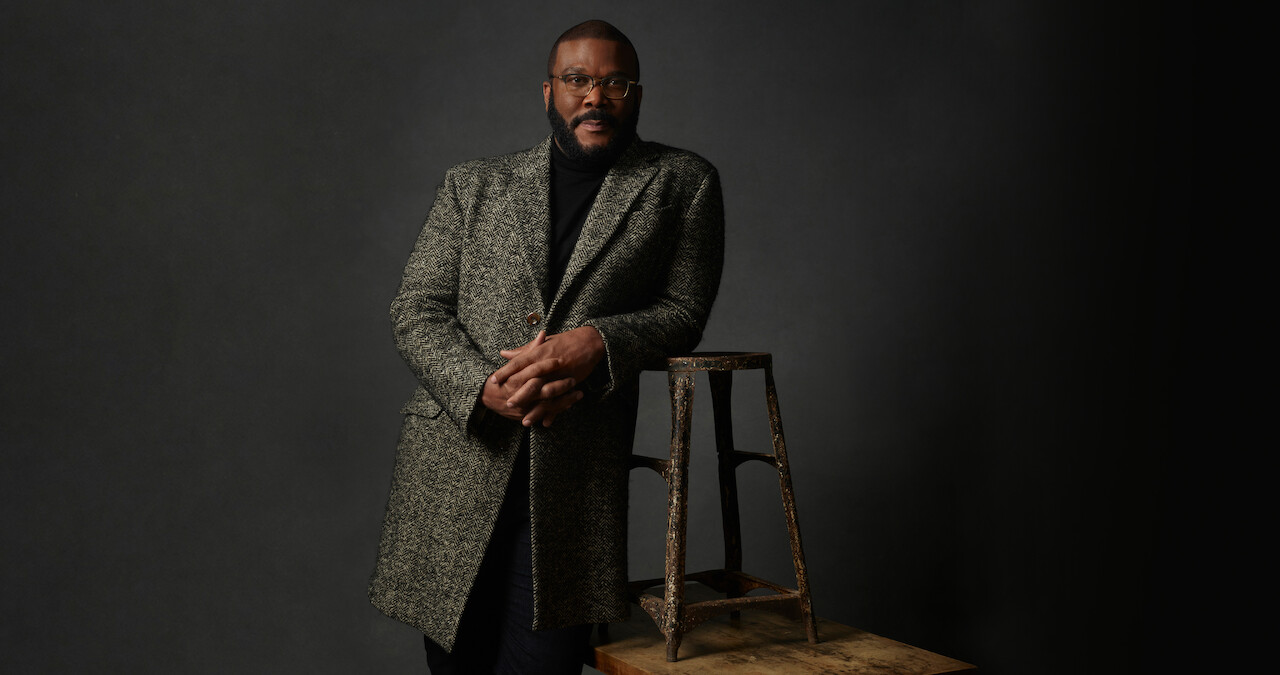
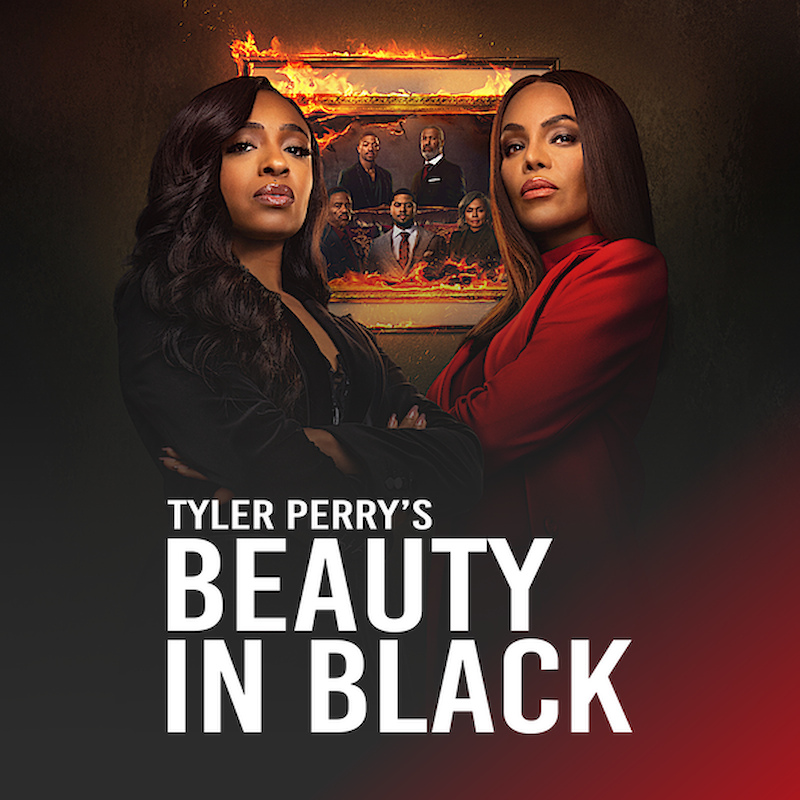
A little more than two decades ago, Tyler Perry found his audience. Down to his last dollar and on the verge of retiring from his then-fruitless career as a playwright and actor, the 28-year-old high school dropout and former bill collector was preparing for a show at Atlanta’s House of Blues, a performance he believed would be his last. “It was the coldest day,” he told Jet in 2003. “The heat went out. I was cold and shaking and trying to put on my makeup.”
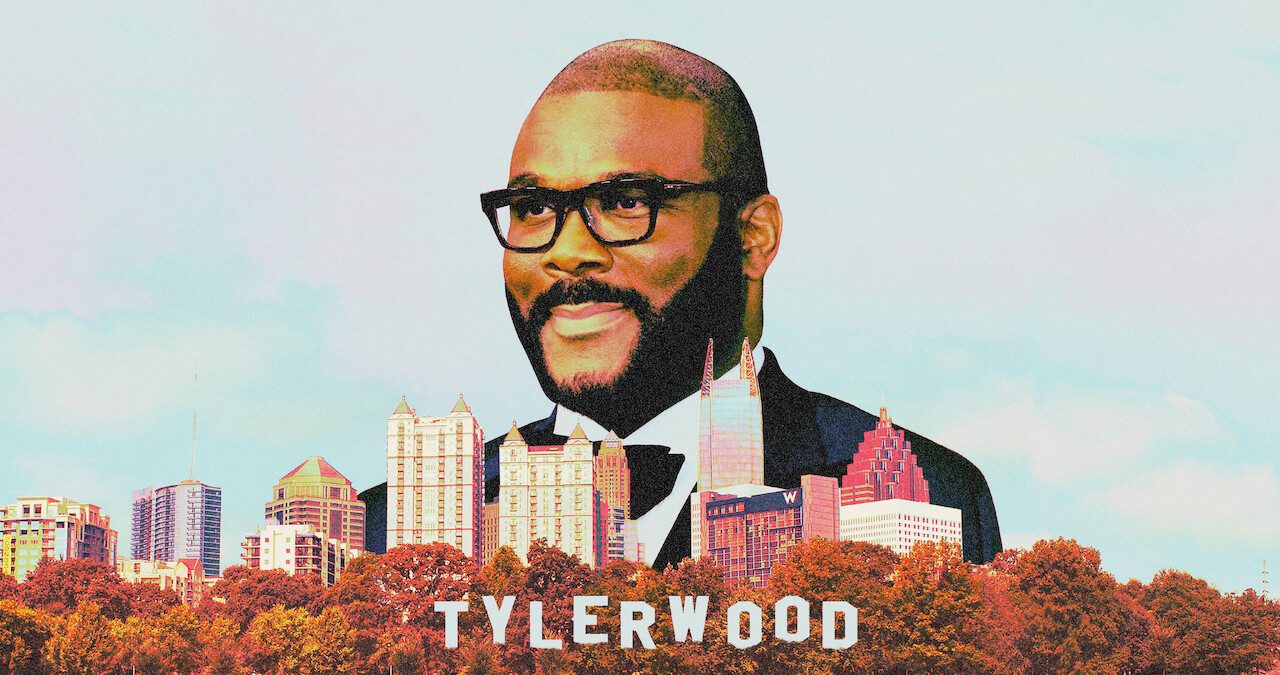
Up to that point, Perry had already put his life savings of $12,000 as well as countless hours into writing and funding his own plays. In the face of mixed reception and bouts of homelessness, he was prepared to change course when, at the intersection of preparation and slow-burning dreams, he saw a line of people stretched around the block waiting in the freezing cold to see his play. “God said, ‘I tell you when it’s over,’ ” Perry remembered. “ ‘You don’t tell me.’ ” Today, Perry’s relationship with those core fans — Black Christians below the Mason-Dixon Line — has brought him to the top of an empire that includes plays, multiple TV shows and movies, and a 300-acre film studio in the very city he once thought about calling it quits in.
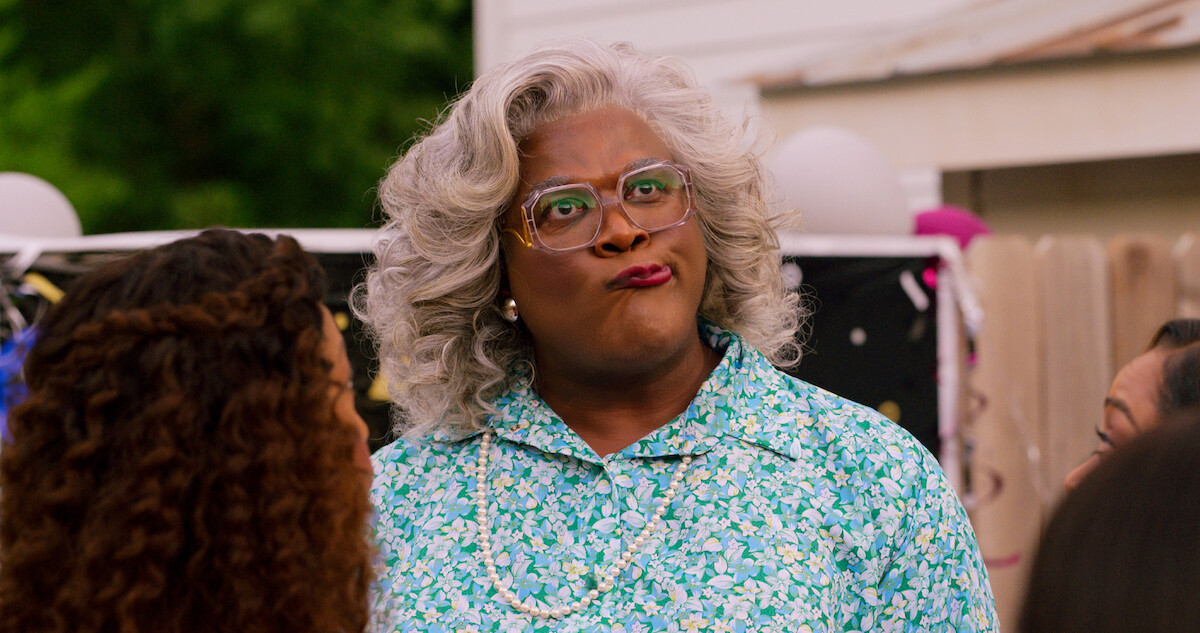
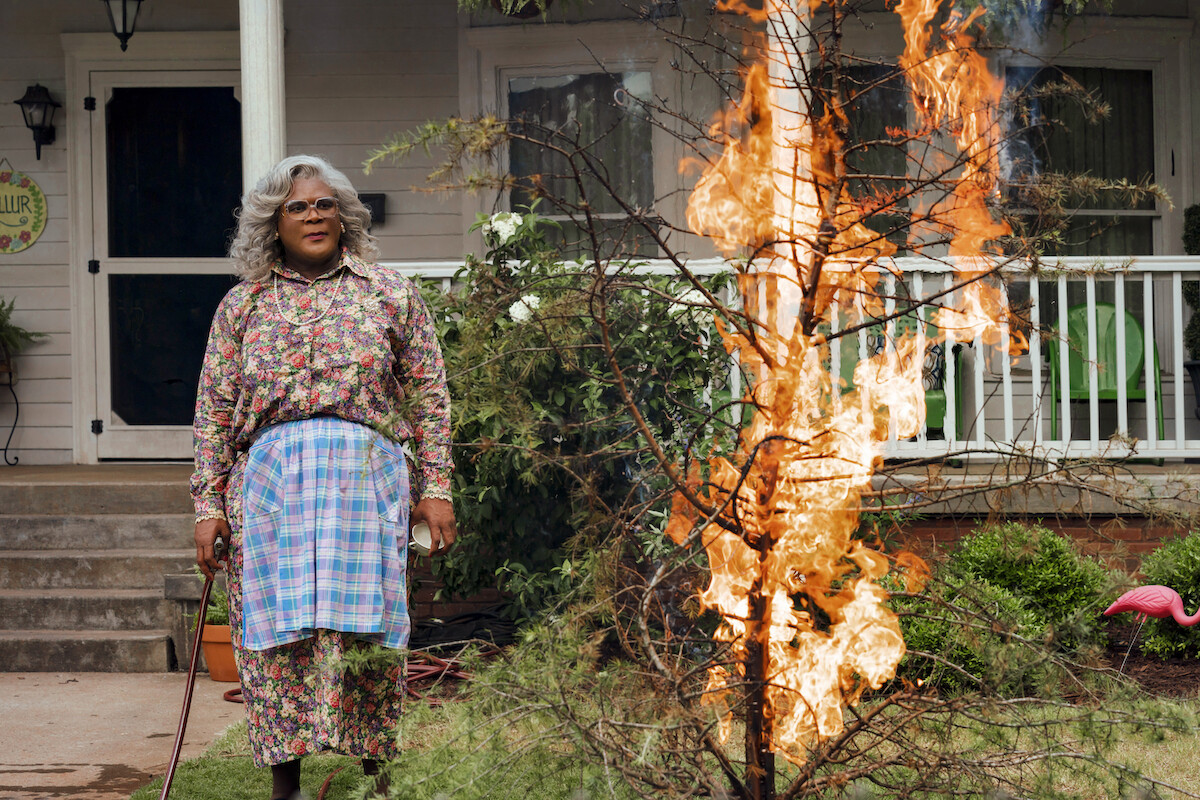
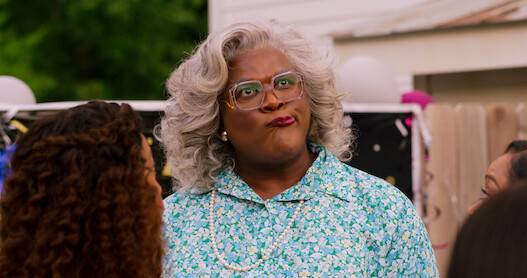
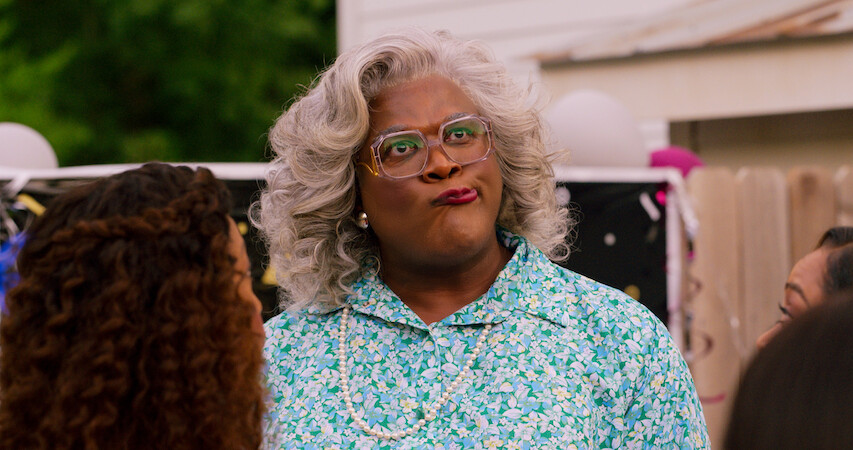
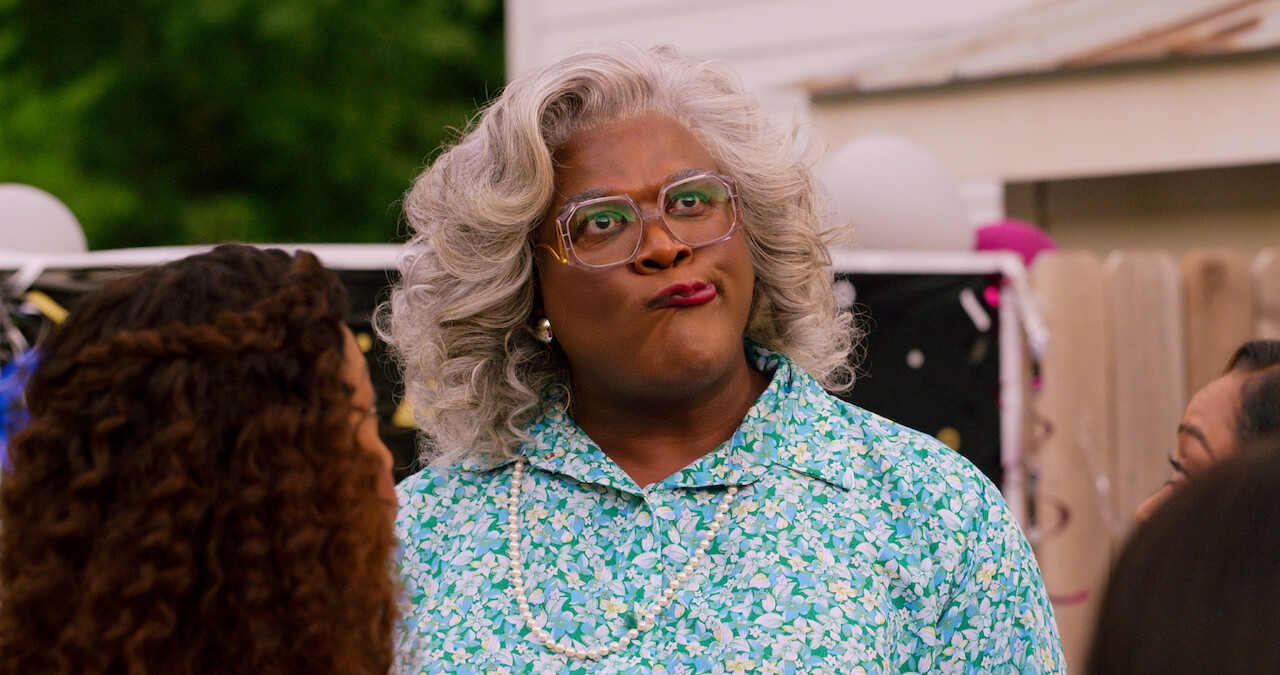
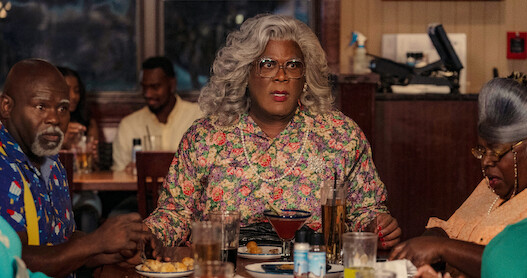
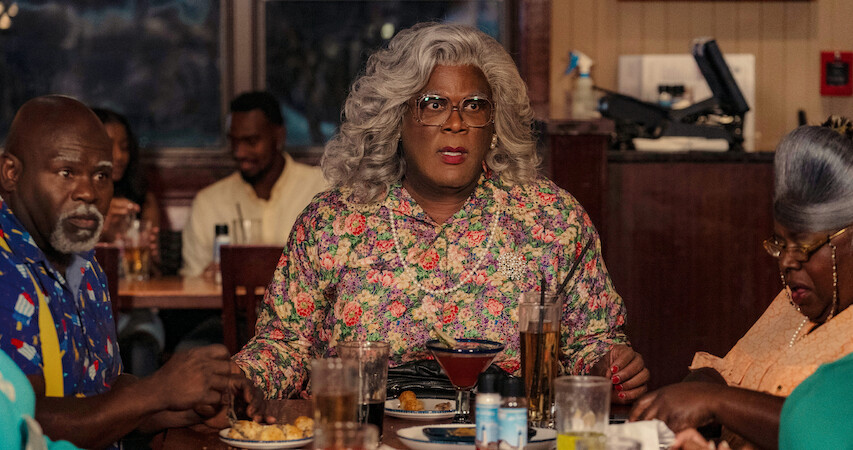
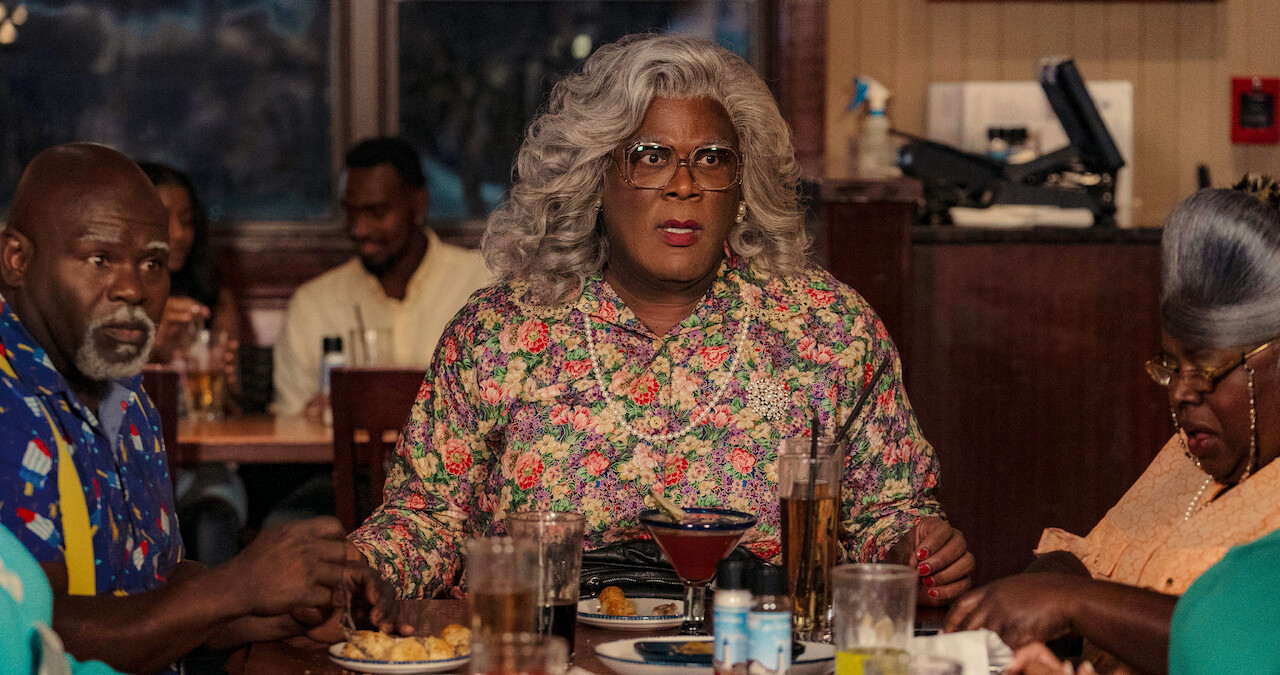
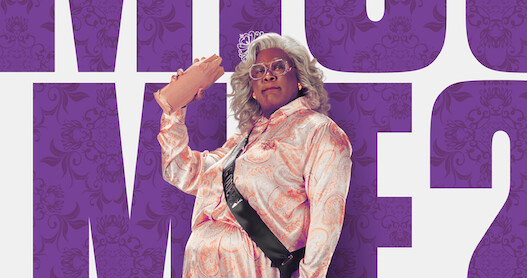
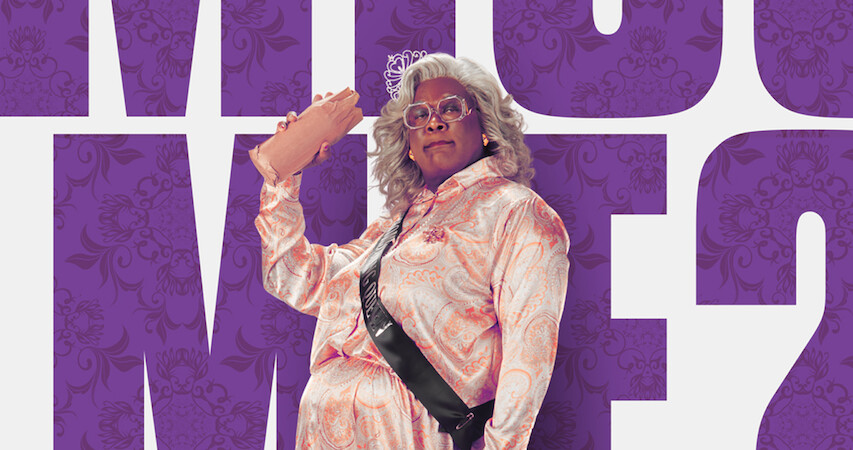
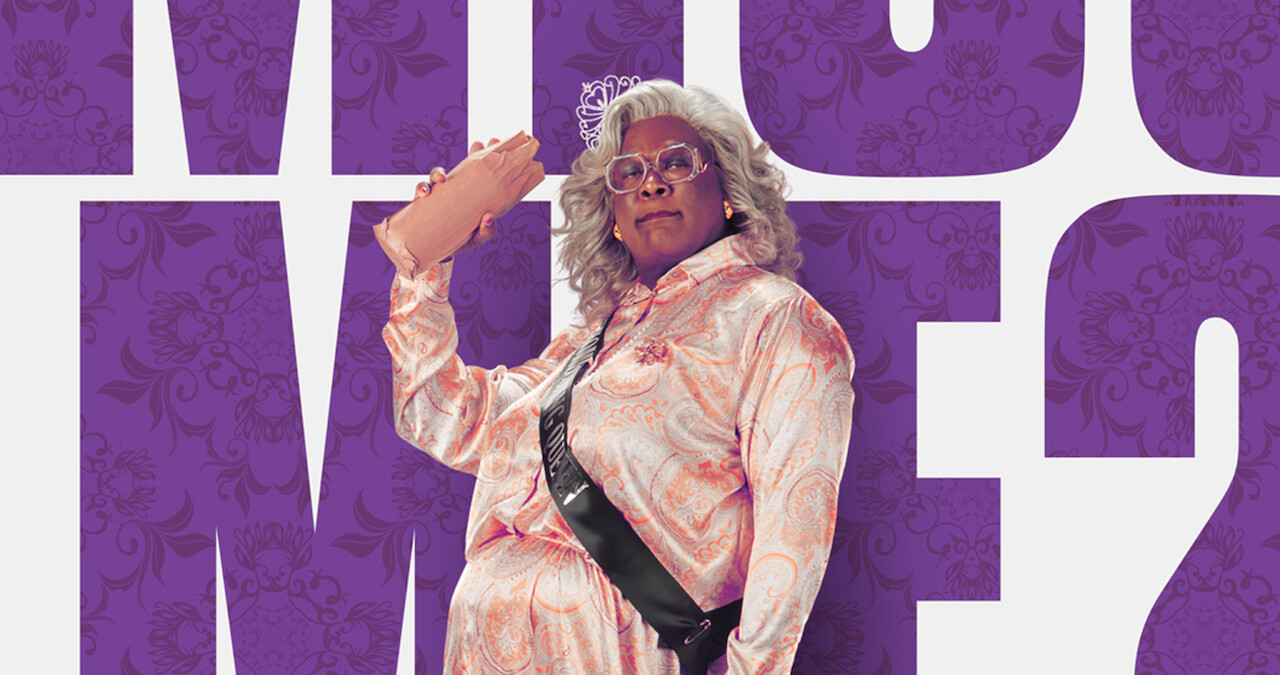
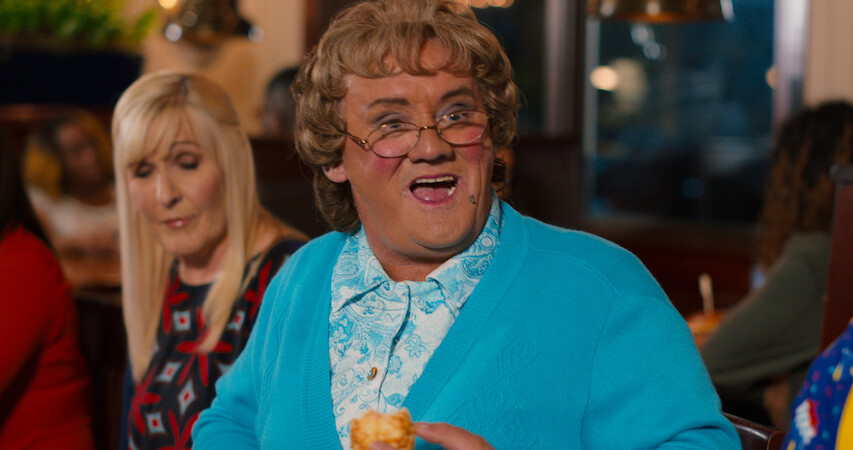
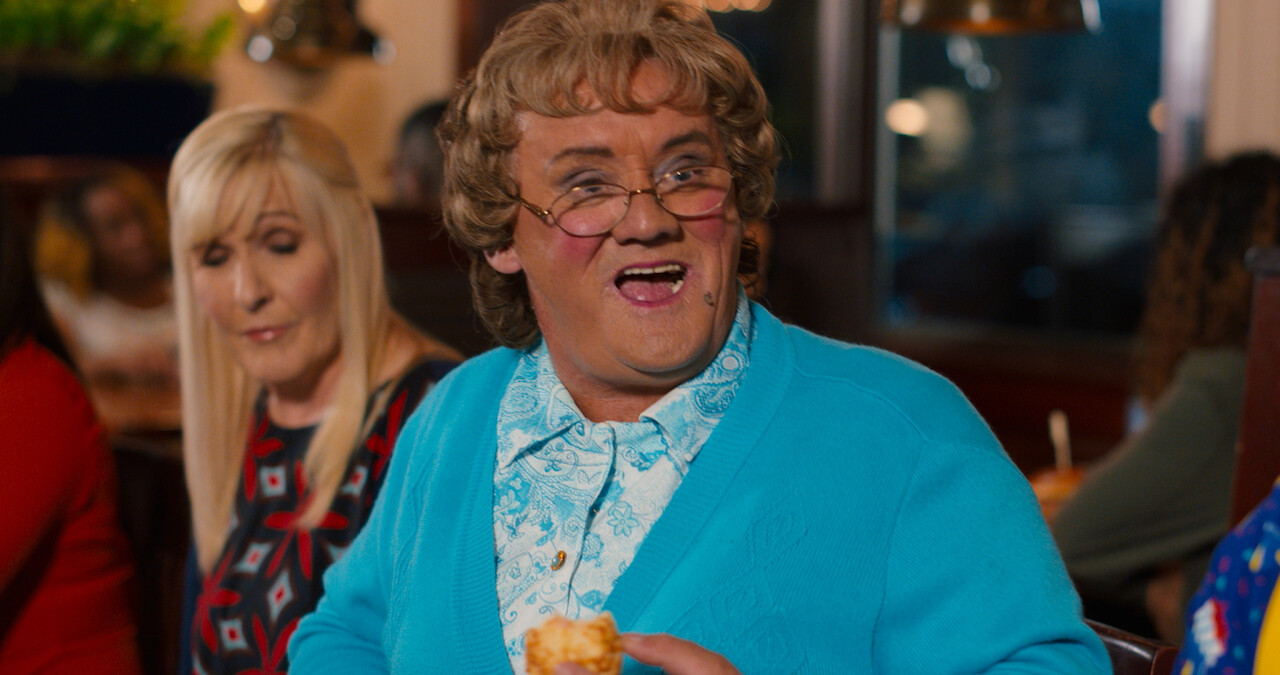
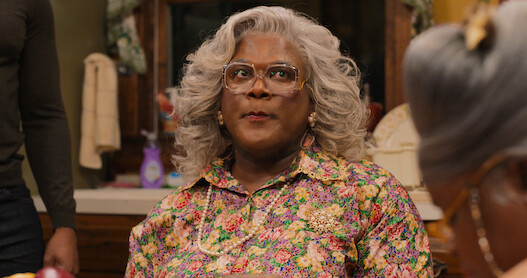
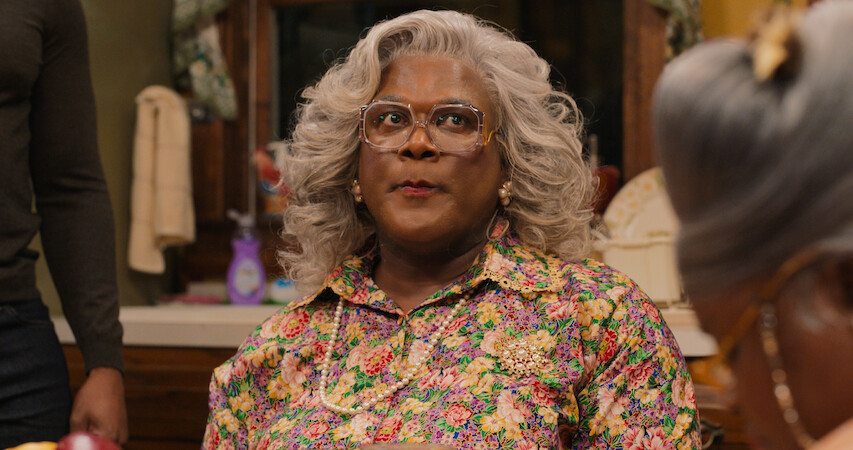
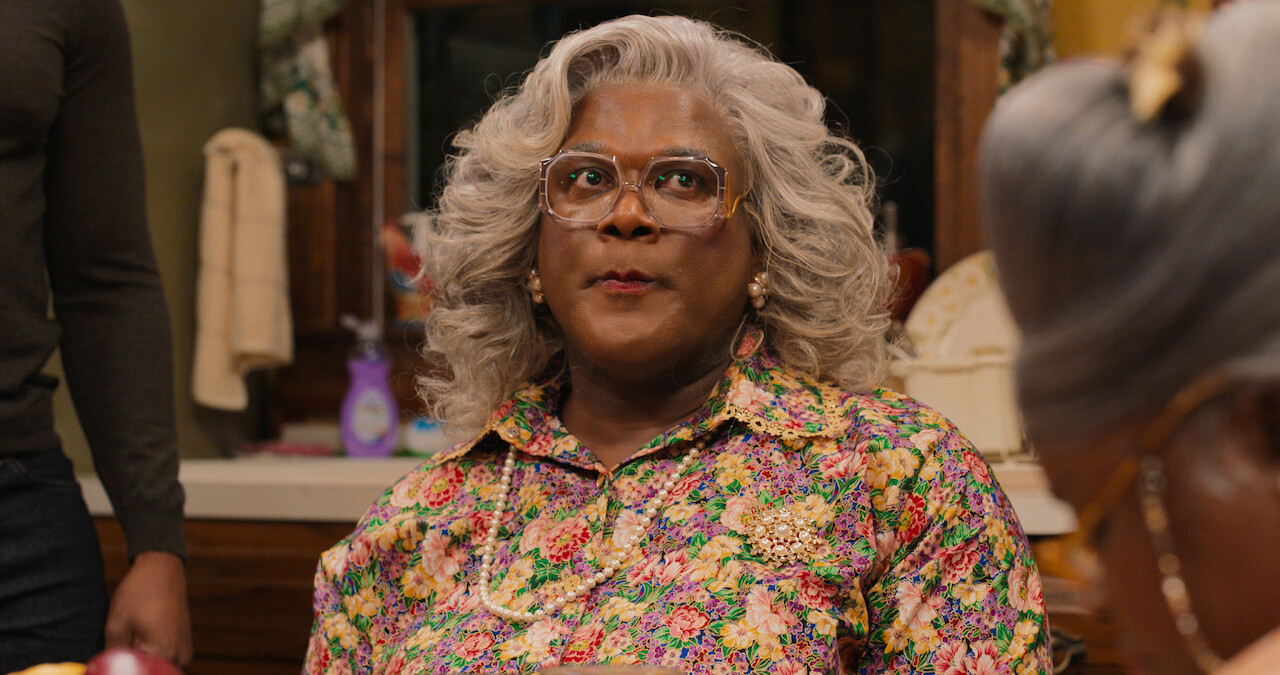
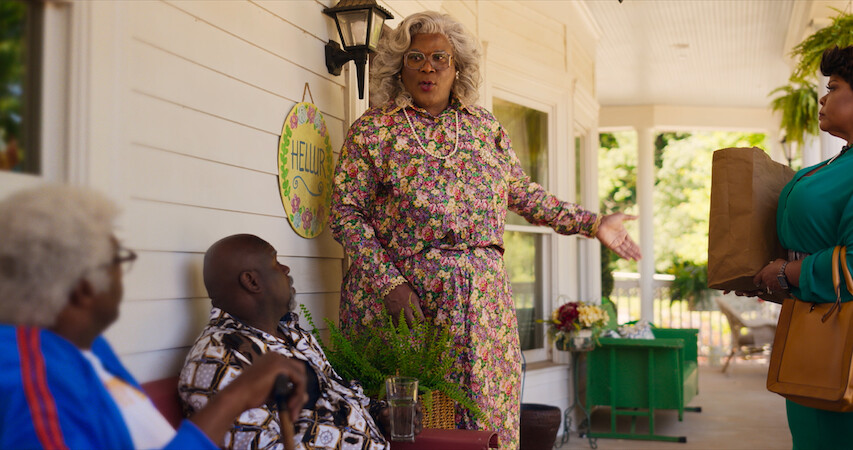
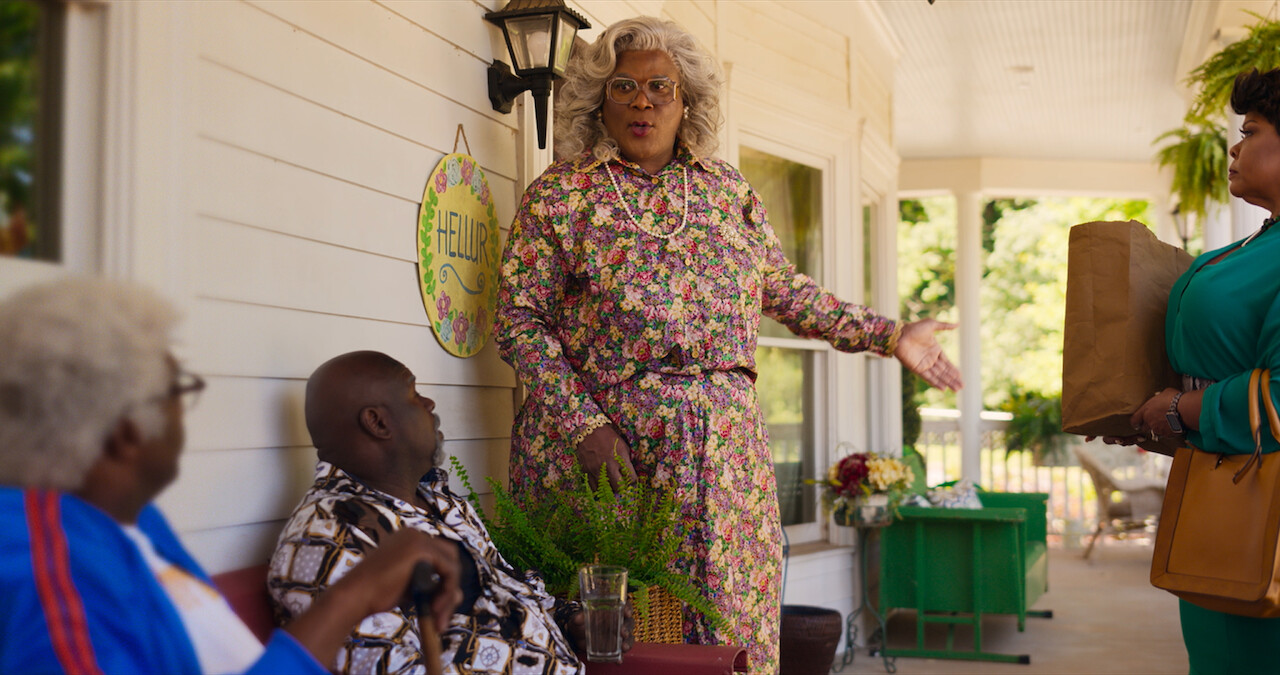
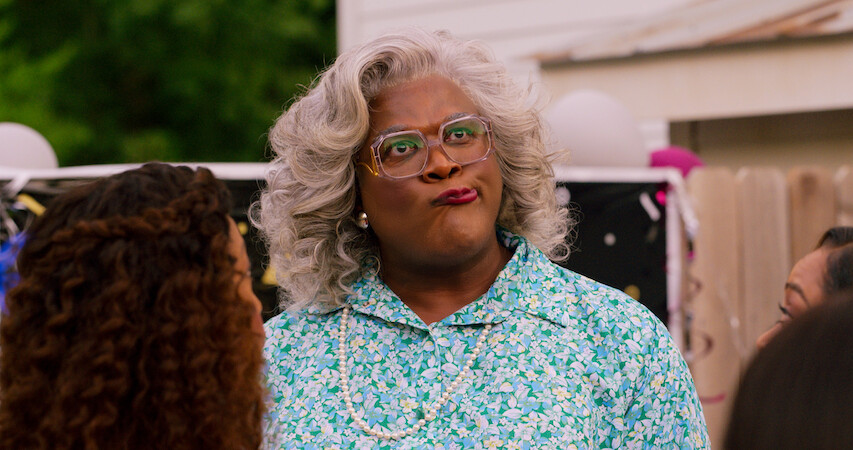
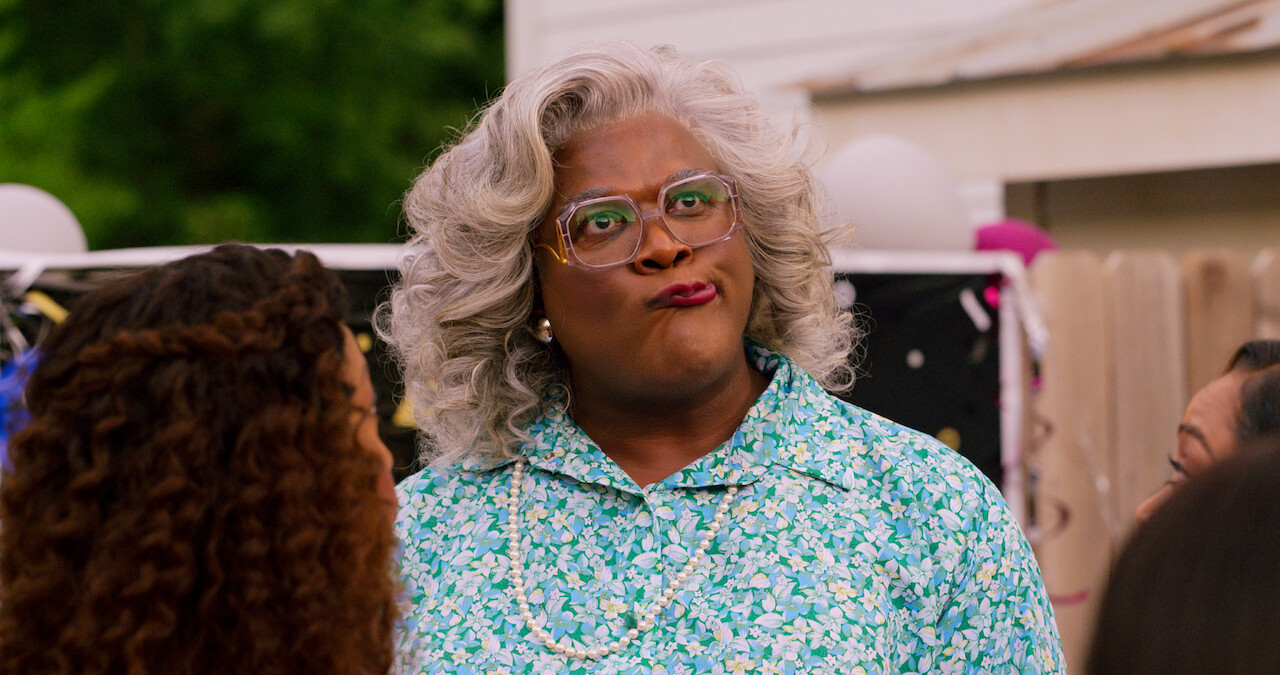
His films, most of which revolve around Madea — a forceful, loving and undeniably rambunctious matriarch portrayed by Perry himself — have generated more than $1 billion at the box office. Inspired by the loving wisdom of his late mother, Willie Maxine, the brashness of his Aunt Mayola and Eddie Murphy’s portrayal of multiple women characters in the Nutty Professor franchise, Madea has evolved from a character into an icon. Perry’s work — folksy, profound, comical and anchored by melodramatic, redemptive themes of Christianity and hardship — touches the very heart of Southern Black existence. It has also led to some criticism.
In a 2009 interview, filmmaking legend Spike Lee offered a few scathing criticisms of Perry’s work. “Each artist should be allowed to pursue their artistic endeavor,” Lee told Black Enterprise. “But I still think there... a lot of stuff that’s out today is ‘coonery buffoonery’... The imagery is troubling.” Similar criticisms have followed Perry for years, but he would argue that writing plays and movies that cast Black people in a different light — a frequent request of his critics — was beside the point; these are the stories he wants to tell. After all, in one way or another, they’re his own.
His first play, 1992’s I Know I’ve Been Changed, was partly based on letters he began writing to himself as a teen. Dealing with themes of sexual abuse and religion, the play reflected Perry’s own experiences as a young New Orleans boy who found peace in church and the warm embrace of his loving mother after being molested and physically abused as a child. Spiritual and unfailingly vulnerable, the play examined abuse in the Black community. It also solidified the stylistic DNA of Perry productions. With blue-collar Black families in mind, Perry’s productions have been filled with theatrical church scenes, down-home family gatherings and embattled characters facing everything from drug addiction to familial abuse, most if not all being issues that have been particularly harmful in a country that tried to destroy their ancestors.
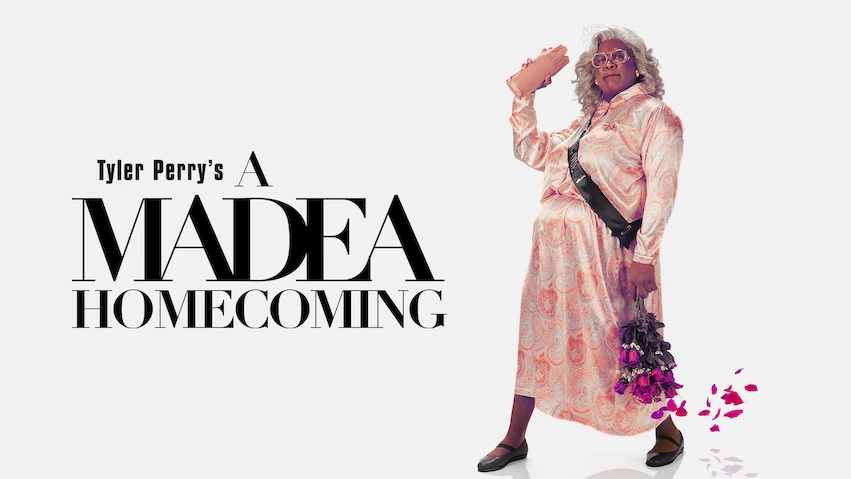
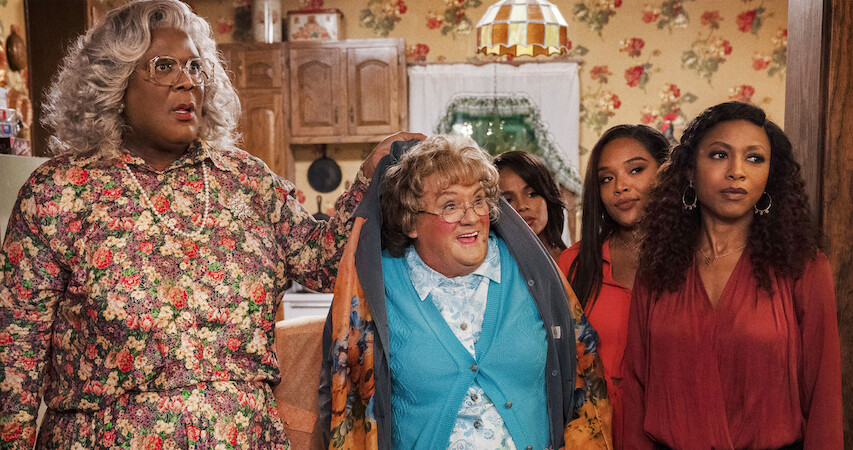
Religion, particularly Southern Black Christianity, looms large through most of his works, with even the most ostensibly irredeemable characters finding salvation through God and goodwill. Though A Madea Homecoming doesn’t feature as many of those themes, the story, which sees the titular character’s great-grandson navigating family problems during a party celebrating his college graduation, still finds Madea letting loose a few religious proverbs. Thanks to their perceived proximity to Black stereotypes, some wonder whether Perry’s films promote derogatory images of Blackness like minstrel shows before them.
Perry’s plays initially ran through the so-called Chitlin Circuit, a term for predominantly Black Southern and Midwestern performance venues frequented by Black artists during the Jim Crow era. While the term is a pejorative one, these venues provided cover for Black artists during difficult times, and in those crowds, Perry saw a community he faithfully addresses to this day. “I speak to my folks,” Perry told Level in 2020, dismissing criticisms of his films. “And I speak my language... Black people sometimes don’t want certain colors of Black people represented. I come from those colors and I’m never ashamed of my stories.”
Indeed, representing those colors has been the mission of Perry’s work. Threaded by trauma, Black plight, religion and Southern tradition, his creations follow a comfortingly familiar rhythm. In Diary of a Mad Black Woman, Helen Simmons-McCarter (Kimberly Elise) struggles to rebuild her life after being kicked out her home by an abusive husband. Her grandmother, Madea, and the rest of her family rally behind her as she discovers God and new love. In Why Did I Get Married, a study of multiple fracturing marriages, Sheila (Jill Scott) leaves her husband after being cheated on, renews her relationship with God and falls in love with a kind man. In A Fall from Grace, Grace Waters (Crystal Fox) is deceived by a con man who takes everything from her after becoming her husband, and it’s up to another beleaguered Black woman to save the day.
Madea isn’t in all of these movies, but her fiery spirit is embodied by the steely determination of the women at the heart of the stories. Her frank advice and thunderous clapbacks reflect the collective backbone of people who know they’ve got every right to be angry. “It’s a thing that springs from the culture that you’re living in,” Mary Ann Smith, an 80-year-old grandmother from Virginia, tells Tudum. “The hardships, restrictions, jobs that don’t pay a living wage, housing, segregation, Jim Crow, poverty, the heartaches, the future just looks dim. It just makes you want to tackle the problems that you see happening around you. Hard times make people do a lot of drastic things.”
Extracting traumatic tales of his own mother, who’d been physically abused by his father, Perry’s made a career of contextualizing those dire situations, giving voice to underserved communities in the Black continuum. As a result, he’s cultivated a legion of fans who look at his characters and see themselves — a reflection of tragic nights, hopeful prayers and Southern-fried familial warmth. Through full-throated, unsparing storytelling rendered through a carousel of Black pain, Perry’s films argue that these people, their speech and their experiences were never something to be ashamed of.