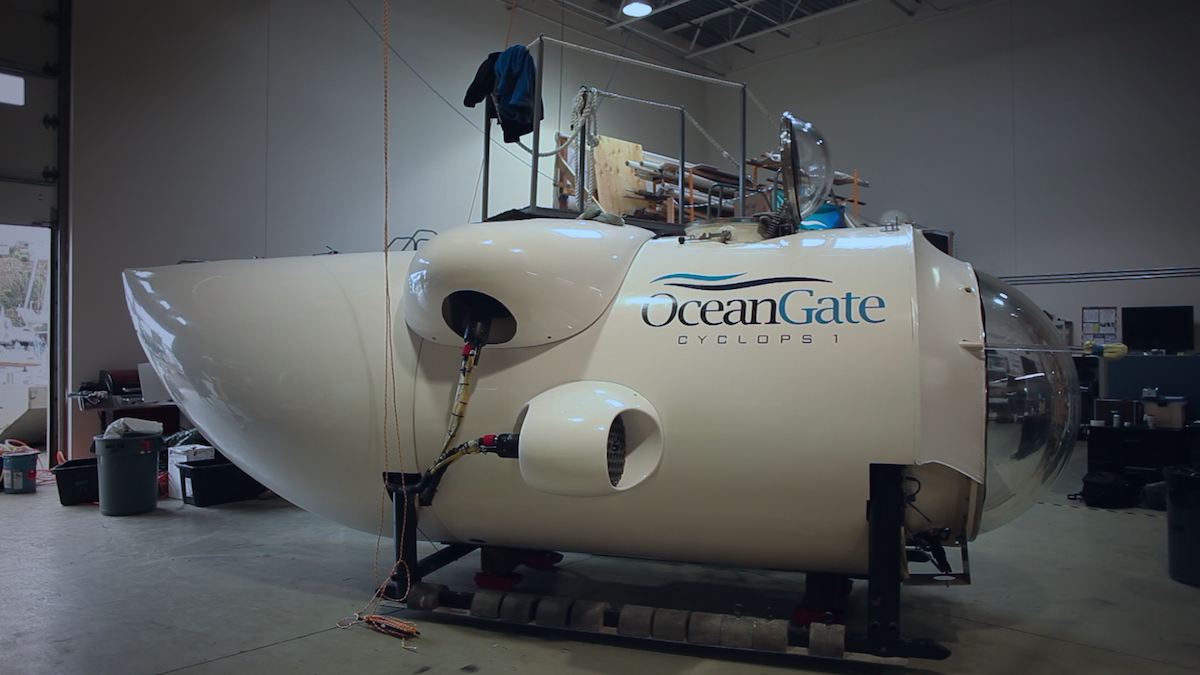
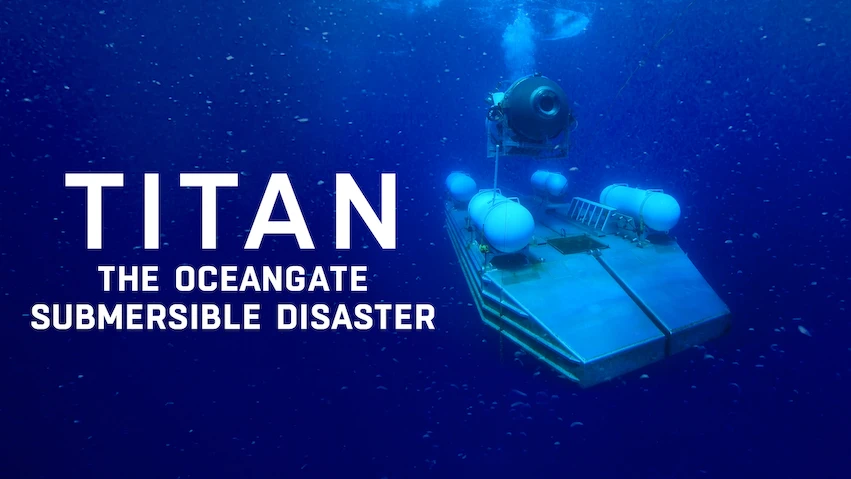
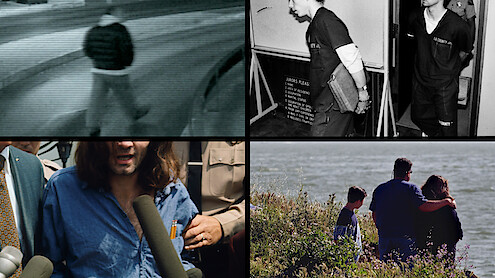
Titan: The OceanGate Submersible Disaster raises questions about accountability in the wake of the Titan submersible’s implosion during an expedition to the Titanic wreck in June of 2023. The documentary traces the events and key decisions that culminated in the disaster, but when the credits roll, a pressing question remains: Who, if anyone, will ultimately be held responsible? Here’s what to know as investigations continue and legal actions unfold, including Titan director Mark Monroe’s assessment of where the case may go.
What is the status of the investigations into the Titan implosion?
Official investigations into the Titan disaster began shortly after the incident, with inquiries launched by both the United States Coast Guard and the Transportation Safety Board of Canada, as the vessel was operated by a US company and launched from a Canadian ship. Additionally, it has been reported that the US Department of Justice is examining OceanGate’s financial practices. But as of June 2025, the Coast Guard’s Marine Board of Investigation has yet to release its final report.
Monroe tells Tudum, “When we started this, the Coast Guard laid out to us what was in their mind, a hard and fast calendar, that the investigation was ongoing, that there was going to be a hearing … and they said that a written report would be done two to three months after the public hearing.” However, Monroe claims the report’s release has been delayed since the January 2025 firing of the Coast Guard Commandant, Admiral Linda Lee Fagan.
“The Coast Guard final report can’t go public until the [head] of the Coast Guard signs off on it,” Monroe says. “And so right now we’re in a holding pattern.”
Is OceanGate facing criminal charges?
To date, no criminal charges have been filed in connection with the Titan’s implosion and the deaths of five people.
“There’s probably more [civil lawsuits] prepped,” Monroe says. “They’re waiting for the results of the [Coast Guard’s] investigation to drop. The moment that the investigative body says, ‘This person is to blame, or this company is to blame …’ Then the lawsuits will pile on. So they’re all just waiting and it’s all in limbo.”
Why did the Titan sub implode?
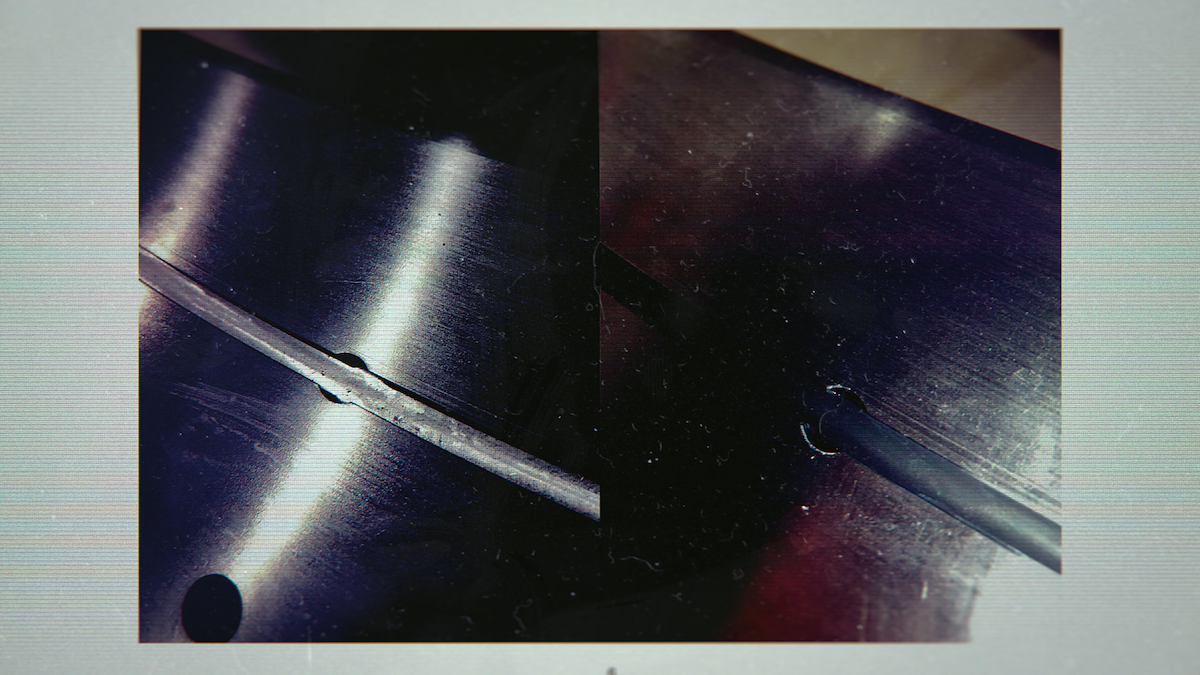
The Titan submersible imploded due to structural failure during its descent to the Titanic wreck. The documentary shows how the novel use of carbon fiber in the hull of the craft, coupled with other questionable engineering decisions, raised alarms for many OceanGate employees. In particular, the film highlights the inadequacies of OceanGate’s acoustic monitoring system, designed to identify weak points in Titan’s hull in real time.
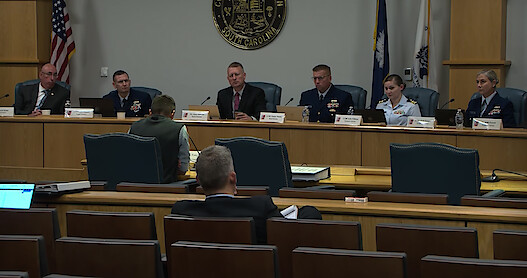
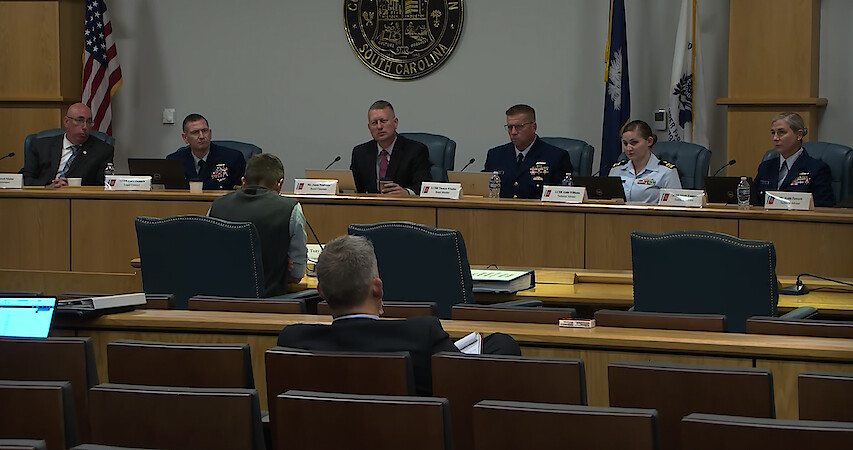
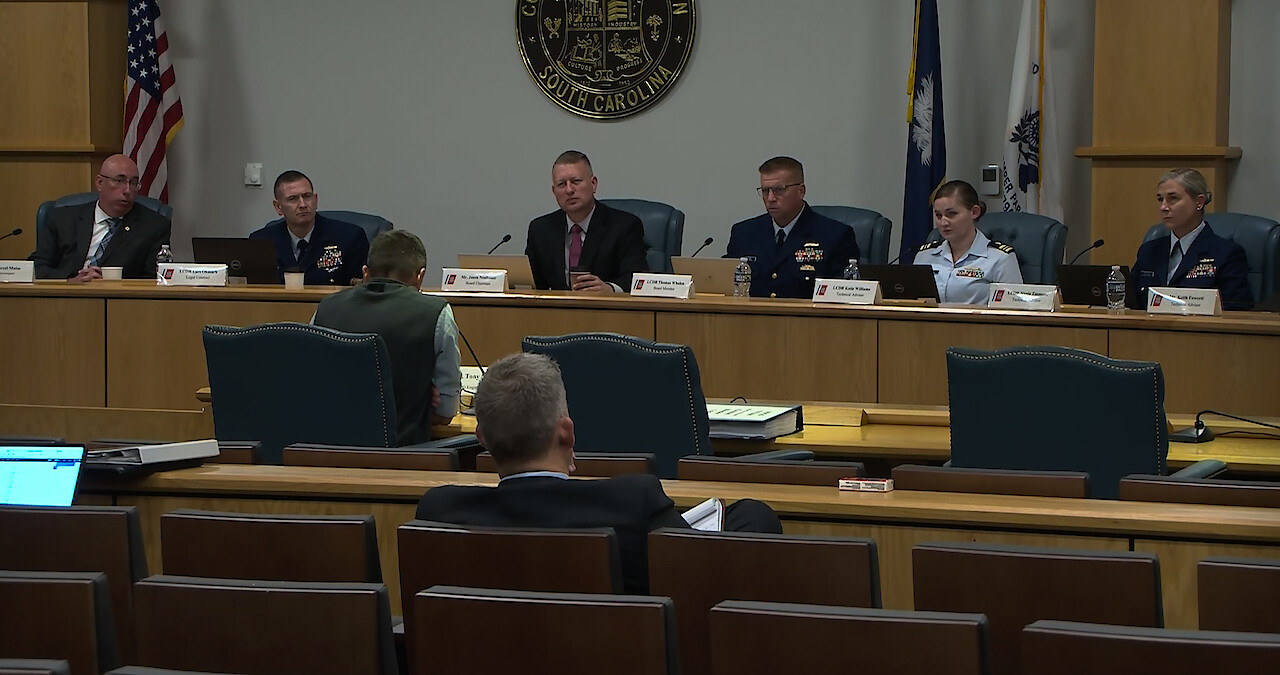
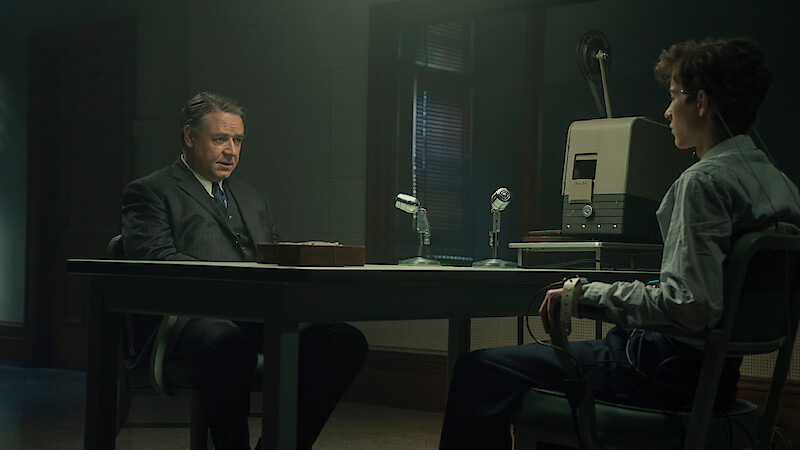
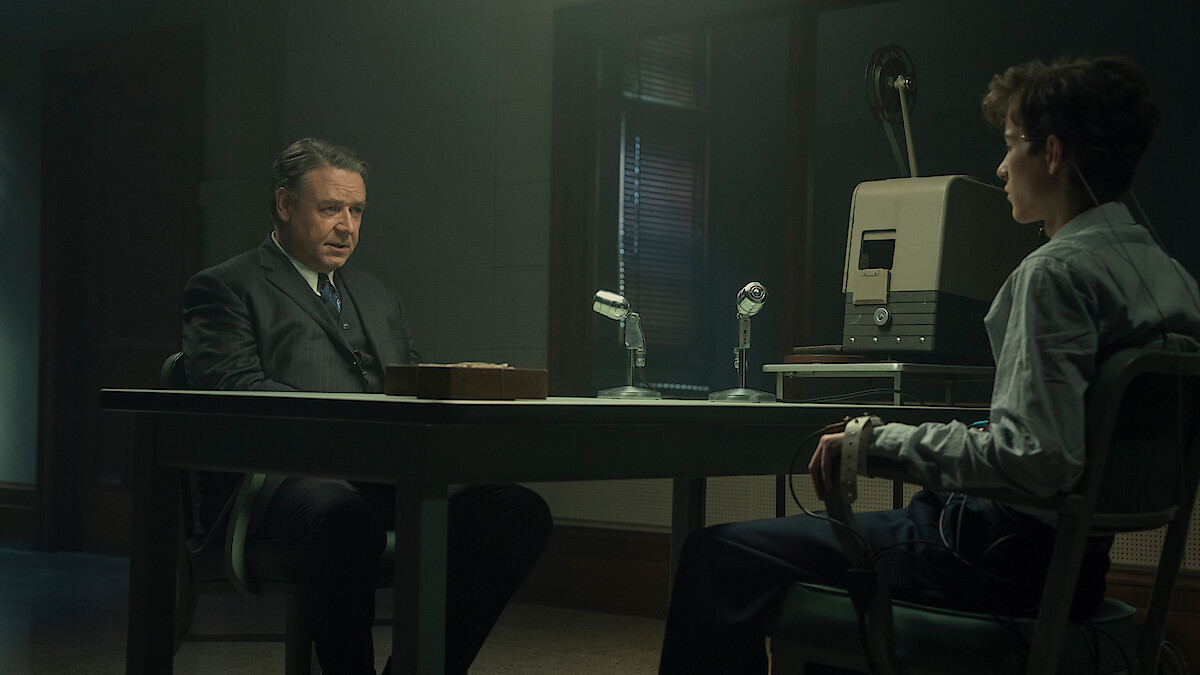
The documentary includes portions of Karl Stanley’s September 2024 testimony before the US Coast Guard Marine Board of Investigation. In April 2019, Stanley, a deep-sea diving expert, went on one of OceanGate’s first crewed dives of a prototype submersible in the Bahamas, and reported hearing cracking sounds in the hull.
In the film, Keith Fawcett, a Coast Guard technical adviser, asks Stanley if he partook in “any meeting where the results of the real-time monitoring acoustic sensors were examined by the group and tried to isolate where the sound occurred?”
“That information was not shared with me,” Stanley replies.
Monroe believes the Coast Guard thinks OceanGate “didn’t even look at the data. OceanGate has this thing they’re promoting as this state-of-the-art unparalleled safety mechanism. … They could look at [the data] and go, ‘Holy shit, with each dive, it’s getting worse,’ but clearly that didn’t register.”
Taking note of the acoustic monitoring system picking up additional fibers breaking across the dives leading up to Titan’s 88th and final voyage, lead Coast Guard investigator Captain Jason Neubauer notes in the documentary, “That should’ve been a warning. In the end [OceanGate] discounted the one system that was going to be vital to their operation. It is really in my mind like the smoking gun of what eventually caused this.”
What is the sound captured near the end of Titan?
Sixteen minutes after communications from the Titan ceased, an unexpected sound reached an underwater recording device 900 miles from the Titanic wreck.
“Science tells us that when an implosion of that scale happens in the ocean, it makes a humongous noise,” Monroe says. “The Navy has acoustic monitoring throughout the oceans. … We know how sound travels in water, and we know that if a thing is 900 miles away, it’s going to be about 16 minutes for that noise to reach the recording device. … My belief was that’s most likely the sound, and so to include it felt like resolution, definitive, some feeling of, ‘that's what happened.’ ”
Titan: The OceanGate Submersible Disaster is now available to stream on Netflix.