Titan Examines the True Events Leading to OceanGate’s Doomed Expedition
Uncover the untold story of CEO Stockton Rush’s quest to become the next billionaire innovator — at any cost.
By Natalie Morin & Troy Pozirekides
June 18, 2025
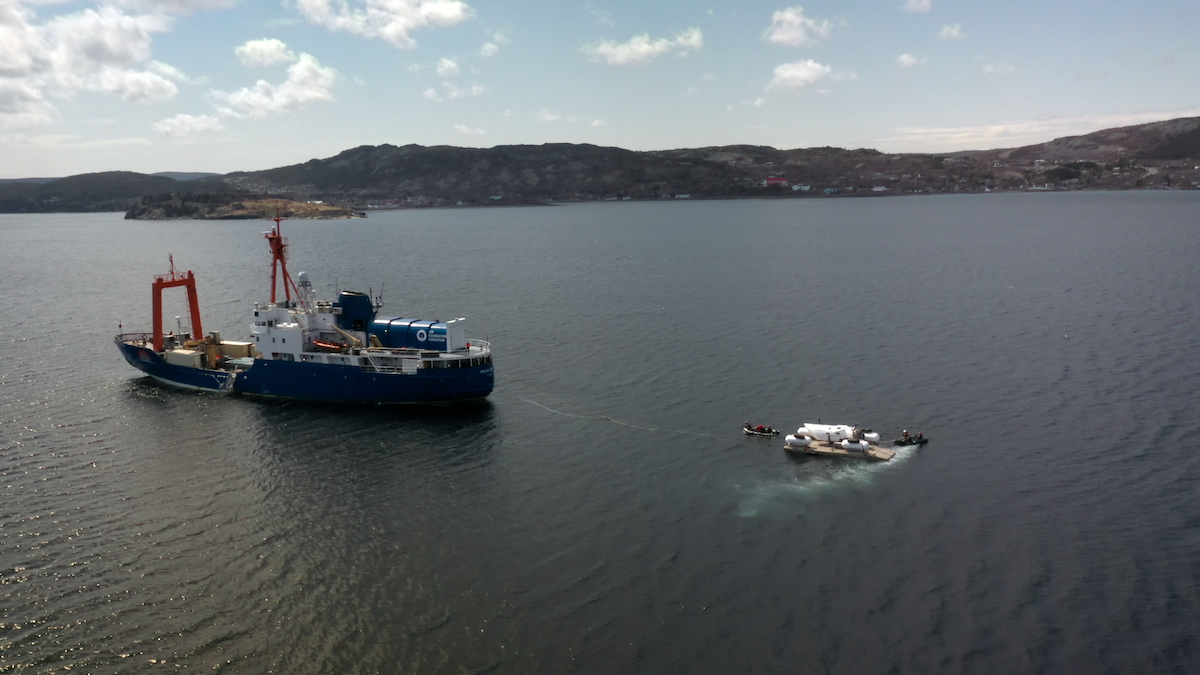
In June 2023, a tourist expedition to view the wreck of the Titanic went missing off the coast of Newfoundland, Canada. Over the following four days, the world came to know about Titan, the diminutive submersible its charismatic inventor, Stockton Rush, had touted as the key to unlocking deep-sea exploration for the masses. When pieces of the vessel were found at the bottom of the North Atlantic Ocean, experts determined Titan had imploded during its descent, likely killing all five of its passengers instantly.
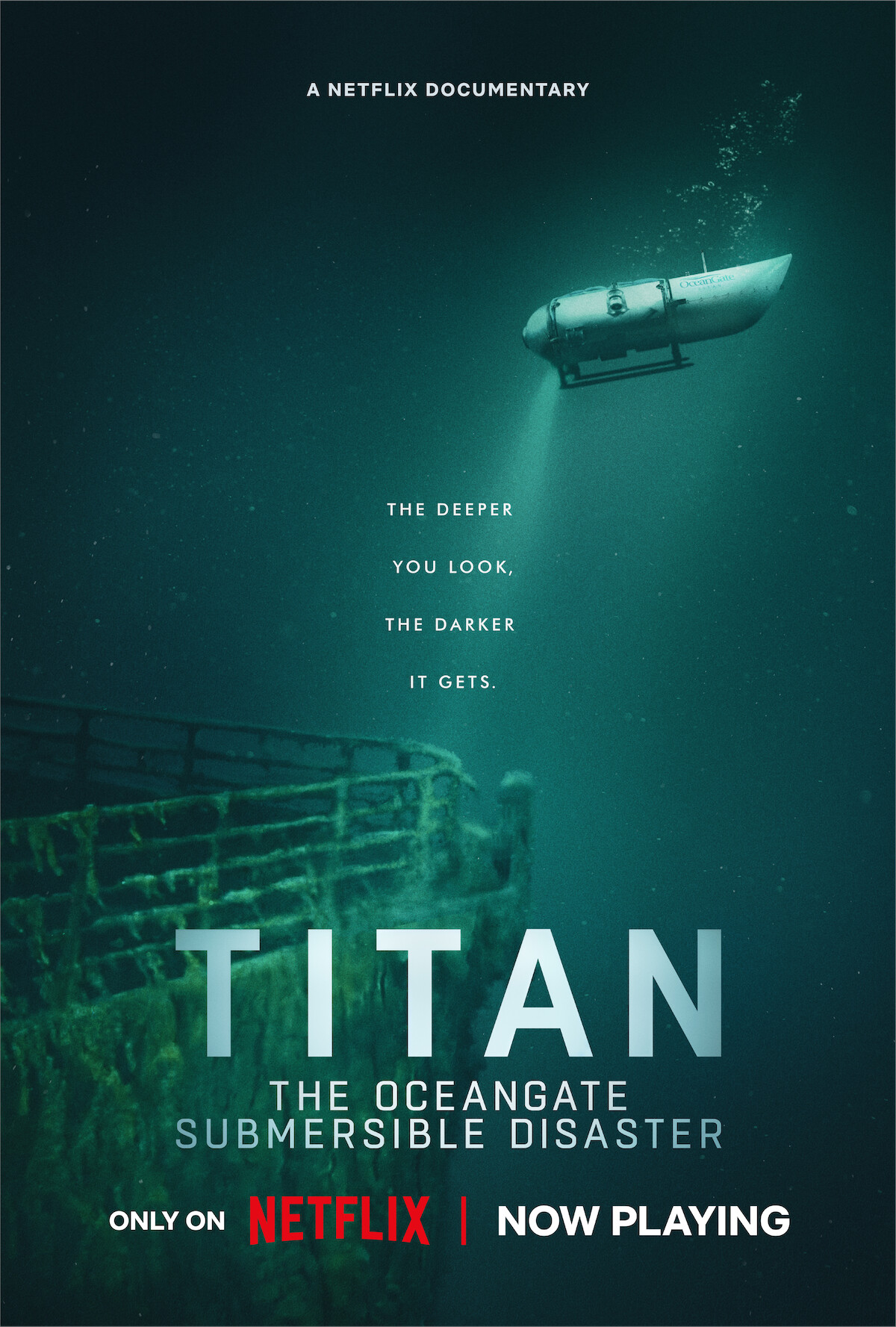
The documentary filmTitan: The OceanGate Submersible Disaster focuses on the years leading up to the incident that dominated headlines, examining Rush’s quest to become the next world-renowned change-maker, and culminating in the doomed underwater endeavor.
“When the Titan submersible went missing, I was horrified and mesmerized by the 24/7 news coverage and global social commentary — just like the rest of the world,” director Mark Monroe tells Tudum. “There was no context for what could have happened to those onboard, and the only touchpoint was the Titanic, a story that’s now become a grim fairy tale. The more I dug into this terrible tragedy, the more intrigued I became about how this could have ever happened in the first place, and who exactly was the man who built and then went down with this ship. We hope that this film can help provide answers to these very questions.”
To hear more from Monroe on the Titan case, head over to the You Can’t Make This Up podcast: “When you're emulating this tech bro culture and trying to move fast and break things and do things a different way, I think it's very dangerous when other people's lives could be lost because of it,” Monroe told host Rebecca Lavoie.
When is the Titan: The OceanGate Submersible Disaster release date?
The documentary film premiered on June 11.
What is Titan: The OceanGate Submersible Disaster about?
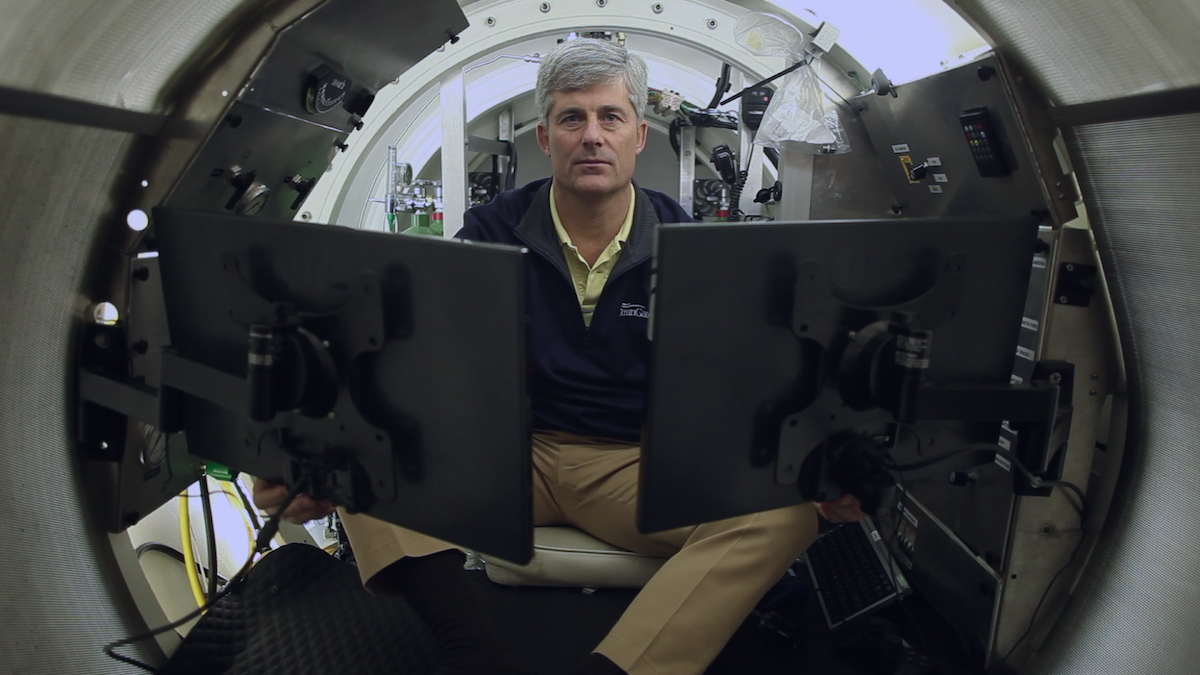
Titan: The OceanGate Submersible Disaster delves into the psyche of OceanGate’s charismatic CEO, Stockton Rush, and explores his relentless quest to bring oceanic exploration to the luxury tourism industry.
“[Rush] felt the pressure of saying that he was going to do something, and as the years go on and the technology keeps returning these not great answers, that pressure begins to build,” Monroe says.
Through exclusive access to whistleblower testimony, pivotal audio recordings, and footage from the company’s early days, the film provides an unprecedented look at the technical challenges, moral dilemmas, and shockingly poor decisions that culminated in the catastrophic expedition.
The greatest tragedy, and what I hope audiences come to understand, is how this disaster was completely avoidable.
Director Mark Monroe
Who is David Lochridge?
The documentary features never-before-seen interviews with key figures involved in the development of the Titan submersible up through its infamous fatal expedition and aftermath. Among these is David Lochridge, a submersible pilot and OceanGate’s former director of marine operations, whose unique testimony sheds light on the various safety issues he raised. After voicing his concerns, including imploring Rush to stay off the submersible for test dives, Lochridge was fired by Rush.
“The audio recording of [David’s] firing, and then David’s on-camera presence, were both exclusive aspects of the film,” Monroe says.
Who is interviewed in Titan: The OceanGate Submersible Disaster?
In addition to Lochridge’s exclusive testimony, Titan features several deep-sea exploration experts who provide technical and operational insights, including expedition leader Rob McCallum.
“Rob is the guy who had done exactly what Stockton was trying to do … he ran a company to help bring people to places they couldn’t go without him,” Monroe says. “The difference is they didn’t announce it, they didn’t make it public … until they had figured out how to do it, tested it, and understood that they could do it.”
Additionally, Sydney Nargeolet, the daughter of renowned French oceanic explorer and Titanic expert Paul-Henri Nargeolet, who died on board the Titan, shares personal reflections on the tragedy’s impact.
“We were very, very fortunate that Sydney … agreed to talk with us,” Monroe says. “From day one, I felt we couldn’t do the film unless we got Sydney or someone connected to the [victims’] families.”
What was the Titan submersible?
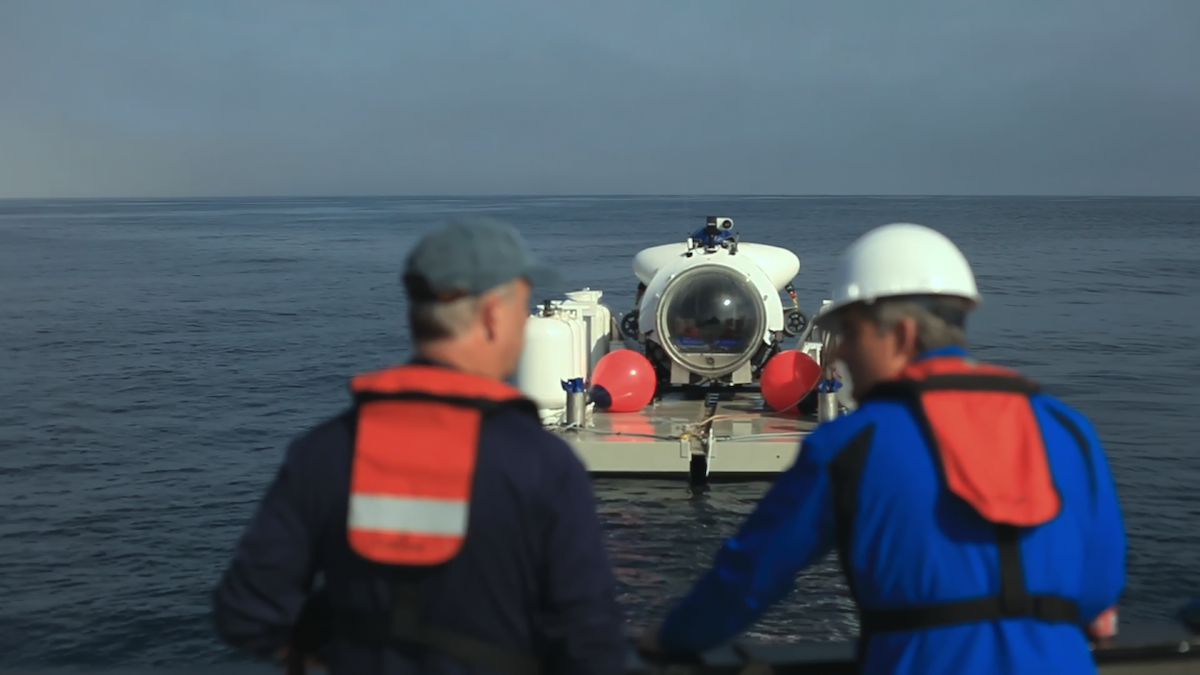
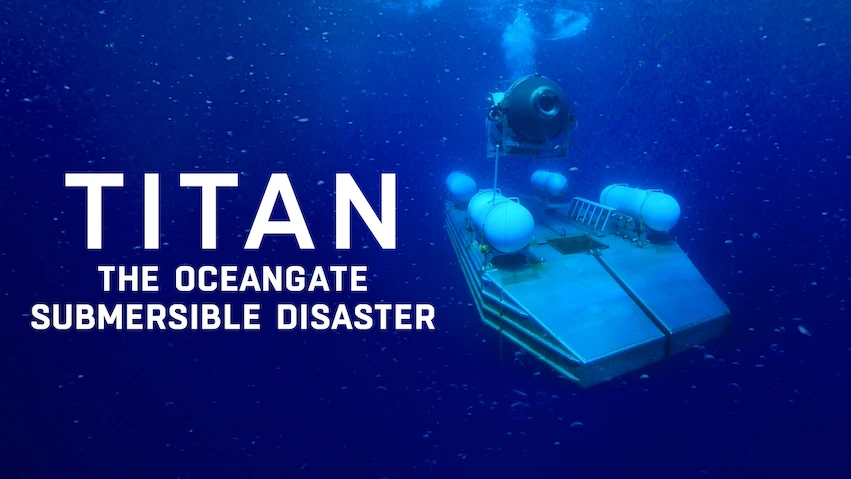
The Titan submersible was an American-made vessel developed by OceanGate to democratize deep-sea exploration, with a focus on ferrying passengers to the Titanic wreck at approximately 3,800 meters below sea level. Unlike typical submersibles made of steel or titanium, Titan was distinctive due to its carbon fiber hull, which was intended to make it lighter and more cost-effective.
“You can’t understand the decisions unless you understand the consequences of the decisions,” Monroe says. “[Rush] was trying to use carbon fiber … to do something it has never been asked to do before.”
What happened on the Titan voyage?
During its descent on an expedition to view the Titanic wreck, the Titan submersible suffered a catastrophic implosion, resulting in the likely instant death of all five passengers on board, including Rush. When the vessel went missing, a four-day search and rescue was organized by the United States and Canadian Coast Guards. On June 22, 2023, a remotely operated underwater vehicle discovered debris from the Titan at the bottom of the North Atlantic Ocean.
Did anyone die on the Titan voyage?
Five people lost their lives in the disaster: Rush, Nargeolet, and three other passengers (officially referred to as “mission specialists” by OceanGate) who had each paid $250,000 for a seat on board the expedition.
Why did the Titan sub fail?
The Titan submersible imploded due to structural failure during its descent to the Titanic wreck. The documentary shows how the novel use of carbon fiber in the hull of the craft, coupled with other questionable engineering decisions, raised alarms for many OceanGate employees.
OceanGate faced significant scrutiny and legal challenges following the Titan disaster. The company ceased operations amid investigations into the incident that focused on the safety protocols and engineering decisions that contributed to the tragedy.
“The film … critiques a segment of society who believe the rules don’t apply to them, and feel well within their rights to break them in the name of something greater,” Monroe says. “The greatest tragedy, and what I hope audiences come to understand, is how this disaster was completely avoidable.”