In 2015, Lee Daniels (Precious) and fellow writer-director Danny Strong (Game Change) collaborated on a new Fox series called Empire. The drama, set in New York City, followed a powerful family that founded a record company. Led by Taraji P. Henson and Terrence Howard, it became a smash hit and turned the ensemble cast — including actor Jussie Smollett — into stars. With a growing film career and a recording contract, Smollett’s career was swiftly on the rise. But in 2019, everything changed: While out in Chicago late at night, Smollett was allegedly attacked. So what really happened?
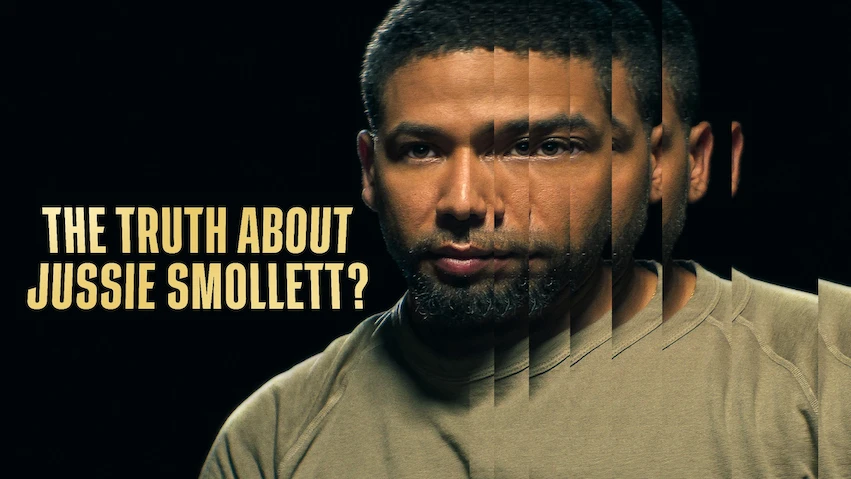
The documentary The Truth About Jussie Smollett?, from director Gagan Rehill (Ashley Madison: Sex, Lies & Scandal), examines the incident with never-before-seen footage and new interviews with Smollett and the two men who reported to police that they were hired to attack him, brothers Abimbola and Olabinjo Osundairo. The film marks the first time Smollett’s spoken publicly about the case since his interview with ABC News correspondent Robin Roberts in 2019.
“As I pored over the news archive, it reflected the divided, politicized world emerging in the first Trump era: the MAGA movement was in full swing, the BLM movement was sprouting, trust in police and media was faltering — and Jussie’s story was the perfect nexus of it all,” Rehill tells Netflix about why he was drawn to Smollett’s case.
Where can I watch The Truth About Jussie Smollett?
Stream The Truth About Jussie Smollett? on Netflix on Aug. 22.
Where can I watch the trailer for The Truth About Jussie Smollett?
Take a look at the trailer at the top of this page.
What happens in The Truth About Jussie Smollett?
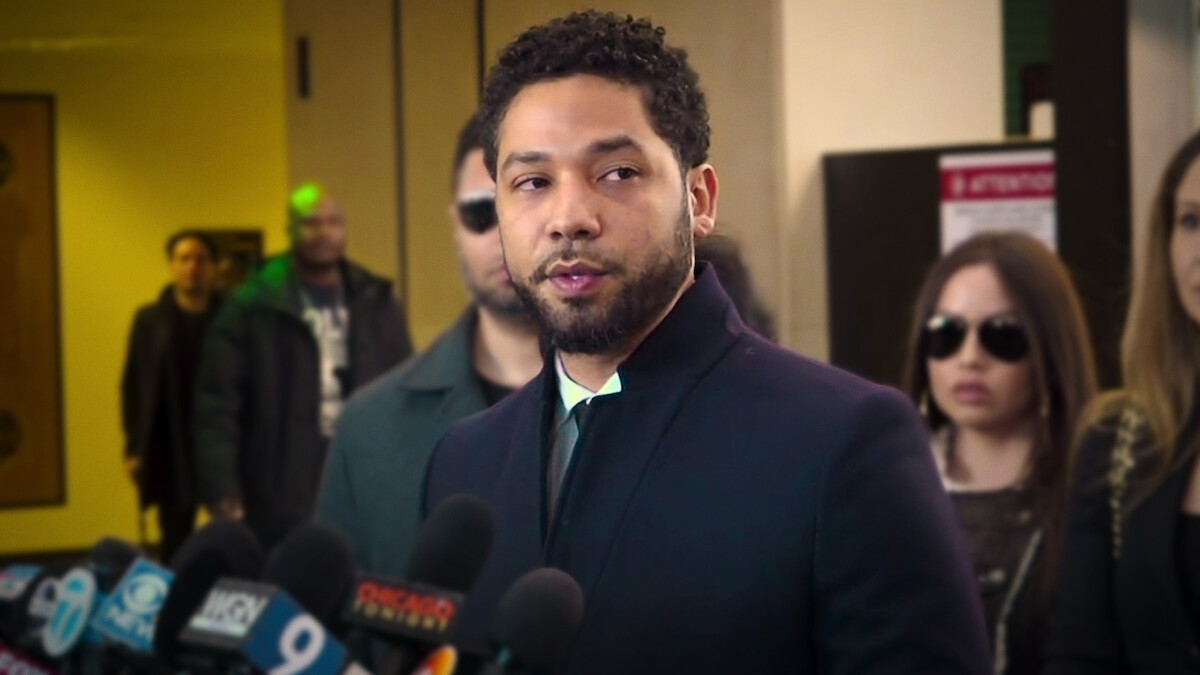
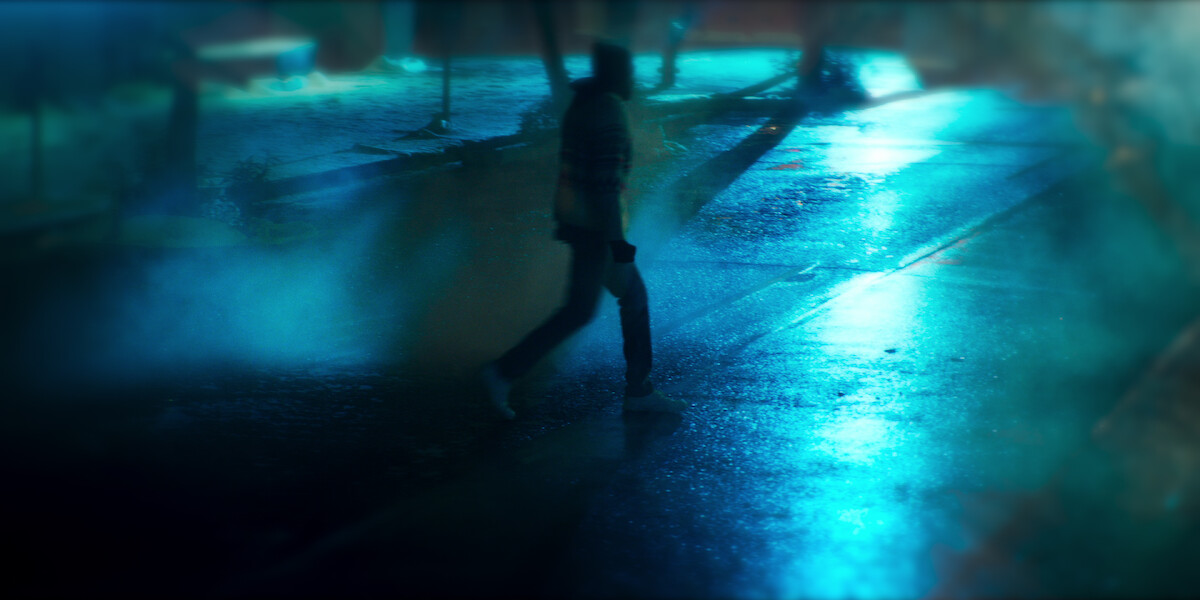
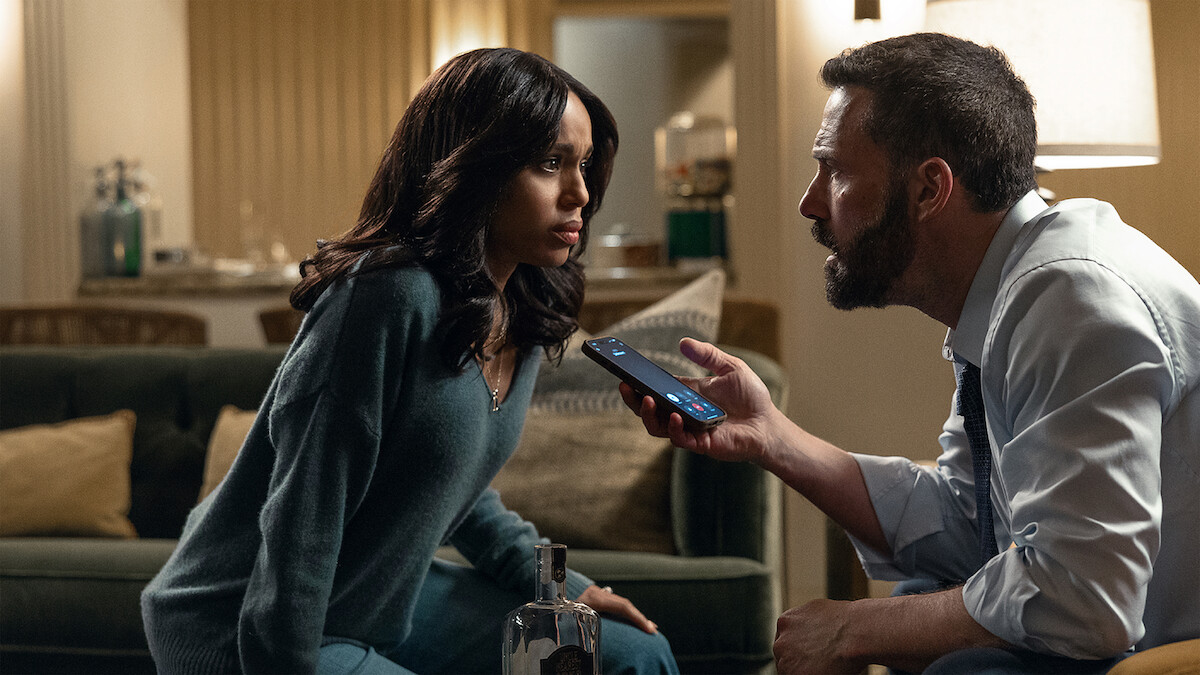
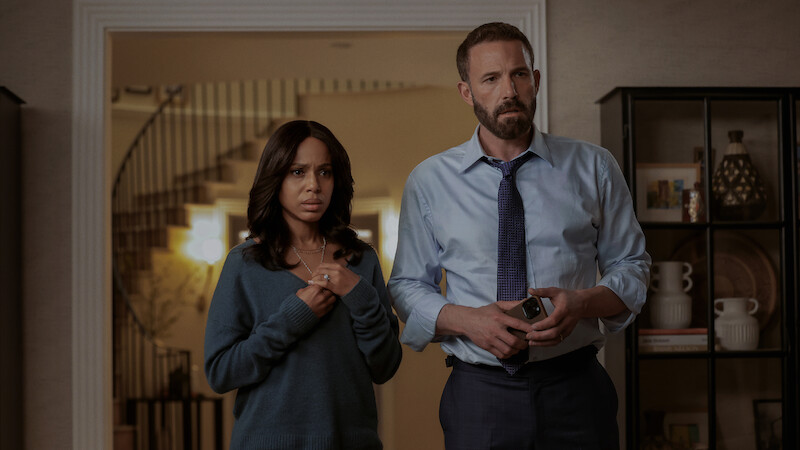
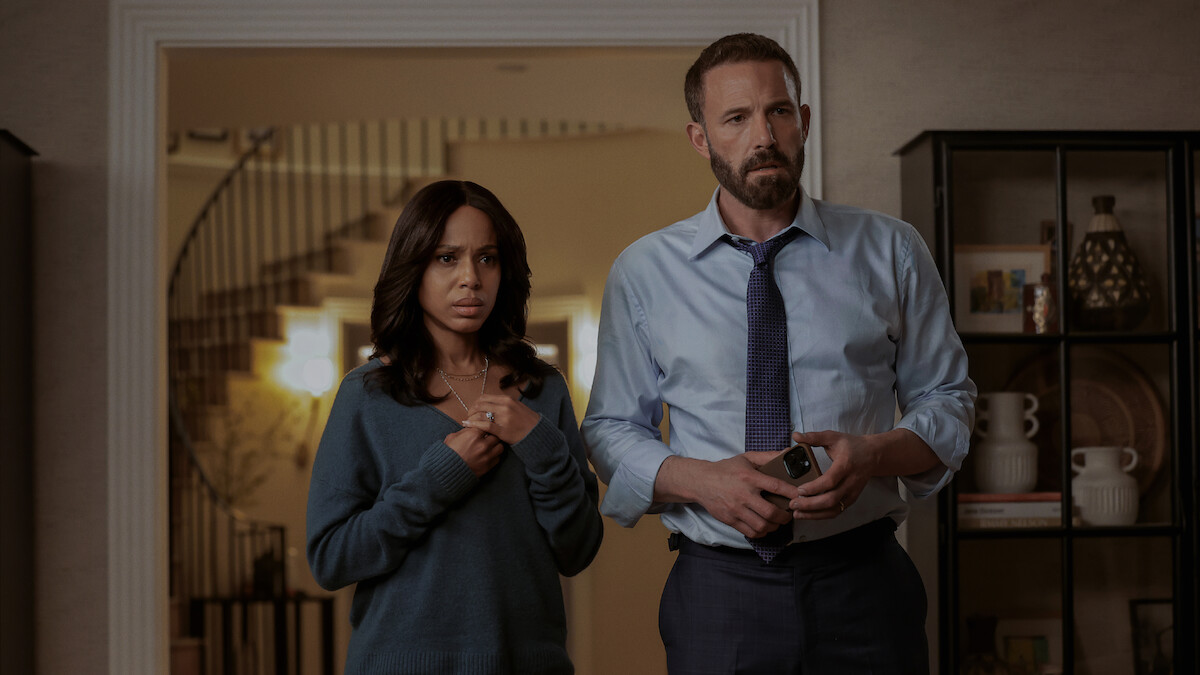
The documentary follows the years-long legal battle involving actor Jussie Smollett who, in 2019, alleged that he was attacked near downtown Chicago by two masked men. The film revisits the night of the reported attack and interviews the key players involved, including Smollett, the Osundairo brothers, Chicago investigators, and more.
The reverberations of the incident have lasted years, and the complicated nature of the case was the reason that Rehill wanted to reexamine it. “I hope to let the viewer sit, watch, and grapple with whichever truth they interpret from what they see,” the director says. “And, most importantly, to consider the nature of truth itself in our ever-increasingly polarized society.”
Who’s interviewed in The Truth About Jussie Smollett?
- Actor Jussie Smollett
- Eddie Johnson, former Chicago Police superintendent
- Melissa Staples, former Chicago Police chief of detectives
- Rafer Weigel, former Chicago news anchor and reporter
- April, Smollett’s former personal assistant
- Josie Duffy Rice, a criminal justice journalist
- Olabinjo Osundairo, aka Ola, a former acquaintance of Smollett
- Abimbola Osundairo, aka Bola, aka Abel, Smollett’s former trainer and Ola’s brother
- Gloria Rodriguez, the Osundairo brothers’ lawyer
- Tina Glandian, Smollett’s former lawyer
- Chelli Stanley, investigative journalist
Is The Truth About Jussie Smollett? based on a true story?
Yes, the documentary discusses the real controversy surrounding the reported hate crime involving Smollett, which has become known as the Jussie Smollett hate crime hoax.
On Jan. 29, 2019, Smollett alleged to the Chicago Police Department that he was attacked around 2 a.m. in the Midwestern city’s Streeterville neighborhood. Smollett reported that, after he purchased a sandwich from a local Subway, two white men assaulted him, poured an unknown liquid on him, put a noose around his neck, and called him racist and homophobic slurs. Smollett was treated at a nearby hospital but did not sustain serious injuries. The actor also reported that a letter addressed to him arrived a week earlier that contained an unknown powdery substance and had the words “you will die” and “MAGA” on it, written in ransom note–style lettering, along with a homophobic slur. The Jan. 29 incident was investigated as a hate crime, and the actor received a wave of support in the following days, including from public figures like actor Viola Davis, singer John Legend, and former Vice President Joe Biden.
In the ensuing investigation, however, police obtained CCTV footage and ride-share records that, contrary to Smollett’s report, led to identifying the alleged assailants as two Nigerian American brothers named Ola and Abel Osundairo — who’d been extras on Empire. It was also determined that the substance in the letter addressed to Smollett was ibuprofen. This and other inconsistencies, like the Osundairos’ admission to investigators that Smollett hired them to attack him, led police to claim that Smollett had staged the attack and filed a false police report.
Was Jussie Smollett found guilty?
Initially — but the conviction was eventually overturned, and the legal timeline is complicated.
After the 2019 incident, Smollett was indicted for filing a false police report. The charges were later dismissed in a deal with prosecutors; Smollett instead served community service and paid a $10,000 bond. In April of that year, the city sued Smollett for around $130,000 — the amount they alleged that Chicago PD investigative resources amounted to; the actor responded with a countersuit.
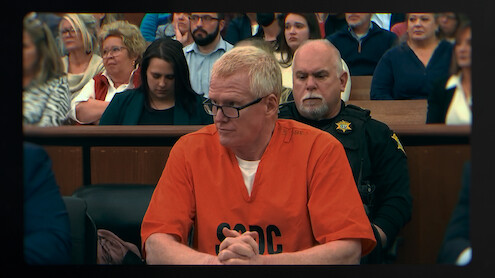
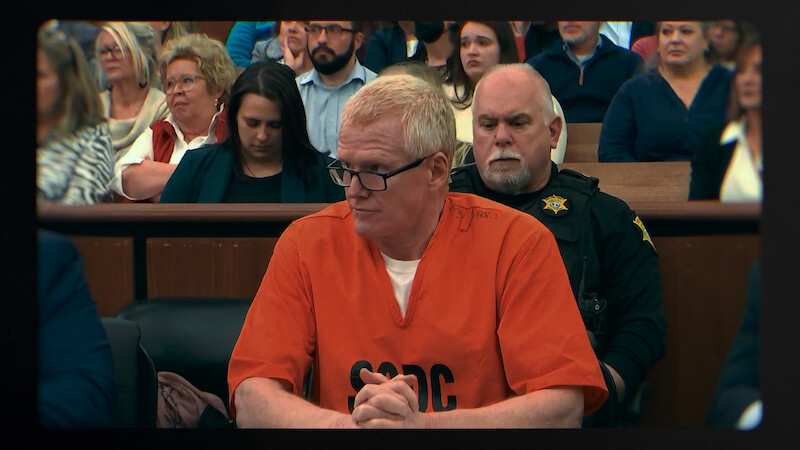
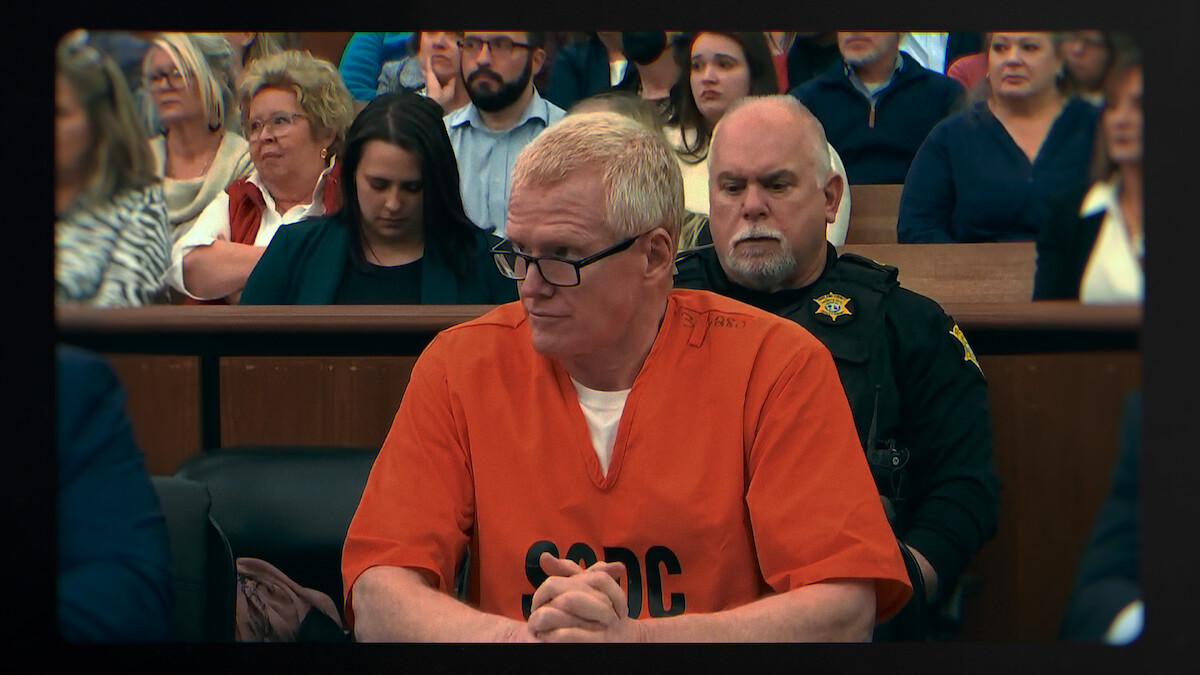
Then, in 2021, a jury found Smollett guilty of five charges related to making false reports to police. He was later sentenced to 150 days in jail and compelled to pay restitution to the city in the amount of $120,000. Due to his attorneys filing an appeal, Smollett served only six nights in jail. In late 2024, Smollett’s 2021 conviction was overturned after his lawyers argued that his Fifth Amendment rights were violated, given that his charges were filed after they’d reached a deal with the State’s Attorney’s Office to drop said convictions.
Of the reversal, Special Prosecutor Dan K. Webb released a statement that said “[the] ruling has nothing to do with Mr. Smollett’s innocence. The Illinois Supreme Court did not find any error with the overwhelming evidence … that Mr. Smollett orchestrated a fake hate crime … or the jury’s unanimous verdict that Mr. Smollett was guilty of five counts of felony disorderly conduct.”
Since the incident in 2019, Smollett has never wavered in the proclamation that he’s not guilty. “He’s innocent, and he’s always maintained his innocence,” Smollett’s lawyer, Nenye Uche, told reporters in 2024. “If this was the regular Joe down the street, this case would never even have gone to trial … There was no direct evidence linking him to anything.”
Where is Jussie Smollett Now?
In 2021, Smollett made his directorial debut with the film B-Boy Blues, a drama based on a novel about the Black LGBTQ+ community in New York. He also directed, co-wrote, and co-starred in the 2024 film The Lost Holliday. In September, Smollett will also release the album “Break Out” and appear in Season 4 of the competition reality series Special Forces: World’s Toughest Test.
Where does the film take place?
The documentary looks at the events surrounding Smollett’s attack, which occurred in Chicago.