There’s a moment in The Sandman that feels like home.
(Dive into your spoiler bunker now, ’cause we’re gonna go deep into The Sandman!)
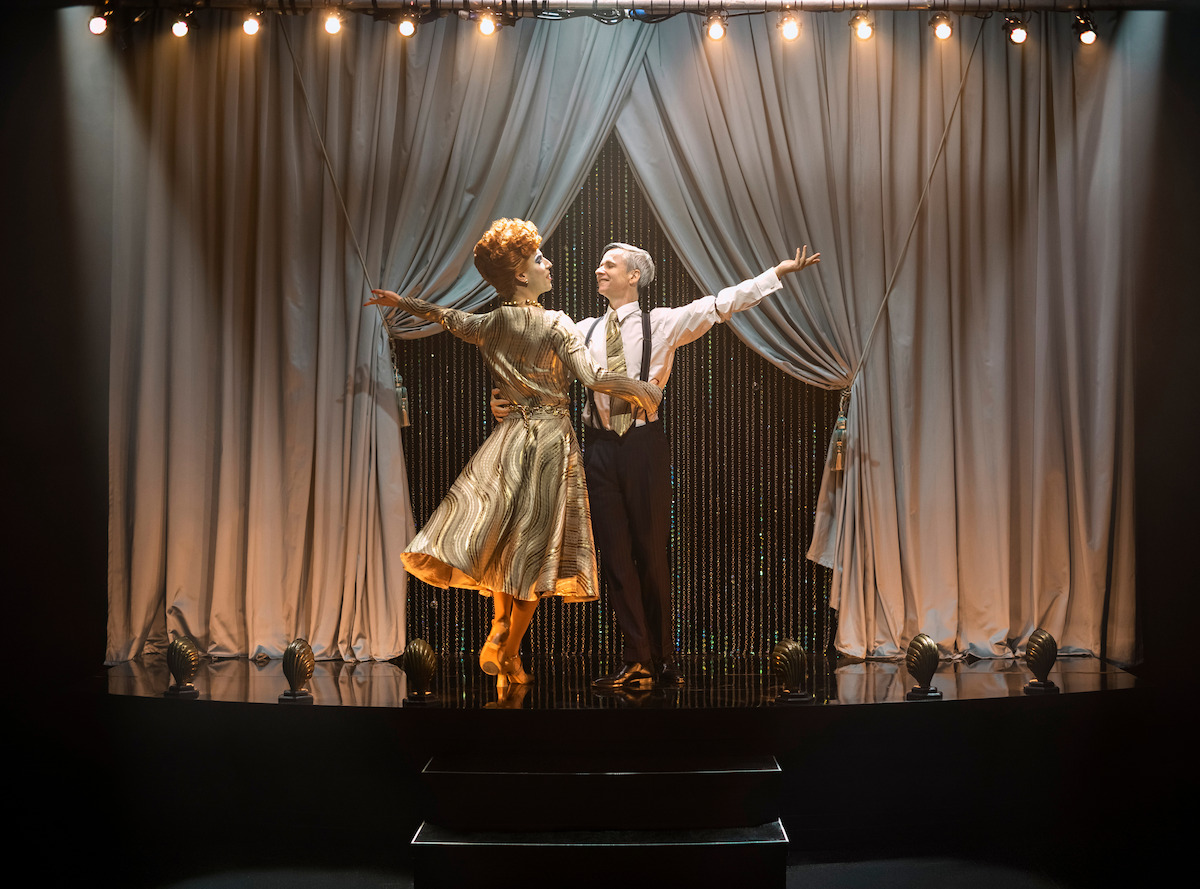
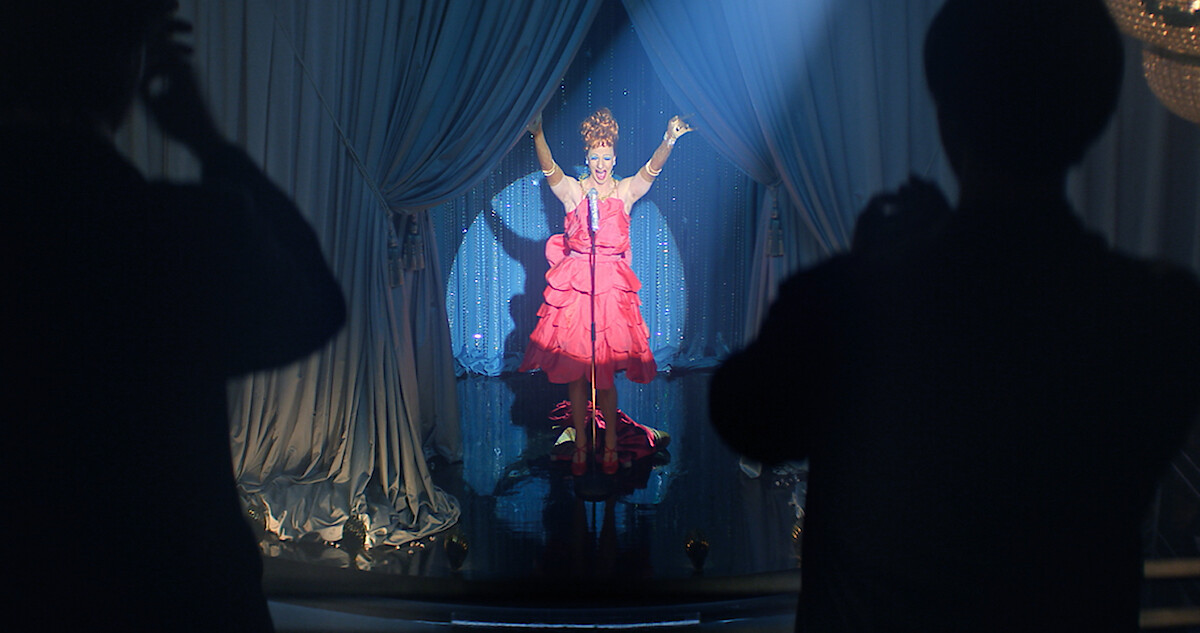
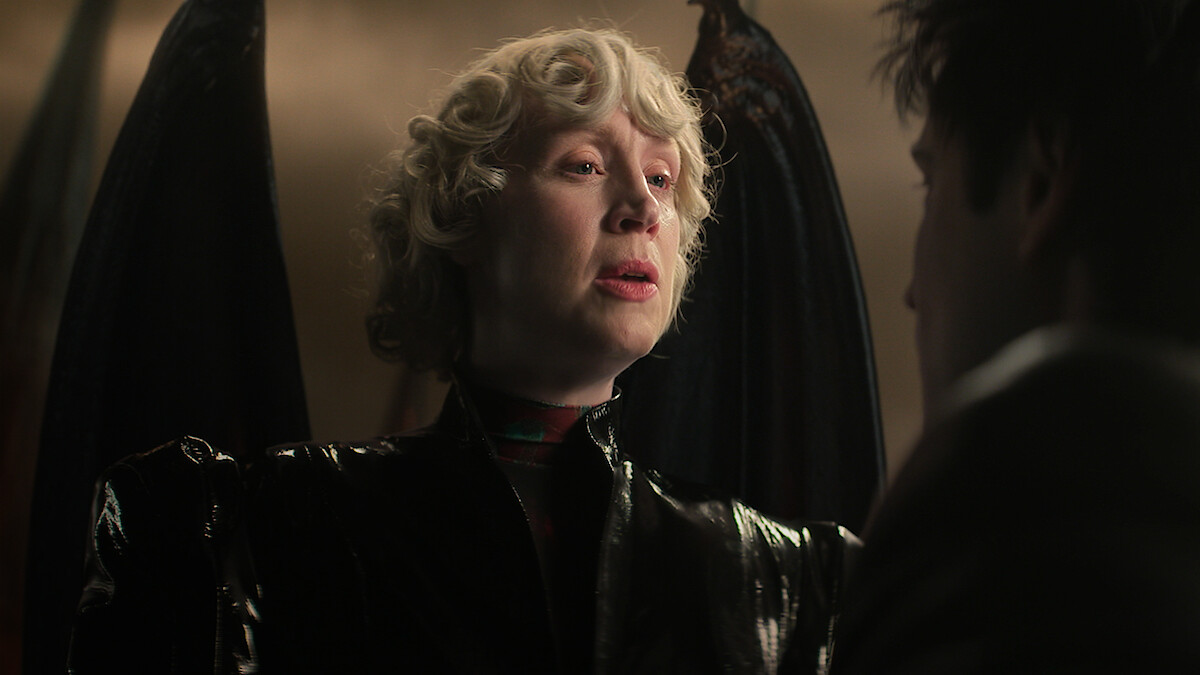
By day, Hal is a bighearted bed-and-breakfast owner who’s a veritable den mother for the ragtag residents of his Florida estate. But by night, Hal is a drag superstar — in his small-town dive bar at least — belting out Broadway tunes while his slender arms sway like pythons from his sleeveless sequined dress.
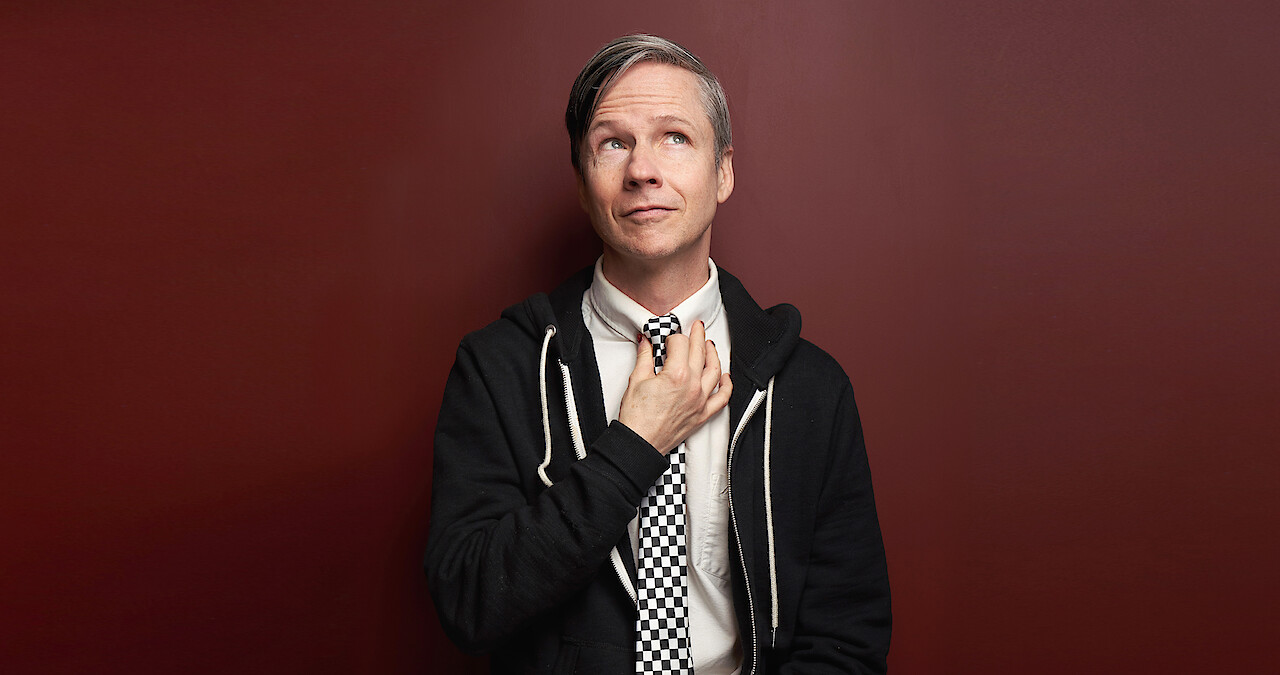
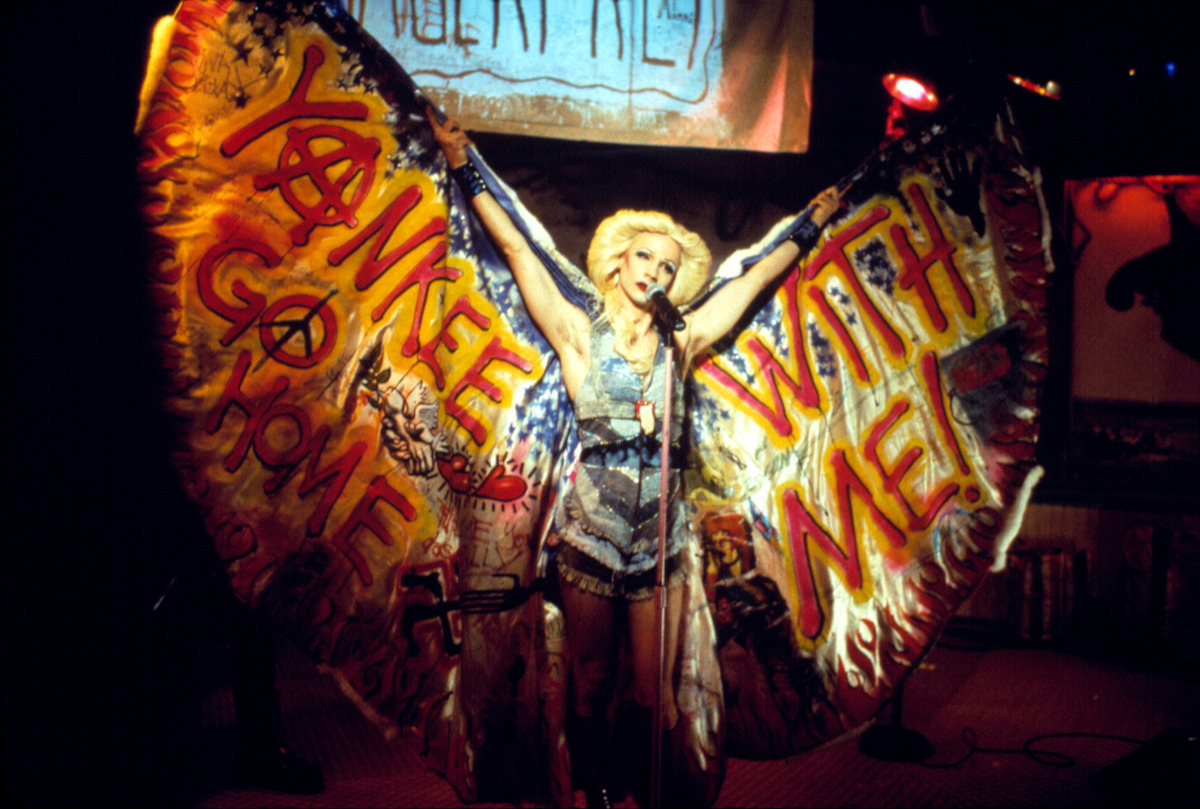
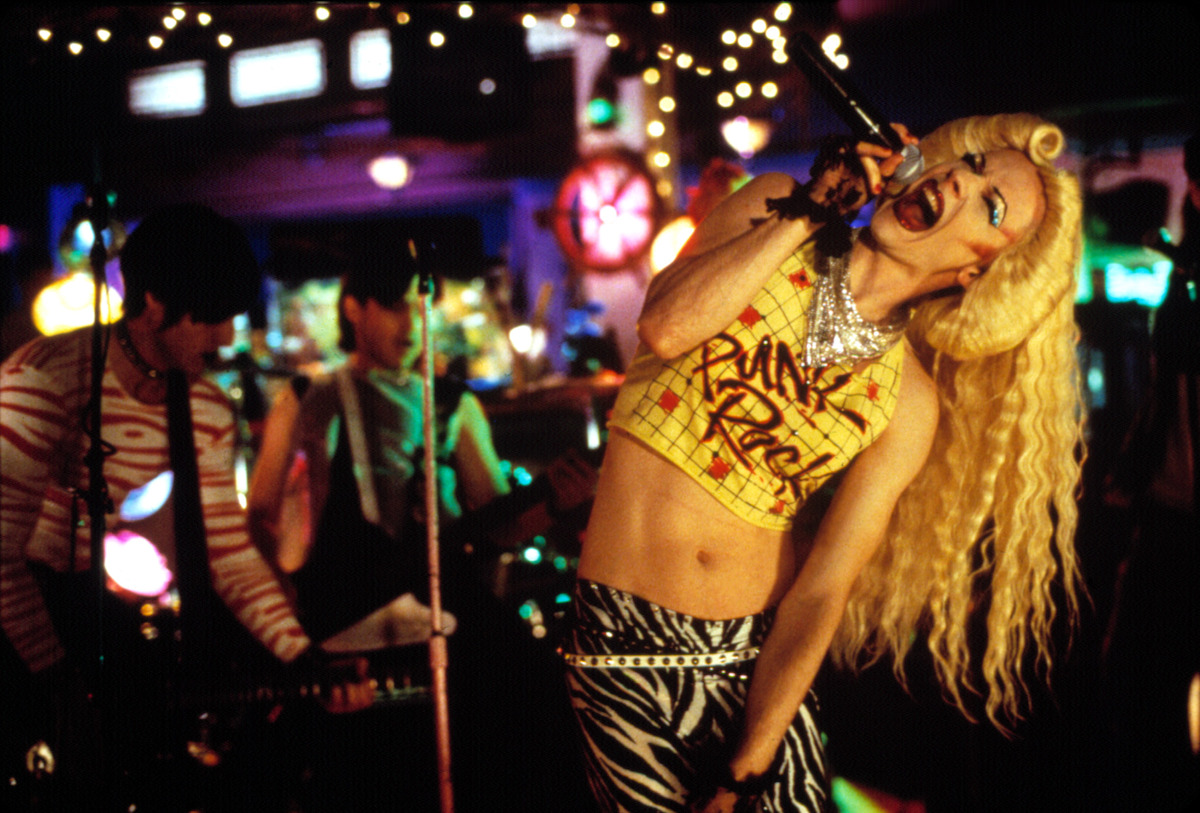
It’s a return to form for the great John Cameron Mitchell, the bombastic rock god and mastermind of the Y2K indie cult classic film Hedwig and the Angry Inch. The 2001 flick follows a genderqueer East German glam rocker on her irreverent, highly spiritual quest to find creative and romantic fulfillment. Mitchell wrote, directed and starred, which struck right to the hearts of theater nerds, indie rockers and art kids everywhere. There was even a brief moment in the early aughts when one could watch Hedwig at midnight screenings, with DIY Rocky Horror–style live reenactments. [Editor note: It was freaking great.]
Mitchell and Sandman creator Neil Gaiman came up in the same zeitgeist of punk, goth and antiestablishment hackers, who sneered and kicked ’80s and ’90s art beyond the mainstream. So it seems fitting that the hegemony-smashing pair, old buddies as Mitchell tells Tudum, reunited for The Sandman. A lot has happened since they palled around with cabaret rockers of New York City’s Lower East Side like Tori Amos (and later, Gaiman’s Dresden Dolls–fronting wife, Amanda Palmer). Hedwig has gone Broadway, once featuring Sandman co-star Mason Alexander Park, and Mitchell has had the divine privilege of playing Joe Exotic in Joe vs. Carole. And yeah, he’s directed many acclaimed movies with stars like Nicole Kidman and even Gaiman’s How to Talk to Girls at Parties.
But in The Sandman,we get a glimpse of the real Mitchell in his portrayal of the kind, caring Hal. “Hal is me, if I’d never stuck it out,” he tells Tudum. His own ethos of mentorship and fostering creativity shines through. Just as Mitchell launched an entire generation of artists, Hal gives misfits and the misunderstood a home of their own too.
Sexuality, gender, a flow of gender, a flow of race feels right for his new rendition of Sandman.
John Cameron Mitchell
We recently chatted with Mitchell about his long friendship with Gaiman, working with the OTHER Hedwig, Mason Alexander Park, and what Gen Z can learn about making art from Gen X.
Laurence Cendrowicz/Netflix
How did you meet Neil Gaiman? We met through Amanda Palmer, I believe. We had mutual friends in New York, his wife, who was her own institution of a somewhat goth, cabaret, rock combo. So they were a kind of supergroup of a marriage, and we did a couple shows together, the three of us. And then my producer wanted to adapt How to Talk to Girls and drew me into that, and it was just a match made in heaven. I had a blast doing that. So we’re buddies. And I was so thrilled when he finally got to do Sandman the way he wanted. Because if it had happened in the other incarnations that were set up in the past, I don’t think he would’ve got it the way he wanted it. If it was a feature, it would’ve had to have been dumbed down. Certainly would not have had the gender fluidity and sexuality if it was a feature.
Neil comes from a very queer background in the ’80s, which came from punk. He was in a punk band, out of that came goth, and neoromantic and Kate Bush and Tori Amos. And that’s all very Neil.
So sexuality, gender, a flow of gender, a flow of race feels right for his new rendition of Sandman. And I think they’ve really captured, not only the fun of the mystical and the adventure, but also the emotional heart.
Sci-fi comics and fantasy were always slightly embarrassing stepchildren until recently. And now, it’s pretty much everything.
John Cameron Mitchell
I think Sandman will probably be [Neil’s] new favorite because he was able to be a major crafter of it, along with Allan Heinberg, the showrunner. And so I really think it’s the most successful adaptation of his work in a direct way.
You really see what people want and what they don’t get and what they regret, and it’s very touching when Constantine’s lover passes away and Dream gives her a final image of endless love, and Julia Richardson’s character ages in front her son [John Dee] and kind of gives him something to survive with. [Neil] creates a lot of carnage. But there’s a heart in this that I never felt in other giant fantasy epics, and certainly not in the Marvel universe.
When did you first read it? I read it when it came out. But it’s funny because not a lot stayed with me as a few strong images, the way you have a dream and the images stay with you very strongly. But back then, there were the three great graphic cycles that changed everything in comics: Sandman, Watchmen and The Invisibles. And starting in the late ’80s into the early 2000s, those three were the great, the big ones that launched 1,000 other titles.
Rose Walker Attends Hal's Drag Show | The Sandman S1E7Everything's coming up roses!
What was your inspiration for Hal? And what’s his connection to Hedwig? Hal is me, if I’d never stuck it out. If I went to a smaller town, became the big fish in the small pond and still did his thing. He’s more old-school drag than me, but Hal’s good. And in a better world, he would be working on Broadway. With Hedwig, it was impossible. Drag was not welcome on Broadway. It was too weird. And I remember meeting people like Hal: Charles Busch, who became a famous stage person who went to my college and came to speak there, Northwestern, and said, “I was very feminine. So people weren’t casting me. So I made my own work.”
That’s what I would imagine Hal would do if he’d stuck it out. And by the end of the series, he decides to go back and sell the B&B. And I’m really happy to see where he goes, because in some ways he’s the most sane of the characters in this. And I like being that kind of mentor type of person and playing that kind of person also in my own life.
Everett Collection
The Sandman also features Mason Alexander Park as Desire, who played Hedwig onstage. What was your mentorship like for them? When we were auditioning for the Broadway tour, Euan Morton, who played Boy George in the Taboo musical on Broadway, he’s a brilliant Scottish actor, was fantastic. But we needed an understudy, and it’s a very hard role to cast. To be able to present as female as well as sing that and act it. And we were open to all genders, as we always are. It’s not really a trans story. It’s a story of mutilation and then making the best of it.
Mason had it all. They were just a kid, and it was like, “Oh my God, they remind me of me at that age.” So it was a no-brainer to cast Mason. They’re a star on the ascent. I got to see them in London a bit when we were shooting, but I’m very proud of them. And just very proud in general of the natural queerness of this show.
You’re Gen X; how would you explain to Gen Z what that cultural zeitgeist was like when The Sandman came out and you were coming up in the art world? Neil comes out of punk by way of goth. And those things all, from the beginning, certainly in the UK, were very queer and very gender-fluid and playing with myth. Goth was invented in Britain and amplified in the US. Bauhaus, Siouxsie Sioux and, later, Tori Amos. So that’s Neil’s fertile ground that he played in, and we were just doing what we thought was good, and then the world caught up with us. And now, he’s able to make a multimillion dollar series the way he wants to with a wonderful collaborator, a queer man, Allan Heinberg, who really has a heart and is not just interested in a red wedding. He’s interested in hopes and dreams. The character is the lord of dreams. And I love that.
We were all part of more of a counterculture. I certainly was in mainstream culture for my work. I was always doing TV, MacGyver and Head of the Class and whatever. Oddly, one of my early TV episodes was the new Twilight Zone, where I play a punk rocker who becomes friends with Sir Lancelot. And I went back and looked at it, and it was written by George Martin. That episode was so weird. So there was an undercurrent.
How were comic books viewed at that time? Sci-fi comics and fantasy were always slightly embarrassing stepchildren until recently. And now, it’s pretty much everything. It’s just funny. I was talking to someone at the pop alternative, and he’s like, “Being the nerdy kid with the comics, I was not welcome in high school. Now, I’m the king.”
So it’s just funny. So there was freedom in that. We didn’t have to imitate our successful forebears, so we just did what we wanted. Hedwig would never have been on Broadway when we started it in ’98. So it freed us up to be more imaginative. How do we combine David Bowie, Lou Reed, Broadway, stand-up comedy into a musical? It’s not going to be Broadway. Let’s make it the way we want it. And then, 15 years later, Broadway changes, the world changes and it can be on there.
What advice would you give to Gen Z about making art? Gen Z is in a strange situation where everything is possible, but then there’s a panic about the future, and their forebears have fucked up the world. And [they’re like,] “I’m afraid of IRL. So I’m just going to try to just focus online here, and I’m a little anxious and depressed. And I’m told that I have to market myself and brand myself from age 10 onwards in social media, and it’s exhausting.” It’s like forcing someone to be a stock trader when they’re 12. It’s like the idea of the term selling out, you can say to any kid and they’re like, “What does that mean?” They’re told to get every click they can. And they don’t even know who they are.
I had shown the original videotape of my very first big production; if I had posted that, I probably would never have continued it because it wasn’t that good. People throw things up before they’re ready.
It’s like, babies are made in the dark. The fucking part and the gestation part, they need the dark to develop. You don’t need eyes on everybody when they’re making a baby and they’re gestating. It’s awkward; we’re an awkward shape. In the ultrasound, they’re like, “Stop looking at me. Let me come out when the time is ready.”
Everett Collection
And nowadays, everything is shown too early, and if you get a negative comment, suddenly you abandon it. Think of all the things that could have happened if one user comment from some snotty kid, who’s jealous anyway, hadn’t been read.
I encourage young people to do their work away from cameras and other people’s eyes. And then show it when it’s ready, when you need opinions, when you need goals. And then bring in a few trusted people, and then bring in the larger world when you’re ready. Everyone feels a little half-assed when they come out into the world and they don’t know how to handle it. You meet a lot of these young music people who are SoundCloud kids, and they didn’t have enough time to develop their work and their humanities so that you get a lot of them[who] end up in suicide and drugs because they didn’t have a natural pathway of nurturing.
Getting onstage. Being in front of people. Realizing you’re not alone.