More than 30 years after it launched, Neil Gaiman’s critically acclaimed and bestselling DC Comics series The Sandman is being brought to the screen for the first time on Aug. 5. If you’re a fan of the tales of Morpheus, you’re probably wondering how Netflix will handle adapting a 10-book series of interweaving stories spanning millennia. If you’ve never encountered the Endless or visited the Dreaming before, you might want to know if the show is for you. There’s no need to lose sleep over these questions — just read on for a breakdown of the connection between the comics and the show.
Is Neil Gaiman a writer in the series?
Many of Gaiman’s other works have already been adapted, with movie versions of Coraline and Stardust and TV shows based on American Gods and Good Omens. But this is the first time the author was willing to come on board with an adaptation of The Sandman.
“We’ve reached a point that really did not exist when The Sandman comics began,” Gaiman tells Tudum. “Longer format, novelistic television series now have the special effects and budgets to bring this world to life. Technologically, I really think we’re in a place right now where we’re getting to make The Sandman in a way that we could not have dreamed of making even 15 years ago, even 10 years ago.”
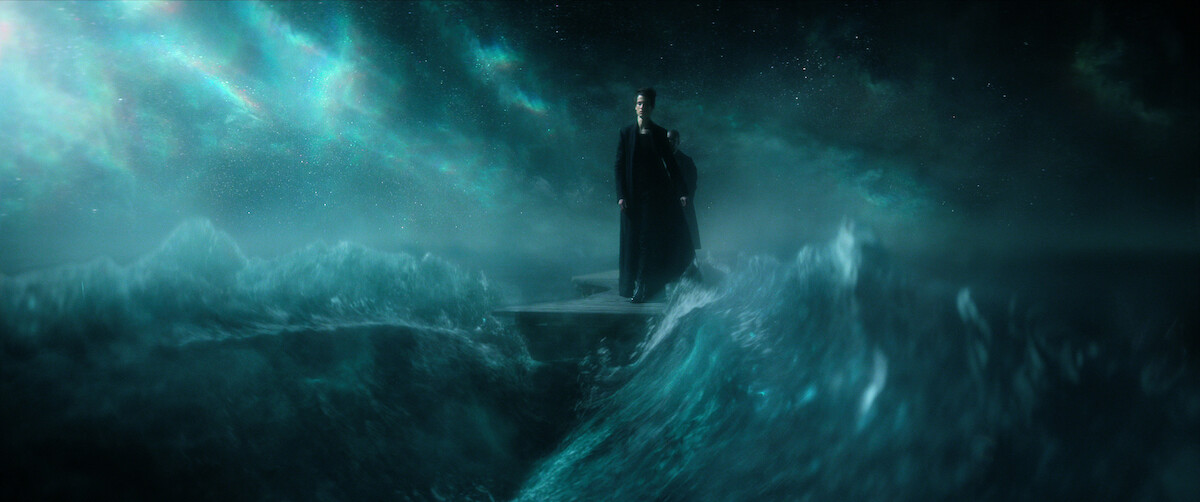
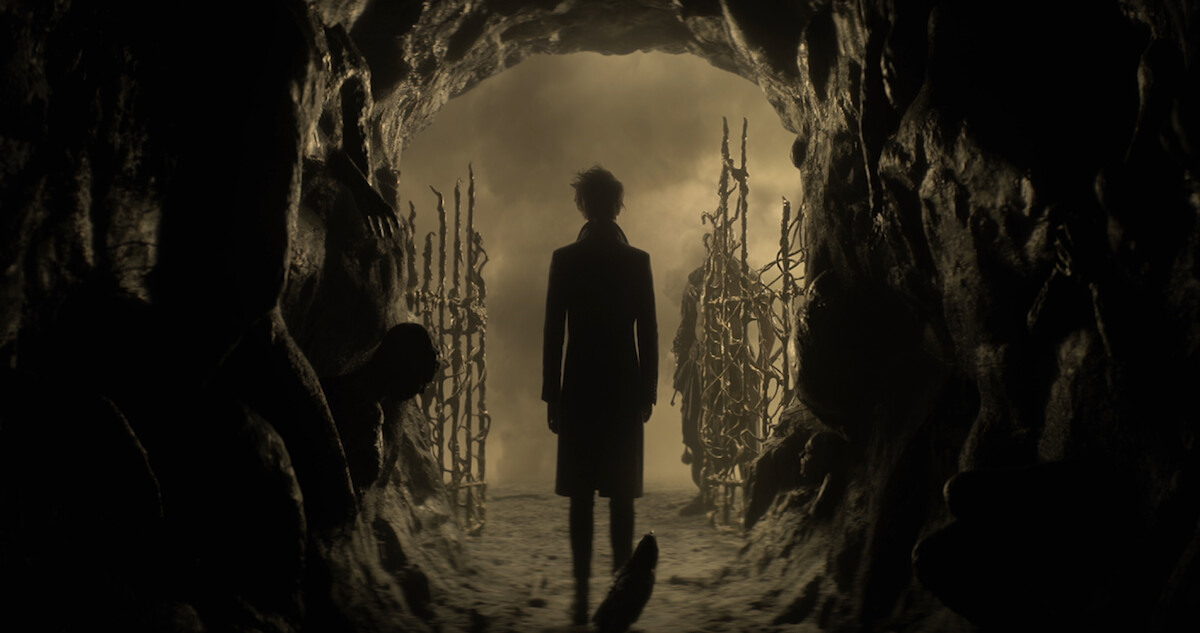
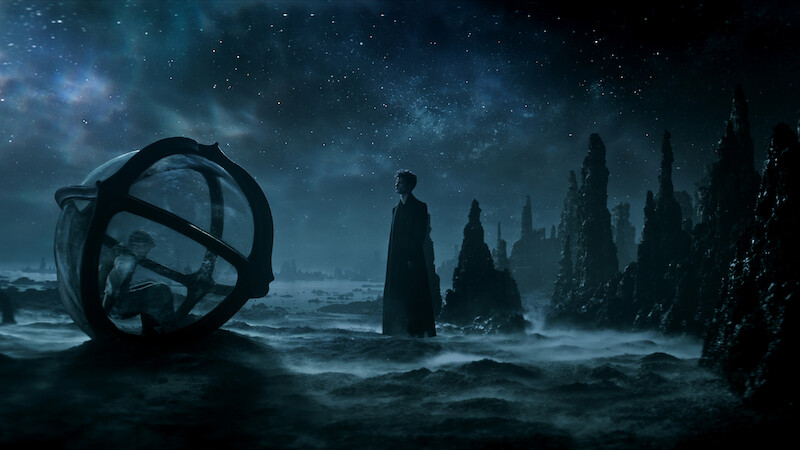
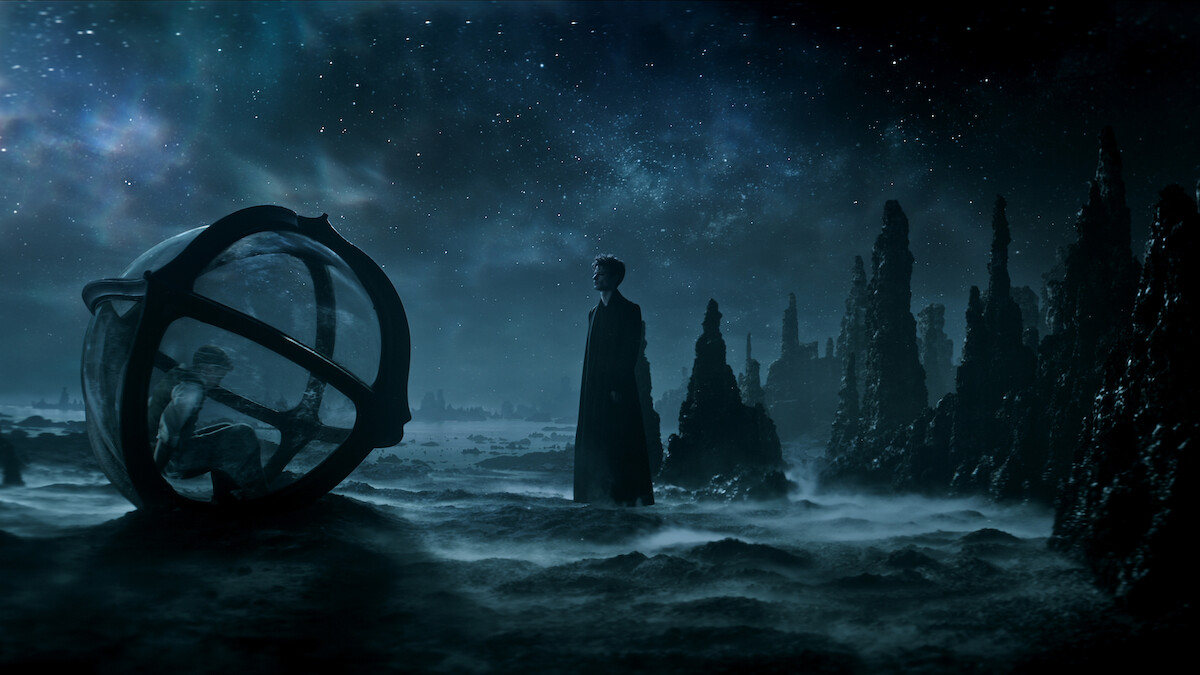
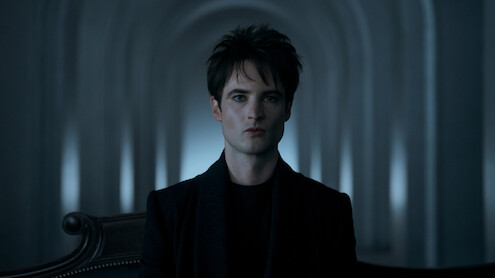
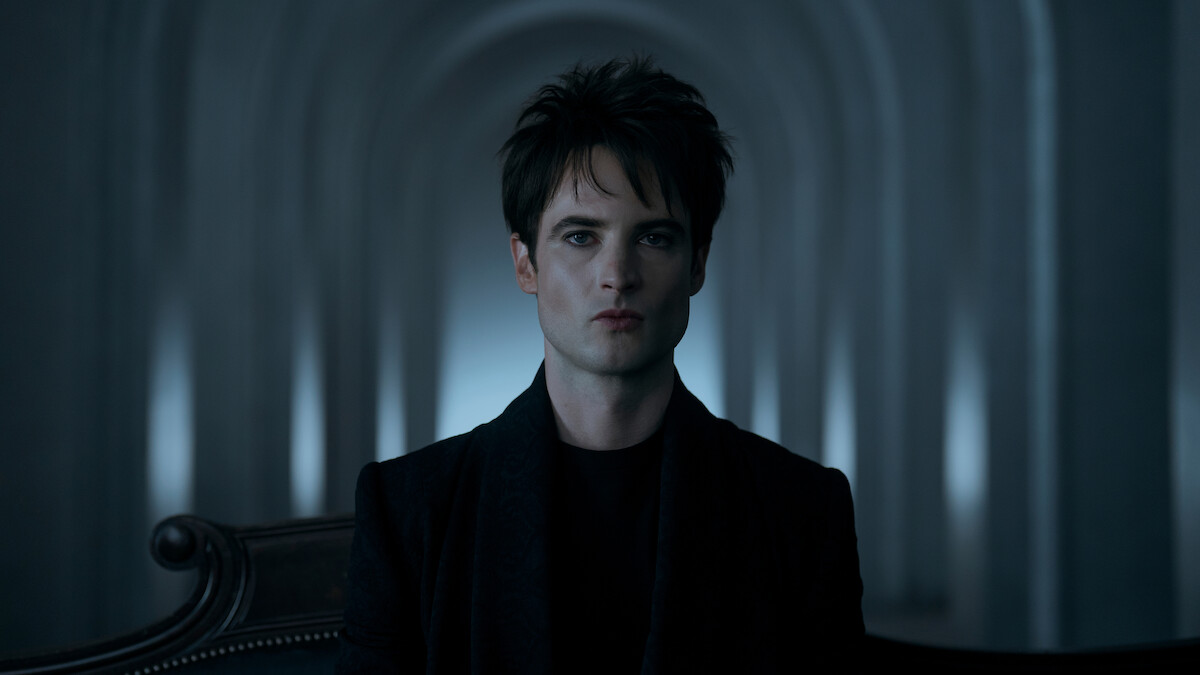
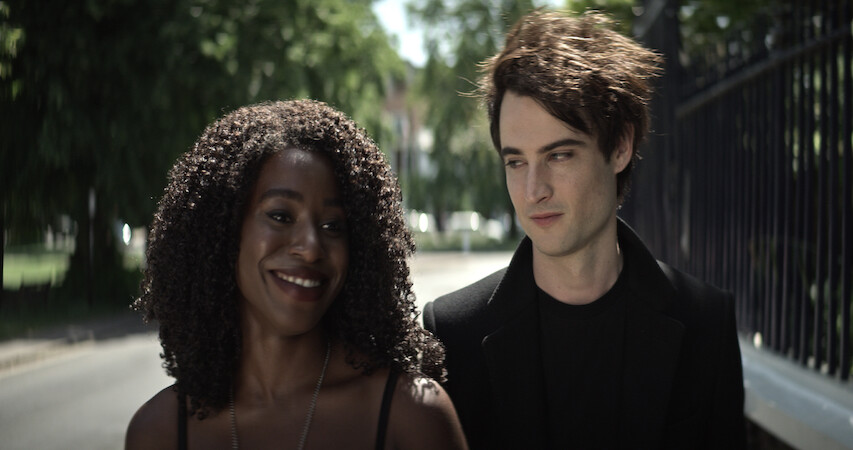
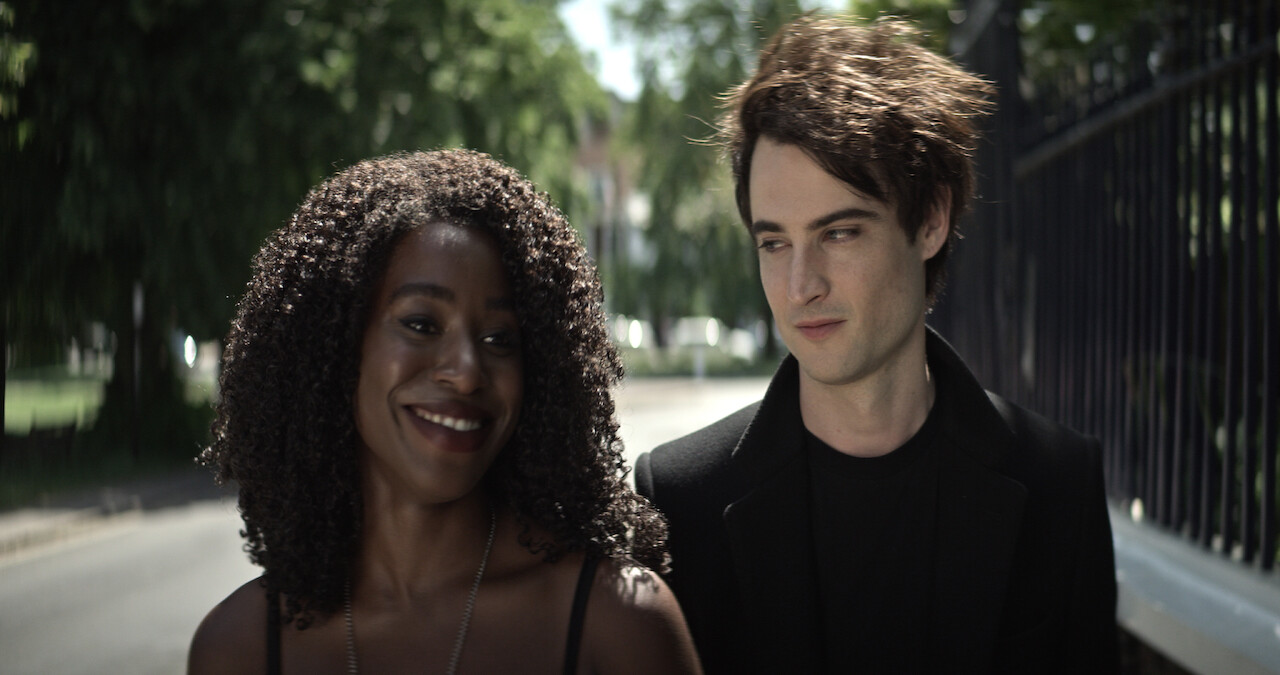
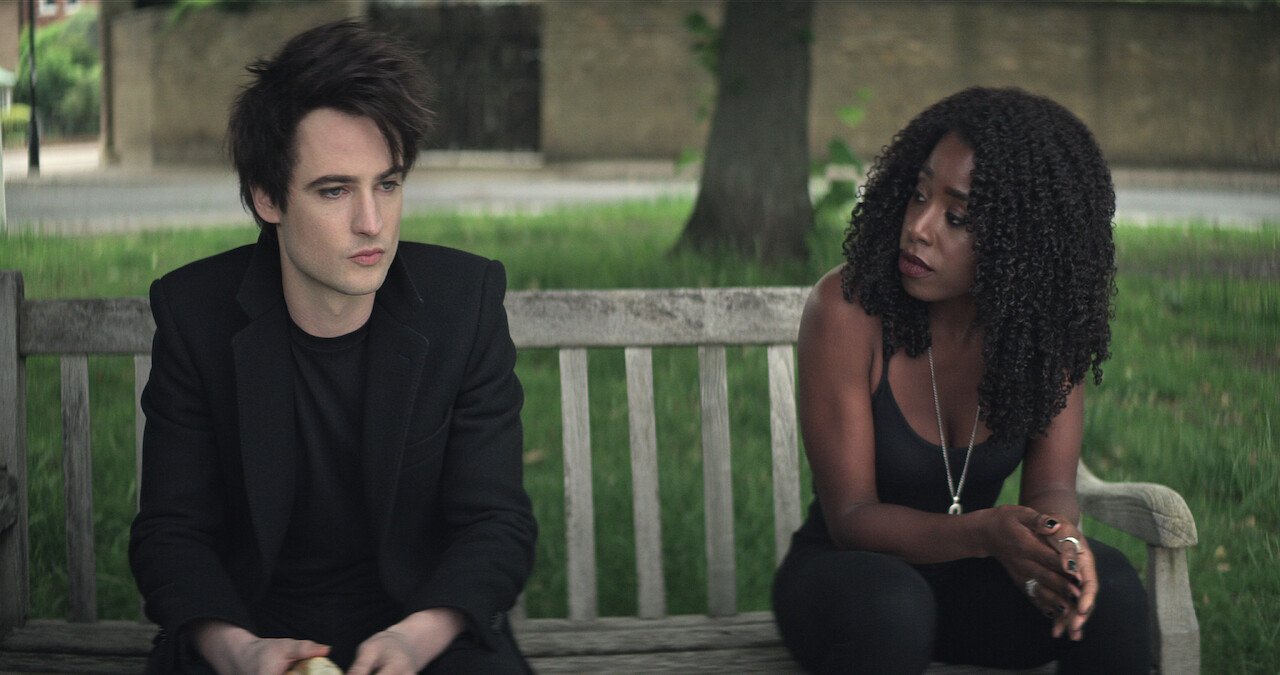
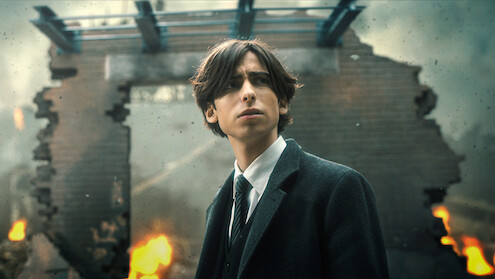
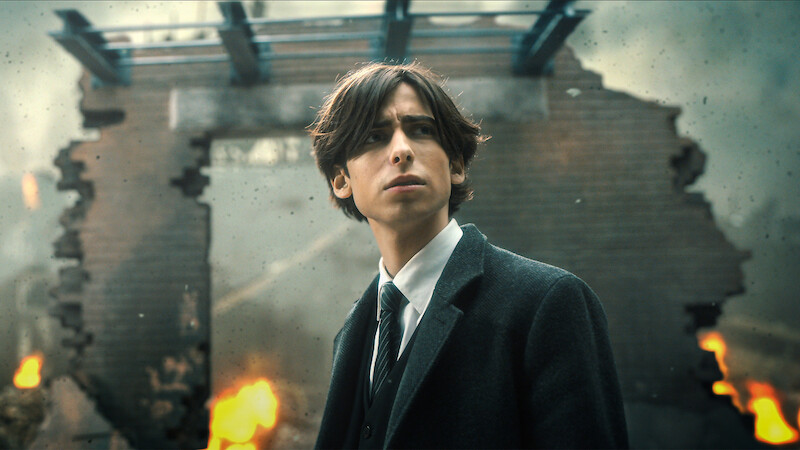
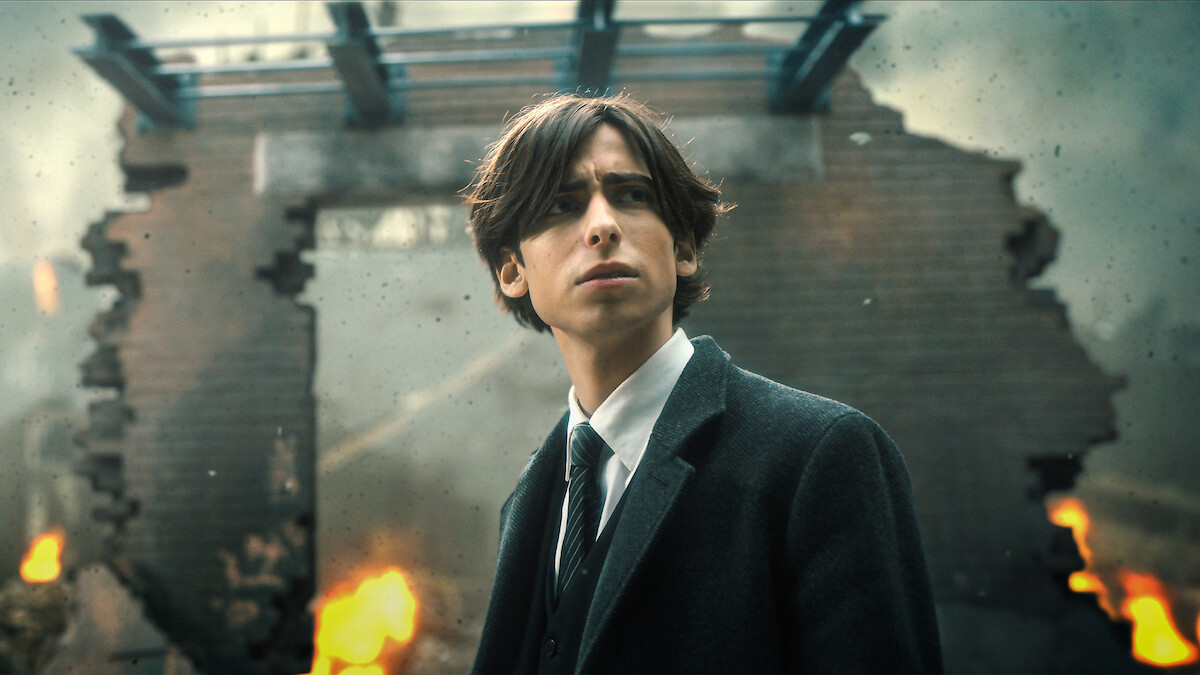
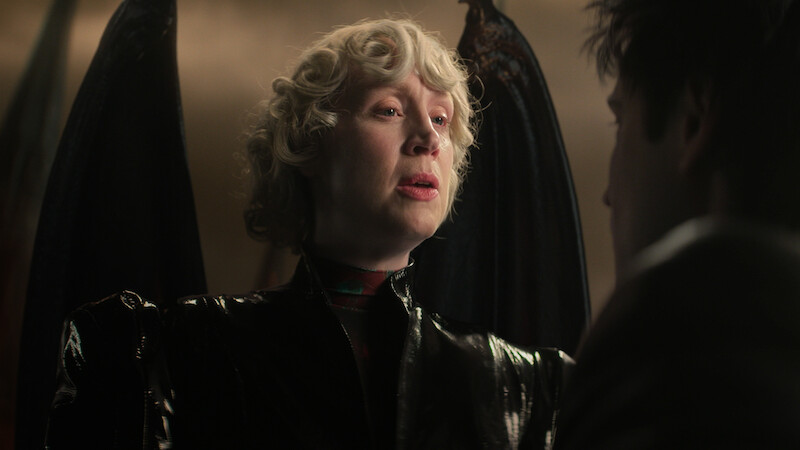
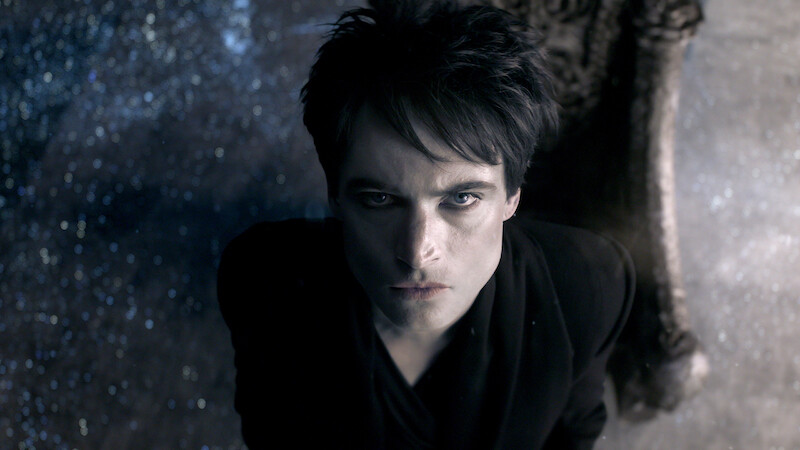
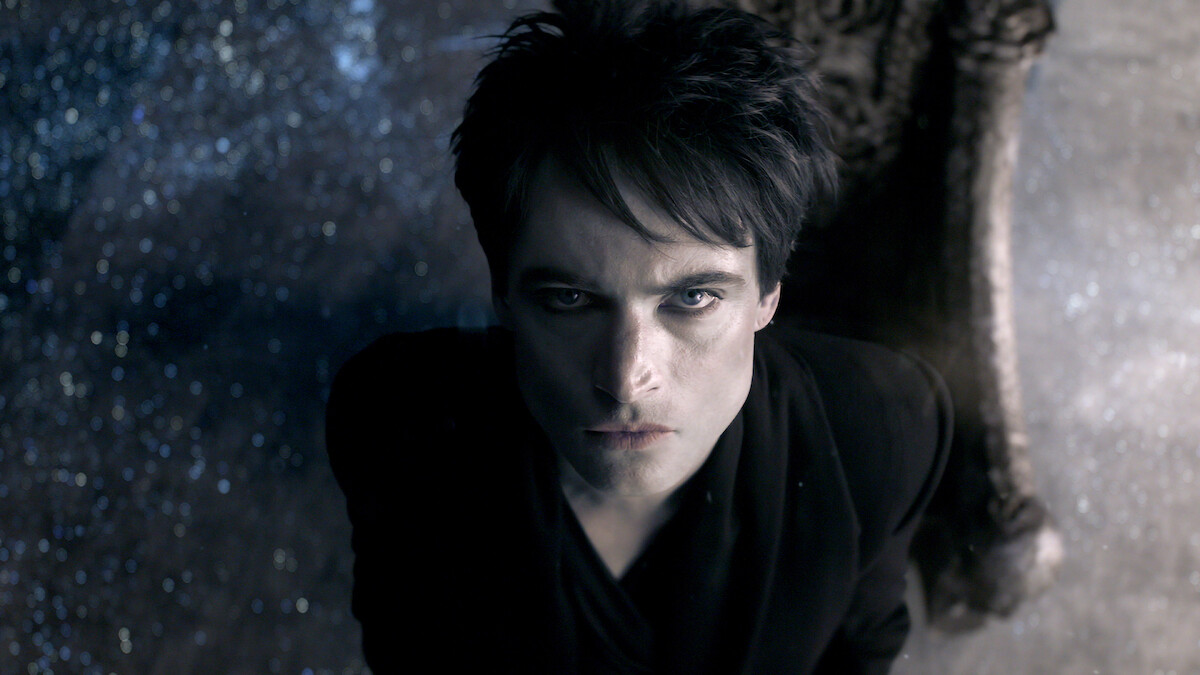
Dream seeks advice after being freed from captivity in The Sandman.
Gaiman helped develop the series and served as an executive producer. He also co-wrote the pilot, “Sleep of the Just,” along with showrunner Allan Heinberg and executive producer David S. Goyer, and provided feedback throughout the development process.
“We’re trying to be extremely faithful to [the] comics, and to their spirit,” Heinberg tells Tudum. “Neil is very present, even though he’s based in New Zealand. Every script, every prop, every costume, all the sets, everything gets Neil’s eyes and his feedback. We’re working with a lot of the original art, and all the props are almost to the letter as they are in the comics. It does feel like you’re living inside the comic book when you walk around the sets.”
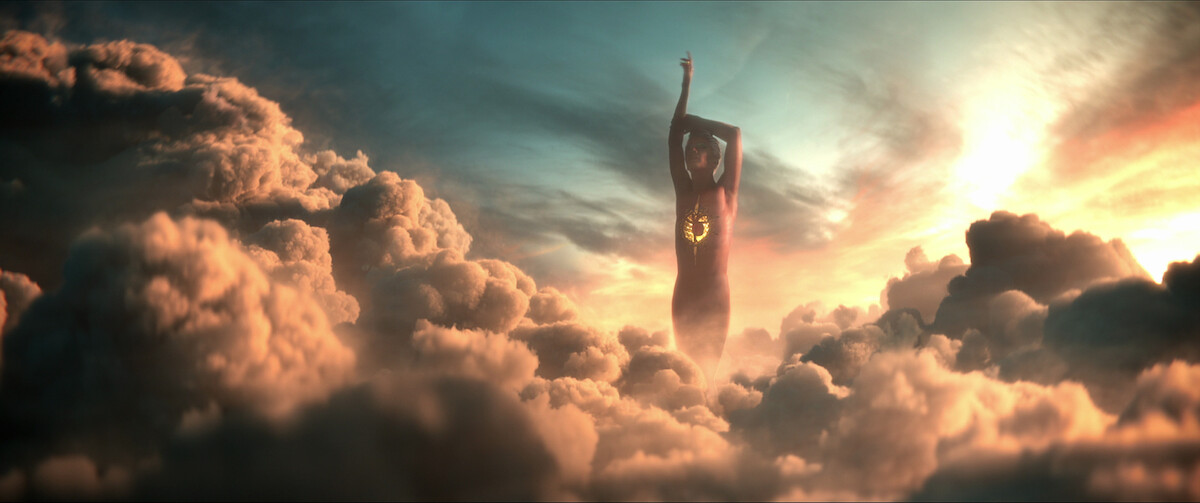
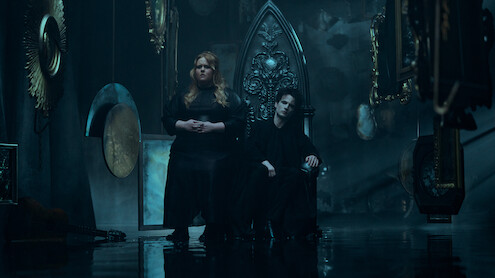
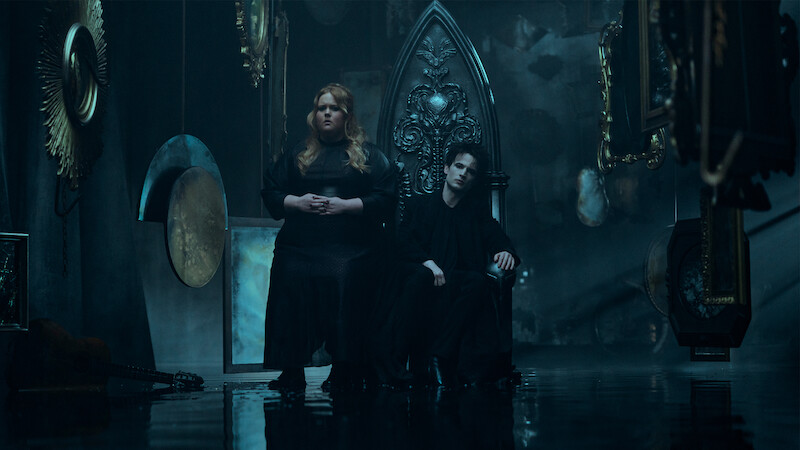
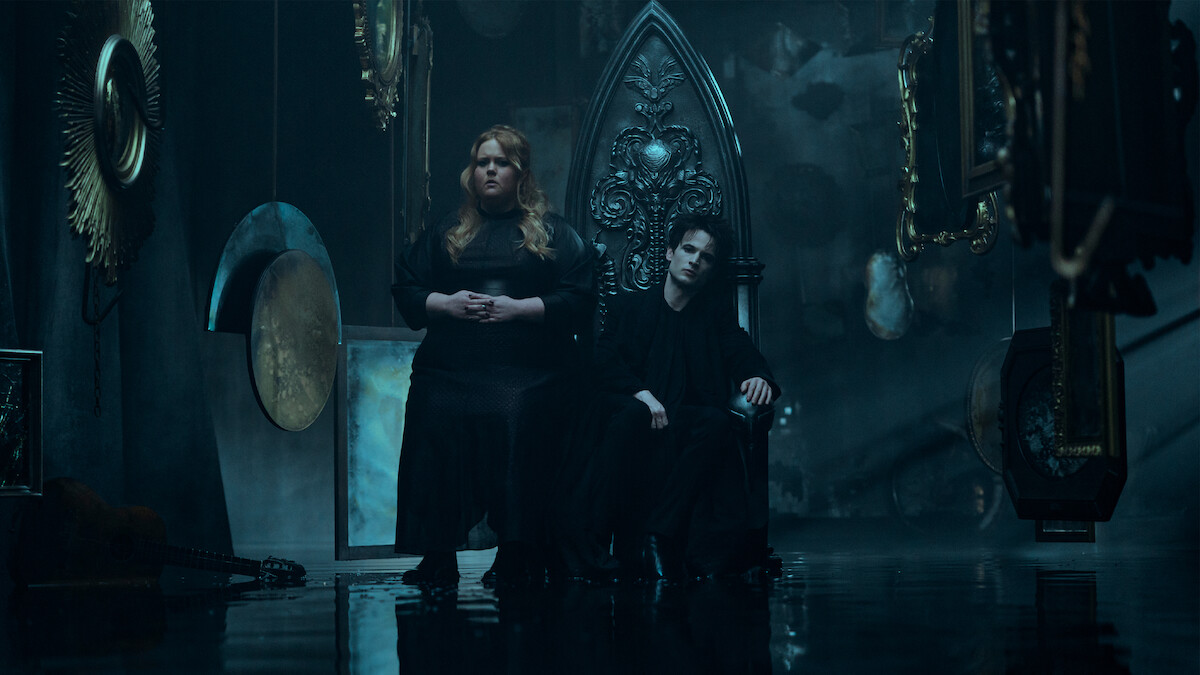
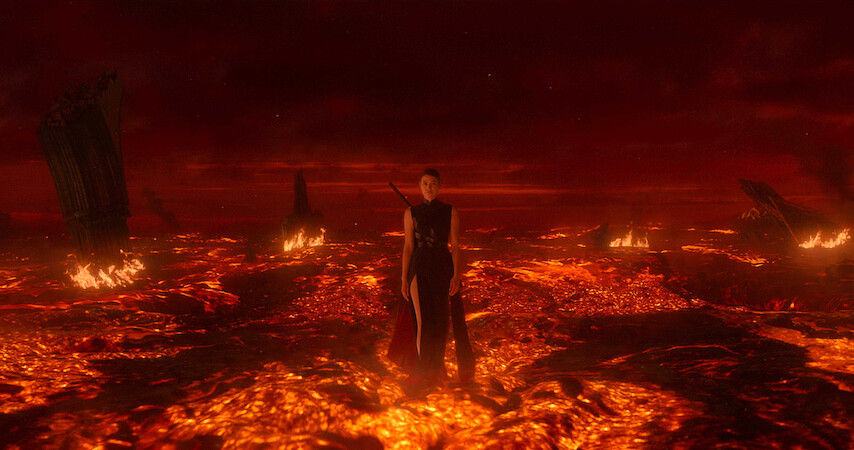
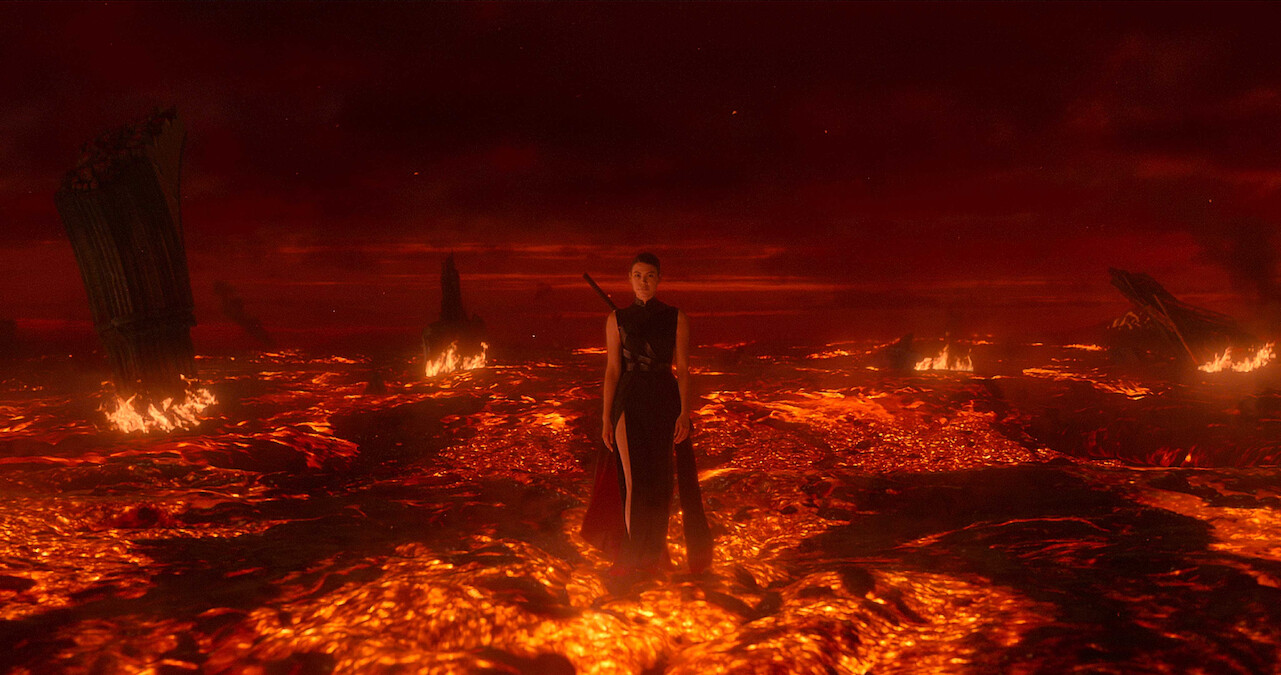
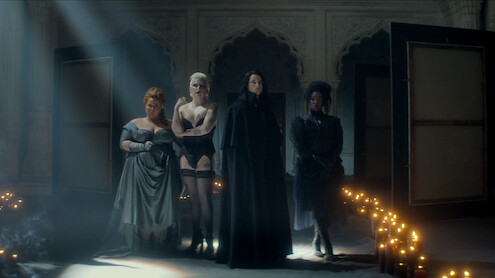
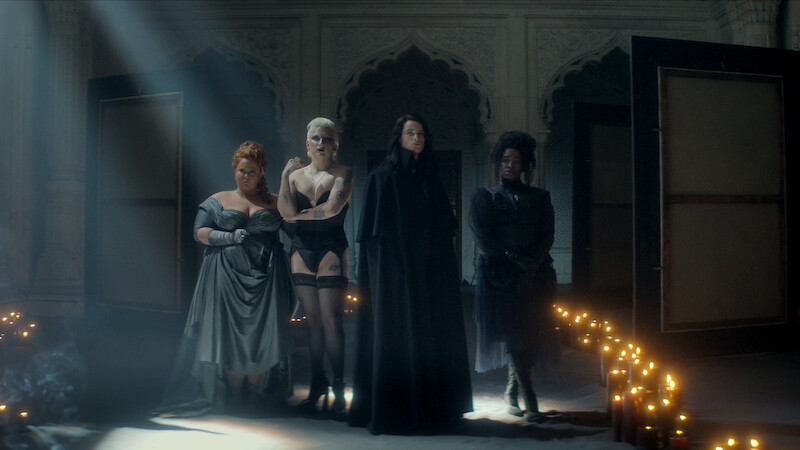
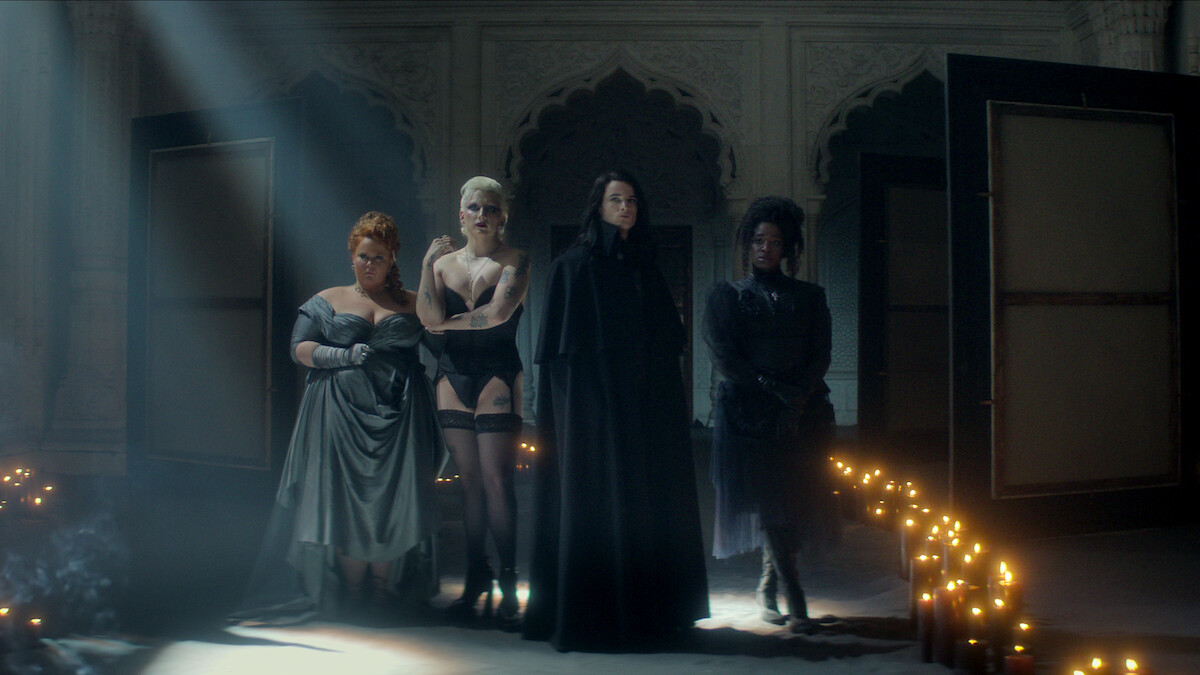
Images like Desire’s home in The Sandman we’re taken directly from the comics.
Do you need to read the graphic novels beforehand?
The Sandman show presents much of the same story as the comics, so you don’t need to have done any reading beforehand. In fact, even those who’ve read the full series won’t necessarily know what to expect, as the creators have made significant narrative changes, with Gaiman’s approval.
“The nice thing about Neil’s being as game as he is about opening up the material, is that I think we will be able to play with fans’ expectations,” Heinberg says. “They won’t always know what’s around the corner. We’ll get there eventually, but Neil has been very, very up for taking detours and deepening our time with the characters.”
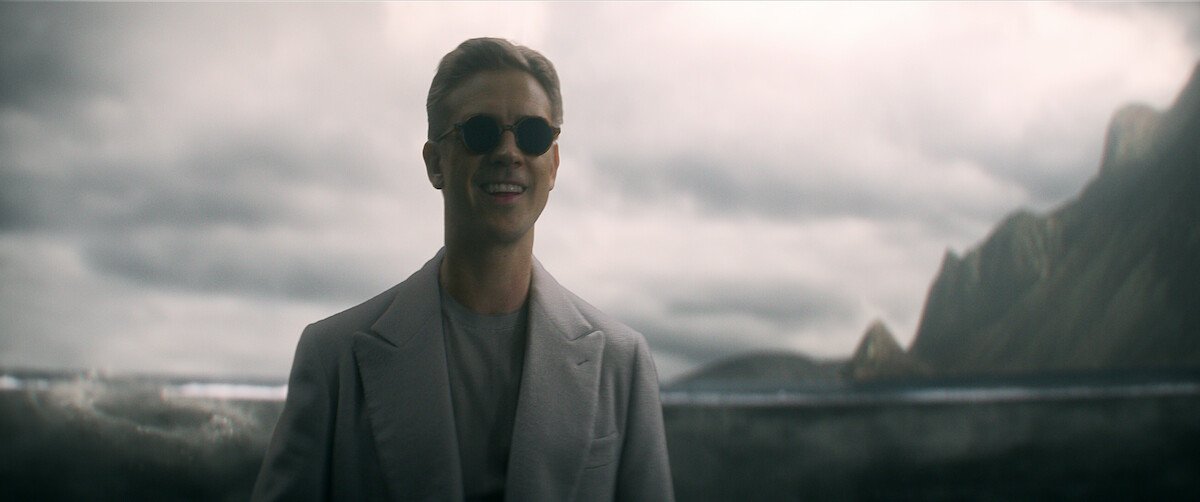
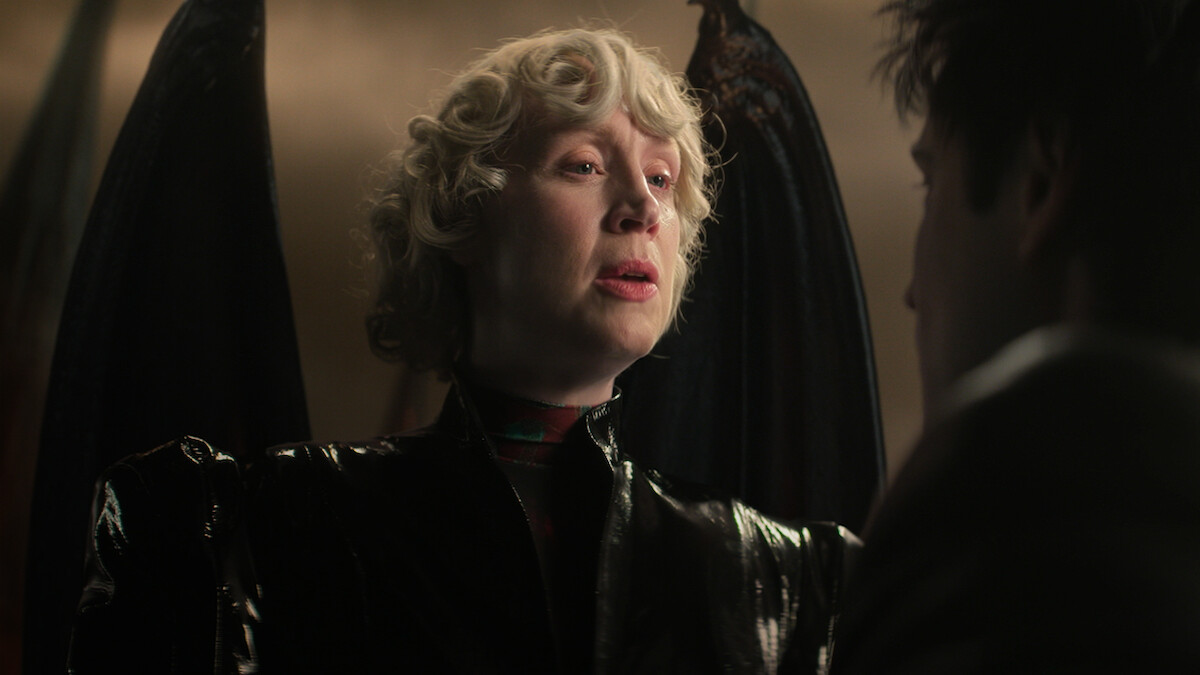
The escaped nightmare The Corinthian has an expanded role in The Sandman show, serving as a season-long villain.
Some of the updates have made the narrative more cohesive, like expanding the role of the nightmare turned serial killer The Corinthian into a season-long villain. Arcs and characters have been combined and sections have been cut, most notably most of the references to other DC Comics characters like the Martian Manhunter, Mister Miracle and Doctor Destiny.
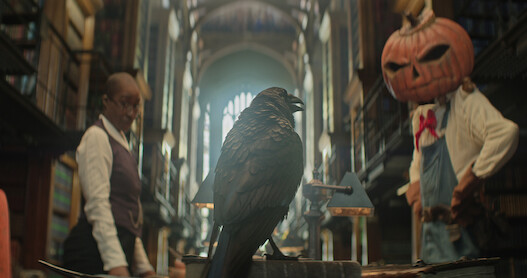
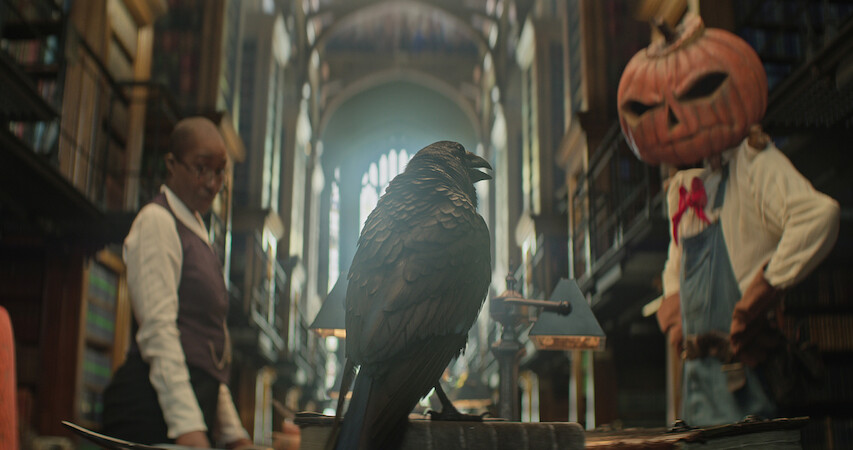
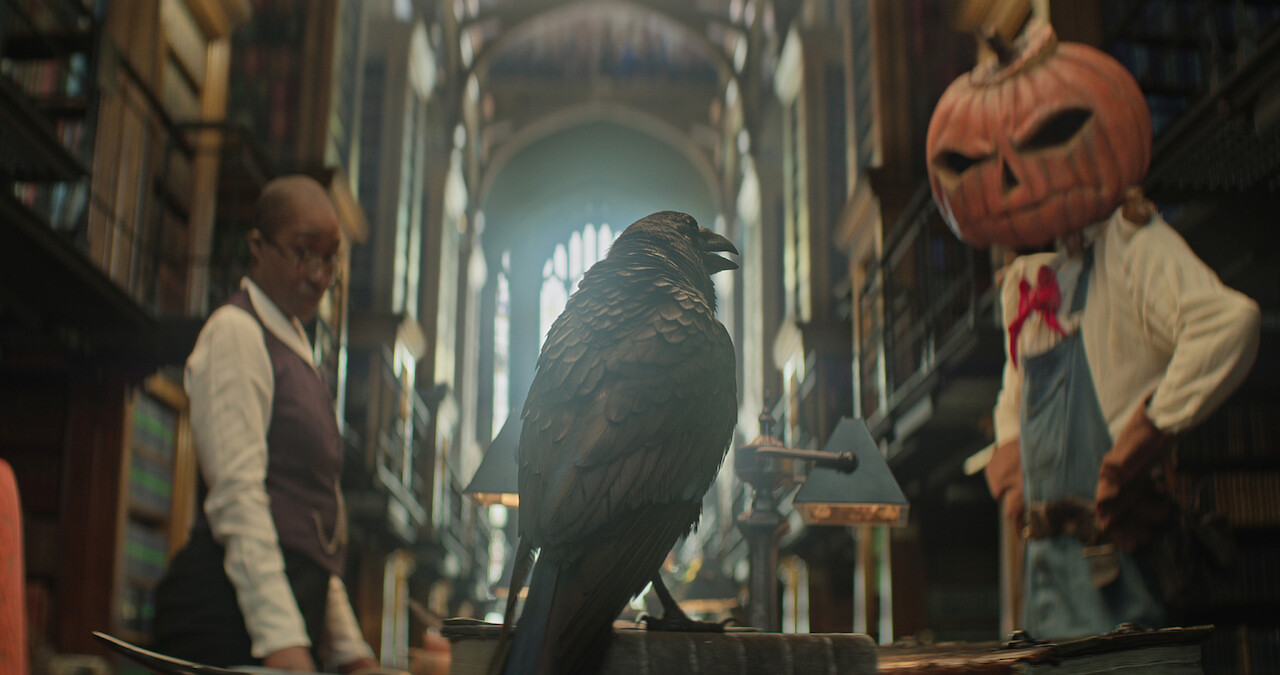
One key change made is purely practical — giving Dream someone to talk to. A lot of what he’s doing is explained in the comics through thought bubbles. Rather than using voiceover, the show has Dream share what’s on his mind with his companion Matthew (voiced by Patton Oswalt), a talking raven that has a much larger role in the show than he does in the comics.
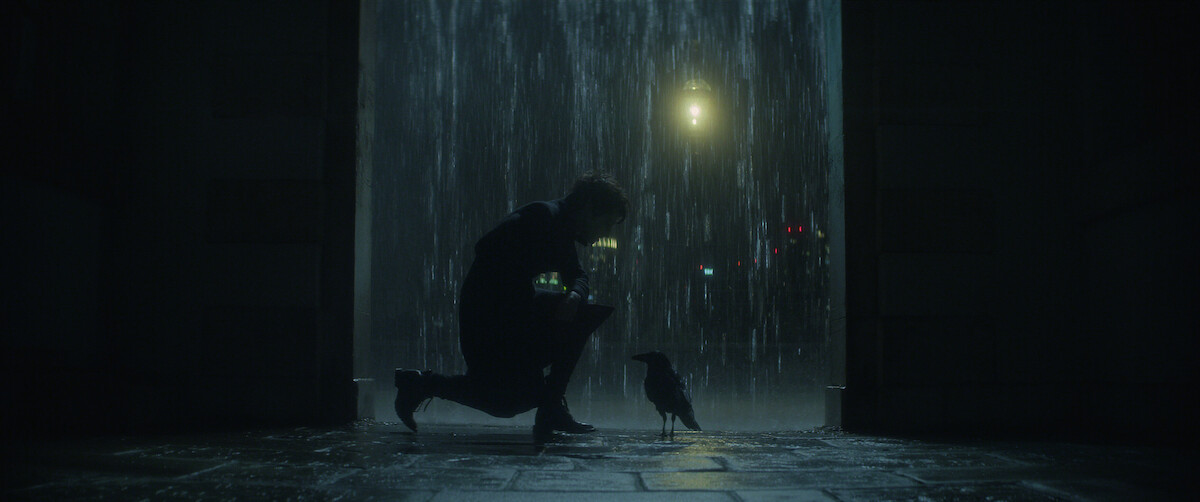
The talking raven Matthew (voiced by Patton Oswalt) has a larger role in the show than in the comics, giving Dream someone to talk to.
Which comics are covered in the series?
The show’s first season largely combines the first two books of The Sandman series: Preludes & Nocturnes and The Doll’s House. If you want to read along, the transition happens in Episode 6, “The Sound of Her Wings,” which is named for the final story in Preludes & Nocturnes. The episode faithfully adapts both that issue and the story “Men of Good Fortune” from The Doll’s House.
The first four episodes of the show are all named for the first four issues of The Sandman comic. However, you’ll see some changes throughout when it comes to both character appearances and the scenes set in the present day, since the comics were originally published in 1989.
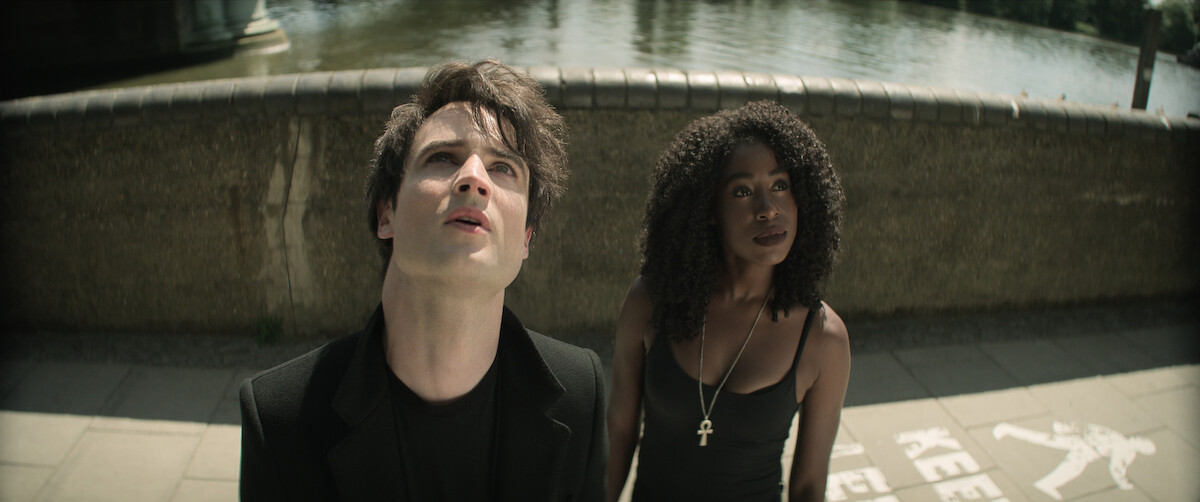
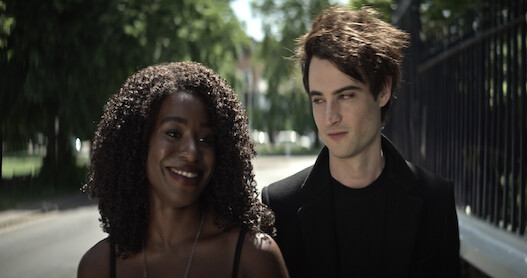
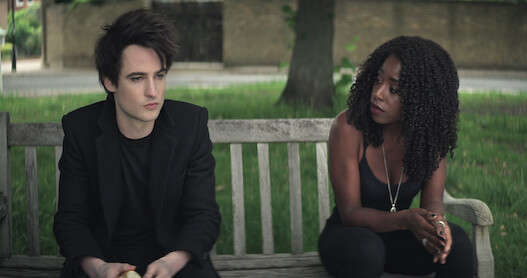
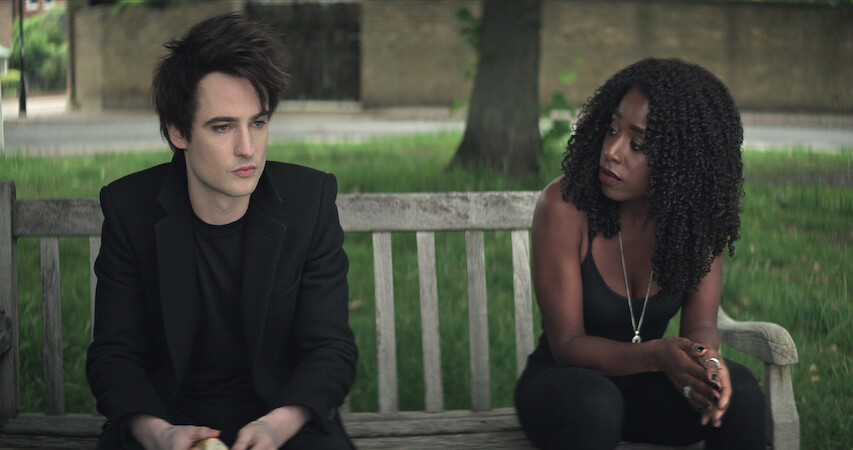
The episode “The Sound of Her Wings” is based on the comic issue of the same name, where Dream spends the day with his older sister Death.
“The Sandman comics were leagues ahead of everybody in the late ’80s in terms of the depiction of women, race, sexuality and gender,” Heinberg says. “Neil was talking about all of those issues long before anybody else was, especially in a medium like comics. But in creating The Sandman for 2022, we knew we wanted to expand the world and make some changes.”
“Lost Hearts,” the Season 1 finale, is largely based on its namesake, the final issue of The Doll’s House. However, it draws in some information about the nature of the Dreaming’s library not revealed until the fourth The Sandman book, Season of Mists. The finale’s cliffhanger ending teases that book’s main plot. Read ahead if you dare, or see if you can dream up what might come next.