This article contains major character or plot details.
All interviews included in this article were conducted in spring 2022.
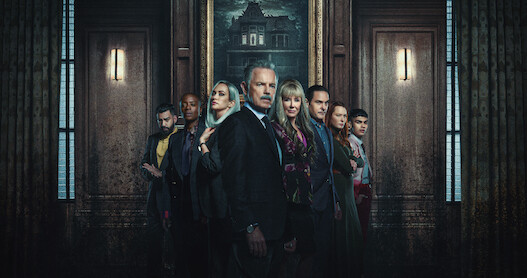
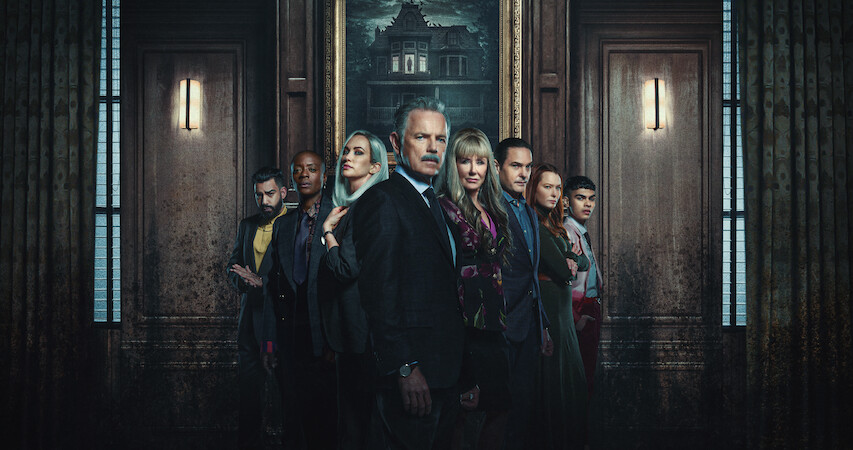
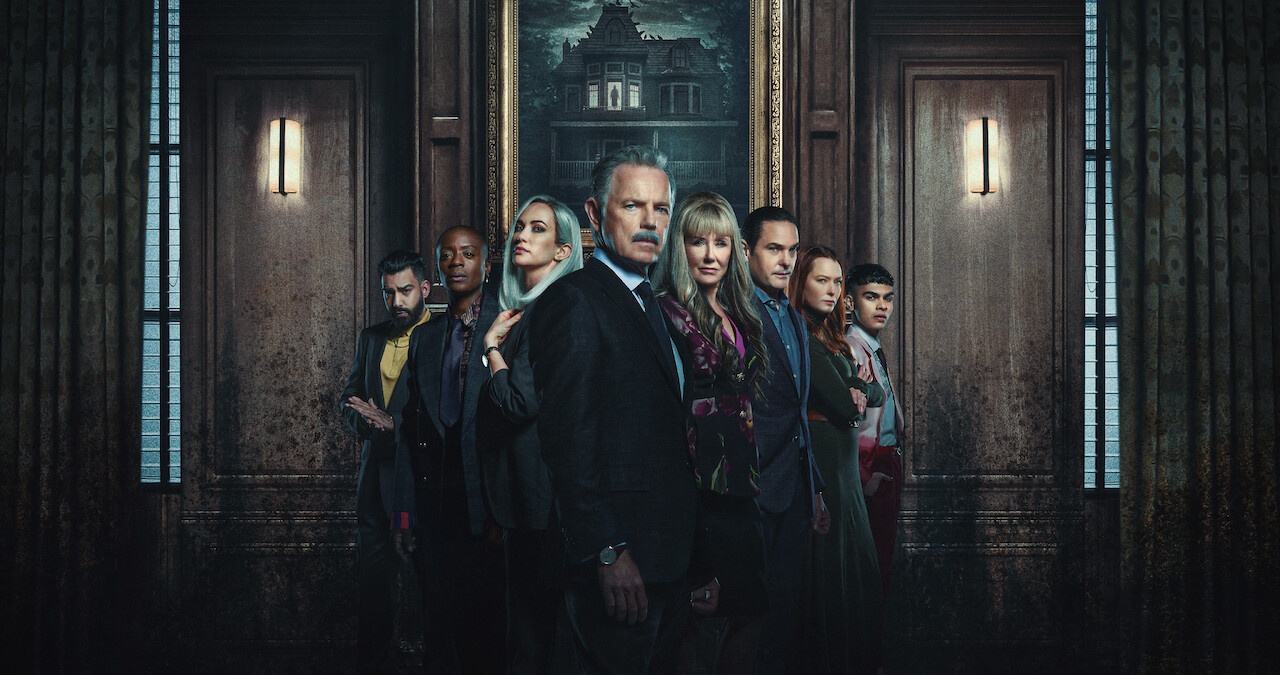
Rejoice, Poe-heads, Poe-nies and Poe-ets! Okay, we’re not sure if there’s an official fandom name for aficionados of Edgar Allan Poe, author of such Gothic classics as “The Raven” and “The Tell-Tale Heart,” but the new Netflix series The Fall of the House of Usher from Mike Flanagan will give them — as well as fans of horror in general — plenty of “batsh-- crazy” thrills to feast their bloodthirsty eyes on.
The title comes from Poe’s 1839 short story of the same name — but each of the eight episodes is jam-packed with adaptations and references to stories and poems from Poe’s entire body of work. It’s clear that the minds behind The Fall of the House of Usher brushed up on 19th-century literature. The series brings to Poe’s work a modern twist, as the feuding members of the Usher family get killed off one by one. So, class, cue up your streaming devices and let’s take a dive into this list of the chilling Poe references in The Fall of the House of Usher.
Character Names
Poe was a master of creating evocative names. The members of the doomed Usher family and many of their shifty associates are given the names of iconic Poe characters and titles.
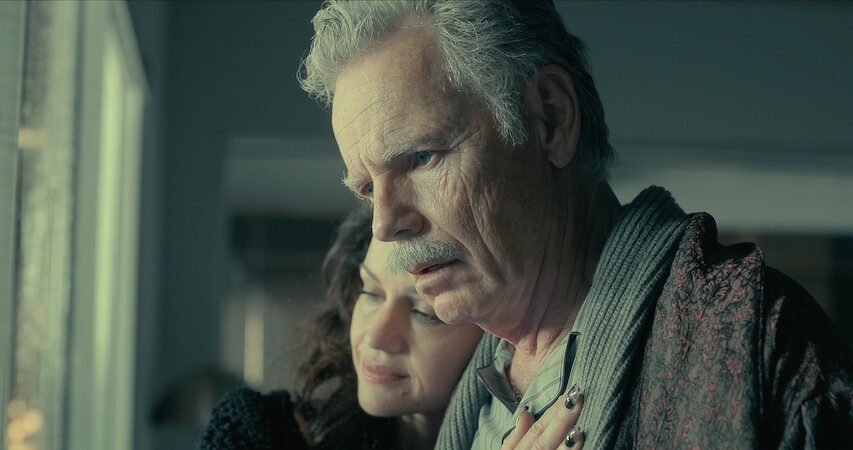
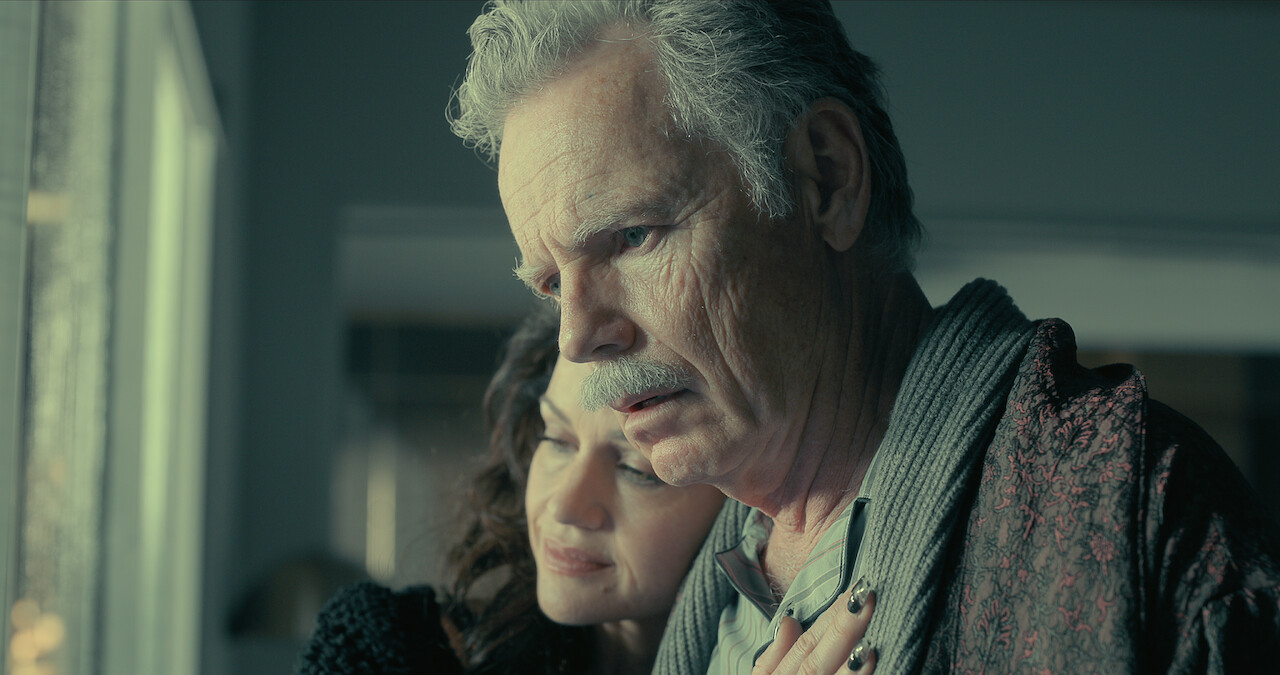
- Roderick (Bruce Greenwood and Zach Gilford) and Madeline Usher (Mary McDonnell and Willa Fitzgerald): The names come from the siblings in “The Fall of the House of Usher,” a tale about an eerie mansion.
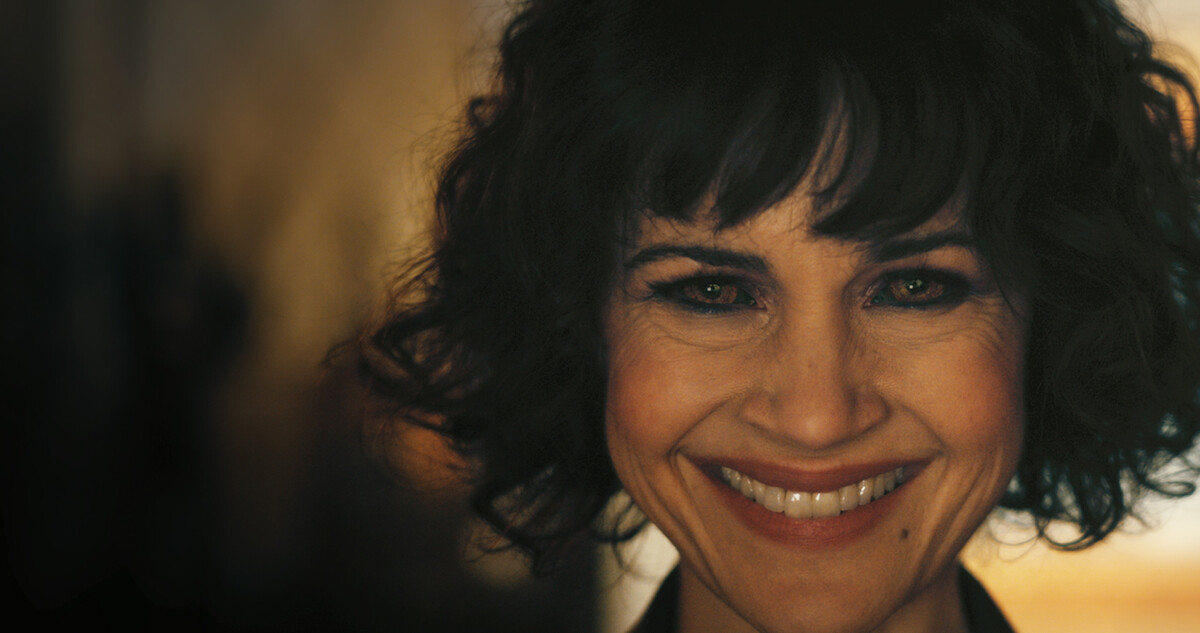
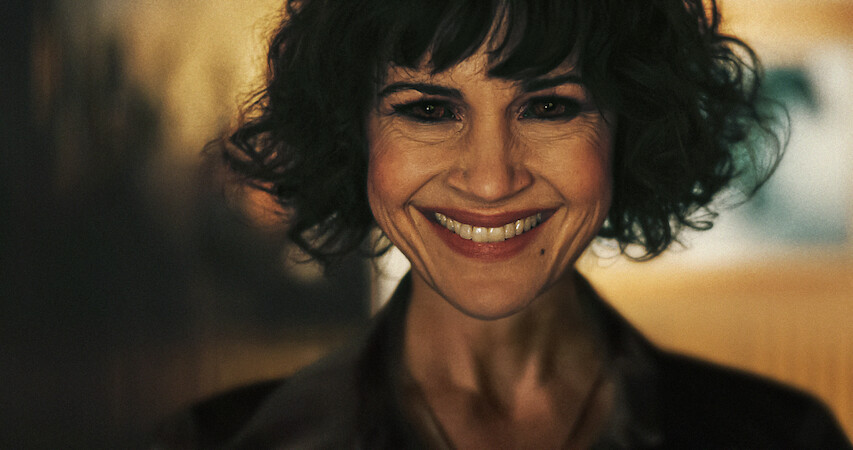
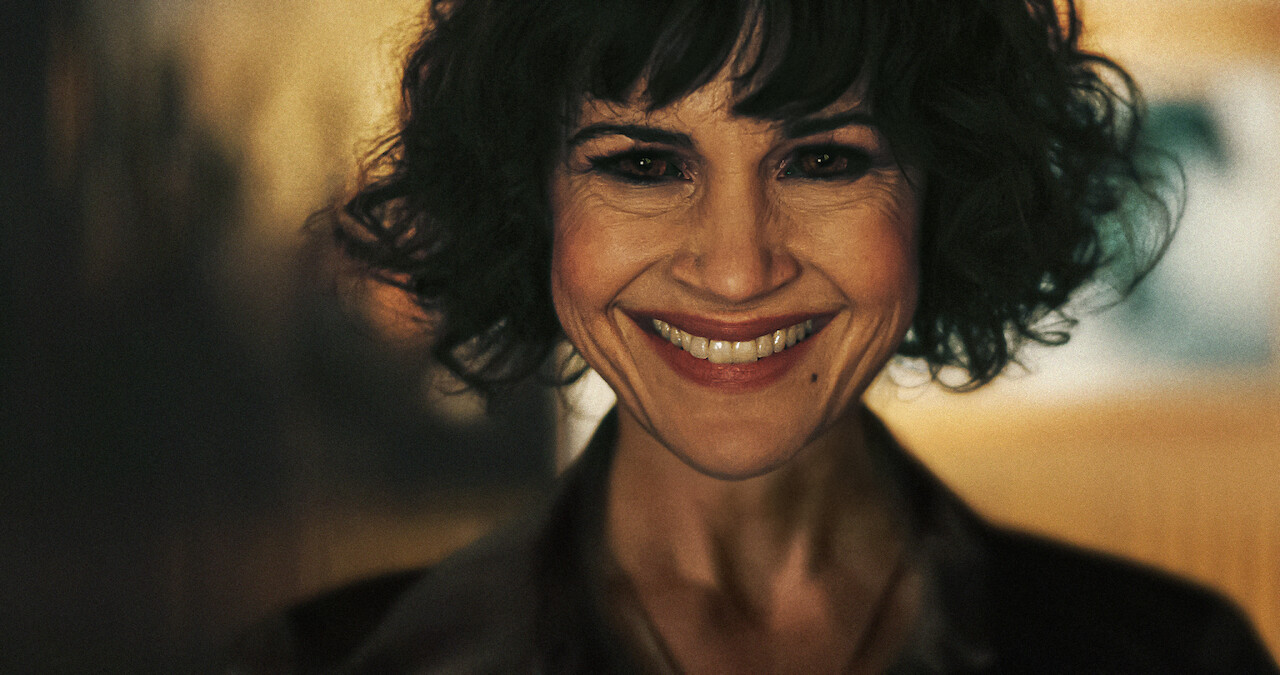
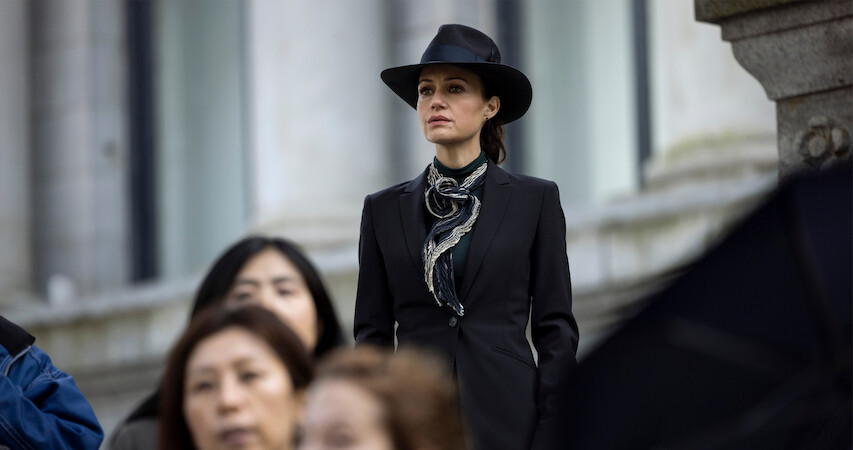
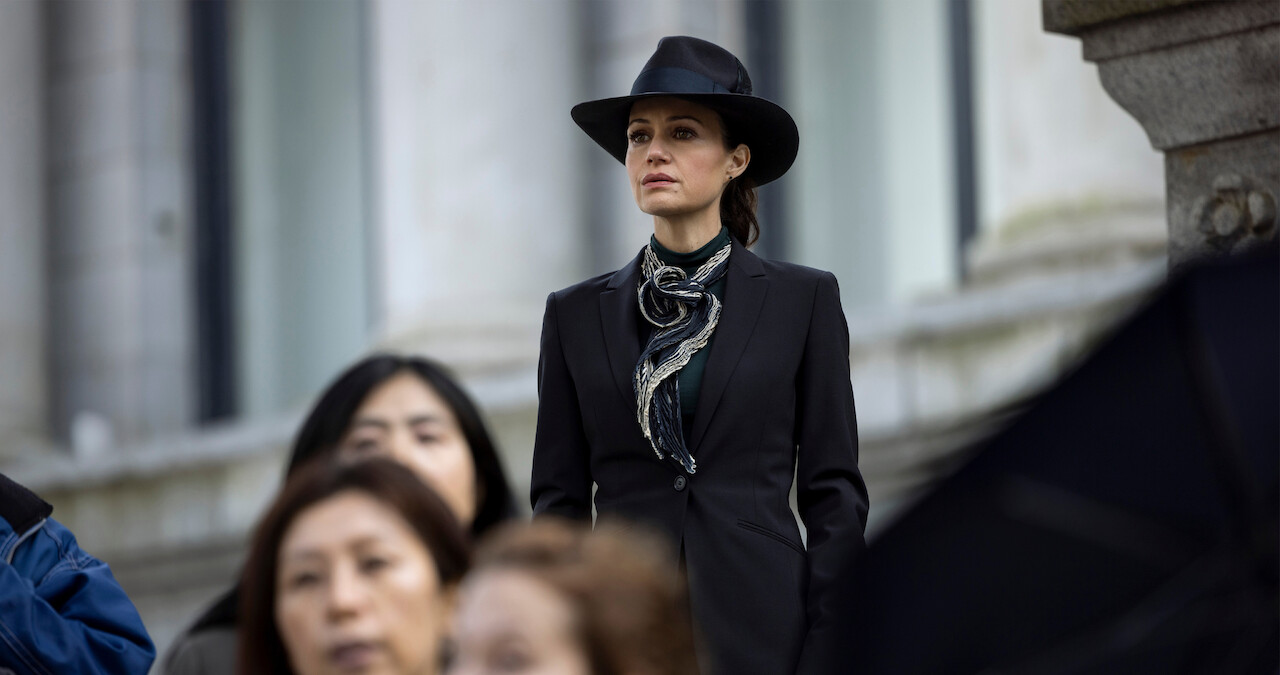
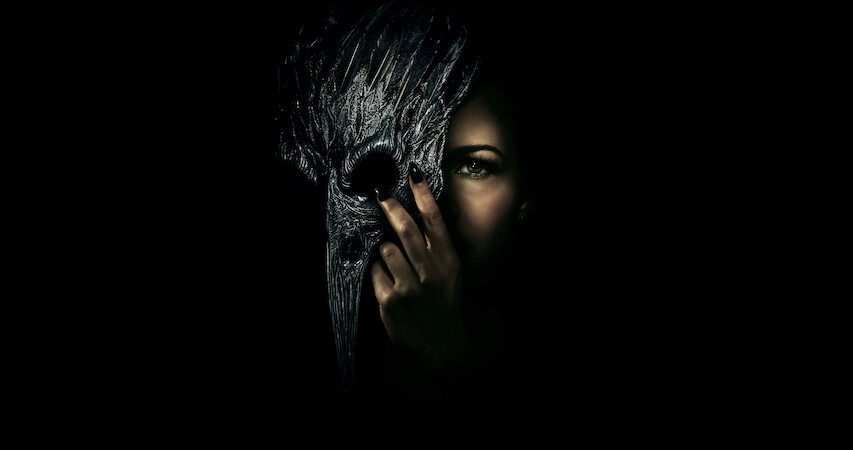
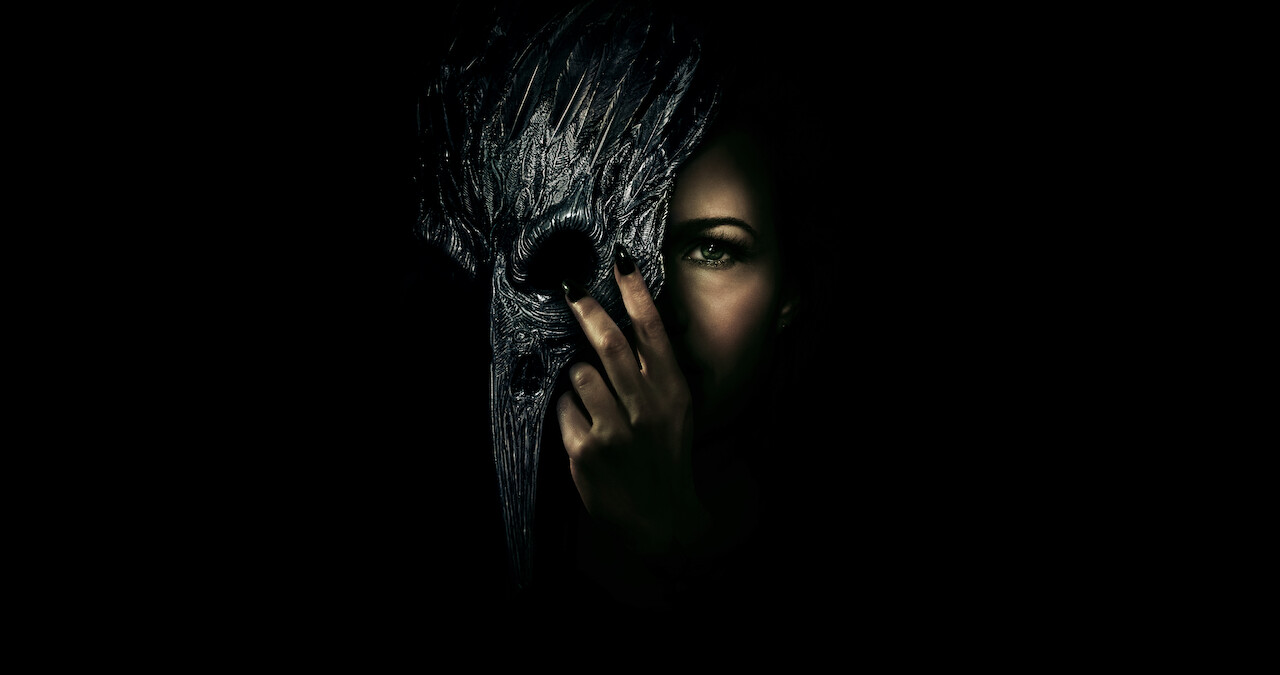
- Verna (Carla Gugino): The character is inspired by the raven from Poe’s narrative poem “The Raven” — note that Verna’s name is an anagram for the word raven.
- Auguste Dupin (Carl Lumbly): The name comes from the amateur detective, C. Auguste Dupin, in the stories “The Murders in the Rue Morgue,” “The Purloined Letter,” and “The Mystery of Marie Rogêt”; he also represents the famous narrator of “The Fall of the House of Usher.”
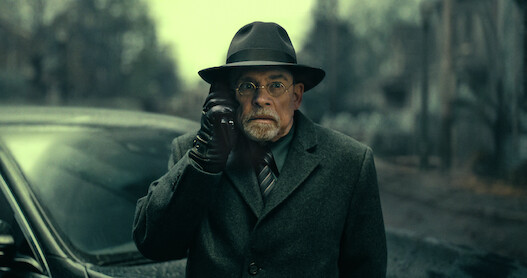
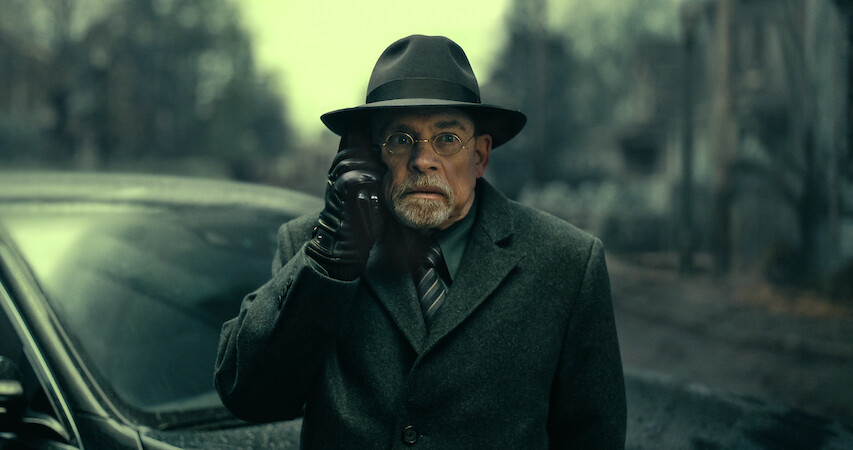
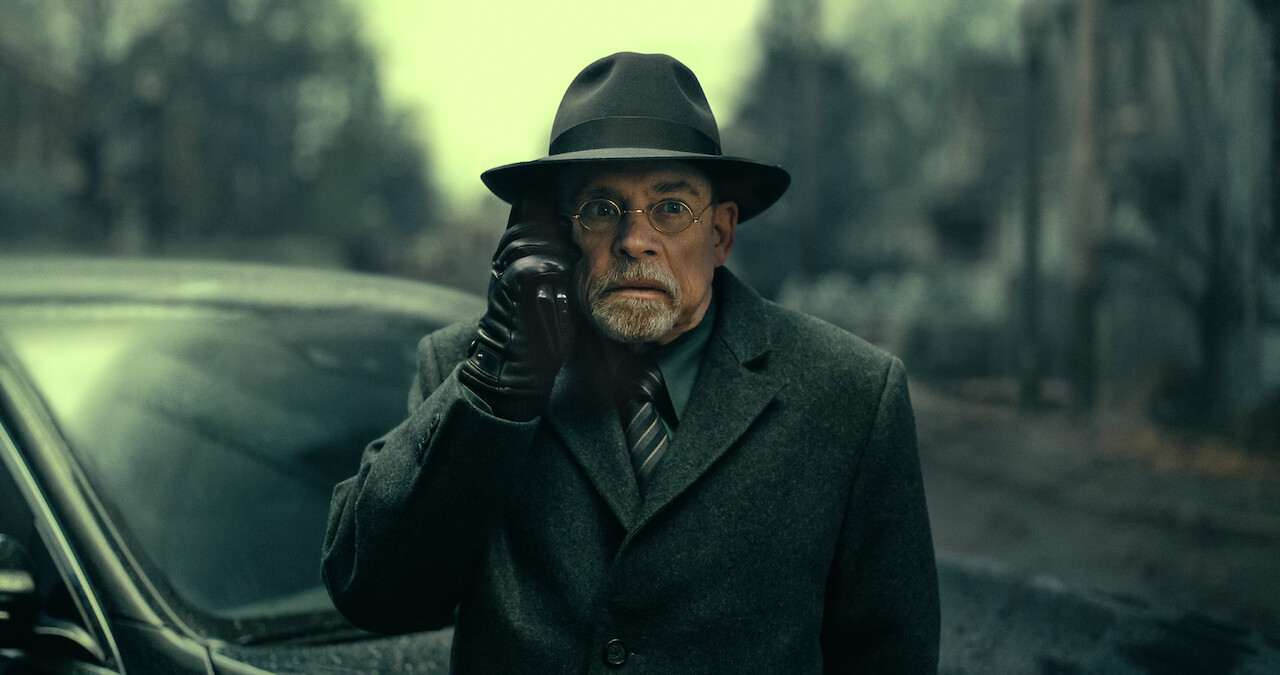
- Arthur Pym (Mark Hamill): The Usher family fixer with a very eventful backstory is named after the title character of the novel The Narrative of Arthur Gordon Pym of Nantucket.
- Frederick Usher (Henry Thomas): The name of the eldest Usher child comes from Frederick, Baron of Metzengerstein, the cruel scion at the heart of “Metzengerstein,” Poe’s first tale to be published.
- Morella “Morrie” Usher (Crystal Balint): Frederick’s wife gets her name from the scholarly title character of the story “Morella.”
- Lenore Usher (Kyliegh Curran): This name that rhymes with “nevermore” comes from “The Raven.”
- Tamerlane Usher (Samantha Sloyan): The lifestyle influencer gets her name from the poem “Tamerlane,” in which the title character is a warlord with a broken heart.
- William “Bill” T. Wilson (Matt Biedel): Tamerlane’s fitness-loving husband gets his name from the story “William Wilson.”
- Victorine Lafourcade (T’Nia Miller): Vic’s full name comes from the story “The Premature Burial” — a favorite topic of Poe’s.
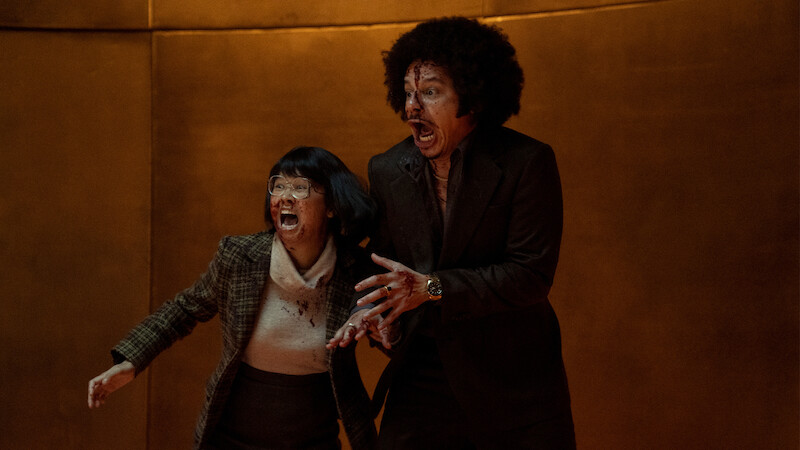
- Camille L’Espanaye (Kate Siegel): The Ushers’ ruthless PR head gets her name from the story “The Murders in the Rue Morgue.”
- Napoleon “Leo” Usher (Rahul Kohli): The gaming influencer gets his name from Napoleon Bonaparte Froissart, the young narrator of the story “The Spectacles” who learns the hard way that he shouldn’t be too vain to wear his glasses.
- Prospero “Perry” Usher (Sauriyan Sapkota): This unfortunate club kid gets his name from the story “The Masque of the Red Death” — and you’ll see why.
- Annabel Lee (Katie Parker): Roderick’s first wife gets her name from the poem “Annabel Lee” and symbolizes the common theme of lost love in Poe’s work.
Episode 1: “A Midnight Dreary”
- The episode title comes from the opening lines of “The Raven”: “Once upon a midnight dreary…”
- The name of the Ushers’ Fortune 500 company, Fortunato Pharmaceuticals, comes from the story “The Cask of Amontillado.”
- Longfellow, the name of the murdered CEO of Fortunato, is named after another poet during Poe’s time.
- Eliza (Annabeth Gish), Roderick and Madeline’s mother, is named after Poe’s mother. Her story of being buried alive is inspired by “The Premature Burial.”
- The name of the addictive drug Ligodone is derived from the short story “Ligeia.”
- Victorine’s story and death are inspired by “The Tell-Tale Heart,” and the animal testing she does on chimps ties back to “The Murders in the Rue Morgue.”
- Both Roderick and Madeline’s Egyptian artifacts are references to the satirical story “Some Words with a Mummy.”
Episode 2: “The Masque of the Red Death”
- Perry’s death by raining acid is based on the story “The Masque of the Red Death,” in which a party’s guests all die of a bleeding disease.
- Toby’s (Igby Rigney) character name and the dialogue “Toby Dammit” are from the story “Never Bet the Devil Your Head,” in which the character’s name is Toby Dammit.
- In the 1979 timeline, the theme of being done in by one’s own hubris ties back to “Metzengerstein.” The series nods to it each time Roderick takes Dupin back to that time period.
- Rufus Griswold (Michael Trucco), a Fortunato exec, was named after Poe’s nemesis who wrote a scathing obituary for him under a pseudonym.
- The name of the chemist Metzer is a shortened version of “Metzengerstein.”
- The company name Landor Pharma is taken from Poe’s story “Landor’s Cottage.”
- The idea behind Madeline’s AI software comes from a modern version of death by entombment, which was a common occurrence in Poe’s work; the idea being that your mind is uploaded to a “cloud,” like a database, but your body is gone.
- The Grampus references the boat in The Narrative of Arthur Gordon Pym of Nantucket.
- Frederick’s claustrophobia ties back to the character in “The Pit and the Pendulum.”
Episode 3: “Murder in the Rue Morgue”
- Camille’s death by primate is based on “The Murders in the Rue Morgue.”
- In 1979, young Roderick (Zach Gilford) recites the poem “Annabel Lee” in dialogue.
- Verna’s name tag as the security guard “Le Bon” is a name used in “Rue Morgue.”
Episode 4: “The Black Cat”
- Leo’s death is based on the story “The Black Cat.”
- Dr. Brevet is named after a character in “The Man That Was Used Up.”
Episode 5: “The Tell-Tale Heart”
- Victorine’s death by stabbing her own heart is inspired by the story “The Tell-Tale Heart.”
- The dialogue the preacher speaks at the funeral is composed of verses from Poe’s poem “Spirits of the Dead.”
Episode 6: “Goldbug”
- The sapphire eyes are inspired by “Some Words with a Mummy.”
- Pym’s backstory is inspired by The Narrative of Arthur Gordon Pym of Nantucket.
- Tamerlane’s story and death is based on the theme of mirror images in “William Wilson.”
- The name and logo of Tamerlane’s company Goldbug uses the image from the story “The Gold-Bug.”
Episode 7: “The Pit and the Pendulum”
- Frederick’s death by swinging blade is inspired by “The Pit and the Pendulum.”
- Roderick recites the poem “Annabel Lee” to Dupin.
- Frederick’s focus on Morrie’s smile and ripping out her teeth is inspired by the story “Berenice.”
- The poem Verna recites to Madeline at their confrontation is Poe’s “The City in the Sea.”
Episode 8: “The Raven”
- Gris’ murder by brick wall is based on “The Cask of Amontillado.”
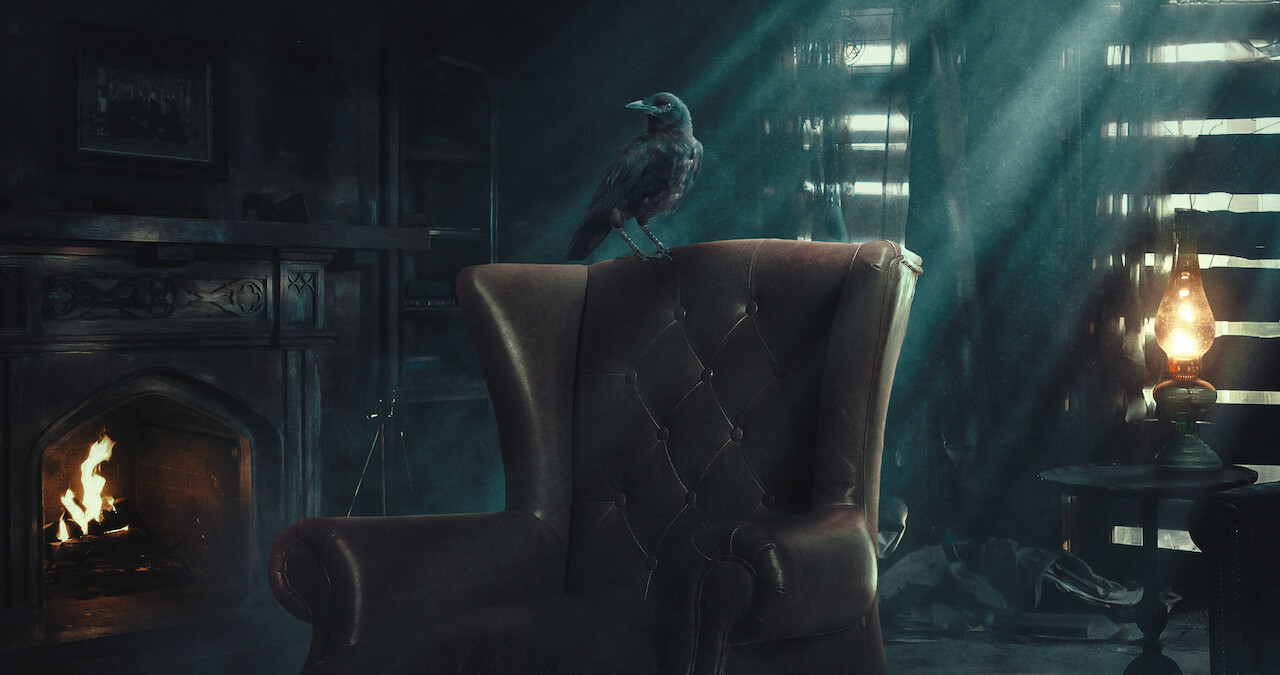
- After Lenore dies, the scene in which a raven appears before Roderick at his estate is based on “The Raven.” The reveal of the texts Roderick has been receiving that say versions of “nevermore” are also tied to the poem.
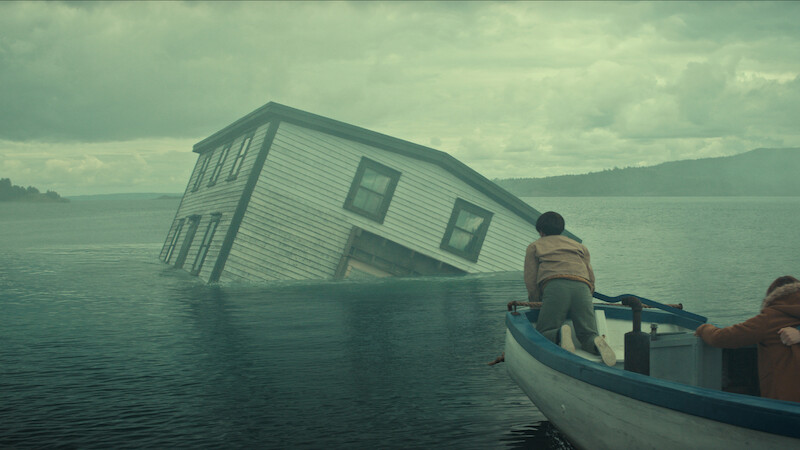
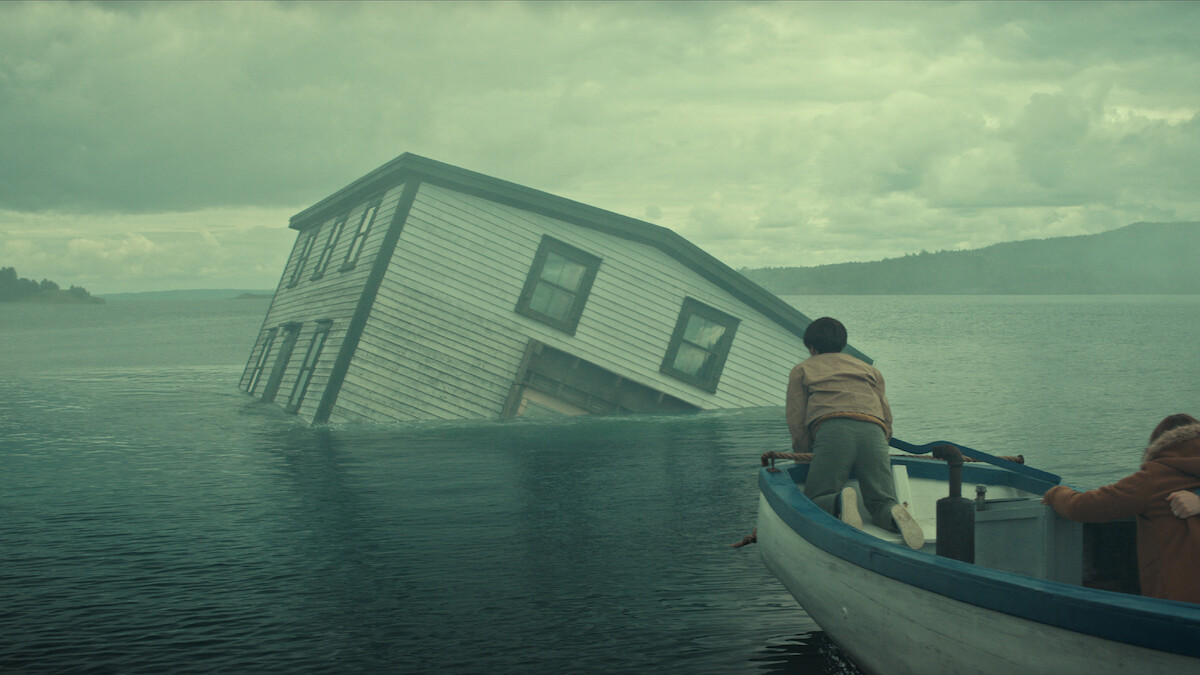
- The mummification of Madeline is inspired by both “Some Words with a Mummy” as well as “The Fall of the House of Usher.” The collapse of the house and deaths of Roderick and Madeline are based on “The Fall of the House of Usher.”
Is The Fall of the House of Usher based on a true story?
Flanagan’s latest house of horrors is a work of fiction, one that’s deeply inspired by the works of Edgar Allan Poe. The stories all weave together to form the Usher family’s downfall, but some members of the show’s cast have individual chillers they’re partial to.
During production, Henry Thomas shared that his favorite Poe story is “The Pit and the Pendulum” — fitting, since that’s the story that ties into his character’s gruesome demise. Carla Gugino also shared that reading one particular Poe work at a young age left a mark (or, perhaps, a thumping heartbeat) on her. “I think the most impactful one was ‘The Tell-Tale Heart,’ because I read it very young, at an age when you have these feelings that come up of guilt or shame or doing something and then not wanting to tell your parents that you did it,” she said. “Obviously that’s a very exaggerated example because he murdered someone [in the story], but the embodiment of dread and your conscience basically knocking at your door until you listen really struck me.”
And of course, there’s that one about a midnight dreary. “I’m partial to ‘The Raven,’ ” said Kate Siegel. “I’m a Poe purist. I’ve been known to wander around my house whispering ‘nevermore,’ when I’m in a particularly morose mood.”
Stream The Fall of the House of Usher now.