Up Close
Amar Chadha-Patel on Playing The Decameron’s ‘Medieval F*** Boy’
“I wasn’t really eating pasta or pizza, and we shot in Rome so that was hard.”
July 26, 2024
Doctors have always been seen as eligible bachelors. But what about a 14th-century physician with questionable judgment who’s willing to bed multiple women in the midst of the Black Death?
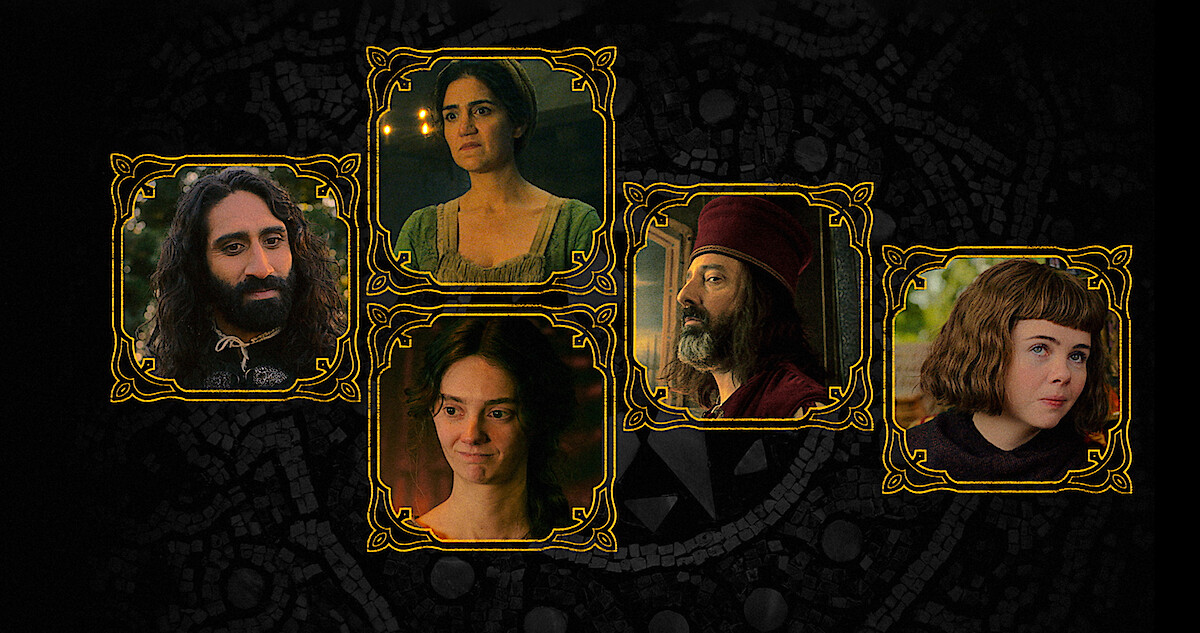
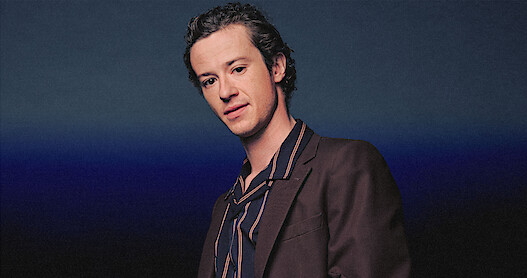
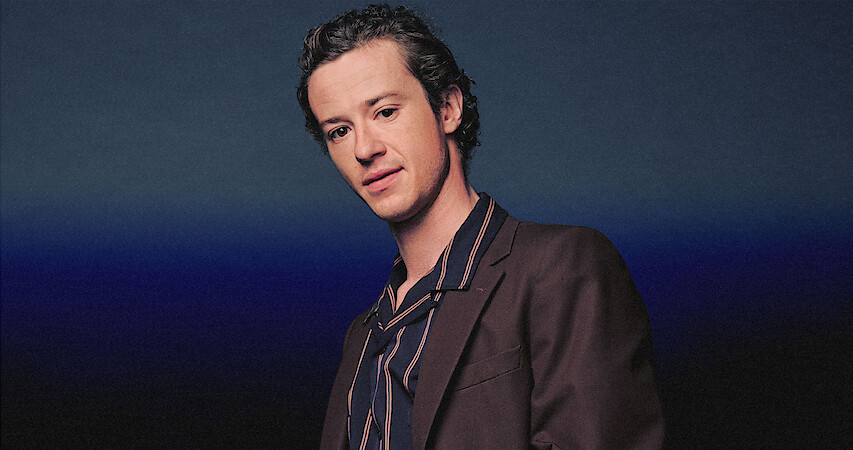
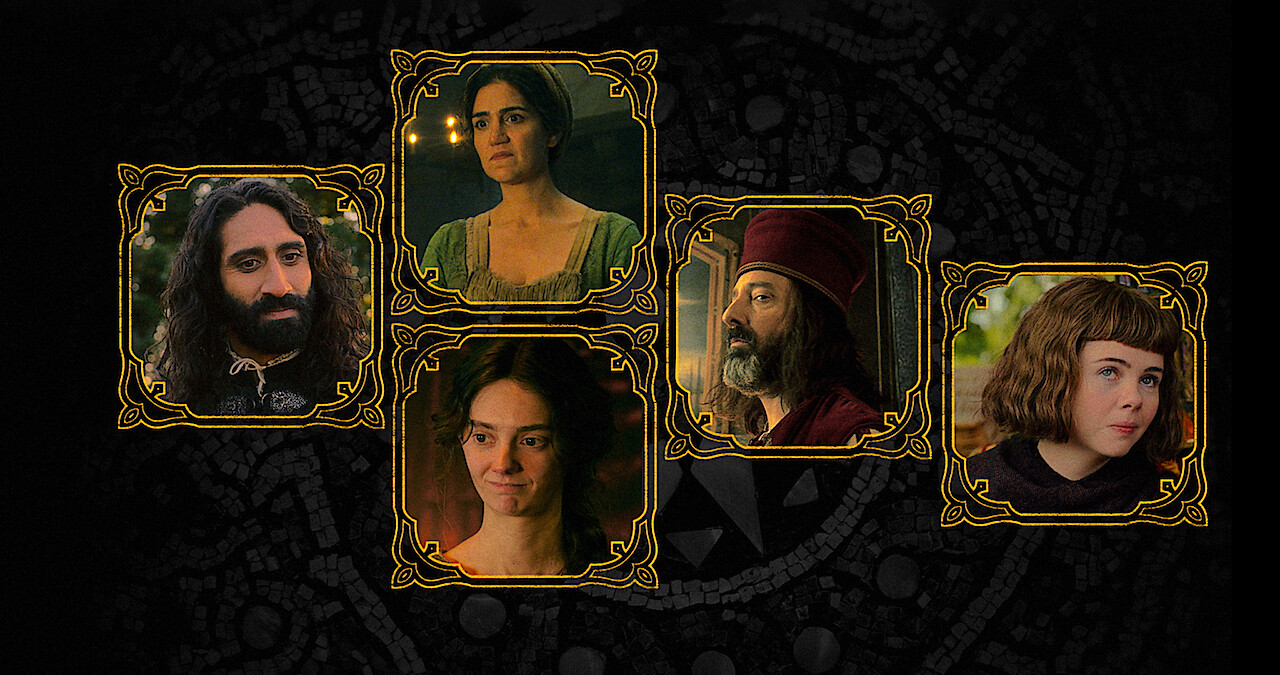
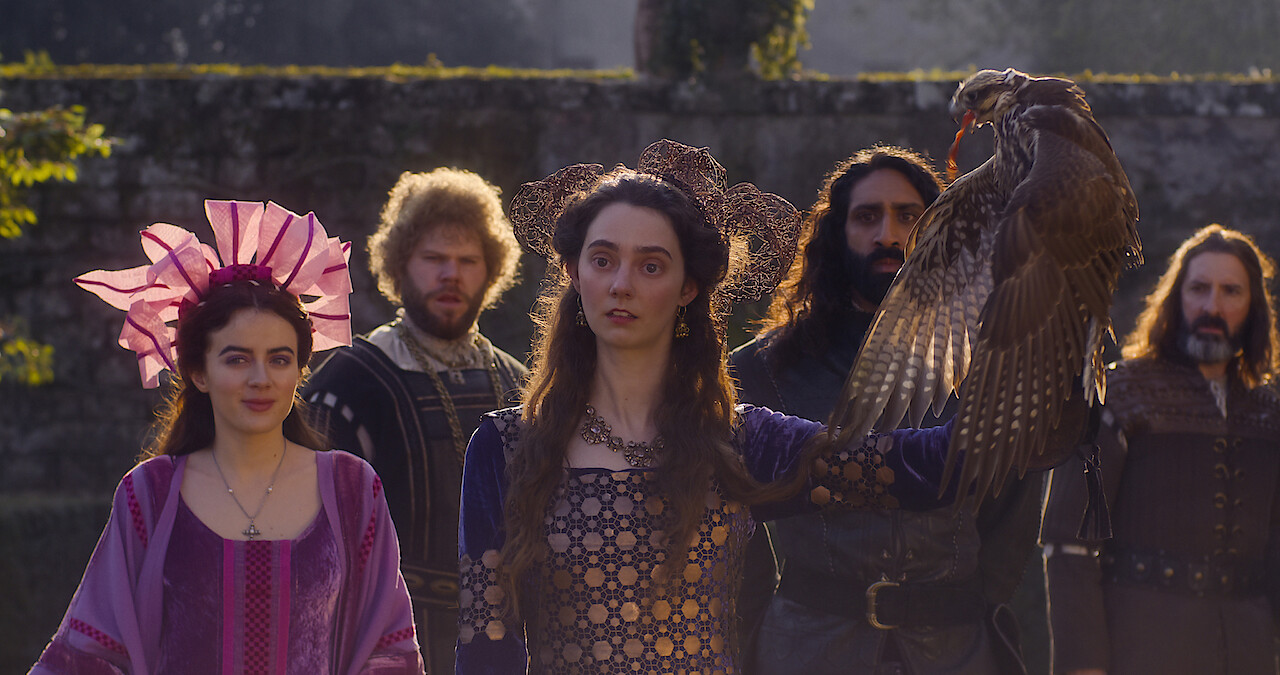
That could be the medieval dating profile of Dioneo: medical expert, loyal wingman and babysitter to the noble Tindaro (Douggie McMeekin), and The Decameron’s resident heartthrob. Dioneo is played by Amar Chadha-Patel, who’s not quite as cocksure as the character he plays.
“I think the only thing that makes me potentially good at playing this Lothario heartthrob is that I have never seen myself as that person,” Chadha-Patel tells Tudum. “I’d just come straight off the back of shooting Willow, where I’d played this gigantic, muscular, sword-wielding barbarian, and I was like, ‘That was cool. That was fun.’ ” A former commercial director who made the gradual transition to acting, Chadha-Patel was looking for a role that was different from what he’d done before — and when The Decameron came around, he thought that role would be Tindaro, not Dioneo.
“I was like, ‘Yeah, I want to play a fool,’ says Chadha-Patel. “ ‘I want to play the hypochondriac misogynist who hates women and is sick all the time.’ ” But as soon as he joined the chemistry read with McMeekin, he knew: “ ‘Oh, obviously this guy’s the perfect Tindaro.’ ” Which meant Chadha-Patel would be picking up the medical instruments — and taking off his robes — as Dioneo.
Read on for more about Chadha-Patel’s commitment to the bit as the medieval heartthrob in The Decameron, streaming now on Netflix.
Can you tell us about Dioneo in your own words?
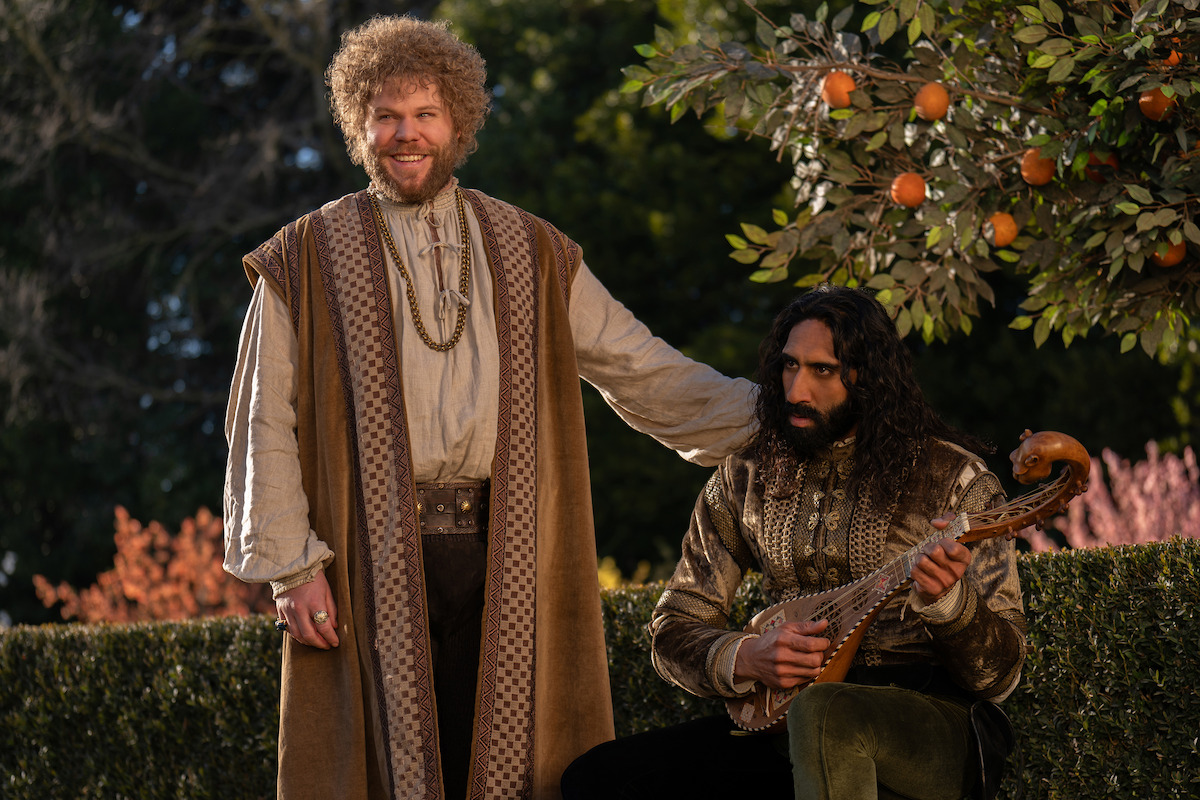
He’s basically a medieval fuckboy. He’s a complex guy, indeed: a sort of self-professed Lothario who exists in a strange purgatory between nobility and the merchant class that he’s actually from. The reality of him is that he believes that he deserves a place in the world of the nobles because he’s built that for himself. But by nature of birth, he’s not. He wants to be seen for who he is, but he also knows what he has to offer — specifically, to the women.
What did it feel like to see yourself in the heartthrob role?
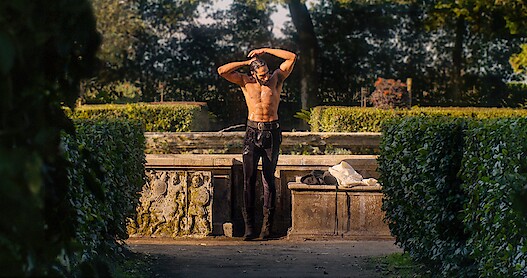
Beauty is in the eye of the beholder, I will say that much … If you were to tell me when I was 17 that I’d end up on Netflix as this semi-naked medieval dude with a beard and a chest, I’d be like, ‘Hmm, you’re talking to the wrong human being.’ It’s kind of a silly thing, but it’s a fun thing to play because these characters are inherently flawed.
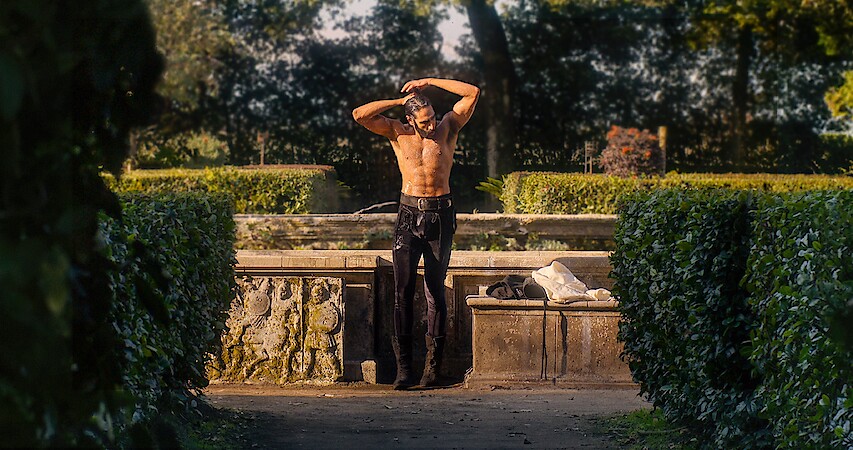
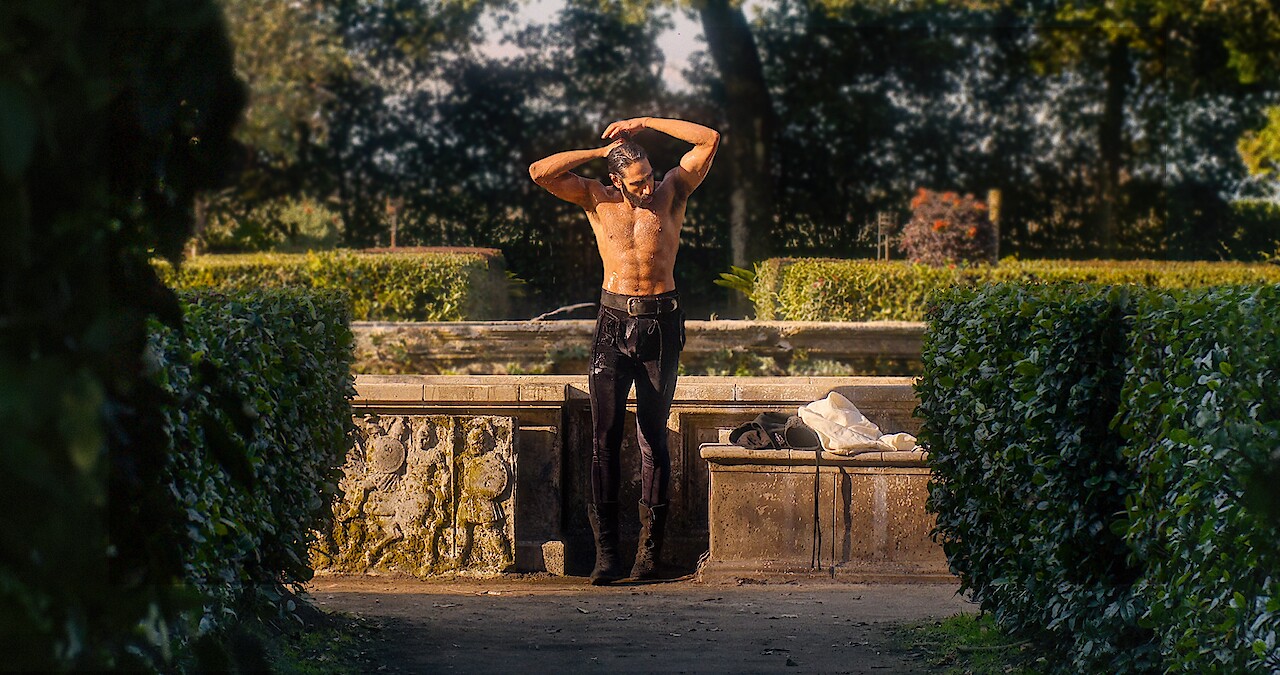
The running gag is: He’ll find any moment to get his shirt off. There’s even a certain point in the series, I won’t really reveal too much, where his shirt is taken off him on purpose. It’s subtle, but you can see that even though it’s a pretty tense situation, he’s pretty happy about it — it’s a lot of complex feelings.
How does Dioneo’s physicality inform his character?
I think that the really important thing about Dioneo and the discussions I had with [creator and showrunner Kathleen Jordan] was that I wanted Dioneo to have that aesthetic because he believes he’s a fantasy. The real irony there is that it’s actually his downfall. What he has to offer, he doesn’t know. He’s trying to play multiple different people, and he’s trying to make himself fit into a world that he’s not supposed to [fit into], and he’s very clever and manipulative about how he does it. Part of that was presenting as this specimen.
How did you prepare physically for all those shirtless scenes?
With Willow, I put all that muscle and weight literally to just be wider, because I’m a very tall guy and they needed someone who looked wider and bigger, and it was a necessary symptom of that. And I started inhabiting this role of cocksure confidence, and that was something that was needed for Dioneo.
I put myself through this rigorous training routine where I didn’t want to look ridiculous, but I wasn’t really eating pasta or pizza. And we shot in Rome, so that was hard. But it was the commitment to the bit. That body ideal is unachievable if you’re a normal person. It’s ridiculous. It’s constantly lifting heavy things and putting them down, and then eating things that aren’t fun.
Being the “Lothario heartthrob” means intimate scenes. Can you talk about the choreography of filming those?
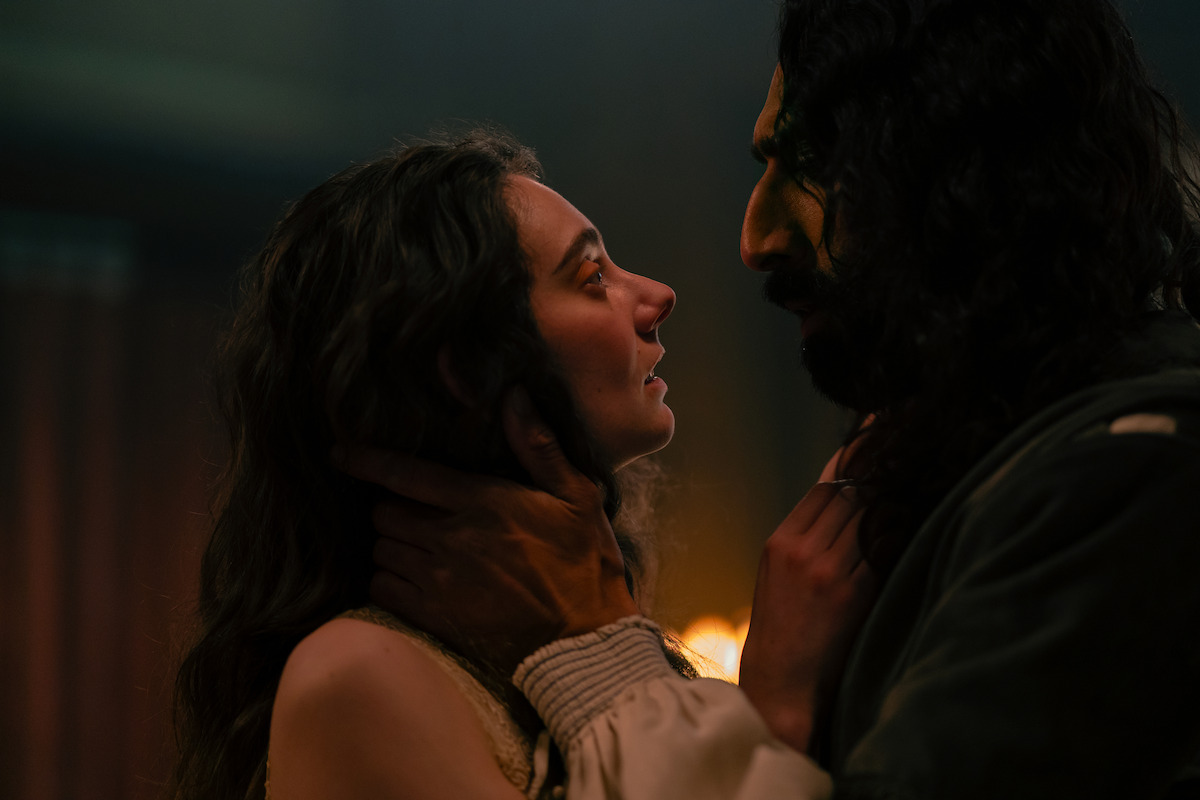
When you watch the show, the chemistry is off the chain because we all got on so well. I had a lot of intimate — not always physically intimate — scenes with Douggie and with [Tanya Reynolds as Licisca], so the three of us were in this weird situation where we were working a lot together, and we got very close and we spent a lot of time going to each other’s houses, having dinner, and walking around the town and going clothes shopping. It was really important to build a friendship to create that chemistry.
Those scenes are as far from sexy as it’s possible to be. They are the true test of acting because it’s just layers and layers of foam between two human beings. You’re trying to convince a camera and an audience that there is genuine desire and lust there.
And so you just have fun with it. Sophie Cooch, one of our intimacy coordinators, was incredible at her job. It was a question of choreographing down to the amount of thrusts that the scene would be. Once we were comfortable with what it would be, we could really lean into it and just throw ourselves at it.
What does it mean for you personally to play a character like Dioneo?
That’s something that a South Asian man has never been really able to do. This Lothario fantasy romantic role, although it may seem vacuous, is a huge step forward for me because it’s also a role that South Asian men are not often allowed to play. We’re definitely allowed to be a funny friend or the one who dies first. But to be the focus of attention of a leading woman or another leading man is quite a lucky thing.
Watch Chadha-Patel in steamy action in The Decameron now.