Behind the Scenes
Who Was Princess Diana’s Boyfriend, Dr. Hasnat Khan?
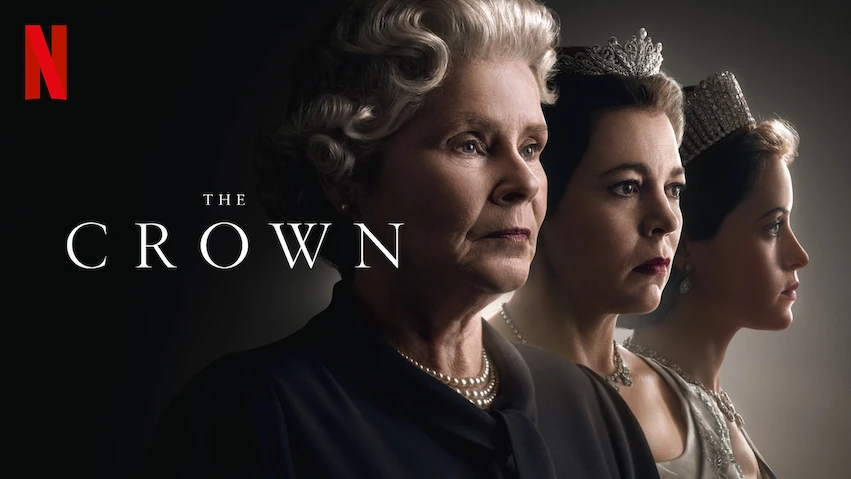
The Crown: The Official Podcast breaks down Season 5, Episode 7, “No Woman’s Land.”
Nov. 23, 2022
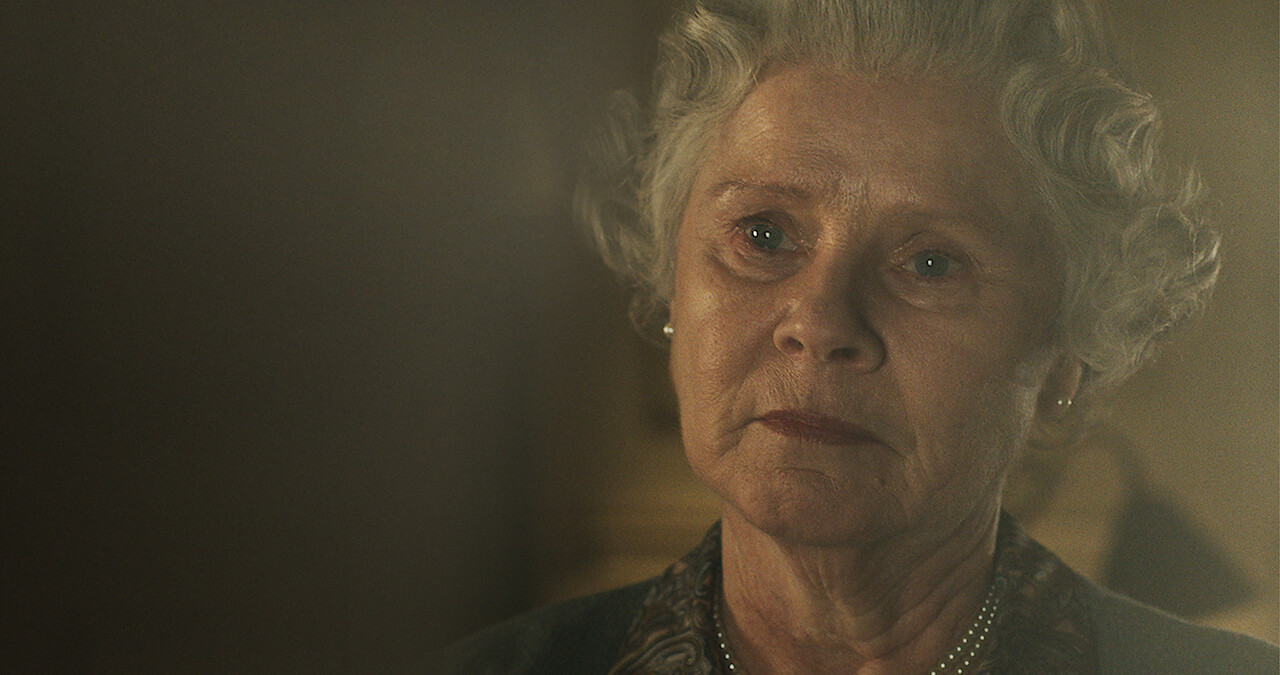
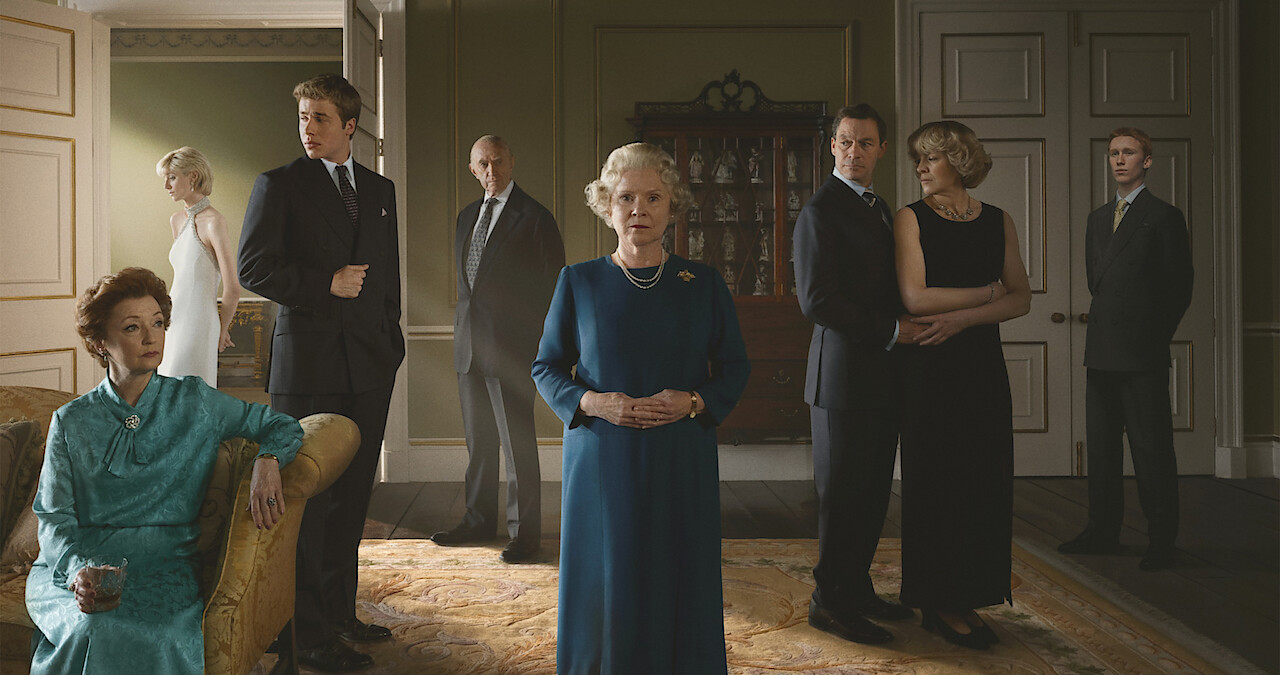
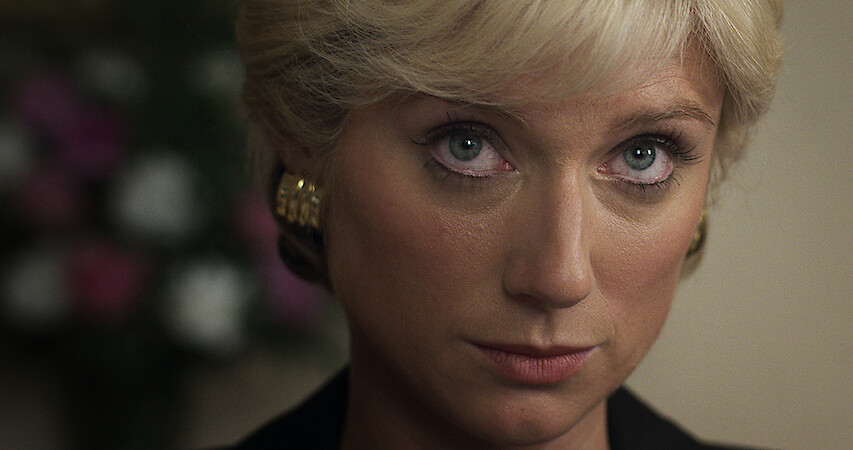
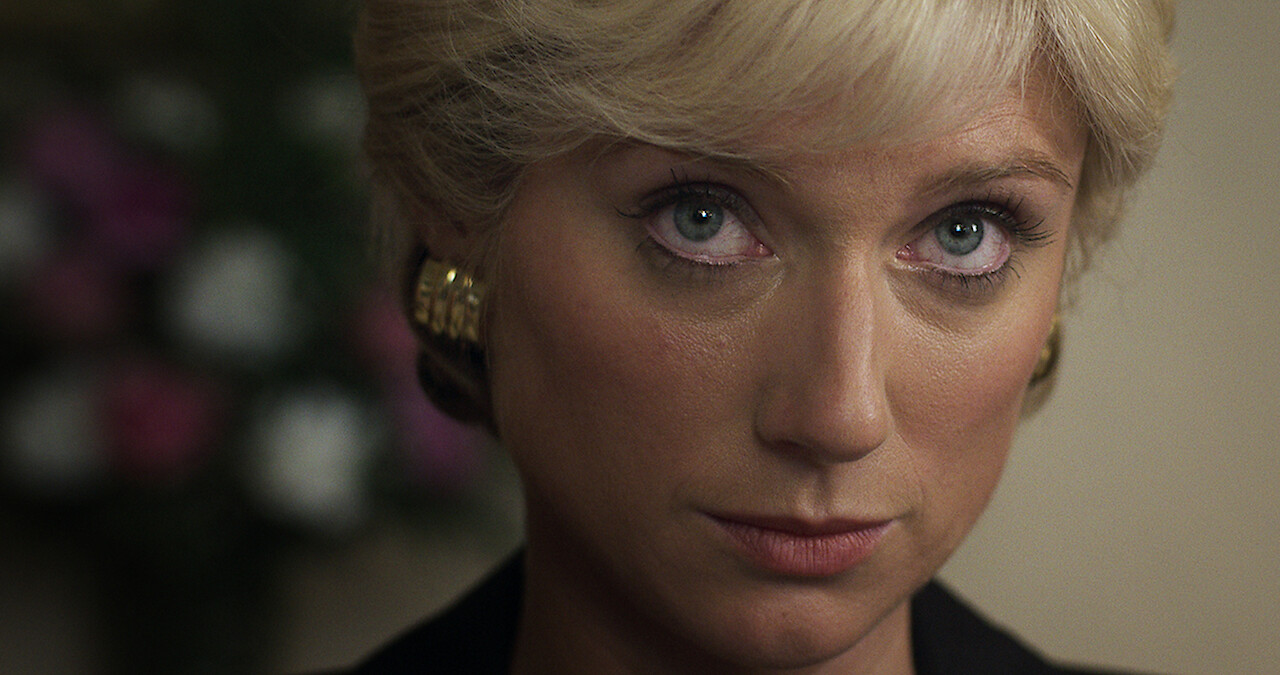
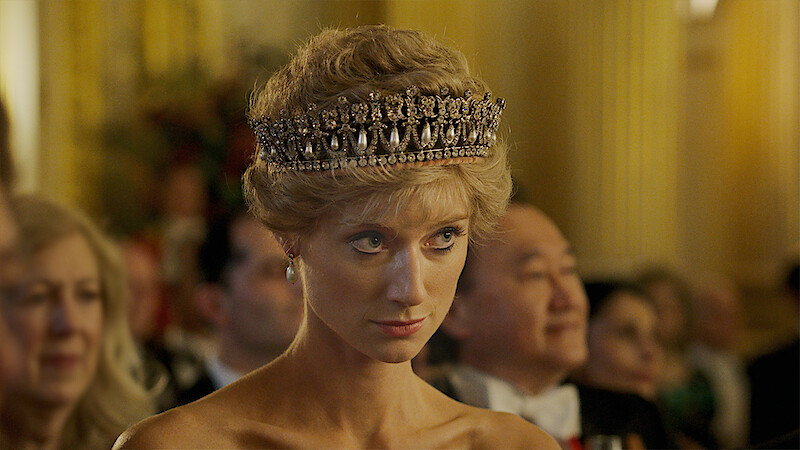
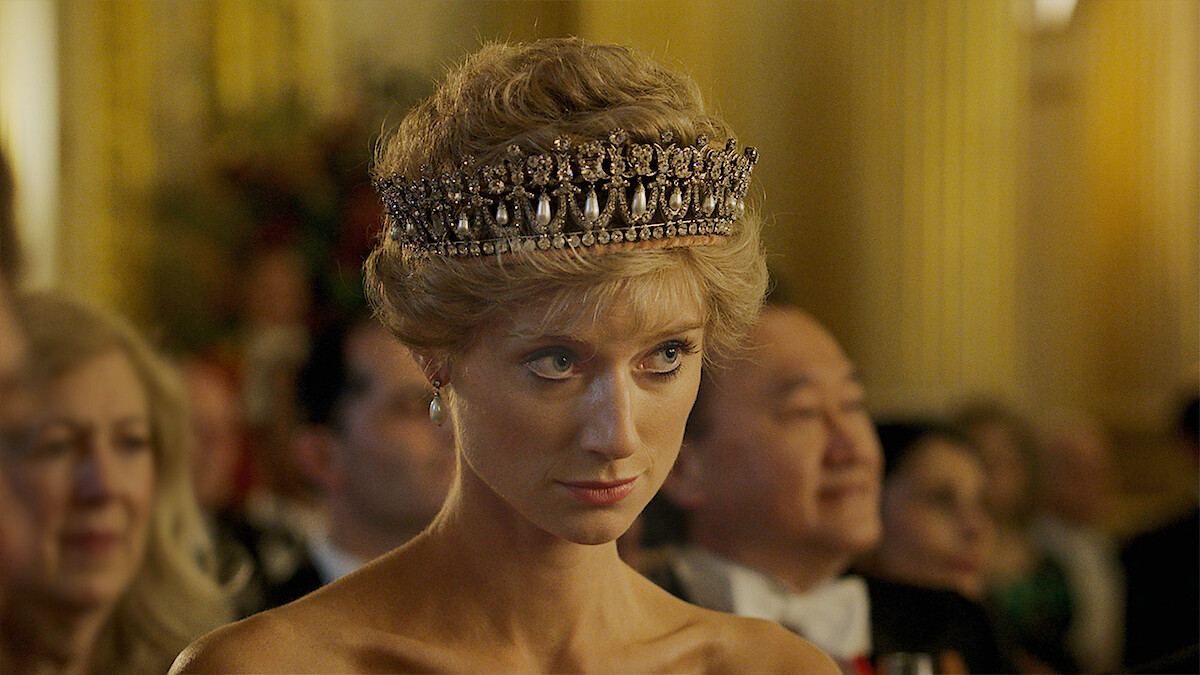
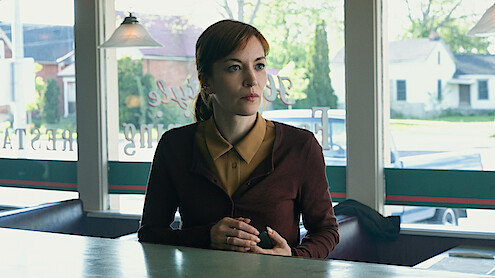
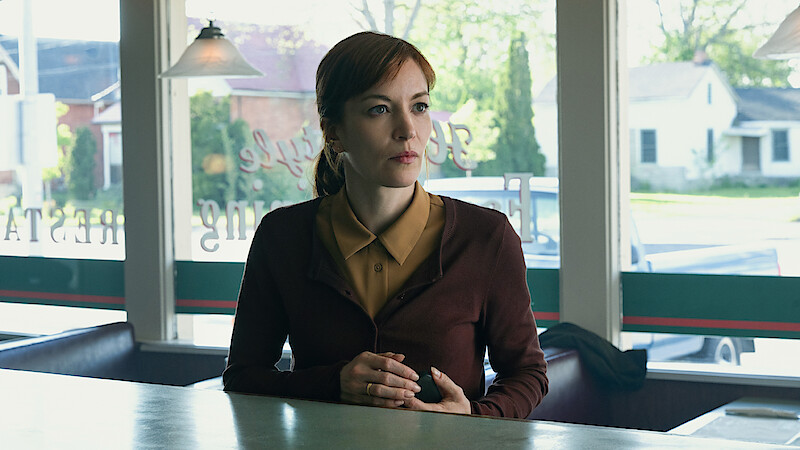
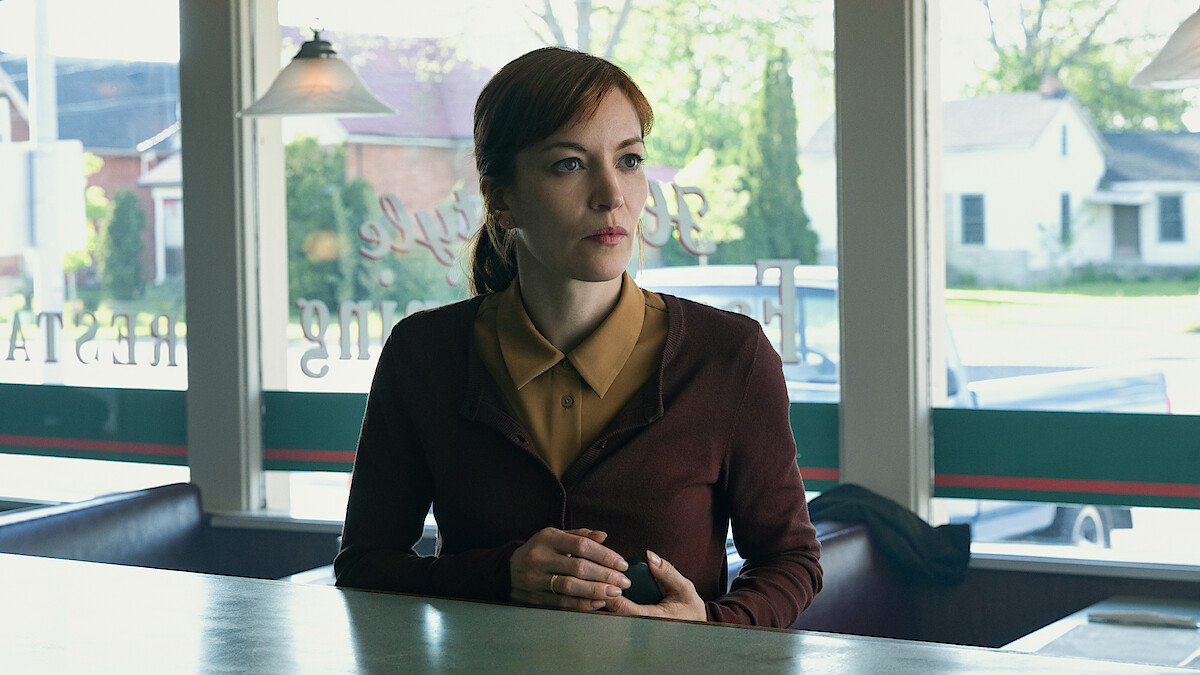
Episode 7 of The Crown Season 5, titled “No Woman’s Land,” begins with Princess Diana (Elizabeth Debicki) slowly coming to terms with her recent separation from Prince Charles (Dominic West). Turns out, it’s a lonelier life than she expected.
“No one prepares you for what it’s like to be separated,” she says in a voice-over as you watch her going about her day solo. “It’s a strange sort of no man’s land... or no woman’s land. Neither married nor single, neither royal nor normal. Like a Harpy, one of those mythological creatures, half woman half bird.”
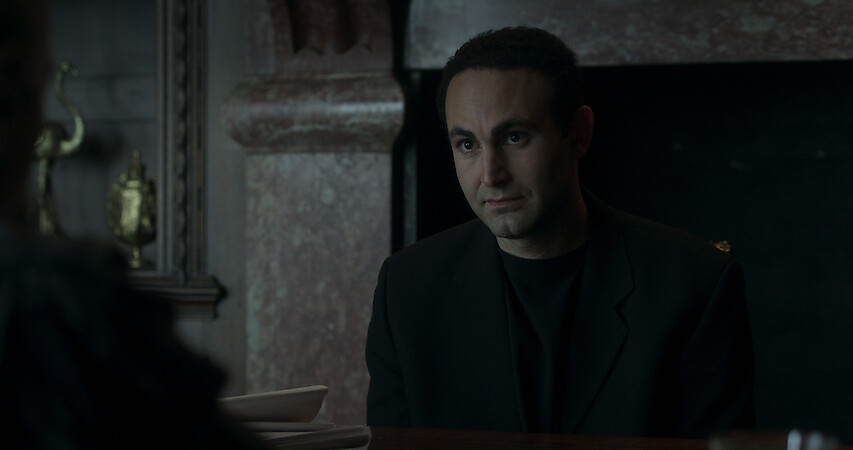
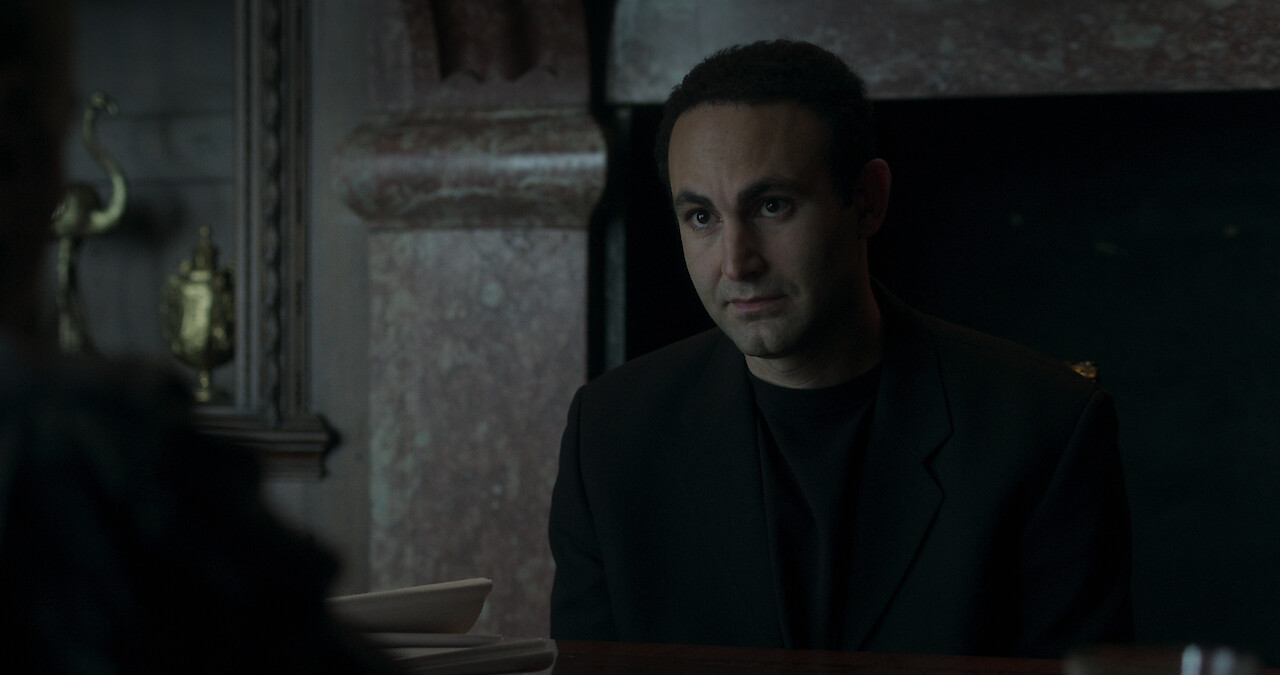
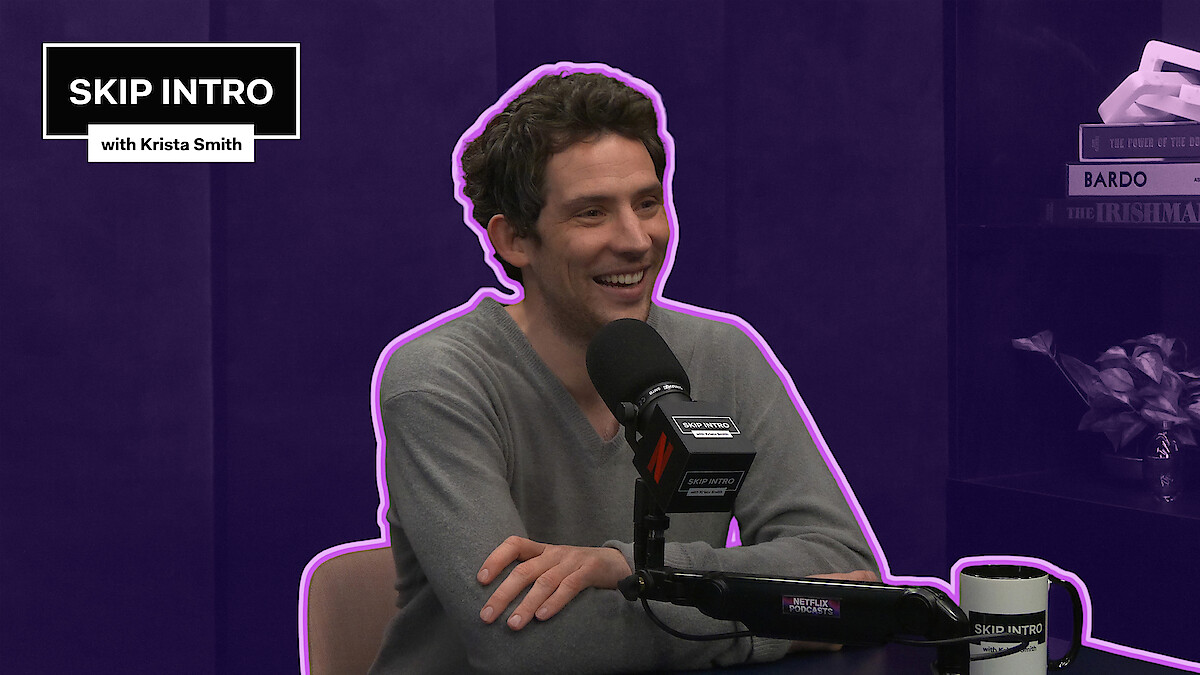
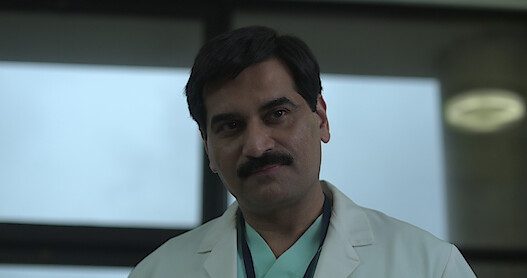
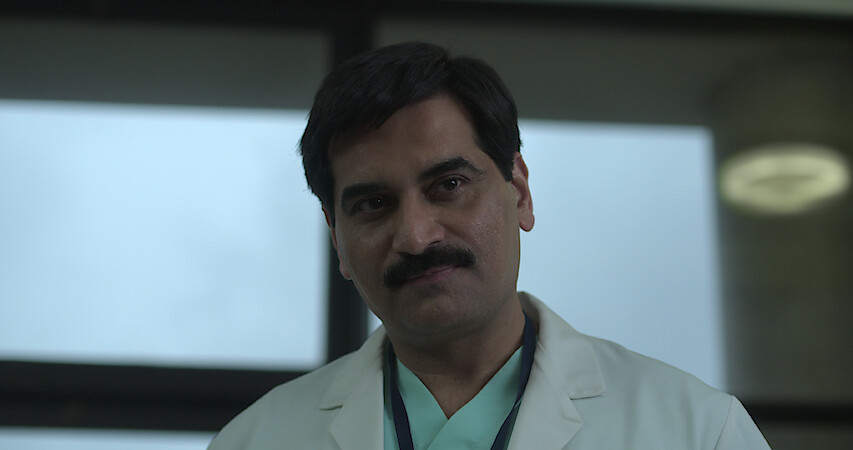
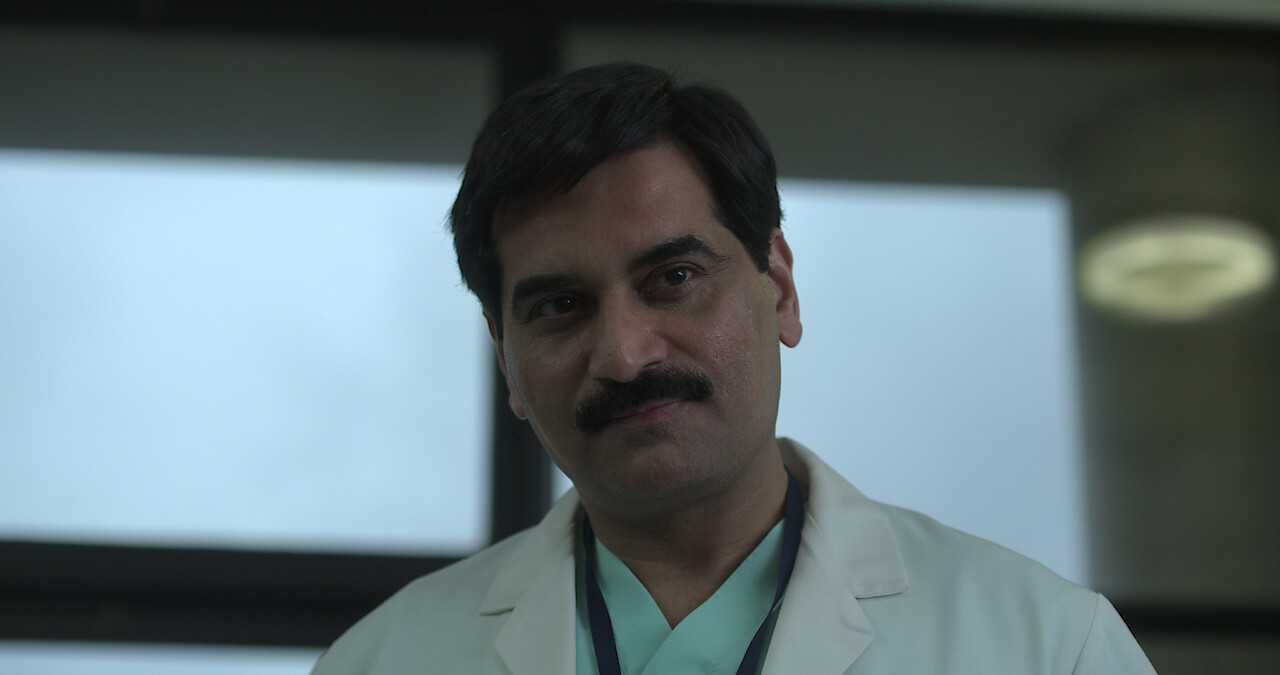
Enter Dr. Hasnat Khan (Humayun Saeed), a Pakistani heart surgeon who starts to see the woman beyond the trappings of royalty or scandal. For a time, it seems like Diana might have a chance at a normal relationship as she and Khan embark on a burgeoning romance. But as her paranoia grows over her treatment by the royal family, Diana accepts overtures from BBC journalist Martin Bashir for an interview that could potentially blow up an already charged situation. In this episode of The Crown: The Official Podcast, Edith Bowman speaks to “No Woman’s Land” director Erik Richter Strand about casting Saeed as Diana’s new love interest. You can read an edited transcript of their conversation below.
For more behind-the-scenes insight into “No Woman’s Land,” listen to the full episode to hear from Debicki, costume designers Amy Roberts and Sidonie Roberts and head of research Annie Sulzberger.
Edith Bowman: Let’s focus in on Episode 7 of Season 5, “No Woman’s land,” which is very significant in Diana’s journey this season. I spoke with director Erik Richter Strand.
Erik Richter Strand: It’s an episode that very much centers on Diana and how she, in the fall of 1995, met Martin Bashir and was ensnared into agreeing to doing an interview, which would later come back to haunt her and become infamous. At the same time, the episode also deals with how she meets another man, Hasnat Khan, a potential love interest and someone she grew very fond of.
So both these two storylines come from her sense of loneliness, hence the title in “No Woman’s Land,” finding herself in this middle role where she’s neither royal nor normal or personal or private and trying to just cope with that and being in that part of her life, a very easy prey for someone who comes in and tries to manipulate her.
Bowman: Was it hard to remove your own opinions about particularly how that interview came about? In the last couple of years, there’s been investigations done on what went on at that time, but is it hard to kind of remove your own personal opinion about things like that when you’re working out how to portray that within the show?

Richter Strand: Not really difficult because, actually, this script was written while the Dyson report was still being commissioned or still being presented. So the script was following a line of reasoning that turned out to be validated in a way by the Dyson report when it came out. We learned that we could probably go even further with it, but the idea was to portray what happened, how it may have happened and what effect it had on Diana and the entire country. The trick is you don’t want to just make Martin Bashir into a villain who you can’t sympathize with.
You have to try to create a version of both Martin Bashir and Diana that you can sympathize with. You can sympathize with both of them in the situation that they find themselves in; you know, there’s some things in there that I find are essential in order for us to be able to understand that it wasn’t just some evil man trying to do some evil things.
Bowman: You mentioned that, on-screen, there’s different levels of depth there for people who want to kind of go further into it. Is that something that you enjoy doing, kind of, “Yes, there’s everything here on the surface, it tells you what’s going on and its entertainment, but if you kind of look further and deeper into it, there are other things there for you to find”?
Richter Strand: Absolutely. I’m glad you see it that way and that’s intentional for sure. There are scenes in there that aren’t necessarily telling you what to think or interpret, where you’re just watching someone being in a room or sitting on the side of a swimming pool or putting on makeup or just where you can project your own emotions or your own interpretations onto what you’re watching.
If I have an extra 10 minutes to film something, I’ll always try to find a place to put the actor, where I’ve got good light and I’ve got a good situation, and just try to film a situation where they are simply being themselves in a room. Because that comes in so extremely handy in situations where you need that moment of reflection and where you need that moment of contrasting something that you just cut from.
You know, I’m really glad we did the swimming pool sequences, where we are underwater with Diana right at the beginning of the episode, when she talks about being in this “no woman’s land.” And also the ensuing scene where she’s in this slightly abstract dressing room with lots of mirrors, going back a hundred mirrors, and then she’s putting on makeup. Thinking of some of those scenes, I feel like they say a thousand words without saying any.





Bowman: Can we talk about Humayun Saeed, who plays Dr. Hasnat Khan? A beautiful actor and a beautiful performance and this just kind of tender reaction to this woman who’s interested in him.
Richter Strand: Yeah. She doesn’t hide it. She comes right out and sort of says it.
Bowman: Yeah, totally.
Richter Strand: I didn’t know Humayun Saeed until I started doing the casting for this episode, and I understood early on that he was a major star in Pakistan. He’s also a producer, he owns his own production company. He’s a major player. He’s very famous. So I was very excited when I auditioned him and I saw exactly what you described, that vulnerability, that ability to just completely be blank in one moment, and then react with a very sort of finely tuned human vulnerability that comes across very beautifully as Hasnat Khan. Because I think that’s what Diana saw in Hasnat Khan as a real person, someone who didn’t approach her as Her Royal Highness, but someone who was simply just a man that she could talk to and who eventually fell in love with her for who she was.
Bowman: There’s a lovely scene where she first sees him, and it’s just Elizabeth’s perception and tone. You gave her so much time to play it and react to it, and sometimes it’s the hand over the mouth and leans into things or an eye movement or the head dip. I wondered if there was a conversation about that as well. You know, nothing’s rushed with her and that really gives you a sense of Diana’s movements and her confidence.
Richter Strand: Yeah. Elizabeth’s sense of timing as an actor is really strong. This scene that you mentioned when they’re at the hospital. A lot of her job is to listen, because Hasnat Khan comes in and he has this very slightly technical monologue about the operation that just had to go through. So she’s just watching him. I really enjoy that camera move, where you start with the two of them, Diana and her friend Oonagh, and as we realize that she’s looking at him, we gently push in and remove Oonagh from the frame, and we end up in a close-up on just Diana who’s looking, sort of batting her eyelids at this handsome doctor. And I love that because it tells you everything you need to know, and then when he’s delivered this quite tragic news at the end of which he says, “Goodbye.” And she smiles at him in a way that’s like, she’s obviously quite smitten by him. I love the way she played that. It’s just about giving her time, but if you look at that scene, there are hardly any cuts in it. We stay very much focused on what she delivered on the day.
This interview has been edited for clarity and length. For more, check out the full episode of The Crown: The Official Podcast.