The investigative thriller The Asunta Case (El Caso Asunta), starring Candela Peña and Tristán Ulloa, tells the story of one of the most shocking true crimes in Spanish history. In 2001, a baby from China named Asunta Fong Yang was adopted by Rosario Porto and Alfonso Basterra, a well-to-do couple living in Santiago de Compostela, Spain. Thirteen years later, she was found dead. Her parents, who’d reported her disappearance, were later arrested for her murder. As the news rippled across the country, the question on everyone’s mind: Why?
Directed by Carlos Sedes and Jacobo Martínez, the series was created by Ramón Campos (Gran Hotel), Gema R. Neira (High Seas), Jon de la Cuesta (Estoy Vivo), and David Orea (Jaguar). Campos directed the 2017 documentary about the case, El caso Asunta: Operación Nenúfar, originally titled Lo que la Verdad Esconde: El Caso Asunta.
When will The Asunta Case be released?
Stream it April 26.
Where can I find the trailer for The Asunta Case?
Check it out at the top of this page.
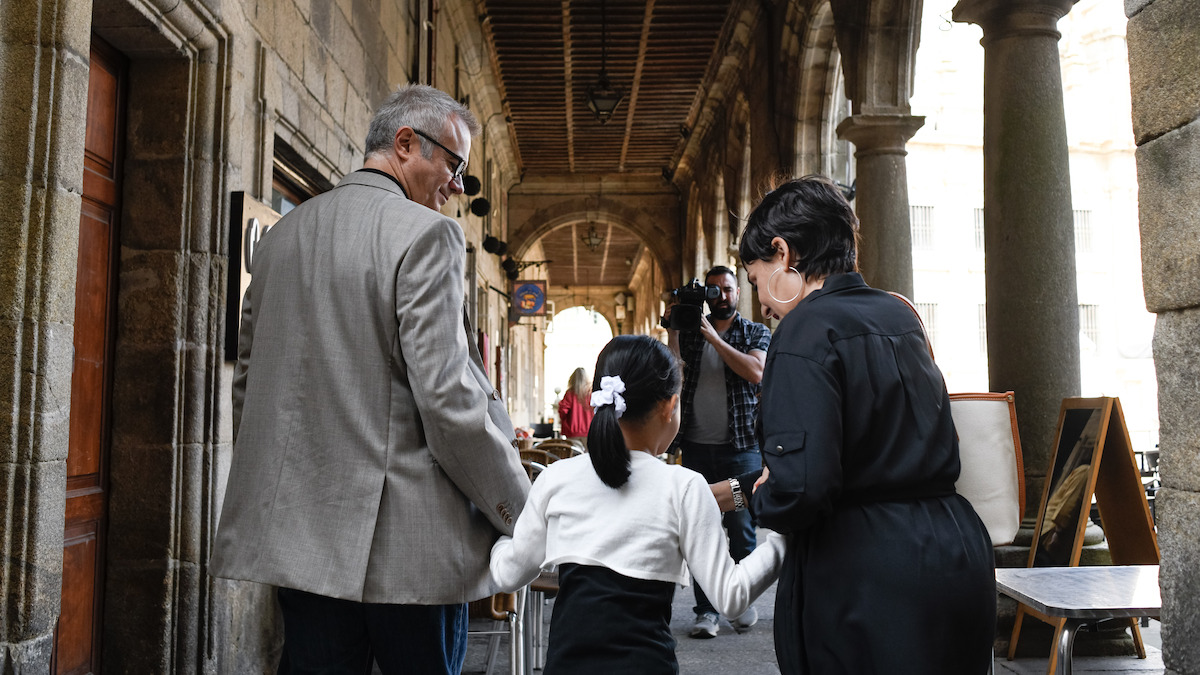
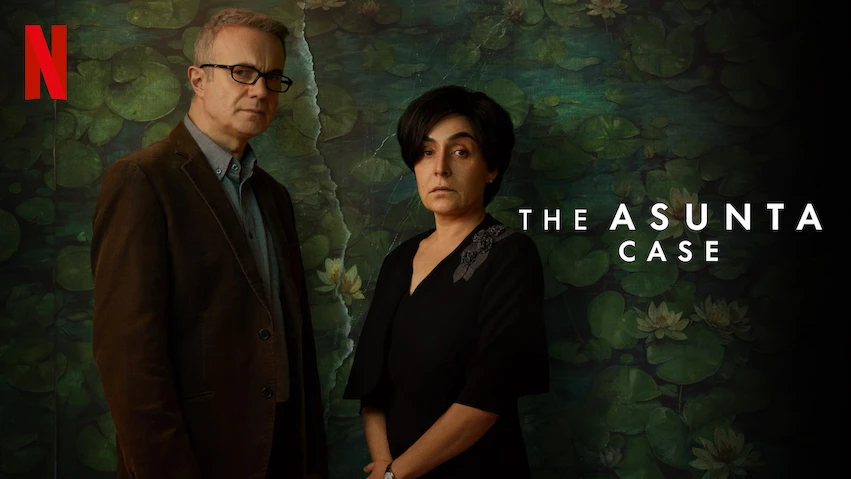
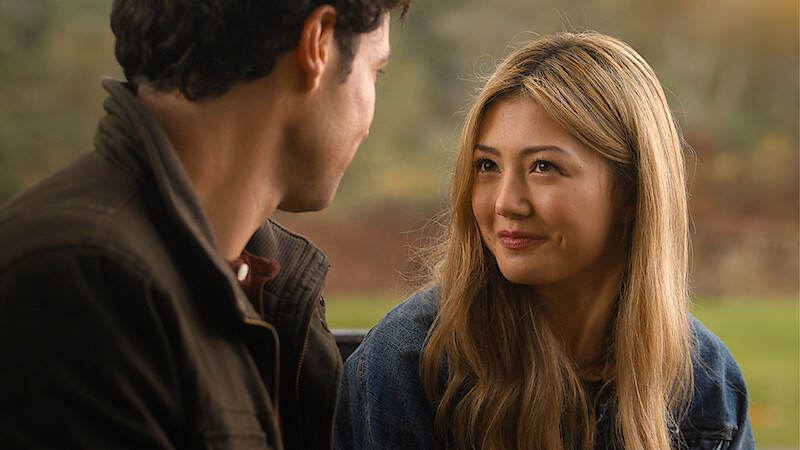
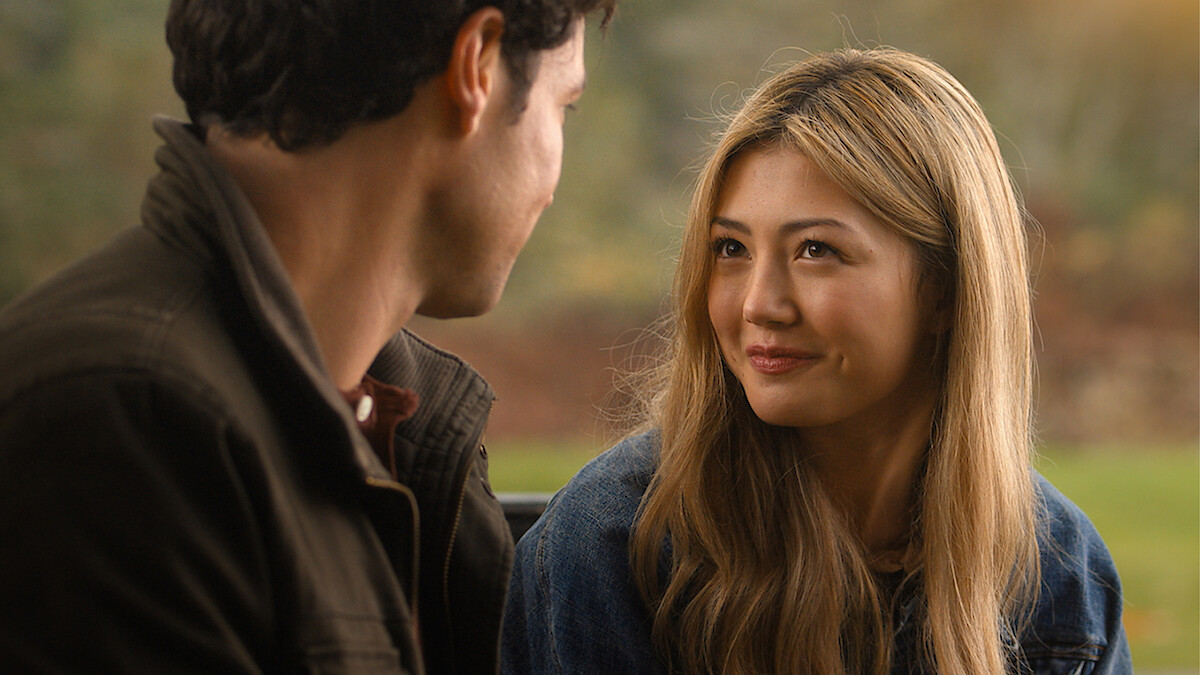
Tristán Ulloa, Iris Wu, and Candela Peña in The Asunta Case
Who’s in the cast of The Asunta Case?
- Candela Peña (Hierro) as Rosario Porto, Asunta’s mother
- Tristán Ulloa (Berlin) as Alfonso Basterra, Asunta’s father
- Javier Gutiérrez (Champions) as Judge Malvar
- María León (Sin Fin) as Agent Cristina Cruces
- Carlos Blanco (Money Heist) as Agent Javier Ríos
- Francesc Orella (Mirage) as Juan José Dominguez
- Iris Wu as Asunta Fong Yang Basterra Porto, aka Asunta Basterra Porto
- Raúl Arévalo (Santo) as Rodrigo Maneiro
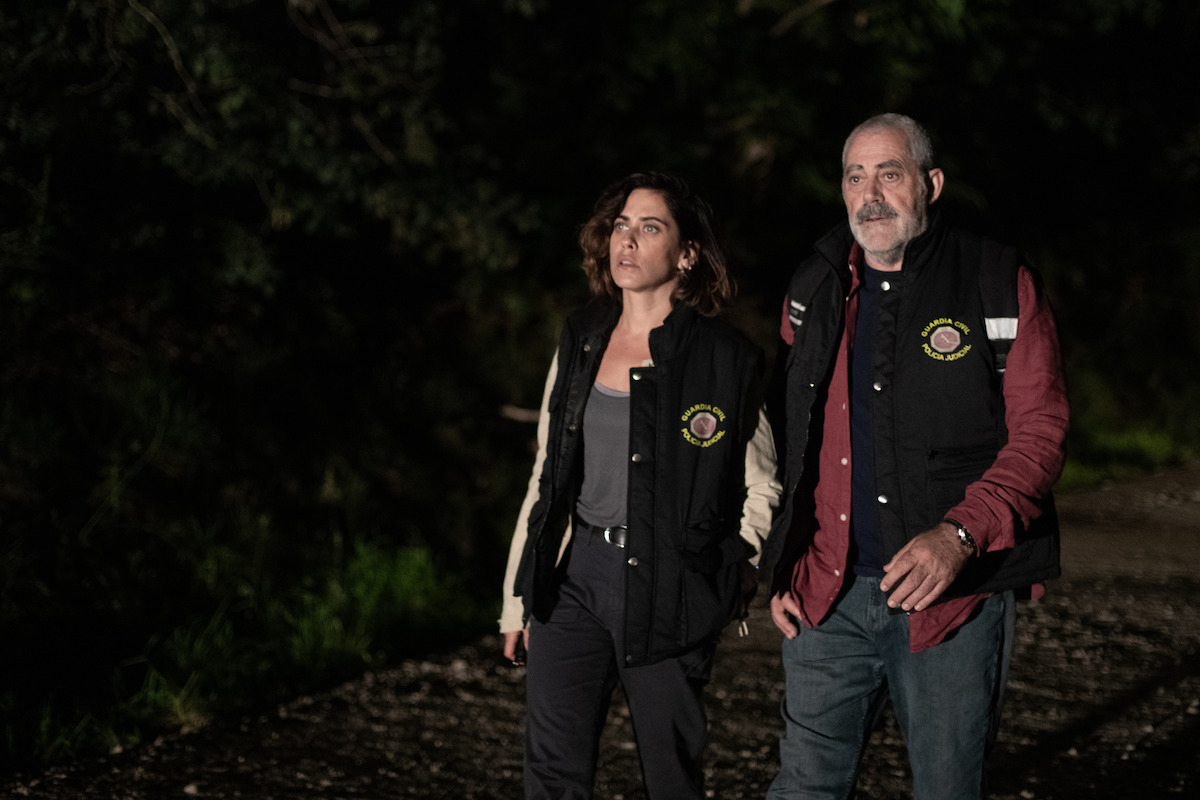
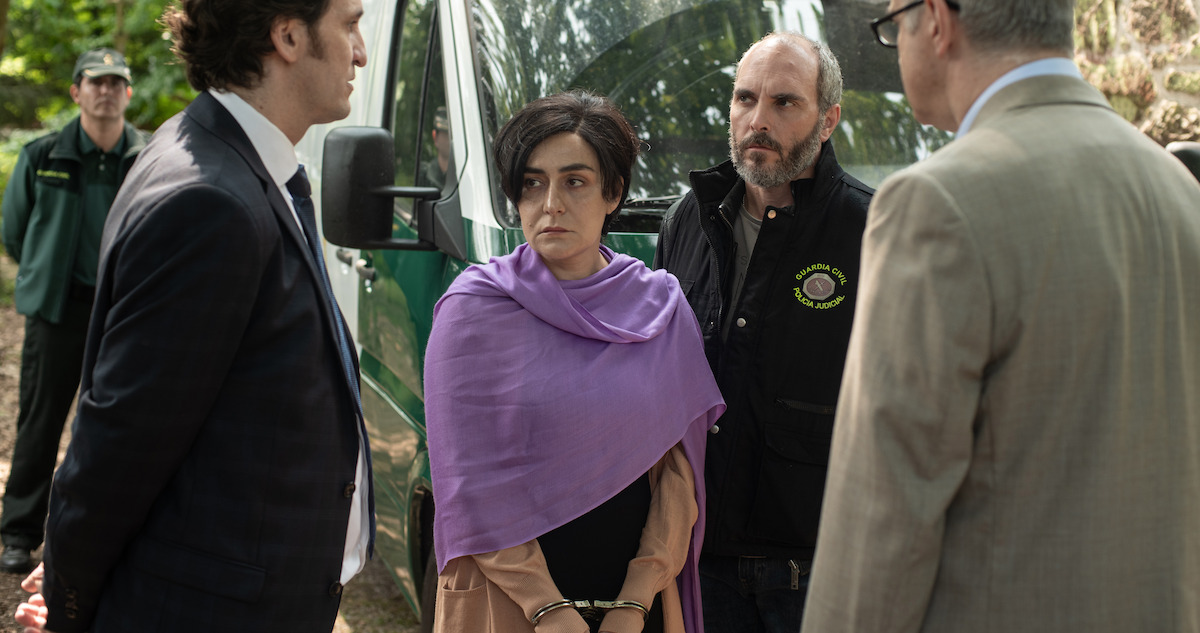
María León and Carlos Blanco in The Asunta Case
What happens in The Asunta Case?
The series follows Rosario (Peña) and Alfonso (Ulloa) from the night they report their daughter, Asunta (Wu) missing. When the cops, Cruces (León) and Ríos (Blanco), investigate the couple, they — along with Judge Malvar (Gutiérrez) — begin to suspect there’s more to Asunta’s disappearance and death than Rosario and Alfonso led them to believe. The Basterra-Portos were known to their loved ones as a picture-perfect family … so what, exactly, do Rosario and Alfonso have to hide?
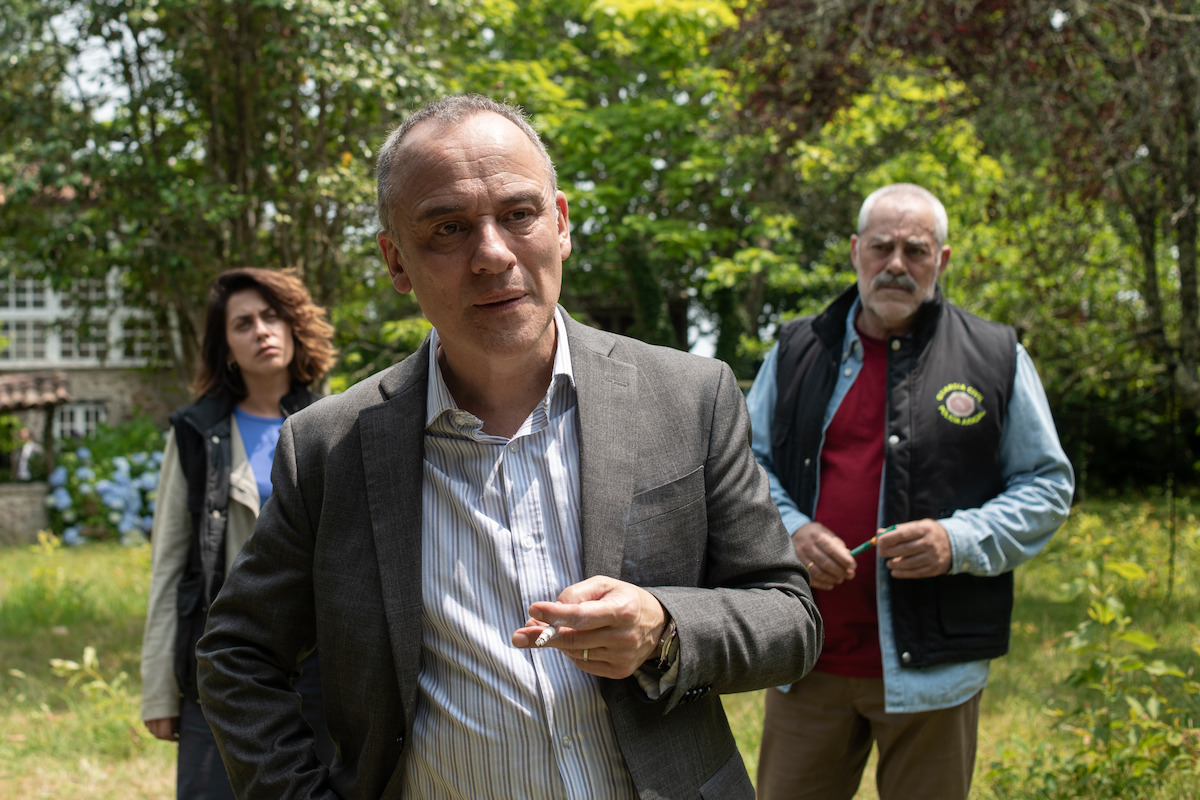
María León, Javier Gutiérrez, and Carlos Blanco in The Asunta Case
Where does The Asunta Case take place? Where was it filmed?
The series takes place and was filmed in Santiago, Spain.
The below contains major character or plot details.
Is The Asunta Case based on a true story?
Yes. The Asunta Case is based on the true story of Asunta Fong Yang Basterra Porto’s murder. Rosario Porto, a lawyer, and Alfonso Basterra, a journalist, both in their 30s at the time, adopted Asunta from China when she was 9 months old. They brought her home to Santiago, Spain, in 2001. Porto came from a well-connected family, and she and Basterra lived in a wealthy area of the city.
Asunta was a high-achieving child in and outside of school. She excelled academically and spent much of her free time taking private lessons to study English, Chinese, French, ballet, violin, and piano.
In 2013, Porto and Basterra divorced after Porto had an affair. However, Porto’s worsening health issues — including a history of psychiatric issues — and their desire to keep Asunta’s home life consistent led the couple to stay together even after their divorce was finalized.
On Sept. 21, 2013, days before Asunta’s 13th birthday, Porto and Basterra reported her missing to the police. Porto also told police about an alleged incident earlier that year in which a man entered their home late at night and attempted to strangle Asunta, then fled when Porto intervened. Neither of Asunta’s parents reported the incident at the time.
Hours after her parents reported her disappearance, Asunta’s body was found on the side of the road in Teo, Spain, just outside the town she lived in. It was later determined she died by asphyxiation and from a high dose of lorazepam, a drug her mother used for anxiety. The ensuing investigation led to Porto and Basterra becoming prime suspects for a number of reasons — among them, that Asunta had previously shown signs of being drugged and that Porto and Basterra had been seen with their daughter the day of the murder, despite their statements to the contrary. Porto was arrested two days after Asunta’s body was found, and Basterra a day after that.
The case and its trial sparked a media frenzy in Spain. No clear motive for the murder was ever established, and both parents maintained their innocence. In 2015, two years after Asunta’s death, Basterra and Porto were found guilty of murder and sentenced to 18 years in prison, where Basterra remains. Porto died by suicide in prison in 2020.