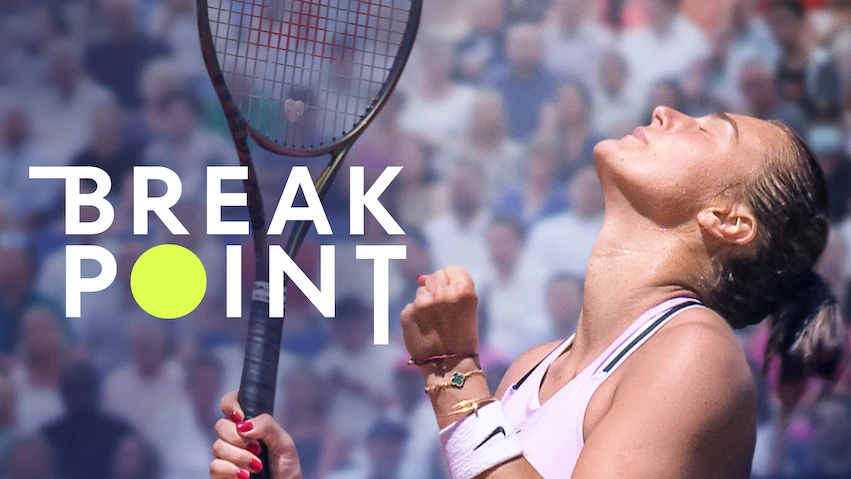
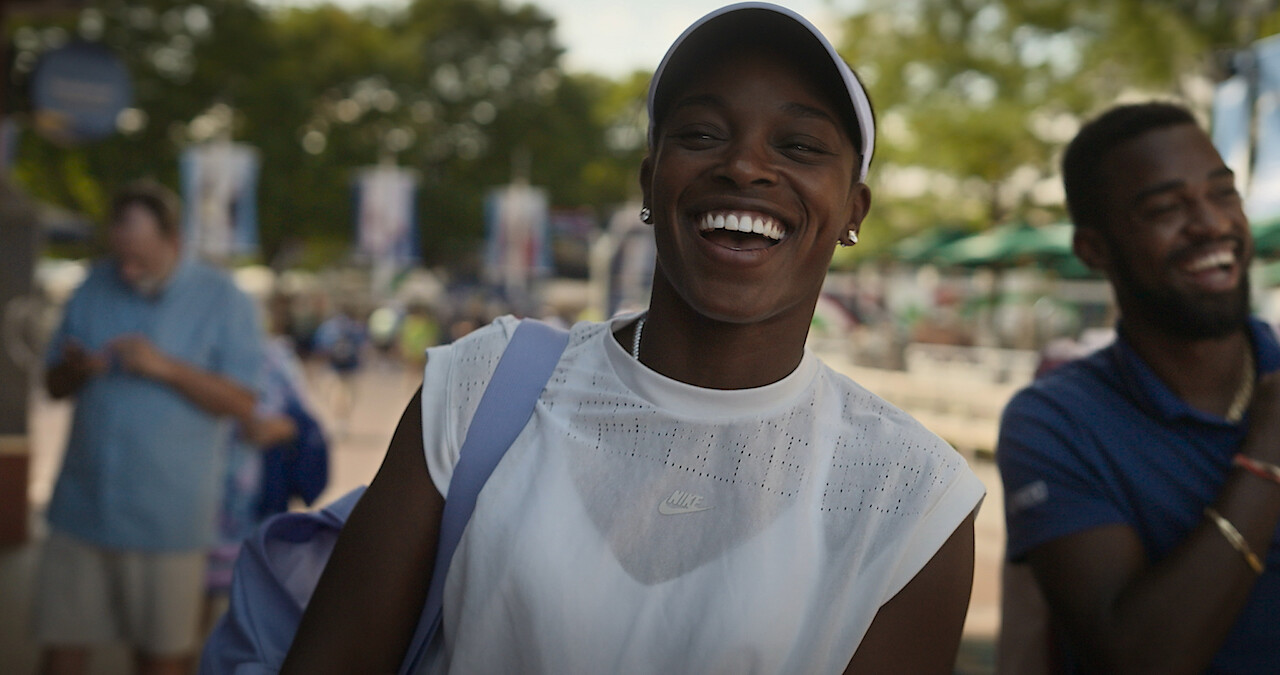
Even if you’re not completely sure what’s happening while watching this year’s US Open, big moments on the court (like Daniil Medvedev’s fiery match against Benjamin Bonzi) are riveting to watch. Each serve puts people on the edge of their seats, and everything can change in an instant. Newbies don’t need a rule book to feel a shift in momentum, and you don’t have to know about the trajectories of topspin to understand the fear that Taylor Fritz’s backhand produces. Tennis pros are dancers and warriors, and the grace and strength required to score a point is mesmerizing to witness (especially as it’s depicted in Break Point, in slow motion).
But we know you have questions. The lingo is bizarre, and the norms are anything but normal. Here’s a tennis primer to get you started on your path to becoming a tennis superfan.
Tennis is as hard on the psyche as it is on the body.
The mental element of tennis is a major revelation in Break Point’s behind-the-scenes footage. Athletes must not only be physically tough, but also have iron-hard resilience and fortitude. Tennis is a year-round sport that doesn’t allow for lingering devastation, whether that’s between tournaments or from one lost set to the next.
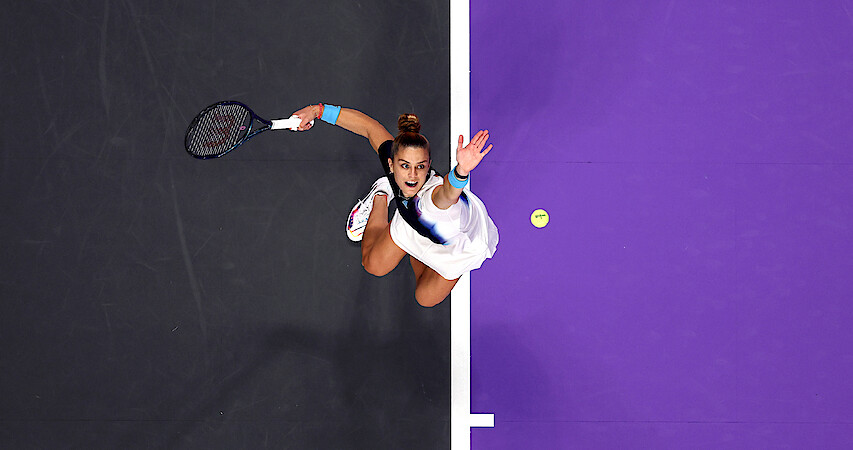
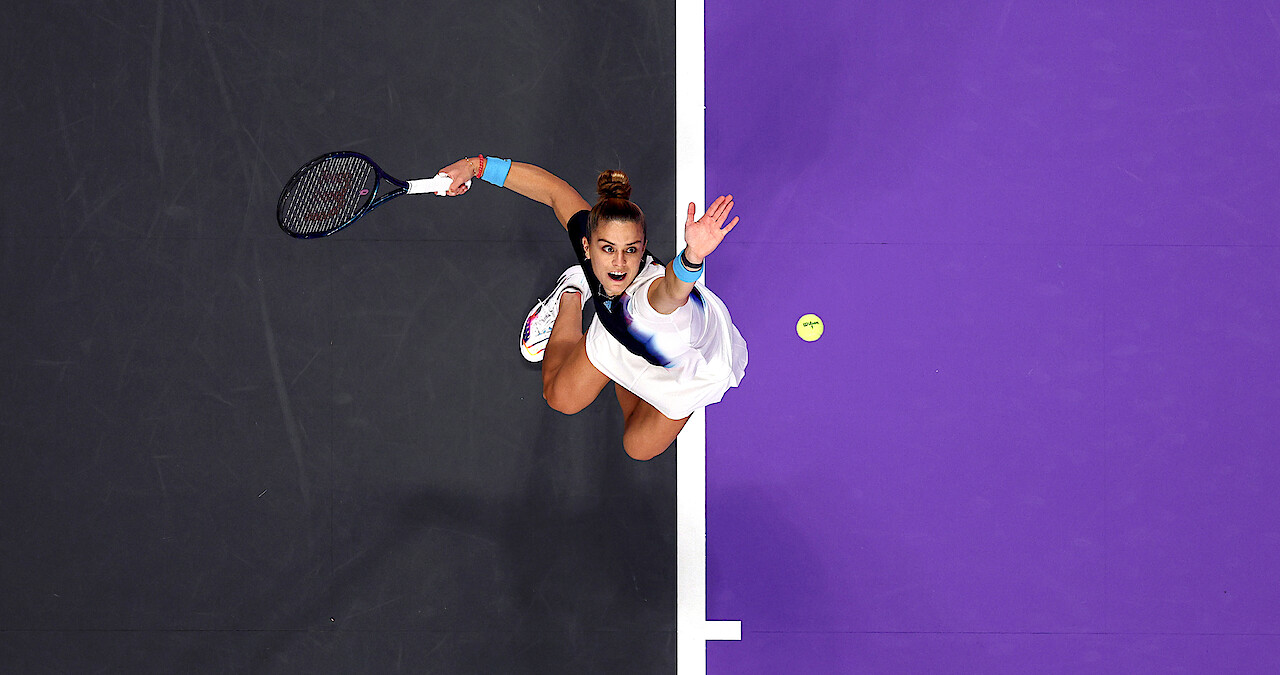
“I’d say it’s 70% mental, 30% physical,” Maria Sakkari tells Tudum. Winning a tournament means you never lose a match — and only one person can achieve that. The majority of players lose constantly, and all by themselves, which can be isolating and discouraging. “You have to train your mind every single day and just try and improve on that as much as you can. Because the pressure just increases. And you want to be the best, you want to win the most tournaments, you want to win every single match out there. So you have to be able to control that, and you have to be able to keep count during the court. That’s the most challenging part of the sport.”
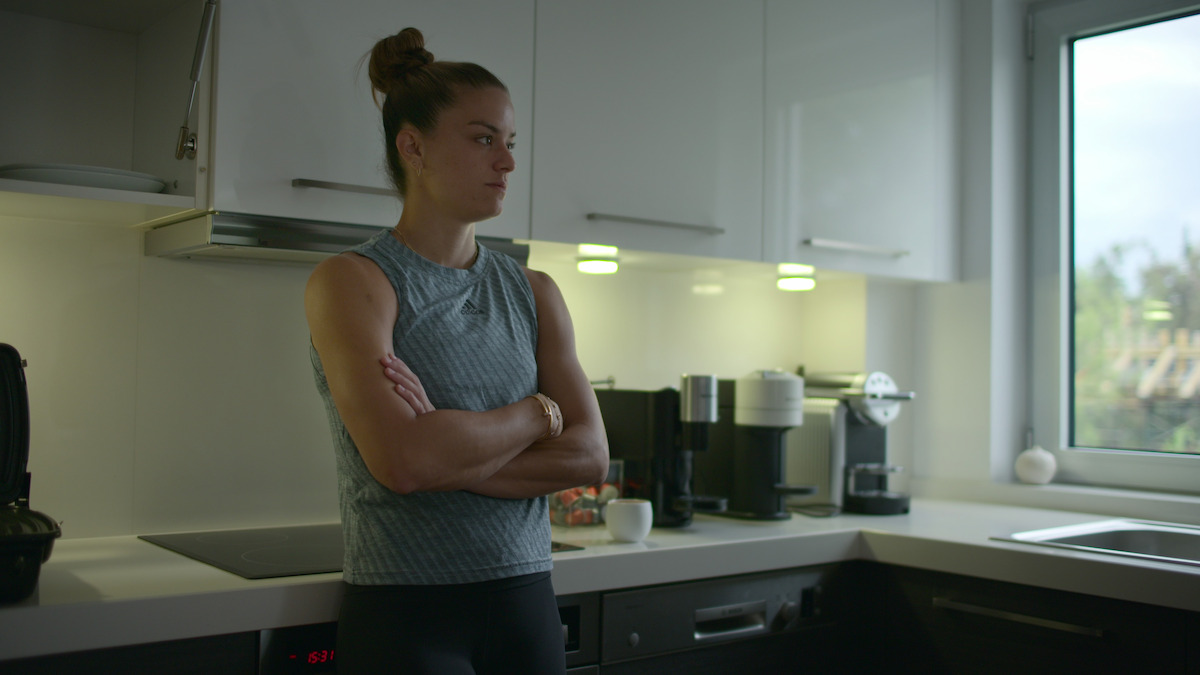
Maria Sakkari in a contemplative moment during Break Point.
What is a Grand Slam?
Think of a Grand Slam like the EGOT of tennis: It’s achieved when a player wins all four major tournaments in one calendar year. Other types of recognized Grand Slams include the career Grand Slam, where a player wins all four tournaments over the course of their career, and the non–calendar year Grand Slam, where a player wins the four tournaments consecutively over two years.
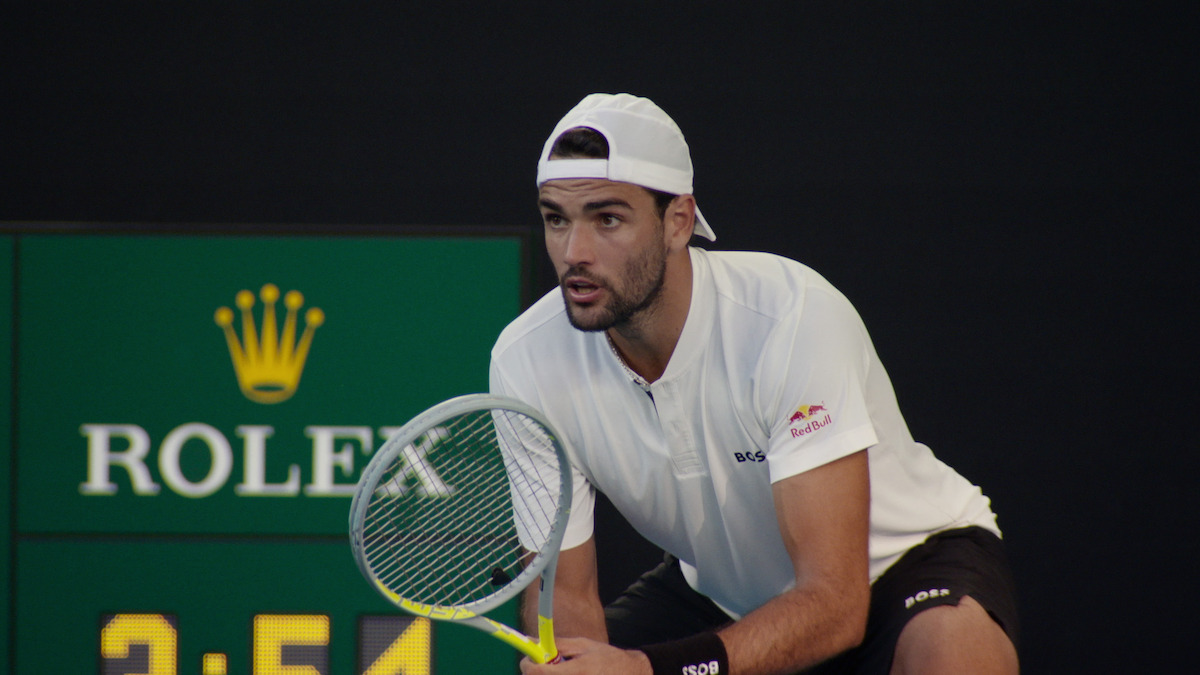
Matteo Berrettini waiting to receive a serve.
Wait, a Grand Slam isn’t a tournament?
Today, the four majors are also informally called Grand Slams. If someone says that Matteo Berrettini will win his maiden Grand Slam this year, they mean his first major tournament. (And they’re probably talking about Wimbledon, specifically. Make that bet early!)
Tell me about the four major tournaments, then!
The Grand Slam tournaments are the Australian Open (held in January), Roland-Garros (held in late May and early June, also known as the French Open), Wimbledon (held starting in late June or early July) and the US Open (held in late August and early September). These are the most important tournaments in tennis. Their esteem is reflected by the massive media attention, global interest, potential points players could earn and prize money.
Speaking of money, the 2023 Australian Open has a total prize pool of $53 million (USD). The singles champions will earn over $2 million of that pot.
What are the different surfaces, and why do they matter?
There are three primary court surfaces: Clay, grass and hard (an acrylic-coated concrete or asphalt).
The French Open is the most famous contest played on clay. If you hear that a player is “good on clay,” like Casper Ruud, they’re likely patient, talented baseline players conditioned for long matches. For other great clay performers, watch Ons Jabeur and Paula Badosa.
Grass is the most traditional of tennis surfaces. The oldest major, Wimbledon, is a grass court. If clay is about playing the long game, grass is like playing a podcast at 2x speed. It requires unshakeable focus and quick, crafty reactions. Don’t miss Berrettini on grass or (again!) Jabeur.
Simon Stacpoole/Offside/Offside via Getty Images
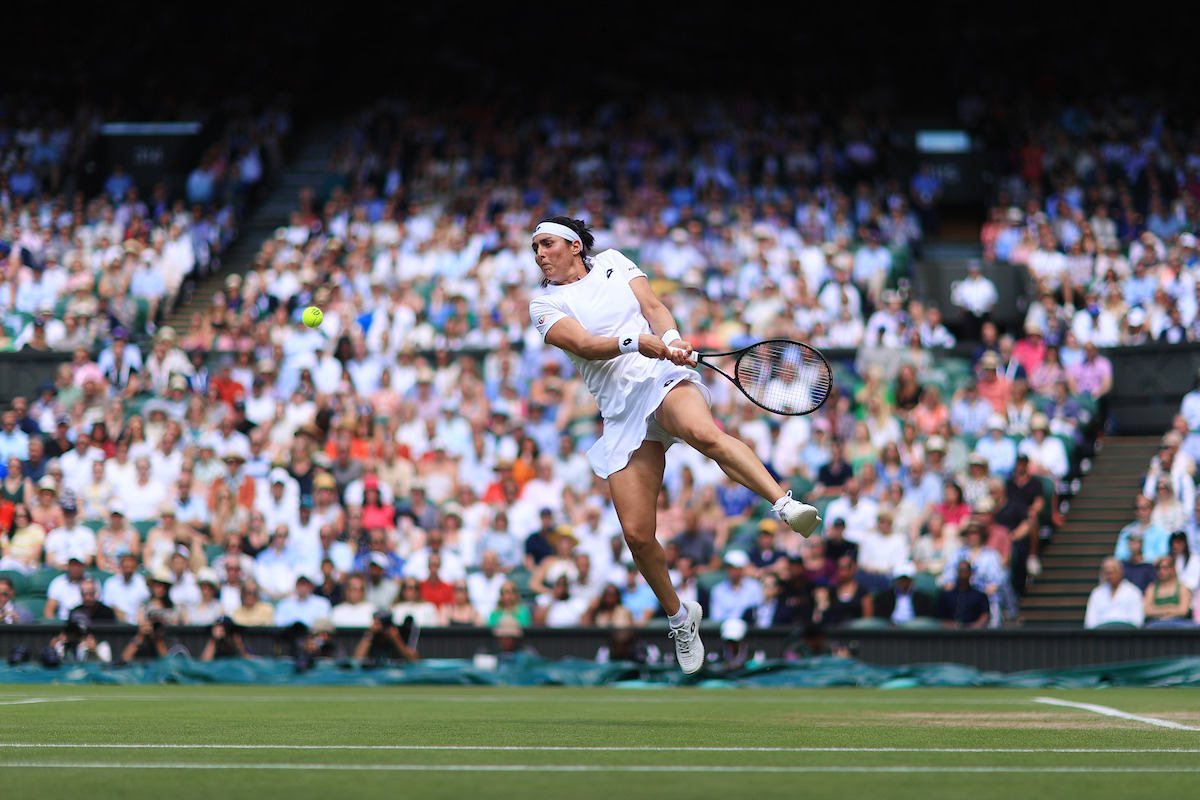
Ons Jabeur takes off on grass.
Last is the hard court, seen in the Australian Open and the US Open, which offers more consistency than clay or grass. Generally faster than clay and slower than grass, a good hard court requires that players be equipped with a well-rounded skill set and a couple bags of tricks. Up-and-comer Félix Auger-Aliassime is a must-watch on hard courts and so is all-surface player… Jabeur.
Tennis crowds don’t lift their pinkies to drink anymore, but they do have manners.
Tennis began as a sport for the aristocracy, and it’s still perceived as a sport for rich kids. It’s no longer as inaccessible to different socioeconomic classes as it used to be, but there’s still an elitist etiquette associated with it. While Sakkari has never felt disrespected by any crowd, she says the decorum varies from country to country.
“Obviously it depends on the culture,” she tells Tudum. “Let’s say Italians. We know that Italians in general are outgoing like the Greeks are, they have a different temper. When you go to a British crowd, they’re more calm and quiet… Here in Australia, you have that large community — it can be very annoying for the opponent. But I always try to speak to them and tell them that you can’t just clap or scream in a double fault or [when the opponent makes] a mistake.”
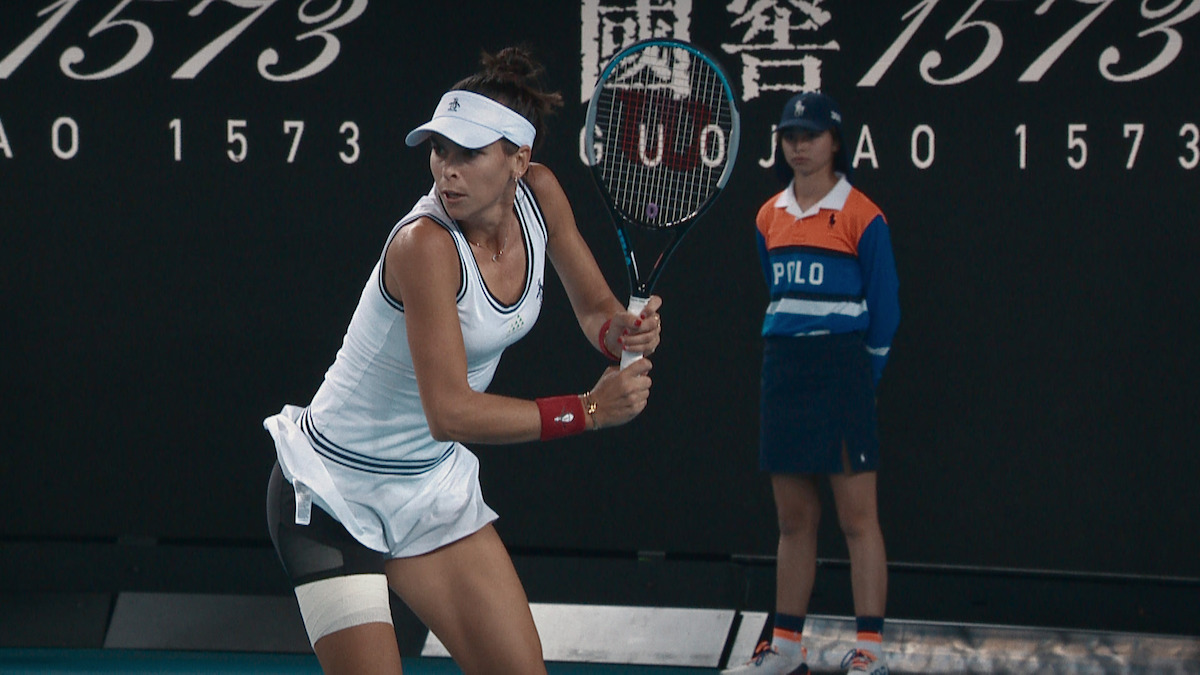
Ajla Tomljanović winds up for a backhand.
How much laundry do tennis players have to do?
There’s no rule in place telling the athletes to wear the same outfit throughout an entire tournament, but many do. Those with apparel sponsorships are sent a number of identical kits by the brand, and in turn, that outfit gets exposure. (Many players under contract don’t have a say in the outfit, because brands want to show off their newest items.) The further the player goes in the competition, the more they’re a worthy investment for sponsors.
The exposure goes both ways: Players become more easily recognizable in any one tournament if you can spot the same maroon shirt as yesterday. It’s also one less decision a player has to make during those two stressful weeks. Fashion is not a net positive in tennis — women have endured literal pain and endless backlash over the years for their outfit choices — but it does add some creative flair in the sport. As far as the laundry, the bigger tournaments have entire teams dedicated to daily cleaning.
Is there more controversy and “bad behavior” in tennis now than other sports?
The “bad boy” character in tennis isn’t new. John McEnroe had more meltdowns in the ’80s than he had inches on his shorts. On YouTube, there are so many videos of Andy Roddick being combative with the chair umpire that one is titled “Andy Roddick’s first meltdown” for chronological clarity.
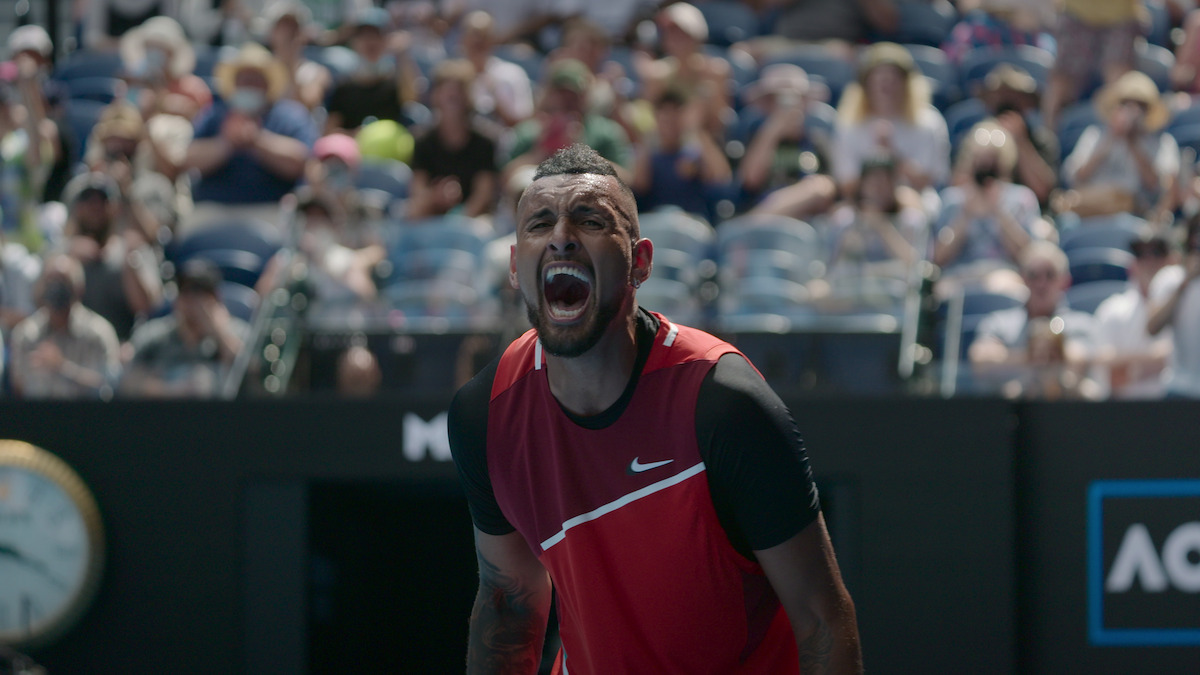
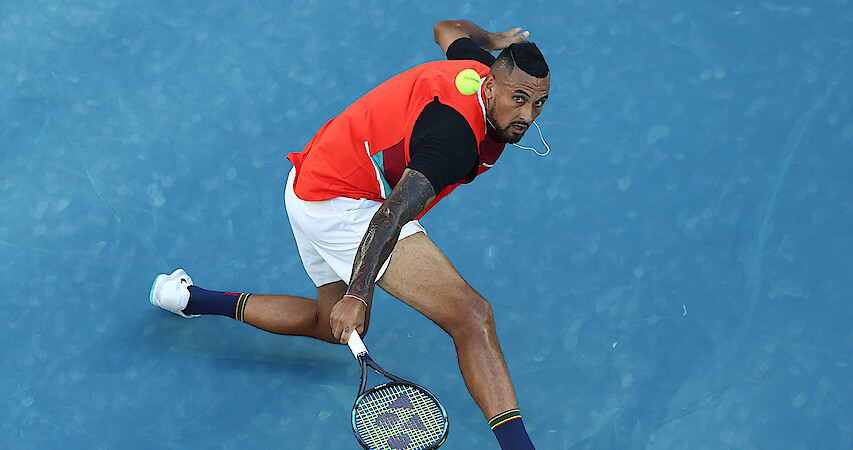
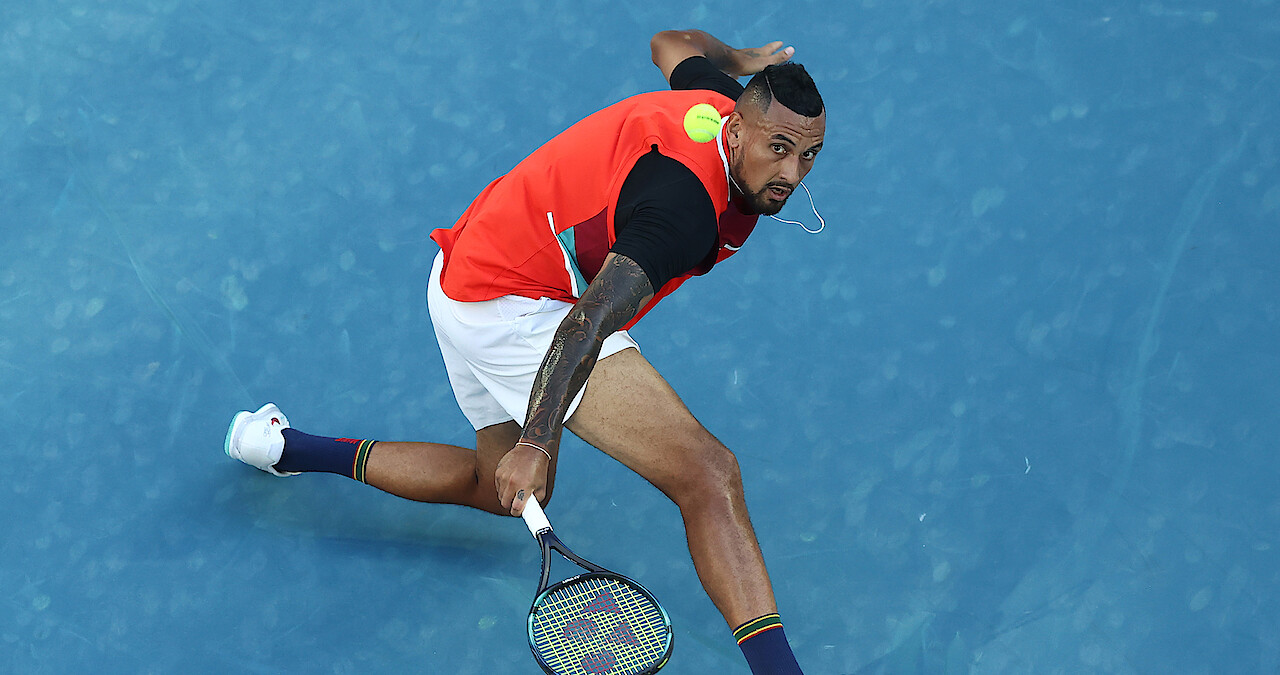
Nick Kyrgios celebrates a hard-won shot.
Outbursts are part of most every sport, but tennis is different in that it’s an individual sport, and unlike golf, it has a one-on-one format. The moment an official ejects a player, they’re simultaneously ending the match. That has huge implications –– such as less broadcast time –– and makes for an even unhappier crowd. This creates a unique power dynamic that isn’t seen in other sports.
While some believe the bad acting has gone too far, current players feel the opposite: “I wish there were more emotions, more space to express yourself," Ajla Tomljanović has said. “Tennis has become strict. I understand it’s a gentleman’s sport, that’s great. But it would be nice if we could show more emotion without getting a fine right away.” In an appeal to get younger fans to watch, Fritz told reporters after his win at the French Open that he wishes the Association of Tennis Professionals (ATP) was more accepting of players’ personalities: “I feel like any little thing can kind of get someone fined or get someone in trouble, so I maybe would like to see more kind of just openness for players to be crazier.”
What do the rankings mean?
The world ranking is determined by how far the athletes advance in tournaments. For male players, their 18 best results over the last 52 weeks are converted into points, calculated and compared; then they are given a tiny number by their name that determines their future tournament qualification and place. The process is the same for the women, but they have their 16 tournaments factored in over the same amount of time. If you don’t play in tournaments, you risk dropping in rank or even falling out altogether. In Break Point, Kyrgios is faced with this risk.
The points system is simple. Different accomplishments earn different amounts. For example, winning a Grand Slam gives a player 2000 points, while losing in the semifinal at Indian Wells is 360 points.
Sarah Stier/Getty Images
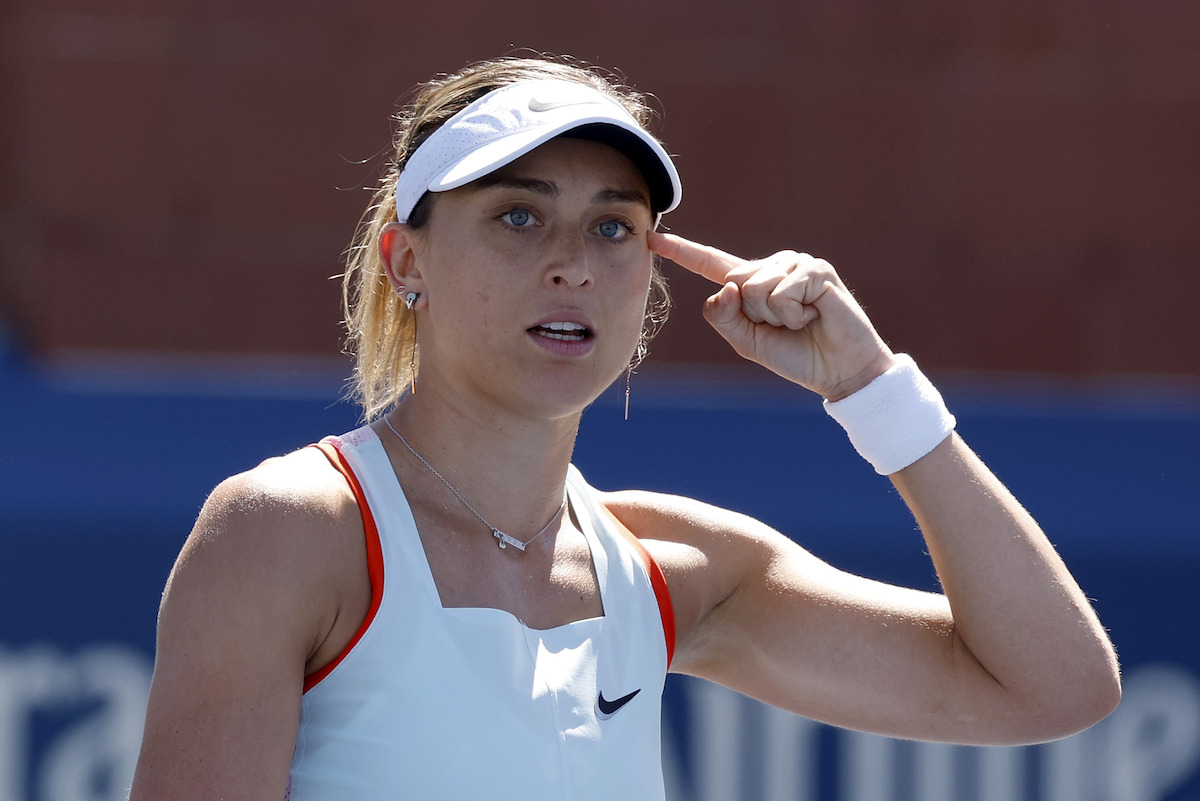
Paula Badosa on the court.
The scoring system isn’t confusing, it’s just intimidating.
When Tudum asked Sakkari to explain scoring in tennis, the world-ranked No. 6 player answered, “Oh my God, how am I going to do that?” But once you understand the terms, it’s easy. All you need to remember are a few funny names for points and “game, set, match.”
Think of a tennis match like a triple-layer matryoshka doll. The smallest doll is the “game.” A player — let’s say Badosa — usually wins a game by scoring four points before her opponent does. The middle matryoshka doll is a “set.” For Badosa to win a set, she typically must win six games before her opponent does. The biggest doll is the “match.” Badosa must get to the best-of-three sets before her opponent does. Two sets of a minimum six games of four points each. So simple!
Each game must be won by at least two points and each set must be won by at least two games, so players often have to win more than four points in a game and sometimes more than six games in a set. In the major tournaments, men play to the best-of-five, not three. And finally, the points –– which are somewhat nonsensical: If Badosa has zero points, she has “love.” Badosa scores! Great. She has one point, or “15.” OMG BADOSA SCORES AGAIN! Two points! She now has “30.” Three points is called “40.” A tie is called “all.” A tie at 40-40 (or 4-4) is called “deuce.” Now go get yourself a drink. You did so well!
Why get into tennis now?
What’s better than watching the succession of the next tennis legends in real time? Break Point follows current players just on the verge of breaking through to that next level, but there are even younger athletes already trying to usurp them. “I’ve said it many times that I might be one of the best players in the world,” Sakkari tells Tudum, “But everyone out there plays good, even if they’re [No.] 50, 67 in the world. Everyone’s good.”