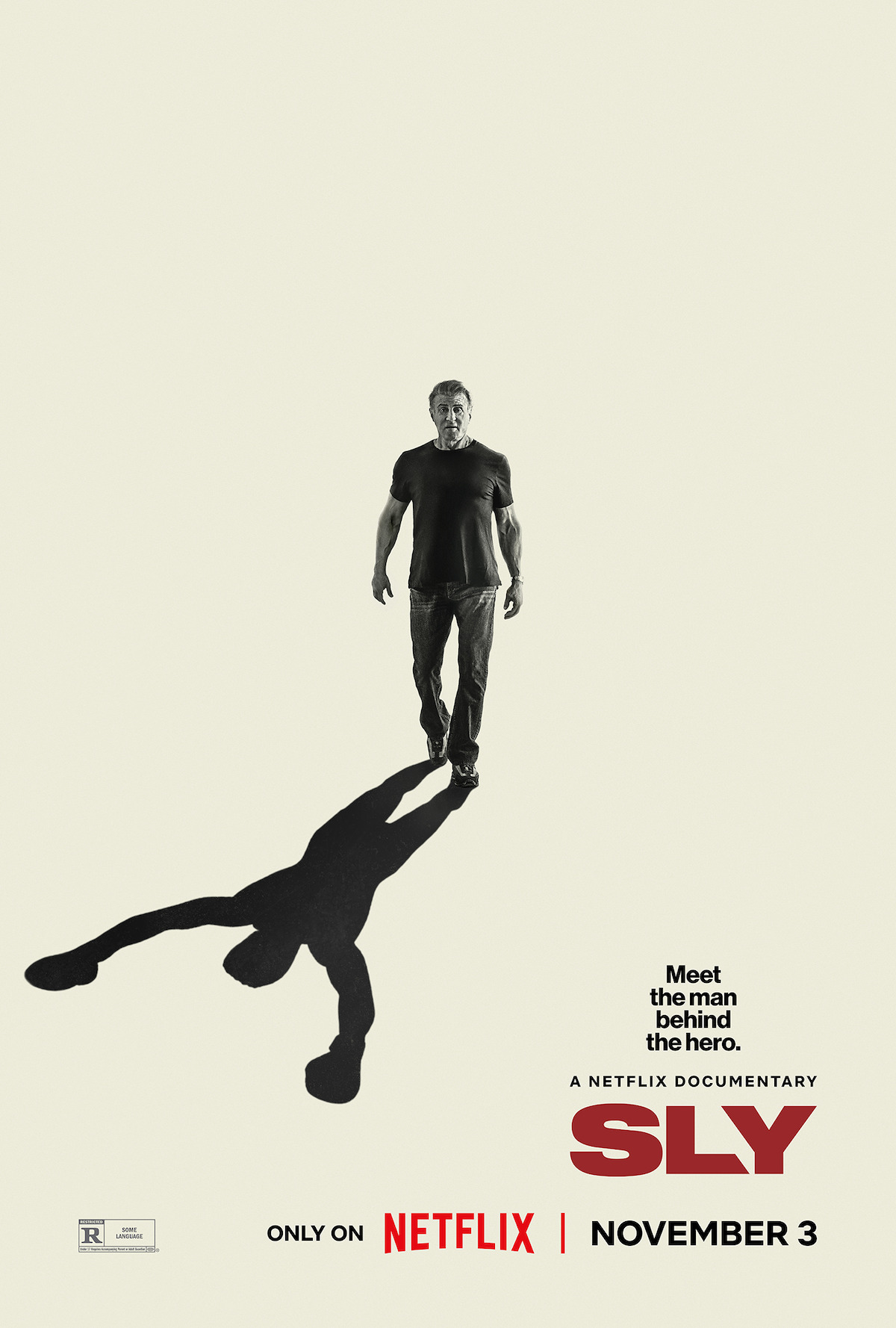
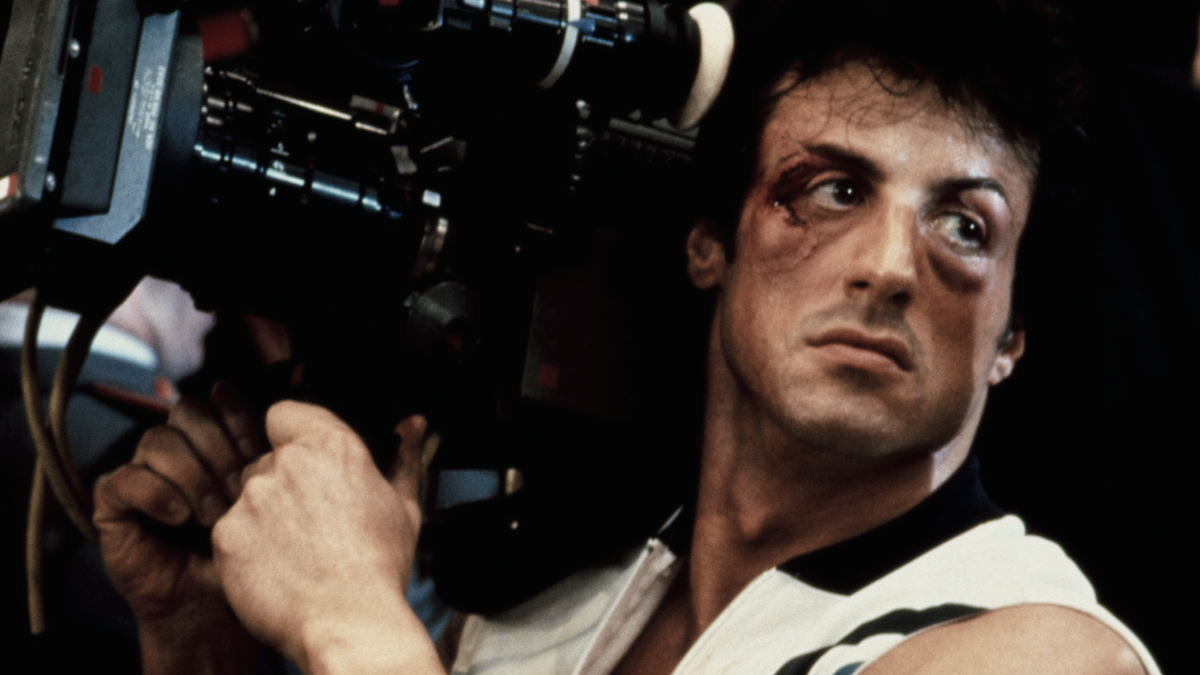
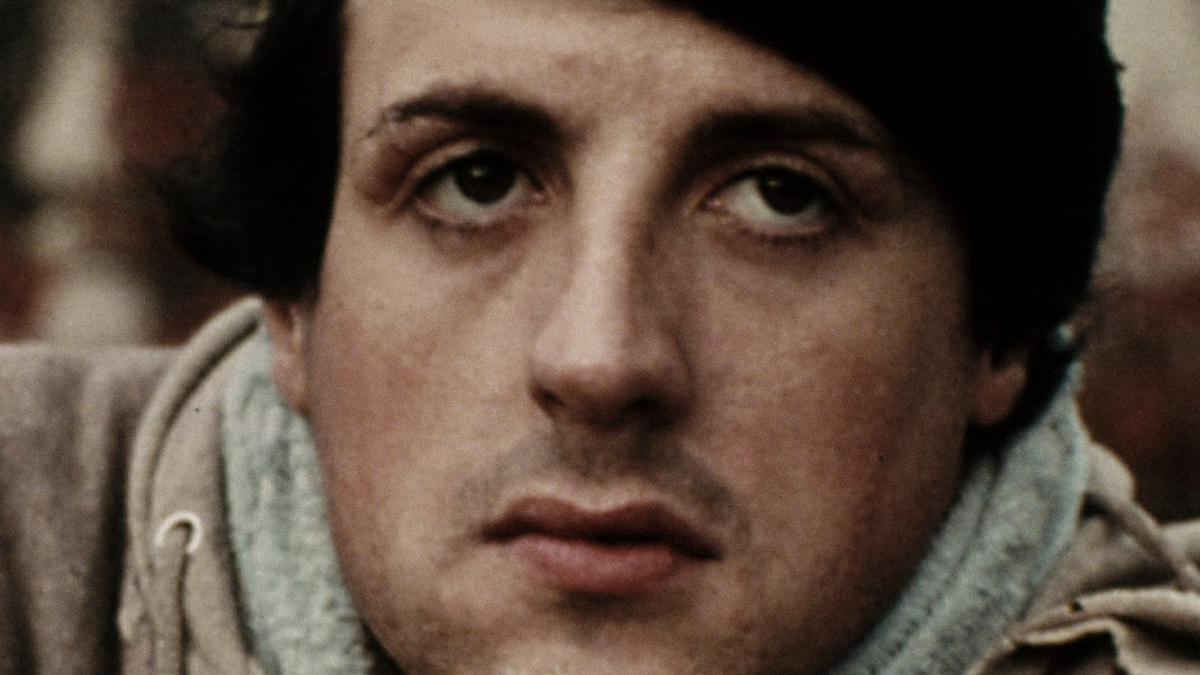
You might know him as Rocky and Rambo, but Sylvester Stallone’s own story is the stuff of cinema, too. In fact, Sly is a documentary that’s as much about the life and career of the Oscar-nominated actor-writer-director-producer as it is about the characters he’s brought to life over the years. It takes a thoughtful, intimate look at Stallone’s triumphs and struggles, drawn in parallel with the indelible characters he’s created for the world.
Stallone’s career spans over 50 years, entertaining millions with such memorable blockbuster franchises as Rocky, Rambo, and The Expendables. In addition to being an actor and a filmmaker, he’s also an artist who fought to bring his independent screenplay for Rocky to life in 1976 — and to play the titular character himself. Despite studio misgivings, Stallone succeeded in executing his original vision, and the film opened at No. 1 and won an Academy Award for Best Picture — but it wasn’t all uphill from there. In Sly, the artist speaks candidly about his box office flops and failures and how the difficulties he experienced professionally only propelled him forward.
“What is healthier — to live under the illusion and still have a little glimmer of hope that you could have been great,” Stallone says in the Sly trailer, “or blow it and be… a failure? I think the easier route is to live under the illusion. The rejection was my encouragement.”
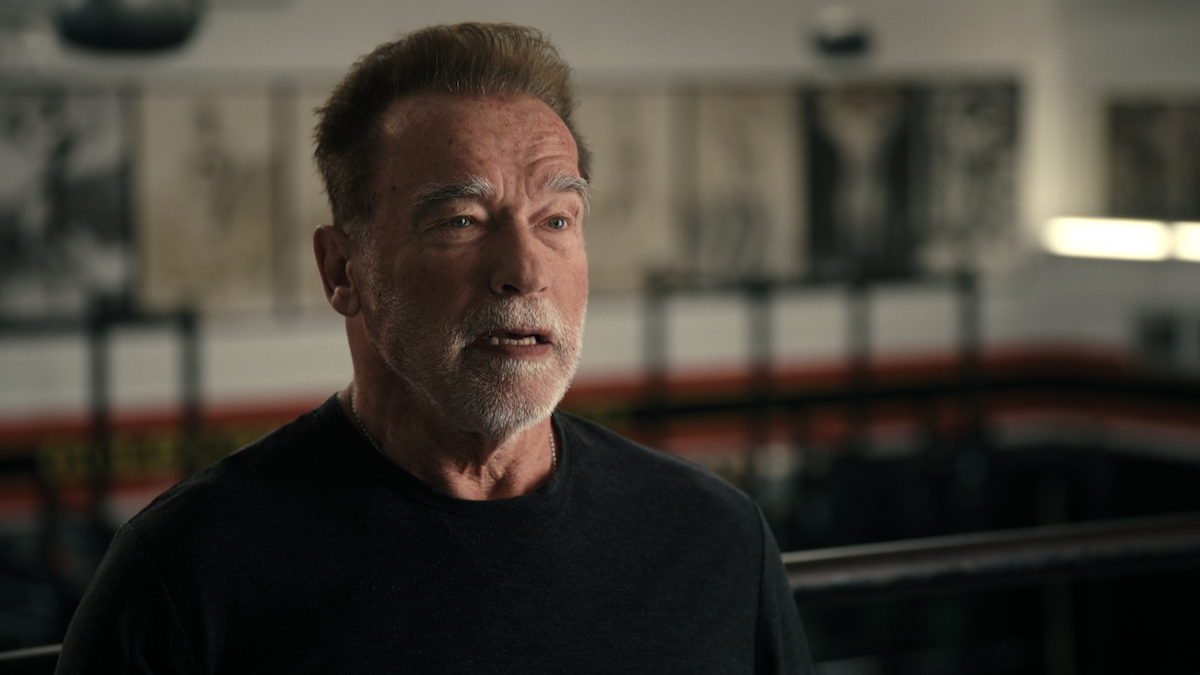
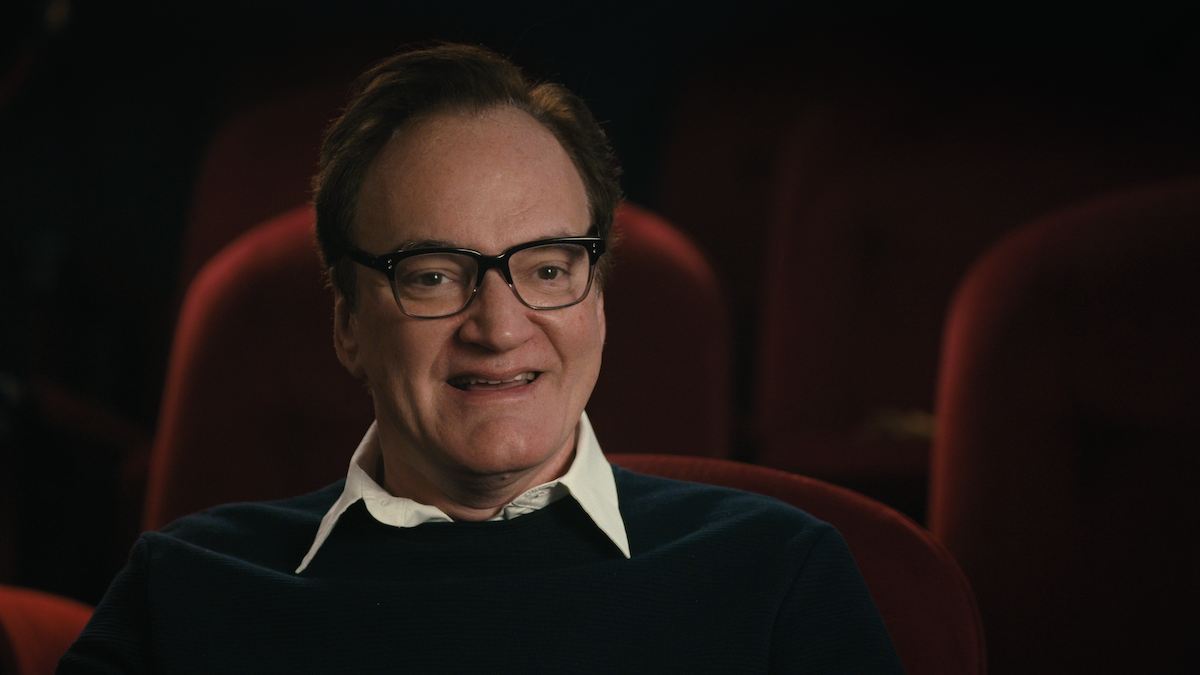
Directed by Thom Zimny (The Gift: The Journey of Johnny Cash), with interviews from contemporaries including Arnold Schwarzenegger (Arnold, FUBAR) and Quentin Tarantino, as well as exclusive access to the man himself, Sly is part retrospective and part Hollywood nostalgia.
Who’s in Sly — in addition to Stallone himself, of course?
Among the featured interviewees in the documentary are:
• Frank Stallone Jr., Sylvester’s brother and composer of scores in Rocky
• Arnold Schwarzenegger (Arnold)
• Quentin Tarantino, who credits Rocky as a major influence on his own directorial career
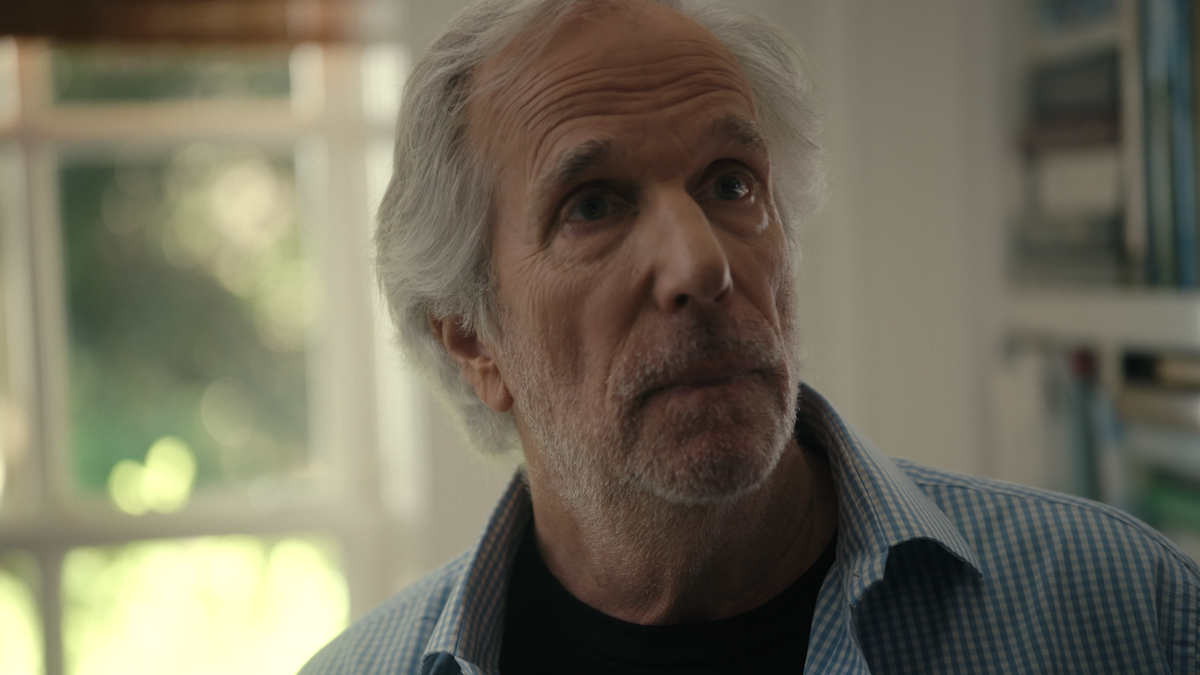
• Henry Winkler, who first met Stallone when they were both cast in The Lords of Flatbush
• John G. Avildsen, who won a Best Director Academy Award for Rocky (Avildsen died in 2017)
• Talia Shire, who was nominated for an Academy Award for her roles in Rocky and The Godfather Part II
• Wesley Morris, The New York Times critic-at-large
What happens in Sly?
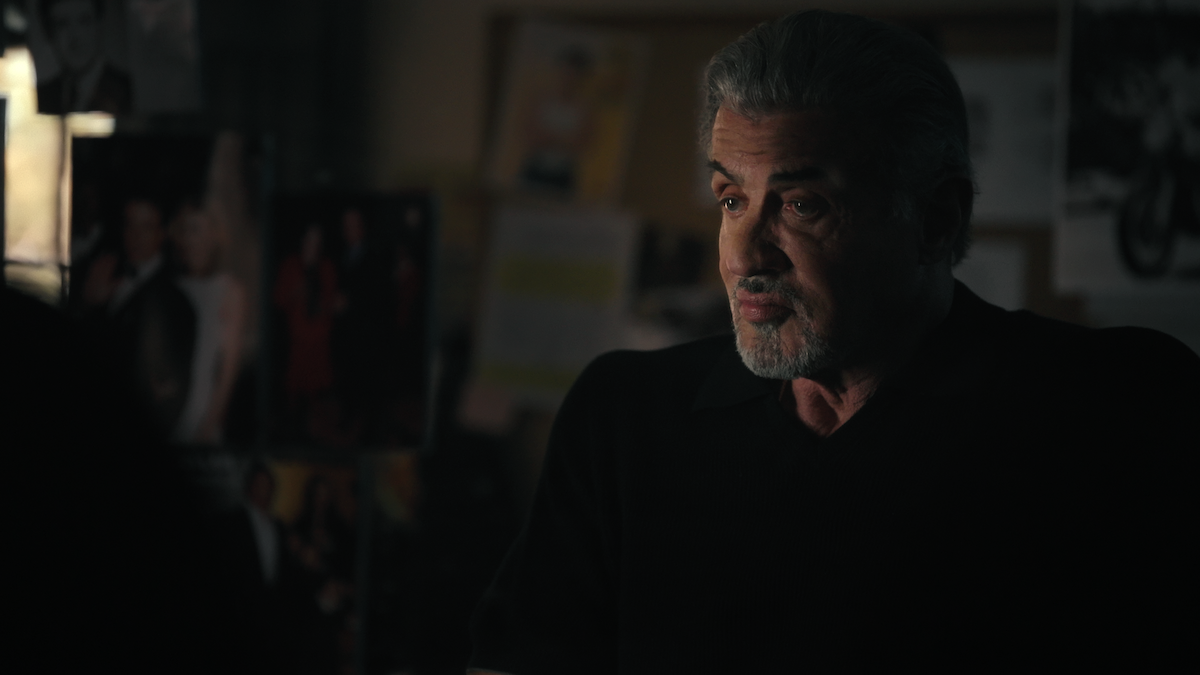
Unlike the reality series that Stallone and his brood star in, Sly focuses on Stallone’s origin story, charting the trajectory of the 77-year-old Stallone’s artistic career to date — the ins and outs and ups and downs, as he puts in tenacious work, takes major risks, and goes from outsider underdog to Hollywood legend. The risks don’t always pay off, and in Sly, Stallone gamely addresses his challenging childhood, his broken relationship with his father, his hard-won professional beginnings, and his box-office failures alongside the monumental successes — and the strangeness of celebrity itself. Heavyweight friends, co-stars, and writers (including Schwarzenegger, Tarantino, and Winkler) and Stallone’s brother Frank offer plenty of perspective along the way, but at the center of it all is the forthright, reflective, and lyrical writer-actor-director-fighter himself. Director Zimny (Springsteen on Broadway) catches Stallone in the midst of packing up his art-filled house for a move back East — and contemplating the course of his life thus far.
“Do I have regrets? Hell yeah, I have regrets,” Stallone says at the outset of the film, setting the tone. “But that also is what motivates me to overcome the regrets — like, fix it. And I do that through painting, and I do that through writing. ’Cause I can’t fix it physically: It’s gone. You know, that fucking thing called time. Just whoosh, gone… If you’re ever on a train, and every window — whoosh — scenery is going by, it’s like a photo… and you’re never coming that way again. And that’s what your life is. Snapping images, whipping by, and you can’t… it’s gone.”
In Sly, Stallone debunks myths: “I was born with a snarl,” Stallone recounts — but then adds that it was due to nerve paralysis from an injury suffered in delivery. Growing up in the Hell’s Kitchen neighborhood of New York City, his parents were “constantly screaming and fighting” according to his brother Frank. “My father was Rambo in reality,” Stallone says in the film about the violent influence his father cast over his life. “Nothing was ever settled verbally.” Before he got into acting and learned to channel that physicality into his characters, Stallone was acting out in response — “Sly was very truant, he’d get into fights,” Frank recalls. But in college, when a Harvard professor happened to see him perform in a production of Death of a Salesman, he encouraged Stallone to think of acting as a career.
Trouble was, the acting world mostly thought of him as a “thug.” Stallone recalls days of sleeping in bus stations and doorways, trying to make it as an actor and getting bit parts as a “thug.” A job as a movie usher became a scriptwriting education: Stallone would secretly tape-record the films he watched to study them later. He had an ulterior motive. It had dawned on him that if he wanted to be an actor, he’d have to be a writer, too. “He couldn’t get what he wanted so he created it himself,” says John G. Avildsen, who directed him in Rocky and Rocky V. Before either of them made it, they’d spend entire weekends holed up hashing out scripts in Stallone’s apartment. While Stallone says it’s true that Rocky was written in three days, that was just the first draft — and then it was “rewrite, rewrite.”
When Stallone was cast with star Henry Winkler in The Lords of Flatbush, he again played a thug, but a memorable one. His ad-libbed performance was “our first glimpse at the musicality… of Sylvester Stallone’s dialogue,” according to Quentin Tarantino. Stallone used that musicality in Rocky, where he also drew on his early film-watching (especially Mean Streets and On the Waterfront) as well as his conflicted relationship with his father. “There’s a thuggery about Rocky,” he says. It was the first of his characters that he hoped would appeal to underdogs everywhere.
In the theaters, audiences cheered and rose to their feet when Rocky KO’d Apollo Creed (Carl Weathers). “We blurred the lines,” Stallone says in Sly. The overwhelming success of the first Rocky turned him into an instant celebrity and propelled him toward, of course, five Rocky sequels and more career-defining roles, especially Rambo. “He stepped into my arena,” his now-friend Schwarzenegger jokingly recalls of their competitiveness at the time: “ ‘Who has more muscles?’ ” Sly is both portrait of the artist and journey of the action hero — and a testament to the high standards to which its star holds himself.
In a keynote conversation at the Toronto Film Festival, where Sly premiered ahead of its streaming debut on Netflix, Stallone encouraged young actors to be as tough on themselves as he is when it comes to his own projects. “I say, ‘Pretend this is your last film. Would you be this sloppy? Would you be this casual?’ ” he said. “That’s how I look at it now. I look at every scene as my last scene.”
When will Sly be released?
You can stream it now.