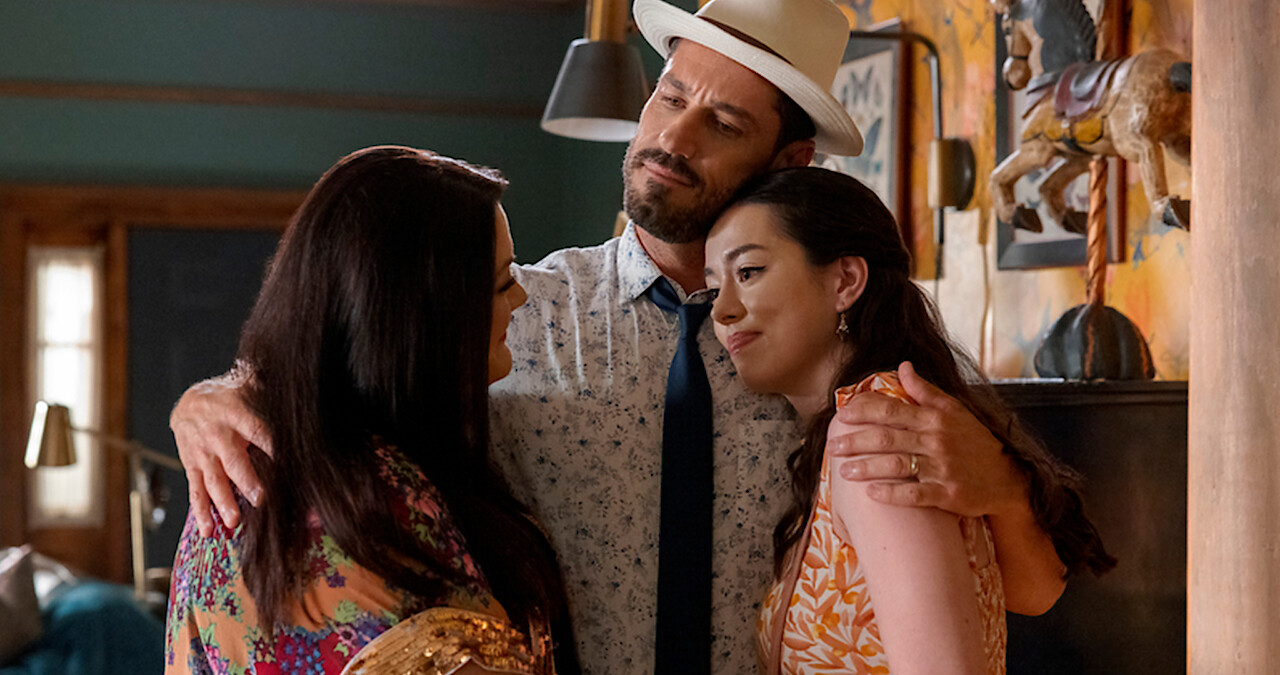
STEVE SWISHER/NETFLIX
Guide
What in Sam Hill Are They Saying in ‘Sweet Magnolias’?
Your guide to Season 2’s most Cheerwine-sweet Southern idioms.
By Casey Suglia
March 3, 2022
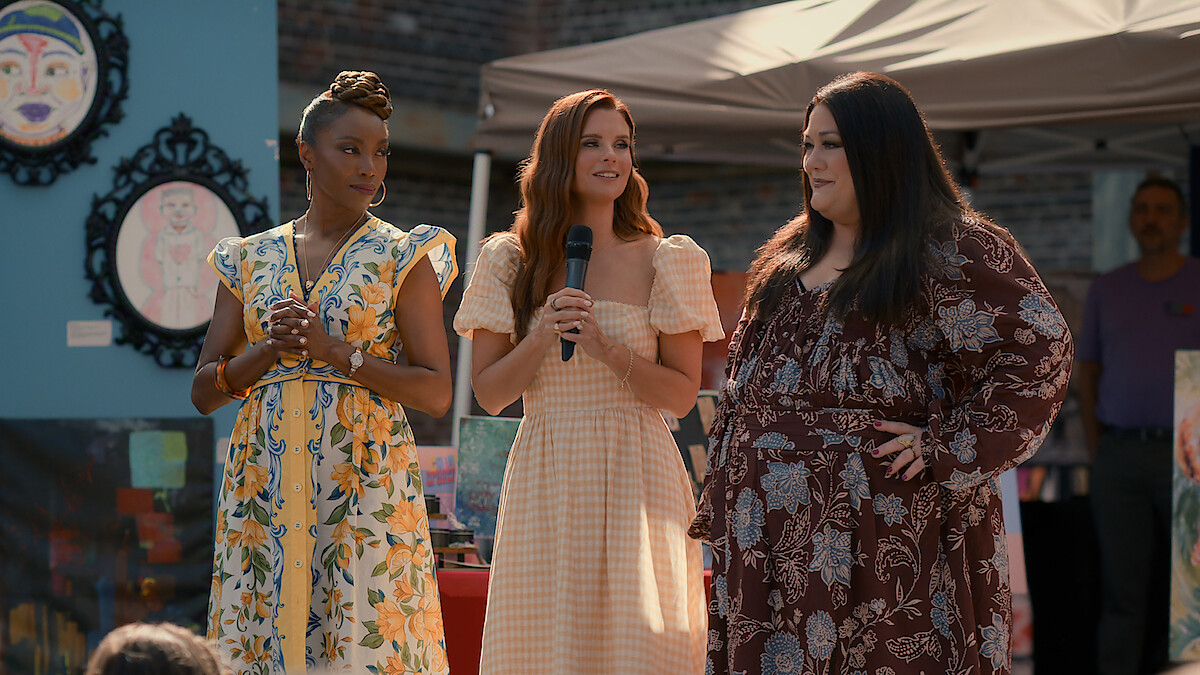
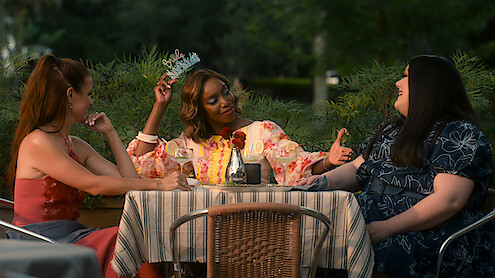
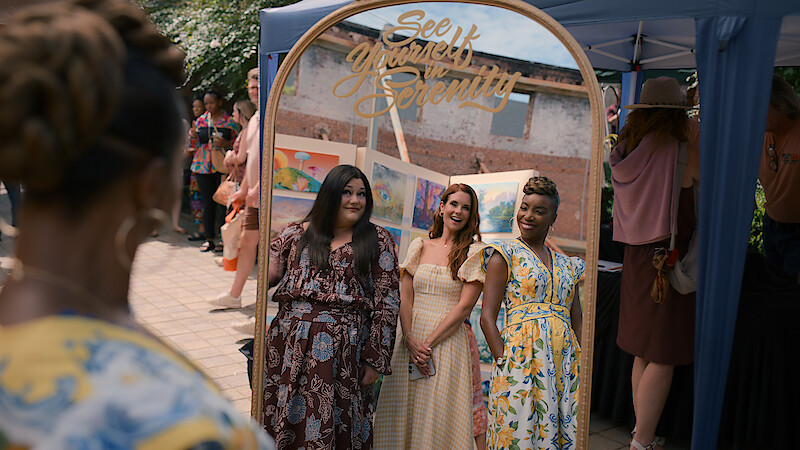
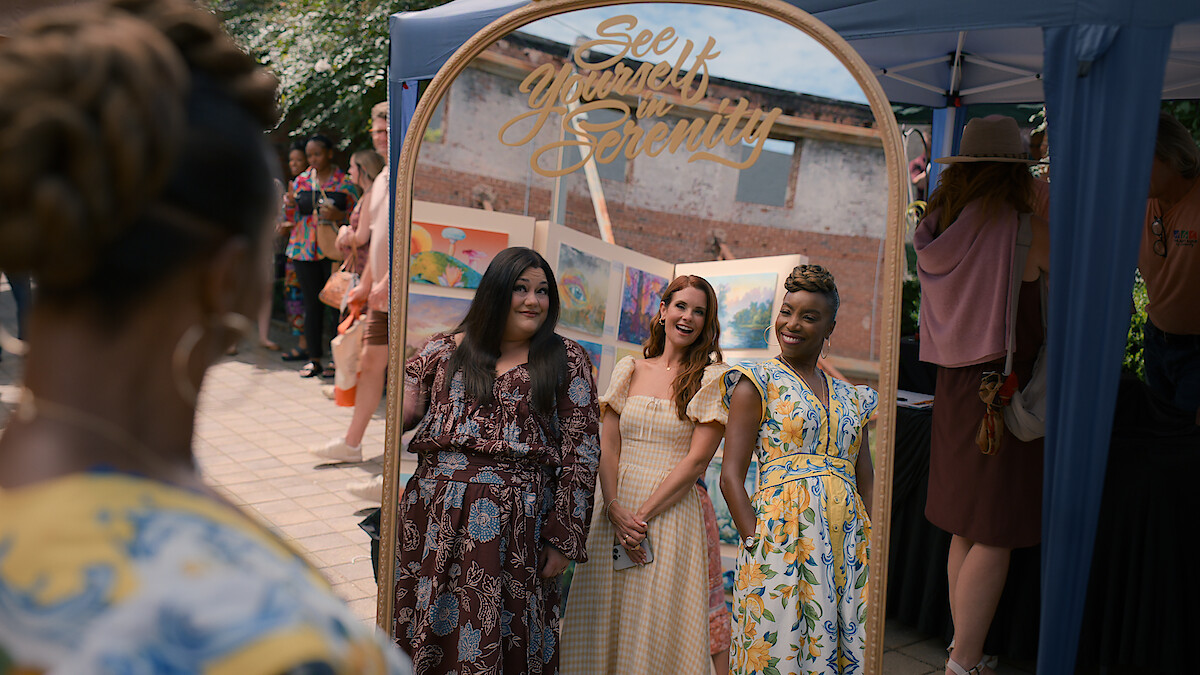
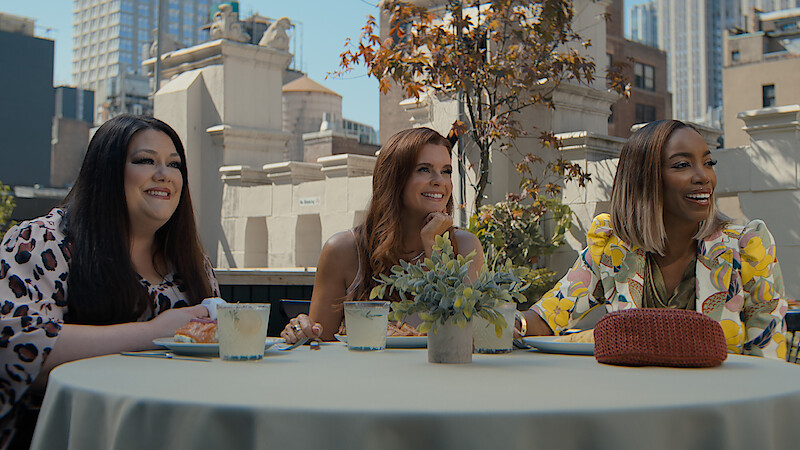
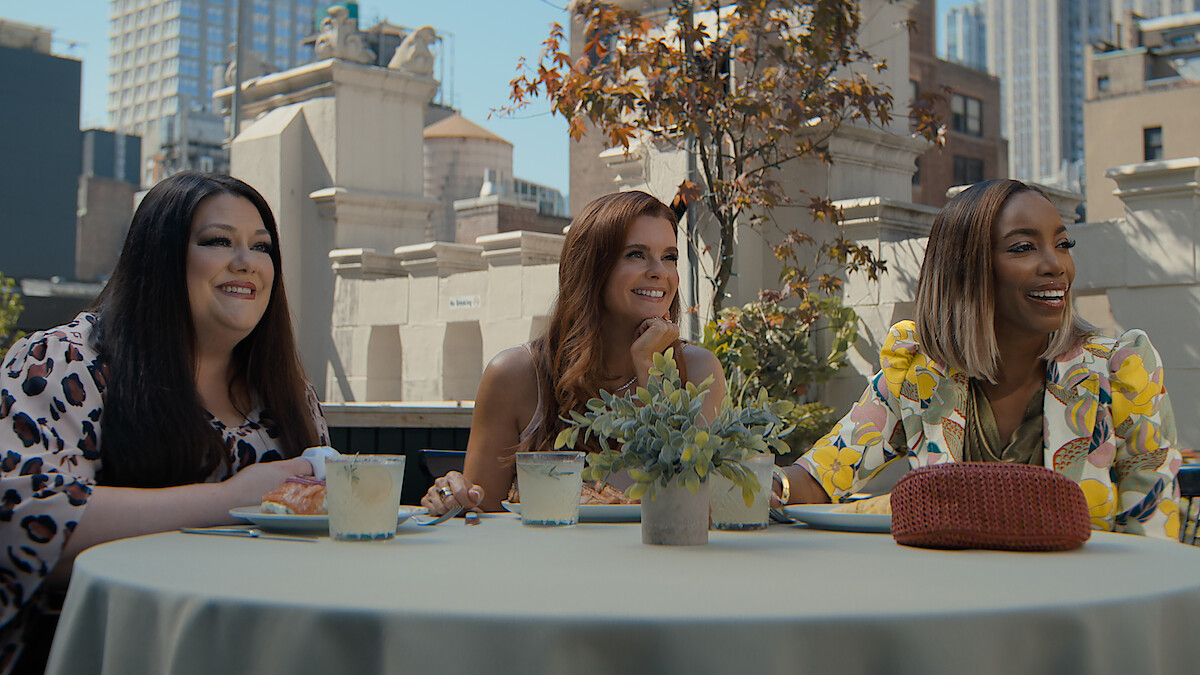
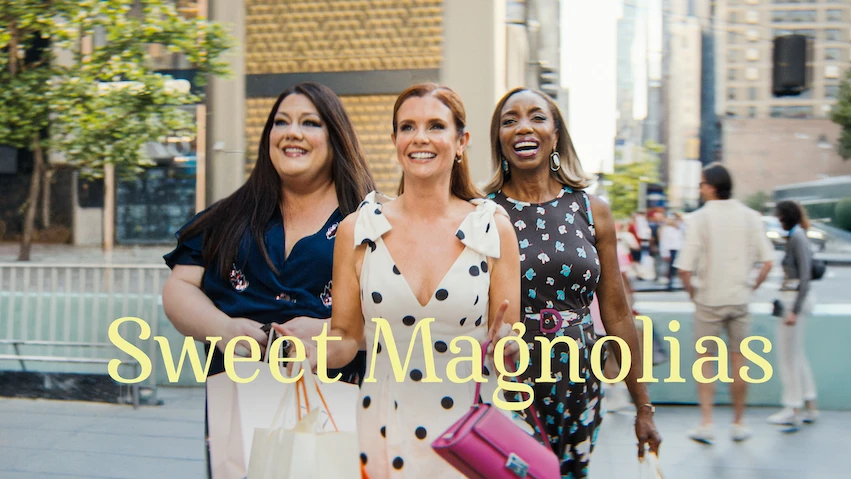
Watching Sweet Magnolias feels like taking a trip down to the “Sorry ma’am, but do y’all sell pimento cheese and Cheerwine here?” Deep South without leaving the comfort of your living room couch. The show focuses on Maddie, Dana Sue and Helen — three lifelong best friends who raise their children, run their businesses and navigate their lives in the small fictional town of Serenity, South Carolina, where they grew up. But for those unfamiliar with some aspects of the Southern dialect, the idioms used on the show can sometimes be tricky to make out. But don’t get your britches in a knot — here is your handy guide to some of the idioms used in Sweet Magnolias Season 2 and what they tend to mean.
“Bless your heart.”
How it’s used in Sweet Magnolias: “I will be your plucky guide through the labyrinth of city planning.” “Bless your heart.” (Episode 4) “You know what happens when you kick a hornet’s nest, Maddie? You get stung.” “That’s a small price to pay for being able to exterminate the hornets. Bless your heart.” (Episode 5)
What it means: The phrase has two essential meanings, all depending on the tone of voice in which it’s said: It can show affection or sympathy for someone, because you’re sending blessings their way. But in the South, where manners are key, it’s all about the tone that you use it with. When said with a hint of sarcasm, it’s known to be one of the most “savage insults” there is, as you’re showing pity for someone who was too ignorant to know better.
“Make a fuss” and “fussin’ about.”
How they’re used in Sweet Magnolias: “This must be your superpower, isn’t it Helen?” “What is?” “Not letting us fuss when you most need to be fussed over!” (Episode 3) “While we were fussin’ about Jessamyn Juniors, she was off having a baby.” (Episode 5)
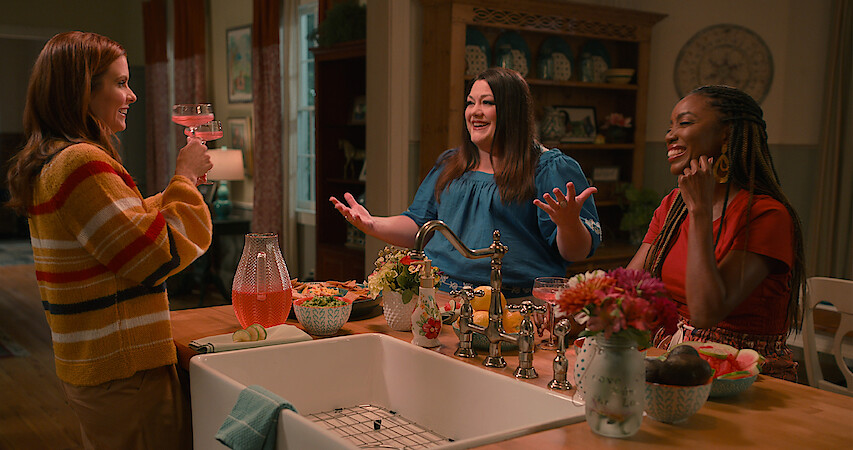
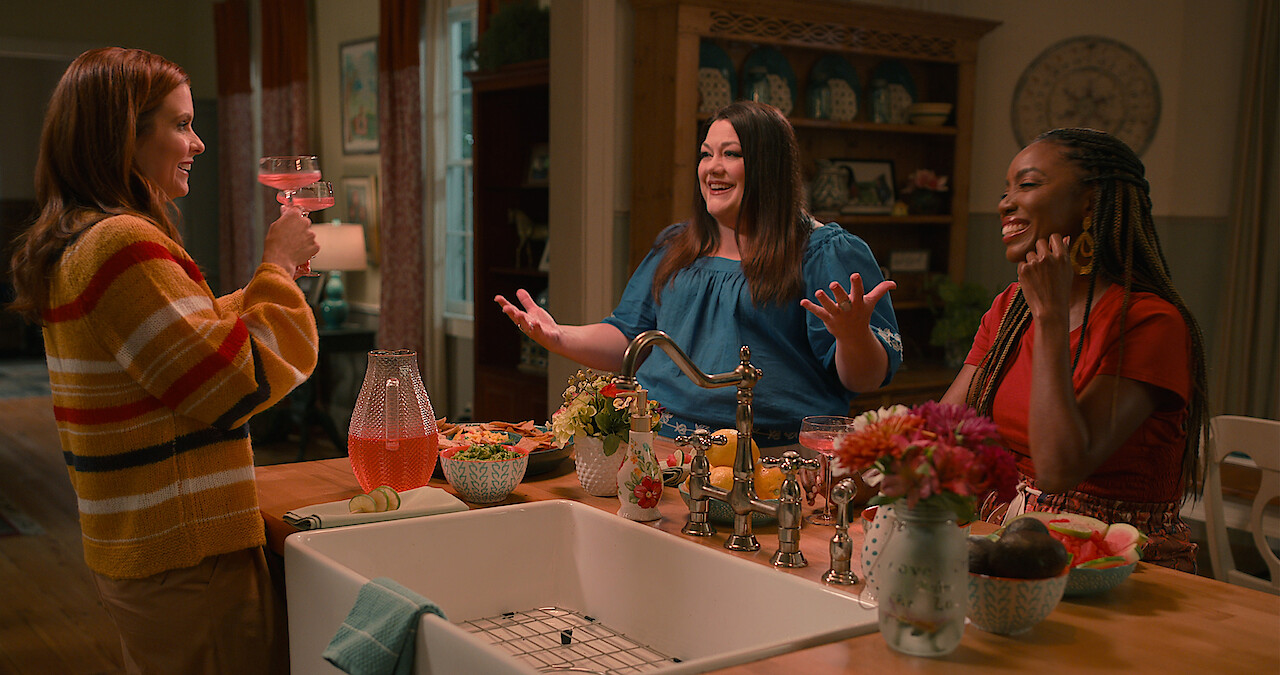
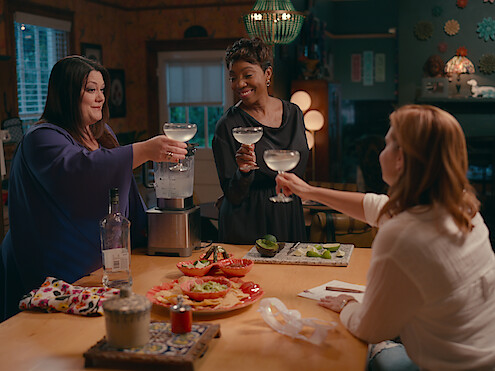
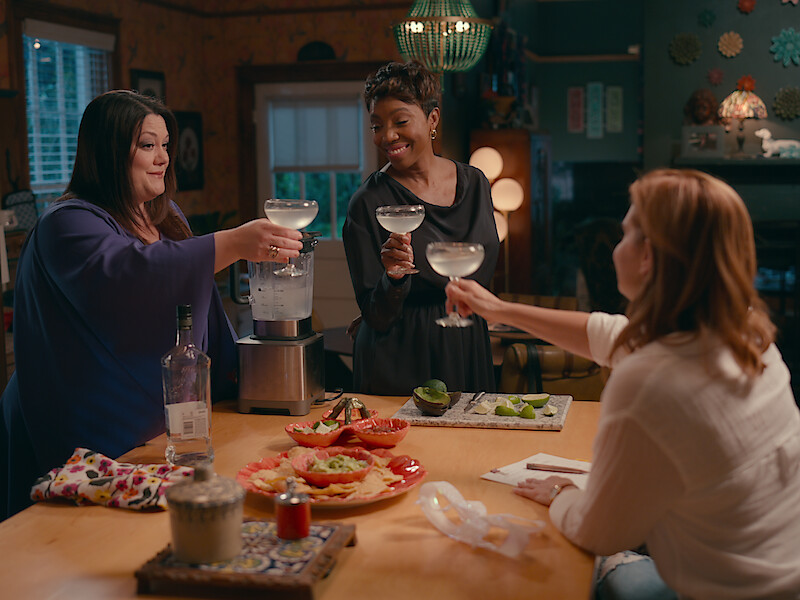
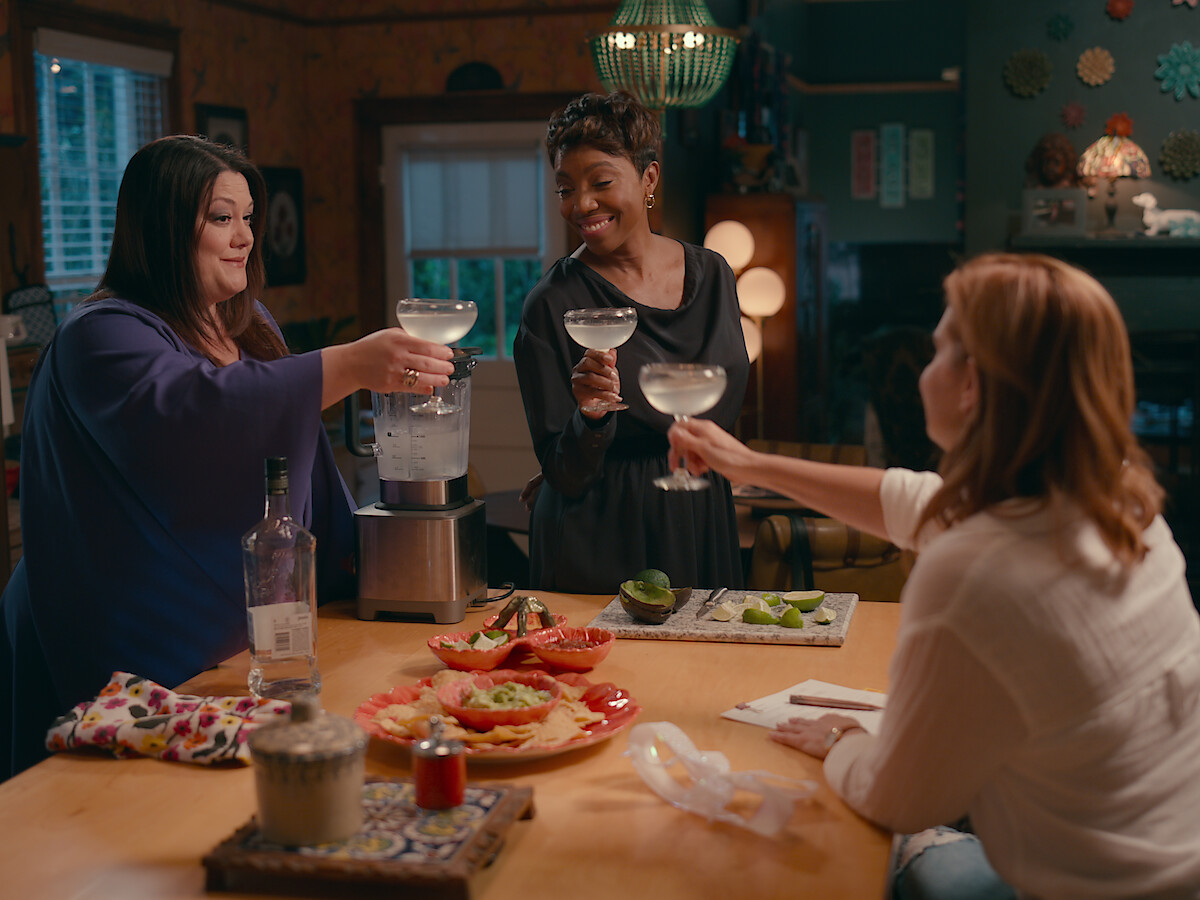
What they mean: These phrases have quite a few meanings, so context is important. If you “make a fuss” or are “fussing about” something, you could be either complaining or arguing. But if you are “fussing” as an action, you could be worrying about or being incredibly helpful about something. So, if you “make a fuss” around your house while your heartbroken friend sits at your counter with a margarita, you’re doing all that you can to help cure them, even if they don’t want you to do it.
“What in Sam Hill?”
How it’s used in Sweet Magnolias: [Maddie, hearing construction noises outside of the spa] “What in Sam Hill?” (Episode 4)
What it means: If you hear someone saying this, they’re not actually talking to a person named Sam Hill. If you’re looking for a clever way to curse while minding your manners, as is vital in the South, you can use this phrase instead of saying “What the hell?” In fact, it’s a great way of saying something bad in front of the kids without them catching on — but then they might want to know who Sam Hill actually is.
“Swimmin’ upstream with your hands full.”
How it’s used in Sweet Magnolias: “Now you can’t be swimmin’ upstream with your hands full.” (Episode 4)
What it means: If you’re trying to do too much at once, you might be guilty of swimming upstream with your hands full. Swimming against the current is challenging enough, but to paddle and make strokes with things in your hands is even harder. If someone says this to you, it’s best to stop in your tracks, take a deep breath and try changing course.
“Sat there like a June bug in a bug zapper.”
How it’s used in Sweet Magnolias: “So it wasn’t weird having Noreen in your house?” “Not until she went to leave. That’s when she apologized to me for having the affair and asked me to forgive her.” “Wow, what did you say?” “Nothin’. Just sat there like a June bug in a bug zapper.” (Episode 6)
What it means: June bugs are harmless brown beetles that thrive in gardens around the summertime in the eastern United States, and using a bug zapper is a popular means of getting rid of them, since June bugs are attracted to sources of light. When you’re sitting like a June bug in a bug zapper, you might be helpless and not realize the kind of major trouble you’re getting into. A rule of thumb? Always avoid the bug zapper.
“More sugar in my tank than grease in my axle.”
How it’s used in Sweet Magnolias: “Maybe we can explore some vegan options for the menu?” “Cal, partner, I appreciate all of your enthusiasm, but right now you are more sugar in my tank than grease in my axle.” (Episode 7)
What it means: If there’s sugar in your gas tank, then you might want to call a mechanic. Sugar will sink into your gas tank and limit the amount of gas that you can put into the car and might cause it to stall. On the other hand, axle grease allows for the wheels of the car to move. If someone tells you that they have more sugar in their tank than grease in their axle, they’re probably in a rut and unable to get on the move. But give the car some time, and it’ll be up and at ’em in no time.
“Praise the Lord.”
How it’s used in Sweet Magnolias: “Praise the lord, you brought reinforcements! You, roll towels.” (Episode 7)
What it means: When someone says this, they’re likely not actually asking you to stop what you’re doing and praise the Lord. Unless, of course, you’re in church. If someone says “praise the Lord” in response to something you’ve said, they’re likely thanking God for something good that’s happened in that moment.
“Miss her something fierce.”
How it’s used in Sweet Magnolias: “Part of me can’t believe she’s gone. I’m gonna miss her something fierce.” (Episode 9)
What it means: Sometimes in the South regular old adverbs just won't do. If you miss someone “something fierce,” it’s basically a long way of saying that you miss them “badly” or miss them “very much.”
“Foolhardy”
How it’s used in Sweet Magnolias: “Let me give that proposal the same consideration that you and your husband have given to the citizens of Serenity — no.” “Shortsighted and foolhardy.” (Episode 10)
What it actually means: There are some phrases and words used in the South that sound like they’ve come straight out of the mouths of your great-grandparents, and foolhardy is no exception. Foolhardy means being bold in an outrageous way and actually has French origins. So, if your teenage son is boldly declaring his love for his crush at the town’s kissing tree, then he might be acting foolhardy.
“You can’t judge a book by its cover, but you can get a sense of someone by the books that they like.”
How it’s used in Sweet Magnolias: “How did I not know you were a comics guy, Trotter?” “Because I didn’t know you were!” “Here endeth the lesson, I suppose. You can’t judge a book by its cover, but you can get a sense of someone by the books that they like.” (Episode 10)
What it means: This one is pretty self-explanatory. “You can’t judge a book by its cover” is a commonly used idiom meant to encourage people to look beyond the surface or façade. Ashley expands on this idiom by adding that while you shouldn’t judge a book by its cover, you can often correctly make assumptions about them based on the kind of books that are on their shelf. If someone has a lot of romance novels — say, Sweet Magnolias for example — it’s safe to say that they are a hopeless romantic who enjoys a good drama, especially one with a little Southern drawl.